Jawbreaker by Christina Wyman

Published by Square Fish

Summary:  Max has a lot to deal with: an orthodontist who tortures her with braces, headgear, and threats of jaw surgery; family issues that include drinking, money issues, and some pretty toxic rivalry with her younger sister; and bullying at school about her teeth.  Her passion is writing, and when her op-ed piece on a lack of resource equity at school goes viral, she decides to enter a journalism contest and write about her experiences with orthodontia and bullying.  Writing helps Max find her voice, and she begins to speak up about what is bothering her at home and at school, leading to a rethinking of how the school handles bullying, as well as the beginning of some healing for her family.  Includes an author’s note (at the beginning) about her own experiences that inspired this book.  320 pages; grades 4-7.

Pros:  I’ve seen some comparisons of this book to Raina Telgemeier’s Smile, with its exploration of bullying, family issues, and orthodontia.  Jawbreaker is able to dive a little deeper than a graphic novel can, making this an excellent book for middle school kids.

Cons:  The ending resolved some of the many difficult issues in Max’s life a little too easily.
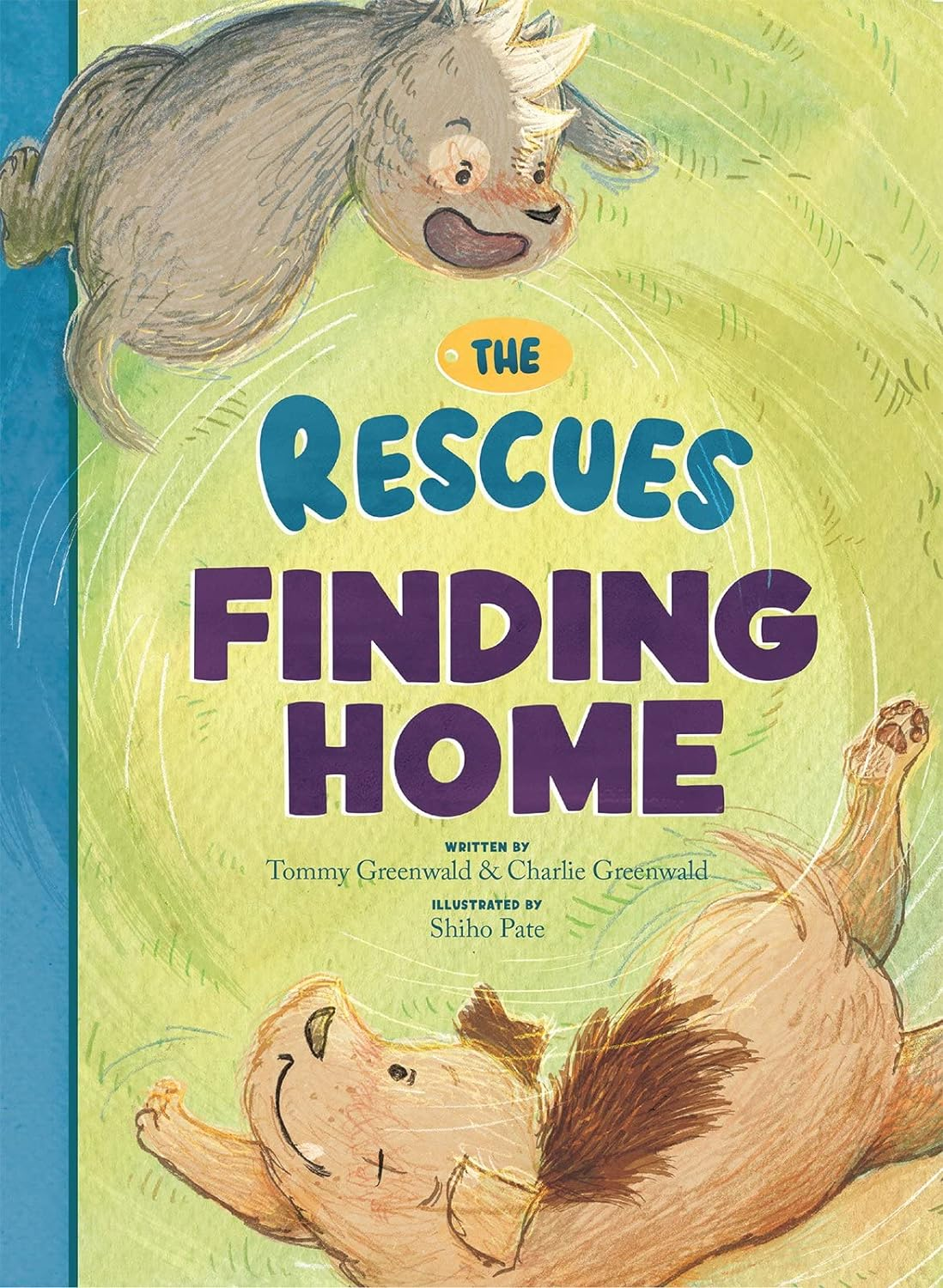
The Rescues Finding Home by Tommy Greenwald and Charlie Greenwald, illustrated by Shiho Pate

Published by Red Comet Press

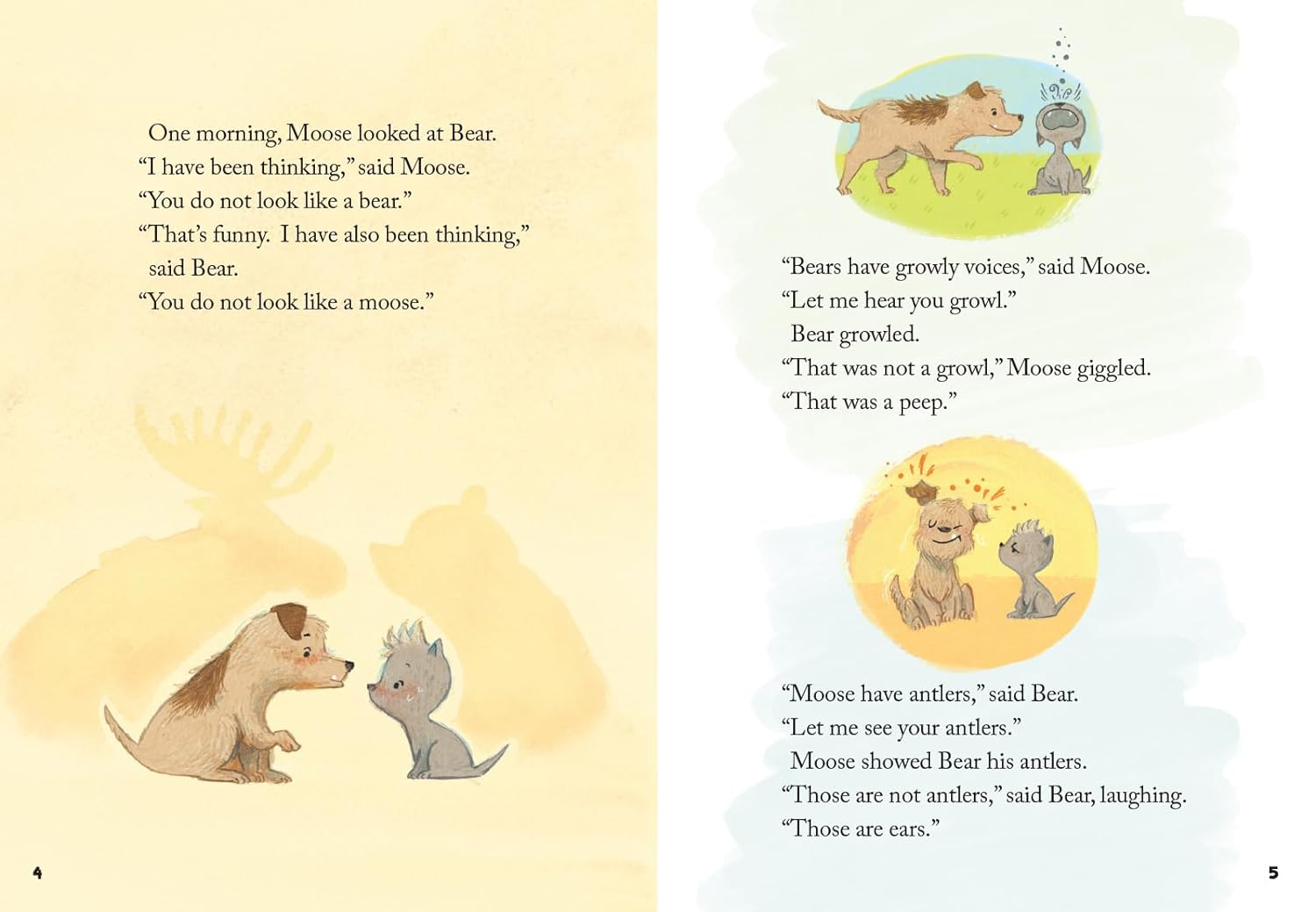
Summary:  In three chapters, readers learn about one-eyed Moose and three-legged Bear, two dogs who become friends at a shelter.  A woman named Cathy adopts them at the end of the first chapter, and a stray cat named Tiger joins the family in chapter two.  In the final story, it’s bedtime for the three friends, but Tiger is too anxious to sleep in his new home.  After trying a few unsuccessful solutions, the three pets happily snuggle up together in the dogs’ bed for the night.  40 pages; grades K-2.

Pros:  I would challenge any new reader not to be completely charmed by Moose, Bear, and Tiger.  This is billed as book 1, so here’s hoping there will be more.

Cons:  The first two pages were so heart-rending that I could hardly go on.

On the Line: My Story of Becoming the First African American Rockette by Jennifer Jones and Lissette Norman, illustrated by Robert Paul Jr.

Published by HarperCollins

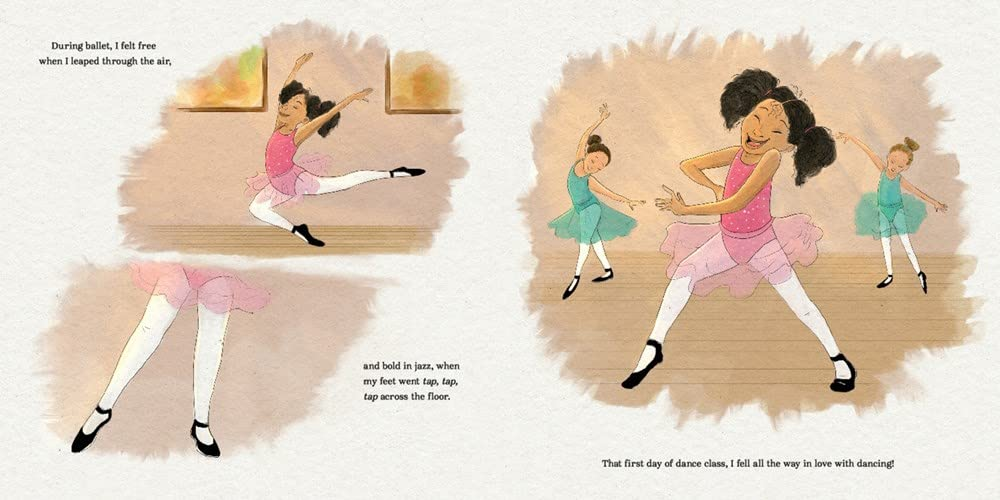
Summary: Jennifer Jones fell in love with dance in her first class at age nine. Dance was a way to express herself when she felt shy, which was often. With a white mother and a Black father, Jennifer felt conspicuous and out of place in her New Jersey hometown. When a supermarket clerk made racist remarks and told her that “girls like you don’t become dancers,” Jennifer’s mom set up a dance studio in their basement. Seeing The Wiz on Broadway showed her that people like her could be dancers, and Jennifer auditioned for the Rockettes at age 19. As there had never been a Black Rockette since the group’s start in 1925, she was up against tough odds, but in 1987, Jennifer became the first African American Rockette. She ends the book by acknowledging her family’s support of her dreams and encouraging readers to figure out what they love to do and pursue it. Includes additional information about Jennifer Jones and the Rockettes. 40 pages; grades K-4.

Pros: An inspiring story of a woman whose passion led her to break down barriers and open doors for others. The conversational tone of the story makes Jennifer feel like an old friend, encouraging kids to follow their dreams as she did hers.

Cons: A few photos would have made a nice addition.

I’m Gonna Paint! Ralph Fasanella, Artist of the People by Anne Broyles, illustrated by Victoria Tentler-Krylov

Published by Holiday House

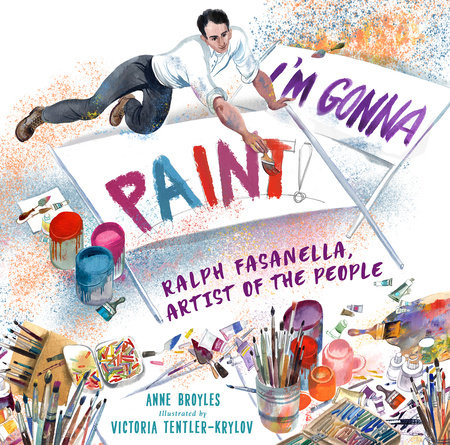
Summary:  Ralph Fasanella’s early life didn’t seem particularly auspicious for becoming a renowned artist.  The son of Italian immigrants, Ralph grew up in a tenement with five siblings and was in and out of a Catholic reform school from the age of ten.  He left school as a teenager and took a series of jobs before becoming a trade union organizer.  When he started having pain in his hands, a friend recommended drawing, and Ralph created his first art at the age of 31.  Recalling his mother’s labor activism, as well as his own union experiences, Ralph focused on working people and political messages in his paintings.  Family members supported him so he could quit working and paint full time.  His works hang today in the Smithsonian, Ellis Island, and other museums around the world, as well as in union halls and subway stations.  “I didn’t paint my paintings to hang in some rich guy’s living room,” Ralph said.  “My paintings are about people, and they should be seen by people, not hidden away.”  Includes additional information with photos and reproductions of some of Ralph’s paintings; a timeline of his life with relevant events from American history; a list of some of his paintings; and additional resources.  48 pages; grades 1-5.

Pros:  A fascinating, well-written introduction to the life of an artist who captured many important moments from American history, with illustrations that perfectly reflect Ralph’s style.  This would pair nicely with Cynthia Levinson’s The People’s Painter, about Ralph’s contemporary Ben Shahn.

Cons:  Although several museums were mentioned, I wish there had been a list of places to see Ralph Fasanella’s works.

Breaking News (Frankie and Friends, book 1) by Christine Platt, illustrated by Alea Marley

Published by Walker Books

Summary:  When Mama has to suddenly leave to cover a breaking news story, Frankie must cope with missing her mom.  Heading to her bedroom, she realizes that she has enough of her mother’s old equipment to start her own news program.  She gathers her doll and stuffed animal friends, assigning them different tasks, and they get to work.  When they hear someone crying in the house, they investigate and find Frankie’s teenage sister Raven, interviewing her to find out what’s wrong.  Frankie is proud to create her own news show and to help her big sister, and she knows Mama will be proud as well when she returns.  Includes several pages of information about the news and journalism.  80 pages; grades 1-4.

Pros:  A fun new early chapter book series that explores the process of gathering and sharing news and introduces a loving family with a hardworking young protagonist and her imaginary friends.

Cons:  Raven seemed unrealistically loving and upbeat for a young teenager interrupted from a crying session by her younger sister looking to broadcast a news story about it.

Hanukkah Upside Down by Elissa Brent Weissman, illustrated by Omer Hoffmann

Published by Abrams Books for Young Readers

Summary: Noah lives in New York; his cousin Nora lives in Aotearoa New Zealand. When they talk on the phone, they like to argue about which one of them is upside down. When Nora discovers that Noah celebrates Hanukkah in the winter, and Noah learns that it’s summer in New Zealand, each is convinced that their holiday is better. They set up a shared photo album to settle the score and start posting pictures each day. During the days, Noah eats pastrami on rye, learns Spanish, and throws snowballs, while Nora eats hokeypokey in a cone, practices te reo Māori, and does cannonballs into the water. But each night is the same as they light candles, say Hebrew prayers, and eat potato latkes. On the last night, they receive each other’s gifts, a shirt with “World’s Best Cousin” printed upside down. 40 pages; ages 4-8.

Pros: A cute Hanukkah story about two feisty cousins who enjoy debating each other while also appreciating their friendship and the interesting aspects of the other’s life. The story cleverly weaves in details of both the holiday and life in New York and New Zealand.

Cons: A map showing the two locations would have been a nice addition.

Two books about birds

How to Bird by Rasha Hamid

Published by Free Spirit Publishing

How Birds Sleep by David Obuchowski, illustrated by Sarah Pedry

Published by minedition

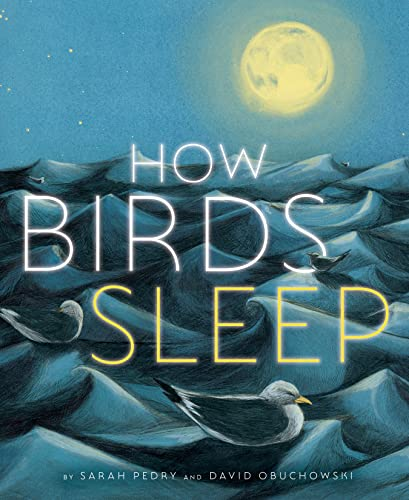
Summary: These two books about birds encourage kids to be curious about the world around them. In How Birds Sleep, the author and illustrator explore the unusual ways birds slumber, including sleeping while flying, hanging upside down, or standing on one leg. Each page or spread has an illustration of the resting bird, labeled, with a few sentences of text. The back matter includes additional information about birds’ sleep, the effects of climate change, and how the book came to be written. While there hasn’t been a lot written on the topic, there are three additional resources listed.

How to Bird is a bright, colorful celebration of birding, illustrated with photos of kids getting out in the city to observe the birds. Different birders have different superpowers, such as keen observation, good listening, and fast counting. The emphasis is on the fun and easy accessibility of birding, which requires little more than being curious and getting outside. Includes an author’s note, a list of questions to think about, birding words with definitions, and additional resources. Both books are 40 pages; ages 4-8.

Pros: I love how both authors encourage kids to go outside and look at the world around them. The illustrations in both books are eye-catching and add to the appeal of birds and birdwatching, and the additional information at the end makes them both great resources for older readers.

Cons: I was curious as to how long birds sleep each night, but that wasn’t covered.

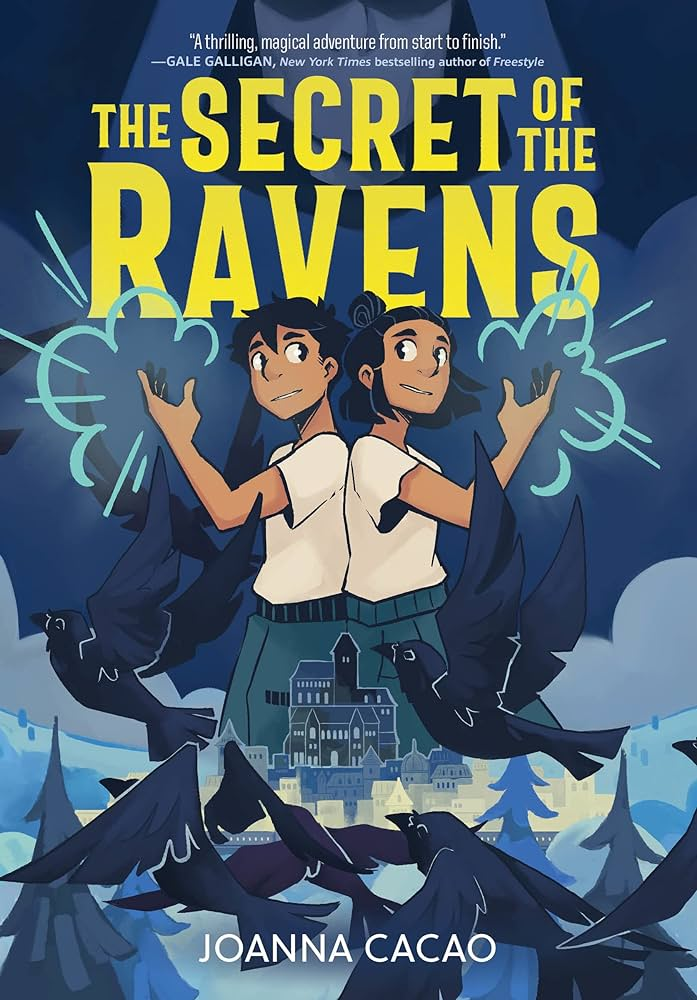
Secret of the Ravens by Joanna Cacao

Published by Clarion Books

Summary:  Elliott and Liza are orphaned twins who survive by selling the trash they find at the dump.  When they see a friend trap a raven with magic, they’re intrigued.  They learn that the ravens will give their captors a quest, rewarding them with money if they fulfill it.  The twins start participating, gradually getting bigger and more dangerous quests until Liza gets attacked by a giant serpent during one of them.  A magician’s apprentice, Seb, rescues them, taking them to a mysterious old woman who is rumored to be a healer.  She sends Seb and Elliott on a dangerous mission to gather ingredients for the antidote, taking them to the castle where they learn some unsettling secrets about the kingdom they live in.  Eventually, the old woman reveals her identity, and Elliott must make a huge sacrifice to save his sister, setting the stage for a sequel.  Includes a spell glossary and early versions of some of the illustrations.  272 pages; grades 4-7.

Pros:  An excellent fantasy adventure graphic novel with interesting characters and world-building, and plenty of plot twists.  

Cons:  I see no sign of a sequel…I hope we will not be left forever wondering what happened to Elliott.

Mock Caldecott 2024 on Teachers Pay Teachers

As I’ve done the last couple of years, I’ve put together a slideshow with 20 Caldecott contenders to use for a mock Caldecott activity. It includes an introduction to the award, a round-up of last year’s winners, and a slide about each of the books with information about the illustrator and what to notice about the art in each book. The slides are editable so you can take out ones you don’t want to use, add others, or change the information. I’m selling it on Teachers Pay Teachers; if you’re interested, here is the link. If you do buy it, I hope you’ll send me some feedback, or leave a review on TPT!

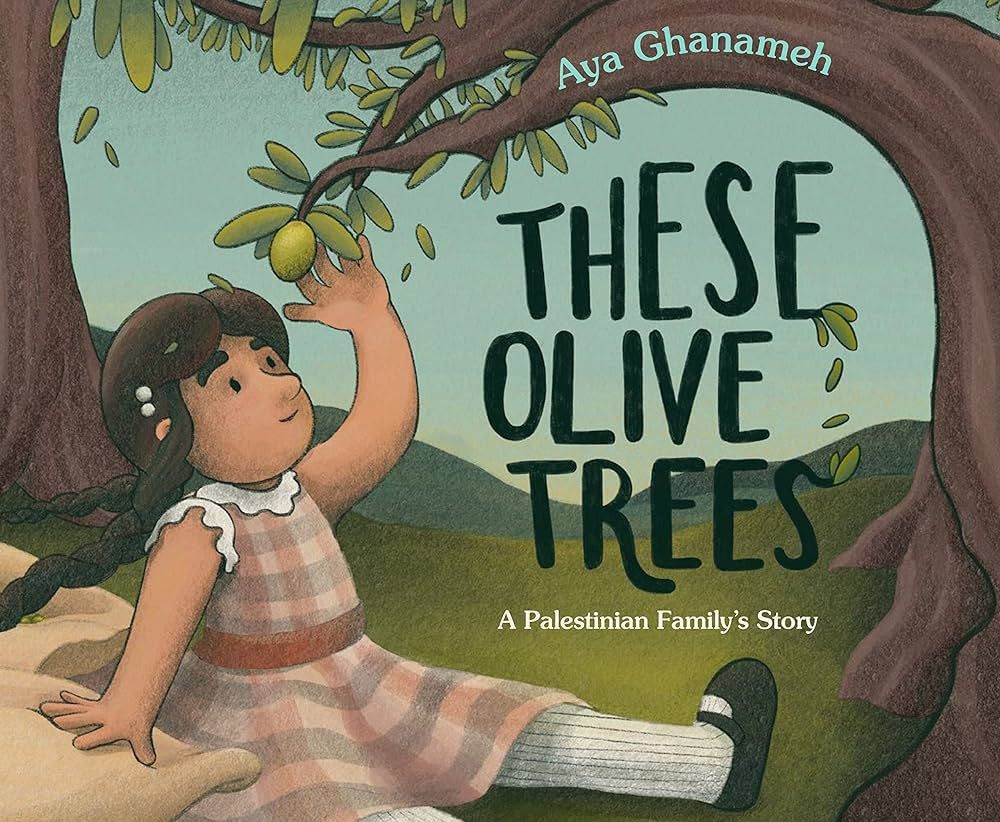
These Olive Trees by Aya Ghanameh

Published by Viking Books for Young Readers

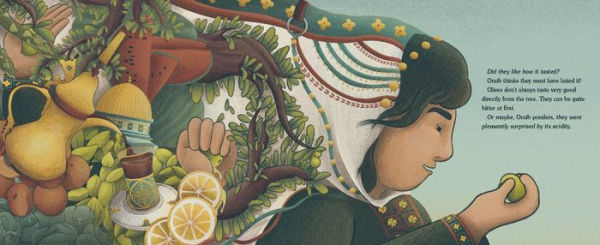
Summary:  Oraib and her family live in a refugee camp with olive trees nearby.  As she watches her mother curing and brining the olives, she wonders how people first came to eat the bitter fruit.  The trees also provide wood and oil for those living in the camp.  One day, Oraib sees her mother packing olives and learns that war has come to the region. The family must once again pack up and move, just like her parents did when they were forced to leave their home before Oraib was born.  Before leaving, Oraib plants an olive pit, promising that one day she’ll return to harvest the olives.  An author’s note tells about her grandmother, the inspiration for Oraib, whose family was displaced from their home in Palestine.  Includes photos of the family.  40 pages; grades K-3.

Pros:  Beautiful illustrations and a moving story bring to life the plight of a refugee Palestinian family during the 1950’s.

Cons:  I was struck by how much this photo in today’s New York Times looks like Oraib’s camp.