Surprisingly substantial early chapter books

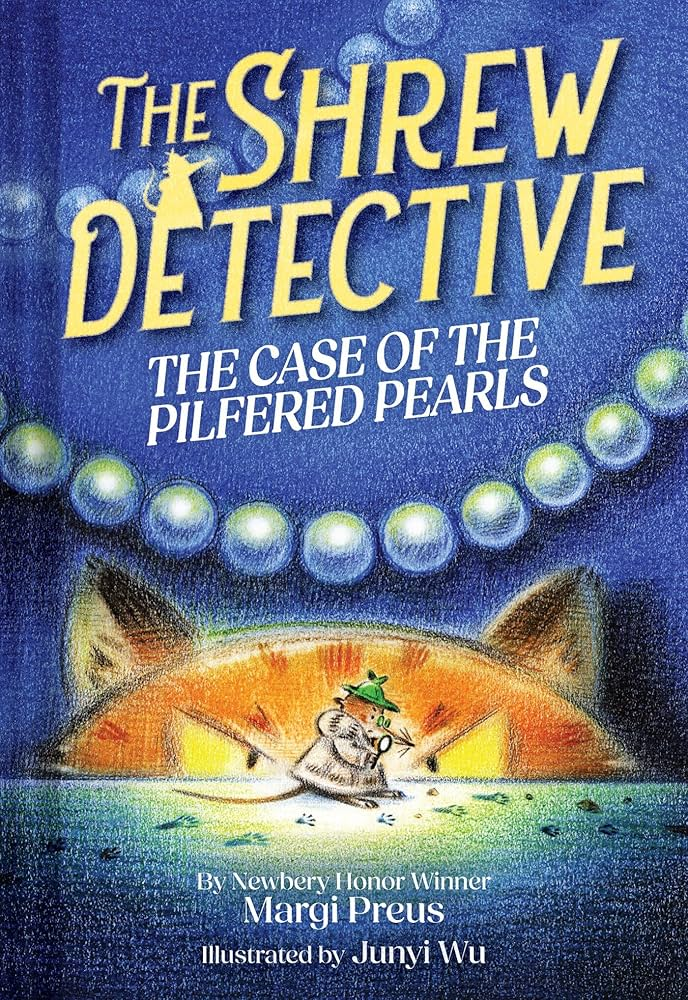
The Case of the Pilfered Pearls (The Shrew Detective, book 1) by Margi Preus, illustrated by Junyi Wu (Harry N. Abrams, 128 pages, grades 2-5). Shrew detective Minerva loves her woodland home and can’t understand why any self-respecting animal would live indoors. But when her cousin Tenacity tells her there’s about to be a murder, Minerva feels obligated to follow Tenacity to the house where she lives to investigate. The new owners of the formerly abandoned house are (correctly) certain that their home is overrun with animals and are about to wage an all-out extermination campaign. At the center of the brouhaha is a pilfered pearl necklace. Tenacity is sure if Minerva can recover the necklace, the animals will be saved. Using her considerable detective skills, escaping one close call after another, and fulfilling her lifelong wish to befriend a human, Minerva is able to recover the necklace and, with the help of her new animal friends, surreptitiously return it to the owner in the very nick of time. Includes additional information about pygmy shrews, chipmunks, and flying squirrels.

I often find that mysteries for younger kids have a pretty low-stakes mystery with a less-than-amazing resolution. Not so with this book, which features engaging characters, a life-threatening case to crack in a short amount of time, one narrow squeak after another, and a very cool resolution to the mystery that will have kids going back through the story to find the clues they missed. The cute black-and-white illustrations add to the fun; I particularly liked the one of all the small animals carrying the recovered pearl necklace over their heads.

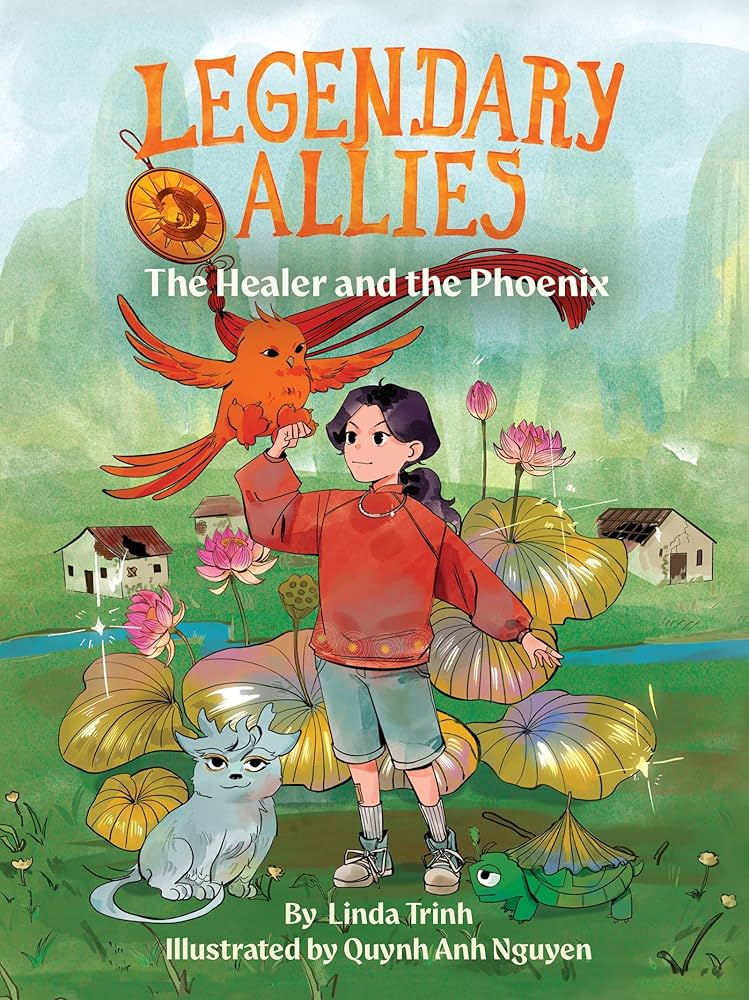
The Healer and the Phoenix (Legendary Allies, book 1) by Linda Trinh, illustrated by Quynh Anh Nguyen (Annick Press, 172 pages, grades 2-5). Mai is excited on her tenth birthday to be getting an ally animal that will live with her and help her to stay on the path of doing good in the world. When her animal turns out to be the phoenix, she becomes part of the Legendary Allies team that goes on quests all over the land of Van Lang. She’s joined by two other kids and their animals, with the fourth member of the team yet to be chosen. Mai questions whether or not she belongs on the team and wonders if she can fulfill her role as Healer. When a mysterious illness starts spreading in one of the provinces, the team is sent on a quest there, with Mai quickly becoming the key member of the team. As she learns to quiet her mind and trust her team, her phoenix, and herself, she surprises herself by coming up with a healing solution that helps not only those in the province but her own mother who is also suffering from the illness. Includes a preview of book 2, which features Cam and their turtle Emerald.

This short chapter book with lots of illustrations could be a good choice for kids ready to move on from Dragon Masters or some of the other Branches chapter book series. The colorful manga style illustrations, mythological animals, and kids being the heroes of the quests are all elements that are sure to appeal to young readers. I did feel at times like the author was leaning a little too heavily into a message, especially with the illness, which was caused by people forgetting their cultures, but overall, this is a fun and imaginative series starter.

Mysteries

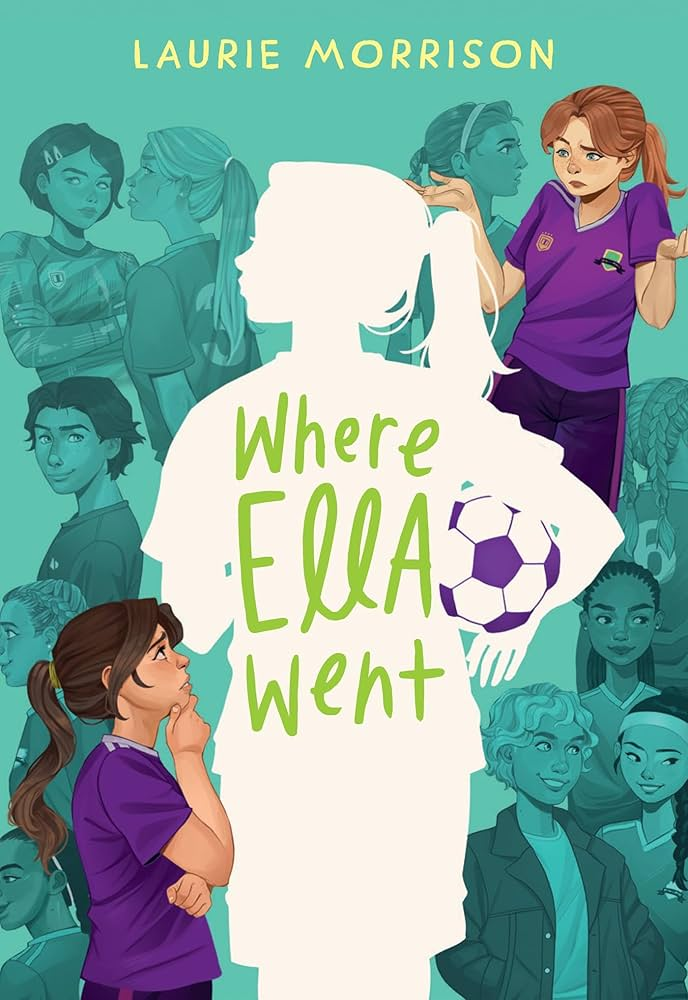
Where Ella Went by Laurie Morrison (Harry N. Abrams, 304 pages, grades 5-8). The eighth-grade girls’ soccer team is eager to play their biggest rivals and avenge last year’s heartbreaking loss. No one seems more excited than co-captain Ella, so when she doesn’t show up for the game, everyone is mystified. By the next week, it’s clear that Ella has disappeared, and, while teachers assure everyone that she is safe, her teammates Pug and Sadie refuse to leave it at that. Pug is the team’s co-captain, a tenacious but sometimes flighty player who struggles with ADHD and has been unsure of her place on the team. Sadie is the new girl who’s dealing with low self-confidence stemming from her mother’s mysterious disappearance when she was a baby. Through journal entries, texts, and podcast recordings, the two girls and a cast of fascinating supporting characters take on the case of where Ella went and uncover a number of other secrets about themselves and their classmates in the process.

This fun mystery is told through a variety of formats that allows readers to get perspectives from many different characters. Kids will relate to many of the issues the narrators are dealing with, including pressure to perform, family difficulties, and friendship changes. The plots and subplots make it a quick and engrossing read.

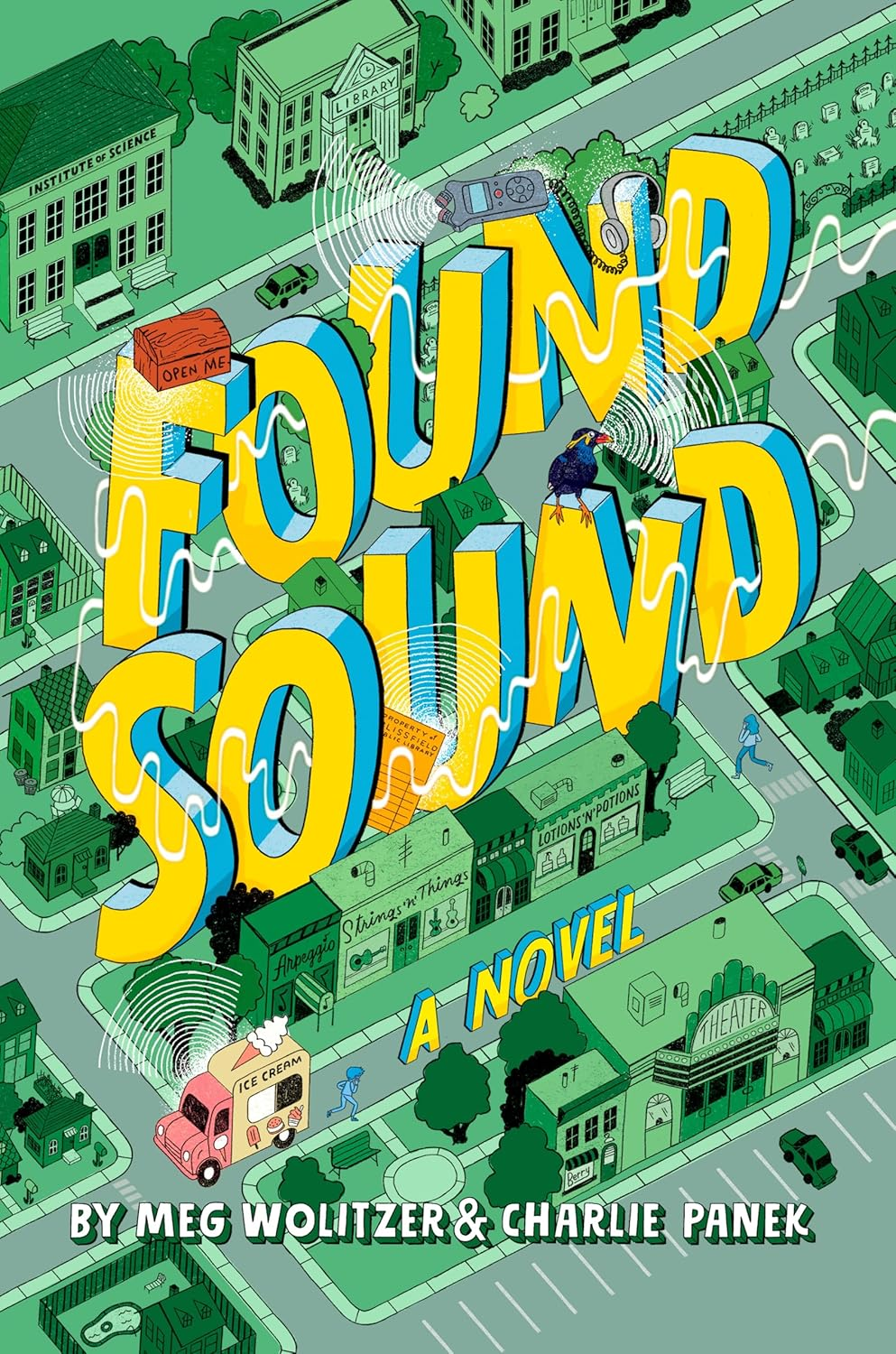
Found Sound by Meg Wolitzer and Charlie Panek (Dutton Books for Young Readers, 224 pages, grades 3-6). Felix isn’t super excited about spending another summer in Blissfield, Massachusetts where he and his family vacation each year. His genius younger brother attends a program for gifted students, while Felix usually goes to a regular day camp. When the camp unexpectedly closes, Felix finds himself at loose ends. His unconventional neighbor, Marigold, invites him to hang out, and the two of them unwittingly stumble upon a scavenger hunt based on sound. The mystery of where the hunt leads becomes intertwined with the mystery of what happened to Felix’s estranged older brother Dylan. As Felix and Marigold hunt all over town for clues, learning about sound and sound engineering in the process, they’re unknowingly bringing a reunion with Dylan closer, an event that both solves the mystery and heals the rift in the family.

Written by a mother-son team, who are an author and a sound engineer, this would make a great summer reading book–relatively short, lots of action, a summer setting, and who doesn’t enjoy a good scavenger hunt? Anyone interested in music or sound will enjoy learning a lot. Many of the clues involved problem solving and being at the right place at the right time that seemed a little tough for a pair of fifth graders, but if you can suspend your disbelief, the hunt is lots of fun.

Fan fiction

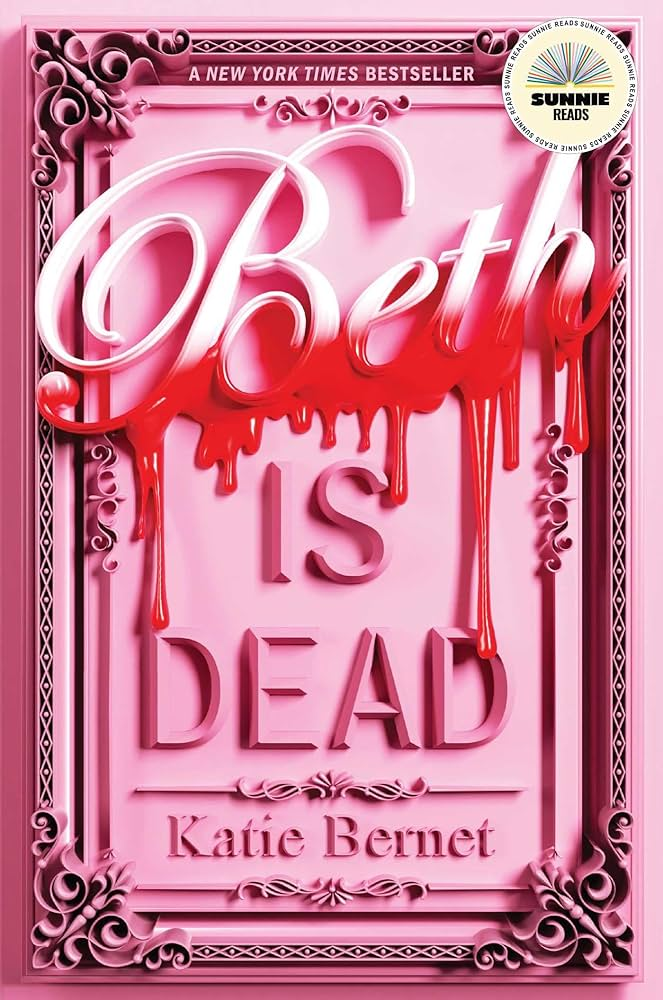
Beth Is Dead by Katie Bernet (Sarah Barley Books/Simon and Schuster Books for Young Readers, 400 pages, grades 7-12). Set in 21st-century Concord, Massachusetts, the story begins with the discovery of Beth March’s body on the morning after an eventful New Year’s Eve party at Sallie Gardiner’s house. Meg, Jo, Beth, and Amy take turns telling the story, which shifts between the past and present as one friend or family member after another is suspected of the murder. Was it their father whose recent tell-all book about his daughters (entitled Little Women) has caused such a social media storm that he’s been forced to flee to Vancouver? Amy, who had a violent quarrel with Beth at the party? John Brook, who’s voiced some doubts about Beth going to boarding school at Plumfield Academy to pursue her music dreams? One secret after another is uncovered until the final showdown reveals what really happened that fateful night.

Buckle up, Little Women fans, and prepare for a darkly fun roller coaster ride into the March family as you’ve never seen them before! Fans of the original will love all the allusions to various characters and the way Katie Bernet has updated them for a modern audience, while those not as familiar with the story will still enjoy this fast-paced whodunit with new twists in every chapter.

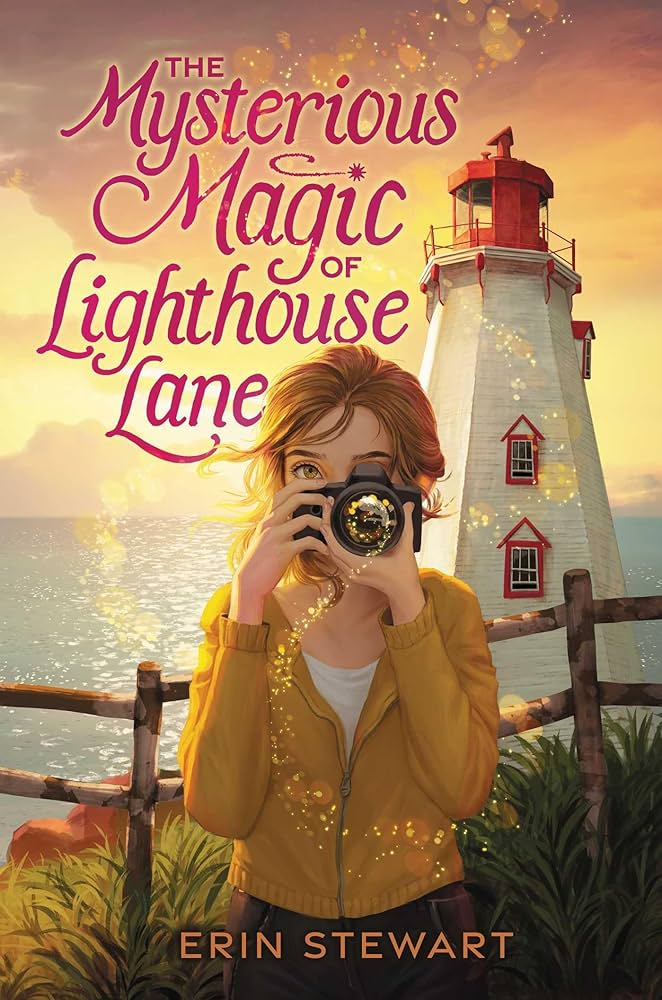
The Mysterious Magic of Lighthouse Lane by Erin Stewart (Aladdin, 336 pages, grades 4-7). After a meltdown on a class trip, Lucy is haunted by the memory of her best friend turning away from her and is sure she is destined to be friendless forever. Her mom, who tends to want to “fix” Lucy, decides that her daughter should spend the summer on Prince Edward Island, where Mom grew up and where Grandpa still lives. Lucy is reluctant, but she finds herself drawn to the island’s tranquility and curious about her late grandmother. When her grandfather gives her Grandma’s old camera, Lucy is thrilled to be able to hone her photography skills. As she learns to develop her own pictures, she starts to notice magical changes appearing that only she can see, changes that reveal the subject’s deepest wish. Her efforts to grant those wishes, with the help of her new friend Poppy, have mixed results, but as the summer goes on, Lucy discovers what her real gift is. Poppy helps her to see that she’s an empath, someone who feels others’ emotions as deeply as they do. It’s a gift her grandmother also possessed, and with the help of her mother, grandfather, friends, and even a message from her grandma, Lucy learns to use her empathy to help others around her as well as herself.

This charming story has a number of nods to Anne of Green Gables: the PEI setting, of course, as well as Lucy’s first name, Poppy’s last name (Montgomery), and Lucy’s highly sensitive nature, a trait she shares with author Lucy Maud Montgomery. Lucy’s journey from believing her emotions are a burden that needs fixing to embracing them as a gift she can use to help others, particularly Poppy and Grandpa, makes for an engaging story that will be especially appreciated by other empaths.

Graphic novel mysteries for early readers

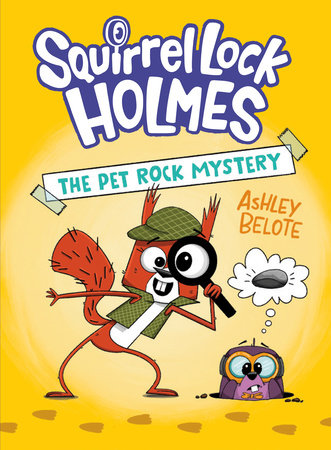
The Pet Rock Mystery (Squirrel Lock Holmes and Watson book 1) by Ashley Belote (Random House Graphics, 80 pages, grades 1-4). Reggie the Rabbit has lost his beloved pet rock Dwayne, so he enlists the help of Squirrel Lock Holmes and his bumbling owl assistant Watson. Over the course of five chapters, the detectives ask questions, gather clues, interrogate suspects, and finally solve the mystery. Includes illustrated steps for solving a mystery, instructions on how to draw Holmes and Watson, a search and find spread with five objects to locate, and a preview of book 2 which is due out in September.

This is a fun mystery for beginning readers with lots of silly humor and goofy illustrations. I could have lived without the definitions of words like sedimentary and geologist inserted somewhat jarringly into the otherwise humorous story, but it’s a good introduction to the Dog Man/InvestiGators genre who aren’t quite ready for 200 pages.

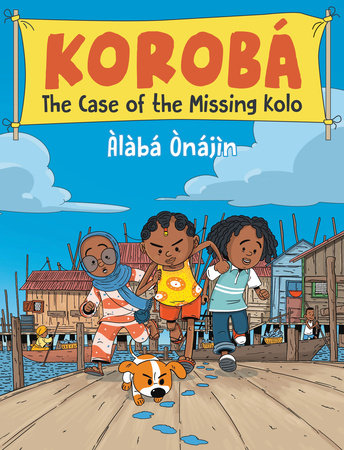
Korobá: The Case of the Missing Kolo by Àlàbá Ònájìn (Holiday House, 144 pages, grades 2-5). Korobá uses a prologue to introduce readers to his family and two best friends, as well as their fishing village of Makoko in Nigeria. He also explains the upcoming Makoko Harvest Festival, when kids break open their Kolo boxes, where they’ve saved money all year, so that they can buy new clothes, shoes, and treats at the festival. Then the story begins, and soon Korobá has a mystery on his hands: his friend Saidat’s Kolo box has gone missing, and she’s pretty sure it’s been stolen. Korobá, Saidat, and their third friend Joba team up to do some sleuthing around Makoko. After eliminating some suspects, Korobá puts together all the clues and unmasks the thief on the morning of the festival. The kids are sympathetic when they learn why the theft occurred and work together to make sure everyone has enough to spend at the market. Includes an author’s note about how his childhood passion for detectives like Nancy Drew, The Famous Five, and Tintin influenced the creation of this story, as well as a glossary of some of the Nigerian terms.

Readers will get a window into a Nigerian village in this endearing graphic novel featuring a lively team of kid detectives. Korobá uses some very impressive deductive skills to solve the mystery in an ending I didn’t see coming, and his two assistants have their own engaging personalities. I’m hoping this will be the first in a series. It’s a longer book than Squirrel Lock Holmes, but still suitable for primary grade readers.

Early reader graphic novels: two mysteries and quite possibly the weirdest book ever!

Cabin Head and Tree Head by Scott Campbell (Tundra Books, 88 pages, grades K-4). Obviously, Cabin Head is a creature with a cabin on his head, complete with a family inside and smoke coming out of the chimney, and Tree Head likewise has a tree on his (aww, look at the kid in the tire swing!). They’re best friends who also enjoy hanging out with other members of their community like Library Head, Pool Head, Volcano Head, and Outhouse Head. In a series of stories, they show that they may not be the brightest lightbulb heads in the chandelier head, but they are loyal friends and funny storytellers. Readers will cheer at the declaration on the final page: “Cabin Head and Tree Head shall return for more wonderful book times.”

Around page 11, I paused to consider: is this the weirdest book I have ever read? I mean, we do have the Noodleheads, not to mention a hit series based on the premise of a dog’s head being attached to a man’s body. But Cabin Head and Tree Head are definitely in the running for weirdest, but also for funniest, and I found myself laughing aloud throughout the book, particularly at the illustrations. I predict great things for these two, so be sure to stock up and keep an eagle eye out for book 2.

Detective Beans and the Case of the Missing Hat by Li Chen (Andrews McMeel, 208 pages, grades 1-4). Beans is an adorable cat detective who sets out to solve the case of the mystery note giver when he finds a series of encouraging notes stuck to his stuff. He’s derailed from this case almost immediately, though, when his lucky detective hat goes missing. Beans spends the day traveling around town, tracking down clues, generally just one step behind the hat as it’s passed from one owner to the next. He finally gets it back, and in the process accidentally catches a wanted diamond thief. The last few pages remind the reader that the mystery note giver still hasn’t been identified, but perhaps this mystery is unraveled in book 2, which came out earlier this year.

This is actually a 2024 book, but I was unable to resist the cute cover, and the rest of the book did not disappoint. Kids will love the artwork, and the story is simple yet engaging enough to hook those who are just starting to read independently. 

Detective Stanley and the Mystery Museum by Hannah Tunnicliffe, illustrated by Erica Harrison (Flying Eye Books, 64 pages, grades 1-4). Detective Stanley is enjoying his first morning of retirement from the Narlybone Criminal Investigation Department when a letter arrives at his doorstep begging him to come to the Narlybone Museum and figure out who’s behind the break-in there. Unable to resist a heartfelt plea–despite having to leave his pancakes behind–Stanley heads to the museum, where he finds a big mess but no stolen items. When he’s framed for the theft of a police officer’s watch, Stanley unexpectedly winds up in jail. From his cell, he’s able to puzzle out what really happened at the museum and convince a police officer to accompany him back to the scene of the crime. There, he unmasks the real thief in dramatic fashion and is able to return to his pancakes in time for supper. Includes information on Piet Mondrian, whose artwork is featured in the story, as well as a preview of book 2.

Another fun mystery for early readers, this one had a surprising number of twists for such a short story, some sly humor, and artwork full of cute animals that brought to mind Richard Scarry’s work as they go about their day.

Animal friendships

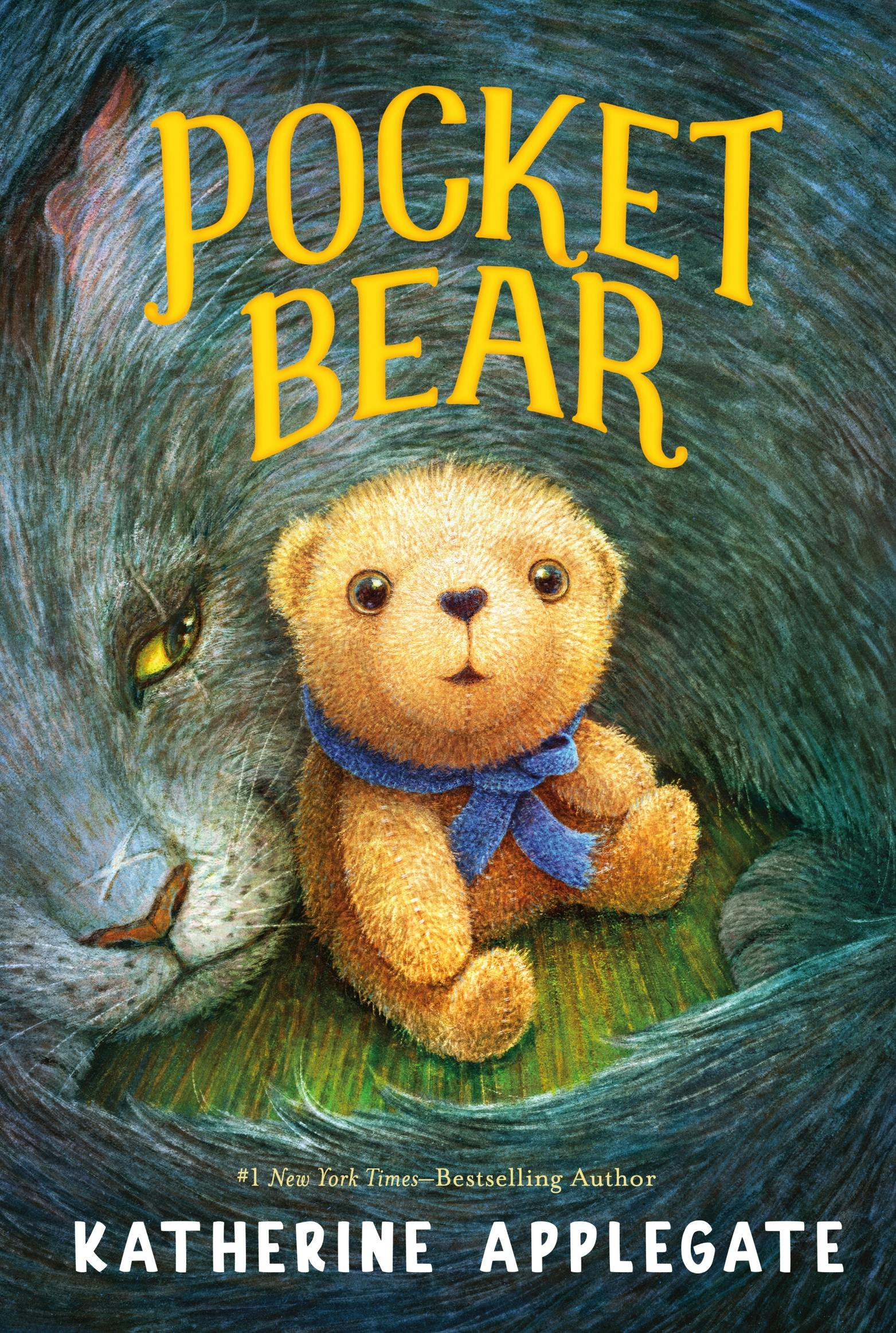
Pocket Bear by Katherine Applegate, illustrated by Charles Santoso (Feiwel and Friends, 272 pages, grades 3-7). Zephrynia is a cat who likes to “rescue” (some would say steal) items that she finds, bringing them to her owner Elizaveta and her daughter Dasha. She always seeks counsel about her treasures from Pocket Bear, a small stuffed bear who traveled in the pocket of a World War I soldier before winding up as a castoff that Dasha found. Dasha was injured and lost her father before she and her mom immigrated to the U.S. from Ukraine, and she has a soft spot for the stuffed animals that Zephrynia brings her, so much so that she cleans them up and offers them a new home through her Second Chances store. When Zephrynia finds an unusual old bear in a dumpster, Dasha works her magic, preparing Berwon to find a new home. But his history makes him the target of an unscrupulous antiques dealer, and Zephrynia finds herself acting unselfishly for the first time to rescue Berwon and bring about a happy ending for him, Pocket Bear, Elizaveta, and Dasha. Includes an author’s note about her inspiration for this story, a little bit of the history of teddy bears, and the soft spot she has for stuffies.

As I was considering books to offer my four fourth-grade reading clubs this fall, I found myself leaning heavily on Katherine Applegate’s books. And why not? The stories are full of heart, memorable characters, interesting plots, and timely messages, yet have short chapters and enough illustrations to make them good choices for those who haven’t read a lot of chapter books. This one will go into the rotation, as it has all the elements mentioned above. And in case you are wondering, one of my groups voted for Wishtree, while another chose Dogtown. (Non-Applegate choices were The Wild Robot and The Guardian Test.)

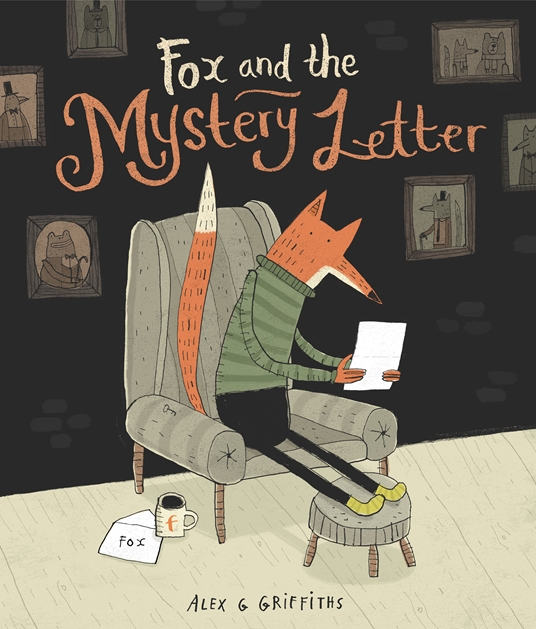
Fox and the Mystery Letter by Alex G. Griffiths (Frances Lincoln Children’s Books, 40 pages, grades K-3). Fox lives in a cottage in the middle of a dense woods. “He lived alone–usually that was just the way he liked it.” But one morning, a large bird delivers a letter that reminds Fox of–oh, never mind. The letter is the beginning of a puzzle that Fox must solve, and with every step, readers get hints that Fox may have had a dear friend in the past with whom he quarreled and parted ways. The hunt takes him through the woods, up a tree, and across the ocean until finally the puzzle is solved and the friendship is repaired.

This is a charming animal story, and who doesn’t enjoy a good scavenger hunt? It’s a great mentor text for making predictions as clues are dropped throughout the story about Fox’s friend and what happened to their friendship. It seemed a bit risky on the part of the friend to trust that Fox would persevere through such a complicated hunt, but he does, and it’s a happy ending for everyone.

A ghostly vacation and a creepy operation

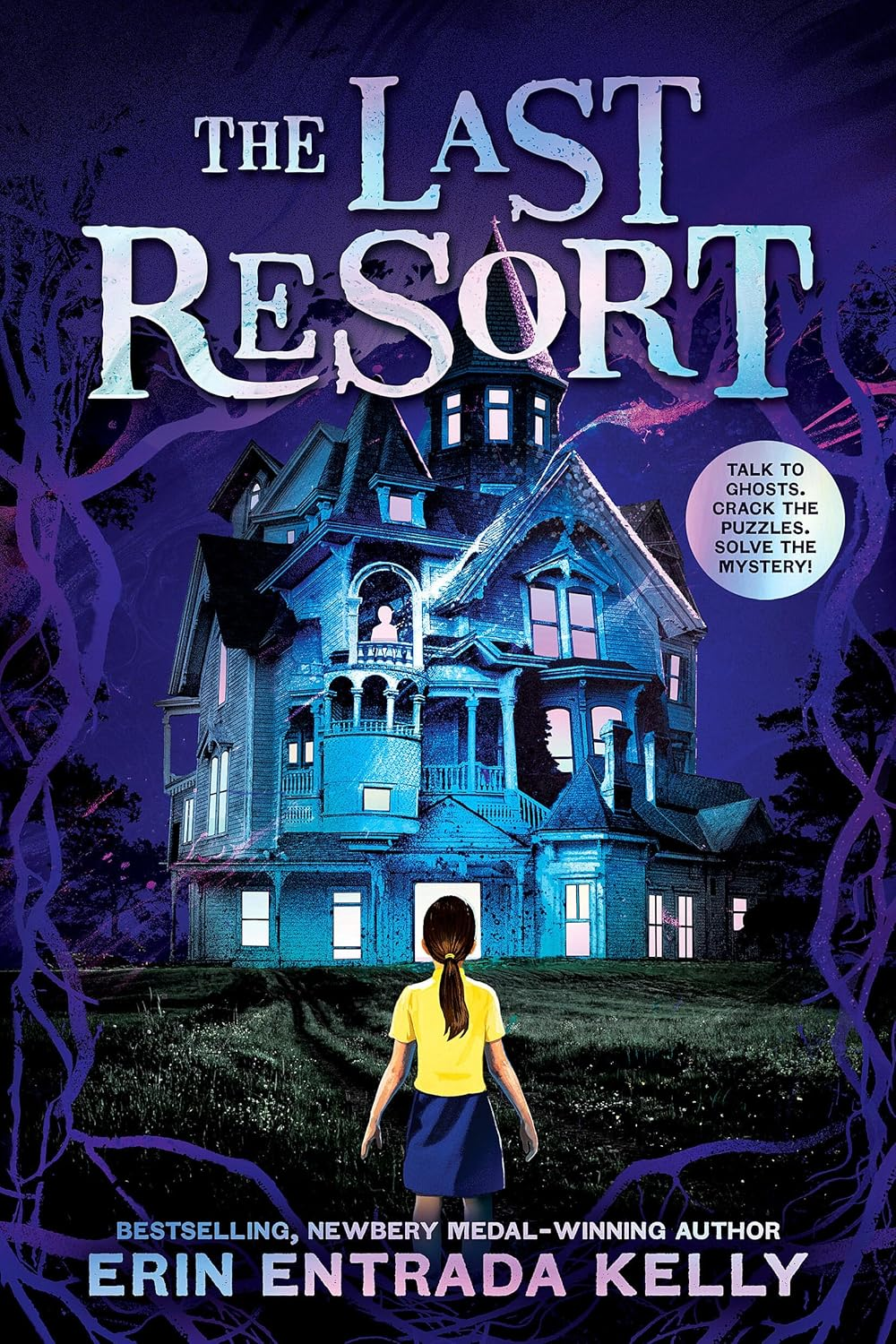
The Last Resort by Erin Entrada Kelly (Scholastic Press, 240 pages, grades 4-7). When Lila’s Grandpa Clem dies, leaving an old inn to her father, the whole family has to leave their home in Phoenix to spend the summer at the inn in Ohio, sorting out the estate. Lila’s despondent about the trip, fearing it will further estrange her from her two former best friends, who have started accusing her of being overdramatic and leaving her out of things. The inn is pretty creepy, and Lila begins seeing strange people appear and disappear, including her late grandfather who she never met. When he tells her he was murdered, Lila is determined to figure out what happened to him and teams up with her neighbor Teddy and her brother Caleb to solve the mystery. As the people around her start having nightmares that reflect their worst fears, the situation becomes increasingly desperate, and Lila finds that the personality traits she’s often been criticized for having are an asset when it comes to dealing with ghosts and haunted mansions. Thanks to Scholastic for providing me with a free copy of this book.

This is a classic Scholastic series: a bunch of popular authors each write a book in a series, combined with a gimmick that will have kids clamoring for the latest installment at their book fairs or Scholastic flyers (think 39 Clues or Horizon) In this case, a few of the illustrations have QR codes that lead readers to a site where the ghosts tell their stories and allow readers to solve mysteries. While this method of storytelling is unlikely to showcase Newbery winners like Kelly (and book 2’s Jasmine Warga) at their creative best, this is a fun ghost story with an engaging protagonist who learns that what she’s been told is “too much” is actually her own imaginative and courageous personality.

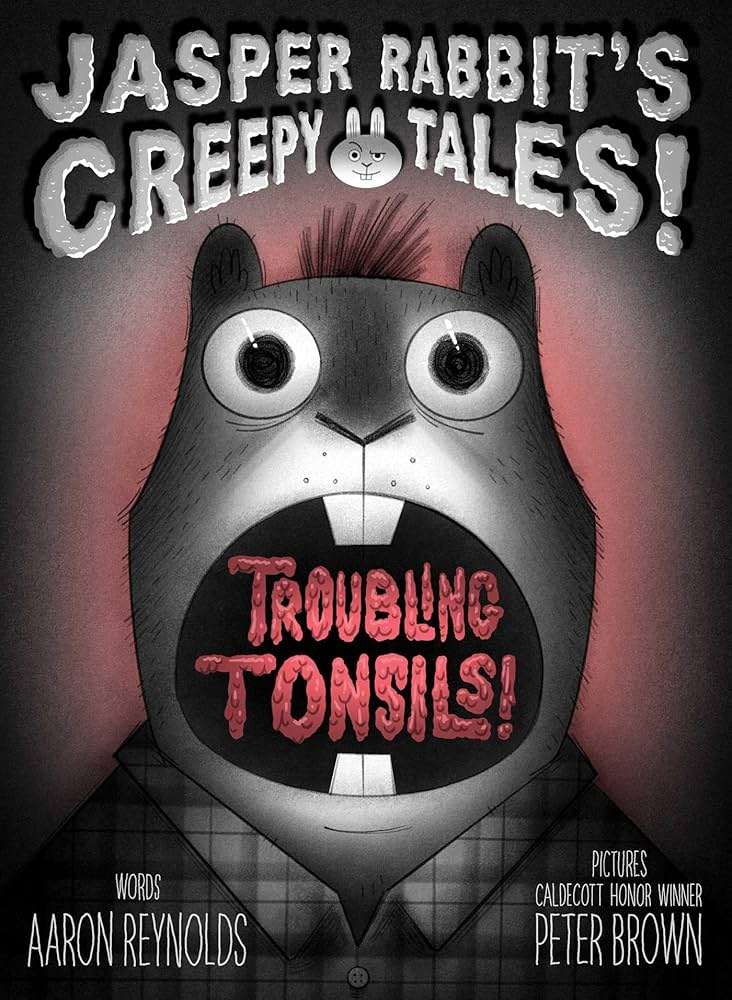
Troubling Tonsils! (Jasper Rabbit’s Creepy Tales) by Aaron Reynolds, illustrated by Peter Brown (Simon and Schuster Books for Young Readers, 88 pages, grade 1-4). Our old Creepy Carrots/Crayon/Pair of Underwear friend Jasper Rabbit introduces main character Charlie Marmot and his tonsils, then the tale begins innocently enough with Charlie coming down with a sore throat. A trip to the doctor reveals tonsillitis, and an operation is scheduled for a few days hence. Charlie’s actually excited, asking the doctor if he can put the tonsils in a jar to bring in for show-and-tell. By the time surgery day arrives, Charlie’s throat feels better, and the doctor is shocked when he does a quick pre-op check and discovers that the tonsils are gone! No one can explain this, but Charlie is sent home, where he starts to experience strange sights and sounds in the middle of the night. Finally, exhausted, he falls into a deep sleep one night, only to discover upon waking that he….

Well, now, I guess you’ll just have to read this short chapter book to find out, won’t you? To be honest, the Creepy books aren’t my favorites, but kids can’t get enough of them, and I trot them out every Halloween to universal joy. Fans will be delighted to see this new chapter book series, perfect for those who are just moving up to that level. The story is a perfect blend of funny and creepy, with an ending worthy of The Twilight Zone. Look for book 2, Unsettling Salad, in February, 2026.

Ghostly graphic novels

Ghost Town by Eric Colossal (Harry N. Abrams, 256 pages, grades 4-7). Lily’s been accepted to a prestigious science academy, which means a move to another town, but she’s sure she doesn’t want her life to change. After purposely failing her science final in an attempt to lose her scholarship, she’s grounded and assigned to volunteer at the library every morning, but that doesn’t stop her from sneaking out to play baseball with her friends. When their ball goes through the window of an old mansion, the kids stumble upon a ghost and a trap for catching other ghosts. As they go through town, cleaning up ghosts and restoring the power that those ghosts have been sucking up, they slowly unravel a mystery involving an old family from town, and one member in particular, who, like Lily, didn’t want anything to change. As she begins to see the destruction his resistance has caused, Lily realizes that change is inevitable, and it’s okay for her to embrace the new things in her life.

This is a fun tween ghostbusters story with the whole gang taking on the task of trapping ghosts and finding out about their past lives, which they accidentally discover can be done by swallowing the ghost and initiating a flashback of its past life. There’s lots of humor, like when some of the ghosts turn out to be animals, but there’s also a pretty serious message conveyed in the big final showdown.

Free Piano (Not Haunted) by Whitney Gardner (Simon and Schuster Books for Young Readers, 256 pages, grades 5-8). Margot loves playing the ukulele and writing songs, but everyone around her seems more concerned with getting likes and follows on social media. Her dad goes off to L.A. to pursue his musical dreams and his goal of 10,000 followers, while her two best friends are getting more action on their channel smashing things from a tree house than Margot gets with her music. When she finds an old synthesizer keyboard with a sign reading “Free Piano (Not Haunted),” she thinks it may be just the thing to help her connect with her dad. Instead, it starts making weird sounds, even when it’s not plugged in, and eventually the ghost of ’80’s pop star Vision appears. Vision encourages Margot to embrace her own talents, and together, the two of them exorcise an evil spirit from Vision’s past who’s been haunting the keyboard. The ghost eventually has to move on, but its clear that her influence has changed the way Margot sees herself and her talents. Includes additional information about the Prophet-5 keyboard featured in the story.

This is sure to be a popular choice for middle school kids struggling with their own identities and parental issues, and it never hurts to throw a ghost or two into the mix. The brilliantly colored artwork conjures up Vision’s 1980’s vibe, with the portrayals of ghosts and the haunted keyboard especially effective.

Girl detectives

Gus and Glory by Sarah Guillory (Roaring Brook Press, 240 pages, grades 4-7). Glory’s mother disappears the summer she’s 12 years old, and since her dad spends most of his time on the road as a truck driver, Glory is sent to live with her grandparents in Louisiana. Glory aspires to be a detective, and she’s determined to solve the mystery of what has happened to her mother. When a bloodhound named Gus finds Glory and leads her to his owner who has broken his leg, she gets an assistant with a big personality and a keen nose. While Gus’s owner recuperates, the dog comes to live with Glory and her grandparents, causing some unexpected changes in their lives. When Glory tries to train Gus in tracking, her grandfather, who’s been depressed since suffering a stroke, takes an interest and begins to rejoin the family. Gus also leads Glory to a new best friend, whose big, warm family welcomes her to the community. As the summer winds down, Glory uncovers some difficult truths about her mother and starts to come to terms with the fact that her life has changed forever. When Gus’s owner admits that Gus is too much for him and offers to let Glory keep him, she sees that sometimes love means letting someone move on to a life that is better suited for them. Gus’s big voice helps Glory to speak up and advocate for herself, and those honest conversations with her dad and grandparents lead to a rich new life for Gus, Glory, and the rest of their family.

I got the impression from reviews that this was going to be more of a mystery, but while Glory aspires to be a detective and does some investigating into her mother’s disappearance, the focus is more on her difficult family situation and the way a beloved new dog helps her come to terms with what’s going on in her life. While I would probably not shelve it in the mystery section, it’s a heartwarming story that will be enjoyed by dog lovers everywhere.

Opal Watson: Private Eye by Brittany J. Thurman (Storytide, 224 pages, grades 4-7). Based on a podcast, this mystery features feisty Opal Watson, a seventh grader who doesn’t let her retinitis pigmentosa slow her down, although she does sometimes use a white cane named Pinkerton to help her find her way. Returning home to Chicago from a visit with her grandmother Meme in Louisiana, Opal discovers that her usually calm father is stressed by the slow renovations being done on the Crescent, the apartment building he manages and that Opal’s family lives in. Some of the other residents report hearing strange sounds and feeling mysterious drafts, and Opal is determined to figure out what’s going on, with the help of her best friend Madison and cousin Frank. A class project with a new girl named Ivy sparks Opal’s interest in the Great Migration that Meme was a part of and turns out to have a surprising connection to the Crescent. Opal and her friends solve the mystery and save the Crescent, but another mystery connected to her school project offers the promise of a sequel.

Opal is an inspiring character as well as a persistent detective, and the story offers not just a mystery but a compelling family story with some interesting Chicago history woven in. I wish there had been some back matter about the historical stuff, as well as a reference to the podcast, which I only learned about from reading the reviews. I look forward to listening to some episodes!

Summer reading

A Day at the Beach by Gary Schmidt and Ron Koertge (Clarion Books, 224 pages, grades 3-7). These 28 stories take place over the course of a single summer day at Rockcastle Beach on the Jersey Shore. They’re divided into four sections by time of day, bookended by a brother and sister going for early morning and evening runs on the beach. Dealing with a wide variety of issues including a father’s cancer, bullying, a stray dog, and a lost phone, the stories are studies of the kids’ emotions as well as the human interactions and compassion that help them through. As anyone who has spent a day on a crowded beach knows, meetings can be fleeting, and lives can intersect, then diverge again forever.

I’m not much of a short story fan, since the hardest part of a book for me is starting it and getting to know the characters. But the writing in this book is so amazing, the stories so compelling, and the feeling of being on a crowded New Jersey beach on a hot summer day so perfectly captured, that I could not put this book down. Anyone who aspires to write fiction would do well to study this collection of stories to see how engaging characters and situations can be created in just a few pages.

Blood in the Water by Tiffany D. Jackson (Scholastic Press, 272 pages, grades 5-8, publication date July 1). Kaylani’s nervous about spending the summer with the Watsons, family friends who live on Martha’s Vineyard, but after dealing with her dad’s arrest and imprisonment, her parents both feel she could benefit from time away from Brooklyn. While Mr. and Mrs. Watson are welcoming, their granddaughters Cassie and London are not, and Kaylani questions whether she belongs in their affluent Black community that has long history on the island. When one of Cassie’s friends, popular and friendly Chadwick, dies mysteriously one night, the whole community is shocked, and Kaylani decides to use her keen powers of observation to try to figure out what happened. Her investigations lead her to a tangled web of family allegiances and deceit, putting her own life in jeopardy, but ultimately she is able to find out what happened, getting justice not only for Chadwick but for her father as well.

This mystery features a spirited and determined protagonist, with an interesting setting on Martha’s Vineyard that made me want to learn more about the island’s Black history. The mystery is compelling and will have readers guessing right up to the last few pages. I can’t think of too many middle grade mysteries that feature a murder, leading me to recommend this more as a middle school book. Thanks to Scholastic for providing me with a free advance copy of this book.