My first Massachusetts trip was to Cape Cod for the Wampanoag powwow in Mashpee, an annual event (this year was the 103rd) held for three days the first week in July. I went on Sunday, the final day, and it was the biggest and best powwow I went to this summer. I stayed for the veterans’ dance, the tiny tots dance, and a few others, but the heat was pretty intense, even for me sitting in the shade–I could only imagine what it was like for the dancers, dressed in regalia, dancing in the full sun.
There was an excellent assortment of booths selling crafts and food, as well as a clambake the day I was there (for an extra fee). Several contests were scheduled later in the afternoon, including the crowning of the Powwow Princess and Little Miss Wampanoag, all of which I would have enjoyed on a cooler day.
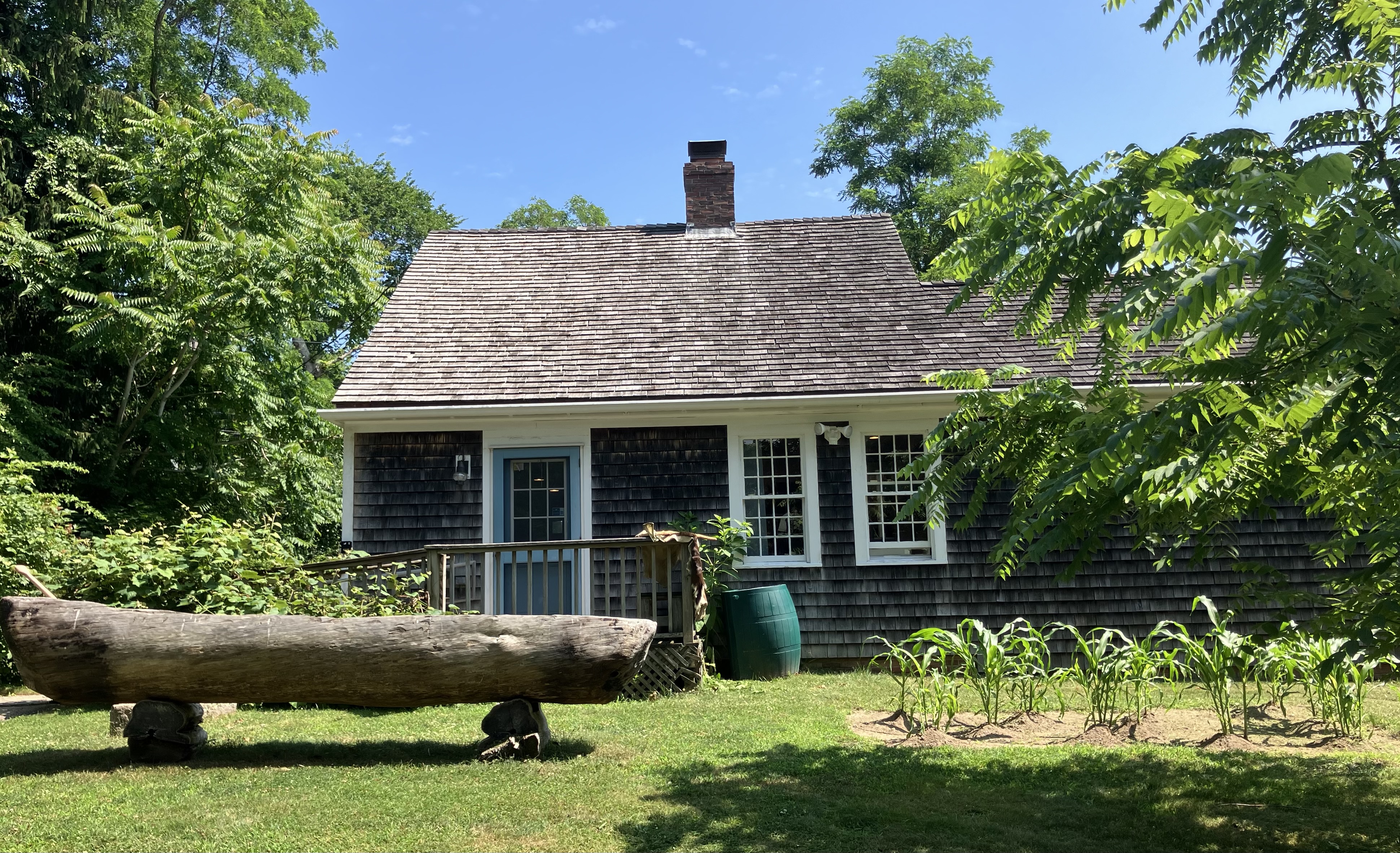
The next day I headed over to the Mashpee Wampanoag Museum, a small museum that tells the history of the Wampanoag people up to the present. There are several video interviews of contemporary Wampanoags, emphasizing the vitality of the tribe and its efforts to preserve the culture. A woman named Courtney was working there that day, and she gave me a warm greeting and introduction to the museum. When I mentioned I had been at the powwow the day before, she told me proudly that her son had won the boys’ junior dance competition.

The museum taught me more about King Philip’s War. I vaguely knew this was part of Massachusetts history, but I learned that it was much larger and more wide-ranging than I was aware. Named for the Wampanoag chief and sachem Metacom, who also used the English name Philip, the war took place from 1675 to 1676. While it was devastating for the colonists, who saw 52 towns attacked and sometimes destroyed, losing 2,500 people, its impact was far worse for the Wampanoag, who lost most of their land and suffered twice as many deaths. Other tribes in the area also saw losses of people, land, and tribal identity. The American identity was born, though, since it was the first time the colonists had fought a war without any help from Europe. It was a devastating and far-reaching war with important consequences, and it’s surprising it isn’t taught more as part of history.
You know what is taught? The Pilgrim Plimoth narrative. If you grew up in Massachusetts, chances are you visited Plimoth Patuxet Museums, maybe on a third grade field trip. Known as Plimoth Plantation until 2020, the name change reflects an attempt to focus more on the Patuxet band of Wampanoag that lived in the area long before the English established the Plimoth colony.
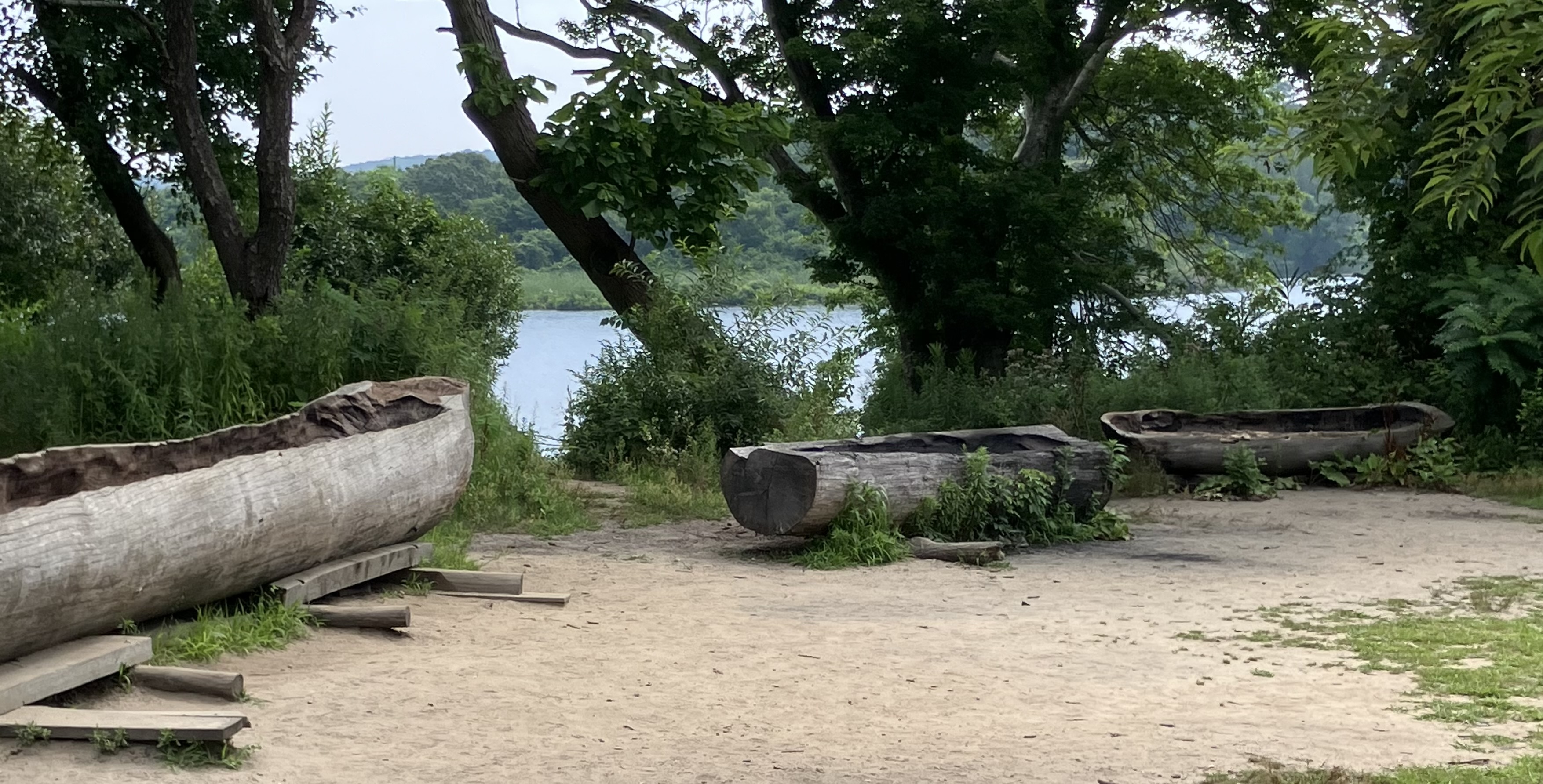
I hadn’t visited in at least a decade, so I headed over one Sunday morning in July. The Wampanoag village there includes a wetu, a canoe, a garden, and a cooking area, but I was surprised not to see any costumed interpreters there, since there were several dressed as English colonists in the Plimoth part. I asked a staff person about it, and she said they were working on getting costumes, which seemed odd to me since the Wampanoag village has been there for more than 40 years.
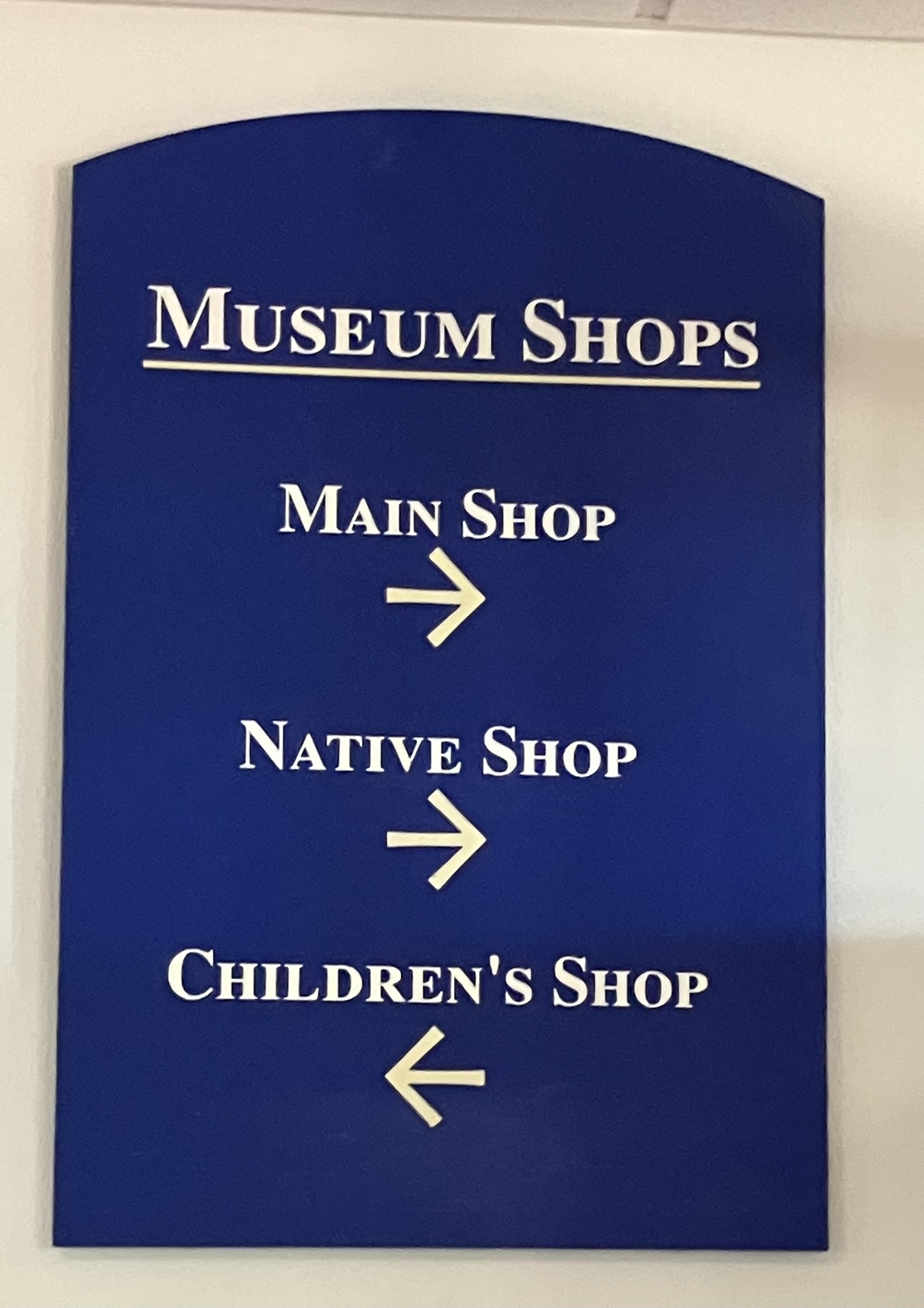
Back home, I did some research and discovered that the Wampanoag tribe has cut ties with Plimoth Patuxet due to a lack of Native American staffing and input and neglect in the upkeep of the Wampanoag village. From the introductory film to the separate gift shop for Native American items to the website that mostly features photos from the Plimoth part of Plimoth Patuxet, it seems like the 17th-century English village and Mayflower replica are still the main focus, despite the name change.
On the way home, I stopped in central Massachusetts to attend the powwow held by the Hassanamisco band of the Nipmuc Nation. When my daughter was in high school, she made an oral history video of this tribe for her Girl Scout Gold Award project. She interviewed the former and current chiefs of the tribe, and we visited the reservation a couple of times, which is a three-and-a-half acre parcel of land in Grafton, Massachusetts. Unfortunately, their petition for federal recognition was denied in 2004, but the band has 600 members and works hard to preserve their history and culture.
I had plans to go to the Abenaki Heritage Weekend in Vermont at the end of June, but it didn’t work out for me, so I don’t have any travel reports from Vermont. I do want to mention one bit of controversy around the Vermont Abenaki that has to do with children’s literature, specifically author and storyteller Joseph Bruchac. I know only the smallest amount about this issue, so I encourage you to do your own research, but apparently there have been some questions about the Abenaki heritage of Vermont tribes, which has in turn led to questions about Joseph Bruchac’s Native ancestry. Dr. Debbie Reese, a noted scholar of Native Americans in children’s literature, has written a post about this on her blog, in which she concludes that she can no longer recommend books by him, his sons, or his sister, Marge Bruchac. Since the Bruchacs have made substantial contributions to Native American children’s literature, this is a pretty serious statement for her to make. I urge you to read about it and decide for yourself.
Books About Indigenous People of Massachusetts
Colonization and the Wampanoag Story by Linda Coombs (Crown Books for Young Readers, 2023)
Keepunumuk: Weeâchumun’s Thanksgiving Story by Danielle Greendeer, Anthony Perry, and Alexis Bunten illustrated by Garry Meeches Sr. (Charlesbridge, 2022)
If You Lived During the Plimoth Thanksgiving by Chris Newell, illustrated by Winona Nelson (Scholastic, 2021)
Tribes
Massachusetts
Chaubunagungamaug Band of Nipmuck*
Hassanamisco Nipmuc*
Mashpee Wampanoag Tribe
Wampanoag Tribe of Gay Head (Aquinnah)
Vermont
Elnu Abenaki Tribe*
Koasek Abenaki Tribe*
Missiquoi Abenaki Tribe*
Nulhegan Band of the Coosuk Abenaki Nation*
*Not federally-recognized
Reservations and Trust Lands
Massachusetts
Chaubunagungamaug Reservation (located in CT, but affiliated with the Chaubunagungamaug Band of Nipmucks in Massachusetts)
Hassanamisco Reservation
Wampanoag-Aquinnah Trust Land
 A Kids Book A Day
Thanks for this post bringing attention to the problems with representations of indigenous history through the white lens. I am White and not a scholar but have been interested in the misrepresentation and inaccuracies since I began my school librarian career in the late 90’s. I now live in Bristol RI, which is home to King Philip’s Seat and the site of his death. The Pokanokets (descendants of his father Osamequin) are active in telling the story of their tribe. https://pokanokettribe.com/clans
LikeLike
Thanks for these really interesting trip descriptions in addition to the book descriptions. This blog in particular was interesting to read how it takes a lot more than just a name change to have accurate and balanced historical views. You are an animated writer and I always enjoy reading your entries and reviews. Thanks for sharing!
LikeLike
Thanks, Helen, I really appreciate your kind words!
LikeLike