The magic of friendship

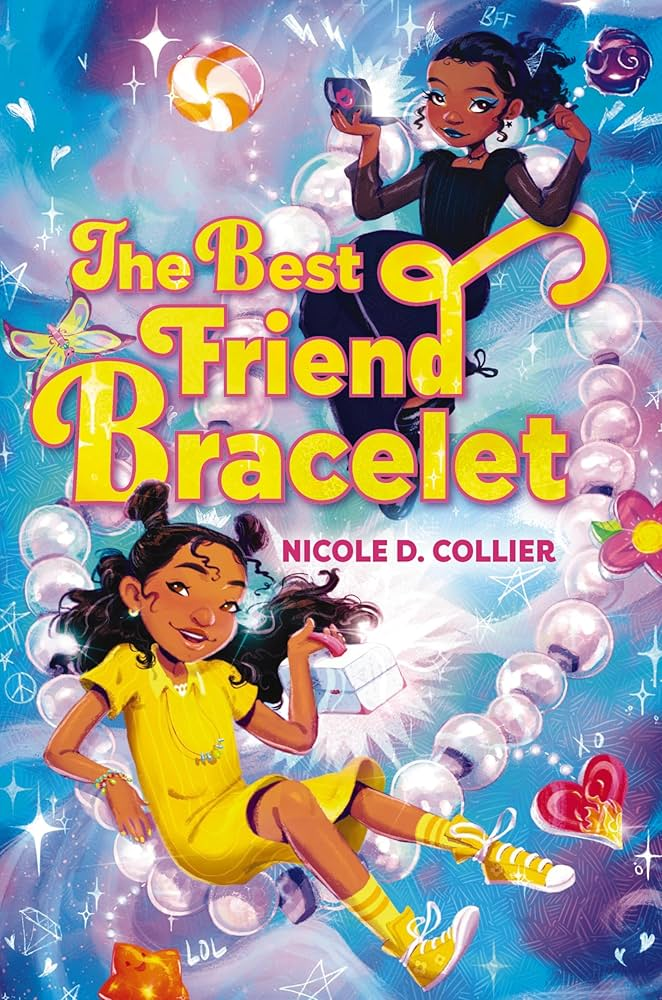
The Best Friend Bracelet by Nicole D. Collier (HarperCollins, 272 pages, grades 3-6). While Zariah has a booming friendship bracelet business, she herself has been without a best friend since entering middle school. When she realizes one of her bracelets is magic and will cause the wearer to instantly become her best friend, she embarks on a series of experiments to try out different friends. Each relationship teaches her something new about friendship and moves her closer to the real thing. As she gets to know a girl named Theo who claims to have no interest in making friends, Zariah begins to realize that best friendship is based on shared experiences, trust, and having each other’s back. By the time she and Theo realize that they have a real best friendship, Zariah has discovered that she no longer needs the magic bracelet.

I could really relate to Zariah’s obsessive overthinking about friendship from my own middle school days, and I loved how she got to experiment with different types of relationships with her magical bracelet. Both Zariah and Theo are interesting characters with lots of quirks and interesting hobbies. I was hoping they would expand their friendship circle to include Willow, a best friend runner-up who was the last bracelet wearer, and her friend Clara.
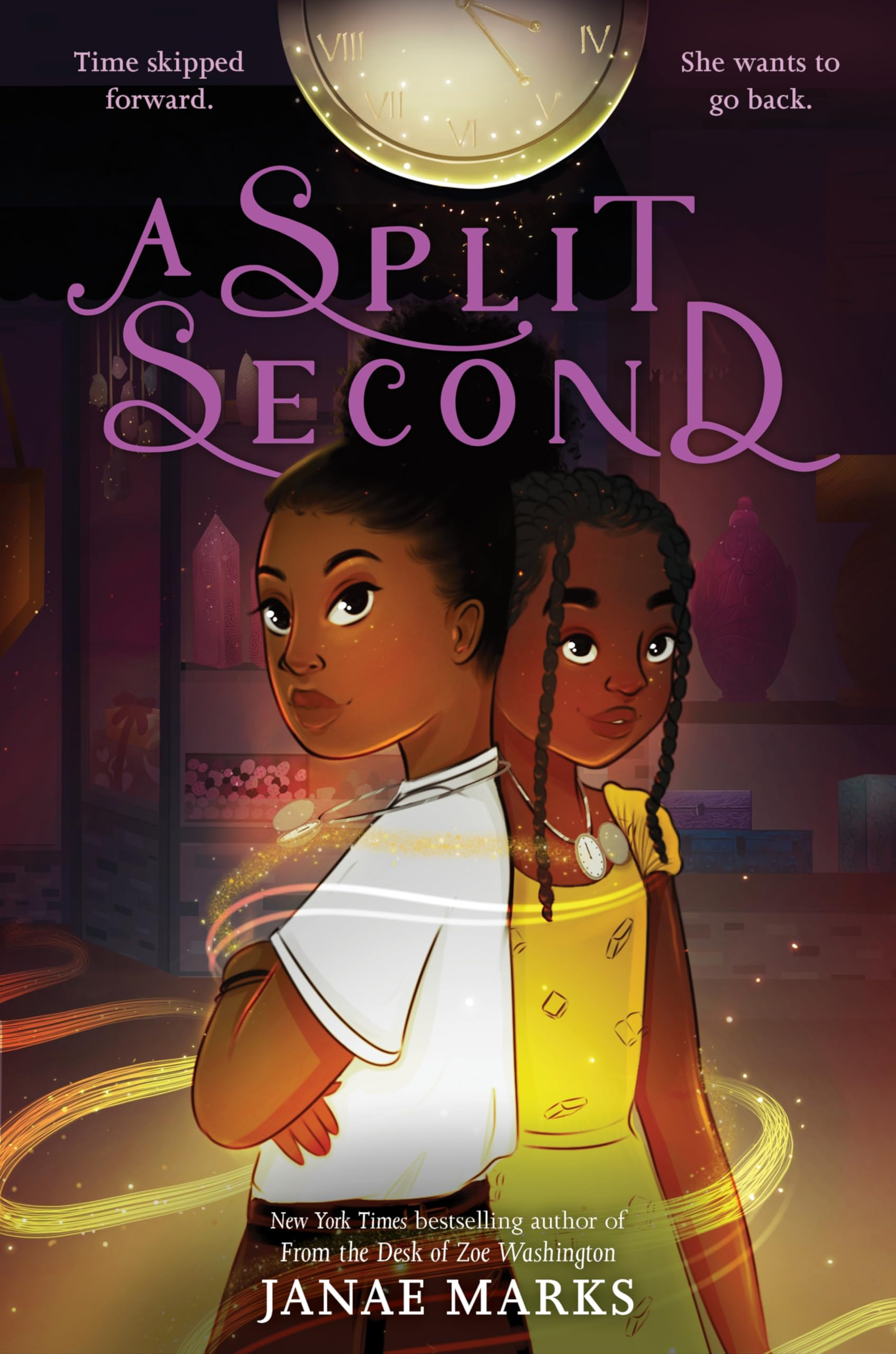
Split Second by Janae Marks (Quill Tree Books, 256 pages, grades 4-7). After an evening of fun at the fall carnival, Elise happily falls asleep in her sleeping bag at a slumber party with her two best friends, Ivy and Melinda. She wakes up in bed, with Ivy and Melinda gone, and soon realizes that it’s now spring and six months have passed. No one else seems to notice anything’s amiss, and Elise soon realizes that she’s lived through that time period, even though she has no memory of it. Elise learns that she and Ivy and Melinda are no longer friends, but that she’s reconnected with an old friend, Cora, who she drifted apart from during the pandemic lockdown. Cora’s the one person she confides in about the time jump, and as they try to puzzle out what happened with Ivy and Melinda, it soon becomes clear that Cora has some secrets of her own. After revealing one of those secrets to Elise, Cora takes up the narrative to tell her side of what happened that night and what she knows about the time jump and the magic that made it happen.

I was drawn right into this book by the various mysteries involved in the time travel and enjoyed the way the author wove together middle school friendship issues and magic. Splitting the book between two narrators allowed for interesting shifts in perspective. This is the second book this year where the narrator lives through a time that she subsequently forgets, a premise that I find both intriguing and disconcerting.

‘Tis the season

Uri and the King of Darkness: A Hanukkah Story by Nati Bait, translated by Ilana Kurshan, illustrated by Carmel Ben Ami (Kalaniot Books, 32 pages, ages 4-8). Uri, his sister Shir, and their mom are awaiting Dad’s return home as it starts to get dark and rain is falling. Uri begins to worry about what could have happened to Dad: is he stuck in traffic? Did he get a flat tire? As darkness falls, Uri’s imagination kicks into overdrive, envisioning an evil king leading an army to attack their house. When he and Shir rush to fight off the invaders, the door swings open, and Dad is home! His delay was caused by a stop at the bakery for jelly donuts, a Hanukkah treat, and as Uri lights the first candle and the family sings together, the king and his army retreat back into the darkness. Includes the story of Hanukkah and the blessings that are recited when lightning Hanukkah candles, in English and Hebrew.

This Israeli import both celebrates the first night of Hanukkah and shows how a child deals with his anxieties and draws comfort from a loving family. The illustrations look like a kid’s drawings, especially the ones showing the king and his army. The rhyming text (translated from Hebrew) is catchy, although it wouldn’t have been my first choice for telling this story.

Santa’s First Christmas by Mac Barnett, illustrated by Sydney Smith (Viking Books for Young Readers, 40 pages, ages 3-8). Used to be, Santa Claus made toys all year, delivered them on Christmas Eve, and got right back to work on December 25. But when a polar bear learns of this situation, he convinces the elves that Santa deserves a real Christmas. Starting with breakfast in bed, the elves take Santa step by step through Christmas preparations, including a tree, stockings, and colorful outside lights. A white furry creature in a Santa suit stops by to deliver gifts (Santa knows who it is but doesn’t say anything). When everyone sits down to a big Christmas feast, Santa looks around the table and declares, “We should do this every year.”

Beloved author Mac Barnett has another Christmas book this season, teaming with Sydney Smith for a lovely story that touches on many familiar holiday traditions. The illustrations strike a perfect balance of light and darkness to create cozy holiday scenes, and everyone will get a kick out of the polar bear stand-in for Santa Claus.

Oh boy!

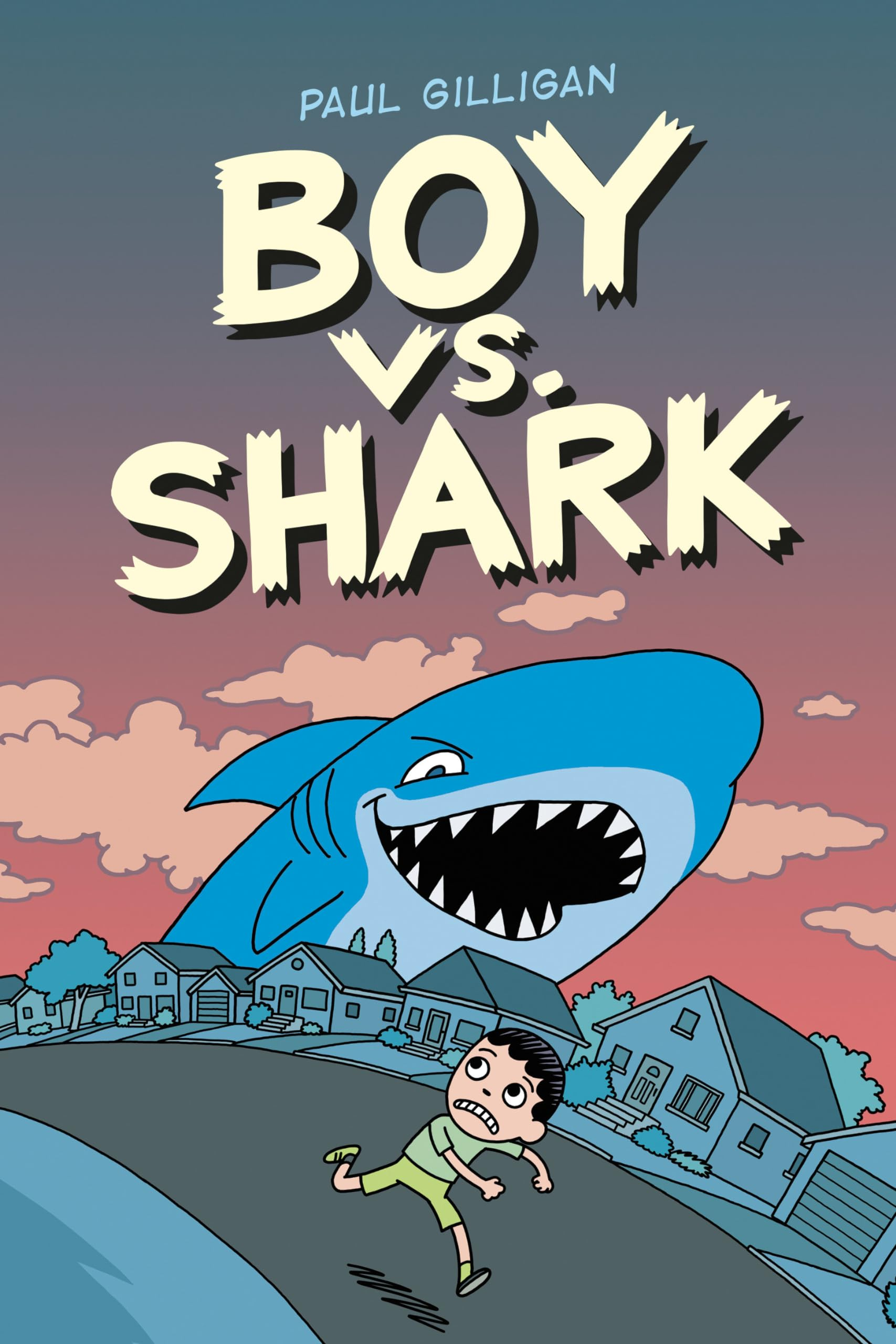
Boy vs. Shark by Paul Gilligan (Tundra, 240 pages, grades 4-7). Paul is already struggling with a best friend named David who wants to hang out with the local bully, Swain, and a dad who wants him to toughen up and stop spending so much time drawing and reading comics. The last thing he needs is the new movie Jaws that everyone is talking about, and the peer pressure he feels to go see it himself. But off he goes to the theater with his dad, and the film proves to be every bit as terrifying as he was afraid it would be. Before long, the shark is haunting Paul’s imagination, telling him he needs to be cooler and go along with what David and Swain want to do. When Paul listens to the shark and gives in, he finds himself in a world of trouble and discovers that doing his own thing and being honest with his parents is actually what works best for him. And when Swain’s shenanigans result in David falling off a roof and breaking his arm, David begins to see the light as well, saving his friendship with Paul. Includes a pictorial glossary of such Jaws-era terms from the story as The Six Million Dollar Man and the Easy-Bake Oven.

As someone just a year older than David, I could relate to his terror of Jaws. While I didn’t see it at the time, just the knowledge of its existence was enough to cast a dark shadow over my happy Jersey shore summer vacations. The story is a fun romp through the 1970’s (no glossary necessary for this boomer), but it’s also a timeless tale of growing up, peer pressure, and friendship, and it’s nice to see this kind of graphic novel written with boy main characters.

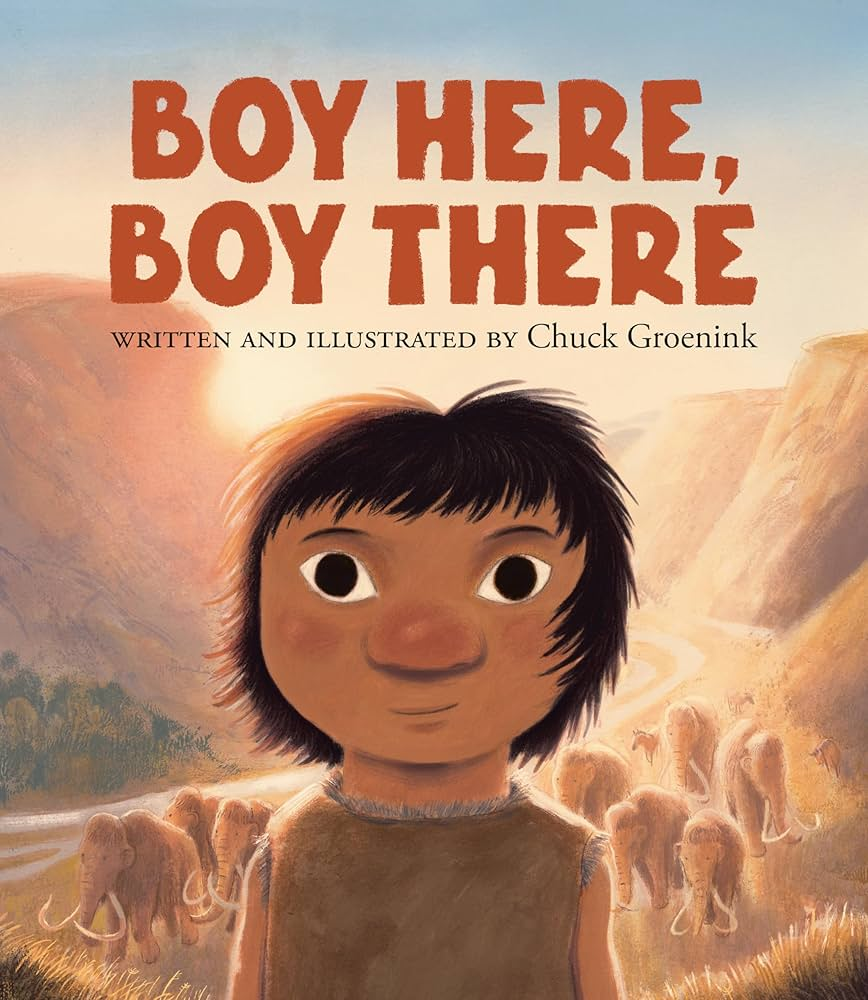
Boy Here, Boy There by Chuck Groenink (Tundra, 56 pages, grades K-3). A boy living in prehistoric times leads a nomadic life with his family. While they set up a home in a cave, he explores the surrounding environment, encountering animals like wolves and mammals, and enjoying running, jumping, and rolling in the grass. His most surprising find is a boy similar to himself, whom he sees across the river. That boy waves to him, then walks off with his family. Back at home that night, the boy eats dinner with his family, then blackens his hand with the smoke from the fire and makes handprints on the cave walls to commemorate the wave from the other boy. An author’s note gives more information about Neanderthal people, which is what the boy is, and Homo sapiens, the group the other boy belonged to. Includes a list of sources.

Readers will be fascinated at this glimpse of prehistory, written in short phrases that feel like early language. The Neanderthal boy’s adventures as he explores his new neighborhood have many elements that kids will relate to, and the illustrations do a great job of capturing his joy and wonder at what he sees. It’s not clear from the text who the other boy is, but the author’s note adds the necessary additional information.

Grandfathers

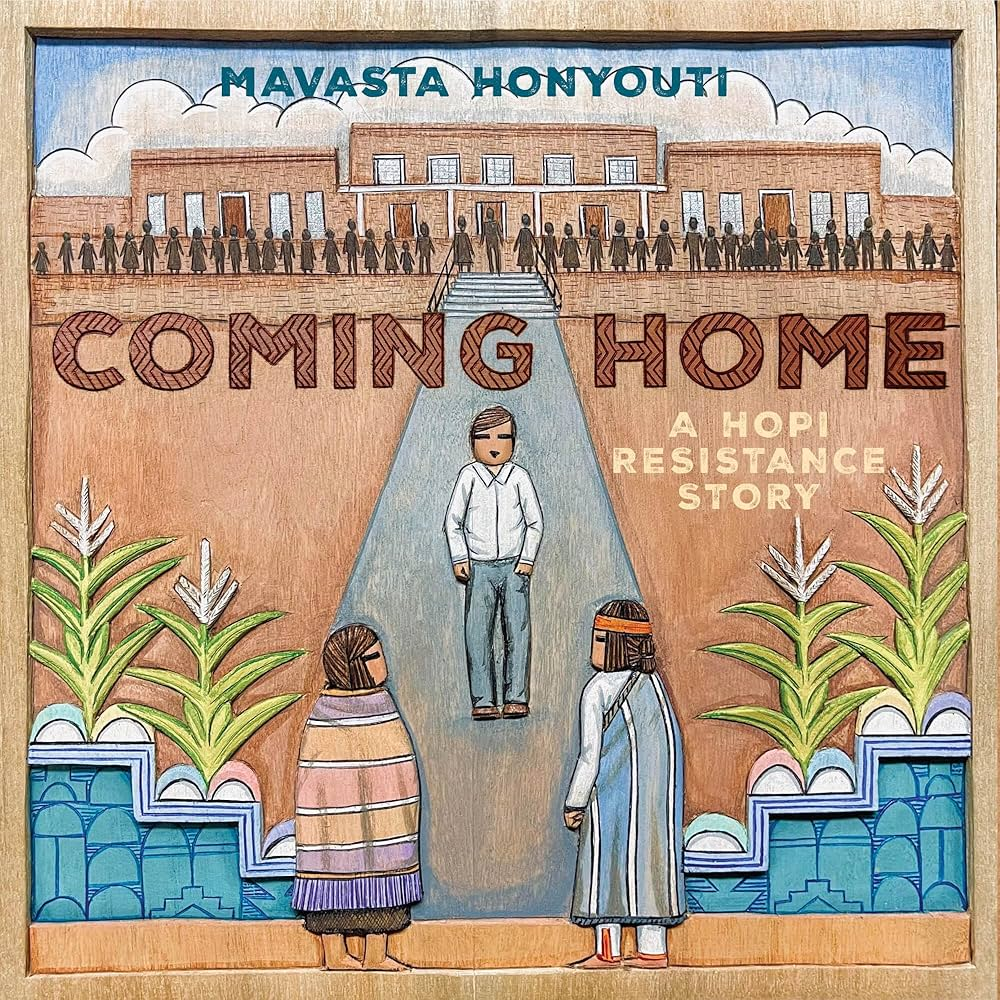
Coming Home: A Hopi Resistance Story/Tutuqaykingaqw nima: hopisino pahan tutqayiwuy ep yorhomti by Mavasta Honyouti (Levine Querido, 48 pages, grades 1-5). The narrator starts with his childhood memories of his grandfather, or kwa’a, then goes back to what he later learned of his kwa’a’s own early days. When his father was threatened with arrest, his kwa’a was forced to leave home and go to a boarding school, where his hair was cut, he had to take a new name (Clyde), and he was forbidden to speak the Hopi language. At first, he tried running away, but that resulted in beatings, and eventually things got easier at school as he learned the rules and how to speak English. Finally, he was allowed to return home, where he chose a simple life focusing on farming and family. The narrator concludes by acknowledging the lessons his kwa’a taught him that have helped him as he’s grown up. Includes additional information about boarding schools and their impact on the Hopi, as well as notes about the art and the translation (the text is written in both English and Hopi).

Add this to the growing list of books that describe the cruelties of Indian boarding schools. The author’s admiration for his kwa’a is evident, and readers will be inspired by how Clyde overcame such a difficult experience to value his own culture and family. The unique art and Hopi translation add to this beautiful story.

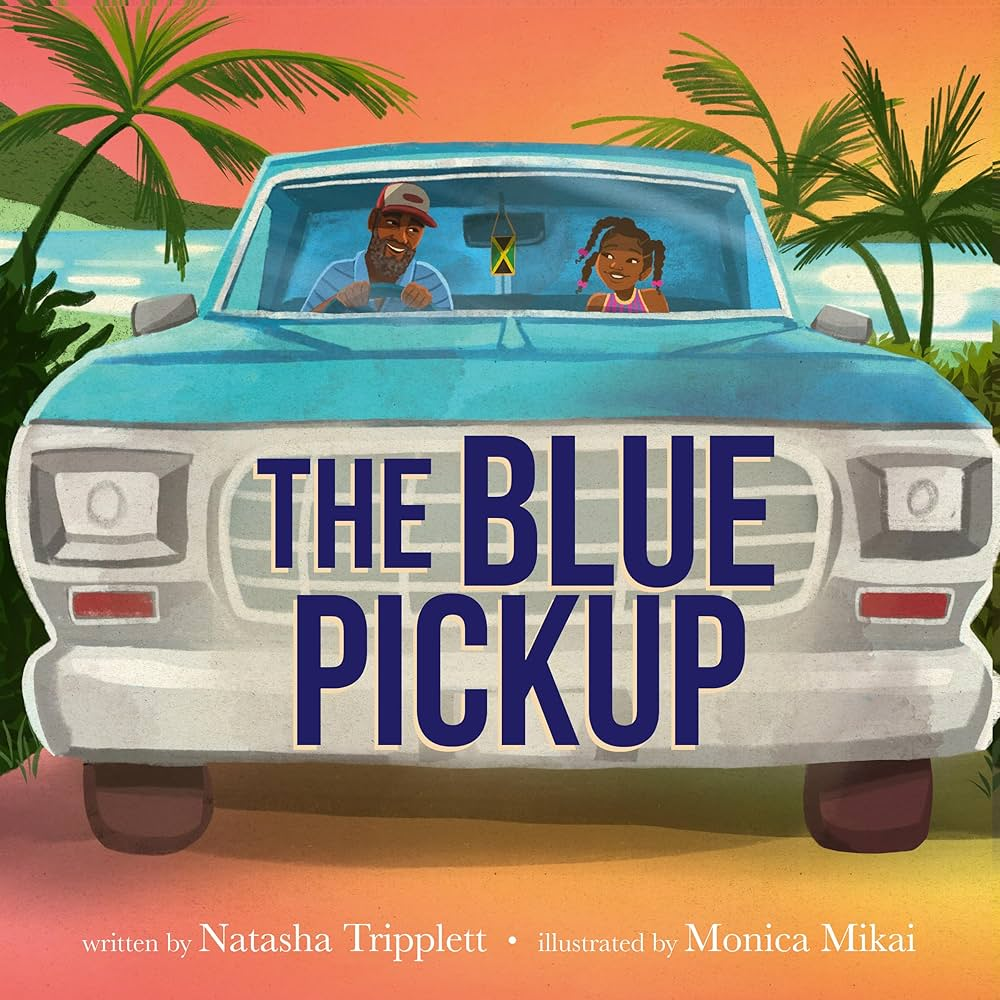
The Blue Pickup by Natasha Tripplett, illustrated by Monica Mikai (HarperCollins, 48 pages, ages 4-8). Ju-Girl loves working with her grandfather at his Jamaican garage. She helps fix radiators, switch out car batteries, and change oil, but her favorite job is organizing the socket wrench set. When they take a break on the tail of Granddad’s old blue pickup truck, he tells her about his younger days making deliveries all over the island. Ju-Girl encourages him to fix up the truck so it will run again, and one day she arrives at the garage and hears that sound of its engine. Granddad drives her around town, reminiscing about people and places, until they make a stop at a store where the owner has shined up Granddad’s first set of socket wrenches to pass on to Ju-Girl. She uses them immediately to fix the pickup’s battery, and Granddad tells her that she’s reminded him of the importance of taking care of old and forgotten things, and that one day the truck will be hers. Includes an author’s note about her own grandfather and his pickup that inspired the story, along with a photo of her standing in front of the truck.

Another excellent memoir featuring a pair of memorable characters; I particularly liked how competent of a mechanic 7-year-old Ju-Girl is. The illustrations capture the gorgeous island colors from the countryside to the bustling city.

Works of art

Time to Make Art by Jeff Mack (Henry Holt and Co., 48 pages, grades K-5). A girl poses a variety of questions about art to artist. “Does it have to be perfect?” she asks Michelangelo, as he puts the finishing touches on the Sistine Chapel. “You can make your art any way you want,” he replies. “What if I can only draw stick figures?” she wants to know, to which a Paleolithic cave artist answers, “Then draw stick figures!” Colors, feelings, art materials, and subjects are all covered in a way that opens up art to everyone, with reinforcement from famous artists. Those artists all get thumbnail descriptions in the back, listed in the order they appear in the book.

This is both an excellent introduction to art history and an inspiring invitation to create art. The illustrations are cute, and it’s fun to try to identify the artists and their works. A few more resources for further exploration would have made a nice addition.

The Sunflowers: Vincent van Gogh’s Search for Beauty by Zahra Marwan (Feiwel and Friends, 40 pages, grades K-4). Vincent van Gogh’s favorite things to paint are sunflowers, which seem like happy spots of color in the gray city of Paris, even if they’re considered an inelegant subject for art. When he meets fellow artist Paul Gauguin, the two bond over the vibrant colors of each other’s paintings. Vincent moves from the city to a little yellow house in Arles, France, where he finds happiness that’s reflected in brighter, more colorful art. Some of his art finds its way onto the walls of his house, as he prepares for a joyful reunion with his friend Paul. When Paul arrives, he feels welcomed by the powerful paintings of sunflowers, and “He could feel the way it is to have a real friend.” Includes an author’s note with some additional information about Vincent and some thoughts about how art can be a powerful bond in creating friendships. This is a lovely celebration of art, friendship, and following your own heart, illuminated with van Gogh-inspired illustrations. It’s definitely not a biography, and I was sorry there wasn’t more biographical information in the back matter.

I heard about this book at the same time I learned of another biography about Vincent van Gogh, The Vincent van Gogh Atlas by Nienke Denekamp and René van Blerk, illustrated by Geert Gratama, Thames and Hudson, 160 pages, grades 5-8). I don’t know if it’s because this book was originally published in Europe, but I have struggled (unsuccessfully so far) to get it through interlibrary loan. From what I’ve read about it, it sounds like a real work of art filled with maps, letters, and reproductions of van Gogh paintings. I hope you will have greater success obtaining it than I have!

The power of pets

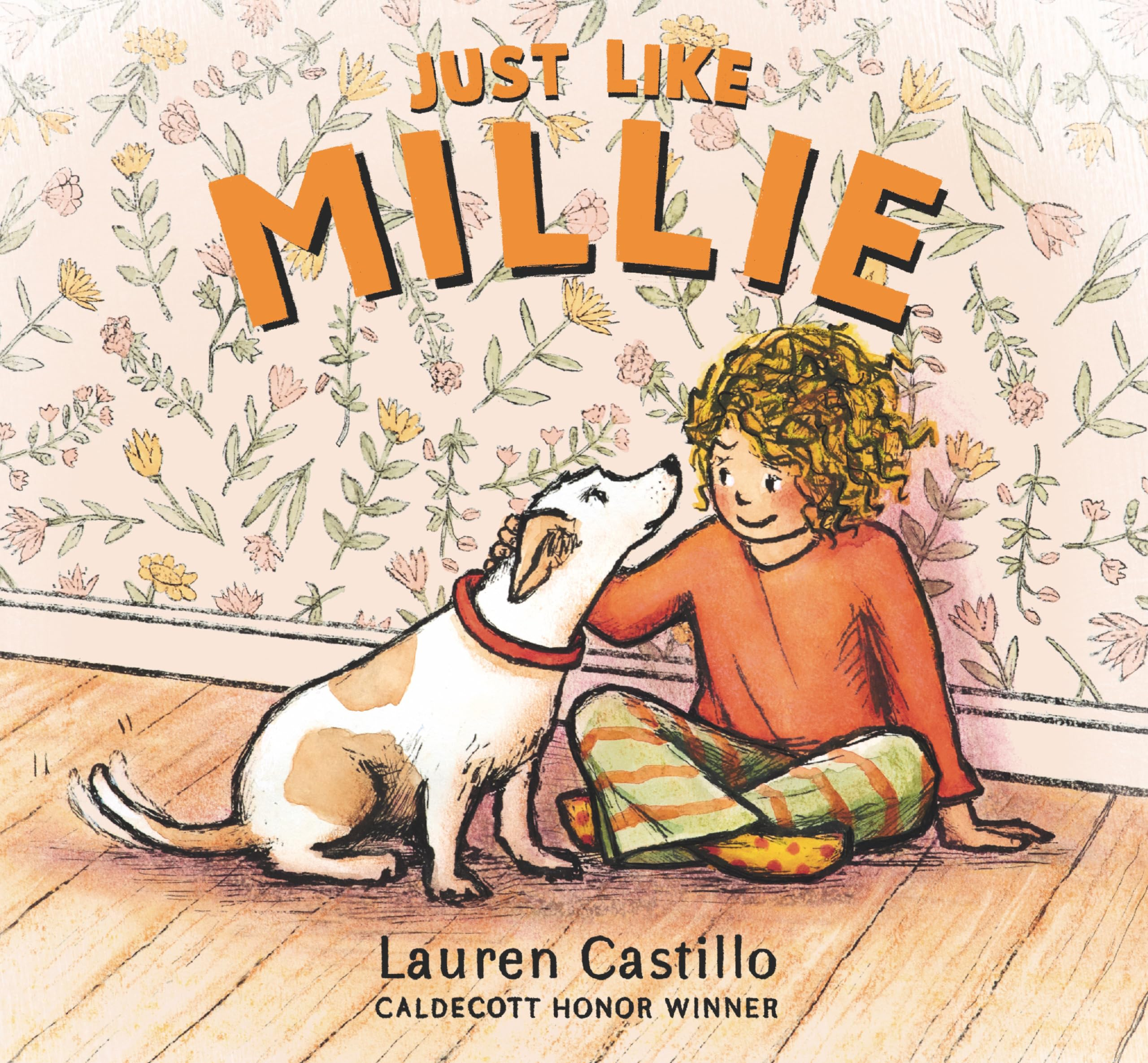
Just Like Millie by Lauren Castillo (Candlewick, 40 pages, ages 4-8). The narrator deals with anxiety after she and her mother move to a new home. She feels safest playing alone in her room and gets nervous meeting new people or being in new situations. When Millie, a rescue dog, comes to live with the family, the girl starts to feel a little more comfortable interacting with people and their dogs on their walks. On a trip to the dog park, another girl and her mother sit near them. Inspired by Millie’s friendliness, the narrator suggests that they go say hello. “And just like Millie, I made a friend..”

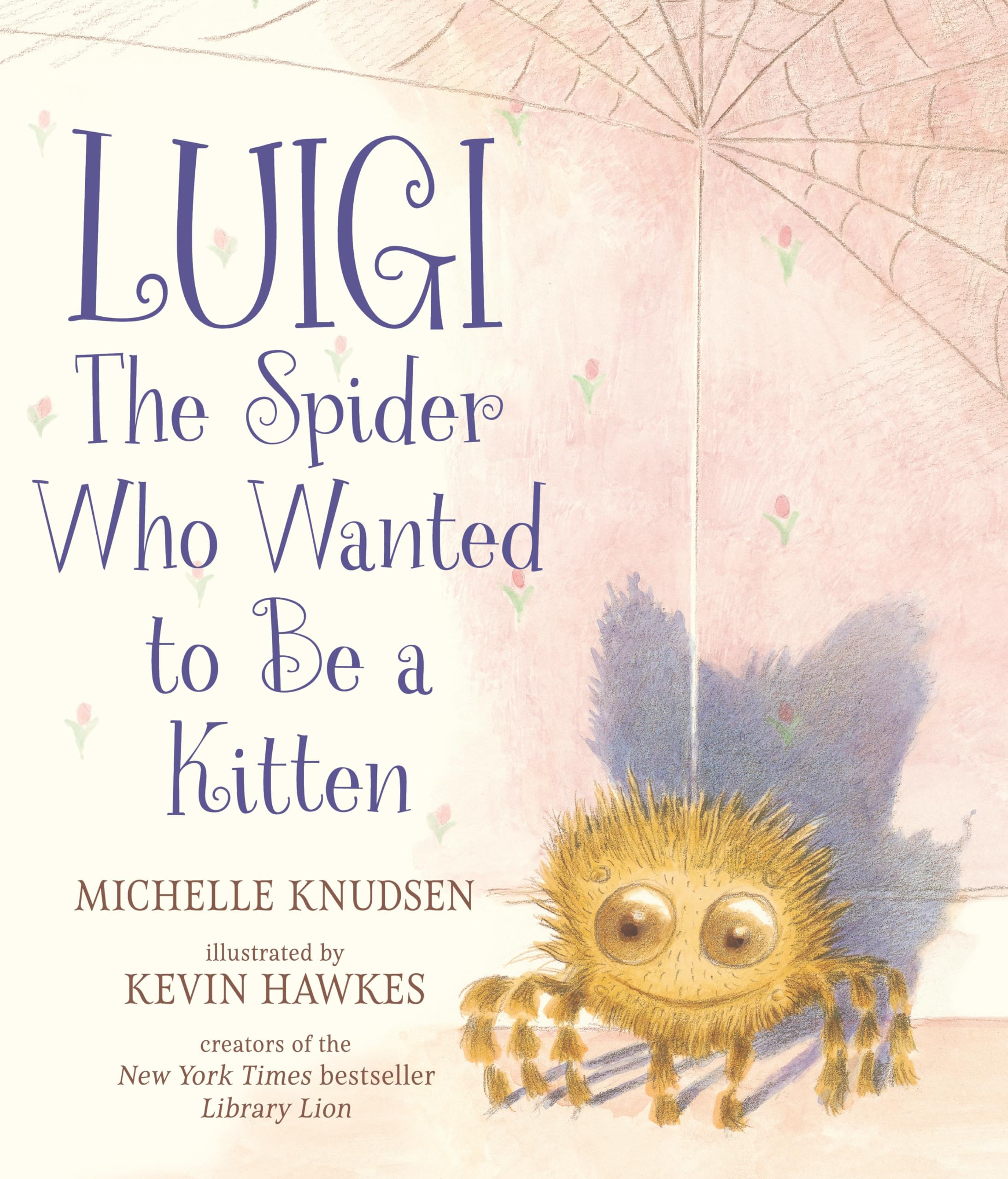
Luigi: The Spider Who Wanted to Be a Kitten by Michelle Knudsen, illustrated by Kevin Hawkes (Candlewick, 40 pages, ages 4-8). When a big, hairy spider takes up residence under the sofa of an old house, he’s surprised when the woman living there mistakes him for a kitten and names him Luigi. Before long, Luigi discovers he enjoys the free food, warm bed, and fun playtime that come with being a kitten. But he worries that Betty won’t want him if she finds out what he really is. When her friends come over for game night, Luigi is sure the jig is up, but he does his best to look catlike. His little spider heart sinks when he overhears one of the friends asking Betty why she adopted a spider, and he retreats back under the couch. The next day, though, Betty tells him that, while she enjoyed pretending that he was a kitten, she always knew he was a spider. She likes him just the way he is and invites him to go back to his spidery ways. Luigi is thrilled to have both a new home, a new friend who accepts him for what he is, and the prospect of being able to eat bugs again.

These two engaging picture books celebrate the joy of pet ownership. I discovered both of these titles (as well as several more that will be included in upcoming posts) on the Goodreads mock Caldecott list, so they both feature outstanding illustrations. Millie is a simple story with an adorable dog and an extremely satisfying ending, while Luigi is a funny tale by the author and illustrator of Library Lion that gets resolved with a nice message of acceptance.

Persistence, resistance, and a fight for existence

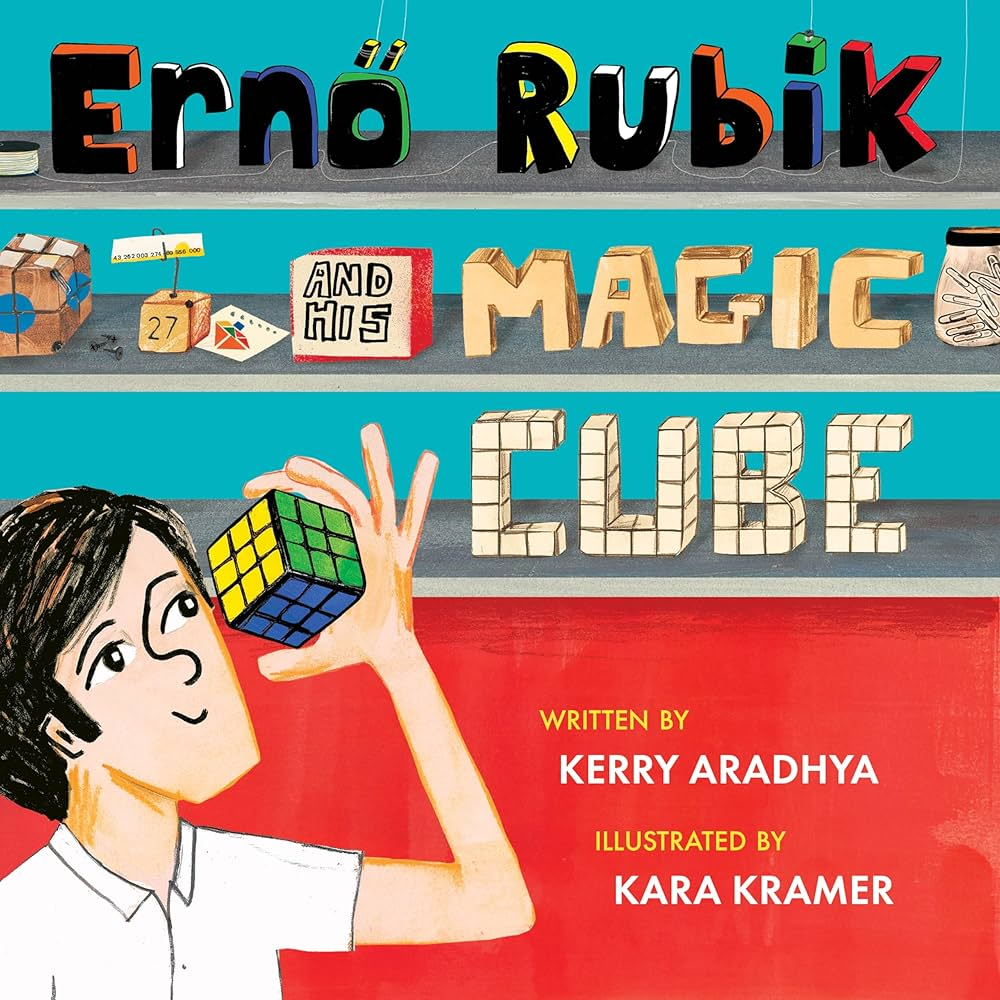
Ernö Rubik and His Magic Cube by Kerry Aradhya, illustrated by Kara Kramer (Peachtree, 32 pages, grades K-4). Ernö Rubik was a solitary kid who enjoyed reading and solving puzzles in his Budapest home. He grew up to be a teacher who would build models to teach his students about three-dimensional objects. His curiosity about cubes led him to try making a big cube out of small ones that could move around but stay connected. His first attempts failed, but he finally found the secret: 26 cubes in three rows, with a round mechanical core. And the rest is history as Ernö’s invention, the Rubik’s Cube, went on to become one of the most popular puzzles of all time. Includes additional information about Rubik and his cube, an author’s note, and a list of three books about the cube.

Although there are some details about Ernö Rubik’s life, the focus is on the Rubik’s cube and the perseverance needed to solve a difficult problem. If kids haven’t tried the cube, they will definitely get their hands on one and start searching YouTube for various solutions.

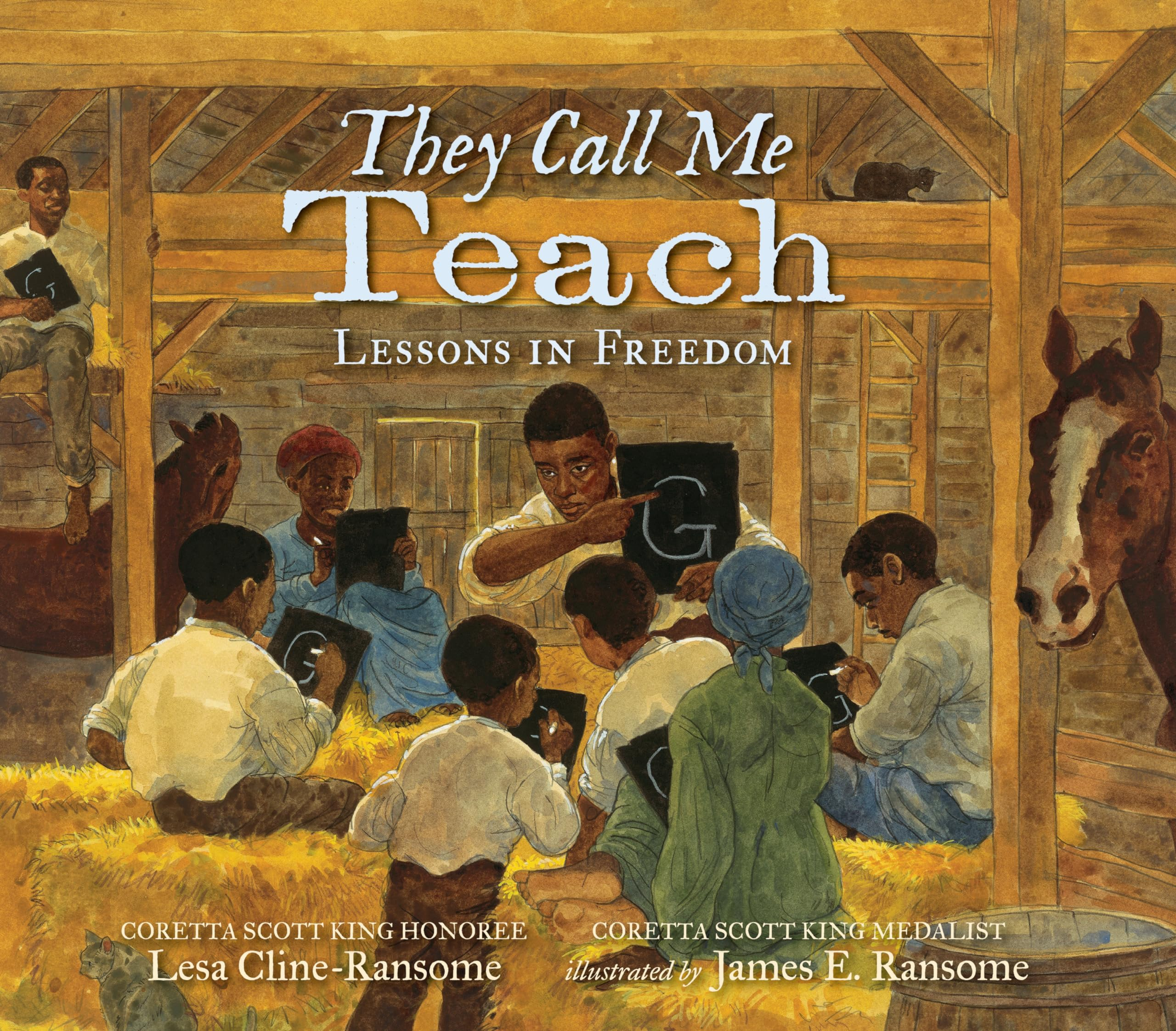
They Call Me Teach: Lessons in Freedom by Lesa Cline-Ransome, illustrated by James E. Ransome (Candlewick, 40 pages, grades 1-5). A young enslaved man is known as Teach, due to his abilities to read and write that he learned growing up with the master’s son. By day he works as a clerk in the master’s store, but at night he teaches other enslaved people to read. He secretly helps people by reading their letters and, in one case, writing a receipt to help a woman escape. Just looking at a newspaper in public results in punishment, leaving readers to infer that there could be much more serious consequences for teaching literacy to other Black people. An author’s note gives more information about Black people’s quest for education throughout history. Includes a list entitled “More Books on Resistance.”

This husband and wife team has created a fascinating story that focuses on the large majority of enslaved people for whom escape was impossible and who tried to resist and improve themselves in the ways that were available to them, despite the risk of cruel punishments. Sure to be a Coretta Scott King award contender.

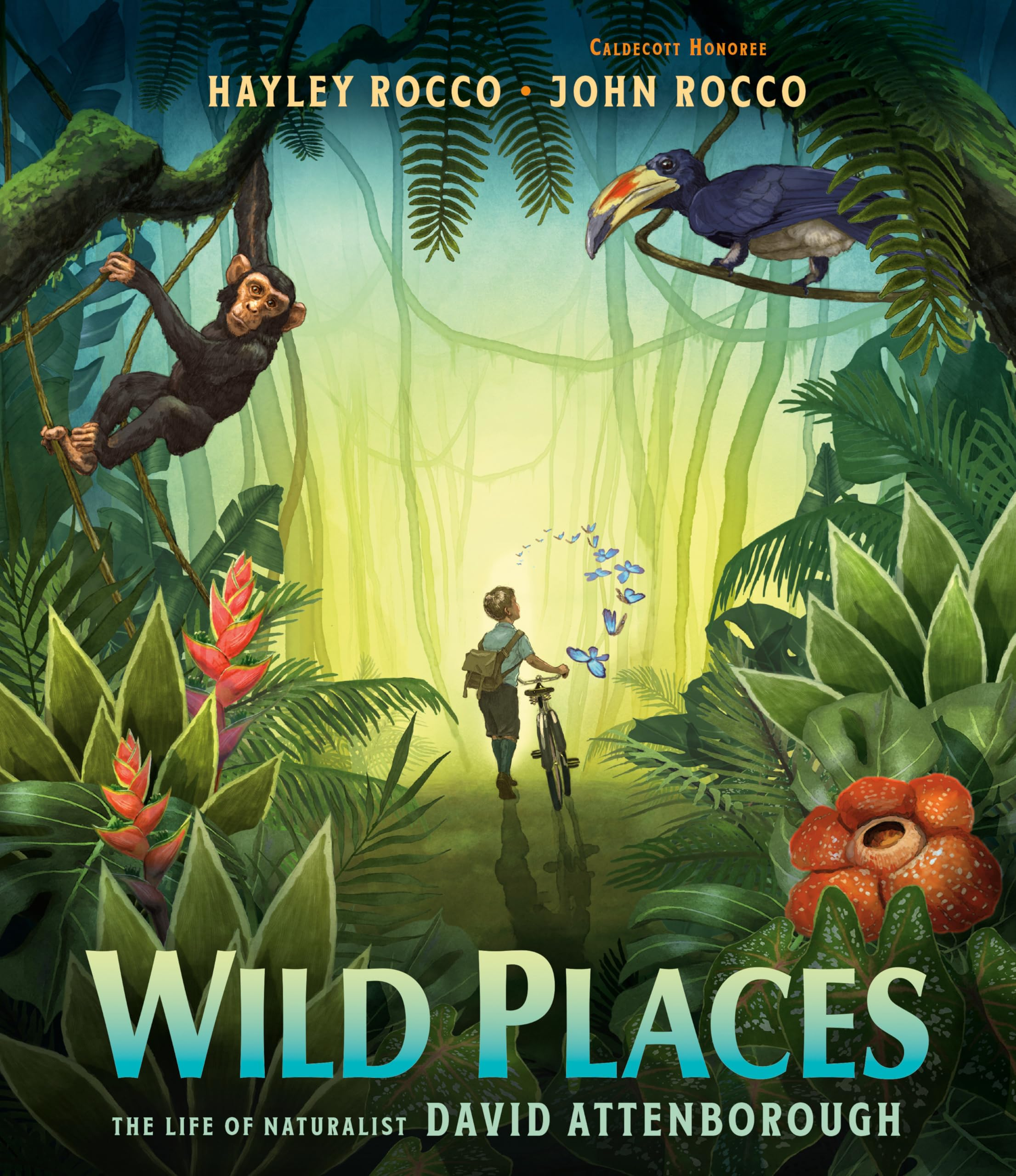
Wild Places: The Life of Naturalist David Attenborough by Hayley Rocco, illustrated by John Rocco (G. P. Putnam’s Sons Books for Young Readers, 48 pages, grades K-3). The story of David Attenborough’s life is told by another husband and wife team. Young David loved exploring the natural world around his English home, and he continued those studies as a university student. When he graduated, television was just becoming popular, and he got a job introducing viewers to the world of nature. Before long, he was traveling all over the world to show people plants and animals of different ecosystems. His travels made him more aware of the ways that wild places were shrinking and living creatures were losing their habitats. David shifted his focus to helping people understand what was happening and giving them information to help them make better choices for the planet, work that he continues today in at the age of 98. Includes an author’s note with additional information about David Attenborough and rewilding, a couple of photos, and a bibliography.

Like the Ernö Rubik biography, this is an engaging read that’s a little light on biographical information. Most pages only contain a sentence or two of text, along with award-winning illustrator’s John Rocco’s beautiful depictions of the natural world. Quotes from David Attenborough are scattered throughout the book, and the end matter fleshes out his life a bit more.

National treasures

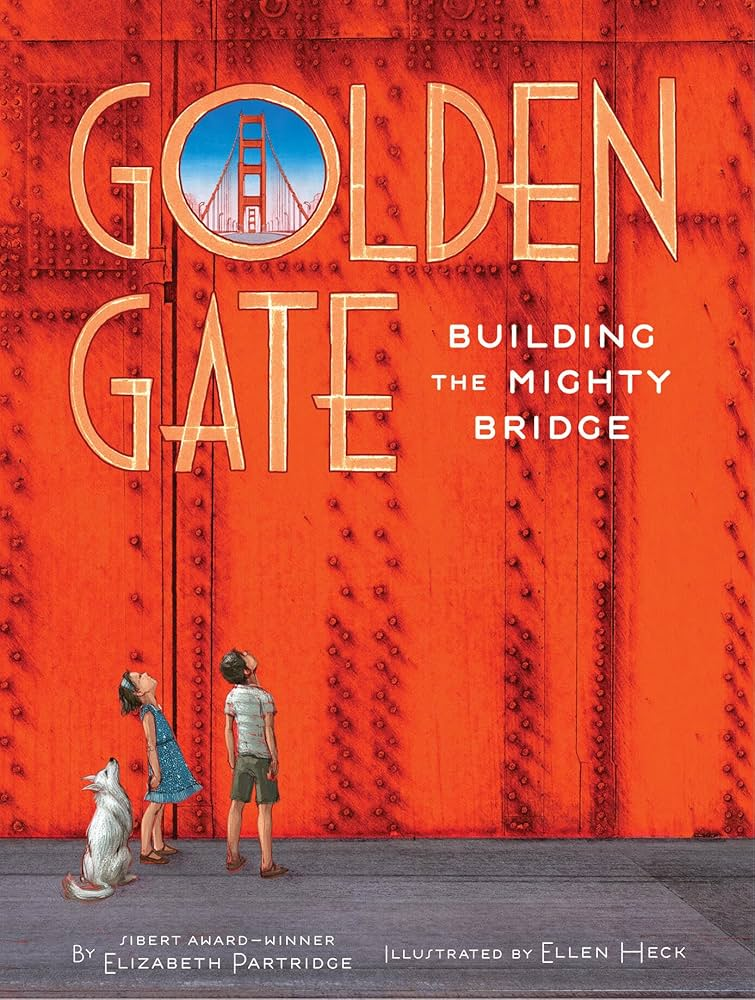
Golden Gate: Building the Mighty Bridge by Elizabeth Partridge, illustrated by Ellen Heck (Chronicle Books, 60 pages, grades 2-5). The two children of a lighthouse keeper observe the creation of the Golden Gate Bridge from their house. Told in second person narration (“You leap out of bed–how did you forget? Today’s the day work begins on the Golden Gate Bridge”), the text includes plenty of construction details and emphasizes the seemingly impossible nature of the project. As the kids grow older, the foreman gets to know them and sometimes includes them in some aspects of construction, like the day they get to ride the elevator to a height of 700 feet above the water. Finally, on May 27, 1937, the Golden Gate Bridge is open to the public, and crowds of people, including the two children, walk across the bridge, where “the word impossible seems like nothing at all.” Includes an afterword with additional information.

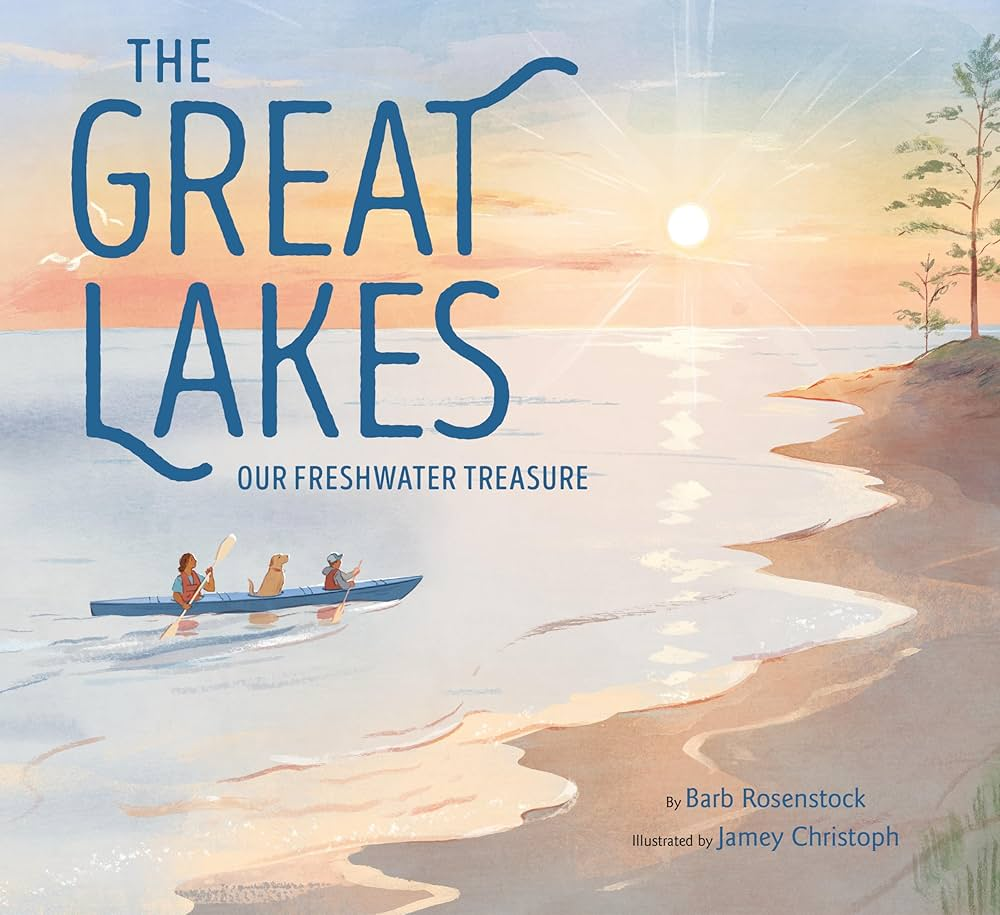
Great Lakes: Our Freshwater Treasure by Barb Rosenstock, illustrated by Jamey Christoph (Knopf Books for Young Readers, 40 pages, grades 2-5). Beginning with the history of the five Great Lakes, formed by the melting of a huge glacier that covered more than half of North America, the narrative shifts to the present importance of the lakes. Not only are they home to many species of plants and animals, but they contain almost all of the surface freshwater in North America. Although they are essential in supporting humans, we’ve done our best to poison and pollute them. In recent years, work has been done to protect them, and readers are invited to investigate how they can help preserve these national treasures. Includes messages from the author and Kathleen Smith, an indigenous woman from the Great Lakes Indian Fish and Wildlife Commission, information about the Center for Great Lakes Literacy, and a list of sources.

Both of these books are chock full of fascinating information, well supplemented by beautiful, detailed illustrations, that will help readers better understand two famous American landmarks. Although they are both picture books, each one contains quite a bit of text and somewhat technical information, making them better choices for older elementary and middle school readers.

Master storytellers

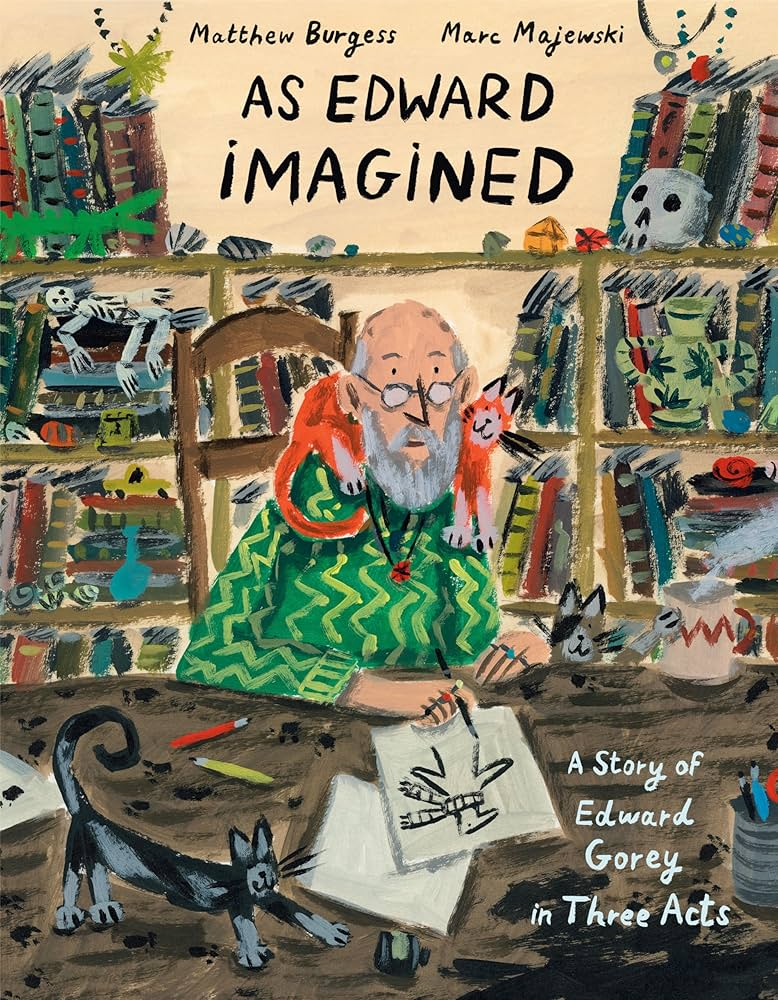
As Edward Imagined: A Story of Edward Gorey in Three Acts by Matthew Burgess, illustrated by Marc Majewski (Knopf Books for Young Readers, 48 pages, grades 2-5). In Act 1, we meet a young Edward Gorey, who learned to read when he was 3 and devoured books, including Dracula at the age of six. This led him to create his own spooky stories, something that he continued to do when he moved to New York City as an adult (Act 2). Not only did he write his own stories, but he illustrated other writers’ books and gained his greatest fame designing the sets for the Broadway adaptation of Dracula and creating introductions to PBS’s Mystery! series. With money earned from those projects, Gorey headed to Act 3, purchasing a house on Cape Cod where he continued to write, draw, and work with local theaters. Edward always led life on his own terms, whether that was wearing green toenail polish as a child, attending nearly every performance of the NYC Ballet for twenty years, or keeping six cats at Elephant House on the Cape. Includes an author’s note, additional resources, and chronology.

Kids may need to be introduced to Edward Gorey’s work, but they will undoubtedly embrace his spooky illustrations and books, and perhaps be inspired to live life to the beat of their own drummer, as Edward Gorey most definitely did. I first learned of Gorey through John Bellairs’ books, which were only briefly mentioned both in this book and when I visited the Edward Gorey Museum on the Cape; this seems like an unfortunate oversight.

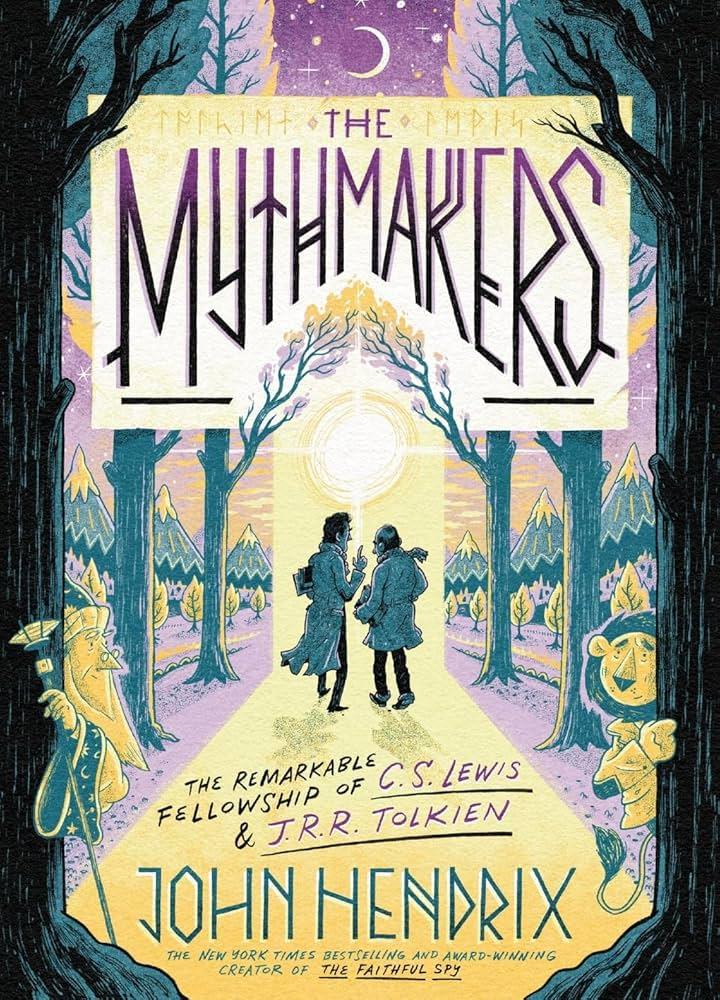
The Mythmakers: The Remarkable Fellowship of C.S. Lewis and J.R.R. Tolkien by John Hendrix (Harry N. Abrams, 224 pages, grades 7-12). C.S. Lewis and J.R.R. Tolkien both suffered early childhood losses but also had mystical experiences of joy as children, often associated with reading myths and fairy tales. After horrific experiences fighting in the trenches of World War I, they both became Oxford dons, where they developed a delightful friendship based on their mutual love of myths and interest in religion. A lifelong Catholic, Tolkien encouraged the agnostic Lewis to follow his spiritual longings, eventually leading Lewis to a dramatic conversion to Christianity. Each supported the other in his writing, and it’s pretty clear that neither the Chronicles of Narnia and especially The Lord of the Rings would have existed without the influence of their friendship and the literary group The Inklings which grew out of that relationship. The main chapters are interspersed with comics featuring a lion and a wizard traveling through the landscapes of Tolkien’s and Lewis’s life, and a poignant final chapter imagines the two men, who sadly had a falling out in the last decades of their lives, reuniting for one last conversation before moving into the great beyond. Includes extensive additional information about mythology, as well as an author’s note about his research, notes, a bibliography, and an index.

As someone who is both a John Hendrix fan and was an obsessive enough fan of C.S. Lewis to actually write a biography of him, I was excited to see this new book. Although it bills itself as a graphic novel, the amount of information far exceeds most of that genre. The lion and wizard segments are in comic format, while the rest of the book is more like an illustrated text. The emphasis is on the friendship between the two men and how their common love of mythology influenced their literary masterpieces. I was a bit disappointed that Lewis’s relationship with Janie Moore, which lasted for decades and had a huge impact on his life, was pretty much left out of the story. Additionally, some of the information about mythology got a bit too dense for me, and I imagine many young adults will have the same experience. Nevertheless, this is a rich story of an extraordinary friendship between two men who changed the landscape of fantasy literature and left behind books that are still beloved today.

How to move on

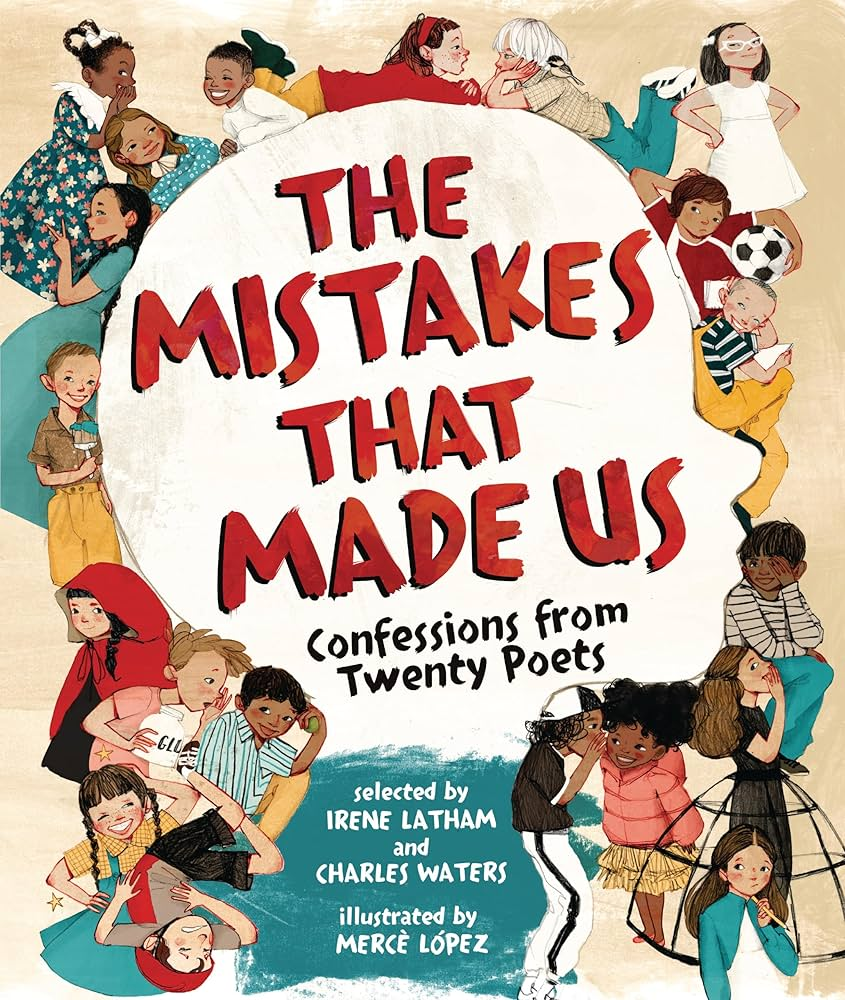
Mistakes That Made Us: Confessions from Twenty Poets by Irene Latham and Charles Waters, illustrated by Mercè López (Carolrhoda Books, 40 pages, grades 2-5). Twenty children’s poets reveal mistakes they made as kids and the lessons they learned from them. Some are funny, like Darren Sardelli’s glue on the toilet seat prank that ultimately made him a little less impulsive, others are more poignant, like Kim Rogers’ silence when she, a Native girl, was made to participate in the Land Run reenactment at her Oklahoma elementary school. And many of them, like scoring a goal for the other team or cutting your hair due to peer pressure are things that readers will relate to, whether they are children or adults. Each poem is accompanied by a paragraph in which the author tells a little more about the incident and what they learned from it.

These would make great writing prompts for kids to explore their own mistakes and what they learned from them. They’re also just fun to read and realize that we all share similar experiences, and the best thing to do when a mistake is made is to admit it, ask for forgiveness if necessary, and move on.

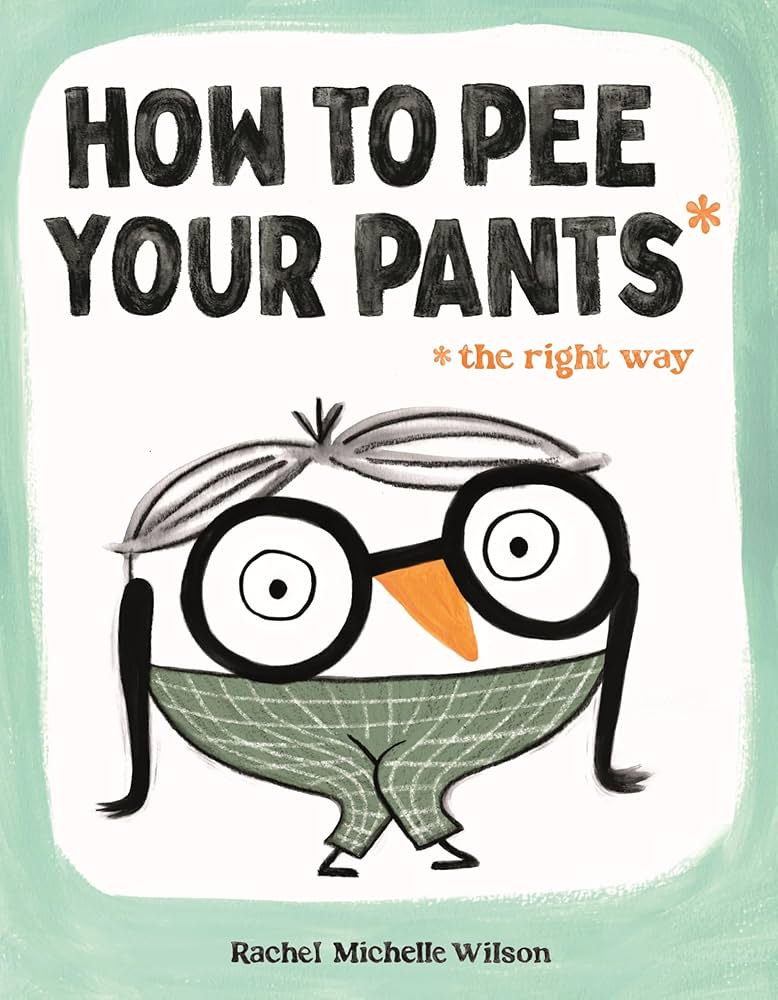
How to Pee Your Pants*: *The Right Way by Rachel Michelle Wilson (Feiwel and Friends, 32 pages, ages 3-6). It happens: you get caught up in what’s going on in class, you drink too much lemonade at lunch, or maybe you fall asleep, and the tried-and-true methods of crossing legs or holding your breath fail you. So what happens when you pee your pants? The owl protagonist offers some humorous ideas, including hiding the evidence, calling for help, or shooting a rocket into space in the hope that an alien will stop by with some dry clothes. If you find yourself in the embarrassing position of having to sit on bubble wrap while waiting for a change, remember that adults may have forgotten what it’s like to pee your pants (they’ll remember in a few years). The number one (pardon the expression) rule is this: if you come across someone else in a similar situation, remember to be the friend that you wish you had when you peed your pants.

We’ve all been there (and reading this book, you’ll realize you may be there again some day), and this funny and reassuring look will help kids get past what can be a humiliating experience, and remind everyone to be kind if it happens to someone else.