Five favorite middle grade fiction books

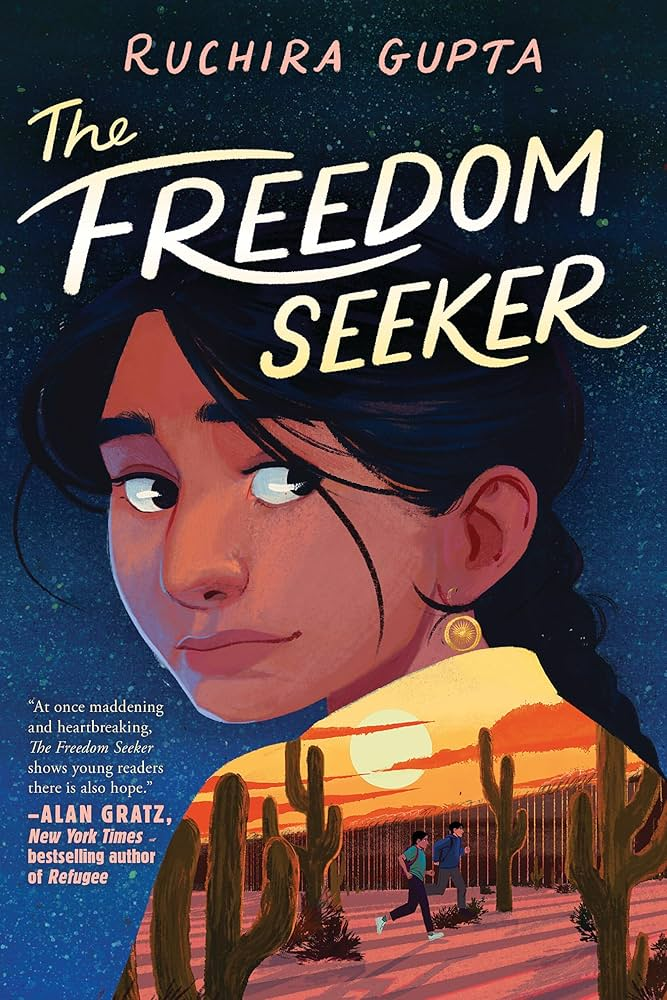
The Freedom Seeker by Ruchira Gupta (Scholastic Press, 320 pages, grades 4-8). This story of Simi and her family, who are forced to leave India after her Sikh father and Muslim mother are targeted by a new right-wing government, puts a face on illegal immigration and shows the difficult decisions and dangerous journeys so many people are forced to make.
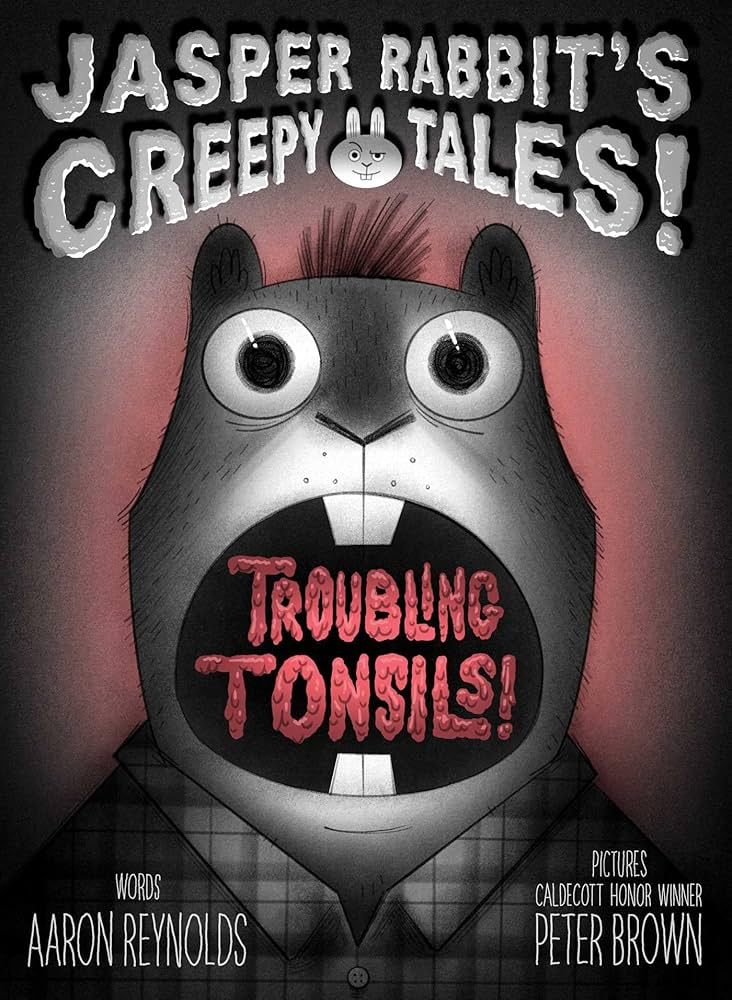
Troubling Tonsils! (Jasper Rabbit’s Creepy Tales) by Aaron Reynolds, illustrated by Peter Brown (Simon and Schuster Books for Young Readers, 88 pages, grade 1-4). Okay, this may not be the finest literature on this list, but it will be the easiest book to sell to readers. Jasper Rabbit of Creepy Carrots fame tells the story of Charlie Marmot, whose adventures with tonsillitis start innocently enough but quickly devolve into a bizarre tale worthy of The Twilight Zone.
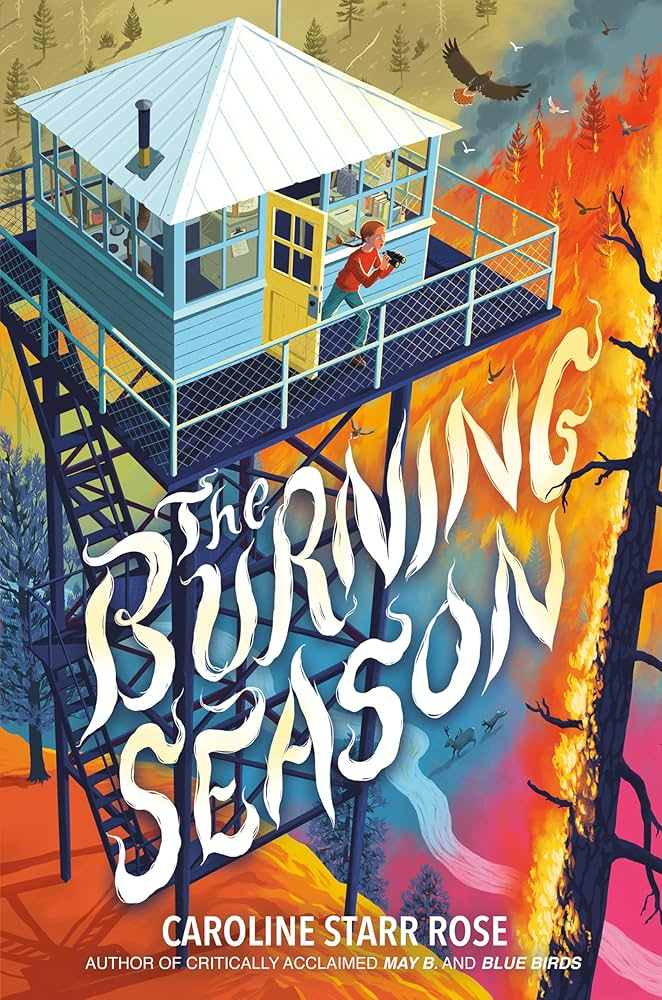
The Burning Season by Caroline Starr Rose (Nancy Paulsen Books, 256 pages, grades 4-7). In this riveting novel in verse, three generations of women serve as fire lookouts deep in New Mexico’s Gila National Forest. When a forest fire leaves Opal trapped with her injured grandmother, she has to face her secret fear of fire and call on her training to keep them both safe.

A Day at the Beach by Gary Schmidt and Ron Koertge (Clarion Books, 224 pages, grades 3-7). 28 interconnected short stories take place over a single summer day at the New Jersey shore. The writing perfectly captures the fleeting interactions that can happen on a crowded beach and shows how to create characters and settings in just a few pages.
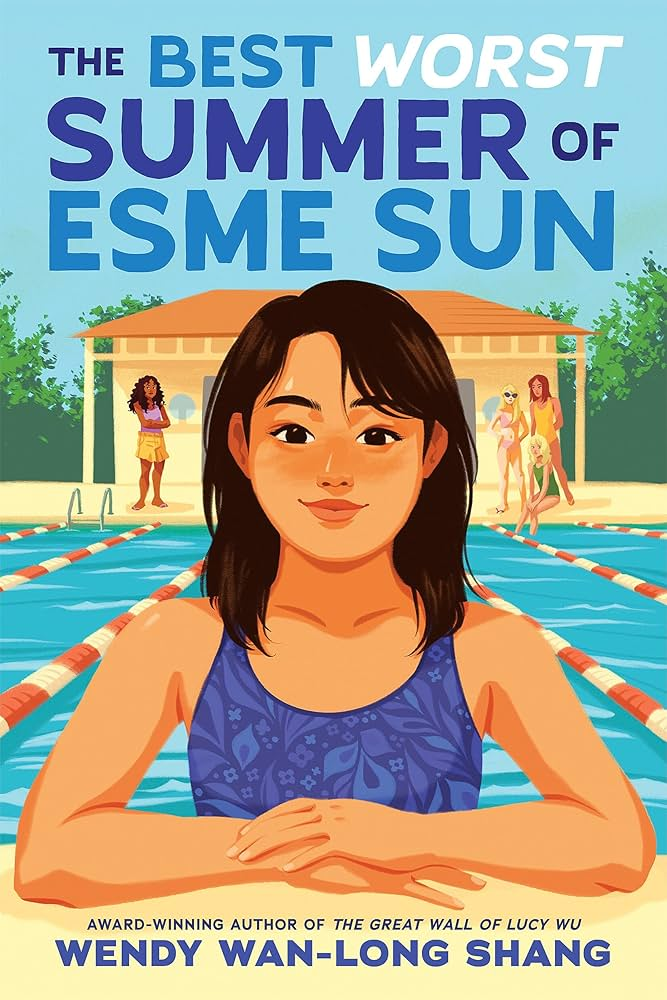
The Best Worst Summer of Esme Sun by Wendy Wan-Long Shang (Scholastic Press, 224 pages, grades 3-7). 12-year-old Esme feels like she can never succeed in her mother’s eyes, particularly when she has to live up to her three successful older sisters. When summer starts, she’s surprised to find her swimming has improved enough to make her a real contender on the swim team, but her mother’s pressure to be the best forces her to make some difficult choices between personal success and being a good teammate.
Five favorite nonfiction books for older readers

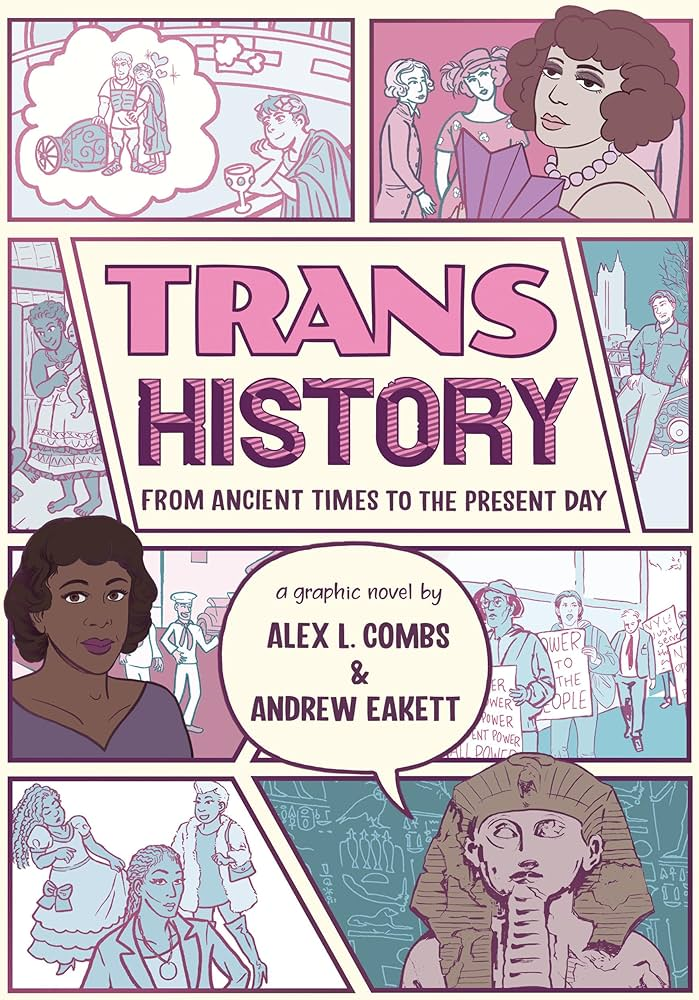
Trans History: A Graphic Novel: From Ancient Times to the Present Day by Alex L. Combs and Andrew Eakett (Candlewick, 384 pages, grades 8 and up). This graphic history of trans people, from ancient times to the present, is mostly told through stories of individuals that show the beliefs and treatment of trans people of that time. A concluding chapter includes stories about present-day activists.

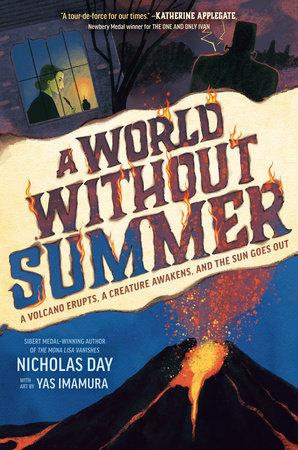
A World Without Summer: A Volcano Erupts, a Creature Awakens, and the Sun Goes Out by Nicholas Day, illustrated by Yas Imamura (Random House, 304 pages, grades 5-8). Nicholas Day looks at the 1815 eruption of the volcano Tambora with the resulting changes in climate around the globe, the creation of the book Frankenstein by Mary Shelley, inspired by the months of gloomy weather, and what we can learn that applies to our present-day climate change.

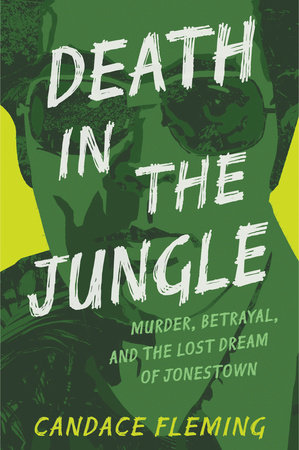
Death in the Jungle: Murder, Betrayal, and the Lost Dream of Jonestown by Candace Fleming (Anne Schwartz Books, 368 pages, grades 7 and up). The story of Jim Jones, his People’s Temple, and the tragic murder of over 900 people in the jungles of Guyana gives readers a look at how important it is to maintain a questioning attitude, particularly around charismatic leaders like Jones.

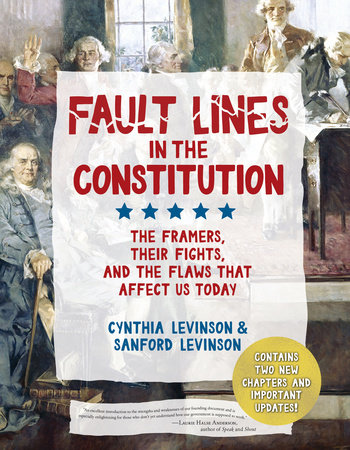
Fault Lines in the Constitution: The Framers, Their Fights, and the Flaws That Affect Us Today by Cynthia Levinson and Sanford Levinson (Peachtree, 2025, grades 6 and up). Although this book was originally published in 2017, I first read it this year in its third edition with extra information added. The authors dig into eight different issues to show flaws in the Constitution and how they might be corrected using methods from the governments of states and other countries.

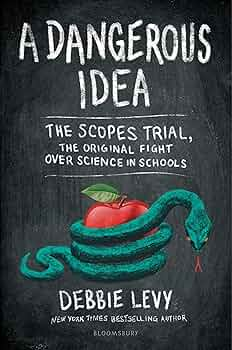
A Dangerous Idea: The Scopes Trial, the Original Fight Over Science in Schools by Debbie Levy (Bloomsbury Children’s Books, 288 pages, grades 6 and up). The story of the 1925 Scopes Trial reveals that questioning science is nothing new. Debbie Levy does an excellent job of connecting the trial with current controversies involving scientific ideas.

Five favorite nonfiction picture books

To Walk the Sky: How Iroquois Steelworkers Helped Build Towering Cities by Patricia Morris Buckley, illustrated by E. B. Lewis (Heartdrum, 40 pages, grades 1-5). For more than a century, members of the Mohawk tribe from Canada’s Caughnawaga Reserve have worked construction as “skywalkers,” balancing on beams high above the ground. This book tells the story of their many contributions to famous skyscrapers around America, as well as the huge risks they take as skywalkers, sometimes with fatal results.

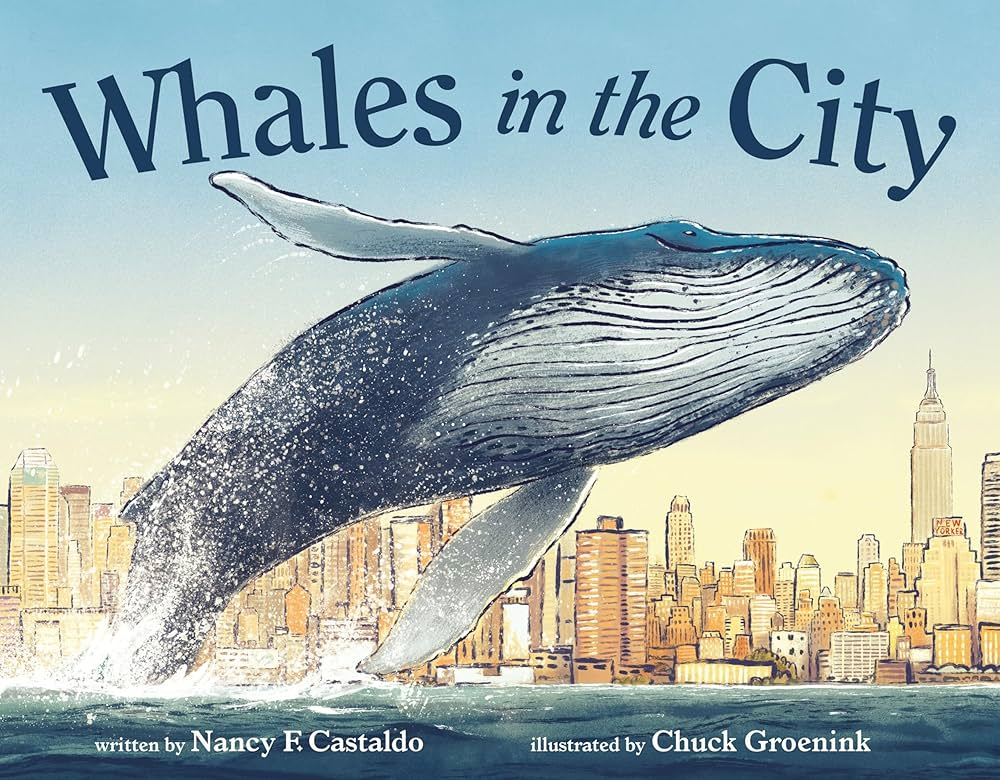
Whales in the City by Nancy F. Castaldo, illustrated by Chuck Groenink (Farrar, Straus and Giroux, 40 pages, grades K-4). Whales narrate the first half of the book, explaining how pollution drove them from the Hudson River. Humans take the story from there, describing how Earth Day activism led to the Clean Water Act, which eventually brought the whales back to the river they left a century before.

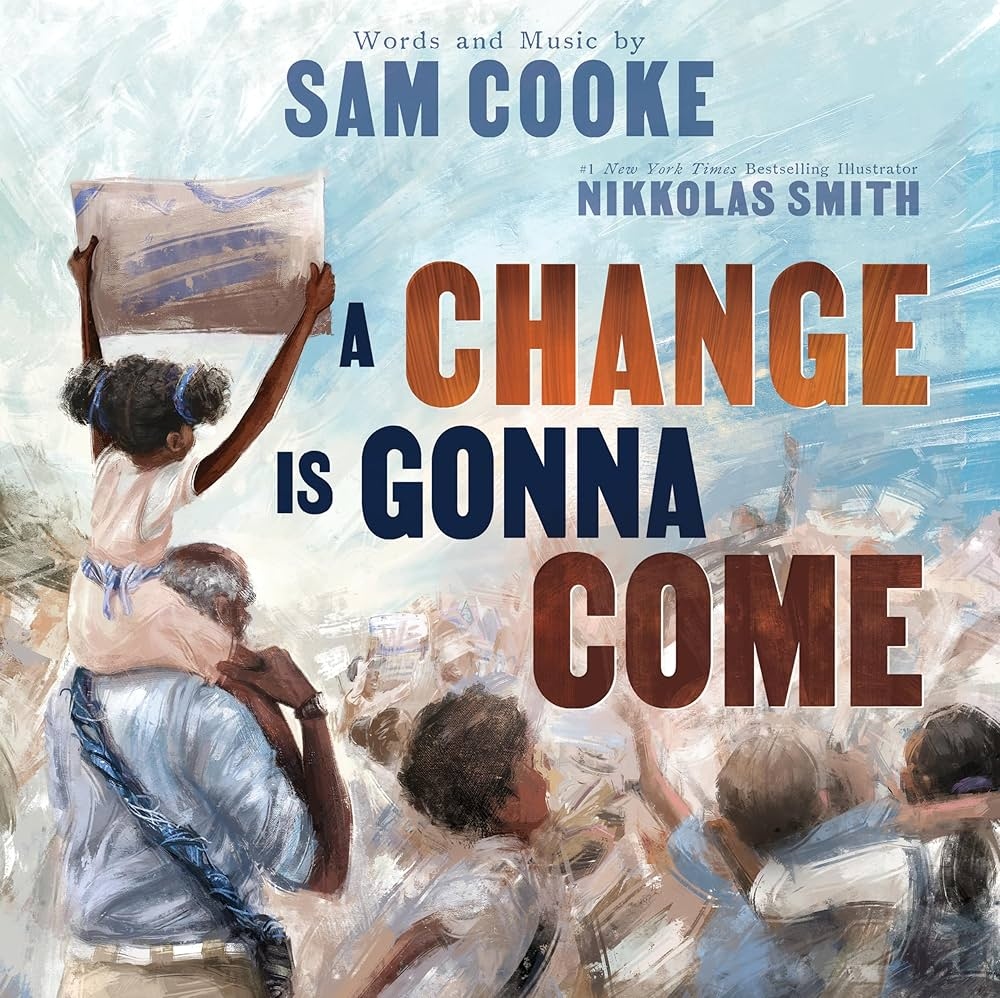
A Change Is Gonna Come words and music by Sam Cooke, illustrated by Nikkolas Smith (little bee books, 32 pages, all ages). This illustrated version of the Sam Cooke song captures its juxtaposition of hope and despair, with scenes from the Jim Crow South next to the March on Washington. This could easily have been on my Caldecott contender list, and I hope it will be considered for a Coretta Scott King Award as well.

The Black Mambas: The World’s First All-Women Anti-Poaching Unit by Kelly Crull (Millbrook Press, 40 pages, grades 2-5). The Black Mambas had to prove themselves, even to their family and friends, to become the first female park rangers in South Africa and the first women-led anti-poaching unit in the world. Their story is inspiring, the work they do is fascinating, and the many excellent photographs tell their story in a way readers of all ages will find engaging and inspirational.

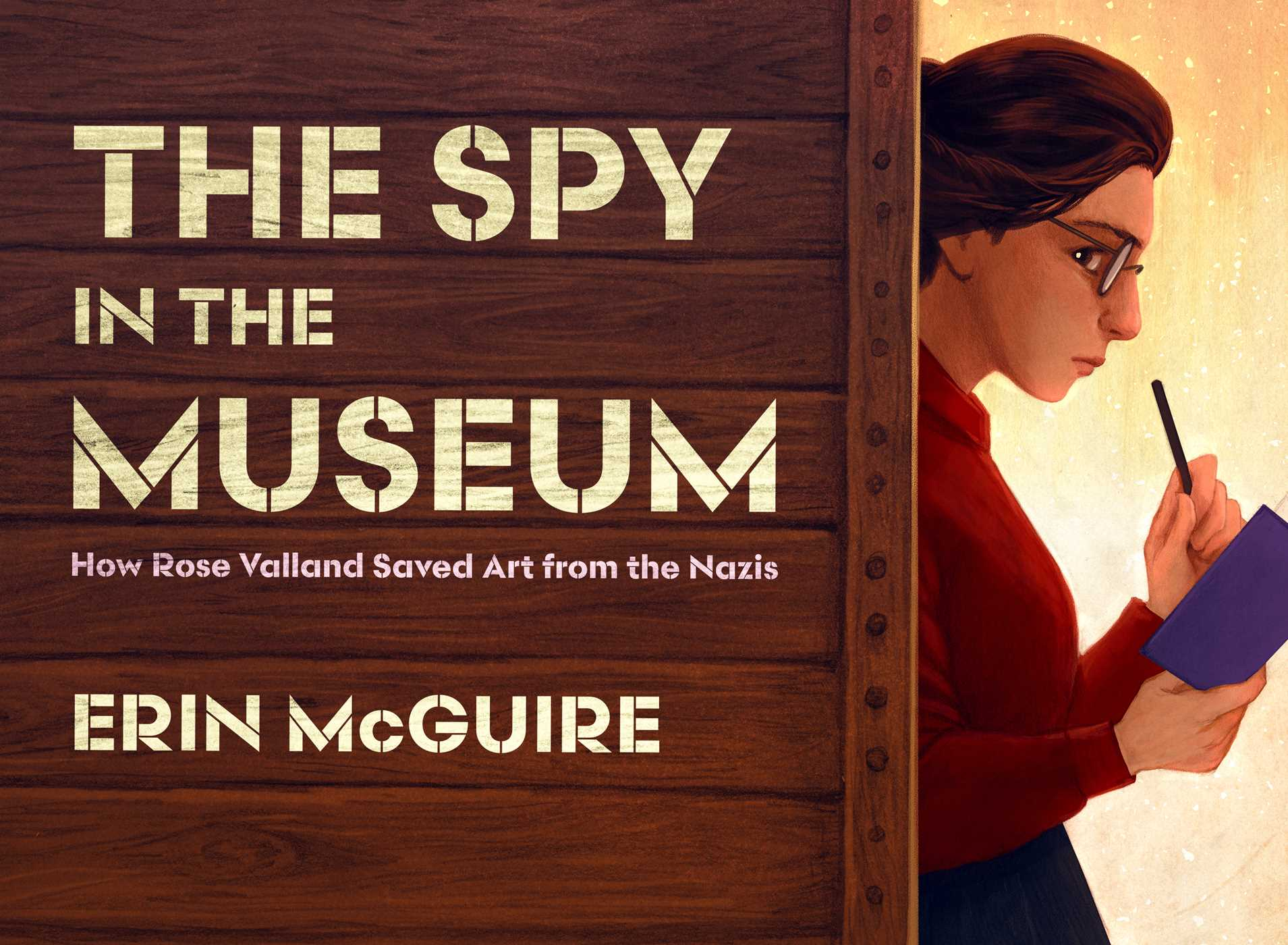
The Spy in the Museum: How Rose Valland Saved Art from the Nazis by Erin McGuire (Beach Lane Books, 40 pages, grades 2-5). Rose Valland loved art and was courageous enough to secretly work against the Nazis who took over Paris’s Jeu de Paume Museum, where Rose was a curator. Her ingenuity and bravery helped preserve thousands of works of art in a story that is more relevant than ever in today’s world.

Five favorite picture books

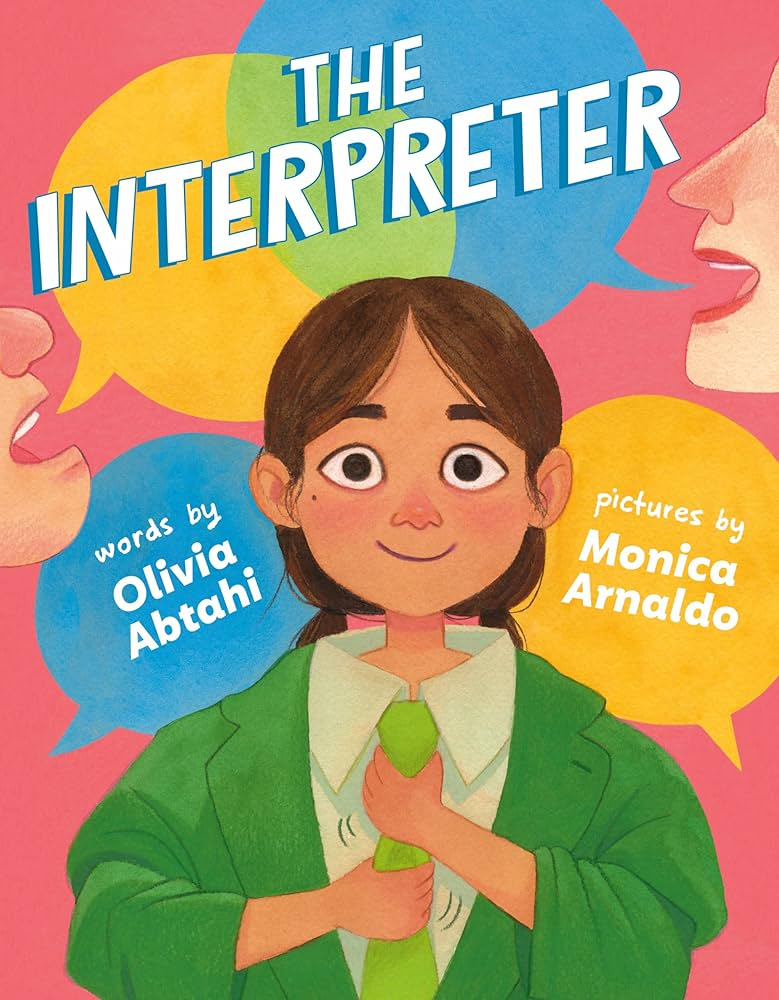
The Interpreter/La Intérprete by Olivia Abtahi, illustrated by Monica Arnaldo (Kokila, 40 pages, ages 5-8). Cecilia has two jobs: being a kid and interpreting for her Spanish-speaking family. Blue cartoon bubbles in English and yellow ones in Spanish are a fun way to show the two languages she speaks, and she provides a good example for readers about setting boundaries and making sure her kid job doesn’t get shortchanged.

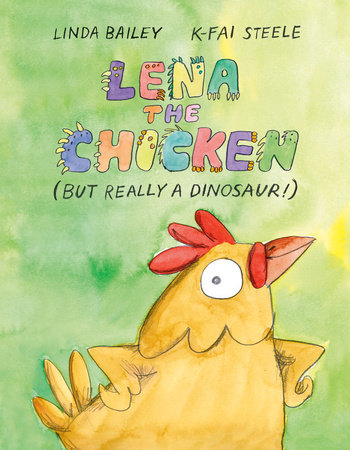
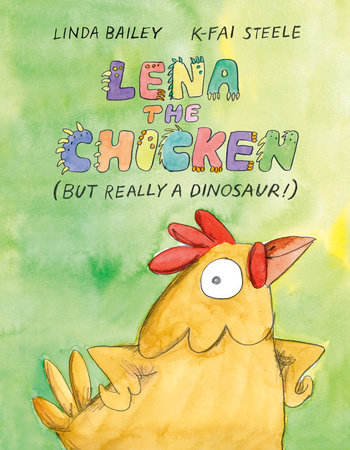
Lena the Chicken (But Really a Dinosaur) by Linda Bailey, illustrated by K-Fai Steele (Tundra Books, 56 pages, ages 4-8). Lena is a fearless chicken who knows she’s really a dinosaur. The other chickens think she’s a little crazy, but when her dinosaur roar scares a weasel away from the chicken coop, they start to adopt some of her confidence. A funny story with a good message about being your best self and some interesting information about the bird-dinosaur connection.

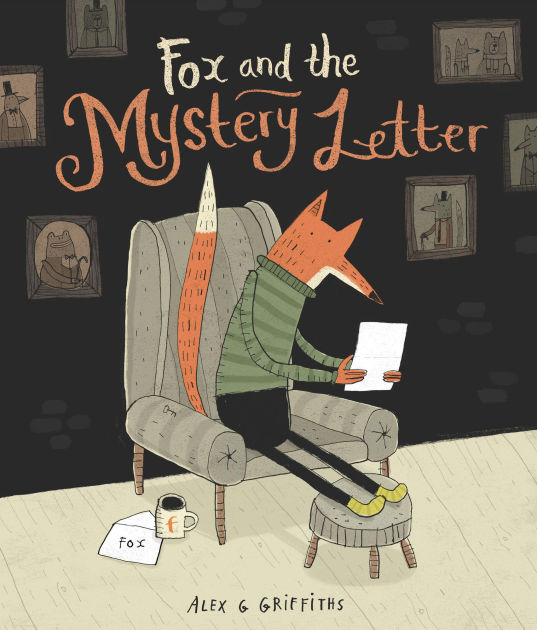
Fox and the Mystery Letter by Alex G. Griffiths (Frances Lincoln Children’s Books, 40 pages, grades K-3). Fox enjoys his solitary life until a mysterious letter sends him on a search for one clue after another that ends with an apology and a friendship restored. It’s a charming story with a satisfying ending, and who doesn’t enjoy a good scavenger hunt?

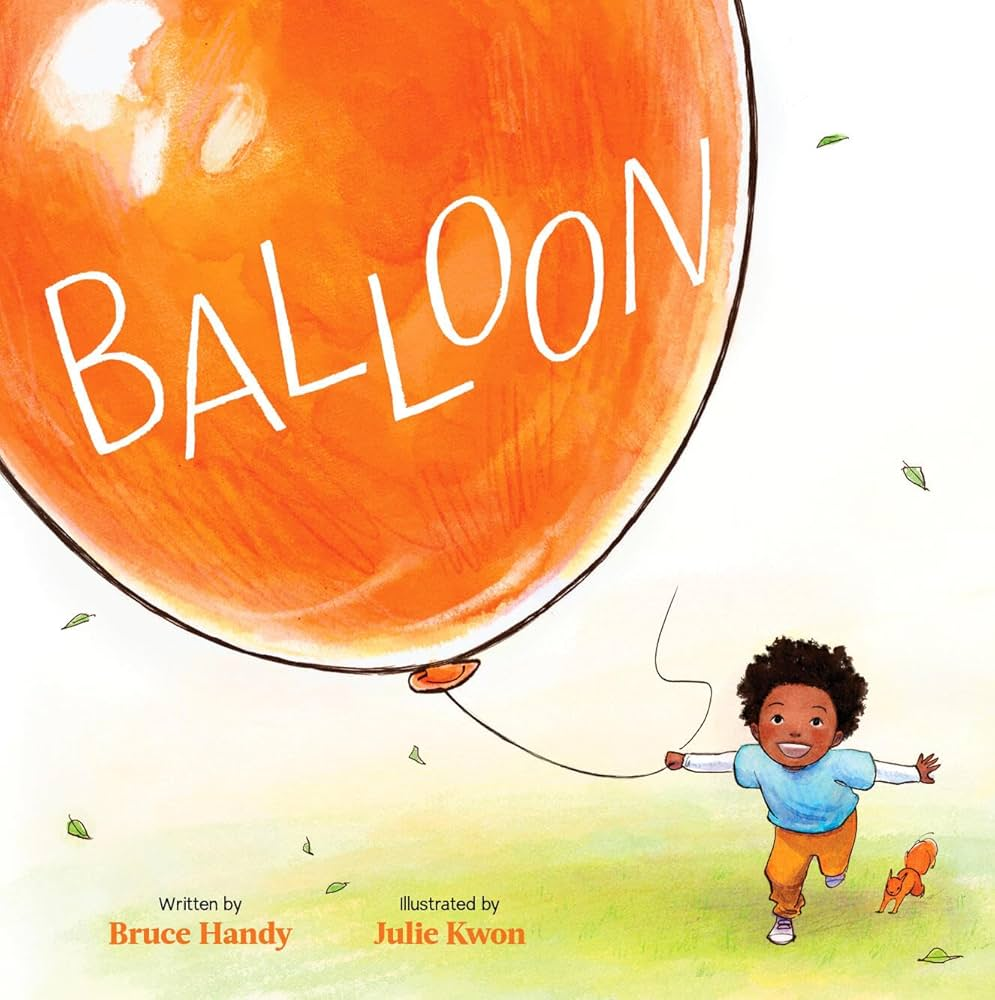
Balloon by Bruce Handy, illustrated by Julie Kwon (Chronicle Books, 44 pages, ages 3-7). This nearly wordless book tells the story of a boy who loses his orange balloon and finally recovers from his loss by finding an orange cat, whom he names Balloon. The illustrations make this a fun read-aloud, with lots of orange objects that may or may not be the lost balloon.

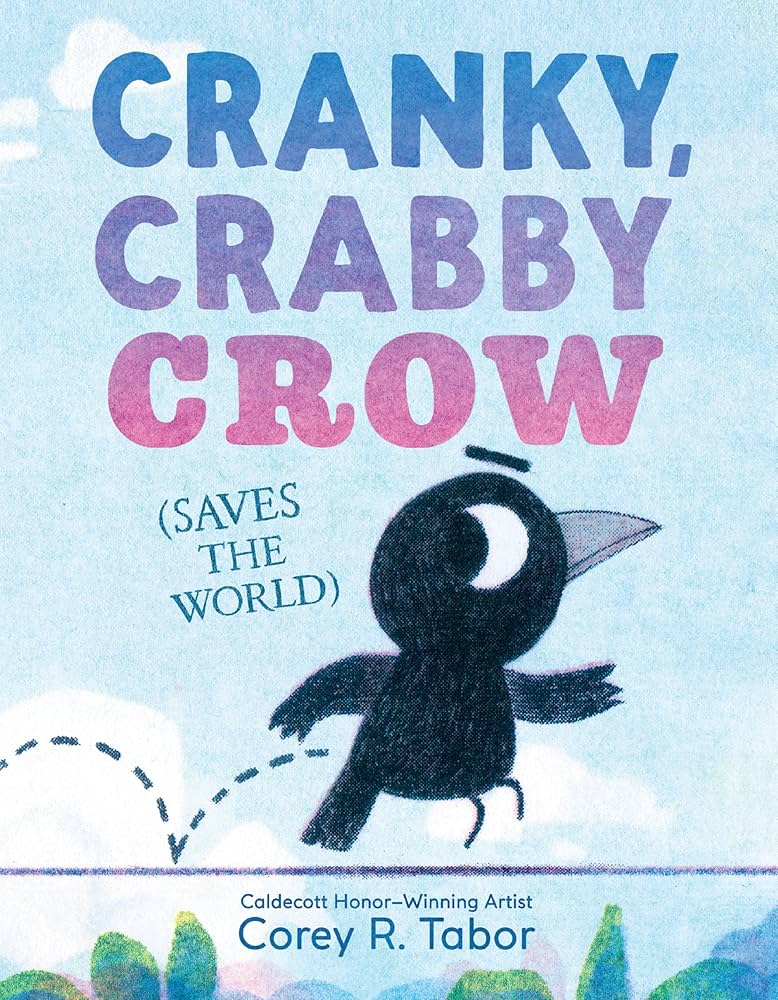
Cranky, Crabby Crow (Saves the World) by Corey R. Tabor (Greenwillow Books, 40 pages, ages 4-8). I read this aloud many times this fall, and it never got old. The cutaway illustration of Crow’s secret hideout is a delightful surprise, as is the meteor shower that Crow entertains his friends with after casually saving the world.

Five favorite Newbery contenders

Rebellion 1776 by Laurie Halse Anderson (Atheneum/Caitlyn Dlouhy Books, 416 pages, grades 5-9). With its setting in Boston from March 1776 when the British evacuated to the end of the year, this historical fiction novel is a compelling read with some timely themes and subplots, like vaccine controversy and living through times of revolutionary upheaval.

The Trouble with Heroes by Kate Messner (Bloomsbury Children’s Books, 368 pages, grades 4-7). After vandalizing a gravestone, Finn’s consequence is an assignment to hike the highest 46 peaks in the Adirondack Mountains. Drawing on her own experiences in the Adirondacks, Kate Messner’s novel in verse traces Finn’s journey from grief and anger at his father’s death to healing and connecting with community.

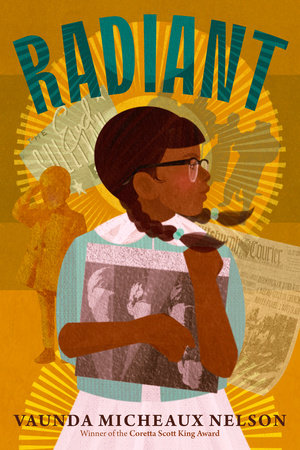
Radiant by Vaunda Micheaux Nelson (Dutton Books for Young Readers, 320 pages, grades 4-7). Another novel in verse, this explores fifth-grader Cooper’s efforts to live up to her parents’ expectations to be “radiant” against the backdrop of the racism she experiences as one of the few Black students in her 1963 elementary school.

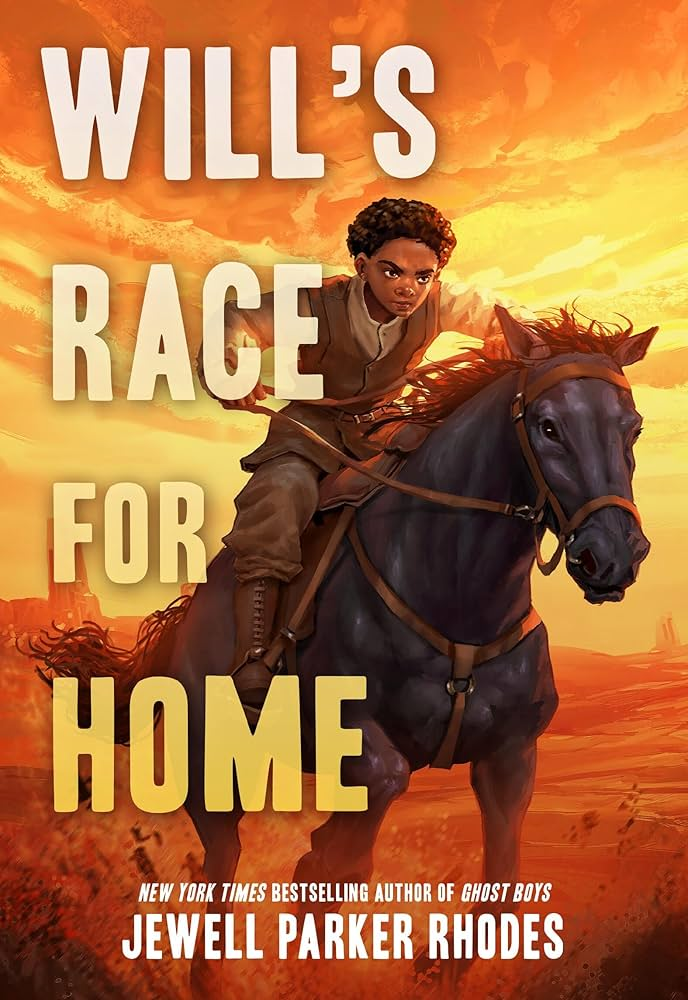
Will’s Race for Home by Jewell Parker Rhodes (Little, Brown Books for Young Readers, 208 pages, grades 4-7). Will and his father leave sharecropping in Texas for a dangerous and adventurous journey to try to get a farm for their family in Oklahoma during the 1889 Land Rush.

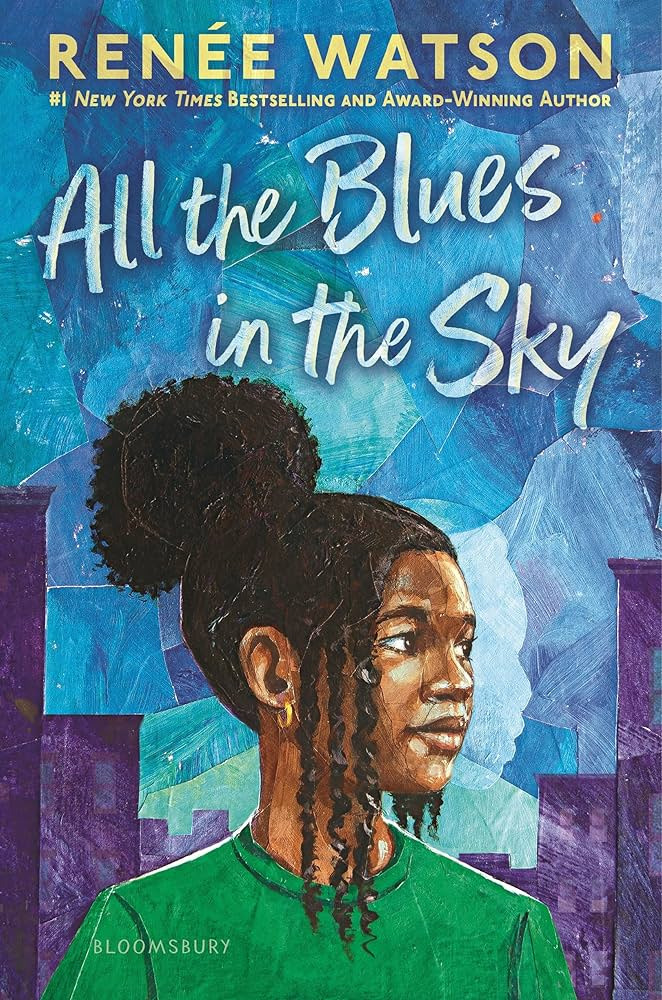
All the Blues in the Sky by Renée Watson (Bloomsbury Children’s Books, 208 pages, grades 5-8). Sage processes the grief of losing her best friend in a hit-and-run accident on her birthday to slowly moving toward new friendships and a romance in another novel in verse.

Five favorite Caldecott contenders

As usual, I will be posting my end-of-the-year favorites lists between Christmas and New Year’s!

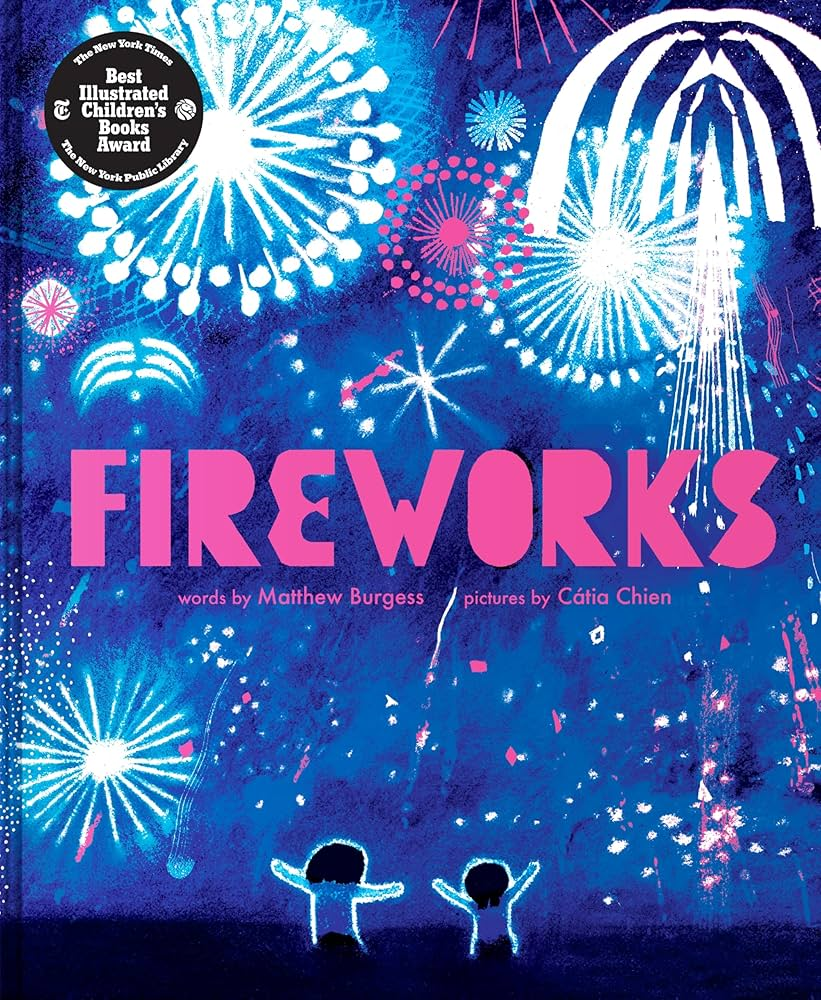
Fireworks by Matthew Burgess, illustrated by Cátia Chien (Clarion Books, 44 pages, ages 4-8). The text of this story engages all the senses in describing a summer day, and the explosion of fireworks at the end–including a foldout page with the grand finale–is truly spectacular.

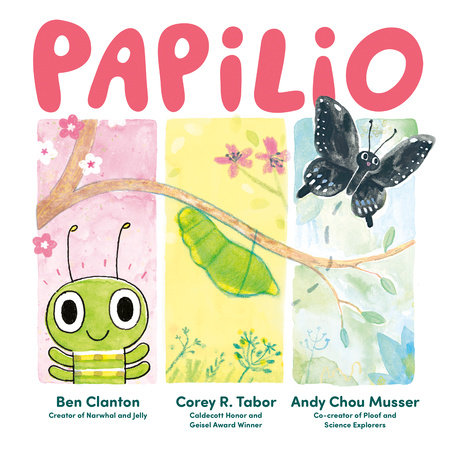
Papilio by Ben Clanton, Corey R. Tabor, and Andy Chou Musser (Viking Books for Young Readers, 48 pages, ages 3-7). I read this book to many groups of kids last spring, and it never got old: a classic tale of butterfly metamorphosis told in three chapters, each distinctively illustrated by a different artist, yet all seamlessly tied together.

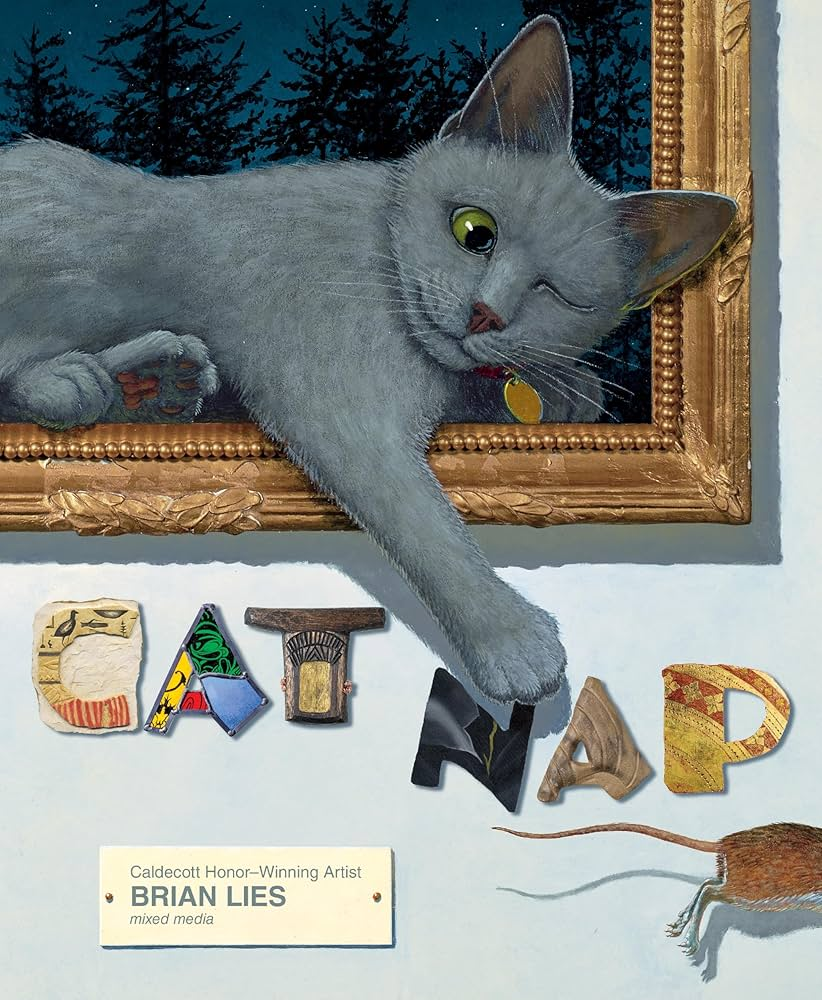
Cat Nap by Brian Lies (Greenwillow Books, 48 pages, ages 4-8). This is an amazing book to me, with Brian Lies’ stunning reproductions of a wide range of artworks, complete with the main character cat inserted into each one. I particularly appreciated his artist’s note at the end which celebrates the joy of creating with your own hands, something we all could use a reminder about in this age of AI.

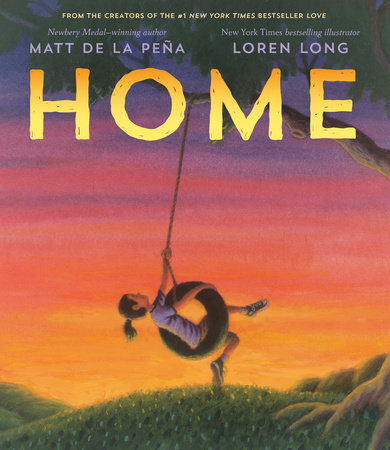
Home by Matt de la Peña, illustrated by Loren Long (G. P. Putnam’s Sons Books for Young Readers, 48 pages, ages 4+). The meditations on home in this book can be read on many different levels by all ages of readers. I’d love to see Loren Long finally get some Caldecott recognition, especially after last year’s The Yellow Bus was passed by.

Don’t Trust Fish by Neil Sharpson, illustrated by Dan Santat (Dial Books, 40 pages, ages 4-8). Try to figure out who the narrator of this book is as he explains the different types of animals with a big detour to disparage all sorts of fish. Personally this was not a favorite–although I’ll always route for Dan Santat–but the kids I read it to loved it, and it would make a good springboard to discussing bias in the media.

Picture books with some life lessons to finish out the year

Lena the Chicken (But Really a Dinosaur) by Linda Bailey, illustrated by K-Fai Steele (Tundra Books, 56 pages, ages 4-8). Lena may look like a chicken, but deep down she knows she’s a dinosaur. She doesn’t understand why her family and friends are scared of everything and never stand up for themselves. Lena believes in guarding the coop, which frustrates the humans–all except for Madeline, the youngest human who likes Lena’s personality. That dinosaur personality finally pays off when a weasel attacks the coop, and Lena’s dinosaur roar causes enough damage to the weasel’s nose to keep him away forever. Madeline’s science fair research reveals that Lena and the rest of her family ARE related to dinosaurs, giving the chickens a big boost of confidence in themselves. Include additional information about the dinosaur-chicken connection.

I loved this book on a number of levels: the funny story and illustrations, the lesson about boldly being yourself, and the science information about dinosaurs and chickens. It’s going on the top of my read-aloud list for 2026.

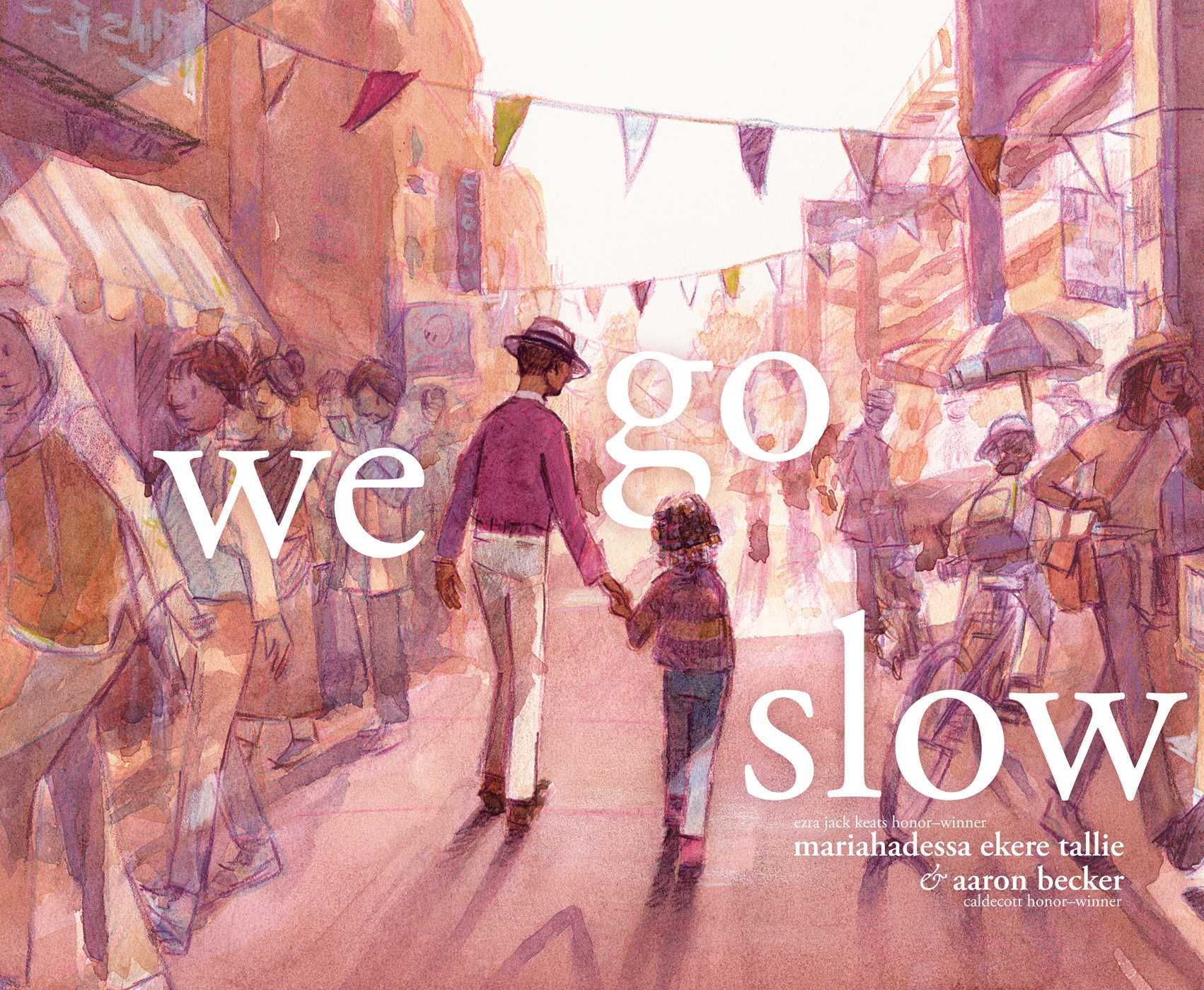
We Go Slow by Mariahadessa Ekere Tallie, illustrated by Aaron Becker (Atheneum Books for Young Readers, 32 pages, ages 4-8). A wordless opening spread shows family members rushing out the door, their scrubs and soccer uniform giving hints about their activities for the day. Meanwhile, the youngest in the family eats breakfast with her grandfather, savoring the food and sharing stories of last night’s dreams. Then they head outside where they spend the day enjoying the sights, sounds, and tastes of all that the city has to offer. “We go slow” is the repeated refrain as they relish each experience. The illustrations depict the changing light as the day moves toward evening, and the two take the bus back to their own front door.

You should definitely go slow to enjoy Mariahadessa Ekere Tallie’s poetic text, complemented by Aaron Becker’s gorgeous illustrations. This would be a great mentor text to teach about using sensory details in writing, and a way for younger kids to learn about their senses, as well as encouraging all readers to slow down and enjoy each moment.

Superhero graphic novels

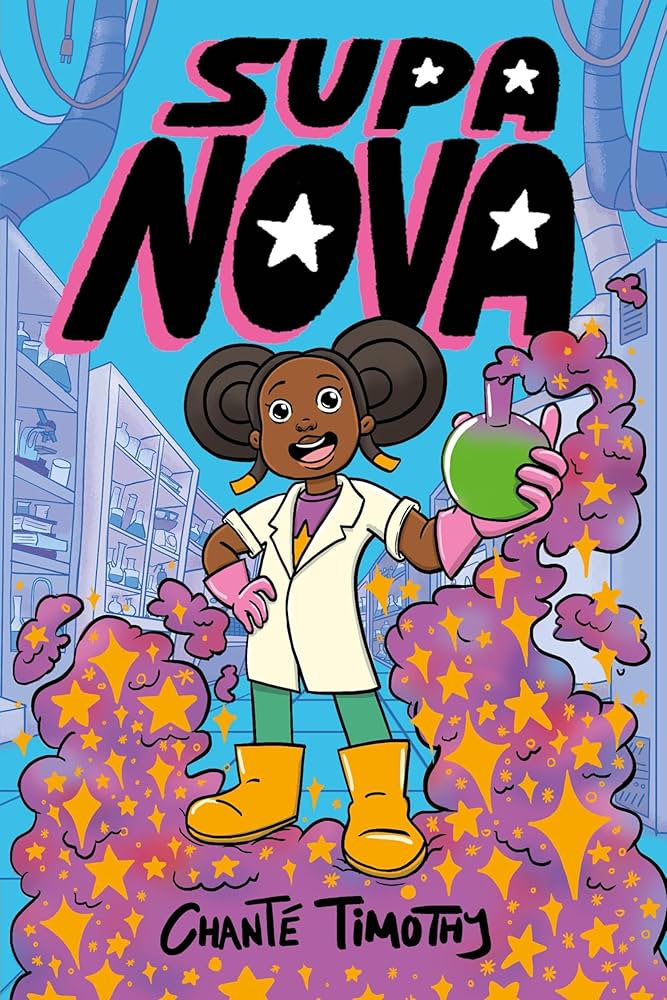
Supa Nova by Chanté Timothy (Nosy Crow, 160 pages, grades 2-5). Inspired by her scientist parents, Nova has created a secret lab that she accesses through her bedroom. After learning about islands of plastic trash floating in the ocean, Nova sets out to create a plastic-eating creature. The key to success turns out to be her teenage sister’s discarded wad of gum, and before long Nova has made an adorable pink monster named Chomp. Unfortunately, Chomp has a voracious appetite for plastic and an unfortunate propensity to grow quickly when he eats. Soon he’s threatening to consume the entire town, and Nova has to act quickly–and to reluctantly call on her sister for help. The two of them find an ingenious solution, shrinking Chomp to a more manageable size and convincing the adults to find a home for him on one of those plastic islands. Includes an author’s note on the science behind the story, some drawing tips, and a preview of the next Nova book.

This cute story is a quick read and would be a good point of entry for beginning readers to try out a full-length graphic novel. Nova’s larger-than-life adventures bring to mind TV cartoons, with the science occasionally feeling a bit like a magic trick, but she’s a spunky and resourceful protagonist who serves as a good role model for girls (and boys) who are interested in science.

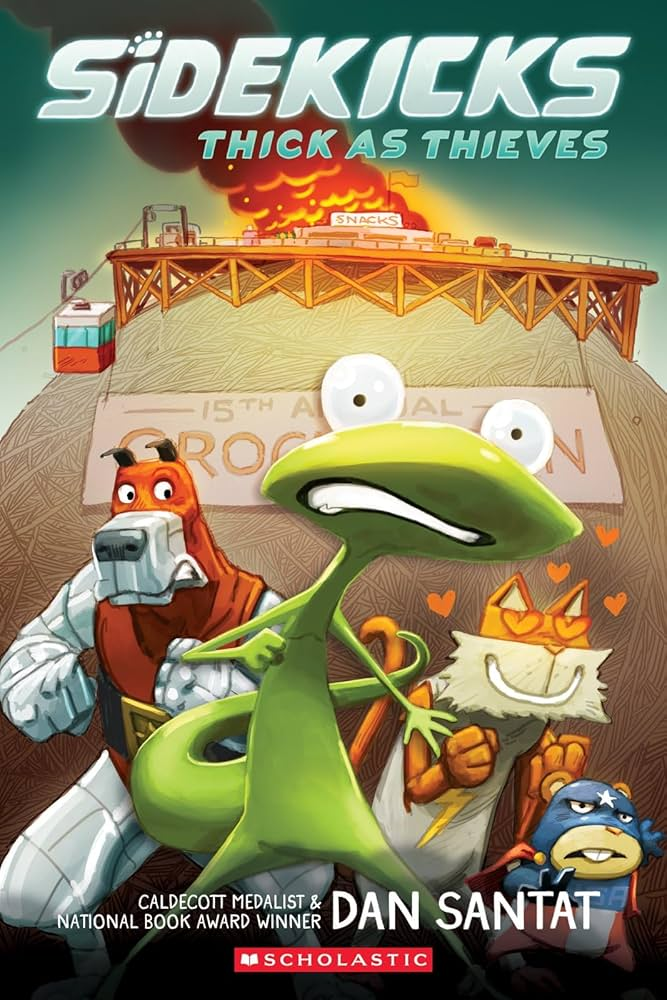
Sidekicks: Thick as Thieves by Dan Santat (Graphix, 208 pages, grades 3-7). I’m a little confused about this series: a book called Sidekicks by Dan Santat was published in 2011, but it looks like it was reissued as book 1 in a series last year. Book 2 is due to be released in the first week of 2026. When Scholastic offered to send me both books, I readily agreed, read both of them, and feel pretty sure this will be a hit series. The sidekicks are the pets of aging superhero Harry Blake, aka Captain Amazing. Each one has a superpower, but also a flaw or two, and part of the fun is watching both the people and the animals mess up.

In book 2, Harry and his older sister head off for a crochet convention as part of Harry’s attempt at retirement. While they’re away, chameleon Shifty’s older brother Whipley shows up. The two brothers were close at one point, but now the other pets–Manny the cat, Roscoe the dog, and Fluffy the hamster–are suspicious of Whipley’s intentions. Is he really there to reconnect with Shifty, or is he a spy working to bring down Captain Amazing? When Shifty leaves with Whipley, the other sidekicks go after him, and they wind up in an epic showdown right in the middle of the crochet convention. The good guys win for now, but readers are encouraged to stay tuned for two more upcoming installments. The fast-paced plot, constant humor, and Dan Santat’s incredible artwork will definitely appeal to fans of Dog Man and Bad Guys.

Two final 2025 chapter books

How to Save an Otter (Wildlife Rescue book 1) by Kate Messner (Bloomsbury Children’s Books, 118 pages, grades 1-4). Ivy and her mother and brother are trained Critter Courier volunteers, so when they find an injured baby otter, they know just how to get her to the animal hospital. Over the next several days, Ivy’s time is taken up with working on an Earth Day project and keeping tabs on the young otter’s recovery. She’s been going through a tough time since her cousins, who were also her best friends, moved away, but as she shares her animal rescue experiences with the girls on the group project, she realizes she may be able to make new friends. By the end of the story, Ivy’s feeling a lot better about school, and she and her family are able to help out with reintroducing the otter to her natural habitat. Includes an author’s note about her own experiences volunteering and a wildlife hospital, tips for kids to help out with wildlife rescue, and a preview of the next book in the series, which was published at the same time.

Kate Messner can generally be counted on for enjoyable early chapter books that will engage newly independent readers. This one fits the bill: a series starters about relatable school problems and an adorable baby animal, with plenty of illustrations and a page count just under 100 (the rest is back matter and a preview of book 2). The main story starts and ends with chapters told from the otter’s perspective, giving kids hints as to the nature of her injury and what may have happened to her family, although it’s never definitively revealed.

Bad Cheerleader by Alex Thayer (Aladdin, 288 pages, grades 5-8). Margaret, or Bag for short, is dealing with a lot at home and at school: her parents are separated, her dad is struggling with addiction, and her older sister Miranda not only acts like she hates Bag, but seems to be hiding a secret or two as well. Bag has recently been diagnosed with dyslexia, and although she loves books, she’s a slow reader and struggles with her other school work. When her mom has to work late, Bag reluctantly agrees to join Miranda at cheerleading practice, hoping to find out more about what is going on with her sister. She immediately gets recruited as the squad’s equipment manager, and in a hilarious sequence of events, winds up leading cheers at a big basketball game. She eventually finds out what Miranda has been doing and why, which ultimately brings the two sisters closer as they realize they need each other’s support to get through their family’s tough times.

This book dealt with heavier issues than I was expecting from the title and cover, but it did so with a light touch and plenty of humor. Middle school readers will definitely relate to Bag’s struggles, and root for her as they get to know her quirky personality and determination.

From Earth to the Moon

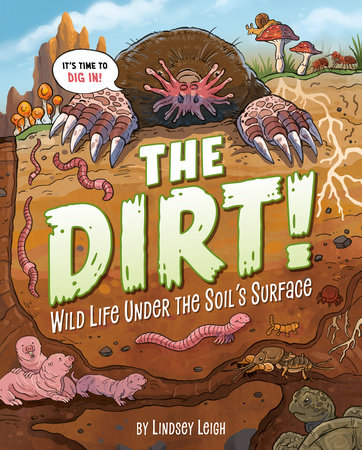
The Dirt!: Wild Life Under the Soil’s Surface by Lindsey Leigh (Penguin Workshop, 96 pages, grades 3-8). In this companion to The Dark! (caves) and The Deep! (oceans), readers get to explore the layer of soil that covers much of the surface of the planet. They’ll learn about the life forms that keep that soil healthy and fertile, from tiny bacteria to larger animals like meerkats and armadillos whose burrows help to aerate the soil. The final two pages offer tips for helping to protect soil from erosion, acid rain, and chemical fertilizers. Includes an index.

The graphic format and humorous tone in the writing and illustrations will draw in readers, but don’t be fooled by the light touch–there is plenty of fascinating information here about soil and the importance of the many, many life forms that support it. Readers will come away with a greater appreciation of the delicate balance necessary to keep soil healthy, and the final pages offers them ways to do their share to protect it.

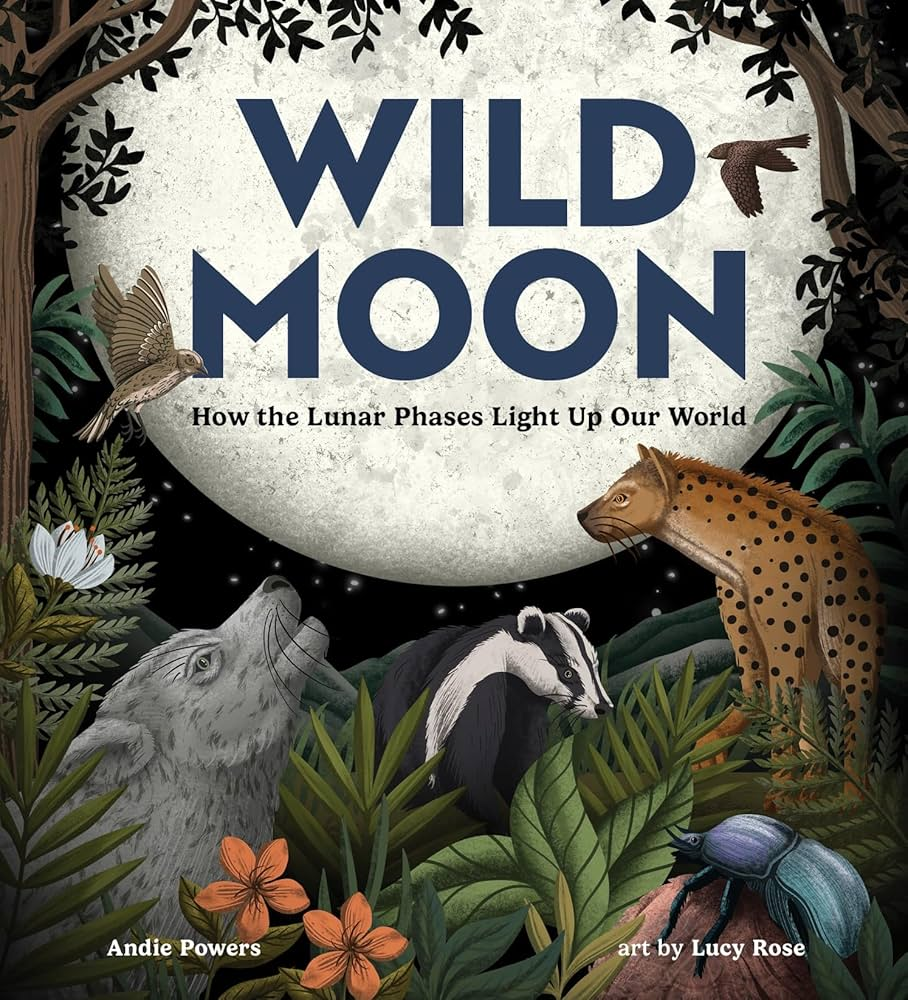
Wild Moon: How the Lunar Phases Light Up our World by Andie Powers, illustrated by Lucy Rose (Published by Gibbs Smith, 32 pages, grades K-4). The moon narrates this story of how its phases change, shifting the amount of light to reach the Earth, which affects animal behavior around the globe. The darker nights of the moon are better for animals such as lions who have good night vision, but more dangerous for prey animals with poorer eyesight, like zebras. The bright light of the full moon is a signal to some animals, such as coral in the Great Barrier Reef, to mate and breed. The super moon, micromoon, blood moon, and lunar eclipse are all briefly defined, and the end matter summarizes the moon phases, gives traditional full moon names for each month, and explains what a blue moon is.

The main text of this beautiful book is written as a poem, while facts about the different animals are presented in a smaller font around each page. The nighttime illustrations are gorgeous, with all kinds of animals shown in their habitats. Although the text is pretty short, there’s a lot of information packed into it, although I wish the explanation of the moon on the tides had been expanded on a bit, as that is a concept I struggle with.