
To Walk the Sky: How Iroquois Steelworkers Helped Build Towering Cities by Patricia Morris Buckley, illustrated by E. B. Lewis (Heartdrum, 40 pages, grades 1-5). For more than a century, members of the Mohawk tribe from Canada’s Caughnawaga Reserve have worked construction as “skywalkers,” balancing on beams high above the ground. This book tells the story of their many contributions to famous skyscrapers around America, as well as the huge risks they take as skywalkers, sometimes with fatal results.
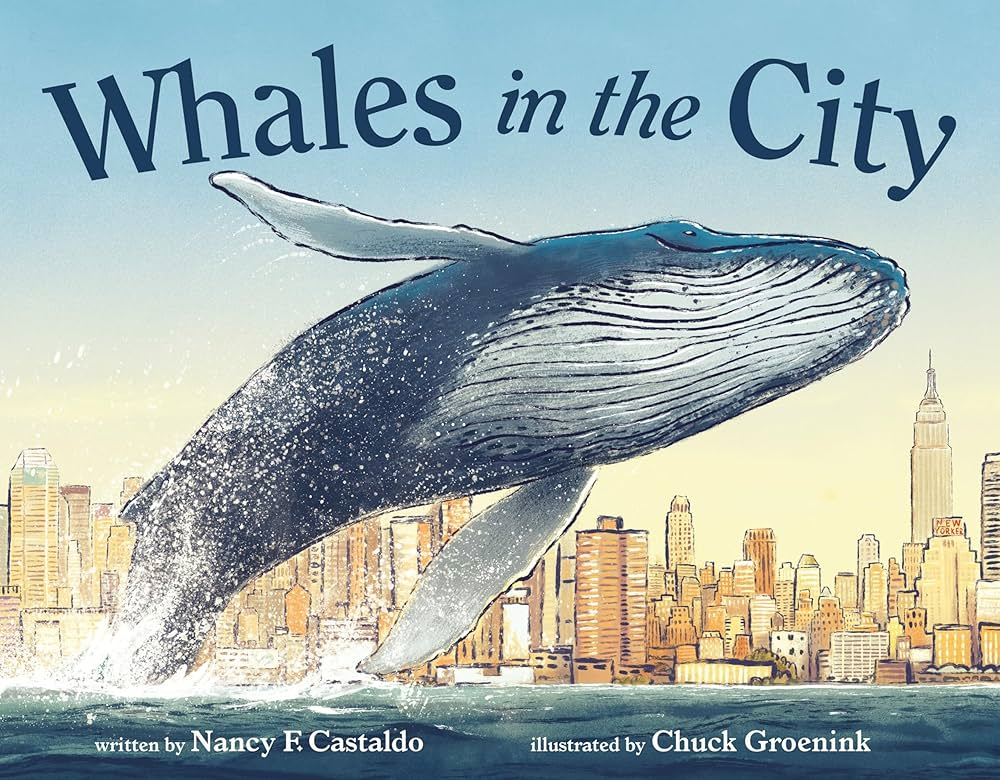
Whales in the City by Nancy F. Castaldo, illustrated by Chuck Groenink (Farrar, Straus and Giroux, 40 pages, grades K-4). Whales narrate the first half of the book, explaining how pollution drove them from the Hudson River. Humans take the story from there, describing how Earth Day activism led to the Clean Water Act, which eventually brought the whales back to the river they left a century before.
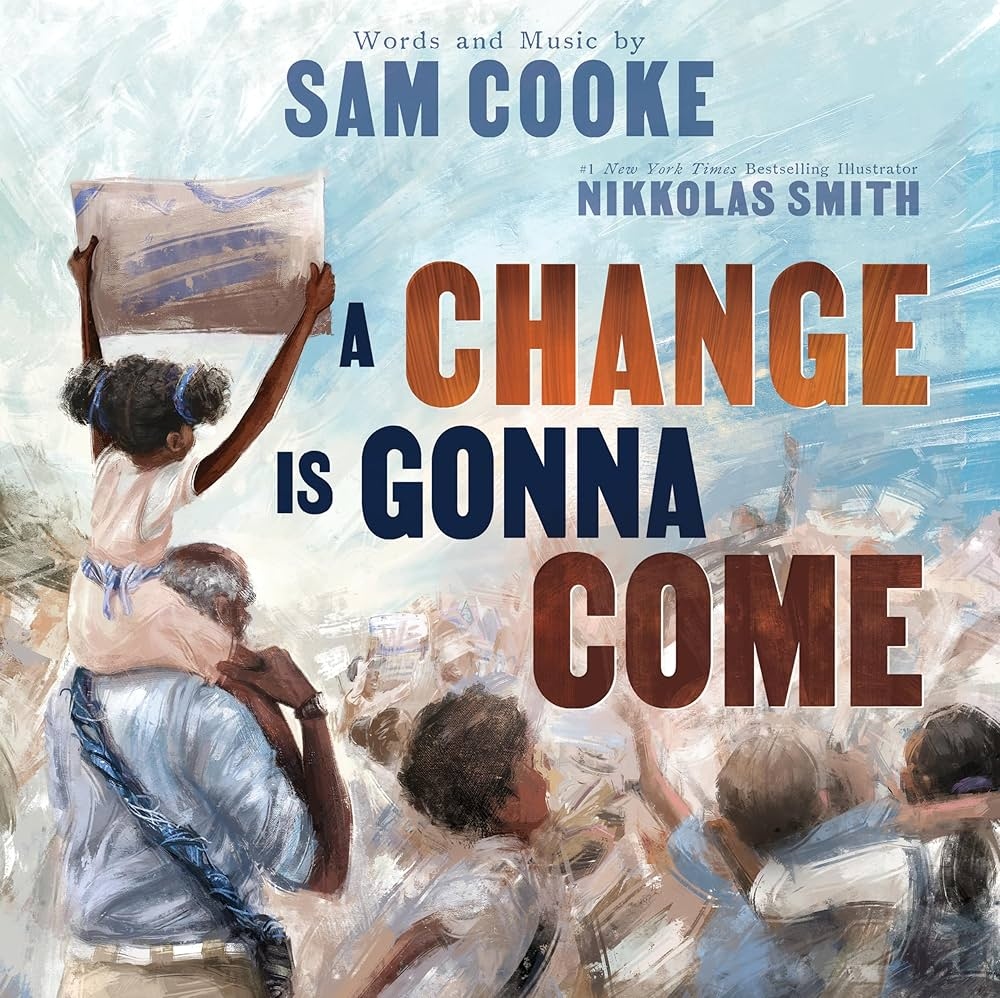
A Change Is Gonna Come words and music by Sam Cooke, illustrated by Nikkolas Smith (little bee books, 32 pages, all ages). This illustrated version of the Sam Cooke song captures its juxtaposition of hope and despair, with scenes from the Jim Crow South next to the March on Washington. This could easily have been on my Caldecott contender list, and I hope it will be considered for a Coretta Scott King Award as well.
The Black Mambas: The World’s First All-Women Anti-Poaching Unit by Kelly Crull (Millbrook Press, 40 pages, grades 2-5). The Black Mambas had to prove themselves, even to their family and friends, to become the first female park rangers in South Africa and the first women-led anti-poaching unit in the world. Their story is inspiring, the work they do is fascinating, and the many excellent photographs tell their story in a way readers of all ages will find engaging and inspirational.
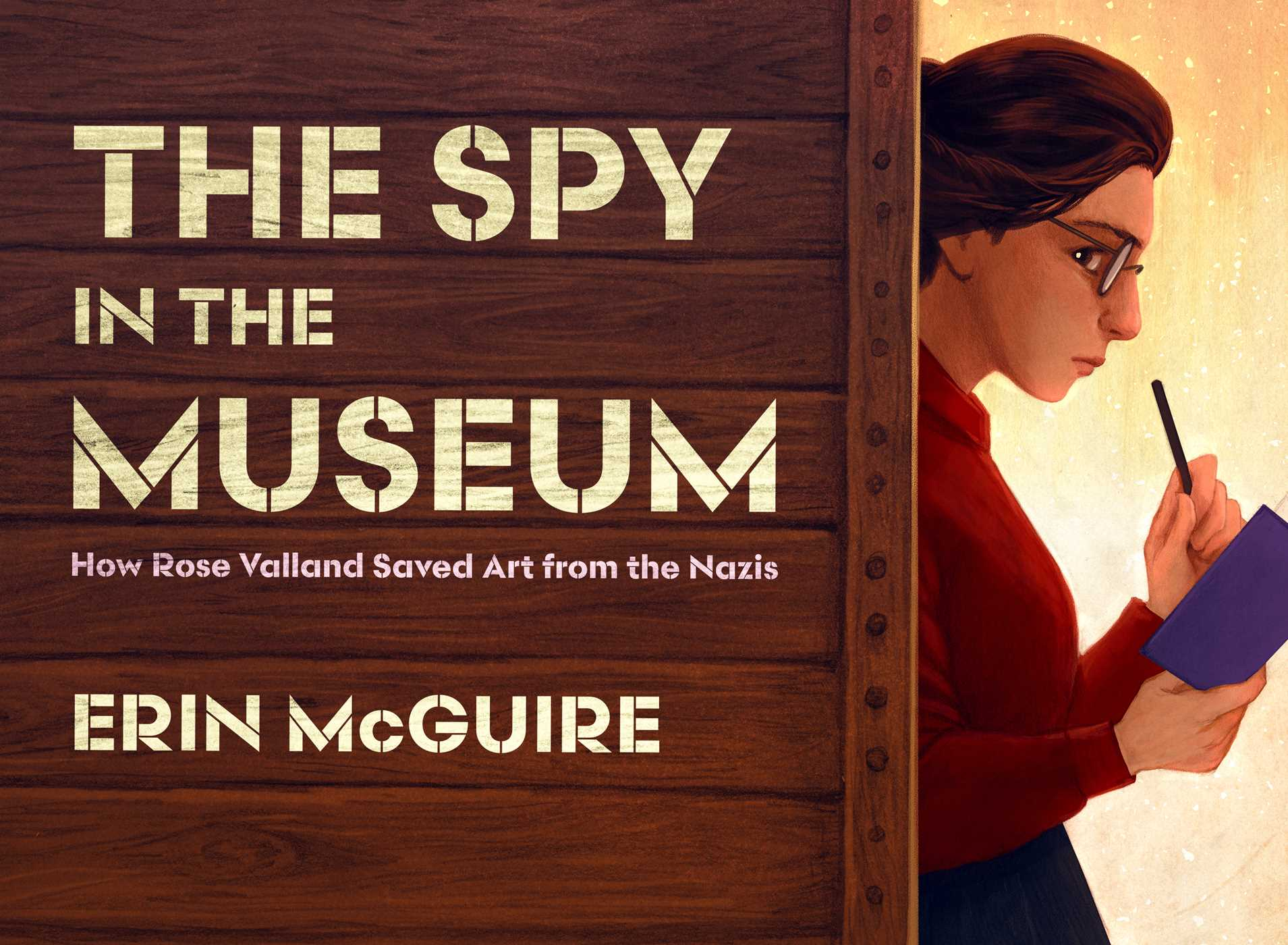
The Spy in the Museum: How Rose Valland Saved Art from the Nazis by Erin McGuire (Beach Lane Books, 40 pages, grades 2-5). Rose Valland loved art and was courageous enough to secretly work against the Nazis who took over Paris’s Jeu de Paume Museum, where Rose was a curator. Her ingenuity and bravery helped preserve thousands of works of art in a story that is more relevant than ever in today’s world.
 A Kids Book A Day