Five favorite middle grade books

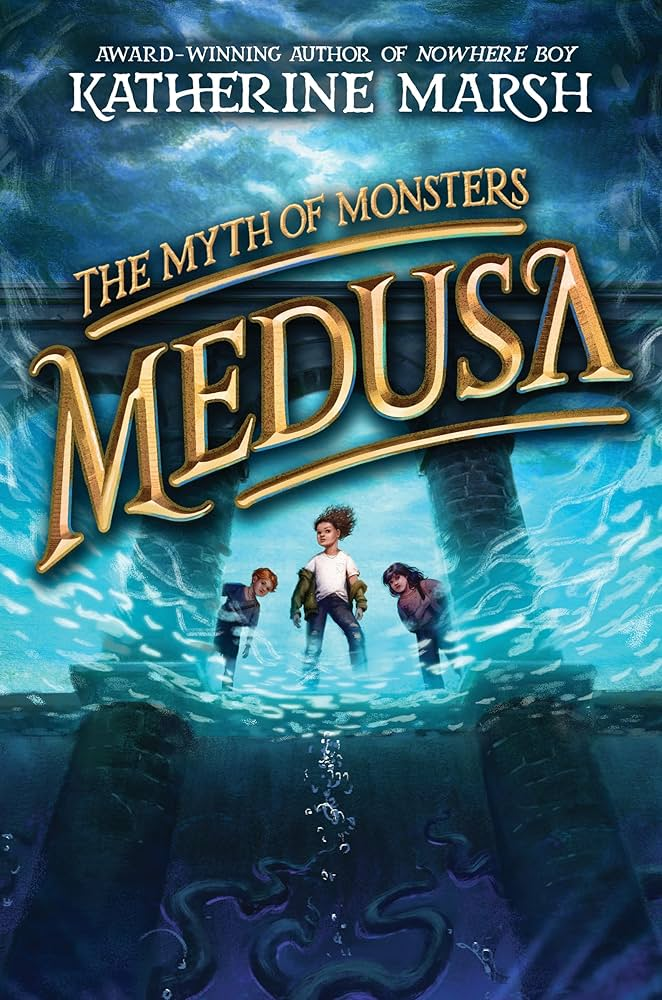
Medusa (Myth of Monsters, book 1) by Katherine Marsh. After some trouble at school, Ava and her brother Jax get whisked away to their mother’s alma mater in Venice, a mysterious boarding school where they discover that they are descended from the Greek monster Medusa. Rick Riordan with a feminist twist.

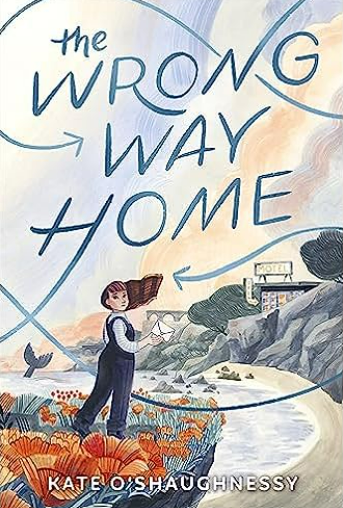
Wrong Way Home by Kate O’Shaughnessy. When Fern and her mother make a secret move in the middle of the night, Fern misses the community she’s grown up in, headed by the wise and charismatic Dr. Ben. But as she experiences life outside of the group, she begins to see its cracks and that Dr. Ben may have been toxic for her and her mom…and might still prove to be dangerous to them.

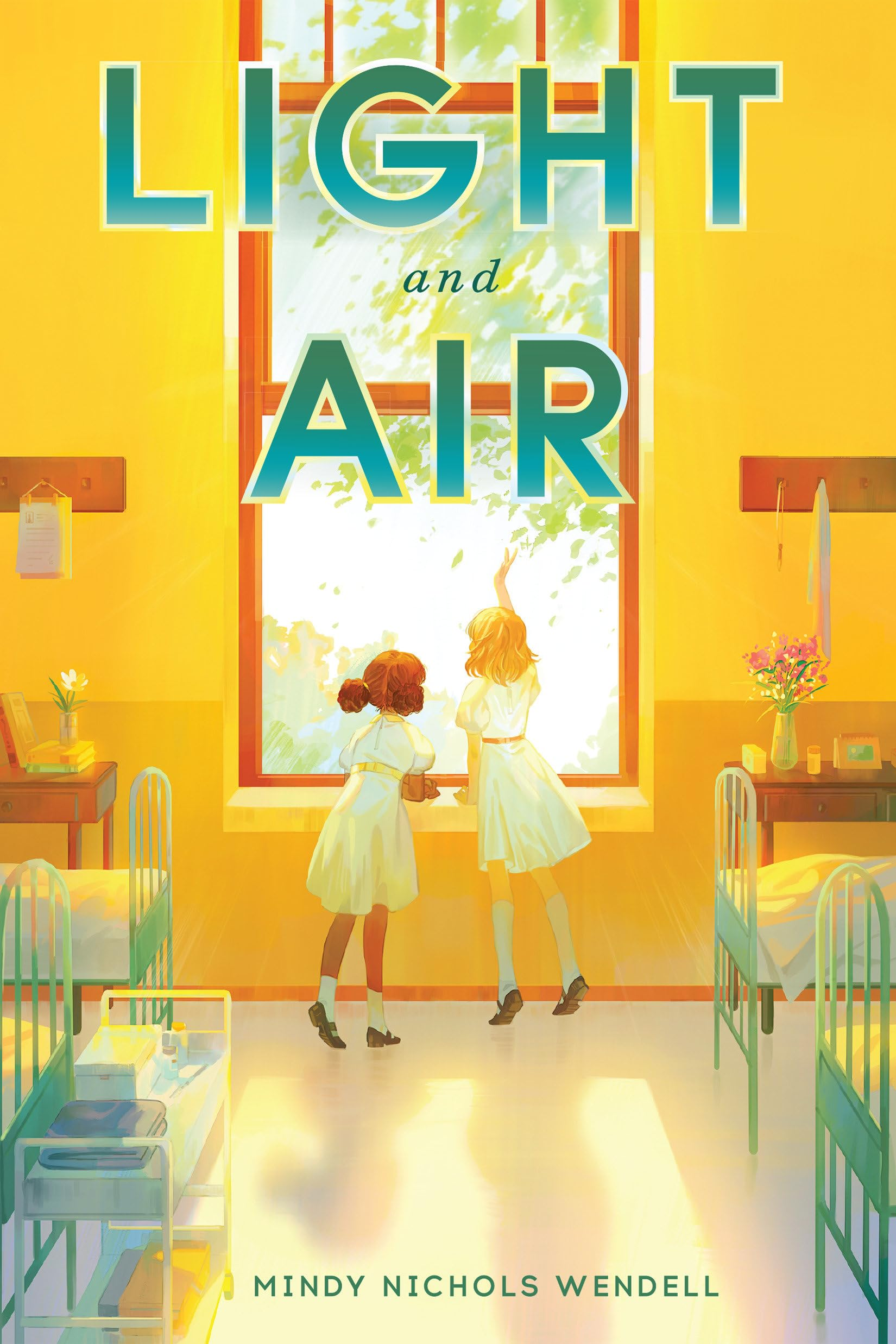
Light and Air by Mindy Nichols Wendell. Halle and her mother both end up in a sanatorium for tuberculosis patients, where their slow recovery time also allows them to heal some family difficulties. This 1935 historical fiction book takes place at the real-life J. N. Adam Memorial Hospital in Perrysburg, New York.

Mid-Air by Alicia D. Williams. Isaiah’s friends Drew and Darius often push him to take on challenges, some of them dangerous, until one proves fatal to Darius. Isaiah has to deal with his guilt about what happened, as well as the changing nature of his friendship with Drew and his realization that he doesn’t have to prove himself.

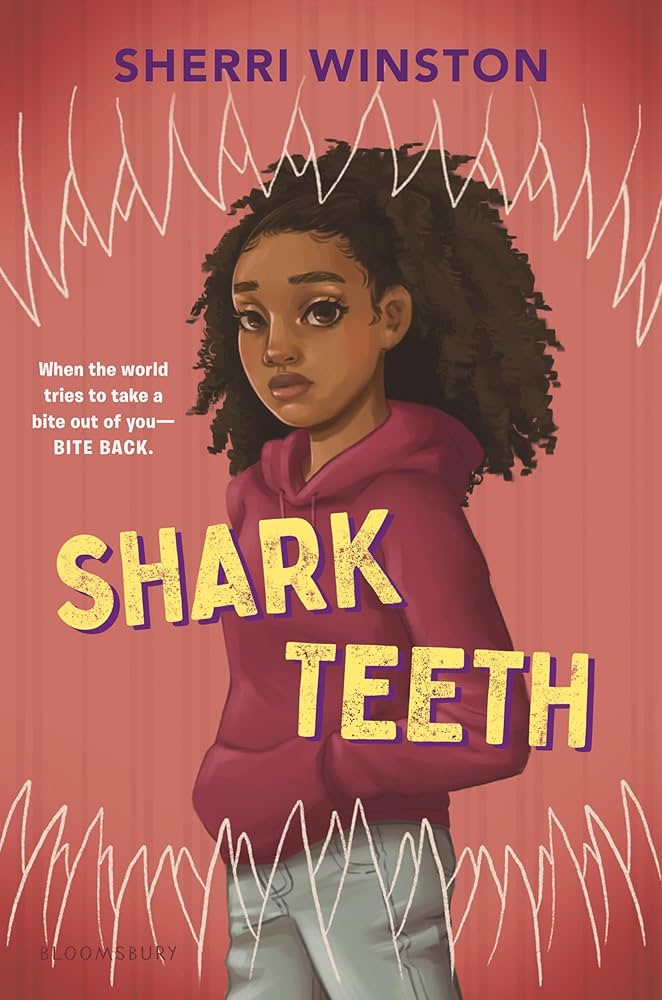
Shark Teeth by Sherri Winston. 12-year-old Sharkita will do anything to keep herself and her two younger siblings out of foster care, but her unstable mother relies on her too heavily to keep their family together, and the stress of the situation starts to put unbearable pressure on Sharkita.

Five favorite Newbery contenders

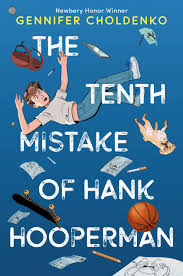
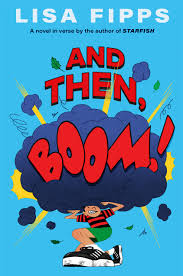
The Tenth Mistake of Hank Hooperman by Gennifer Choldenko/And Then, Boom! by Lisa Fipps. Okay, I lied, there are six books on this list, but I can’t choose between these two! Both are stories of boys dealing with the loss of a grandmother and an unreliable mother, forcing them to shoulder adult responsibilities and a young age. Both authors have won a Newbery Honor (Starfish for Fipps and Al Capone Does My Shirts for Choldenko), and I’d be happy to see a repeat for either or both of them.

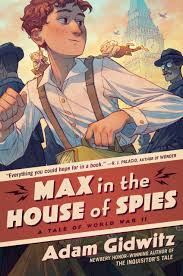
Max in the House of Spies: A Tale of World War II by Adam Gidwitz. I read a few books with a World War II setting this year, but this one really stood out with the unique elements and twists that made me love The Inquisitor’s Tale, Gidwitz’s 2017 Newbery Honor book. Max’s story explores antisemitism in Britain, blurring the lines between good and evil that usually characterize World War II fiction. The ending was a huge cliff-hanger, so I’m happy to report that book 2 will be out in February.

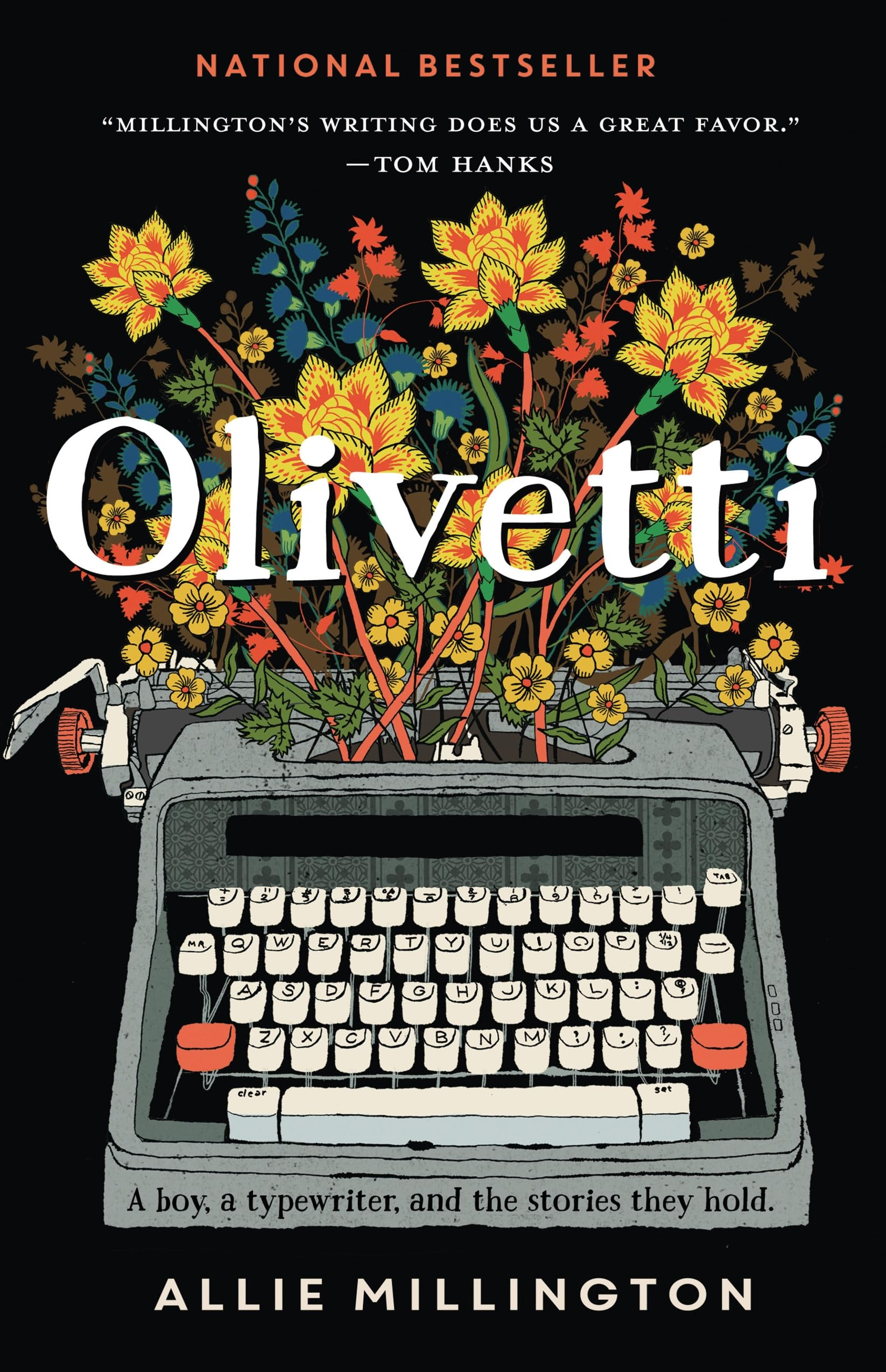
Olivetti by Allie Millington. I’ve read a lot of middle grade fiction books, but this is the first one that was narrated (or half narrated) by a typewriter. Olivetti breaks the typewriter code of silence to help 12-year-old Ernest figure out what has happened to his mother in a debut novel that moves between past and present with perfect pacing to tell the story of a family facing hard times.

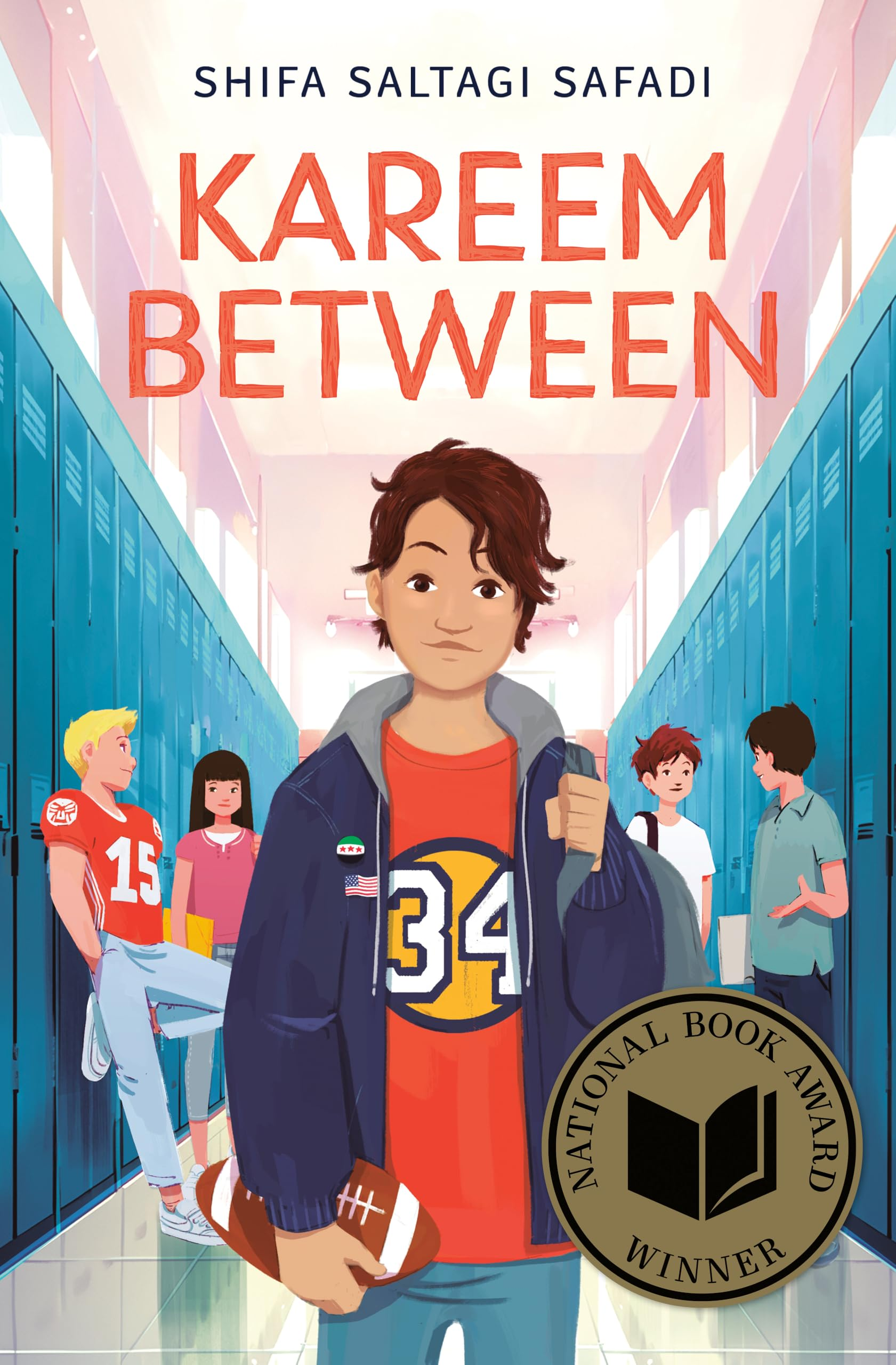
Kareem Between by Shifa Saltagi Safadi. It’s rare that a National Book Award winner also gets a Newbery, but we can hope it happens for this novel in verse about Syrian-American Kareem whose middle school problems feel petty when he and his family are directly affected by the 2017 Muslim ban. This is a story that may unfortunately feel more timely at the beginning of 2025.

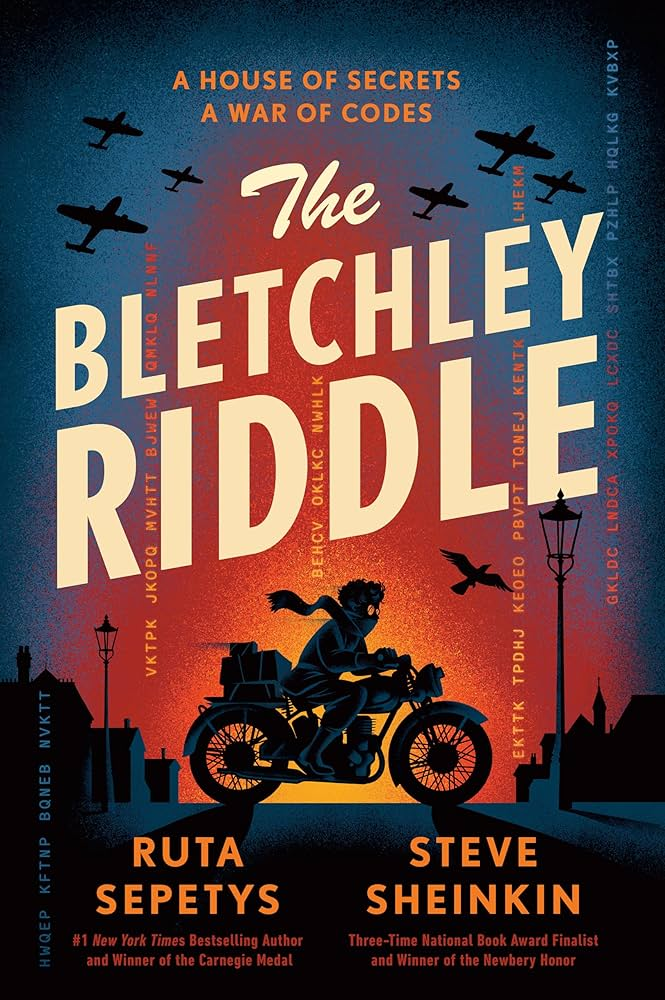
The Bletchley Riddle by Ruta Sepetys and Steve Sheinkin. Another World War II story by two award-winning young adult writers, this impeccably researched historical fiction novel tells the story of Lizzie and Jakob, a sister and brother drawn into the top-secret events unfolding at Bletchley Park in 1940.

A couple of courageous kids

Monster Locker by Jorge Aguirre, illustrated by Andrés Vera Martínez (First Second, 256 pages, grades 4-7). Pablo Ortiz is as about as unlikely a hero as any sixth grader at Garfield Middle School. Basically friendless after an embarrassing incident at his ex-best friend’s house, he winds up with one of the worst lockers, in the school basement. What he doesn’t know is that a dangerous (if slightly goofy) monster named Obie the Evil lurks inside. When Pablo accidentally releases Obie, it sets off a chain events that culminates with Aztec earth goddess Coatlicue setting up her throne on the roof of the school and preparing to destroy humanity, starting with Pablo’s school. Assisted by his fierce abuela, Pablo discovers resources he didn’t know he had, and he and two new friends find a way to not only defeat Coatlicue but befriend her. He and his friends give her a quinceañera, paying their respects by promising to take care of the earth in a variety of ways. Things seem to be getting back to normal, but an appearance by Obie all but guarantees that book 2 is on its way. Includes an introduction to Aztec mythology by Pablo at the end.

With plenty of humor and non-stop adventure, this is sure to be a big hit with upper elementary and middle school readers. Try it out on fans of Rick Riordan and the Last Kids on Earth series. I hope there will be many installments to come, and I could see a Netflix series for Pablo and his friends in the future.

Light and Air by Mindy Nichols Wendell (Holiday House, 208 pages, grades 3-7). Halle has a pretty happy life until Mama is diagnosed with tuberculosis. It’s 1935, when TB means an indefinite stay in a sanatorium. Halle misses her mother terribly, especially when Papa becomes difficult and demanding. One day, Halle decides to walk to the sanatorium to visit her mother, a day’s trip on a route she’s only traveled by car before. As the day goes on, she becomes increasingly exhausted until she finally collapses. After being rescued, she’s diagnosed with pneumonia and sent to the children’s wing of the sanatorium. Although they don’t have symptoms, both Halle and Papa test positive for TB, and it’s decided that it will be easier for both of them to have Halle stay. She’s placed in a room with three other girls, and soon becomes accustomed to the routine of the TB ward: good food, rest, and plenty of fresh air. The death of one of her roommates brings the reality of the disease home, and Halle launches a plan to help her mother get better. Although her good intentions are somewhat misguided, in the end her courage and determination help heal herself and her family, both physically and emotionally. Includes an author’s note with additional information about the J. N. Adam Memorial Hospital in Perrysburg, NY, where the story takes place.

I do enjoy a good hospital story, and it was interesting to learn more about sanatorium life in the 1930’s. The good food, extended periods of rest, and plentiful fresh air honestly sounded a bit like a spa, except for the constant coughing, occasional lung hemorrhages, and possibility of death. Halle’s struggles with family and friends felt genuine, and her perseverance in helping both her parents was inspiring.

Middle school drama

Stand Up! by Tori Sharp (Little, Brown Ink, 336 pages, grades 5-8). Kyle and Clay are best friends who also live together with their moms in an apartment over the local cafe. They’ve both been part of stage crew through middle school, but Clay decides she’s ready for the spotlight and auditions for the last eighth grade show, Gals and Dolls. The performance brings all kinds of new experiences, including Clay’s crush on fellow actress Daria and the creation of a popular podcast by Kyle and Clay. Although Clay enjoys being in the play, her ADHD makes her struggle with focus, and she’s heartbroken when she learns that leading man Nate is asking Daria to the eighth grade dance. But the show must go on, and not only is Gals and Dolls a sold-out hit, but Kyle and Clay’s podcast takes off as well, resulting in them getting to do a live show opening act for their own favorite podcast. Includes an author’s note describing how her own autism (like Kyle) and ADHD (like Clay) influenced the story, and encouraging readers to embrace who they are and find their own people.

Fans of Raina Telgemeier’s Drama will enjoy this graphic novel that offers a behind-the-scenes look at a group of lovable thespians figuring out life, middle school, and how to put on a play. The plot is a bit meandering at times, but the characters carry the story and will have readers turning pages until the end.

Take It From the Top by Claire Swinarski (Quill Tree Books, 256 pages, grades 4-7). For Eowyn and Jules, summers at Lamplighter Lake Summer Camp have always been the best part of the year, a time when they get to live and breathe musical theater. Eowyn’s first summer at camp, when she was 8 years old, was a welcome change of scenery following her mother’s death. There she met Jules, who sees camp as an escape from the poverty of cramped West Virginia apartment and worries about her father’s disability. But their sixth summer, when the girls are 13, is different. Jules has been cool to Eowyn all year, and she remains distant when they get to camp. Eowyn is dealing with crippling stage fright, which has meant smaller parts each year in the big camp production, as well as family issues with her dad and her Broadway star older brother Nick. When it’s announced that this year’s play will be Wicked, a show the girls have always dreamed about co-starring in, Eowyn fears that she will have to put many of her dreams on hold forever.

Told in chapters that alternate between Eowyn’s first-person narrative of the present and Jules’s third-person accounts of past summers, the story slowly reveals the cracks in their friendship, as well as some of the family issues both girls are dealing with. Everything comes to a head during Wicked‘s dress rehearsal week, and some honest communication begins the healing process for everyone. Musical theater fans will love the behind-the-scenes look at putting on a big play, and everyone will enjoy the idyllic summer camp vibes. I was surprised this summer-y book was released in November, but then I realized the release date was well-timed to coordinate with the Wicked movie.

Heartbreaking/heartwarming stories

I Know How to Draw an Owl by Hilary Horder Hippely, illustrated by Matt James (Neal Porter Books, 32 pages, ages 4-8). Belle’s teacher holds up her picture of an owl for the class to see. “How did Belle make his eyes so wise? Belle’s owl almost looks alive.” Belle doesn’t want to tell the class, but she shows the reader how she learned to draw an owl. She and her mom have been living in their car in a deserted park. At night, they hear an owl hooting, and her mom tells Belle that the owl is keeping an eye on them. One night, there’s no sound, but suddenly the owl appears in a nearby tree and locks its wise eyes with Belle’s. She’s sure she’ll never tell the story to any of her classmates, but one day a new boy gets dropped off in a car that looks just like the one that she and her mom live in, and just like the owl, she vows to keep an eye on him.

This moving story shows a girl and her mom surviving a tough time with courage and resilience, resulting in Belle’s kindness when she sees another child who may be going through something similar. The owl adds an interesting element to the story, which will engage kids and build empathy for others who may be experiencing homelessness.

Shark Teeth by Sherri Winston (Bloomsbury Children’s Books, 304 pages, grades 4-7). At age 12, Sharkita has far too many responsibilities weighing on her, often being forced to care for her younger siblings while Mama is out drinking and partying. The family has been split up before, the kids sent to foster care, and Sharkita’s mom has been given a last chance to prove herself. At first, things seem pretty good, and Sharkita is cautiously optimistic that she can lead a normal middle school life, hanging out with friends, being a baton twirler, having her first boyfriend, and maybe even getting help for her hyperdontia (extra teeth). But soon, Mama starts disappearing, leaving Sharkita to take care of 5-year-old Lilli and 8-year-old Lamar, who has fetal alcohol syndrome. When Sharkita defies her mom one night to go out with her friends instead of babysitting, disaster strikes, and the kids are placed in foster care once again. Ultimately, they’re split up, but end up in loving homes. Sharkita begins to receive therapy for her panic attacks and sleep paralysis, learning that it’s okay to take care of herself as well as her siblings, and that the three of them will always be a family no matter what.

I could not put this book down, and I hope it will be considered for awards. Sharkita’s family is, as she learns, in crisis, and the brunt of that has fallen on her. The topics are not easy to read about, and I was on the edge of my seat for most of it. It seems like there have been more middle grade novels this year with terrible mothers, whether they are unrepentant criminals or criminally neglectful. It does make for rewarding reading to watch their resilient kids, like Sharkita, find their own way and manage to connect with loving adults who can actually support and take care of them (which sadly is not always how things turn out in real life). Sharkita’s support all comes from staff at her school, serving as a reminder of how much social work schools are doing these days.

That holiday glow

Winter Solstice Wish by Kate Allen Fox, illustrated by Elisa Paganelli (Beaming Books, 32 pages, ages 4-8).  On the shortest day of the year, a group gathers on a beach to watch the sunset and build a bonfire.  In the darkness, people long for light and the connection to each other.  “Around the globe, other hands reach out, holding hope, holding space, holding one another” is accompanied by people in three different countries reaching out to pass a light from one place to the next.  At the same time as the shortest day, in other places on Earth it is the longest day.  And on the winter solstice, we know that soon the days will start getting longer and daylight will return.  Includes information about both the winter and summer solstices and the winter solstice celebrations that are pictured in the book.

Both the poetic text and the illustrations provide a luminous introduction to the winter solstice, with a nod to the summer one and what causes both solstices.  There are lots of celebrations pictured, and readers may want to think about how they want to observe the shortest day and wishes that they may want to make.  This would be a nice December book to pair with Hanukkah Upside Down, which shows kids celebrating Hanukkah in both the northern and southern hemispheres.

Let It Glow by Marissa Meyer and Joanne Levy (Feiwel and Friends, 304 pages, grades 4-7).  Aviva and Holly take turns narrating the story of how an unexpected meeting at a holiday pageant audition leads to the discovery that they are identical twins separated at birth.  While Aviva is getting ready for Hanukkah with her parents, brothers, and bubbe, Holly and her single mom and grandfather are preparing for Christmas.  When they decide to do a Parent Trap-style switch, each learns about the other one’s family, personality, and holiday.  They’re able to hold off on a grand reveal to their families until they bring down the house with an original song and the pageant.  Although they don’t get all the answers about their birth and separation, it’s clear that the two families will be connected going forward, especially since there seems to be a budding romance between the grandparents.

This feel-good book has some serious Hallmark vibes and is sure to be a best-seller that will undoubtedly be unwrapped by many tweens by the light of the Christmas tree or Hanukkah menorah.  While a little suspension of disbelief may be needed (the girls figure out they’re twins that were separated at birth in about five minutes–and are immediately fine with it), there are enough hilarious hijinks, cozy winter scenes, and touching family interactions to satisfy readers.

Two novels about Indigenous communities

The Ribbon Skirt: A Graphic Novel by Cameron Mukwa (Graphix, 192 pages, grades 4-7). Anang is a two-spirit (non-binary) 10-year-old, who wishes to make a ribbon skirt to wear for powwow. Because Anang is perceived as a boy, they have had bullying issues at school, resulting in a decision to homeschool. When Sherry, a former friend turned mean girl, comes to stay at Anang’s house, there’s some tension between the two kids. Anang is afraid they’ll be made fun of for wearing a ribbon skirt, but their kind grandmother offers support and advises them to consult with spirits. Various animals assist Anang in their quest for skirt materials, and as the items seem to magically appear one by one, Anang and Sherry are also able to work out their differences. The skirt is complete in time for powwow day, and Anang joyfully participates in the dancing before inviting Sherry to join them. Includes a glossary of Ojibwe words and additional information about ribbon skirts, two-spirit, powwows, and a recipe for manoomin, a wild rice and berry salad.

This fairly short graphic novel covers a wide range of topics, with a main character who has struggled with others’ acceptance of their gender identity but seems to have emerged stronger from the experience. I loved the supportive community Anang is part of, and readers will enjoy the helper animals who all seem to have pretty healthy senses of humor.

Find Her by Ginger Reno (Holiday House, 224 pages, grades 5-8).  Wren’s Cherokee mother has been missing for the last five years, ever since Wren was seven years old.  Her white father, the local police chief, is a stickler for protocol, frustrating Wren who wants to know all the details of the investigation.  Her grandmother Elisi has lived with the family since Mom’s disappearance, taking care of Wren and her dad, and instilling in Wren pride in her Cherokee heritage.  Wren has a natural instinct for finding lost things, especially animals, and when pets are found dead or tortured, she wants to find out what is going on.  With a new friend Brantley, she starts to investigate the animal crimes and eventually makes a discovery that turns her and Brantley’s worlds upside down.  While Wren and Brantley are able to solve the mystery, her mom remains missing at the end of the book, strengthening Wren’s resolve to find out what has happened.  Includes information on the Missing or Murdered Indigenous Women and Girls database and Fort Gibson, Oklahoma, the town in Cherokee Nation where the story takes place.

This is a riveting mystery by debut author Ginger Reno (Cherokee), which shines a light on the issue of missing and murdered indigenous women.  There are some pretty heavy issues in the story, including bullying, child abuse, and animal abuse, making it perhaps a better choice for middle school readers.

The magic of friendship

The Best Friend Bracelet by Nicole D. Collier (HarperCollins, 272 pages, grades 3-6). While Zariah has a booming friendship bracelet business, she herself has been without a best friend since entering middle school. When she realizes one of her bracelets is magic and will cause the wearer to instantly become her best friend, she embarks on a series of experiments to try out different friends. Each relationship teaches her something new about friendship and moves her closer to the real thing. As she gets to know a girl named Theo who claims to have no interest in making friends, Zariah begins to realize that best friendship is based on shared experiences, trust, and having each other’s back. By the time she and Theo realize that they have a real best friendship, Zariah has discovered that she no longer needs the magic bracelet.

I could really relate to Zariah’s obsessive overthinking about friendship from my own middle school days, and I loved how she got to experiment with different types of relationships with her magical bracelet. Both Zariah and Theo are interesting characters with lots of quirks and interesting hobbies. I was hoping they would expand their friendship circle to include Willow, a best friend runner-up who was the last bracelet wearer, and her friend Clara.

Split Second by Janae Marks (Quill Tree Books, 256 pages, grades 4-7). After an evening of fun at the fall carnival, Elise happily falls asleep in her sleeping bag at a slumber party with her two best friends, Ivy and Melinda. She wakes up in bed, with Ivy and Melinda gone, and soon realizes that it’s now spring and six months have passed. No one else seems to notice anything’s amiss, and Elise soon realizes that she’s lived through that time period, even though she has no memory of it. Elise learns that she and Ivy and Melinda are no longer friends, but that she’s reconnected with an old friend, Cora, who she drifted apart from during the pandemic lockdown. Cora’s the one person she confides in about the time jump, and as they try to puzzle out what happened with Ivy and Melinda, it soon becomes clear that Cora has some secrets of her own. After revealing one of those secrets to Elise, Cora takes up the narrative to tell her side of what happened that night and what she knows about the time jump and the magic that made it happen.

I was drawn right into this book by the various mysteries involved in the time travel and enjoyed the way the author wove together middle school friendship issues and magic. Splitting the book between two narrators allowed for interesting shifts in perspective. This is the second book this year where the narrator lives through a time that she subsequently forgets, a premise that I find both intriguing and disconcerting.

Oh boy!

Boy vs. Shark by Paul Gilligan (Tundra, 240 pages, grades 4-7). Paul is already struggling with a best friend named David who wants to hang out with the local bully, Swain, and a dad who wants him to toughen up and stop spending so much time drawing and reading comics. The last thing he needs is the new movie Jaws that everyone is talking about, and the peer pressure he feels to go see it himself. But off he goes to the theater with his dad, and the film proves to be every bit as terrifying as he was afraid it would be. Before long, the shark is haunting Paul’s imagination, telling him he needs to be cooler and go along with what David and Swain want to do. When Paul listens to the shark and gives in, he finds himself in a world of trouble and discovers that doing his own thing and being honest with his parents is actually what works best for him. And when Swain’s shenanigans result in David falling off a roof and breaking his arm, David begins to see the light as well, saving his friendship with Paul. Includes a pictorial glossary of such Jaws-era terms from the story as The Six Million Dollar Man and the Easy-Bake Oven.

As someone just a year older than David, I could relate to his terror of Jaws. While I didn’t see it at the time, just the knowledge of its existence was enough to cast a dark shadow over my happy Jersey shore summer vacations. The story is a fun romp through the 1970’s (no glossary necessary for this boomer), but it’s also a timeless tale of growing up, peer pressure, and friendship, and it’s nice to see this kind of graphic novel written with boy main characters.

Boy Here, Boy There by Chuck Groenink (Tundra, 56 pages, grades K-3). A boy living in prehistoric times leads a nomadic life with his family. While they set up a home in a cave, he explores the surrounding environment, encountering animals like wolves and mammals, and enjoying running, jumping, and rolling in the grass. His most surprising find is a boy similar to himself, whom he sees across the river. That boy waves to him, then walks off with his family. Back at home that night, the boy eats dinner with his family, then blackens his hand with the smoke from the fire and makes handprints on the cave walls to commemorate the wave from the other boy. An author’s note gives more information about Neanderthal people, which is what the boy is, and Homo sapiens, the group the other boy belonged to. Includes a list of sources.

Readers will be fascinated at this glimpse of prehistory, written in short phrases that feel like early language. The Neanderthal boy’s adventures as he explores his new neighborhood have many elements that kids will relate to, and the illustrations do a great job of capturing his joy and wonder at what he sees. It’s not clear from the text who the other boy is, but the author’s note adds the necessary additional information.

Family secrets

Wrong Way Home by Kate O’Shaughnessy (Knopf Books, 336 pages, grades 5-8). Fern loves the community she and her mother moved to six years ago. Although her memories of her first six years of life are vague, she knows that she and her mom moved a lot and didn’t have much stability. At the Ranch, Dr. Ben teaches them his ideals and how to do the things they need to survive when the world inevitably falls apart. There are signs that things aren’t as rosy as Fern sees them, such as her recollections of a teenage boy who died during a coming of age ritual that she herself is slated to go through soon, but she’s sure if she trusts Dr. Ben, all will be well. So it comes as a shock when her mother wakes her in the middle of the night and sneaks the two of them away from the Ranch to a new home in California, on the other side of the country. At first, all Fern can think about is getting back, but as time goes on and she starts to learn more about the world outside of the Ranch, she begins to have doubts. Ultimately, when Fern is forced to make a difficult and dangerous decision, she realizes she must trust her own instincts about what is right and wrong.

I’ll admit that I find cults fascinating, so I was swept into this book from the very beginning. There are lots of interesting characters and subplots, and once you reach the final 100 pages, it’s difficult to put the book down. I’d love to see this considered for a Newbery. It’s a pretty complex story with a less than totally reliable narrator, so it may be a better choice for middle school than elementary, which is kind of unfortunate since Fern is 12. It would make a great book club selection with lots of interesting topics to discuss.

The Bletchley Riddle by Ruta Sepetys and Steve Sheinkin (Viking Books for Young Readers, 400 pages, grades 5-9). 19-year-old Jakob and his 14-year-old sister Lizzie wind up together at Bletchley Park in 1940. Jakob has been recruited from his mathematical studies in London, while Lizzie escaped a trip forcing her to stay with her American grandmother. Their mother, Willa, is missing, presumed to have been killed during a mysterious trip to Poland that took place on the eve of the Nazi invasion. Both siblings have inherited their mother’s courage, sense of duty, and knack for breaking codes, and as the story unfolds, they start to suspect that their mother may still be alive. When a series of mysterious letters arrives for them, Jakob and Lizzie piece together a message from their mother to meet her in London. Jakob knows from his work with Enigma, the German code breaking machine, that Germany could invade England at any minute. As the truth about Willa unfolds, the siblings find themselves in danger as fighter jets roar overhead. Includes an author’s note and photos of people and places from the story.

Two young adult masters of nonfiction and historical fiction have combined their research and storytelling talents to produce an amazing adventure story that will appeal to World War II fans as well as those who enjoy elaborate codes. There are many characters, but each one is drawn so memorably that I had no trouble remembering who was who. I did find Lizzie’s unwavering feistiness a bit unbelievable given the circumstances, but ultimately I was won over by her courage and sense of humor. Sure to be a contender for some awards, add this to the list of outstanding World War II books published this year.