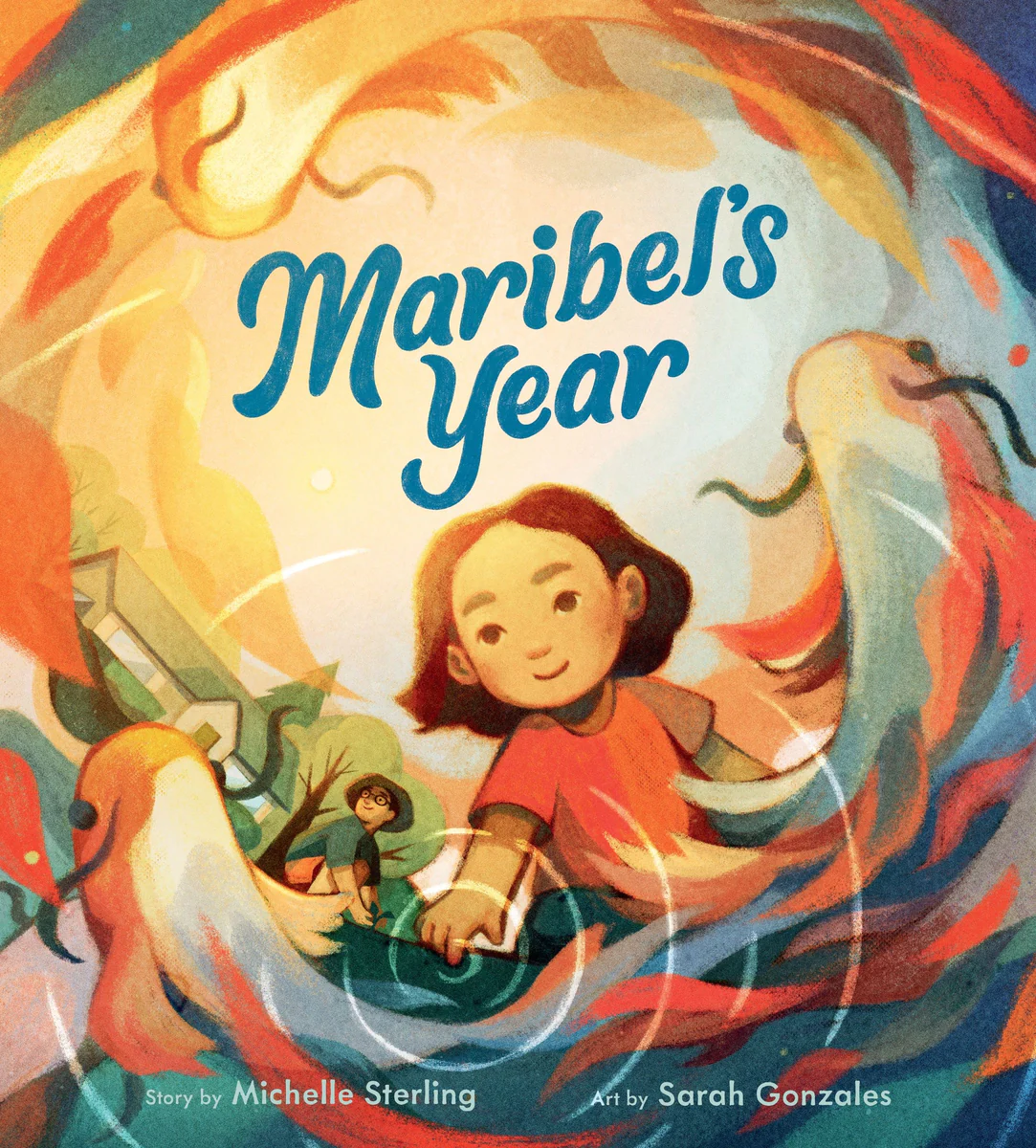
Maribel’s Year by Michelle Sterling, illustrated by Sarah Gonzales

Published by Katherine Tegen Books

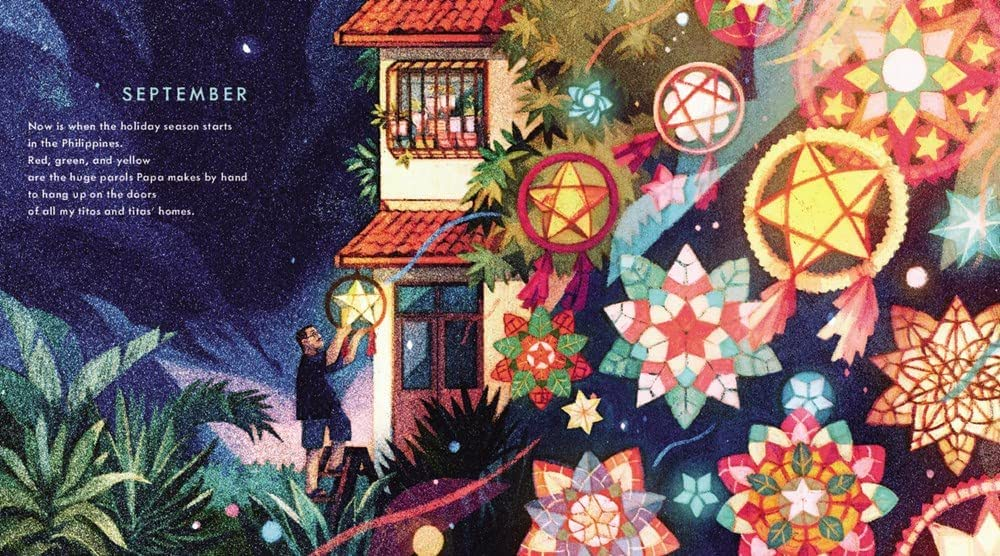
Summary:  Maribel tells about her first year in the U.S. after moving from the Philippines with her mother.  Papa is still back home, and Maribel misses both him and her home.  English is confusing, and the cold, snowy weather feels unfamiliar.  But as the year goes on, there’s the promise of a new friend and exciting new experiences like learning to ride a bike, swimming at the beach, and trick-or-treating.  By the time the snow falls again, it’s time for Papa to join them, and final pages see the family celebrating Christmas together.  40 pages; ages 4-8.

Pros:  Maribel tells her story in verse with slightly muted illustrations showing her experiences.  The ups and downs of the immigrant experiences are well expressed, and readers will enjoy sharing the year with Maribel.

Cons:  I was curious to know if this is based on a real-life family, but there was no author’s note.

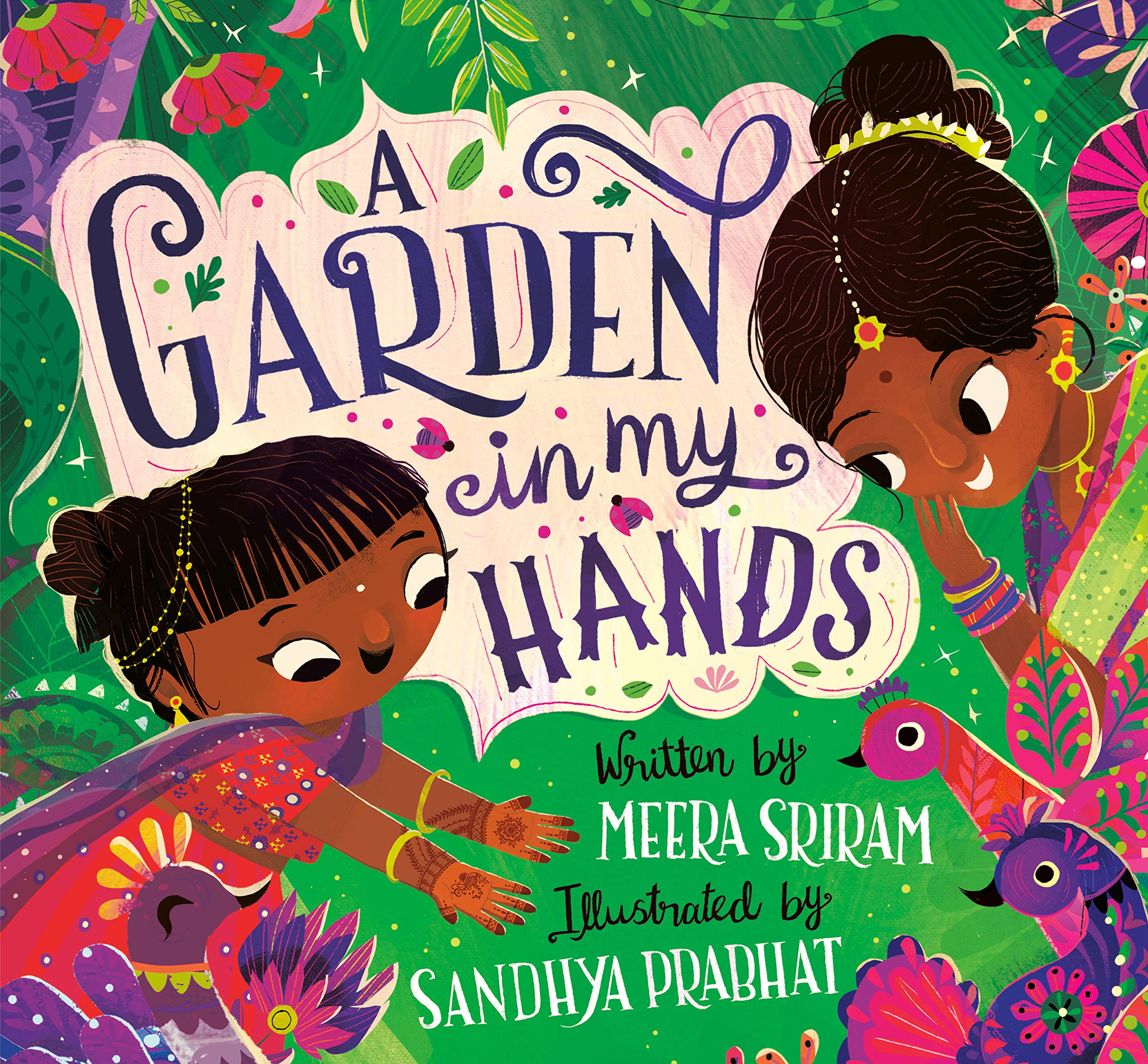
A Garden in My Hands by Meera Sriram, illustrated by Sandhya Prabhat

Published by Knopf Books for Young Readers

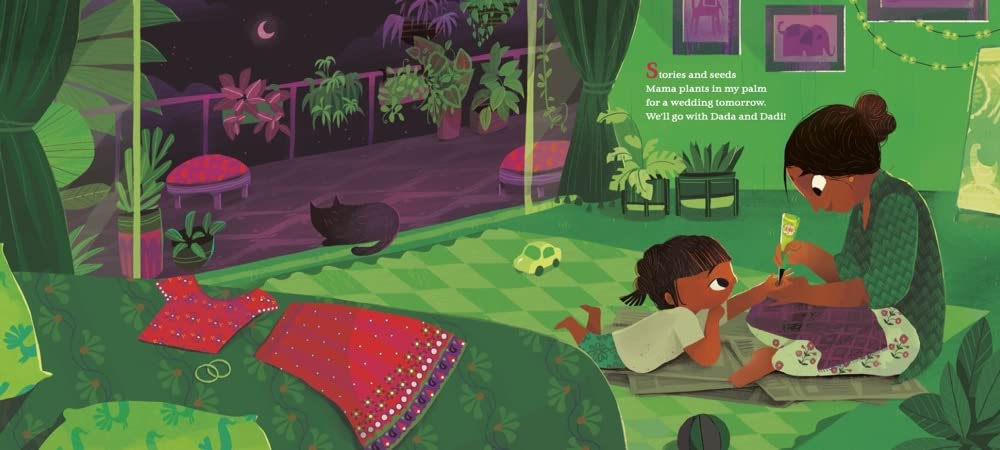
Summary:  The night before a wedding, a child describes how their mother decorates their hands and arms with henna, telling them stories from the past as she weaves them into her designs.  There’s an anxious evening as the henna dries and the narrator tries not to smear the designs.  Gloves are worn to bed, and in the morning the dry henna flakes off, leaving a beautiful design to wear to the wedding.  Everyone dances and celebrates together, the henna reminding them of their faraway home and the pride they have in their heritage.  Includes additional information about henna and an author’s note describing her own memories of henna from her childhood in India.  40 pages; ages 4-8.

Pros:  This beautiful book with its brilliant illustrations will introduce the art of henna to some readers and be appreciated by others for its celebration of a familiar art form. 

Cons:  It was touch and go there for a while waiting to see how the henna would turn out.

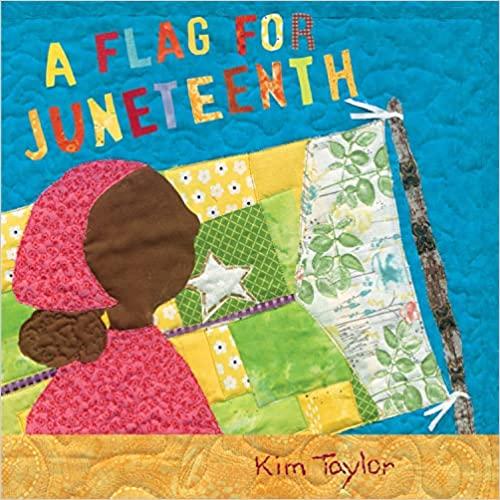
A Flag for Juneteenth by Kim Taylor

Published by Neal Porter Books

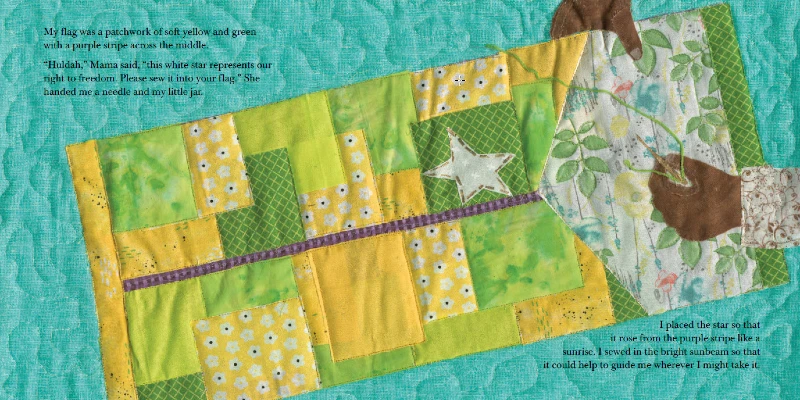
Summary:  Huldah is excited to be turning ten on June 19, 1865.  That excitement grows when, on the morning of her birthday, soldiers ride up to the Texas plantation where Huldah and her family live and announce that all slaves are free and have been since Abraham Lincoln signed the Emancipation Proclamation two years earlier.  All around her is a celebration, and a group of women begins to create freedom flags.  Huldah takes some time for herself, climbing a tree to capture a sunbeam in a jar.  When she returns, it’s time for her birthday celebration.  Her friends and family give her her own freedom flag; later, during a moonlit walk with her family, she wraps her baby sister in the flag, and the family celebrates this day of jubilee.  Includes an author’s note about how she came to create the quilts that illustrate this book.  40 pages; ages 4-8.

Pros:  With Juneteenth coming up in a few weeks, this is a great introduction for younger readers, illustrated with distinctive quilt-inspired illustrations.  Kids may want to design their own freedom flags after reading this.

Cons:  There’s not a ton of information about Juneteenth here, so you may want to supplement with some other resources.

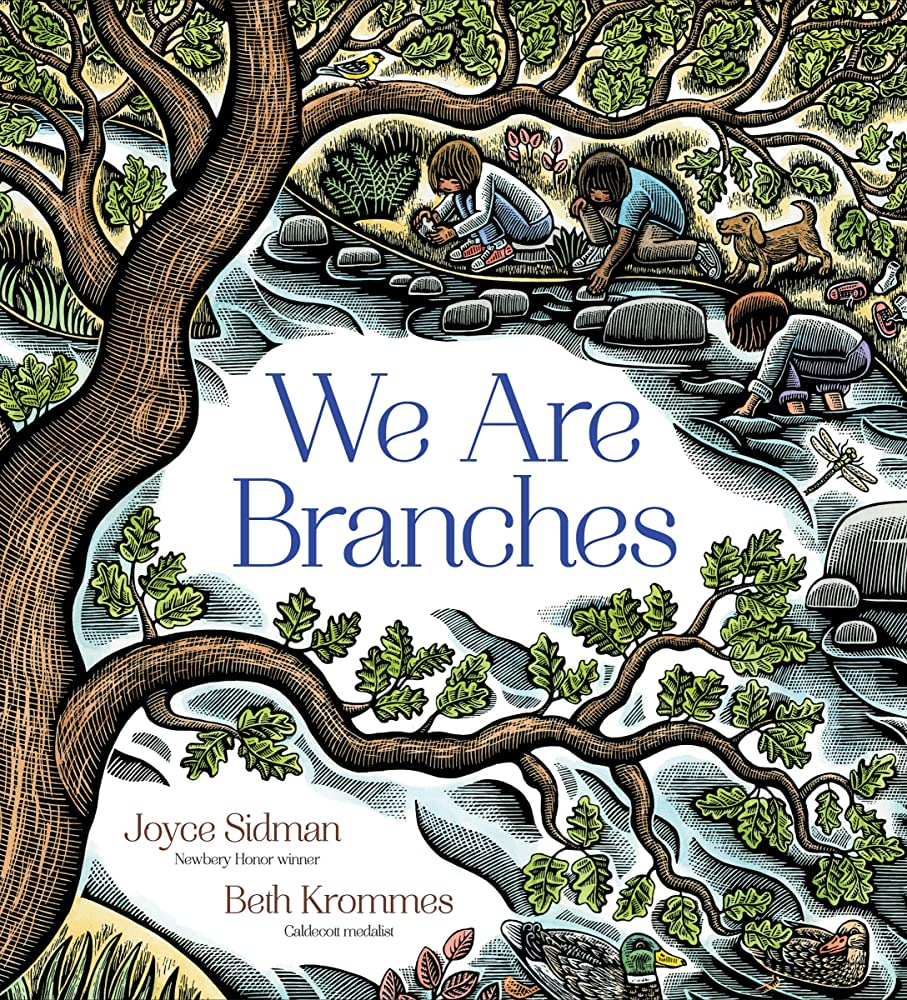
We Are Branches by Joyce Sidman, illustrated by Beth Krommes

Published by Clarion Books

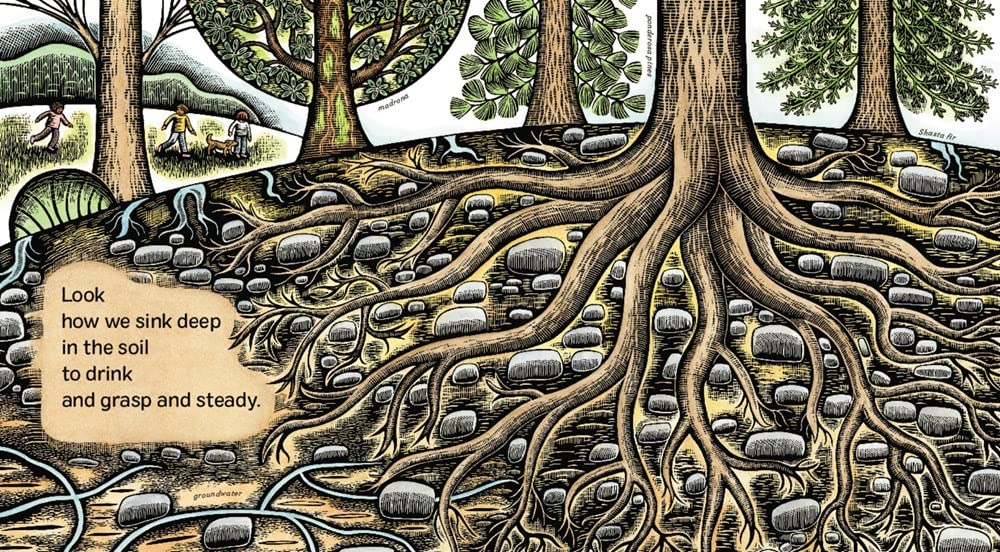
Summary:  Branches may call to mind the tops of trees, but the bottoms, their roots, also have branches.  So do rivers and bolts of lightning.  Look closely, and you’ll notice branches in coral reefs and snowflake crystals.  There are branches in bodies, too: bones that branch into fingers and the veins and arteries that allow blood to circulate.  Branches are strong and brave!  Includes additional information about branching patterns.  40 pages; ages 4-8.

Pros:  A Joyce Sidman-Beth Krommes collaboration is always a treat, with beautiful poetic language and distinctive scratchboard illustrations.  This is a great addition to STEM collections, encouraging readers to look for patterns in nature.

Cons:  The last book on patterns this team did was Swirl by Swirl: Spirals in Nature, published in 2011. I hope they’ll create another pattern book before another dozen years go by.

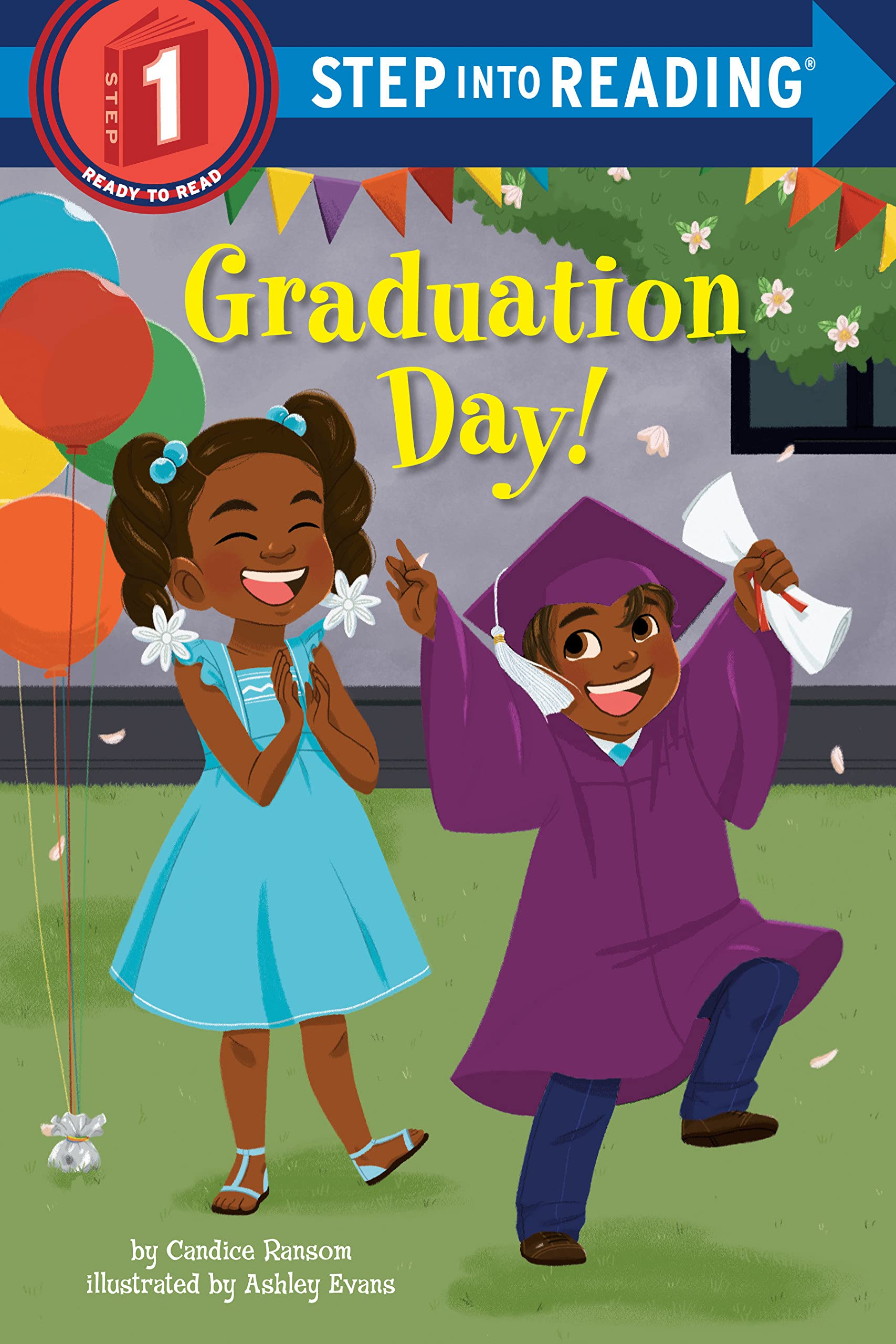
Graduation Day! by Candice Ransom, illustrated by Ashley Evans

Published by Random House Books for Young Readers

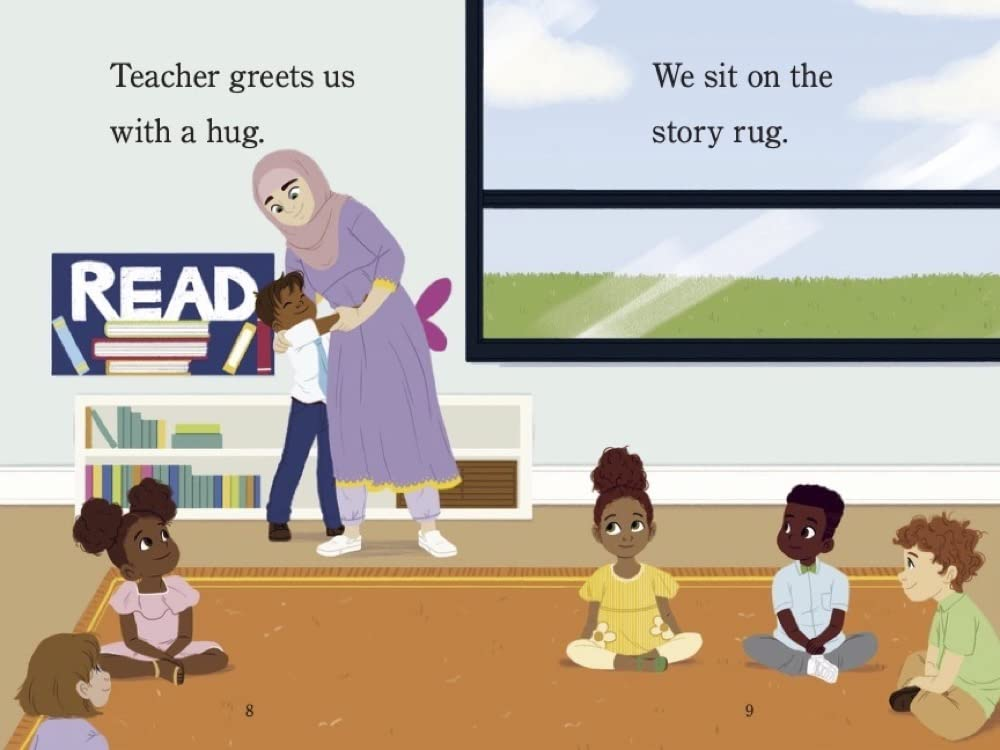
Summary:  A boy is excited for his kindergarten graduation.  He and his classmates go through their morning routine one last time, and he reflects on all the things he’s learned during the year, although one skill, tying his own shoes, has eluded him.  The kids don caps and gowns and line up to go on stage.  When he notices his shoe is untied, the boy tries to tie it himself and finds out he’s learned how to do that, too!  After graduation, there’s a round of good-byes, and the story ends with the boy picturing himself in first grade.  32 pages; ages 3-6.

Pros:  This rhyming early reader, with its illustrations of a diverse and happy school, would make an excellent gift for a preschool or kindergarten graduate. 

Cons:  In my experience, learning to tie shoes does not occur quite that spontaneously.

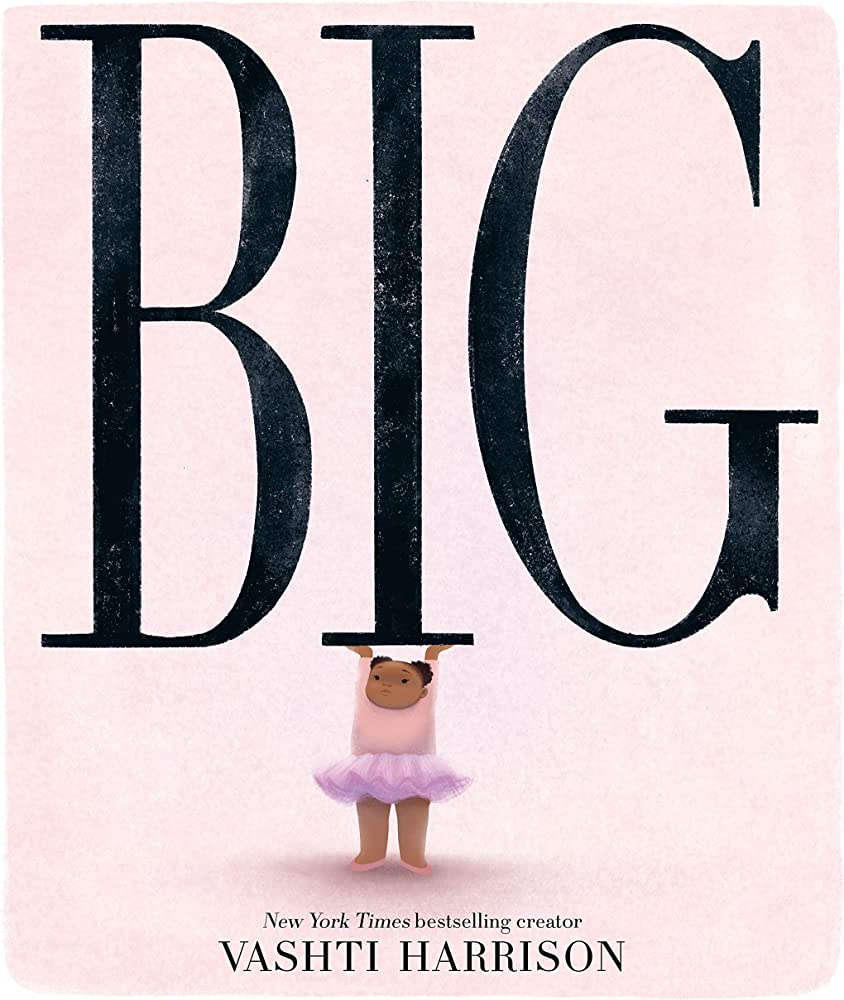
Big by Vashti Harrison

Published by Little, Brown Books for Young Readers

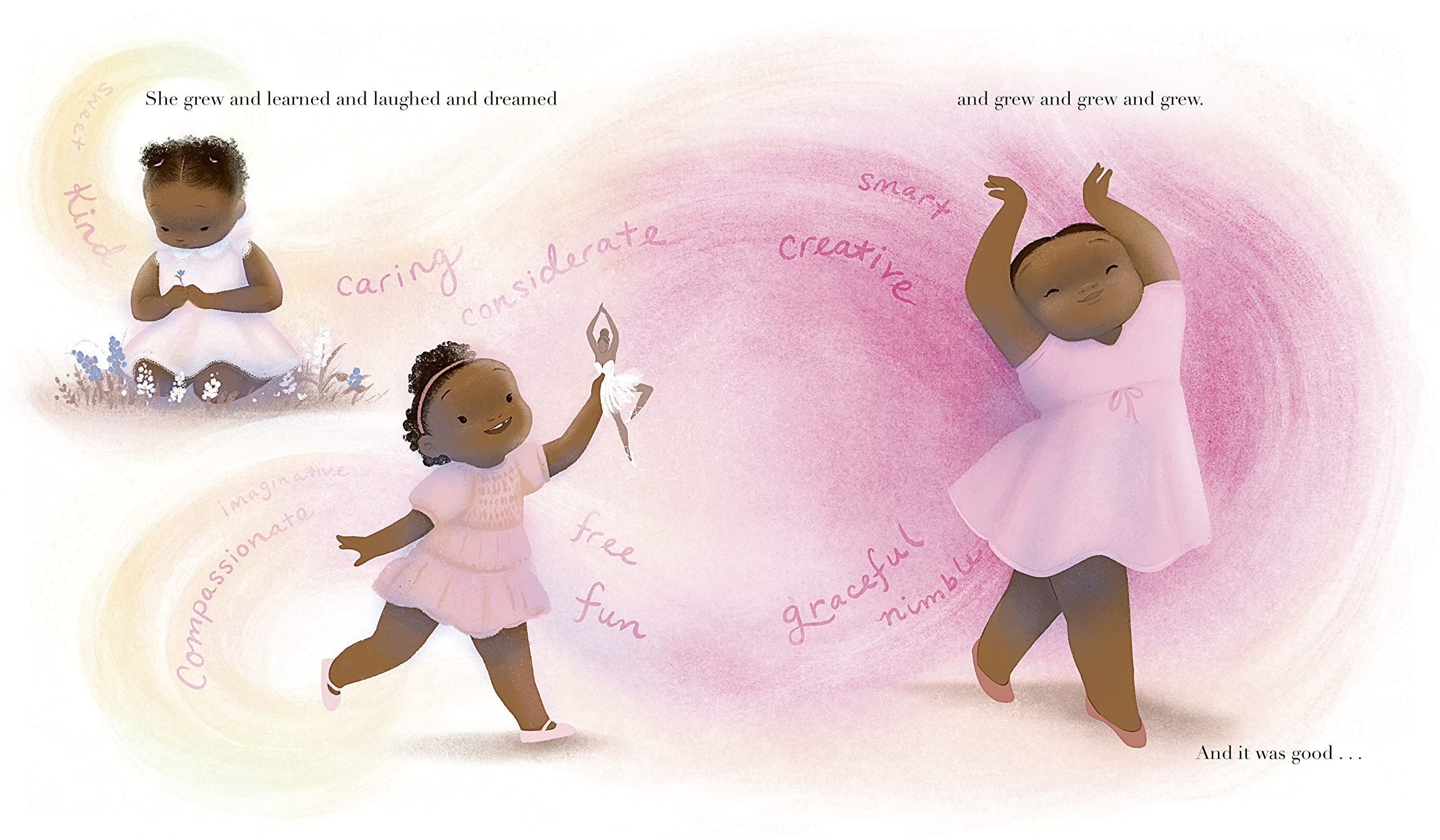
Summary:  At first the little girl with a big heart, big laugh, and big dreams loves being big.  “What a big girl you are!” adults say happily.  But as she gets older, being big is no longer considered a good thing.  “Don’t you think you’re too big for that?” a teacher scolds when she gets stuck in a swing, surrounded by classmates who moo and call out other hurtful comments.  She tries to blend in, trading her pink ballet costume for a gray one and becoming part of the scenery on stage.  She grows bigger and bigger on each page until she is crammed, curled up and crying, on the two-page spread.  Her tears turn into words: gray words like “too big” and “big cow” are mixed with pink words like “beautiful” and “creative.”  Finally, she gathers up the pink words for herself and hands the gray ones back to the people who said them.  Those people don’t always understand, but the girl is good, as she dances in her pink tutu off the final page.  Includes an author’s note sharing her own experiences that inspired this book.  60 pages; ages 4-8.

Pros:  An important book that addresses anti-fat bias and gives girls, especially Black girls, some tools for self-love and acceptance. The beautiful illustrations are a perfect complement to the text.

Cons:  I have mixed feelings about gatefold pages like the one in this book.  They are cool, but just don’t hold up well to repeated library use. The Knuffle Bunnies have been driving me crazy this year.

A Year of Good News: 52 Good News Stories from Around the World by Martin Smatana

Published by Boxer Books

Summary:  Martin Smatana began collecting good news stories during the pandemic, illustrating them with textile collages created from cast-off clothing.  Whether local, (a man who drove his 85-year-old grandmother 40,000 miles so she could see mountains and the ocean for the first time) or international (the eradication of polio in Africa), these 52 stories and pictures are designed to lift the spirits of those weighted down by all the less positive news in the world.  Includes a QR code that takes you to a website with additional good news stories.  112 pages; ages 7 and up.

Pros:  These happy stories and whimsical illustrations will lift anyone’s spirits and send readers on a search for more news that is positive.

Cons:  While I appreciated the human-interest stories, I would have liked to have seen a few more stories with broader scope like the polio one.

From Here to There: A First Book of Maps by Vivian French, illustrated by Ya-Ling Huang

Published by Candlewick

Summary:  When Zane sends Anna an invitation to his house with a map included, she’s annoyed that his house is in the middle of the map and hers is at the edge.  Dad suggests drawing her own map, but when Anna tries to include Grandma’s house, she runs out of paper.  Dad introduces her to the concept of a bird’s-eye view.  Once that map is completed, she draws one of her cat’s favorite places in the house, and Dad shows her a different kind of map he’s drawn: a family tree.  The next day, Anna and Dad follow Zane’s map to get to his house for the playdate.  Includes information about making your own map and an index with six terms.  32 pages; ages 4-8.

Pros:  Since maps are part of our kindergarten curriculum, I know there aren’t a lot of good introductory books for younger kids.  This book does a great job of expertly weaving map terms like scale and point of view into the story and encouraging readers to try to create their own maps.

Cons:  Introducing the family tree seemed a little confusing when all the other maps were about places.

Harmony & Echo: The Mermaid Ballet by Brigette Barrager

Published by Random House Studio

Summary:  Harmony and Echo are mermaid best friends who love collecting sea glass, reading fairy tales, and daydreaming.  But while Harmony is a carefree young mermaid who loves to have fun, Echo is more anxious, often worrying about details of her life.  The upcoming ballet performance has her stressed, so Harmony comes up with a solution: if Echo is feeling nervous during the show, she should reach over and squeeze Harmony’s hand.  On the big night, Echo begins to worry, but once she starts dancing, she’s fine.  The two mermaids hold hands for their final bows and agree to use the hand squeeze in the future as their secret way to calm Echo’s fears.  40 pages; ages 4-8.

Pros:  There can never be enough mermaid books, and the cover alone will have it flying off the library shelves.  Brigette Barrager is the Uni the Unicorn illustrator and works her magic with the underwater scenes and mer-world.

Cons:  Echo might want to seek out a mer-therapist to complement the hand-squeezing technique.

Becoming Charley by Kelly DiPucchio, illustrated by Loveis Wise

Published by Knopf Books for Young Readers

Summary:  While the other caterpillars keep their heads down and eat milkweed the way they’re supposed to, Charley likes to look up at the trees and the clouds and the stars.  The caterpillars are taught to focus on the orange and black patterns that will one day make them into monarch butterflies, but Charley often gets distracted by the beautiful things all around him.  He’s excited when it’s time to form his chrysalis but once inside, he’s unsure of what to do.  Orange and black, right?  But Charley can’t help remembering the blues and yellows of the birds and sun.  As summer moves on, the other butterflies start to emerge, but Charley’s chrysalis remains unchanged.  “I’m not surprised,” says one of the older butterflies.  Then, finally, here comes Charley, but instead of black and orange he’s a unique, colorful montage of all the things he has ever loved.  40 pages; ages 4-8.

Pros:  The beautiful illustrations show the colorful world that Charley loves, and the story celebrates those who don’t always quite fit in or follow the rules.

Cons:  I love the message, but I thought it could have been delivered with a lighter touch, like Kelly DiPucchio did in Gaston, one of my favorite books to read to kids.