Playing With Lanterns by Wang Yage, illustrated by Zhe Chengliang, translated by Helen Wang

Published by Amazon Crossing

Playing with Lanterns: Yage, Wang, Chengliang, Zhu, Wang, Helen:  9781542029841: Amazon.com: Books

Welcoming the New Year with a blog tour: Playing with Lanterns – Mom Read It

Summary:  Zhao Di and her friends live in northern China, where the new year is celebrated for 15 days.  A highlight is the lanterns, traditionally given by uncles, that are lit and carried through the dark nights.  The children gather each night, chasing each other, waving their lanterns, and enjoying fireworks.  On day 15, Zhao Di feels sad that the holiday is coming to an end.  The lanterns are smashed and burned.  The next night, Zhao Di misses going out with her friends, but remembers that the new year will be celebrated again next year.  Includes an author’s note with additional information about the Lunar New Year and the lantern tradition.  40 pages, ages 4-8.

Pros:  Another good resource for the Lunar New Year, this one translated from the original Chinese.  The illustrations celebrate the color and magic of the lanterns.

Cons:  The first three pages of the story are in the first person (“We spent the first day of the new year at home.”); after that it switches to Zhao Di’s third person narrative for the rest of the book, which felt like an unnecessarily awkward transition.
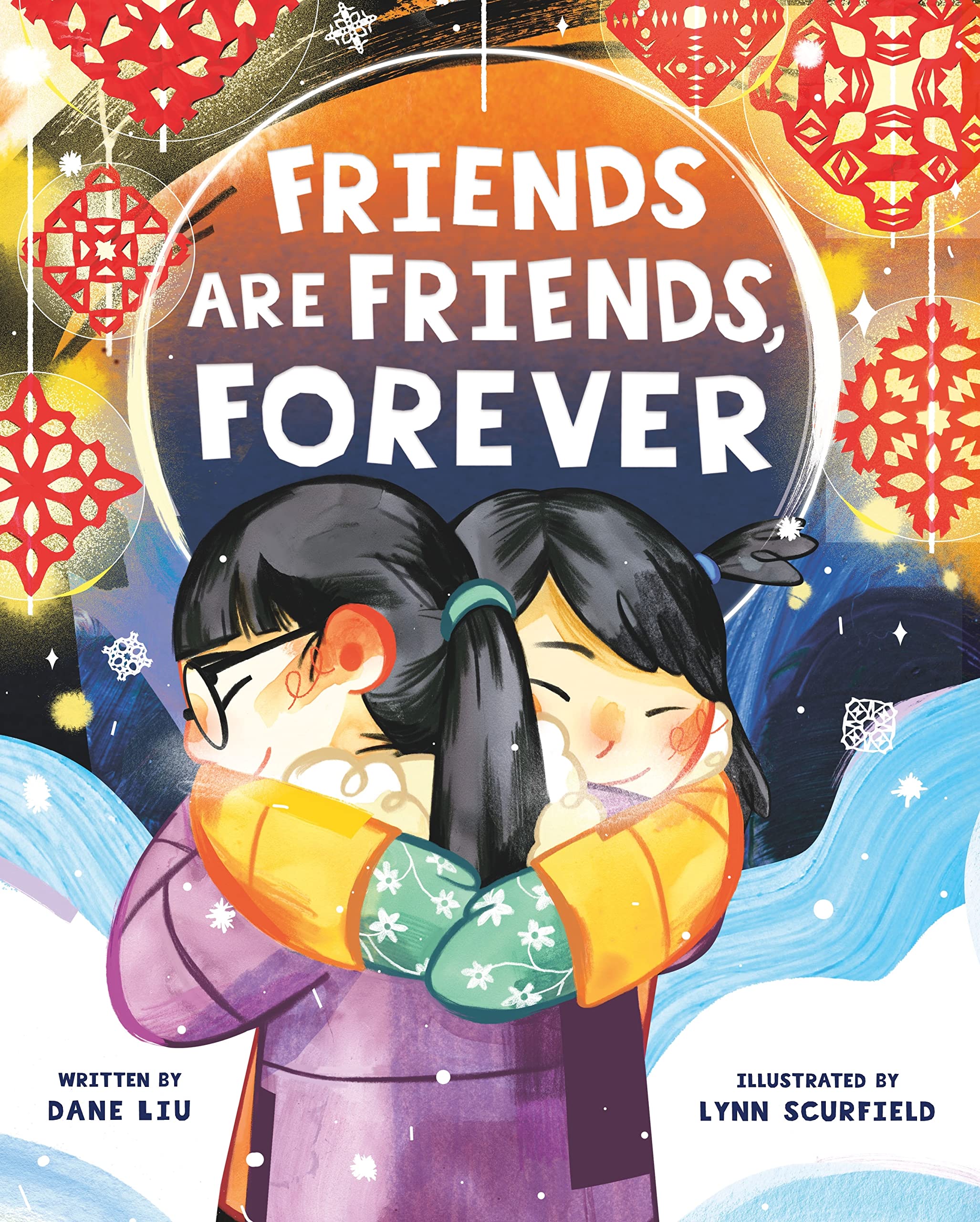
Friends Are Friends Forever by Dane Liu, illustrated by Lynn Scurfield

Published by Henry Holt and Co.

Friends Are Friends, Forever: Liu, Dane, Scurfield, Lynn: 9781250778185:  Amazon.com: Books

Friends Are Friends, Forever

Summary:  Dandan finds out her family is moving just days before Lunar New Year.  She and her best friend Yueyue try to enjoy every moment of the celebration.  They stuff themselves with Nainai’s delicious dumplings.  When the grown-ups start to play cards, the two girls make red paper snowflakes, put them in pans of water, and set them outside, where they see fireworks in the night sky.  The next morning, they hang their frozen snowflakes from trees, and Yueyue gives Dandan red paper to take with her.  Dandan struggles in her new home, feeling lonely as she tries to learn English.  Her classmates laugh at her when she wears a silk dress on her birthday, but one girl, Christina, compliments the dress.  Soon the two girls are friends, and Dandan invites Christina over for Lunar New Year.  She pulls out Yueyue’s gift, and the girls make snowflakes and put them in the freezer.  The next morning, they hang them on a tree outside, and Dandan remembers Yueyue’s parting words, “Friends are friends, forever.”  Includes an author’s note about Lunar New Year and her own experiences moving from China to the U.S. and instructions for making snowflakes.  40 pages; ages 4-8.

Pros:  A heartwarming story of immigration and cherished friendships in the old home and the new, just in time for Lunar New Year (today).  The cartoon-style illustrations add a light note.

Cons:  Kids might struggle to cut paper that’s been folded four times, as per the snowflake instructions.

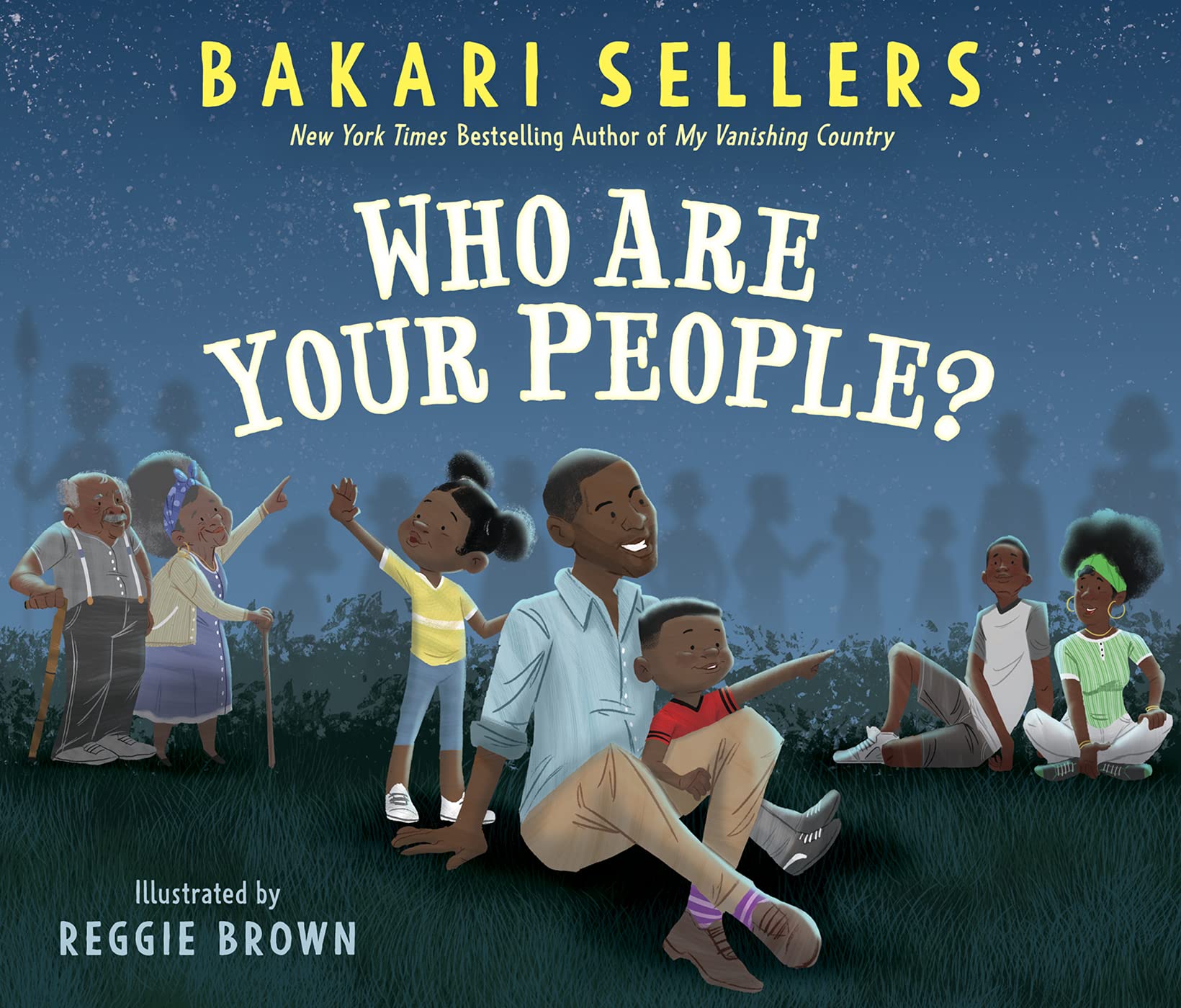
Who Are Your People? by Bakari Sellers, illustrated by Reggie Brown

Published by Quill Tree Books

Who Are Your People?: Sellers, Bakari, Brown, Reggie: 9780063082854: Amazon.com:  Books

Who Are Your People? – HarperCollins

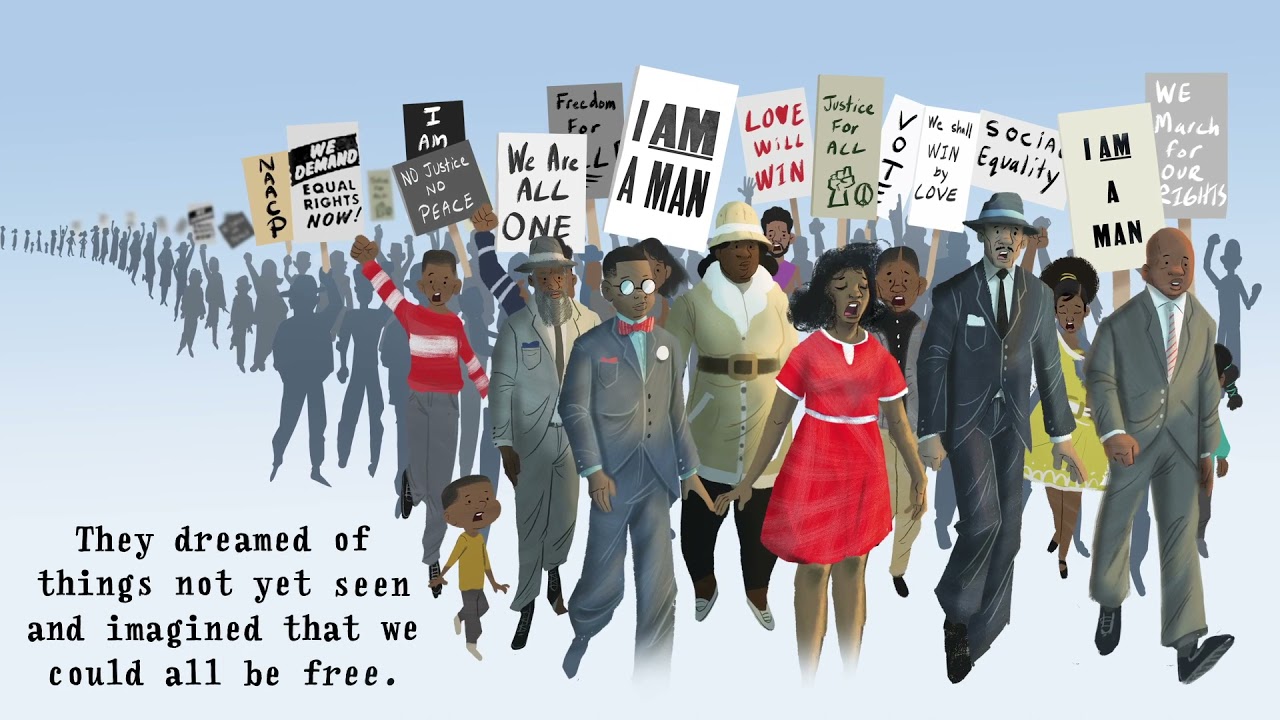
Summary:  “When you meet someone for the first time, they might ask, ‘Who are your people?’ and ‘Where are you from?’”  A father sets out to give his two children some answers to those questions, explaining that their people were strong and smart; fighters and activists.  The illustrations show the faces of well-known Black activists, as well as Black people working in cotton and sugarcane fields and participating in protests at lunch counters and marches.  The last few pages celebrate a supportive community that allows the kids to dream about the ways they will change the world.  32 pages; ages 4-8.

Pros:  My school celebrates Black History Month with guest readers in every classroom, and I’ve been looking for books for the younger kids.  This one is perfect, not shying away from the troubling aspects of Black history, but also emphasizing the strength and resilience of the community.

Cons:  Some back matter with additional information about the people and incidents in the illustrations would have made this a more useful resource for both younger and older kids.

Opal Lee and What It Means to Be Free by Alice Faye Duncan, illustrated by Keturah A. Bobo

Published by Tommy Nelson

Opal Lee and What It Means to Be Free: The True Story of the Grandmother of  Juneteenth: Duncan, Alice Faye, Bobo, Keturah A.: 9781400231256: Amazon.com:  Books

Amazon.com: Opal Lee and What It Means to Be Free: The True Story of the  Grandmother of Juneteenth eBook : Duncan, Alice Faye, Bobo, Keturah A.:  Kindle Store

Summary:  When Opal Lee’s great grandson asks her for a story, she looks around their Juneteenth celebration and tells the kids the history of the holiday. People in Texas didn’t learn about the end of slavery until almost a year and a half after Abraham Lincoln issued the Emancipation Proclamation.  Juneteenth marks the day they found out, and the celebration that happened when they did.  “What was Juneteenth like when you were a kid?” the children then want to know. Opal Lee tells them of her segregated childhood, and how her family’s new house was burned down in 1939. But, she assures them, she has continued and will continue to work for freedom as long as she needs them.  As the children run off to play, she reminds them, “Freedom is for everyone.  Juneteenth is YOU and ME.”  Includes a recipe for Juneteenth Red Punch, a Juneteenth timeline, additional information about Opal Lee and Juneteenth, and a list of sources.  32 pages; ages 4-8.

Pros:  With Juneteenth being a new national holiday, librarians and teachers will be looking for excellent educational resources like this one.  Opal Lee’s easygoing storytelling imparts a lot of information, aided by the bright, colorful illustrations that portray a diverse crowd of kids at the Juneteenth celebration.

Cons:  The author’s note mentions Opal Lee’s walk across the United States from 2016 to 2020 to collect signatures for a petition to make Juneteenth a national holiday.  She was 94 when President Biden signed legislation to make this happen.  I wish there had been more information about that walk, which sounds like a fascinating piece of history.

The Legend of Gravity: A Tall Basketball Tale by Charly Palmer

Published by Farrar, Straus, and Giroux

The Legend of Gravity: A Tall Basketball Tale: Palmer, Charly, Palmer,  Charly: 9780374313289: Amazon.com: Books

The Legend of Gravity

Summary:  A girl tells the story of Gravity, a mysterious kid who shows up at the local playground basketball court and soon becomes a legend.  His real name is never told, but the other kids give him the nickname Gravity since he seems to defy it.  Soon Gravity has turned the team into champions, and they’re excited to go to the Best of the Best, Milwaukee’s pickup basketball tournament.  They easily defeat one team after the other until they face perennial champions the Flyers.  Gravity does his best, but by halftime, he’s exhausted.  He tells the rest of the team how they can work together to win, and each one uses their unique talents to defeat the Flyers by 17 points.  Gravity insists that they share the trophy, and “twenty-five years later, we still do.”  Includes an author’s note celebrating championship basketball players who never made it into the NBA.  40 pages; grades K-5.

Pros:  If stories about Paul Bunyan and Pecos Bill are feeling a little tired, here’s a new tall tale that kids will love, with colorful illustrations and plenty of basketball action.

Cons:  The somewhat abstract paintings made it occasionally difficult to distinguish one player from another.

A History of Me by Adrea Theodore, illustrated by Erin K. Robinson

Published by Neal Porter Books

A History of Me: Theodore, Adrea, Robinson, Erin: 9780823442577: Amazon.com:  Books

Summary:  “I was the only brown person in class.” The narrator feels the stares of her white classmates when they learn about slavery and civil rights.  Her mother tells her of ancestors who were enslaved or who only got to go to school for a few years, reminding her to be grateful for her own education.  She loves to learn but doesn’t like feeling like her race is what the other kids see about her.  The girl grows up to become a doctor with a daughter of her own.  When her daughter tells her of similar experiences at school, she encourages her to feel proud of herself and her ancestors, and to focus on what she sees when she looks in the mirror.  Includes notes from the author and the artist.  32 pages; ages 4-8.

Pros:  This book opens up interesting questions about how Black history is taught in schools and how to do it in a way that empowers children of color.

Cons:  The author’s note was in a font size that strained my middle-aged eyes.

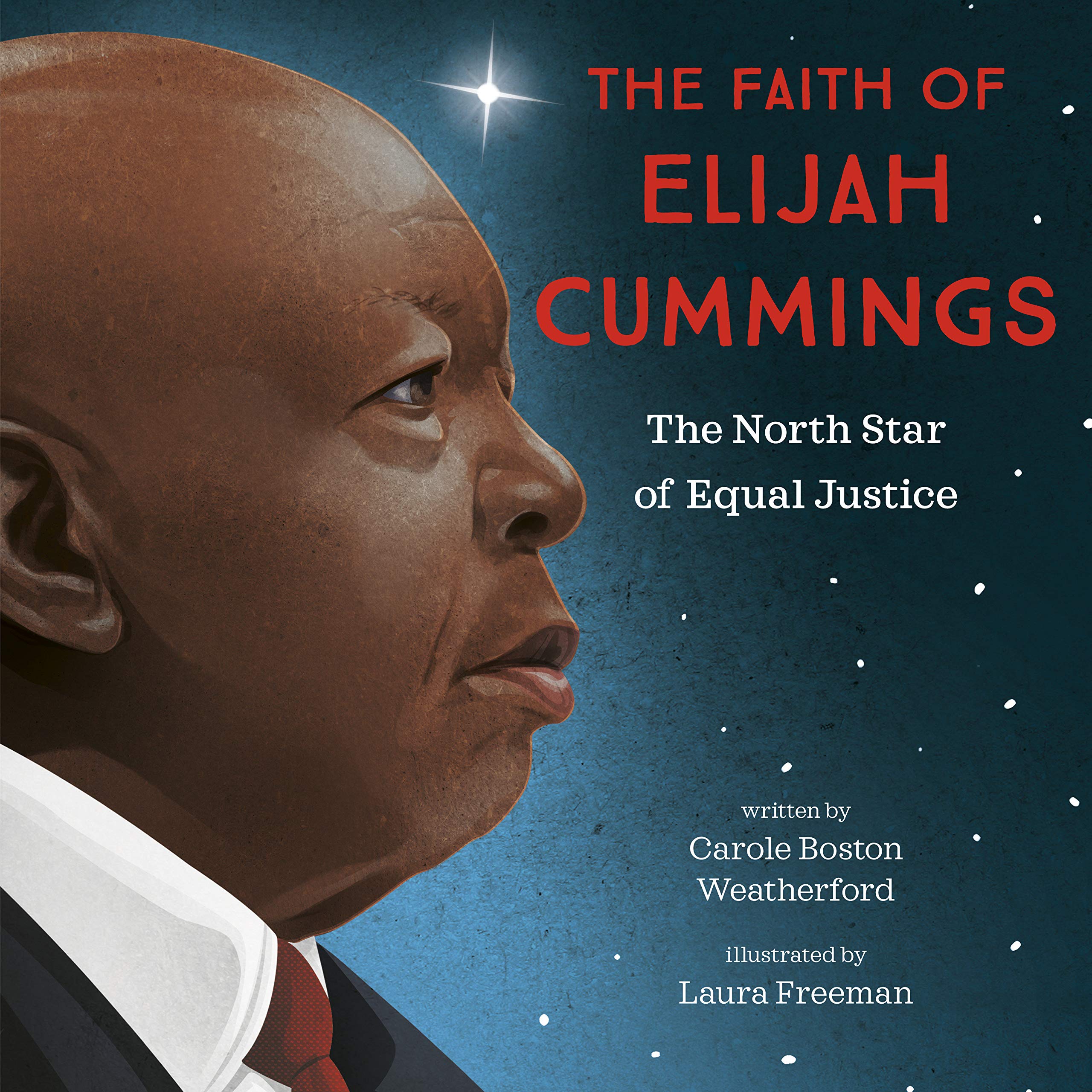
The Faith of Elijah Cummings: The North Star of Equal Justice by Carole Boston Weatherford, illustrated by Laura Freeman

Published by Random House Studio

The Faith of Elijah Cummings: The North Star of Equal Justice: Weatherford,  Carole Boston, Freeman, Laura: 9780593306505: Amazon.com: Books

The Faith of Elijah Cummings: The North Star of Equal Justice: Weatherford,  Carole Boston, Freeman, Laura: 9780593306505: Amazon.com: Books

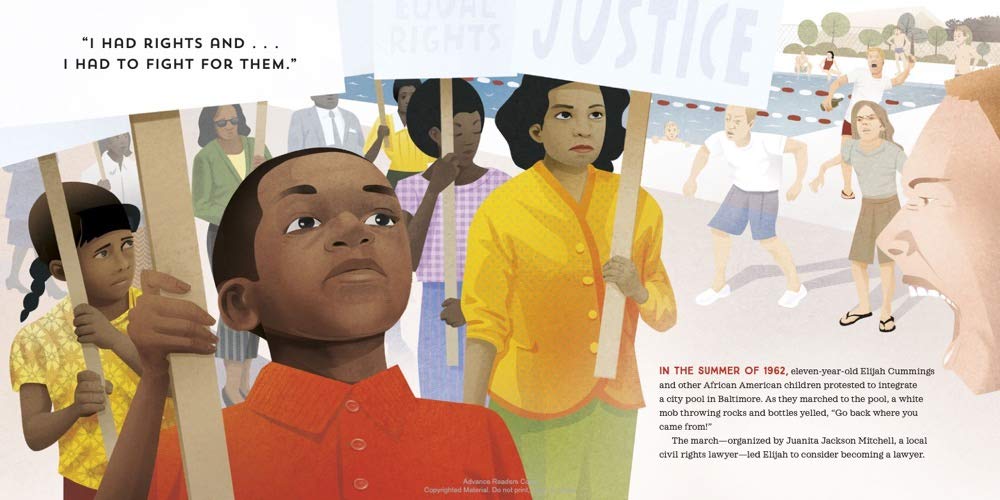
Summary:  Elijah Cummings’ parents worked as sharecroppers on a South Carolina farm before moving to Baltimore to give their seven children a better life.  Elijah struggled in school, but with the help of his parents, the librarians at his public library, and his first employers, he went on to Howard University and eventually became a lawyer.  He served in the Maryland House of Delegates from 1983 until 1996, when he was elected to the U.S. House of Representatives.  Elijah was elected chair of the Congressional Black Caucus in 2003; when he died in 2019, he became the first African American legislator to lie in state in the U.S. Capitol.  Includes remarks by Nancy Pelosi and an excerpt of a statement from the Congressional Black Caucus following Elijah’s death as well as a timeline, a bibliography, and a list of sources.  40 pages; grades 1-5.

Pros:  The first part of the book about Elijah’s early life is an inspiring testimony to the power of hard work and having mentors.  The writing is engaging, and the illustrations are a kid-friendly enhancement of the text.

Cons:  I don’t want to diminish Elijah Cummings’ considerable achievements, but to me, the second part of the book was less interesting than the first. If I were reading this to elementary kids, I would want to supplement it in some way to make it more engaging for them.

Seeking Freedom: The Untold Story of Fortress Monroe and the Ending of Slavery in America by Selene Castrovilla, illustrated by E. B. Lewis

Published by Calkins Creek

Seeking Freedom: The Untold Story of Fortress Monroe and the Ending of  Slavery in America: Castrovilla, Selene, Lewis, E. B.: 9781635925821: Amazon.com:  Books

Summary:  May 26, 1861: George Scott, living in a cave in the woods after escaping slavery two years earlier, sees other Black people entering Fortress Monroe and not being returned.  He learns that the commander of the fort, Major General Benjamin Franklin Butler, has declared the Black people “contrabands of war”, which means he doesn’t have to return them to the Confederates.  When Scott tells Butler he can find the Confederate hideout, Butler sends him on a mission back into the woods where he’s been hiding.  Scott finds the Confederates gathered at a church, and the Union army attacks, thwarting the threat to the fortress.  As a reward, Butler writes a letter to President Lincoln making the case for Scott and the other contrabands.  His words play a part in what eventually becomes the Emancipation Proclamation.  Includes four pages of additional information about George Scott, Benjamin Franklin Butler, Fortress Monroe, and the contrabands, as well as a bibliography.  40 pages; grades 2-6.

Pros:  This well-written and engaging narrative tells a little-known Civil War story, illustrated with sepia-toned paintings that evoke the photographs from that era.  Seems like more should be written about Benjamin Franklin Butler, who went on to become governor of Massachusetts and was a leader in civil rights on many fronts.

Cons:  Apparently, “contrabands” was the term used for those who found refuge at the fortress, but it seems like a somewhat dehumanizing expression. 

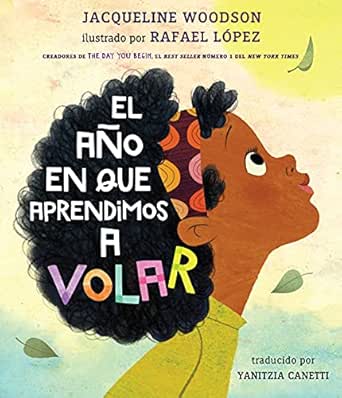
The Year We Learned to Fly/El año en que aprendimos a volar by Jacqueline Woodson, Illustrated by Rafael López

Published by Nancy Paulsen Books

The Year We Learned to Fly - Kindle edition by Woodson, Jacqueline, López,  Rafael. Children Kindle eBooks @ Amazon.com.

El año en que aprendimos a volar (Spanish Edition) - Kindle edition by  Woodson, Jacqueline, López, Rafael, Canetti, Yanitzia. Children Kindle  eBooks @ Amazon.com.

The Year We Learned to Fly: Woodson, Jacqueline, López, Rafael:  9780399545535: Amazon.com: Books

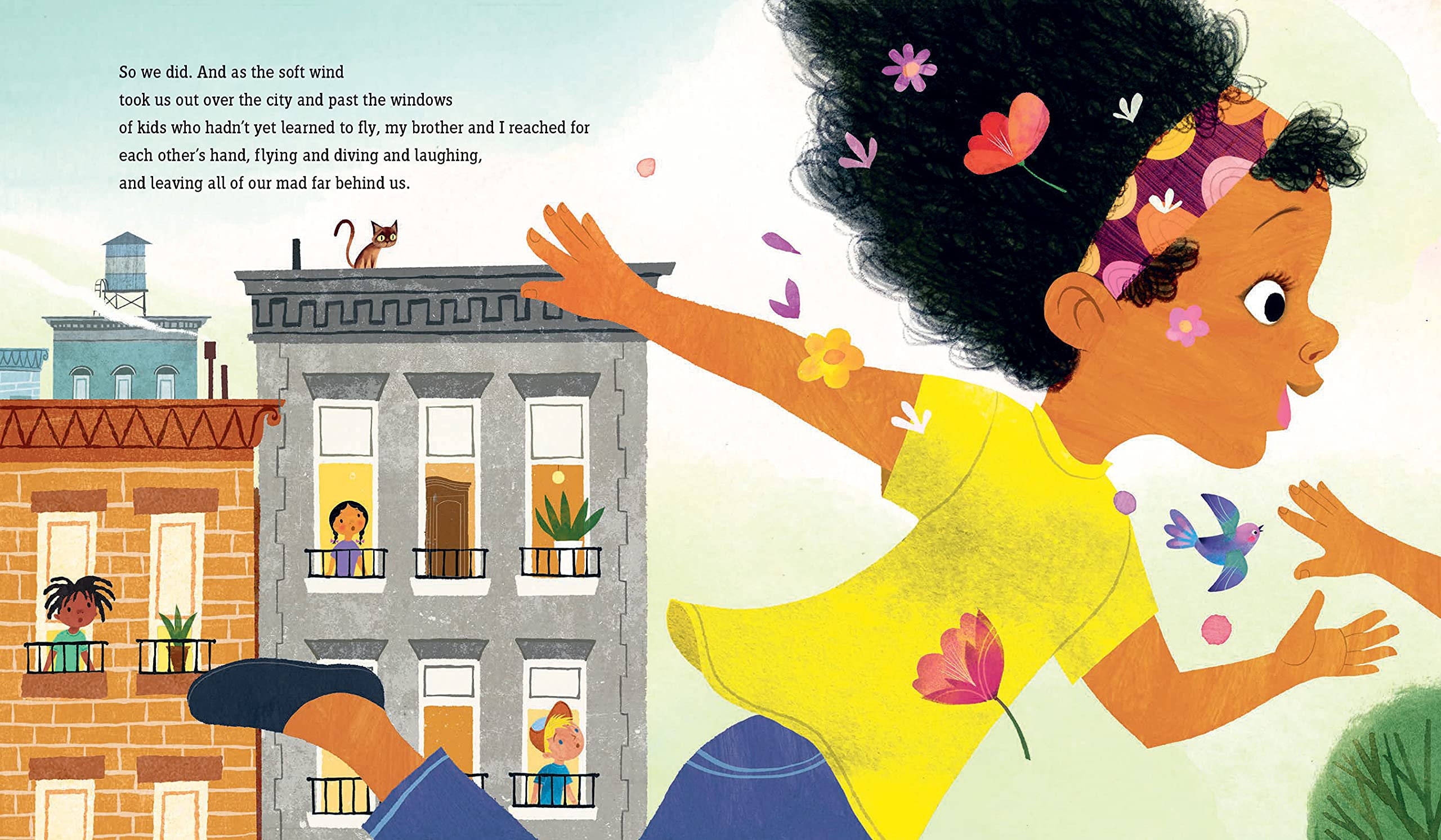
Summary:  From the team that brought you The Day You Begin comes this picture book about a brother and sister going through a difficult year.  There’s boredom in the spring when the weather keeps them inside, sibling fights in the summer, loneliness in autumn, and finally, a move away from the familiar neighborhood in winter.  Each season, their grandmother reminds them, “Lift your arms, close your eyes, take a deep breath.”  When they do, the two children are able to fly, looking down on their city and letting go of their difficult feelings.  In their new house, other kids are initially unfriendly, but when they see the two who can fly, they close their eyes, take a deep breath, and join them.  Includes an author’s note acknowledging Virginia Hamilton’s The People Could Fly: Black American Folktales as her inspiration for this story.  Available in English and Spanish. 32 pages; ages 4-8.

Pros:  I probably shouldn’t start predicting the 2023 Caldecott the day before the 2022 awards will be announced, but I do love Rafael López’s beautiful illustrations that perfectly complement the intriguing, poetic text by Jacqueline Woodson.

Cons:  Don’t hurry through the story; there’s a lot to unpack in both the text and the illustrations.

I have a discussion guide for this book on Teachers Pay Teachers that includes discussion questions, vocabulary, and connections.

Two holiday books for Christmas Eve

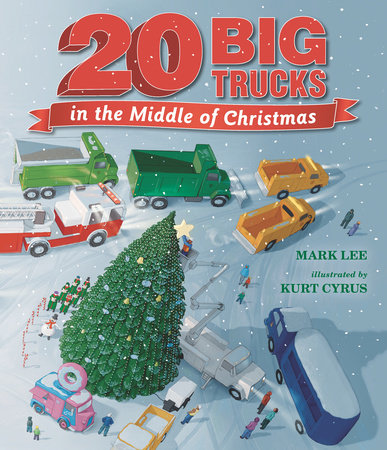
20 Big Trucks in the Middle of Christmas by Mark Lee, illustrated by Kurt Cyrus

Published by Candlewick

Twenty Big Trucks in the Middle of Christmas by Mark Lee: 9781536212532 |  PenguinRandomHouse.com: Books
Amazon.com: Twenty Big Trucks in the Middle of Christmas: 9781536212532:  Lee, Mark, Cyrus, Kurt: Books

The Little Owl & the Big Tree: A Christmas Story by Jonah Winter, illustrated by Jeanette Winter

Published by Beach Lane Books

The Little Owl & the Big Tree: A Christmas Story: Winter, Jonah, Winter,  Jeanette: 9781665902137: Amazon.com: Books

Summary: Santa and interlibrary loan brought me these two holiday books just days before Christmas. In 20 Big Trucks Before Christmas, two boys watch the holiday preparations in their town which require–you guessed it–twenty big trucks. A mishap hanging the star atop the tree inspires the donut truck driver to take the donut off his truck, decorate it with red and green lights, and use it to replace the star. When Santa arrives in a pickup, it’s time for the celebration to begin!

We’ve seen Rockefeller the owl already this year in The Christmas Owl. This version of the story, by the Winter mother-and-son team, focuses on the wild owl: “The owl didn’t have a name–and of course she didn’t: She was a wild animal.” Humans are necessary to help her when she’s trapped in the tree destined for Rockefeller Center, but after her stay at the wildlife rehabilitation center, she is “back in the wild, back in the trees, somewhere out there under the stars.” An author’s note tells a bit more of the story. Both books are 32 pages and recommended for ages 4-8.

Pros: Here are two illustrators that really should get more recognition. Kurt Cyrus’s lifelike pictures of machinery are always popular with kids, and Jeanette Winter, who is 82 years old and has written and illustrated dozens of books, has a beautiful folk-art style that’s perfect for Rockefeller’s story.

Cons: I wish I could have gotten these books a few weeks sooner so I could have shared them with kids before vacation.