Five favorite graphic novels

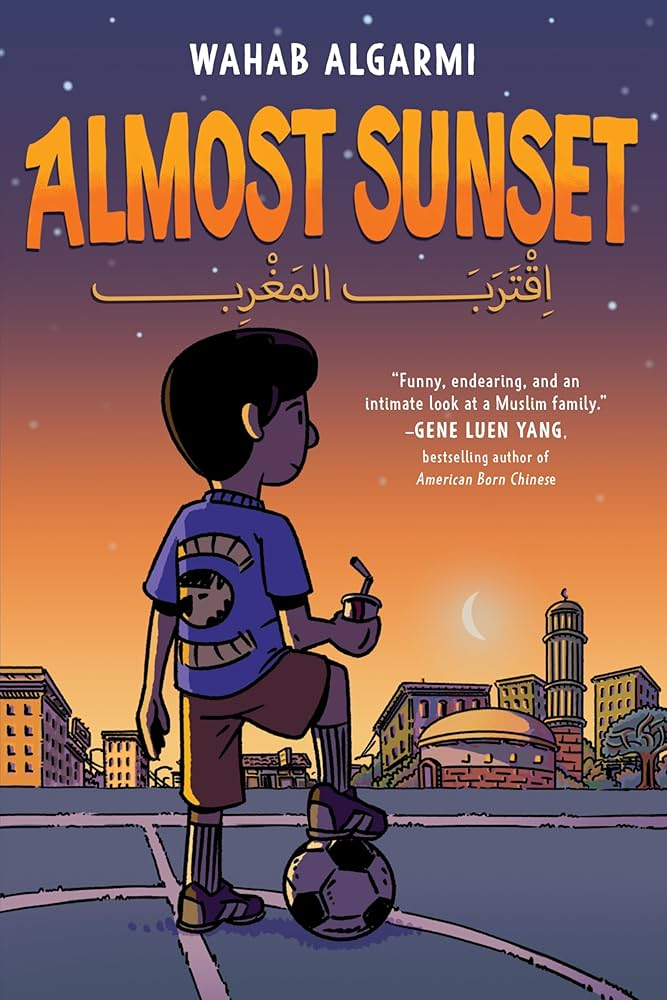
Almost Sunset by Wahab Algarmi (HarperAlley, 224 pages, grades 4-7).  Hassan, a middle-school boy observing Ramadan in America for the first time after moving from Yemen, experiences the challenges of fasting while trying to maintain a busy schedule of school and soccer. Finding a community helps him overcome those challenges and celebrate a joyous Eid with his family and friends.

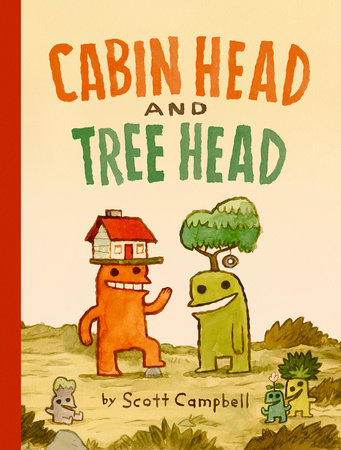
Cabin Head and Tree Head by Scott Campbell (Tundra Books, 88 pages, grades K-4). Hailed by some (me) as “quite possibly the weirdest book ever,” this series opener is sure to attract a devoted following who will love the quirky premise and laugh-out-loud humor.

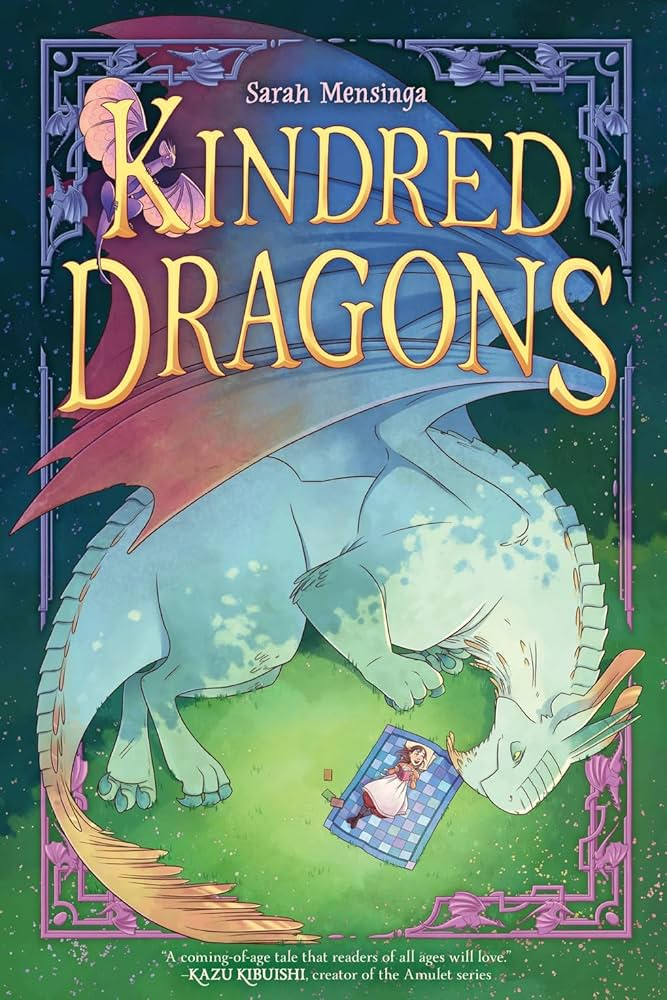
Kindred Dragons by Sarah Mesinga (Harry N. Abrams, 208 pages, grades 4-8). This fantasy take-off of Anne of Green Gables features a girl named Alice, who longs to be a kindred like other women in her community who have a special bond with a dragon. Beautiful artwork and a compelling story make this a winner.

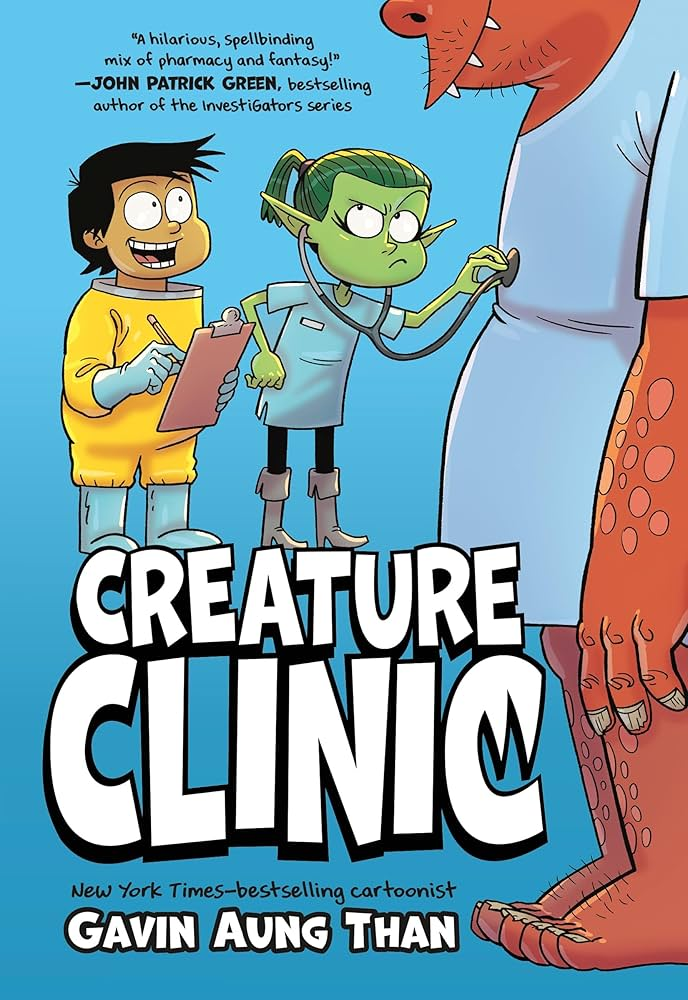
Creature Clinic by Gavin Aung Than (First Second, 224 pages, grades 3-7). The creature clinic is run by the imperious Dr. Orc and her long-suffering daughter, Kara, who tries to help a human boy despite her mother’s belief that humans are nothing but trouble. Clever world building, lots of humor, and a heartwarming plot make me hope there will be a sequel

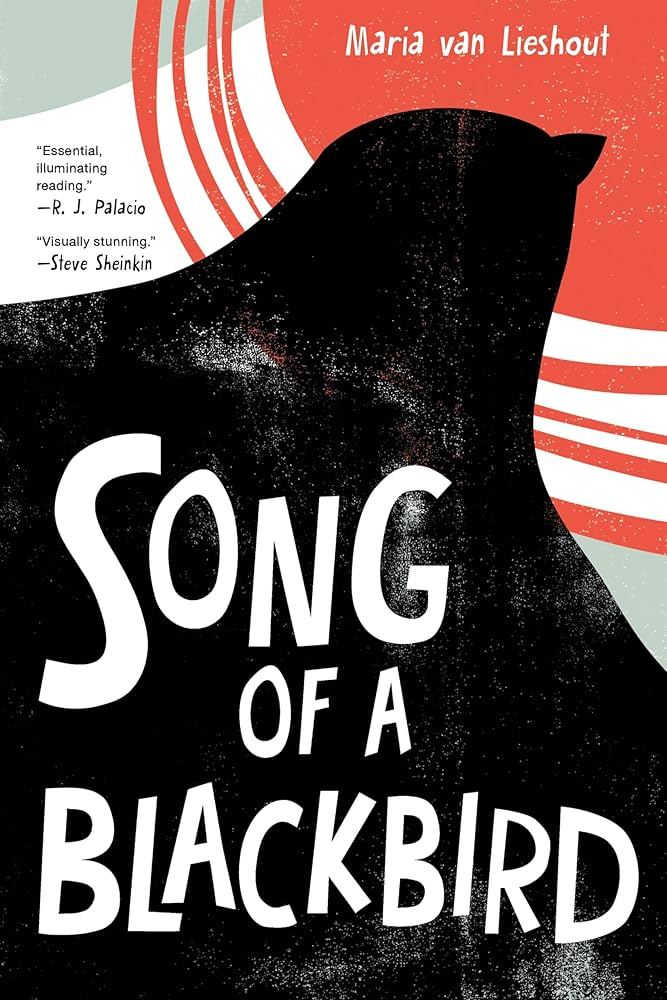
Song of a Blackbird by Maria van Lieshout (First Second, 256 pages, grades 8 and up). I was blown away by this National Book Award Longlist graphic novel that tells two intersecting stories about young women in Amsterdam in 1943 and 2011, narrated by a blackbird who represents the creativity that gives them both hope in dark times.

Five favorite middle grade fiction books

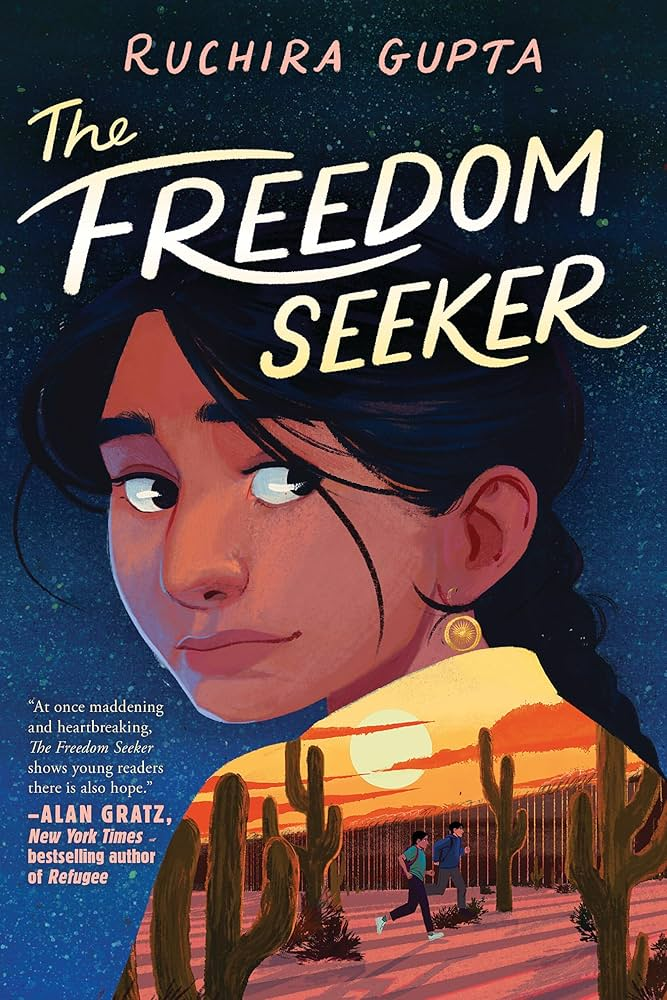
The Freedom Seeker by Ruchira Gupta (Scholastic Press, 320 pages, grades 4-8). This story of Simi and her family, who are forced to leave India after her Sikh father and Muslim mother are targeted by a new right-wing government, puts a face on illegal immigration and shows the difficult decisions and dangerous journeys so many people are forced to make.

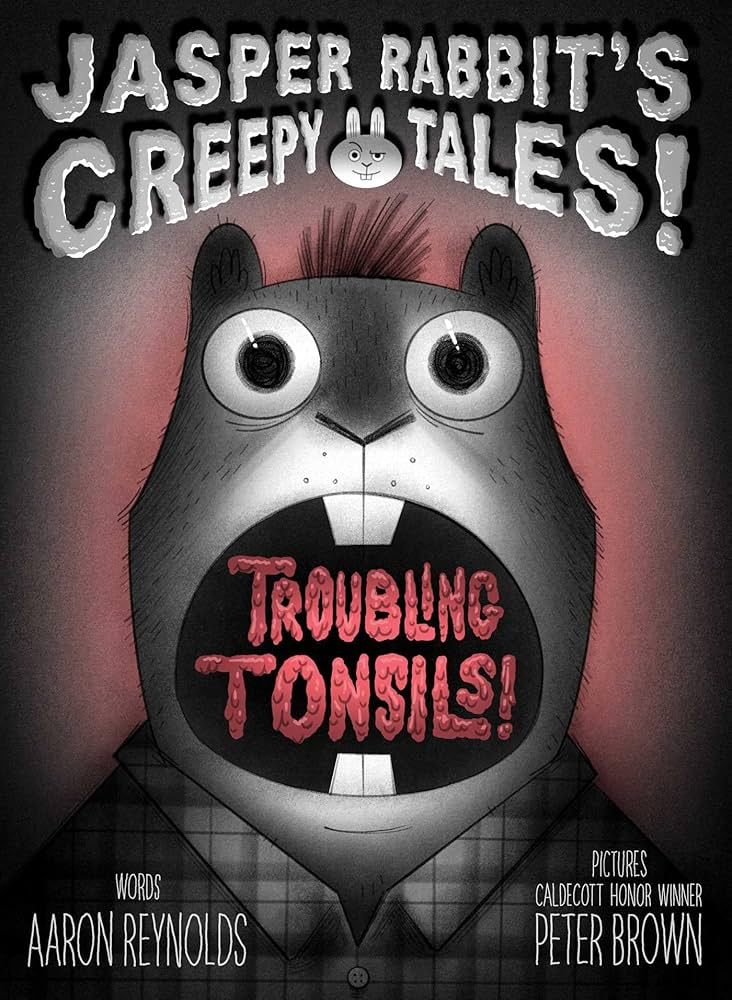
Troubling Tonsils! (Jasper Rabbit’s Creepy Tales) by Aaron Reynolds, illustrated by Peter Brown (Simon and Schuster Books for Young Readers, 88 pages, grade 1-4). Okay, this may not be the finest literature on this list, but it will be the easiest book to sell to readers. Jasper Rabbit of Creepy Carrots fame tells the story of Charlie Marmot, whose adventures with tonsillitis start innocently enough but quickly devolve into a bizarre tale worthy of The Twilight Zone.

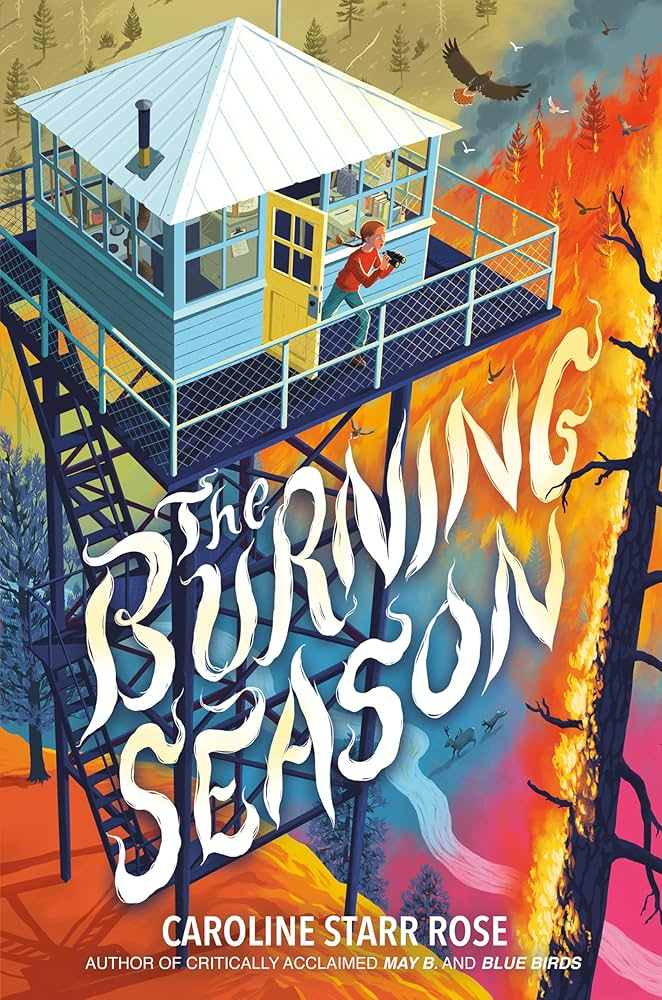
The Burning Season by Caroline Starr Rose (Nancy Paulsen Books, 256 pages, grades 4-7). In this riveting novel in verse, three generations of women serve as fire lookouts deep in New Mexico’s Gila National Forest. When a forest fire leaves Opal trapped with her injured grandmother, she has to face her secret fear of fire and call on her training to keep them both safe.

A Day at the Beach by Gary Schmidt and Ron Koertge (Clarion Books, 224 pages, grades 3-7). 28 interconnected short stories take place over a single summer day at the New Jersey shore. The writing perfectly captures the fleeting interactions that can happen on a crowded beach and shows how to create characters and settings in just a few pages.

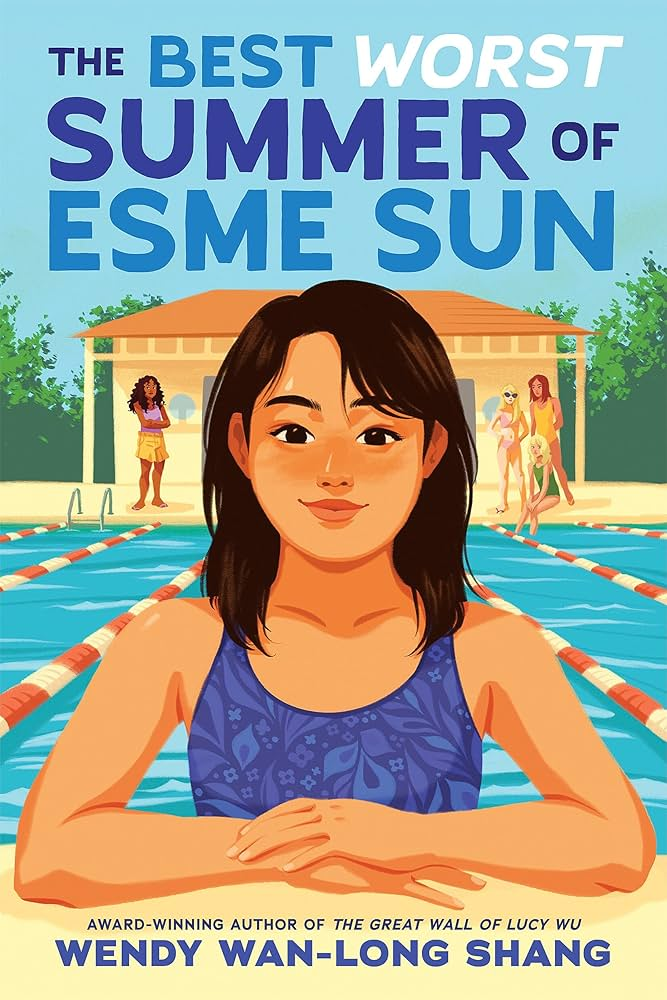
The Best Worst Summer of Esme Sun by Wendy Wan-Long Shang (Scholastic Press, 224 pages, grades 3-7). 12-year-old Esme feels like she can never succeed in her mother’s eyes, particularly when she has to live up to her three successful older sisters. When summer starts, she’s surprised to find her swimming has improved enough to make her a real contender on the swim team, but her mother’s pressure to be the best forces her to make some difficult choices between personal success and being a good teammate.

Five favorite nonfiction books for older readers

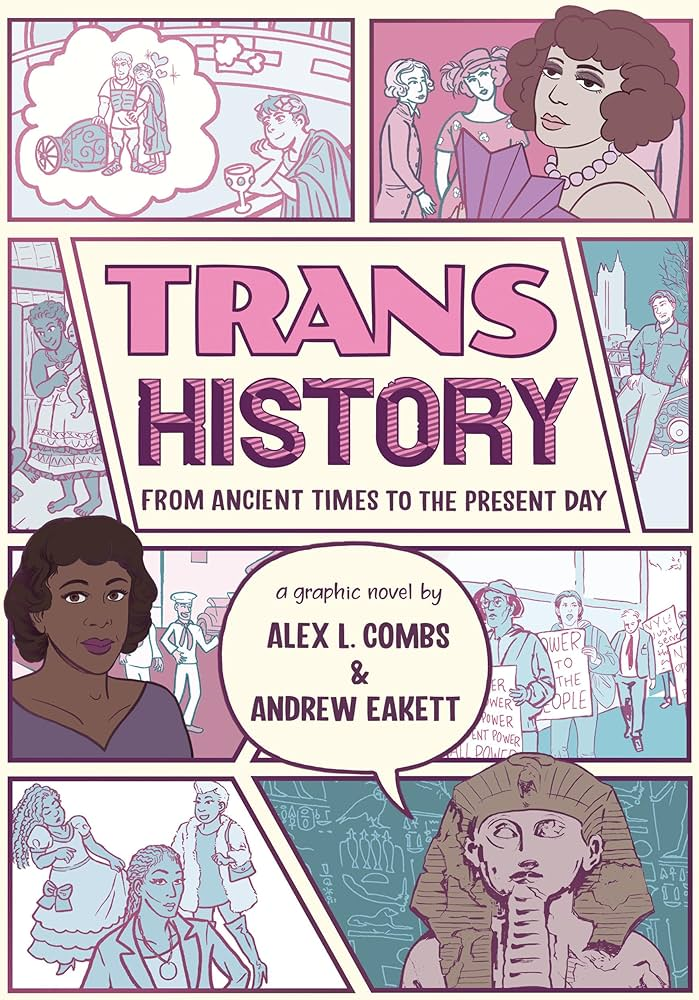
Trans History: A Graphic Novel: From Ancient Times to the Present Day by Alex L. Combs and Andrew Eakett (Candlewick, 384 pages, grades 8 and up). This graphic history of trans people, from ancient times to the present, is mostly told through stories of individuals that show the beliefs and treatment of trans people of that time. A concluding chapter includes stories about present-day activists.

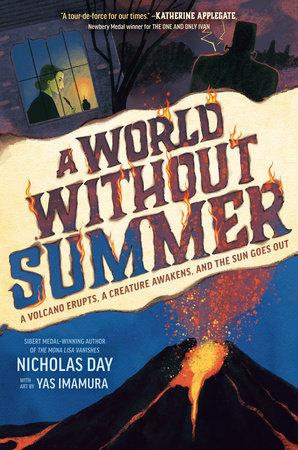
A World Without Summer: A Volcano Erupts, a Creature Awakens, and the Sun Goes Out by Nicholas Day, illustrated by Yas Imamura (Random House, 304 pages, grades 5-8). Nicholas Day looks at the 1815 eruption of the volcano Tambora with the resulting changes in climate around the globe, the creation of the book Frankenstein by Mary Shelley, inspired by the months of gloomy weather, and what we can learn that applies to our present-day climate change.

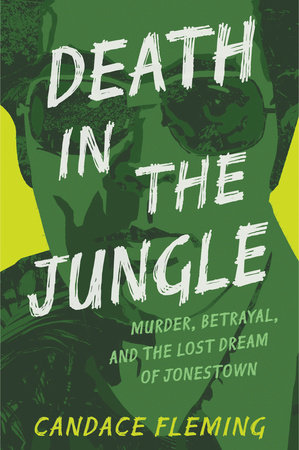
Death in the Jungle: Murder, Betrayal, and the Lost Dream of Jonestown by Candace Fleming (Anne Schwartz Books, 368 pages, grades 7 and up). The story of Jim Jones, his People’s Temple, and the tragic murder of over 900 people in the jungles of Guyana gives readers a look at how important it is to maintain a questioning attitude, particularly around charismatic leaders like Jones.

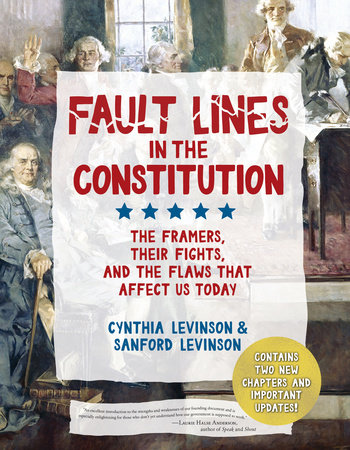
Fault Lines in the Constitution: The Framers, Their Fights, and the Flaws That Affect Us Today by Cynthia Levinson and Sanford Levinson (Peachtree, 2025, grades 6 and up). Although this book was originally published in 2017, I first read it this year in its third edition with extra information added. The authors dig into eight different issues to show flaws in the Constitution and how they might be corrected using methods from the governments of states and other countries.

A Dangerous Idea: The Scopes Trial, the Original Fight Over Science in Schools by Debbie Levy (Bloomsbury Children’s Books, 288 pages, grades 6 and up). The story of the 1925 Scopes Trial reveals that questioning science is nothing new. Debbie Levy does an excellent job of connecting the trial with current controversies involving scientific ideas.

Five favorite nonfiction picture books

To Walk the Sky: How Iroquois Steelworkers Helped Build Towering Cities by Patricia Morris Buckley, illustrated by E. B. Lewis (Heartdrum, 40 pages, grades 1-5). For more than a century, members of the Mohawk tribe from Canada’s Caughnawaga Reserve have worked construction as “skywalkers,” balancing on beams high above the ground. This book tells the story of their many contributions to famous skyscrapers around America, as well as the huge risks they take as skywalkers, sometimes with fatal results.

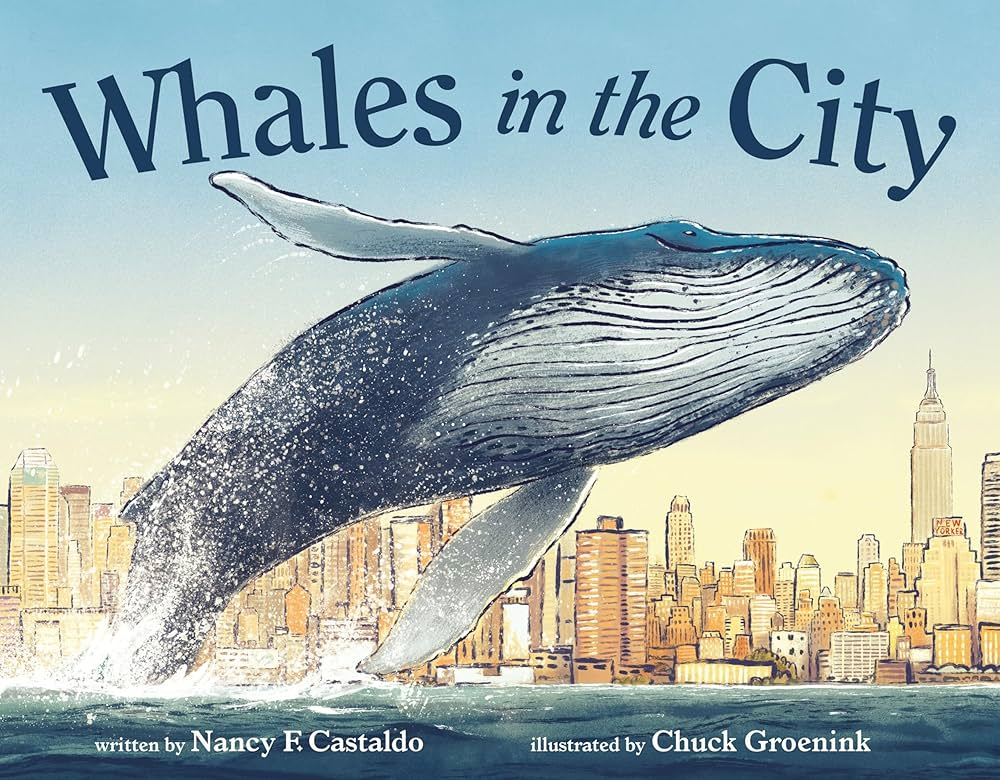
Whales in the City by Nancy F. Castaldo, illustrated by Chuck Groenink (Farrar, Straus and Giroux, 40 pages, grades K-4). Whales narrate the first half of the book, explaining how pollution drove them from the Hudson River. Humans take the story from there, describing how Earth Day activism led to the Clean Water Act, which eventually brought the whales back to the river they left a century before.

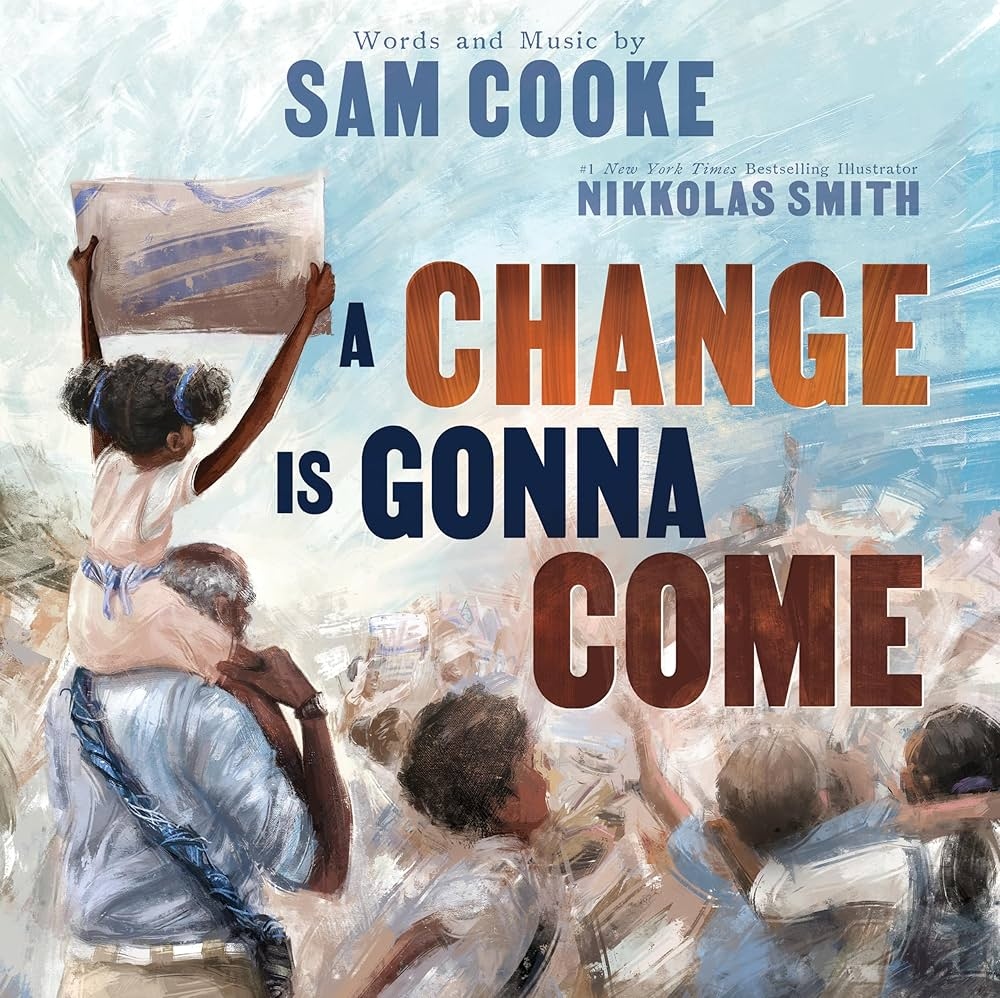
A Change Is Gonna Come words and music by Sam Cooke, illustrated by Nikkolas Smith (little bee books, 32 pages, all ages). This illustrated version of the Sam Cooke song captures its juxtaposition of hope and despair, with scenes from the Jim Crow South next to the March on Washington. This could easily have been on my Caldecott contender list, and I hope it will be considered for a Coretta Scott King Award as well.

The Black Mambas: The World’s First All-Women Anti-Poaching Unit by Kelly Crull (Millbrook Press, 40 pages, grades 2-5). The Black Mambas had to prove themselves, even to their family and friends, to become the first female park rangers in South Africa and the first women-led anti-poaching unit in the world. Their story is inspiring, the work they do is fascinating, and the many excellent photographs tell their story in a way readers of all ages will find engaging and inspirational.

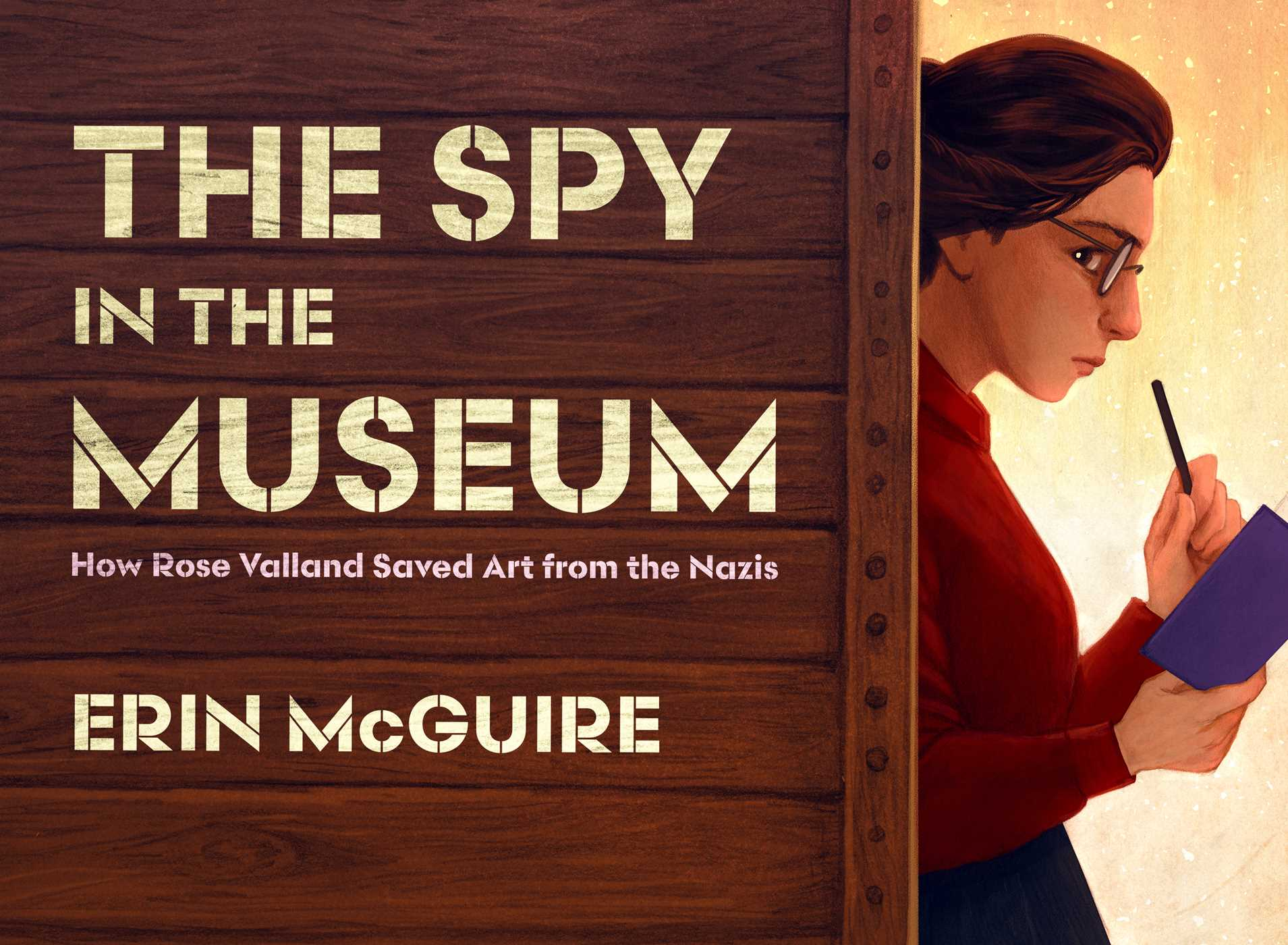
The Spy in the Museum: How Rose Valland Saved Art from the Nazis by Erin McGuire (Beach Lane Books, 40 pages, grades 2-5). Rose Valland loved art and was courageous enough to secretly work against the Nazis who took over Paris’s Jeu de Paume Museum, where Rose was a curator. Her ingenuity and bravery helped preserve thousands of works of art in a story that is more relevant than ever in today’s world.

Five favorite picture books

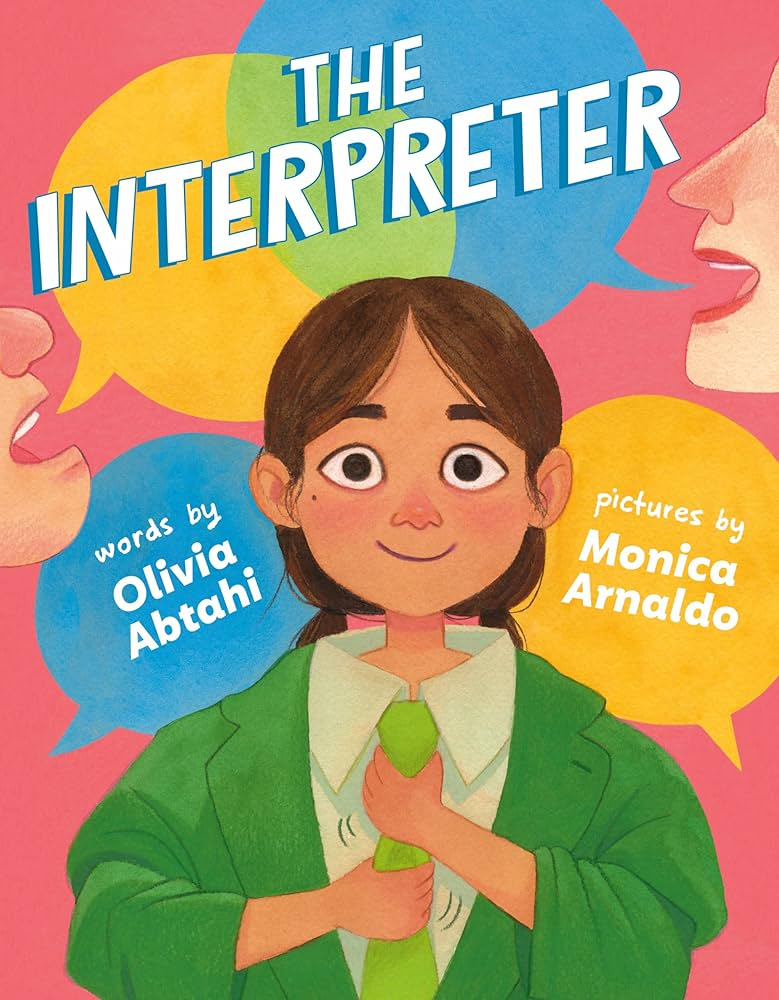
The Interpreter/La Intérprete by Olivia Abtahi, illustrated by Monica Arnaldo (Kokila, 40 pages, ages 5-8). Cecilia has two jobs: being a kid and interpreting for her Spanish-speaking family. Blue cartoon bubbles in English and yellow ones in Spanish are a fun way to show the two languages she speaks, and she provides a good example for readers about setting boundaries and making sure her kid job doesn’t get shortchanged.

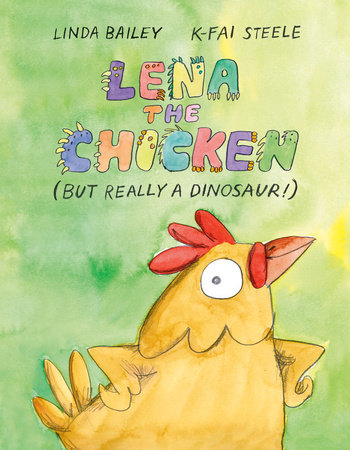
Lena the Chicken (But Really a Dinosaur) by Linda Bailey, illustrated by K-Fai Steele (Tundra Books, 56 pages, ages 4-8). Lena is a fearless chicken who knows she’s really a dinosaur. The other chickens think she’s a little crazy, but when her dinosaur roar scares a weasel away from the chicken coop, they start to adopt some of her confidence. A funny story with a good message about being your best self and some interesting information about the bird-dinosaur connection.

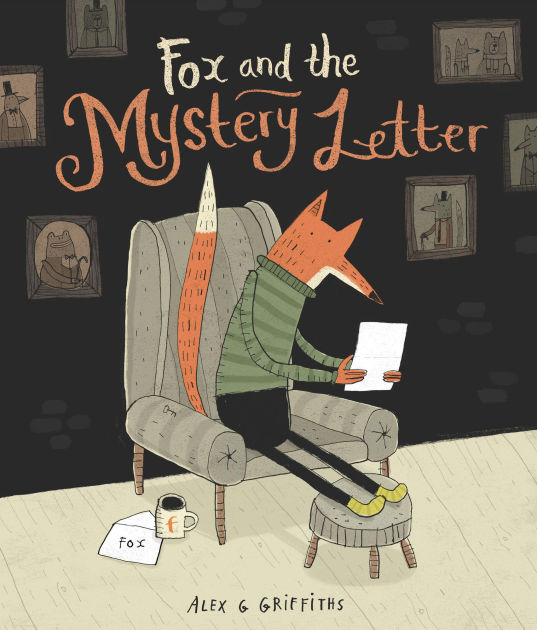
Fox and the Mystery Letter by Alex G. Griffiths (Frances Lincoln Children’s Books, 40 pages, grades K-3). Fox enjoys his solitary life until a mysterious letter sends him on a search for one clue after another that ends with an apology and a friendship restored. It’s a charming story with a satisfying ending, and who doesn’t enjoy a good scavenger hunt?

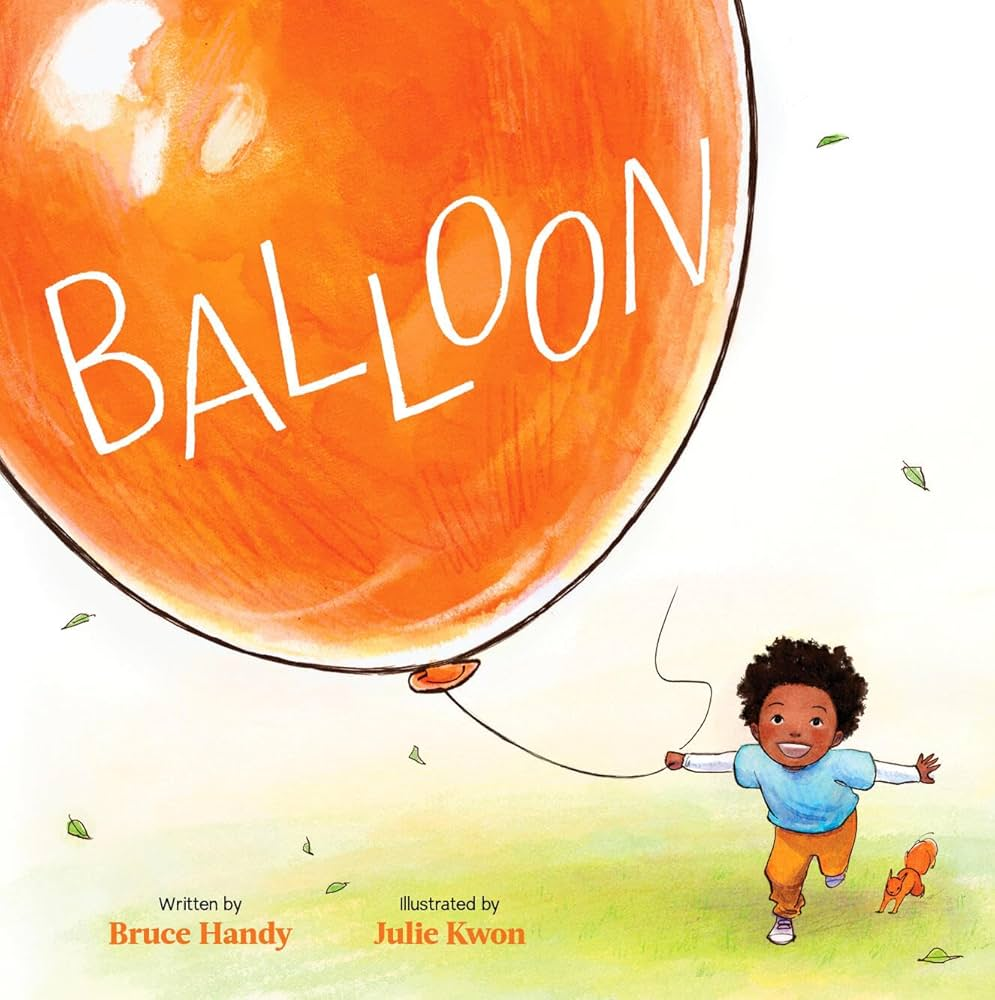
Balloon by Bruce Handy, illustrated by Julie Kwon (Chronicle Books, 44 pages, ages 3-7). This nearly wordless book tells the story of a boy who loses his orange balloon and finally recovers from his loss by finding an orange cat, whom he names Balloon. The illustrations make this a fun read-aloud, with lots of orange objects that may or may not be the lost balloon.

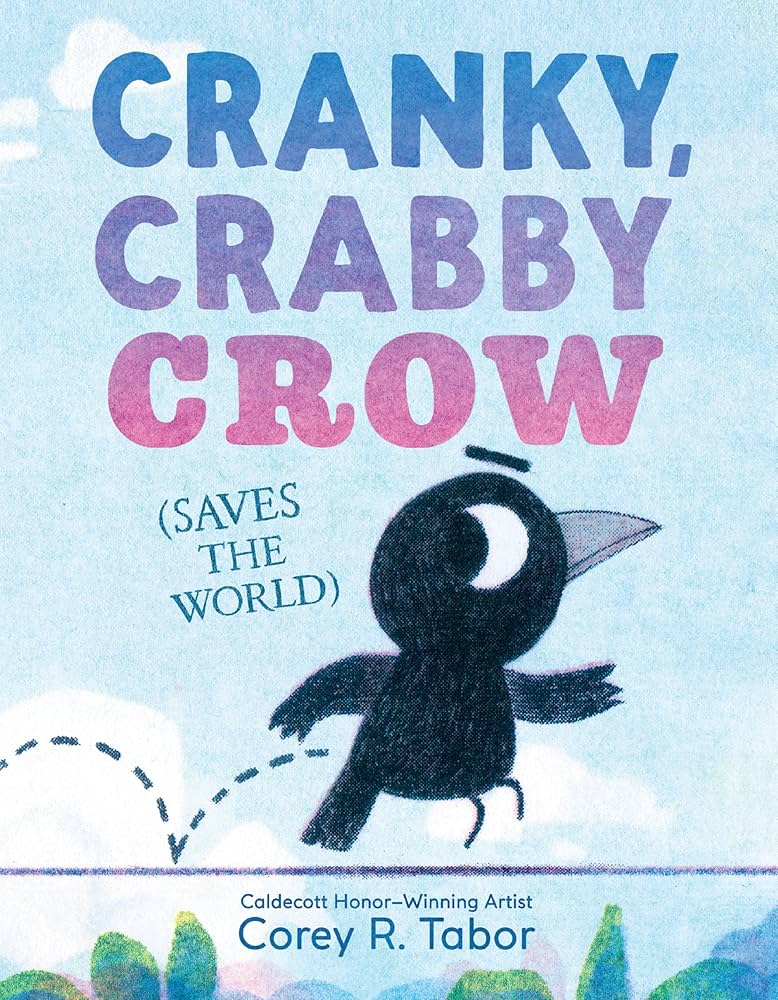
Cranky, Crabby Crow (Saves the World) by Corey R. Tabor (Greenwillow Books, 40 pages, ages 4-8). I read this aloud many times this fall, and it never got old. The cutaway illustration of Crow’s secret hideout is a delightful surprise, as is the meteor shower that Crow entertains his friends with after casually saving the world.

Five favorite Newbery contenders

Rebellion 1776 by Laurie Halse Anderson (Atheneum/Caitlyn Dlouhy Books, 416 pages, grades 5-9). With its setting in Boston from March 1776 when the British evacuated to the end of the year, this historical fiction novel is a compelling read with some timely themes and subplots, like vaccine controversy and living through times of revolutionary upheaval.

The Trouble with Heroes by Kate Messner (Bloomsbury Children’s Books, 368 pages, grades 4-7). After vandalizing a gravestone, Finn’s consequence is an assignment to hike the highest 46 peaks in the Adirondack Mountains. Drawing on her own experiences in the Adirondacks, Kate Messner’s novel in verse traces Finn’s journey from grief and anger at his father’s death to healing and connecting with community.

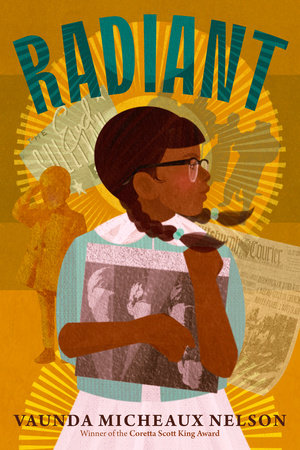
Radiant by Vaunda Micheaux Nelson (Dutton Books for Young Readers, 320 pages, grades 4-7). Another novel in verse, this explores fifth-grader Cooper’s efforts to live up to her parents’ expectations to be “radiant” against the backdrop of the racism she experiences as one of the few Black students in her 1963 elementary school.

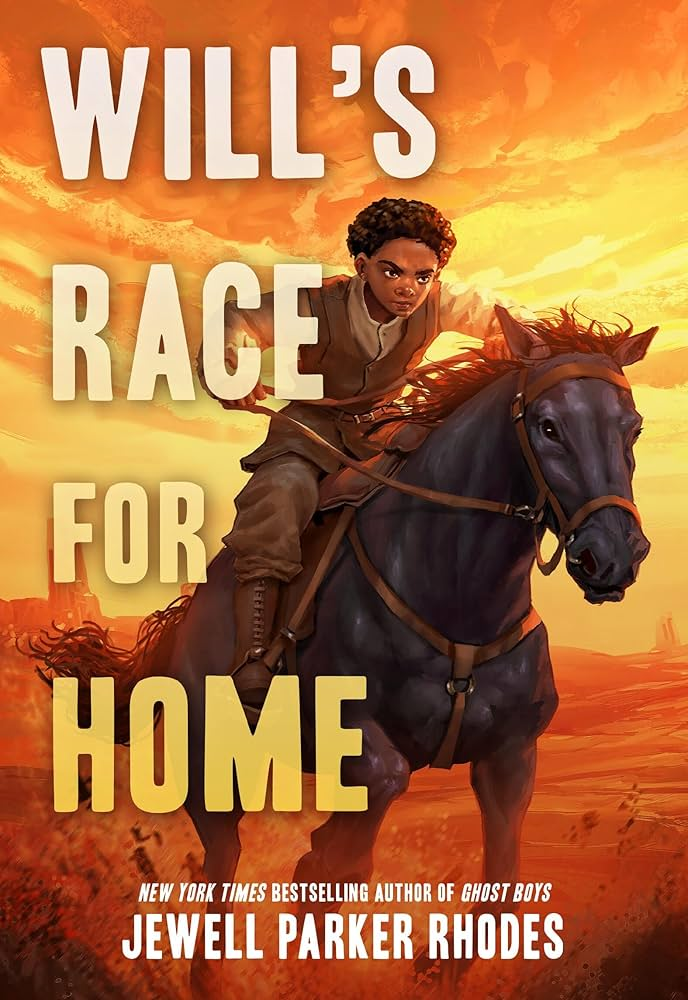
Will’s Race for Home by Jewell Parker Rhodes (Little, Brown Books for Young Readers, 208 pages, grades 4-7). Will and his father leave sharecropping in Texas for a dangerous and adventurous journey to try to get a farm for their family in Oklahoma during the 1889 Land Rush.

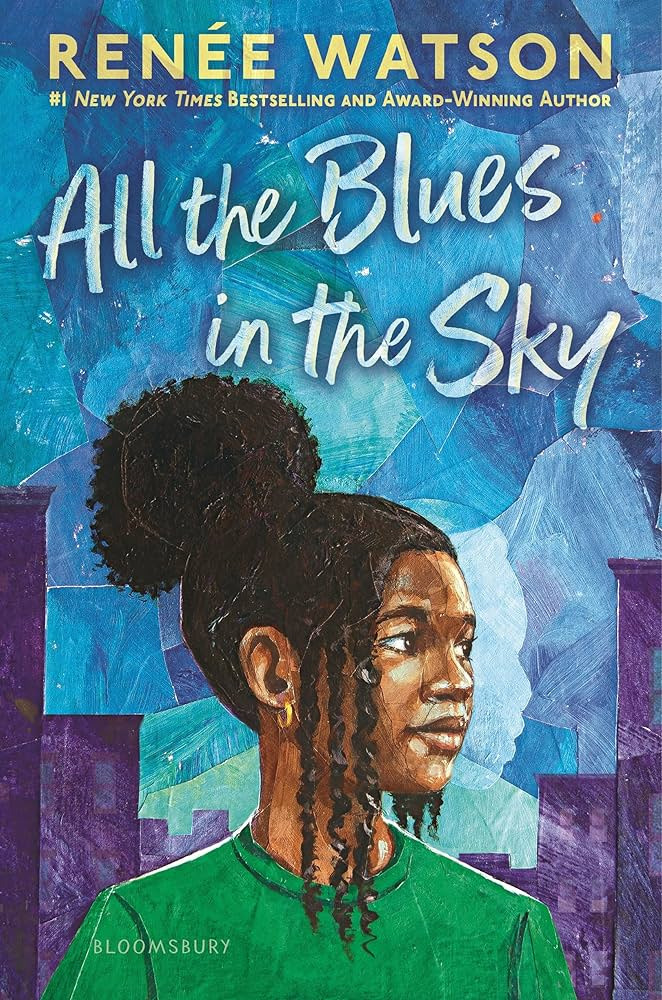
All the Blues in the Sky by Renée Watson (Bloomsbury Children’s Books, 208 pages, grades 5-8). Sage processes the grief of losing her best friend in a hit-and-run accident on her birthday to slowly moving toward new friendships and a romance in another novel in verse.

Five favorite Caldecott contenders

As usual, I will be posting my end-of-the-year favorites lists between Christmas and New Year’s!

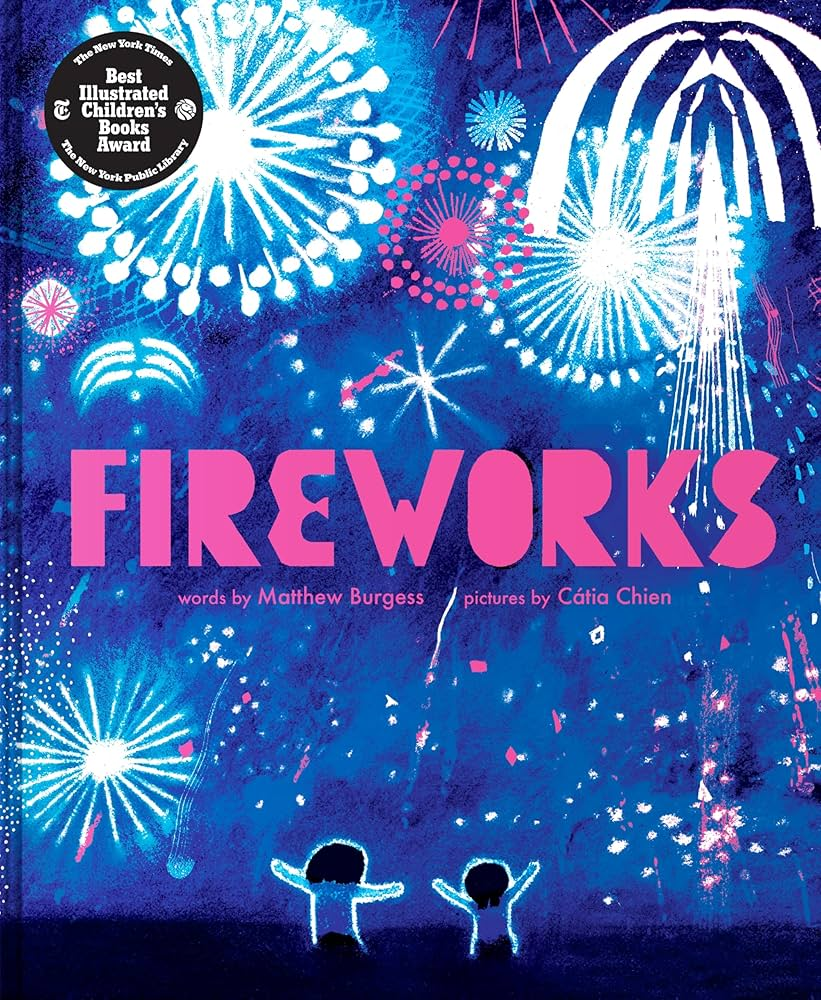
Fireworks by Matthew Burgess, illustrated by Cátia Chien (Clarion Books, 44 pages, ages 4-8). The text of this story engages all the senses in describing a summer day, and the explosion of fireworks at the end–including a foldout page with the grand finale–is truly spectacular.

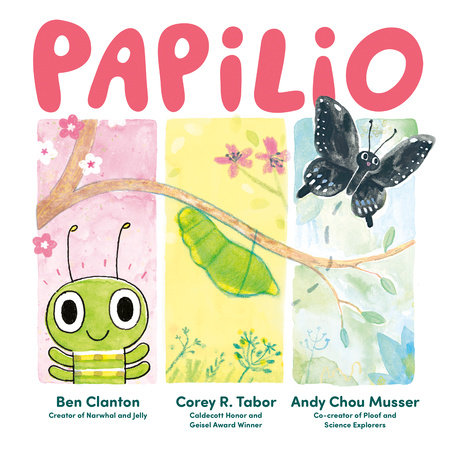
Papilio by Ben Clanton, Corey R. Tabor, and Andy Chou Musser (Viking Books for Young Readers, 48 pages, ages 3-7). I read this book to many groups of kids last spring, and it never got old: a classic tale of butterfly metamorphosis told in three chapters, each distinctively illustrated by a different artist, yet all seamlessly tied together.

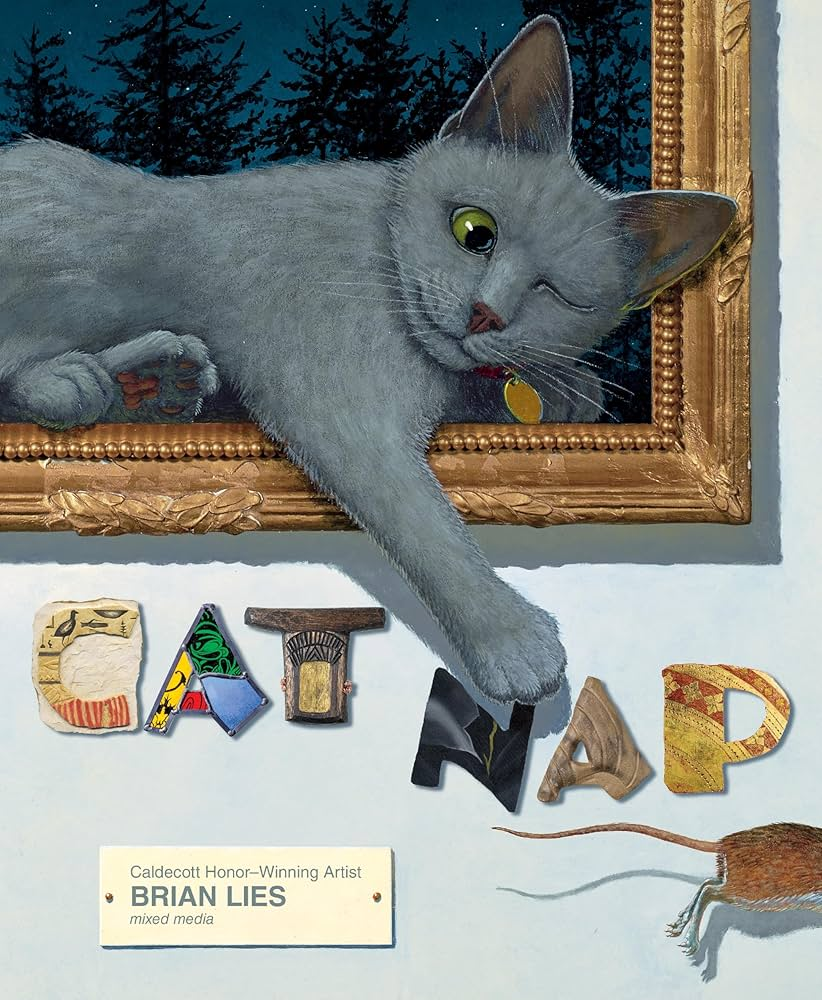
Cat Nap by Brian Lies (Greenwillow Books, 48 pages, ages 4-8). This is an amazing book to me, with Brian Lies’ stunning reproductions of a wide range of artworks, complete with the main character cat inserted into each one. I particularly appreciated his artist’s note at the end which celebrates the joy of creating with your own hands, something we all could use a reminder about in this age of AI.

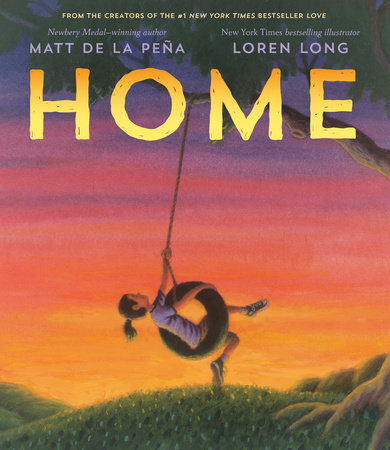
Home by Matt de la Peña, illustrated by Loren Long (G. P. Putnam’s Sons Books for Young Readers, 48 pages, ages 4+). The meditations on home in this book can be read on many different levels by all ages of readers. I’d love to see Loren Long finally get some Caldecott recognition, especially after last year’s The Yellow Bus was passed by.

Don’t Trust Fish by Neil Sharpson, illustrated by Dan Santat (Dial Books, 40 pages, ages 4-8). Try to figure out who the narrator of this book is as he explains the different types of animals with a big detour to disparage all sorts of fish. Personally this was not a favorite–although I’ll always route for Dan Santat–but the kids I read it to loved it, and it would make a good springboard to discussing bias in the media.

Introducing my new blog: for those who enjoy history, travel, and children’s books

One of the unexpected side effects of reading so many children’s books over the last decade is that I’ve learned a lot more about many aspects of U.S. history that I was never taught about in school. I’ve posted from time to time about some of my travels exploring places around the country where I’ve explored some of that history.

I’ve decided to give those posts a blog of their own, which I started working on over the summer. I’m calling it The Resistance Files, because after the 2024 election, I became extra interested in how people in the past resisted injustice.

Resistance can take many forms, whether it’s protesting in the streets outside of the Stonewall Inn in 1969; striking against unfair labor practices in New England’s Blackstone River Valley, the birthplace of the American Industrial Revolution; creating art that lifts up Black people during the Harlem Renaissance; or commemorating peacemakers instead of celebrating war.

Since much of my interest in this history has been inspired by books for children and young adults, I’ll be including book lists with all my posts. It’s my hope that families will be inspired to read and explore some of these places themselves. The Resistance Files is still definitely a work in process, so please feel free to give me feedback, either in the comments or emailing me at jkdawson115@gmail.com.

Dogs and a cat

If We Were Dogs by Sophie Blackall (Little, Brown Books for Young Readers, 40 pages, ages 4-8). At the end of a birthday party, two kids make plans from underneath a table. The more outgoing one decides they’ll be dogs, and a series of imaginative escapades follows, with the bigger dog taking the lead. Whether it’s doing tricks, digging holes, or racing to the dog park, the bigger dog is completely happy, while the little one looks a bit less certain. Finally, the little dog speaks up: “Being a dog is YOUR idea! Sometimes I HAVE IDEAS TOO!” If readers have been paying close attention, they won’t be surprised by what that idea is, and the two animals play happily together in the final pages.

In this follow up to If I Was a Horse, Sophie Blackall celebrates the power of imaginary play and the importance of speaking up to make your own ideas heard. It’s not much of a story, but the illustrations are adorable, and the message for younger siblings or quieter friends is a valuable one.

Cat Nap by Brian Lies (Greenwillow Books, 48 pages, ages 4-8). When a cat’s nap is disturbed by a mouse, he follows it through a poster advertising an exhibit of Egyptian antiquities at the Metropolitan Museum of Art. When he leaps through the poster, he’s in the panel from an ancient Egyptian tomb. The mouse leads him from one work of art to the next, including portraits, statues, and an illuminated manuscript. The lure of dinnertime leads him back where he started, and the Egyptians open a door that takes him back home, where he enjoys some food in a dish decorated with hieroglyphics. Includes an author’s note about the joys of creating art, with ten photos showing his process in making this book; also the artworks referenced in the book, with thumbnail descriptions of each.

Put this at the top of your list of Caldecott contenders. Each illustration is a marvel, based on a real work of art, and is made even more so by reading Brian Lies’ description of his painstaking recreations of each one. I loved how he celebrates making art with your own hands, as opposed to digitally or with artificial intelligence.

Five favorite graphic novels

Wildfire by Breena Bard

Published by Little, Brown Ink

A nuanced and timely story about a family’s losses during a wildfire and the emotions that go with that experience, as well as feelings of powerlessness in the face of climate change.

Slime Shop created by Karina Garcia with text by Kevin Panetta, illustrated by Niki Smith

Published by Versify

I didn’t expect to get so emotionally invested in a bunch of slime characters in this cute and charming graphic novel.

Mexikid: A Graphic Memoir by Pedro Martin

Published by Dial Books

This 1970’s road trip memoir strikes the perfect balance between funny and poignant, featuring a memorable immigrant family with ties to both Mexico and the United States. I’d love to see this win some awards next month.

Parachute Kids by Betty C. Tang

Published by Graphix

Betty Tang drew on her own experiences and those of other immigrant families to create this rich and engaging story about three siblings trying to make it in the United States while their parents stay in Taiwan to financially support them.

Hoops by Matt Tavares

Published by Candlewick

Based on a true story about one of the first girls’ high school basketball teams, this graphic novel is fun and fast-paced, showing the uphill battle female athletes faced in the early days of Title IX.