Updated book lists

I’ve just completed updates for several of my book lists, including some that may be useful for going back to school:

Back to School

Grief and Loss

Hispanic Heritage

Indigenous Americans

Kindness and Community

People with Physical Disabilities

Persistence and Grit

Pride: Books Featuring LGBTQ+ Characters

I didn’t have new books to add to these lists, but just a reminder of some others that might be useful for the fall:

Fall

Labor Day

September 11

Thanksgiving (focusing on food, family, and gratitude, rather than the traditional Thanksgiving story)

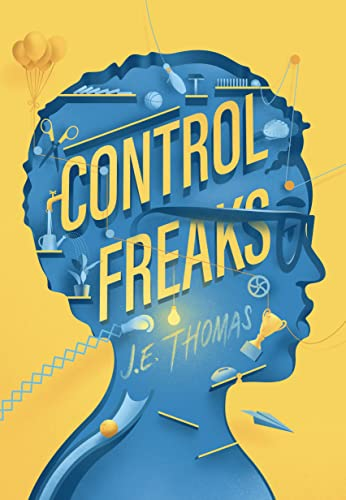
Control Freaks by J. E. Thomas

Published by Levine Querido

Summary:  Frederick Douglass “Doug” Zezzmer is a 12-year-old genius inventor who goes to a middle school for gifted kids in Denver.  When the principal, Dr. Yee, announces a team STEAM competition, most of the kids are less than thrilled.  Doug is determined to win so he can show his dad (who’s just moved back after being absent for most of Doug’s life) that inventing, not sports, is his thing.  His best friend Huey, who suffers from stage fright, proves to be a liability in creating a five-person team, and they end up with a bunch of misfits.  As the competition goes on, though, the group goes from five quirky kids who don’t relate to each other to being a team who supports and cheers for each other.  The final results prove that winning doesn’t always mean finishing first and help Doug to stand up to his dad and show him who he really is.  320 pages; grades 4-7.

Pros:  The humor, middle school setting, and chapters told in different characters’ points of view reminded me of Gordon Korman’s books and should make this book an easy sell to upper elementary and middle school readers.

Cons:  I didn’t entirely understand why the title of this book is Control Freaks.

Mine! by Candace Fleming, illustrated by Eric Rohmann

Published by Anne Schwartz Books

Summary:  A red apple hangs from a tree, ready to drop to the ground.  One by one, animals plan to grab that apple when it falls, each one imagining how delicious it will be, shown with a cartoon bubble and the word “MINE!”  Finally, the wind blows the apple from the tree, and Mouse, Hare, Fox, Deer, and Bear all pounce, resulting in a free-for-all that pushes the apple away.  It lands at the feet of Possum, who eyes it curiously: “Mine?”  A worm pops out, and the two say in unison, “Ours!”  40 pages; ages 3-6.

Pros:  With illustrations reminiscent of Eric Rohmann’s Caldecott book My Friend Rabbit, this story uses catchy rhymes and adorable (if greedy) animals to impart a fun lesson about sharing.

Cons:  Generally, apple trees produce more than one apple at a time, so it seemed like the animals could have just chilled and waited for more apples to fall.

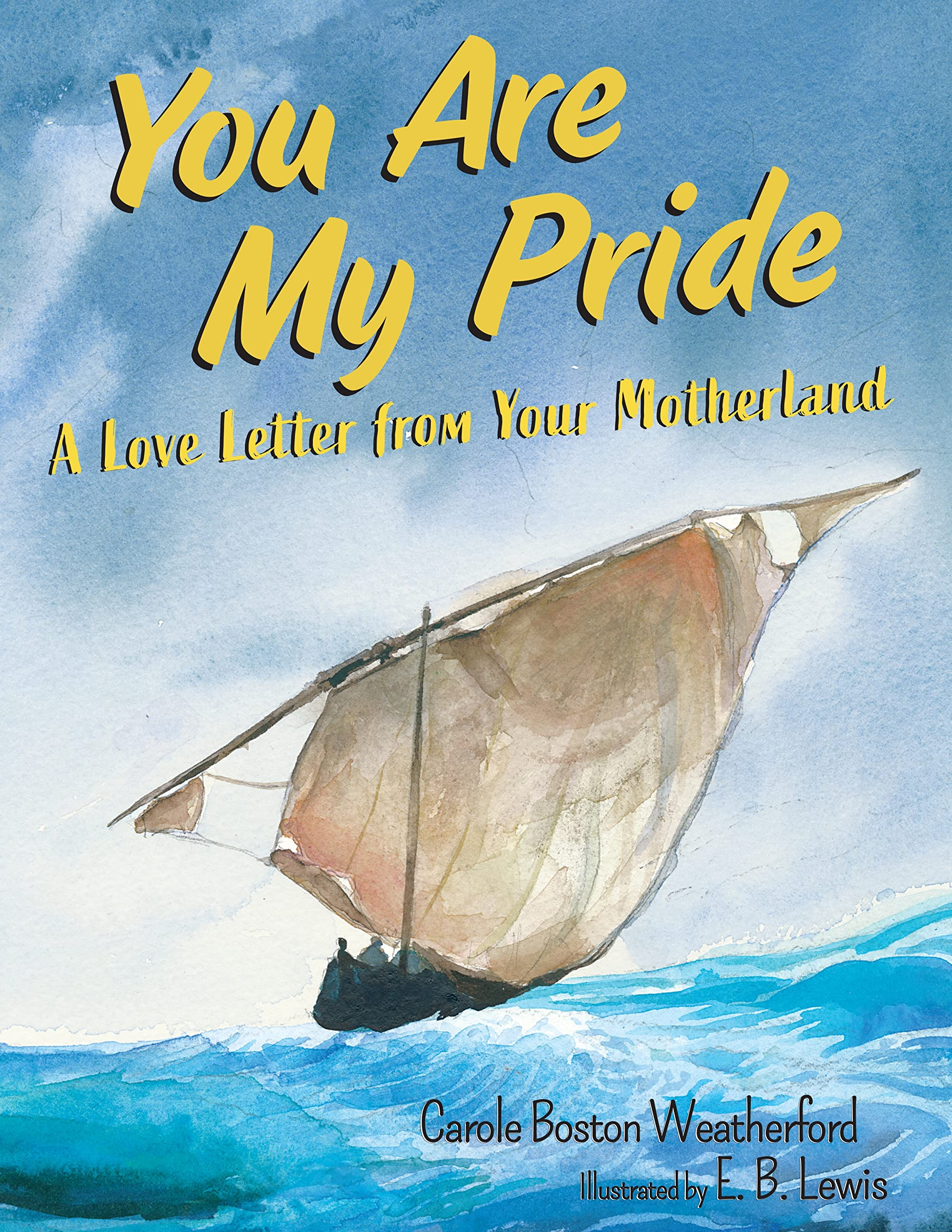
You Are My Pride: A Love Letter from Your Motherland by Carole Boston Weatherford, illustrated by E. B. Lewis

Published by Astra Young Readers

Summary:  “I am the mother of all humanity.  I have a long history and a longer memory,” begins this poem that is addressed to humans from the continent of Africa.  The narrator traces time from the first cells that evolved into the first humans.  “Child, you are mine as much as Mount Kilimanjaro, as much as the Serengiti and the Sahara, as much as the baobab and the bush.”  And although those children are her treasure, she sends them around the globe to let their gifts shine.  Includes additional information about human evolution, specifically in Africa, and a timeline of key species and developments in early human evolution.  40 pages; grades K-5.

Pros:  This loving poem with beautiful illustrations celebrates all of humanity, but especially those with roots in Africa.  The additional information makes it a resource that older kids will find useful as well.

Cons:  No additional resources.

The Umbrella by Beth Ferry, illustrated by Tom Lichtenheld

Published by Clarion Books

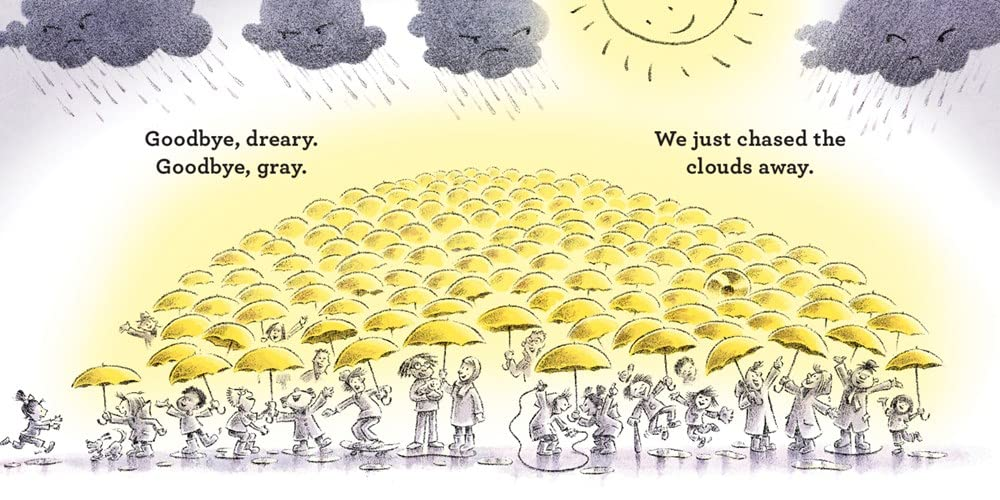
Summary:  “Dreary. Weary. Dim. Grim. Drip. Drop. Nonstop.”  From the looks of things on the first pages, the rainy weather has been around for way too long.  But rain or shine, dogs gotta go, and so a girl takes her pup out for a walk in the rain.  When thunder booms, a curio shop provides them with some shelter, and they find a free, albeit tattered, yellow umbrella there.  On the walk home, though, the umbrella disintegrates with a crumble and a tumble, strewing yellow pieces in the grass along the sidewalk.  The rain continues through the night, and when the girl and dog go for another walk, they make a surprising discovery–new yellow umbrellas have sprouted wherever the pieces of the old one fell!  Before long, the whole town is outside celebrating with their sunny new umbrellas despite the rain.  48 pages; ages 4-8.

Pros:  I will definitely be reading this book to some of my preschool and kindergarten classes, maybe pairing it with Stick and Stone by the same author and illustrator.  The umbrella garden was such a fun surprise, complemented by the gray illustrations with their bright spots of yellow.

Cons:  There have been a few weeks this summer that felt like the first few pages of this book.

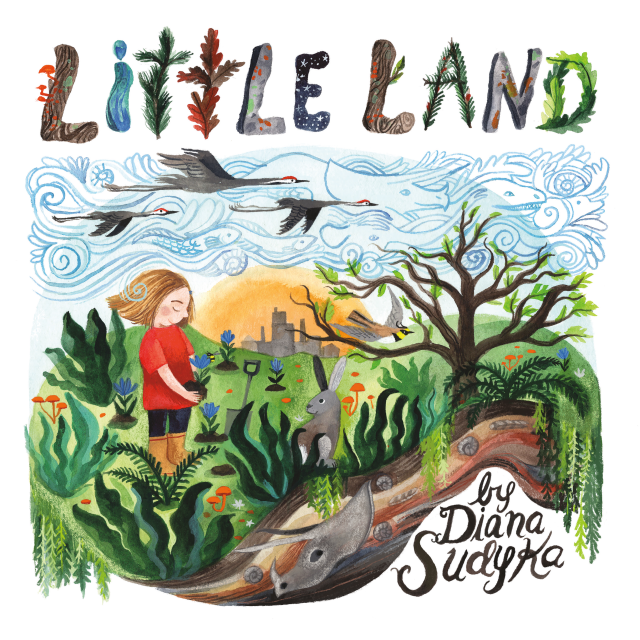
Little Land by Diana Sudyka

Published by Little, Brown Books for Young Readers

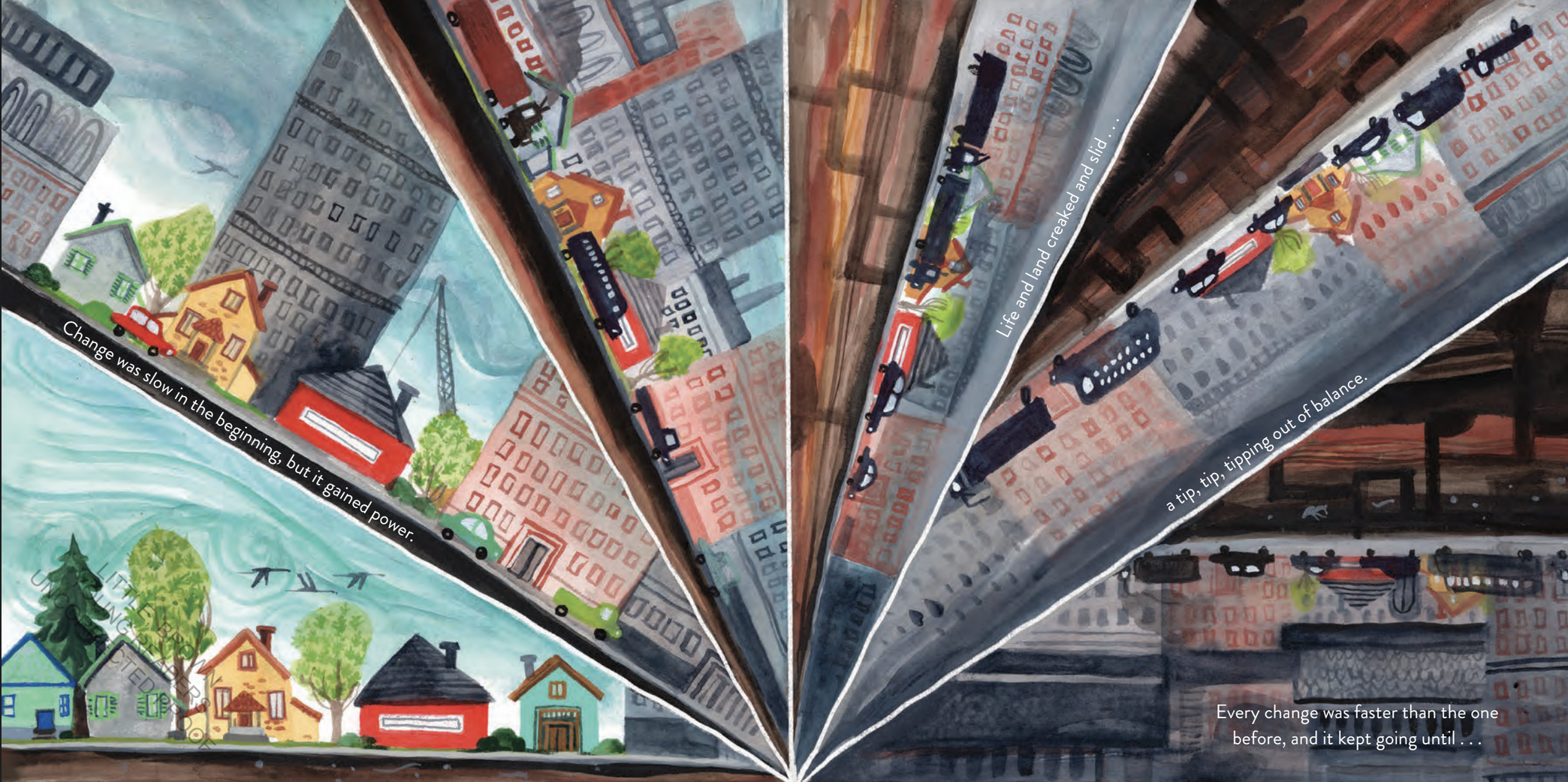
Summary:  The story of a small piece of land began five hundred million years ago, when it was part of the ocean.  Dinosaurs walked on it sixty-seven million years ago, and ice covered it one hundred thousand years ago.  There have been many, many changes, and different forms of life have come and gone.  But the land has always survived…until humans came along.  Starting with a single house, people gradually built more and more on the land, even digging into it to create structures to support them.  The impacts grew and grew until one day “…it seemed unstoppable,” shown with an upside down black and gray illustration.  Kids start to make changes, reclaiming the land with clean-up efforts, flowers, and trees.  Even a small gift to the Earth can reap big rewards.  Includes an author’s note, a list of words that inspired the book, animals and plants in the book, a list of epochs represented, and additional resources.  48 pages; grades K-3.

Pros:  A gorgeous introduction to environmental concerns, covering a surprising amount of information with deceptively simple text and illustrations that reminded me a little bit of Virginia Lee Burton (and should be considered for a Caldecott!).  The last few pages and back matter will empower kids to figure out what they can do to help the planet.

Cons:  My usual discouragement and angst when I read books about the environment.

Picture Day by Sarah Sax (Brinkley Yearbooks)

Published by Knopf Books for Young Readers

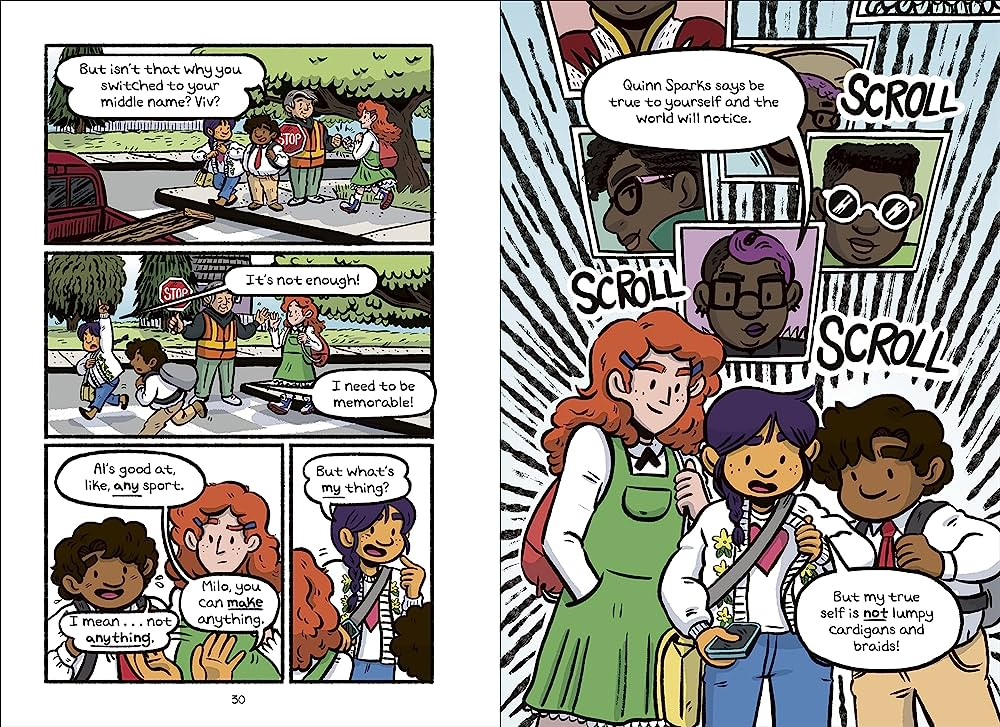
Summary:  Although her mom urges her to keep a low profile in middle school, Olivia wants to be seen.  Renaming herself Viv to differentiate herself from all the other Olivias, she takes to heart the words of a social media follower to be true to herself.  She chops off her hair right before school pictures are taken, causing a buzz around school.  Encouraged, Viv begins staging spectacles that get her noticed by the cool kids.  But her old friends Milo and Al feel left behind, and when Viv tries to include them in one of her spectacles, it’s a disaster.  Viv is forced to do some soul searching to decide where her loyalties lie, and ultimately she’s able to find a way to keep her old friends while being true to herself.  Includes an author’s note about an interesting way she generated story ideas that led to this graphic novel.  288 pages; grades 3-7.

Pros:  Another fun middle school graphic novel with a positive message about being yourself but not at the expense of others’ feelings and with some good observations about social media.  The author’s website says this book one of a planned series of four.

Cons:  Creating spectacles in middle school = extremely cringy.

Two books about Sister Rosetta Tharpe

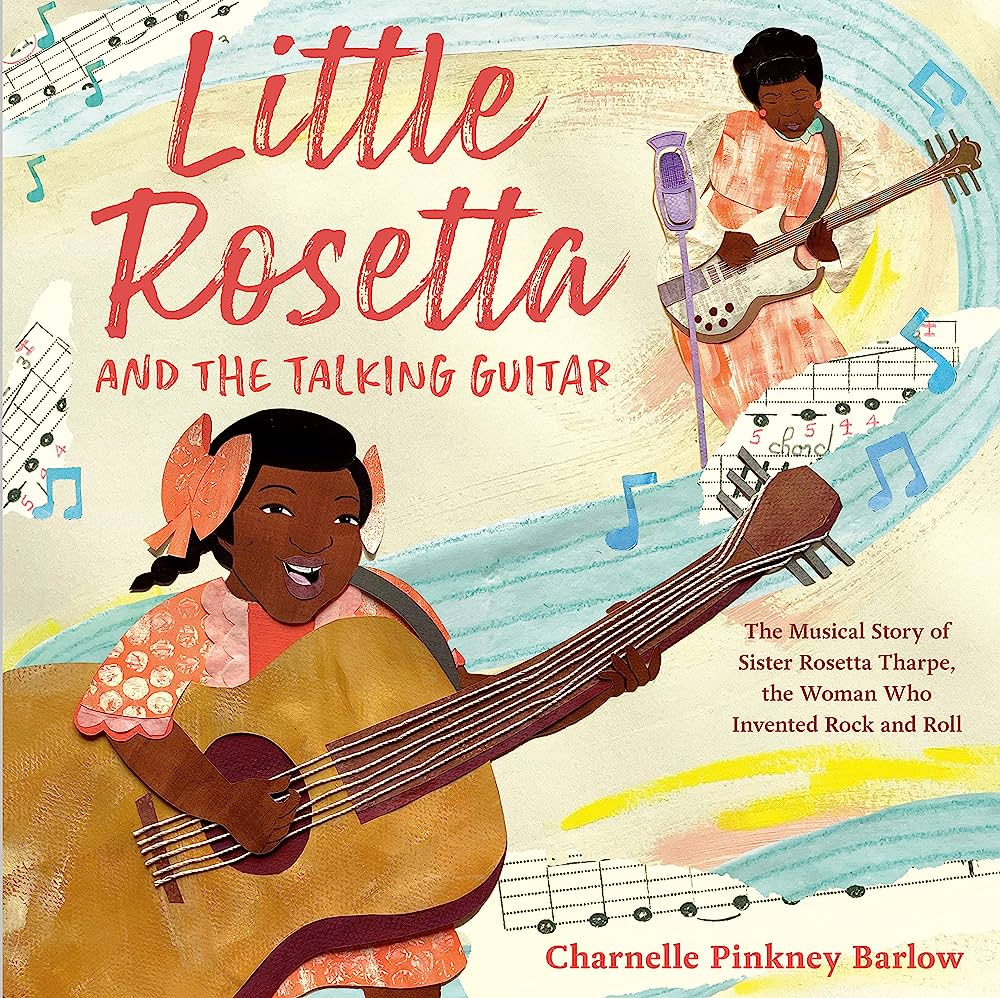
Little Rosetta and the Talking Guitar: The Musical Story of Sister Rosetta Tharpe, the Woman Who Invented Rock and Roll by Charnelle Pinkney Barlow

Published by Doubleday Books for Young Readers

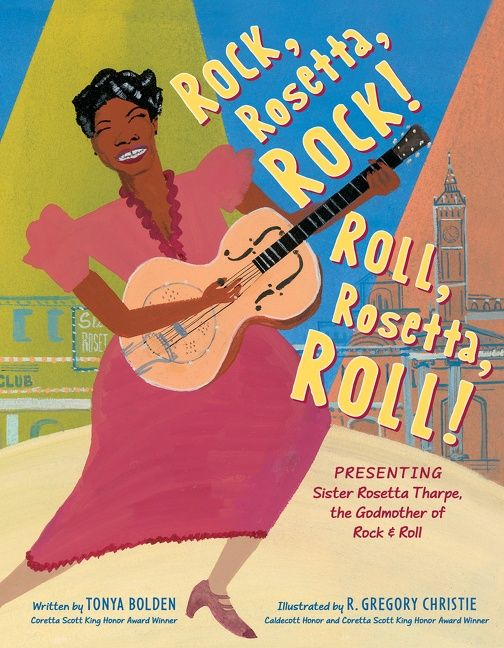
Rock, Rosetta, Rock! Roll, Rosetta, Roll! Presenting Sister Rosetta Tharpe, the Godmother of Rock and Roll by Tonya Bolden, illustrated by R. Gregory Christie

Published by HarperCollins

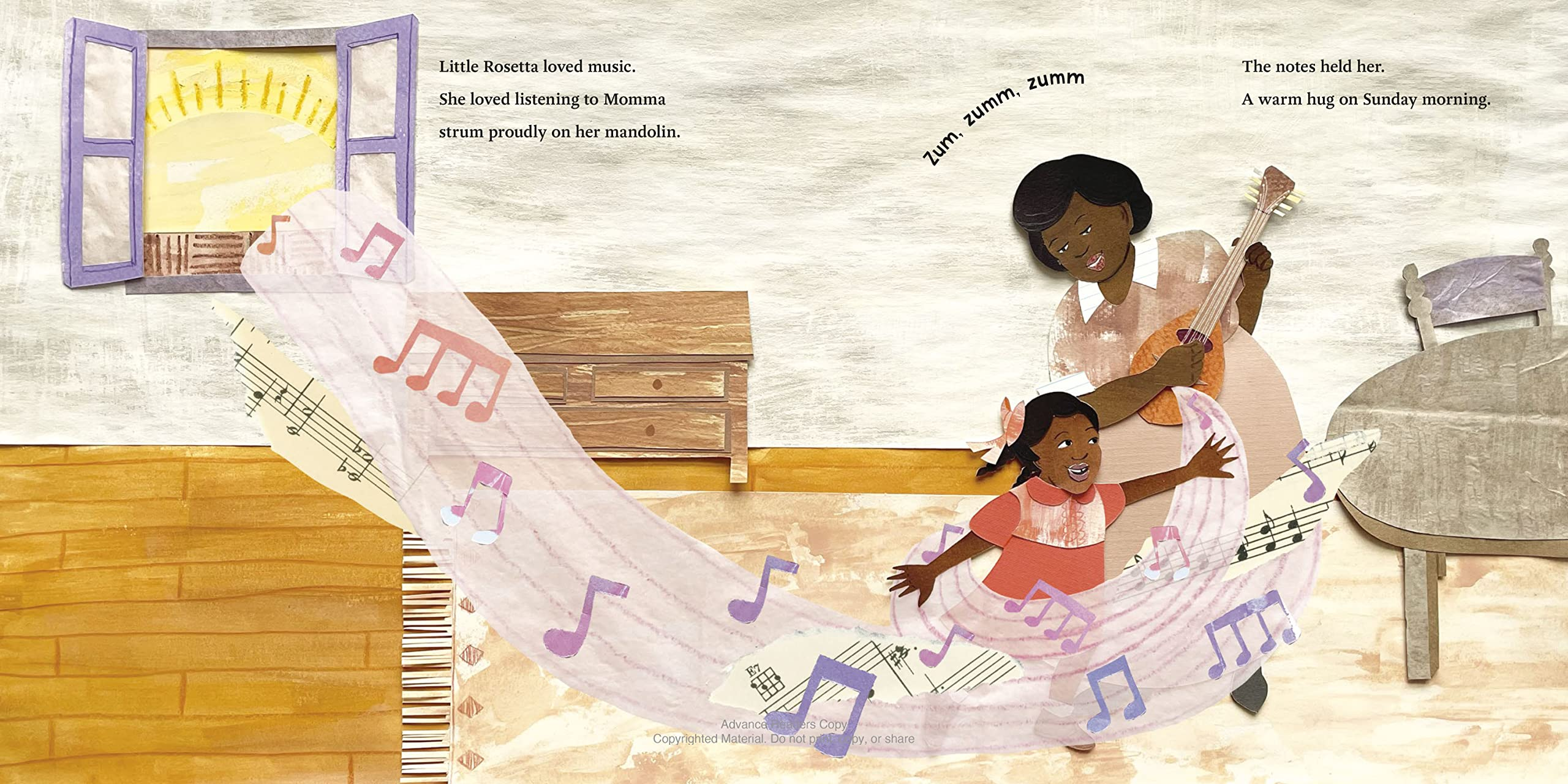
Summary: Two picture books celebrate the life of Sister Rosetta Tharpe, an early pioneer of the music that would become known as rock and roll. Little Rosetta and the Talking Guitar focuses on Rosetta’s childhood in Cotton Plant, Arkansas. When her musical mother gives her a guitar, Rosetta plays it night and day, incorporating the sounds she hears in her community to create a song that she performs at her church’s anniversary. The last few pages tell about Sister Rosetta’s career as an adult, and there’s an author’s note with a photo and additional information.

Rock, Rosetta, Rock! Roll, Rosetta, Roll! is a celebration of Sister Rosetta’s entire life, told in a rhythmic second-person narrative (“With music in your air, in your hair, in your bones, wiggling your toes–that travelin’ bag sure stayed packed.”). The celebration is all about her music, which was some of the earliest rock and roll. The book ends with a two-page timeline and an author’s note, citing her influence on such musicians as Elvis Presley, Chuck Berry, Little Richard, Johnny Cash, and Aretha Franklin. Both books are 40 pages; ages 4-8.

Pros: I knew nothing about Sister Rosetta Tharpe, so I very much enjoyed these high-energy celebrations of her life, each with their own distinctive illustrations. Take a look at this YouTube video to hear how ahead of its time her music was. These books will bring her some much-deserved recognition.

Cons: There’s not a lot of biographical information in the stories and no additional resources listed, although Rock, Rosetta, Rock! does have a list of sources.
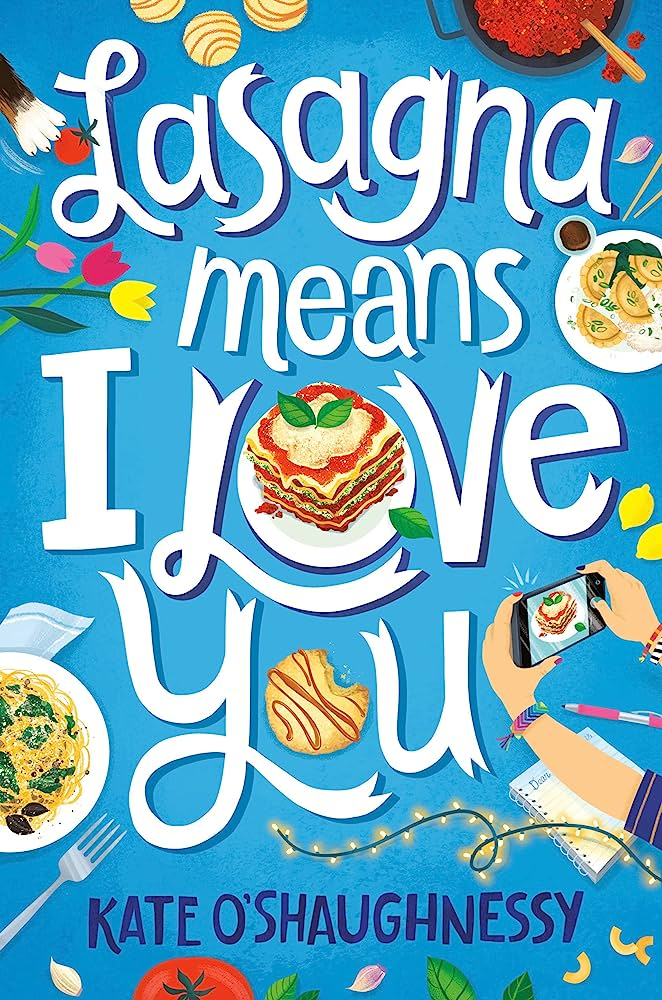
Lasagna Means I Love You by Kate O’Shaunghnessy

Published by Knopf Books for Young Readers

Summary:  Mo is reeling following the death of Nan, the grandmother who has raised her, and the refusal of her uncle to adopt her.  She’s placed in the foster care system, which she describes to Nan in a series of letters.  Several mishaps get her removed from her first placement, and she moves in with a wealthy couple who plan to adopt her.  Although the situation seems ideal in many ways, it gradually becomes evident that the couple isn’t ready for such a big move.  Mo feels rejected again and seeks solace with Joe, the doorman in her building that she’s befriended, and his wife.  Throughout the story, Mo learns to cook and, with her best friend, launches a website to collect family recipes with the hope of finding a recipe that will connect her with Nan.  The final resolution of Mo’s story doesn’t come as a particular surprise but is nonetheless extremely satisfying.  224 pages; grades 4-7.

Pros:  Kids in foster care don’t often appear in middle grade fiction, and Mo is a likable narrator whose story shows the heartache of trying to find a family.  The letter-writing format of the story gives it an immediacy and keeps the action moving along.

Cons:  Mo’s experience with the New York City foster care system seemed a lot rosier than I’m guessing most kids have, and there were only occasional mentions of the privilege of being a white girl offering hints of this.

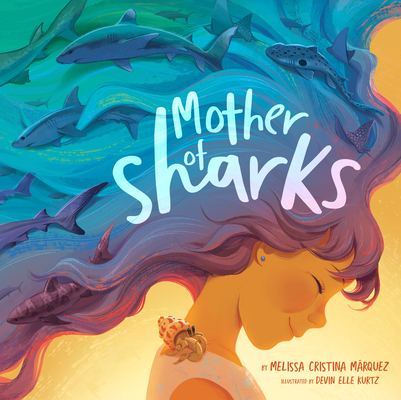
Mother of Sharks by Melissa Cristina Márquez, illustrated by Devin Elle Kurtz

Published by Penguin Workshop

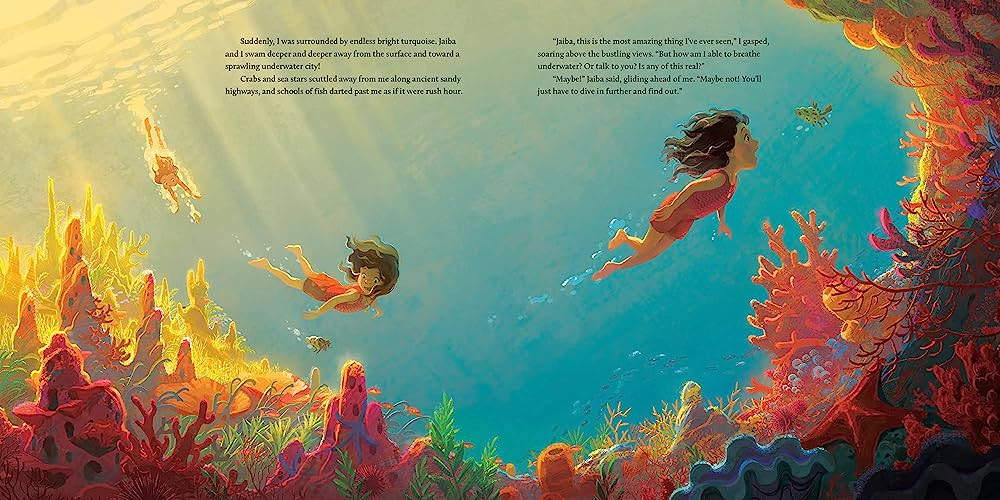
Summary:  Enjoying her last swim of the day at Puerto Rico’s Playita del Condado, Meli is amazed to find a talking hermit crab named Jaiba in one of the tidal pools.  Jaiba takes Meli on a magical journey underwater where she sees bleached coral and rescues a mako shark that’s tangled up in a plastic net. As Meli learns more from Jaiba about sharks and environmental damage that’s affecting them, she wonders if she can grow up to help them, since she’s never seen a scientist who looks like her.  Jaiba then takes her to meet one, a Hispanic woman known as the Mother of Sharks.  Inspired, Meli returns to the beach and her mom, excited to pursue her dreams.  Includes a letter from the author, a renowned marine biologist who grew up in Puerto Rico; a glossary; a list of resources; a translation of the Spanish words and phrases used in the story; and endpapers with about two dozen different types of sharks and their names. 48 pages; grades K-3.

Pros:  Gorgeous underwater illustrations (I love the cover!) depict a world that may inspire others to follow dreams of marine biology; the story offers positive affirmations that those dreams available to everyone.

Cons:  The font was small and hard to read in some of the darker-hued illustrations.