Life lessons from animal friends

Axolotl and Axolittle by Jess Hitchman, illustrated by Sarah Rebar (Sourcebooks Jabberwocky, 40 pages, ages 3-8). Siblings Axolotl and Axolittle are very different–big sis Axolotl lives life to the max while younger brother Axolittle is quieter and more studious–but they’re still the best of friends. When Axolotl’s boisterous play ends up destroying Axolittle’s painting, though, an axo-squabble ensues. Finally, Axo-dad-l comes in to calm things down, and after a bit of a break, family harmony is restored.

Axolotls seem to be having a moment, due to Minecraft, I guess? Whatever the reason, this book will definitely catch the eye of many a young reader, and they won’t be disappointed by the lively rhymes, clever axolotl (and axolittle) plays on words, and relatable family situations. This would make a great sibling gift for the older child in a family with a new baby.

Don’t Trust Fish by Neil Sharpson, illustrated by Dan Santat (Dial Books, 40 pages, ages 4-8). After an introduction to mammals, reptiles, and birds, the narrator gets to fish: DON”T TRUST FISH! There are so many reasons, and those reasons grow more preposterous as the book goes on. Some have gills and some have lungs. Some live in salt water, some in fresh water. Very shifty. They live underwater where you can’t see them. They may be in your home, spying from that aquarium, and reporting back to the king fish! And they like to eat poor, innocent, kind crabs…which readers will learn on the last page is the animal responsible for all the information in this book.

I’ll admit I didn’t love this book the first time I tried reading it, and I only looked at the first few pages. But the four starred reviews and inclusion on possible Caldecott lists led me to take another look, and I’m happy to say that now I get it! It would be a fun story to read aloud and have kids try to guess who the narrator is. Dan Santat’s illustrations, of course, add immeasurably to the fun. It could also be a great introduction to a discussion with older kids about considering sources of information in the news and on social media.

You and Me, Anemone by Rachel Vail, illustrated by Chris Raschka (Greenwillow Books, 32 pages, ages 4-8). Using clever rhyming text, an anemone makes a plea to readers not to BOOP it, then goes on to encourage kids who prefer not to be booped to assertively make their wishes known. The anemone explains that it likes living harmoniously in community with other anemones, and that not being touched doesn’t mean that it doesn’t enjoy the company of others, “to live side by side in our own kind of unity! Resplendent, independently, extending as far as eye can see.” Includes an author’s note about how she learned recently not to touch anemones and giving kids tips for communicating their own preferences as well as noticing those of others.

This is an ingenious book, combining interesting information about anemones with ideas for kids on how to notice what they may or may not want and expressing that. The illustrations are made to look like applique on burlap, with lots of textures and colors.

Which witch?

This Year, a Witch! by Zoey Abbott (Atheneum/Caitlyn Dlouhy Books, 40 pages, ages 4-8). The narrator has had enough of her cute costumes of years past. No more bunny or mouse…this year, she is going to be a witch! She’s been planning this for quite a while, growing her hair, practicing spells, and enlisting her dad to make her a witch costume. On Halloween night, she dresses up, only to scare herself when she looks in the mirror. Dad helps her to take a break, and before long they’re out trick-or-treating, the girl in her witch costume, and her dad dressed up like a cat.

Jazzy the Witch in Broom Doom by Jessixa Bagley (Simon and Schuster Books for Young Readers, 232 pages, grades 3-7). Although Jazzy’s moms and grandmother run a successful broom business, Jazzy’s never had any interest in flying. She’s not too surprised when she’s the only kid at school not to get off the ground during her first flying lessons, trying not to feel jealous when her best friend Aggie is a soaring success. When Jazzy sees a cycling race on TV, she’s sure that she’s found her passion, and using parts from the junkyard and a little magic, she and Aggie create a bike for her. Jazzy discovers she loves biking, but she’s afraid to tell her family. With a supermoon in the forecast, the witches all get ready for a flying parade, and Jazzy is finally forced to confess her shortcomings. She learns that her moms both had their share of youthful struggles, and that everyone is proud of her just the way she is, leading her to come up with an innovative broom design with a comfortable bike saddle that not only allows her to finally learn to fly, but helps other witches as well. Includes an author’s note and a preview of Jazzy’s next adventure.

Evelyn Witch Gets a Pet by Beth Ferry, illustrated by Charles Santoso (Roaring Brook Press, 32 pages, ages 4-8). When Evelyn Witch wakes up with a feeling that something is missing from her life, she can’t quite put her finger on it until she spies the pet shop. Bats, rats, and cats are all beyond her budget, and the only thing she can afford is a box marked “Mystery Pet.” Inside is an egg, which Evelyn is most impatient to have hatch. After a series of outlandish plans to make this happen, she finally realizes that all she can do is be patient, take good care of the egg, and focus on other areas of her life. Her patience is finally rewarded with an appropriate pet for a witch.

Kids will love these three witchy heroines who learn lessons in courage, patience, and being true to themselves in two picture books and a graphic novel. Each one has distinctive artwork that creates a magical world of witches and other fantastic creatures. Halloween may still be three months away, but there’s no reason to wait to read and share these magical books.

We can never have too many middle school graphic novels

Reel Life by Kane Lynch (Graphix, 240 pages, grades 4-7). Galen’s upset when his friend Kyle pulls away from him, but their mutual friend Luna explains that Kyle’s going through a tough divorce and a custody battle with his parents. Galen doesn’t really get it until his own dad announces that he’s leaving Galen’s mom and has a new girlfriend, Jasmine. Galen and Luna use their movie making skills to try to understand not only what’s going on with Galen’s family, but also Luna’s constantly bickering parents. As the kids navigate these difficult relationships, they learn the importance of love, support, and communication. As they wrap up their movie, Galen declares, “It’s OUR story. We get to choose how it ends.”

There’s a lot to love about this graphic novel, including the artwork that resembles an animated film, but especially the underlying upbeat tone that shows kids’ resilience in the face of changing families and friendships. Galen is a kind kid who doesn’t shy away from difficult emotions, is willing to give the new people in his life a chance, but is still–for the most part–able to figure out how to take care of himself.

On Guard!: a Marshall Middle School graphic novel by Cassidy Wasserman (Random House Graphic, 256 pages, grades 4-7). Grace isn’t excited about starting seventh grade after her best friend Ava dumped her at the end of sixth grade and her parents got divorced over the summer. Due to a custody agreement, she’s forced to spend every other week with her self-absorbed mother who makes no effort to understand her daughter. When Grace sneaks into the gym at lunchtime to avoid the cafeteria, she discovers the fencing team practicing there. Although she’s fascinated, she’s sure she’s too much of a klutz to try it. After trying and failing at several other clubs, she finally reluctantly signs up for fencing. To her surprise, she finds out that she has a talent for it and that the team is a surprisingly good source of friendship and support. Using the lessons she learns through fencing, Grace slowly begins to learn how to stand up to her mother and advocate for herself with both of her parents.

I’m hoping the subtitle of this book indicates that there will be other Marshall Middle School graphic novels, as this is sure to be popular with fans of authors like Raina Telgemeier, Kayla Miller, and Maria Scrivan, as well as a good choice for those who enjoyed another fencing graphic novel, Duel. Grace’s struggles with her mother are heartbreaking but ring true, and I like how fencing subtly teachers her skills that she can use in her real life.

Christmas (and Halloween) in July

Scary Shark: A Jaw-Some Halloween by Mike Lowery (Orchard Books, 32 pages, ages 4-8). Edgar the shark is too scared of everything having to do with Halloween to want to go trick-or-treating, so his friend Lotta the crab eases him into it. They start by carving pumpkins (Lotta uses claws, Edgar uses teeth), then move on to decorating, and finally costumes. After deciding to be Count Sharkula, Edgar freaks out a little when he sees monsters outside his window, but Lotta shows him they’re just friends in costumes. Finally, Edgar’s ready to join the fun, and the two swim out the door and into a spooky underwater town just right for trick-or-treating.

I’m familiar with Mike Lowery’s Gingerbread Man books, but I didn’t know about his shark series, which includes Pizza Shark and Santa Shark. They’re sure to be popular with their comic-style artwork, lots of cartoon bubbles, and puns galore. One can never have too many Halloween books, and this one will be a big hit.

The Gift of Words by Peter H. Reynolds (Orchard Books, available October 7, 40 pages, ages 4-8). In this follow-up to Reynolds’s The Word Collector, Jerome is looking for some good holiday words to add to his collection and to give as gifts to his family and friends. In town, he sees words like, “Sale!”, “Cheap stuff!”, and “Violators will be towed”, none of which seem right for the holidays. The newsstand is even worse, with its headlines about war, poverty, and climate change. Jerome tries listening to the words around him, but they turn out to be complaints or angry commands (“Hurry up!”). He goes back home, where he pulls a selection of the right words from his collection, then heads to the park to decorate a tree. He invites others to add their own words, and before long, the tree is covered with words such as listen, hope, and epiphany, as well as phrases like peace on earth and savor each moment.

Like many Peter H. Reynolds books, the message isn’t exactly subtle (in case you missed it, the last page says “‘Share your positive words. May they inspire peace on Earth.’ – Peter H. Reynolds”), but this is a lovely book for the winter season that spreads a positive message without specifying a particular holiday. The ending practically begs for a bulletin board featuring a tree that kids can decorate with their own words.

Thanks to Scholastic for providing me with review copies of both of these books!

Two brave girls

The Freedom Seeker by Ruchira Gupta (Scholastic Press, released August 5, 320 pages, grades 4-8). Simi has a happy life in Northern India, where she’s surrounded by friends and family who celebrate her accomplishments at school and on the hockey field. But when a right-wing group comes to power, her Sikh father and Muslim mother become targets. After her father is badly beaten, he’s able to illegally immigrate to the United States, where he’s granted asylum and starts working as a taxi driver in New York. By the time he’s saved enough to send for Simi and her mother, though, immigration policies have changed in the US. The two of them have to make a dangerous desert crossing in Mexico, and they wind up getting separated. Simi makes it to a detention center but has to endure weeks of crowded, prison-like conditions and the agony of not knowing what has happened to her mother. Drawing on her experience as a leader in school and in sports, Simi finds ways to help herself. She’s eventually able to connect with her father, and the two of them work together to find her mom. Simi’s courage and kindness to others helps her to survive and finally bring her family together again.

This book puts a face on the phrase “illegal immigrant,” showing how families must make the difficult decision to leave their homelands, friends, and extended families to escape violence, and the incredibly harsh conditions that they endure in their quest to find a place where they can live in safety. Simi’s voice is compelling, as are the stories of others she meets on the journey, and once I got to about page 100, I had to keep going until I knew she and her family were going to make it. While advanced fourth and fifth grade readers would enjoy this, I think middle school kids would perhaps get more from the story. Thanks to Scholastic for providing me with an advance copy.

The Burning Season by Caroline Starr Rose (Nancy Paulsen Books, 256 pages, grades 4-7). On Opal’s twelfth birthday, she starts her training with Gran, continuing the tradition of women in her family who have served as fire lookouts deep in New Mexico’s Gila National Forest. Although Opal loves her life with Gran and Mom and their small home in a lookout tower, she yearns to move to town and go to middle school like other kids. She also guards a deep secret–she’s afraid of fire, which killed her dad and almost took the rest of the family during a huge wildfire a few years back. When her mom gets stranded in town after a fierce storm and Gran gets injured in the woods, Opal comes face to face with a fire that threatens Gran and their home. Despite her own injuries, she must overcome her fears and fight the fire alone. Opal discovers that sometimes bravery means doing the very thing you’re afraid of and that protecting those you love can give you courage. Includes a seven-page author’s note with additional information about wildfires and the history of fire management.

This novel-in-verse kept me riveted from the first page with its unusual setting and strong characters living a happy if somewhat bare bones life in the middle of the wilderness. The action really picks up when Mom leaves for supplies and they don’t hear from her for several days, then continues when Opal accidentally breaks their only pair of binoculars and Gran gets hurt. Opal’s favorite books are Gary Paulsen’s Brian series, and this story is an homage to their combination of nail-biting survival story and wilderness setting.

Protest and Resistance

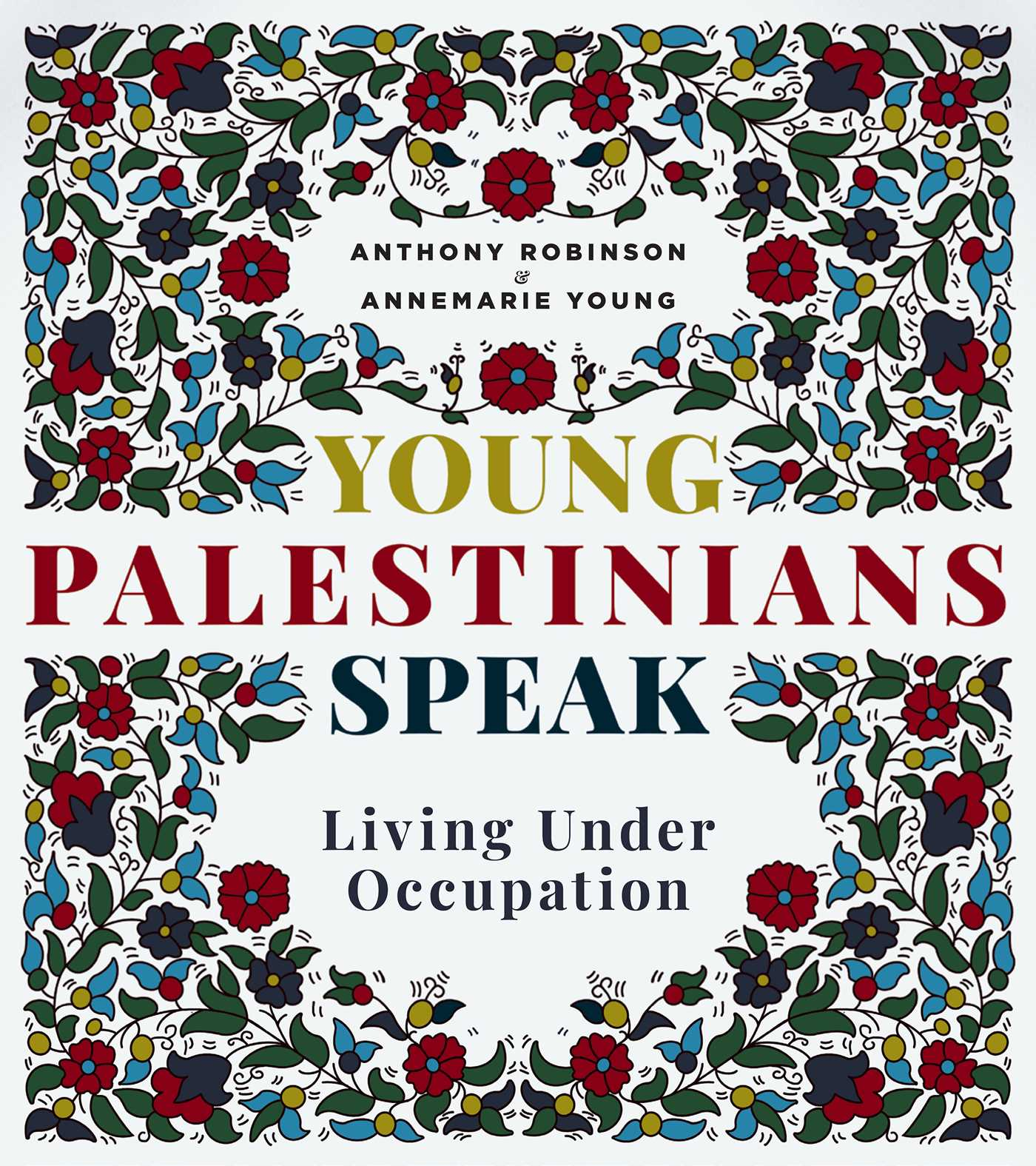
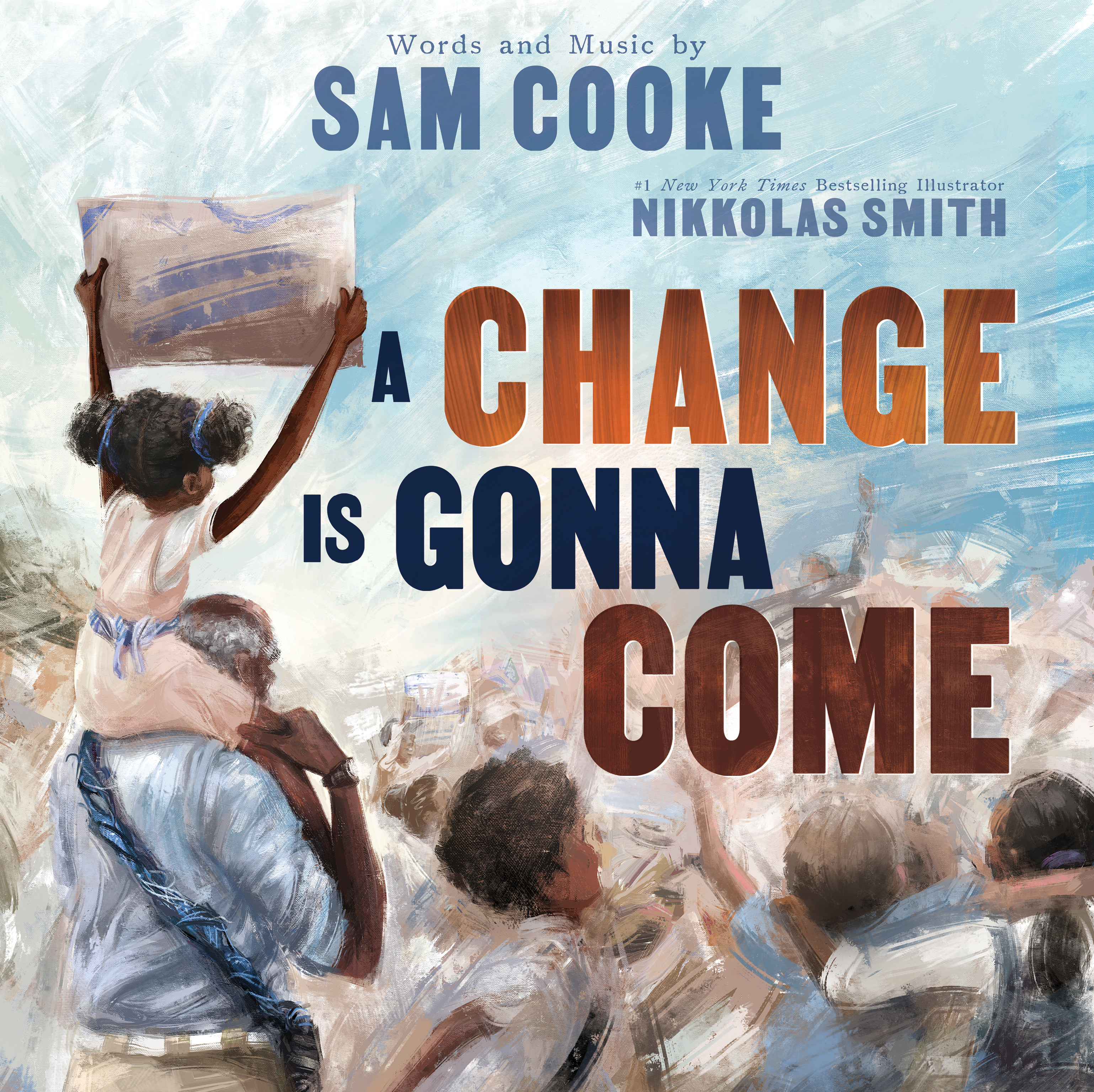
If you’re looking for a way through these difficult times, I’ve put together a book list of true stories about protests and resistance movements in the United States. Read them yourself for inspiration, or share them with your students to empower the next generation.

Picture books based on novels

The Wild Robot on the Island by Peter Brown (Little, Brown Books for Young Readers, 48 pages, grades K-3). “Everything was just right on the Island. And then a strange new creature appeared.” For those few remaining individuals who haven’t read one of The Wild Robot books or seen the award-winning film, the new creature is Roz, a robot who has washed up on the island following a shipwreck. This picture book captures the essence of the story, including Roz’s ability to program herself to move and speak like the other animals and her motherly relationship with Brightbill the gosling. As the seasons change, Brightbill grows up, and when fall comes, he migrates south with the flock of geese. Roz protects the other animals through a hard winter, all the while wondering about her son. When spring returns, so do the geese, and after a happy reunion, “Everything was just right on the Island.”

Odder: An Otter’s Story by Katherine Applegate, illustrated by Charles Santoso (Feiwel and Friends, 40 pages, grades K-3). Odder is a playful otter whose adventurous nature sometimes gets her into trouble. Based on the novel, which was inspired by two otters at the Monterey Bay Aquarium, this picture book tells the story of Odder’s two rescues by aquarium staff. The first time, she’s separated from her mother and gets washed up on the beach. After a period of rehabilitation, she’s released back into the wild, but her fearlessness results in a shark attack, landing her back at the aquarium for good. As a permanent resident, Odder helps young otters who have been rescued by serving as a mentor, teaching them how to play and hunt until they are ready to be released back into the wild. Includes a photo and additional information about the real otters at the Monterey Bay Aquarium.

My cynical side is always a bit suspicious of picture books based on novels: are publishers just trying to milk more profits from a successful middle grade book, or are they genuinely interested in sharing a good story with younger readers? Both of these efforts feel pretty genuine, but The Wild Robot is a more successful adaptation than Odder. It captures the essence of the story with just a sentence or two on each page but leaves the details to the longer book. The Odder retelling seems a little too ambitious, especially since there are two separate rescues, and the story feels too long and somewhat confusing. Both books have beautiful illustrations, and I especially enjoyed seeing Roz’s world portrayed in vivid color.

A pair of books for the first day of school

When You Go to Dragon School by Chelsea M. Campbell, illustrated by Charlene Chua (Feiwel and Friends, 32 pages, ages 3-8). When the local school is too full, a group of kids decide to go to dragon school instead. The narrator tells them what they’ll learn: breathing fire, sleeping on piles of gold, sharpening claws and polishing scales, and flying in formation. But wait a minute–kids can’t do those things! The narrator admits that the dragons might think the kids are too squishy and kind of weird for not being able to do breathe fire or fly. But, wait again–maybe the kids could teach the dragons how to make s’mores with their fire. Or make a pillow fort on that pile of gold. Or fly on their backs to help them with their synchronized flights. So don’t worry, the narrator concludes, everyone’s going to love you.

Striking just the right tone for first-time students, this book acknowledges anxieties while encouraging kids to use their own strengths to make friends and enjoy all aspects of school. The smiling dragons are cute and welcoming and not the least bit scary.

First Day Around the World by Ibi Zoboi, illustrated by Juanita Londoño (Versify, 48 pages, grades 1-4). Kids around the world recount the different parts of the first day of school. As the sun rises over eastern Africa, children wake up and greet each other in Swahili. Moving west, we see students in Mali and Senegal traveling to school on foot and by boat. As the day goes on, readers travel to the Middle East, Asia, Europe, and the rest of the world’s continents (even Antarctica!) as kids around the globe share the foods they eat, the history they learn, the languages they speak, and the customs they observe. As the sun sets in Alaska, a sleepy child gets tucked into bed, ready to rest and prepare for another day of learning. Includes an author’s note recounting her school days in Haiti and the United States.

I love the idea of this book, and the text and colorful illustrations introduce a wide range of places and schools. I wish there had been maps on each page to show the locations, with a world map at the end to put it all together. I also had high hopes for this being a good read-aloud at the beginning of school, but I think the length and introduction of so much new information could make it difficult to keep kids’ attention.

Productive poops and undersea whoops

Worm Makes a Sandwich by Brianne Farley (G. P. Putnam’s Sons, 32 pages, ages 4-8). When a worm offers to make the reader a sandwich, it acknowledges that it seems like an impossible task. But give Worm some garbage, and it will eat and poop, and so will some of its friends, like snails, slugs, beetles, and millipedes. All that poop makes for some rich compost, which can then be added to the garden soil. And the soil helps grow tomatoes, which–you guessed it–can be made into a delicious sandwich. Includes additional information on composting.

Worm is a good narrator to introduce composting and gardening to the youngest readers, and the illustrations do a great job of showing each step in the process. Worm’s claim on the cover that it will make a sandwich “all by myself!” may be a bit misleading, since many other insects as well as a human gardener are shown facilitating the process, but Worm definitely plays a vital role.

What Fish Are Saying: Strange Sounds in the Ocean by Kirsten Pendreigh, illustrated by Katie Melrose (Sourcebooks Explore, 40 pages, ages 4-8). As a child and adult paddle their kayak, enjoying some peace interspersed with a few quiet sounds, they wonder if there’s noise under the water. The answer is a rousing yes, as the rhyming text moves undersea where creatures grunt, groan, squeal, burp, and more. We find out how and why they make noise, and why sound works so well under the water. The repeating refrain “It’s noisy down below” concludes the book with a two-page spread showing all their animals and their sounds. Includes two pages of additional information about undersea noises.

Kids will love these catchy rhymes, fascinating facts, and gorgeous colored illustrations of the busy (and noisy) undersea world. The book would make a great mentor text for teaching onomatopoeia. Some of the rhymes seemed just a syllable too long or short, so I would review it a couple of times before attempting to read it aloud.

Teamwork makes the dream work

Chess Club: The Winning Move by Rebecca Donnelly, illustrated by Isabelle Duffy (Farrar, Straus, and Giroux, 208 pages, grades 3-6). Halima loves playing chess online with her Somalian cousin, but she wishes she had the opportunity to play with kids in real life. When her best friend Jem suggests that she start a chess club at school, Halima is hesitant, but Jem offers to join and provide refreshments, even though her baking skills are much stronger than her chess ones. They manage to recruit two boys to join them: Parker, who’s never enjoyed sports the way his athletic older siblings do, and Daniel, who loves art but is struggling to fit in at middle school. Although they have a slightly bumpy start, Halima rises to the role of leader, and the others start to learn more about chess, enjoying both the game and their new friendships. When they have the opportunity to play in a tournament, they find themselves in a difficult situation involving cheating and have to work together to do what’s right. The promise of a rematch paves the way for a sequel.

A sweet series opener told from the alternating perspectives of four slightly quirky kids who find each other through chess. The appeal of friendship is at least as great as the appeal of the game, but each one grows as both a person and a chess player. A series of mysterious notes helps bring them together and advance their friendship, and the final chapter reveals the slightly supernatural events behind those notes. The illustrations add a nice touch, especially those showing the chess board in various games.

Growing Home by Beth Ferry, illustrated by Terry and Eric Fan (Simon and Schuster Books for Young Readers, 272 pages, grades 2-5. Meet the team: Ivy the ivy plant, Toasty the goldfish, Ollie the violet plant, and Arthur the spider, with occasional appearances by Louise the bee and Sunny the canary. The four main characters live at Number 3 Ramshorn Drive with Mr. and Mrs. Tupper and their young daughter Jillian. The humans are, for the most part, unaware of the activity going on in their home, although all of them get occasional glimpses, especially Jillian. The four start out as rivals, but events dictate that they work together, and in the end, they are able to save the Tuppers from becoming victims of a crime that would most likely ruin their antiques business. By the final pages, all six plant and animal characters–even grumpy Toasty–have come to appreciate their friendship and the special skills each one brings to the team.

This is a charming story by one of my favorite picture book authors, filled with black and white drawings by two of my favorite illustrators. It would be a good chapter book for precocious primary grade readers, and I could also see it being enjoyed as a class read-aloud. Having said all that, it didn’t quite meet my high expectations. It felt like things got off to a meandering start, although the action picked up in the second half. I wasn’t a huge fan of the gentle educational asides addressed to the reader, and it made me appreciate how Beth Ferry is able to impart messages in her picture books with more subtlety. I did love the illustrations, although I missed the colors and sweeping vistas that often characterize the Fan Brothers’ work.