Published by Farrar, Straus and Giroux 

Summary: On the morning of January 7, 1785, Dr. John Jeffries and his dog Henry, and Monsieur Jean-Pierre Blanchard and his dog Henri, set off to be the first to travel from one country to another in a hot air balloon. Jeffries was an Englishman financing the trip and Blanchard was an experienced pilot from France. Their dislike for each other showed up almost immediately when Blanchard wore a weighted vest to try to convince Jeffries that the balloon would be too heavy for both of them. Jeffries discovered the trick, though, and insisted that they both make the voyage. Partway through, the balloon began to sink, and the two men had to put aside their differences to make it to France. They dumped everything they could out of the basket, including their clothes, but their descent wasn’t reversed until they both relieved themselves over the side. Their safe arrival marked the beginning of a beautiful friendship. An author’s note separates the facts from a few of the liberties taken in the story. 40 pages; grades K-4.
Pros: A humorous piece of history, impeccably illustrated by last year’s Caldecott medalist Sophie Blackall. Kids will get a big kick out of the picture of the two men clad in their old-fashioned drawers peeing over the side of the balloon basket. The cartoon bubble dialog brings the events to hilarious life.
Cons: Definitely a mix of fact and fiction, so be sure to read the author’s note.


 Summary: Born in a Japanese fishing village in 1903, Misuzu Kaneko was fortunate enough to receive more education than most of her female contemporaries. She worked in her mother’s bookstore and published her poems in magazines. Then she made the unfortunate decision of marrying one of the bookstore clerks who was abusive, unfaithful, and passed on a devastating disease to Misuzu. She divorced him, but when he insisted on full custody of their daughter (a right given to fathers only at that time in Japan), Misuzu committed suicide. The first half of the book tells the story of her life, and the second half is a collection of her poems, written in both Japanese and English. An author’s note and translators’ note explain the careful work and research that went into creating this book. 64 pages; grades 2-7.

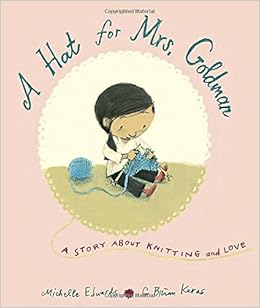
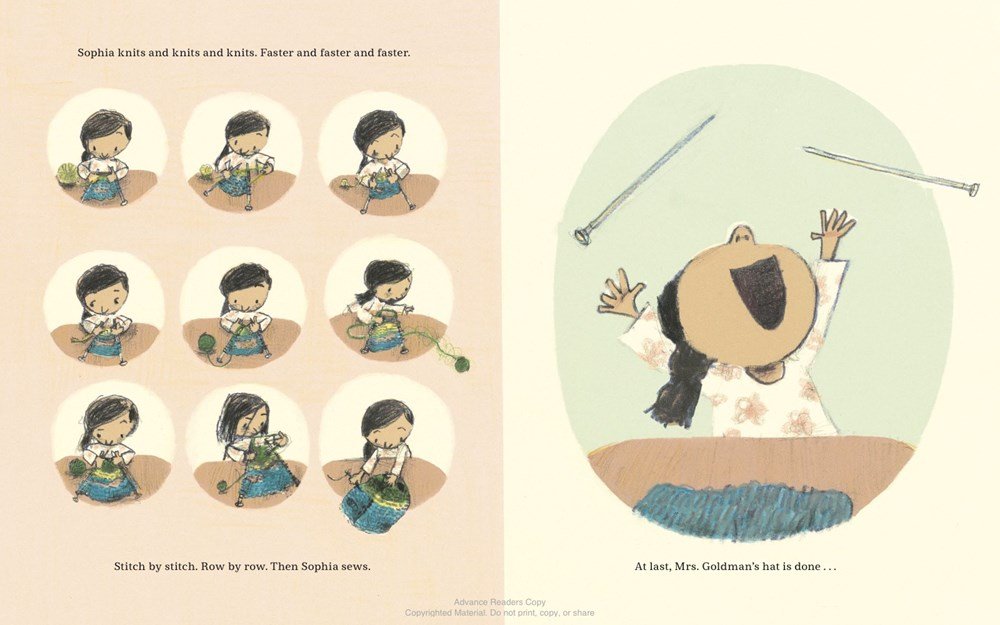 Summary: When Sophia was a baby, her neighbor Mrs. Goldman knit her a hat. Now that she’s older, she likes to make pom-poms to decorate Mrs. Goldman’s creations. Her friend is always knitting for others, giving them warm hats, mittens, and sweaters. She calls knitting her mitzvah, or good deed. When Sophia goes walking with Mrs. Goldman and her dog Fifi, she notices that Mrs. Goldman doesn’t have a hat. Snow accumulates on her hair, and her ears turn pink or red, depending on the temperature. Wanting to rectify the situation, Sophia pulls out her knitting needles and tries to remember what Mrs. Goldman taught her about knitting. She finally finishes a hat, but it’s full of holes. Fortunately, Sophia thinks of all those pom-poms she’s made, and creates a whole bunch of them to cover up the holes. She rushes next door to give her gift to Mrs. Goldman, who declares it Sophie’s mitzvah and happily wears it every day on her walks with Fifi. Includes instructions for knitting a simple hat and making a pom-pom. 40 pages; ages 4-8.


 A Kids Book A Day