Some suggestions for the first weeks of school

Sometimes We Fall by Randall de Sève, illustrated by Kate Gardiner (Random House Studio, 40 pages, ages 3-8). A young bear looks worriedly at his mother enjoying plums up in a tree. “What if I try and I miss?” asks the cub as he contemplates leaping. “Sometimes we try and we miss. It’s okay,” his mother reassures him. This pattern repeats as the cub starts climbing the tree, voicing his anxieties, which are soothed by his mother. Finally, he crawls out onto a branch for the plum, the branch breaks, and the worst happens: he falls. But it really is okay, because the plum falls too, and one taste is enough to motivate the cub to try again. An excellent lesson for preschoolers or kindergarteners about persevering. The mother is a good model for letting her child try and fail and try again, and as a bonus, both bears are adorable.

We Are Definitely Human by X. Fang (Tundra Books, 48 pages, ages 4-8). When something crashes outside Mr. and Mrs. Li’s house one night, Mr. Li investigates and finds three strange creatures. “We are DEFINITELY human,” they tell him, despite evidence to the contrary. Mr. Li is a kind human, and he gives the creatures a place to sleep and a promise that he’ll help them repair their vehicle in the morning. When morning comes, the Lis take the visitors into town, where other kind humans help them get what they need. Before long, there’s a party at the Lis’ house, and Mr. and Mrs. Li explain about food and dancing to the creatures. Finally, the “car” is fixed, and the creatures head off to space. “But wherever they went, they would remember kind humans and do what kind humans do–offer help to those in need.” A fun way to start classroom discussions about kindness and community while keeping things light. For an out-of-this-world theme, you could follow up with reading Dalmartian and/or The First Week of School.

Round and Round the Year We Go by Carter Higgins (Neal Porter Books, 48 pages, ages 4-8). Rhyming text and collage illustrations take readers month by month through the year. Pages inserted after February, May, August, and November introduce the change of seasons (with the name of the season in a bold font) with a simple rhyme, “rainy waiting/shady spring/round and round the year we swing.” A final two page spread summarizes the year: “some things change/and some do not/let’s play with all the time we’ve got/summer, spring, and winter, fall/round and round for one and all.” Reminiscent of an Eric Carle book, but with catchier text, using collage illustrations to introduce a concept. Although it’s the calendar year and not the school year, this would be a nice book to share with kindergarteners or first graders in the early days of school.

I’m Sorry You Got Mad by Kyle Lukoff, illustrated by Julie Kwon (Dial Books, 32 pages, ages 4-8). The title of the book is also Jack’s first attempt at a note apologizing to Zoe for knocking over her block castle. Made up entirely of the drafts Jack writes with his teacher’s coaching, the story traces Jack’s gradual movement from an angry “I’m sorry,” to a more nuanced explanation of his behavior (a couple of other boys told him castles were for girls, so he didn’t get to help Zoe build hers). A few pages from the end, Jack finally gets his apology right and hands the note to Zoe. Zoe responds with one of her own, and by the last page, the two friends are working on a new castle together. Perfect for starting discussions about what makes a real apology, the letters and illustrations also capture the kids’ emotions and show how a teacher can make a difference in helping them sort out and express their feelings.

Graphic novels that root for the underdogs

We Are Big Time by Hena Khan, illustrated by Safiya Zerrougui (Knopf Books for Young Readers, 240 pages, grades 3-7). Aliya’s not happy that her family is moving from Tampa to Milwaukee just as she’s about to start high school. Although it’s nice to be close to her grandparents, she misses the Florida weather and her basketball friends. Her new Islamic school has a girls’ basketball team, but they’re not very good. A new coach arrives at the school at the same time Aliya does, and before long the girls are working harder than ever on their conditioning and teamwork. Slowly, huge losses turn into smaller losses, then wins. As the team improves, they start attracting some media attention, which more often than not focuses more on their clothing and religion than on their basketball playing. The girls learn to navigate all kinds of new situations as they slowly build a winning season and make their way to the big end-of-the-year tournament. When the season finally comes to an end, the team and their families have plenty to celebrate. Include’s an author’s note about the real-life team that inspired this book and a behind-the-scenes look at the development of some of the artwork.

This is sure to be a big hit with fans of Raina Telgemeier-inspired graphic novels. The story reminded me a little bit of Hoops, with its team of scrappy underdogs breaking barriers for girls’ sports. Their turnaround from huge losses to wins seemed to happen very quickly, reminding me of the storytelling limitations of graphic novels.

Lion Dancers by Cai Tse (Simon and Schuster Books for Young Readers, 304 pages, grades 4-7). Wei is trying to find his place in middle school, but despite academic success, he hasn’t found a place where he feels he belongs. When he literally runs into a teenager wearing a lion dance t-shirt, Wei begs him for a chance to join his team. Wei’s late father was a championship lion dancer, and Wei danced a few years back, but he quit when he had some conflicts with another boy named Hung. Hung is part of the new team as well, and Wei struggles to work with him. When Lunar New Year comes around, the team is booked solid with performances all over the city, and everyone has to pitch in to make things work. When Wei and Hung’s rivalry gets in the way of one of their dances, it threatens everything the team has worked for. Wei has to decide if he’s going to work through his problems to continue with the dance form he loves or once again walk away from it.

I struggled a little at the beginning trying to keep the various characters straight and get up to speed with lion dancing, but once I figured things out, I very much enjoyed learning more about the dance and seeing how all the interpersonal drama played out. After reading this and Lunar New Year Love Story, I am ready to attend my first lion dance performance.

A pair of award contenders

Barrio Rising: The Protest That Built Chicano Park by María Dolores Águila, illustrated by Magdalena Mora (Dial Books, 40 pages, grades 1-4). The narrator lives in a neighborhood called Barrio Logan, one of San Diego’s oldest Chicano neighborhoods, where residents have been looking forward to finally getting the park they’ve been promised for years. When they find out that the new construction being done is for a police station, they’ve had enough. Neighbors band together to take over the land and protest, despite orders from the police to disperse. For twelve days, the crowd grows, drawing protesters from nearby barrios. Finally, the city council holds a meeting, led by Leon Williams, San Diego’s first Black councilman, and announces they’ve changed the plan from a police station to a park. Everyone celebrates and pitches in to create Chicano Park. Includes additional information about the park, which is now a National Historic Landmark. Also available in a Spanish language edition, El barrio se levanta: La protesta que construyó el Parque Chicano.

Keep this book in mind when Hispanic Heritage kicks off on September 15. The story about this 1970 event is inspiring, and the illustrations juxtapose birds, butterflies, and purple flowers with the gritty urban setting. I’d love to see it get some Belpré Award recognition for either the story or the illustrations.

Before the Ships: The Birth of Black Excellence by Maisha Oso, illustrated by Candice Bradley (Orchard Books, 40 pages, grades K-5). Instead of starting with the slave trade, as is often the case with Black history in America, this book begins “before the ships” when civilizations flourished across Africa. There were kings and queens, doctors, scribes, artisans, and merchants. Impressive buildings were created, as were stories and music, while scientists and mathematicians studied the world. A wordless page showing a slave ship sailing through the darkness divides the book between the past and the present, “after the ships.” The descendants of those Africans now live different lives, but they are still warriors, scholars, and leaders, or, as the final page says, “We are the light.” Includes an author’s note telling how her time in Africa showed her the cultures of Ethiopia, South Africa, Kenya, and Nigeria.

I’ll be surprised if this doesn’t get a Coretta Scott King award or honor. I love the focus, all too rare, on the civilizations that existed before African people were captured and sold into slavery, and I will definitely be sharing this book with teachers at my school. I would have enjoyed even more back matter, including a map or two.

Fighting fevers and moving beavers

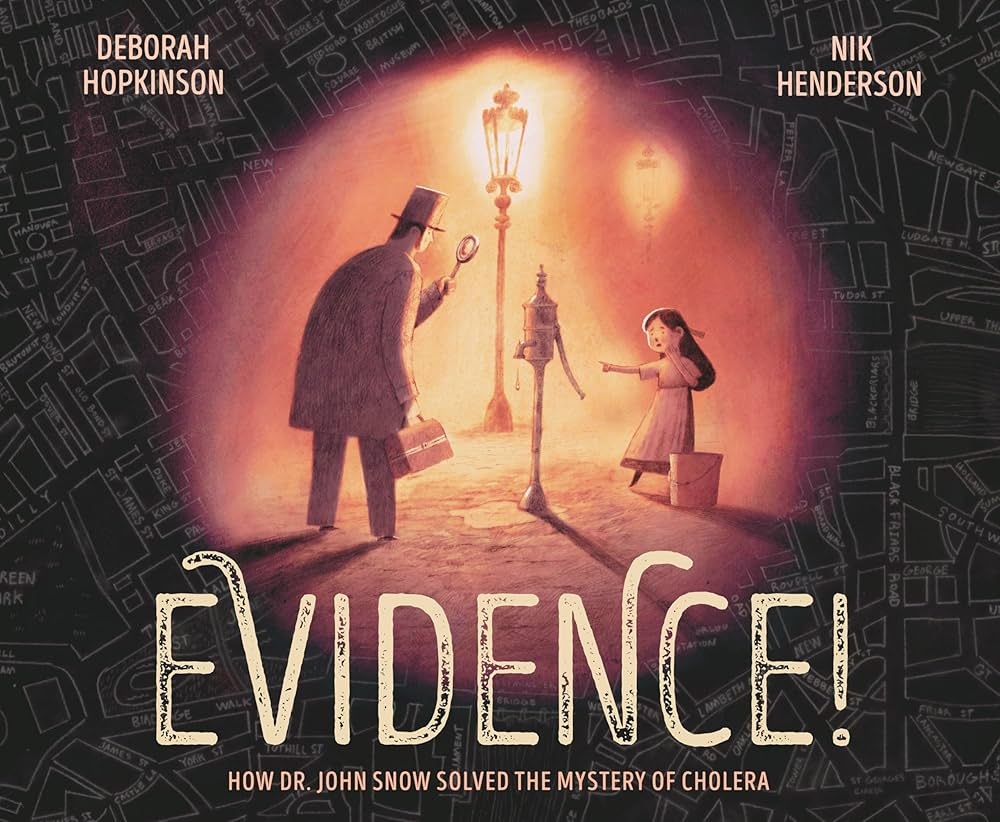
Evidence! How Dr. John Snow Solved the Mystery of Cholera by Deborah Hopkinson, illustrated by Nik Henderson (Knopf Books for Young Readers, 40 pages, grades 2+). When an 1854 cholera outbreak hit Broad Street in “stinky old London”, most people accepted the prevailing theory that it was caused by bad air. With human waste and garbage filling the streets, there was no shortage of that, but Dr. John Snow believed there was a different cause. He’d been gathering clues for years, working as a medical detective to solve the mystery of cholera. When he heard of the Broad Street outbreak, he hurried over to interview families of victims. Their answers led him to hypothesize that the water used by the neighborhood was a possible cause. But old beliefs are hard to change, and Dr. Snow had to keep gathering evidence to persuade the local neighborhood board to remove the pump handle. The back matter gives more information about this particular cholera outbreak as well as Dr. John Snow’s impressive career and contributions to modern medicine.

I’d love to see this exciting medical mystery considered for a Sibert award. The pacing is perfect, as Deborah Hopkinson tells the story of Dr. Snow’s race against time to gather evidence before the upcoming board meeting, skillfully incorporating details about cholera and London at that time. The sepia-toned illustrations convey both the time period and the wretched conditions many people were living in. The reviews I saw recommended this book for kids as young as 4 or 5 (making me wonder if these reviewers know any actual 4- or 5-year-olds), but I think upper elementary as well as middle school or even high school science students would find it interesting. Incidentally, I did learn via Google that a fever is rarely a symptom or cholera, but the rhyme was just too good, so I took poetic license with this blog post title.

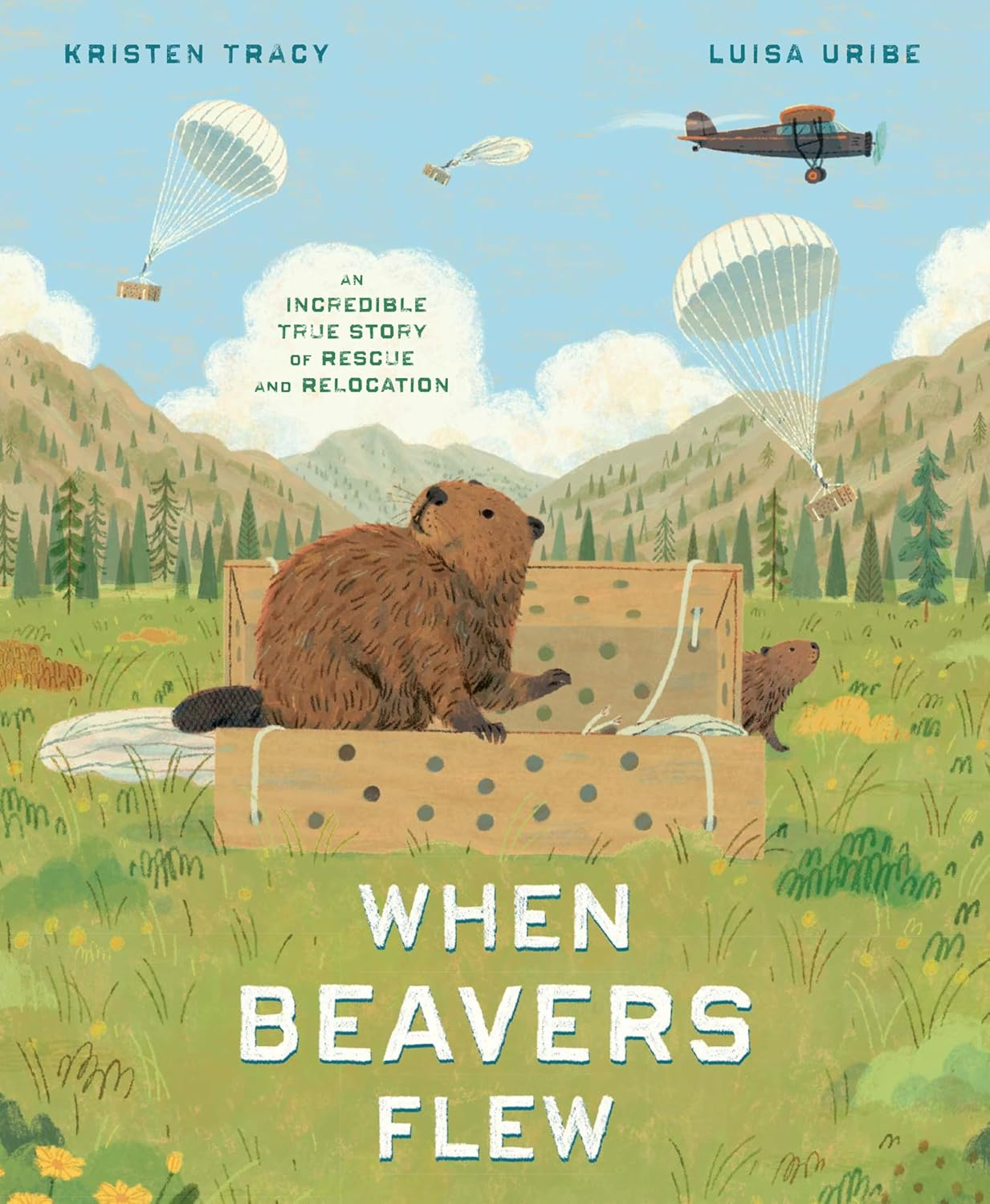
When Beavers Flew: An Incredible True Story of Rescue and Relocation by Kristen Tracy, illustrated by Luisa Uribe (Random House Studio, 40 pages, grades K-3). In 1948, the town of McCall, Idaho was booming, and the beavers that lived there were becoming a nuisance. Fish and Game warden Elmo Heter thought it would be best for both the beavers and the humans if the animals could be transported to a wilderness area called Chamberlain Basin. The problem was, the basin was surrounded by mountains that were almost impassable. Elmo tried strapping beavers in their traps onto pack horses, but this didn’t work well for the beavers, the horses, or the human riders. His next idea was to attach the beavers to surplus World War II parachutes and drop them into their new home. After experimenting with a variety of boxes, he finally found one that seemed like it would work. When he tried it out with a beaver named Geronimo, the animal landed safely and got out of the box. So Elmo boxed up 75 beavers and dropped them from a plane. When he checked on them a year later, he found that they were thriving, as was the wetland environment they helped create, and the beaver population continues in Chamberlain Basin to this day. Includes an author’s note with additional information, a couple for photos, and a list of sources.

Sometimes I find myself writing a sentence like, “So Elmo boxed up 75 beavers and dropped them from a plane,” and wonder how we got here. But I’m sure kids will find this story fascinating as well as surprising, and Elmo demonstrates some tenacious and creative problem-solving skills. Although the ending is reassuring, dropping beavers out of a plane seems like kind of an ethically gray area, and I’m glad the author’s note discusses the problems that can be associated with moving species out of their natural habitat.

New books for reluctant readers

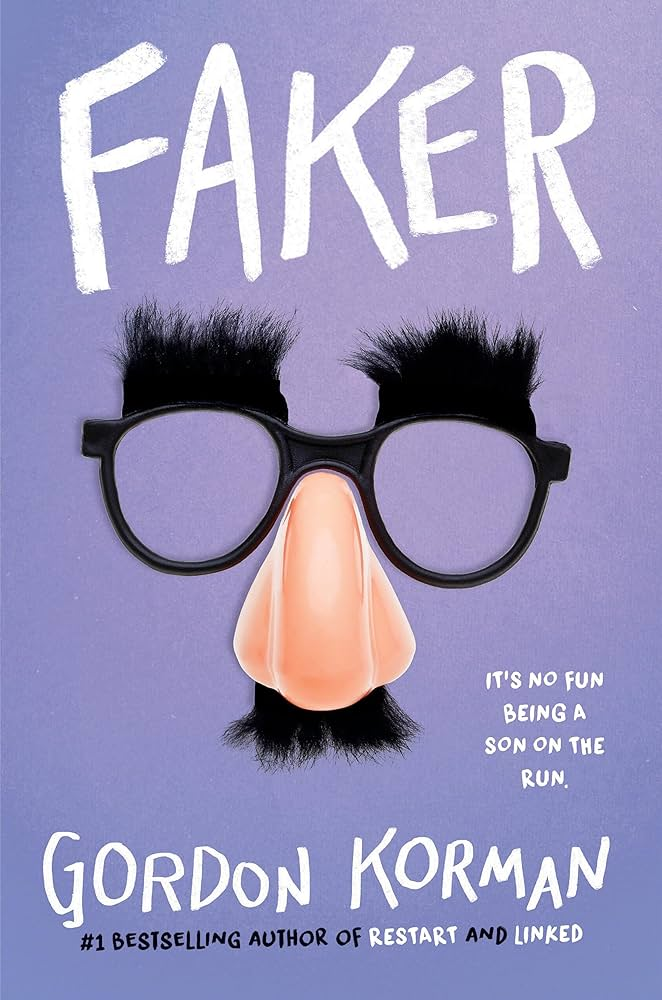
Faker by Gordon Korman (Scholastic, 224 pages, grades 3-7). Trey’s family–his father and his sister Arianna–have always been the most important people to him. They move from place to place, with their father planning a different scam in each new town, and Trey and Arianna making friends to provide Dad with connections. When people start to get suspicious, the family pulls a “Houdini,” leaving town in a hurry and hanging out at an island resort until things blow over and they can start their next scheme. But when they get to Boxelder, Tennessee, things feel different to Trey. He begins to form some real friendships, including one with a girl named Kaylee. Kaylee and her family live in the less affluent part of town, and when her father decides to invest in Trey’s dad’s latest get-rich-quick scheme, Trey is torn between loyalty to his family and guilt that Kaylee’s family will lose their life savings to his family, leaving him with some tough decisions to make.

Gordon Korman’s many fans will enjoy his latest, featuring a likable protagonist and a cast of other middle school kids who will seem familiar to readers. There’s plenty of humor, and Trey’s ethical dilemma could make for some interesting discussions. This is the second book I’ve read this year featuring a main character with an unrepentant criminal for a parent (although Trey’s father has a change of heart–sort of–at the end), which I’m finding is a premise that makes me a little uncomfortable.

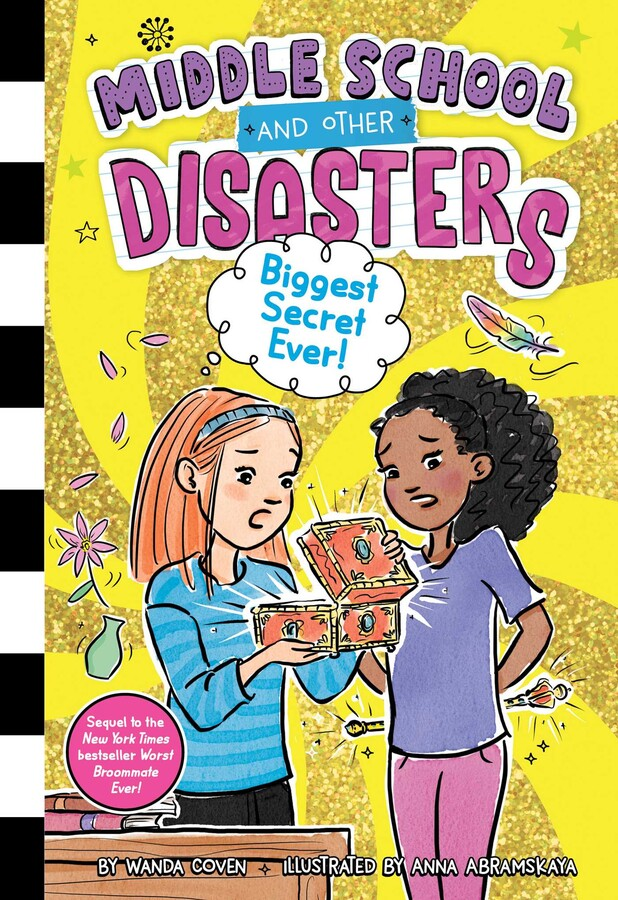
Biggest Secret Ever! (Middle School and Other Disasters, book 3) by Wanda Coven, illustrated by Anna Abramskaya (Simon Spotlight, 352 pages, grades 3-7). Heidi Hecklebeck is back, having been promoted from her early chapter books series of a decade ago to a new middle school series. I missed the series start last year, so I read the latest, which is book 3. Heidi’s a student at Broomsfield Academy, a boarding school for both magical and non-magical students. The non-magical ones don’t know that some of the kids, like Heidi, are witches and wizards. Heidi’s working on learning to read people’s thoughts, which is her special gift, and also how to use magic to remedy emergency situations, which she seems to find herself in fairly frequently. When her new friend Isabelle confides to Heidi that she’s a princess but swears her to secrecy, Heidi’s not sure she can keep from sharing the secret. Her gossipy roommate Melanie guesses what it is, and Heidi has to try to use a spell to erase just the parts of Melanie’s brain that contain the secret. After a slight hiccup, Heidi succeeds, proving herself to be a loyal friend to Isabelle and a pretty good witch as well.

I’ve never read the Heidi Hecklebeck books, but this was a fun and light middle school tale with a bit of magic thrown in. The cover has a Dork Diaries vibe, and I imagine it would appeal to fans of that series. Inside, there are plenty of illustrations with a font that resembles handwriting and that varies in size so that some pages only have seven or eight sentences. Readers who may feel daunted by the 300+ page count will find it easier going than they may have expected. If you’re looking to get some good discussion going with this book, you might want to start by asking if you’d really want to be able to read other people’s minds.

Animal (and human) homes

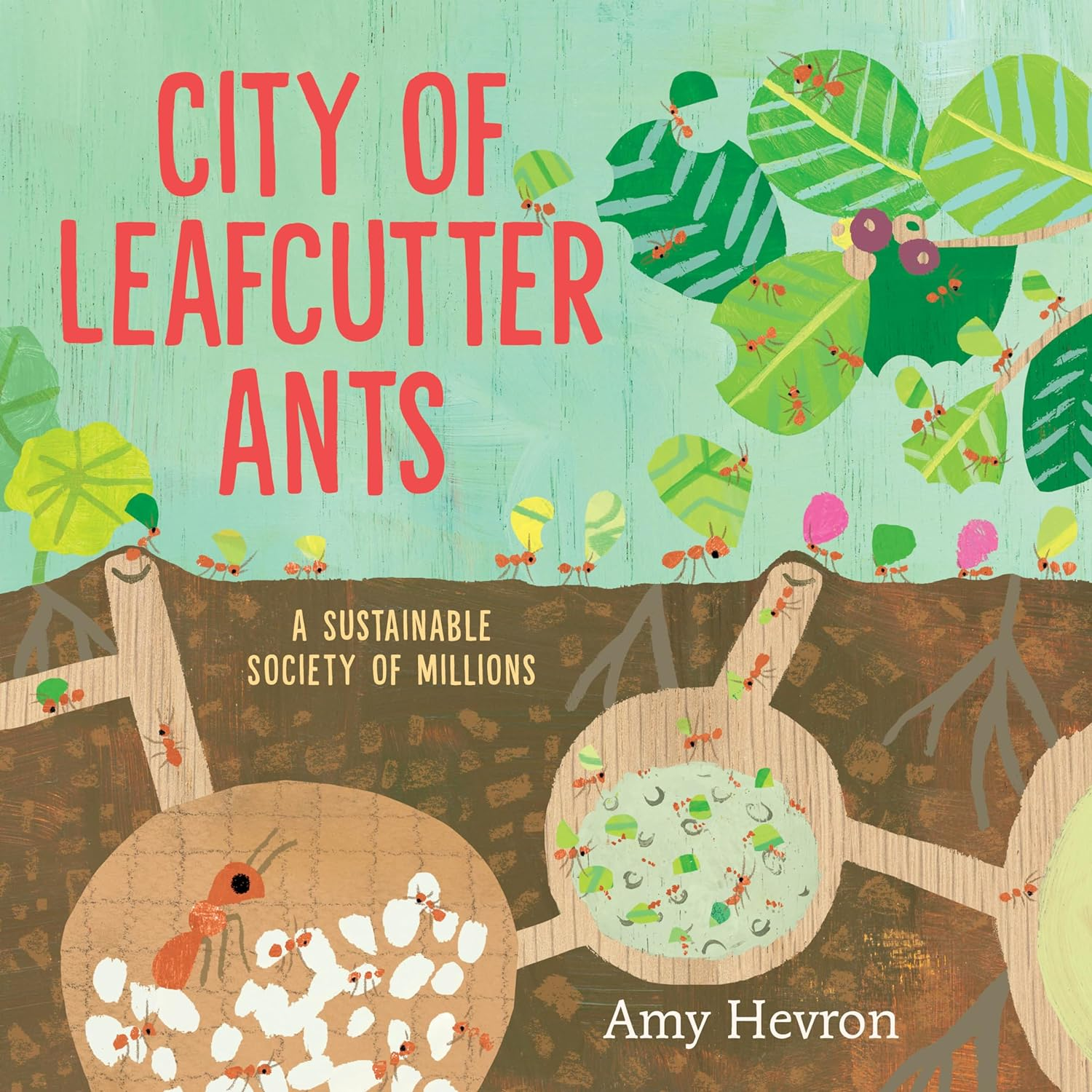
City of Leafcutter ants: A Sustainable Society of Millions by Amy Hevron (Neal Porter Books, 40 pages, ages 4-8). Enter the fascinating world of leafcutter ants, a rainforest community of eight million that produces their own food, uses antibiotics to prevent diseases, manages their trash, and builds and defends their city. Each job is described with a sentence or two of text and collage illustrations that show the different ants at work. There’s a surprising amount of action, including an amazing defense against an invading poison dart frog (don’t worry, everyone’s okay). The back matter provides a lot more information along with a list of additional resources. This is an excellent science book that would be perfect to share with preschool and early elementary kids, although the boys may be bummed by the limited role of the male drones in this largely female society.

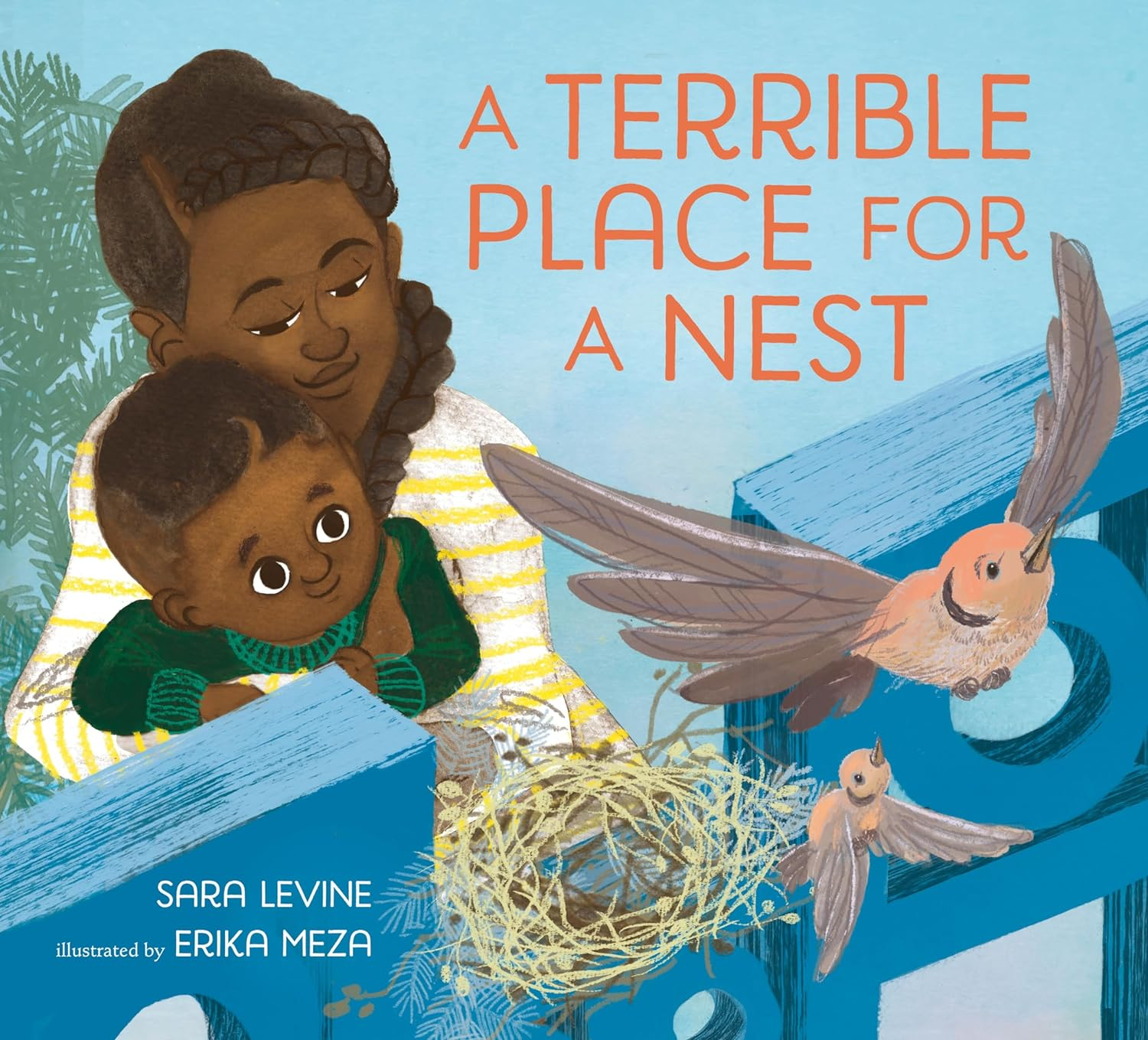
A Terrible Place for a Nest by Sara Levine, illustrated by Erika Meza (Roaring Brook Press, 40 pages, ages 4-8). “When Juno and his mom lost their home, they had to move to a new place.” Juno is sure the new place will never feel like home. He and his mom notice he mourning doves that live outside of their new building. When Juno sees two of the birds making a nest on the fence, he tells them it’s a terrible place for a nest. Sure enough, a deliveryman accidentally knocks it down, breaking the eggs inside. Juno tries to rebuild the nest, doing some research to learn more about mourning doves, but the birds stay away. Meanwhile, the illustrations show him making a new friend and settling into his home. By the time a pair of doves settles into the nest, Juno and his friend are ready, with signs warning people to watch out for the nest. “I told them it wasn’t a great place for a nest,” Juno says, “But we made it work.” This sweet picture book will reassure kids who have to move to a new home, with its parallel story about the doves and Juno and his mom. Kids will find plenty to look at in the illustrations, which tell more of Juno’s story than the text does. A little back matter about mourning doves would have been a nice addition.

Two books from Eerdmans

Long-time subscribers may recall that a few years ago I reviewed a book every week from an independent publisher. I haven’t kept up with it recently, but a few of those publishers still reach out to me from time to time. I recently received these two excellent books from Eerdmans Books for Young Readers. They are a great reminder of the unique and beautiful work being produced by smaller publishers. Both books will be released in September.

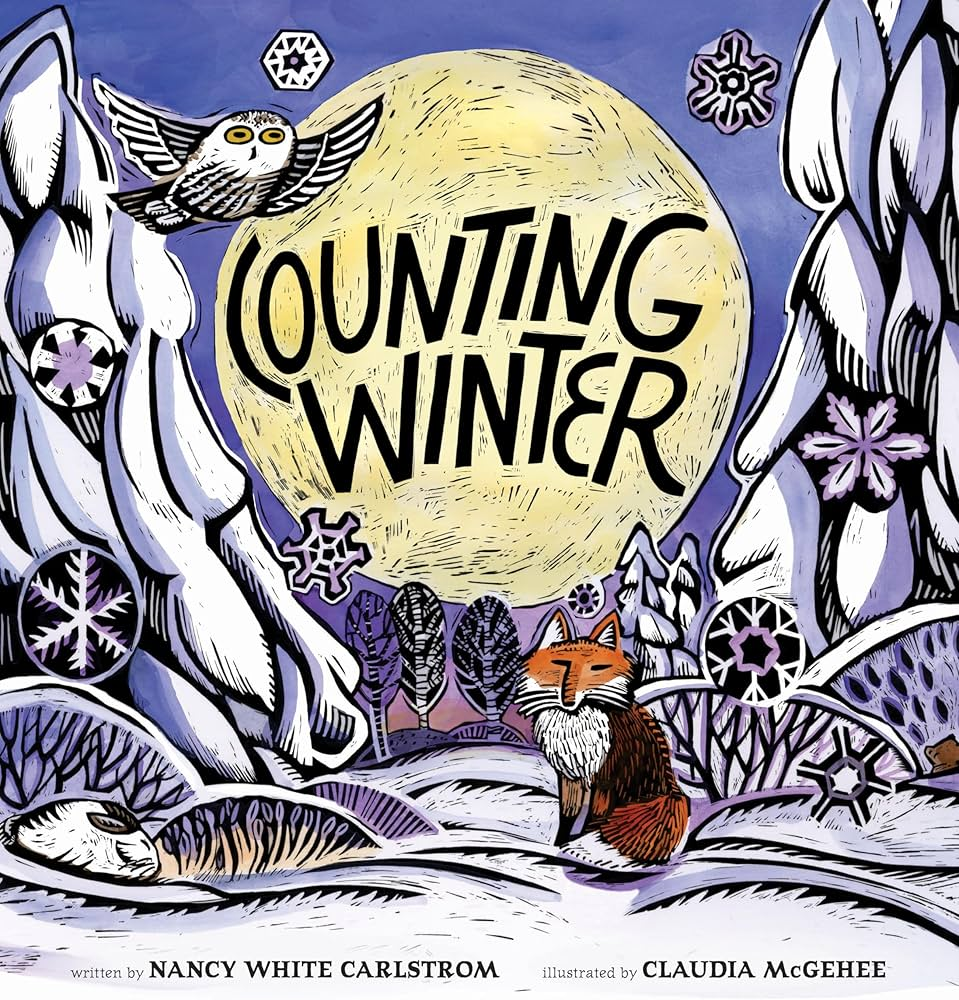
Counting Winter by Nancy White Carlstrom, illustrated by Claudia McGhee (44 pages, ages 4-8). Nancy White Carlstrom drew on her eighteen years in Alaska to create this counting book that includes eleven different animals, with verses written in similar fashion: “One red fox walks/across the white snow/quietly/stalking winter.” These could be used as models for kids to write their own four-line poems about animals with a similar combination of verbs, adverbs, and adjectives. The stunning scratch board and watercolor illustrations perfectly capture the animals and the snowy landscapes. When the counting reached eleven, I started to think it was going all the way to twenty, but the last page features twelve excited children, which was the perfect stopping place. Includes a wordless two page spread showing all the animals, two pages of animal profiles, and notes from the author and illustrator.

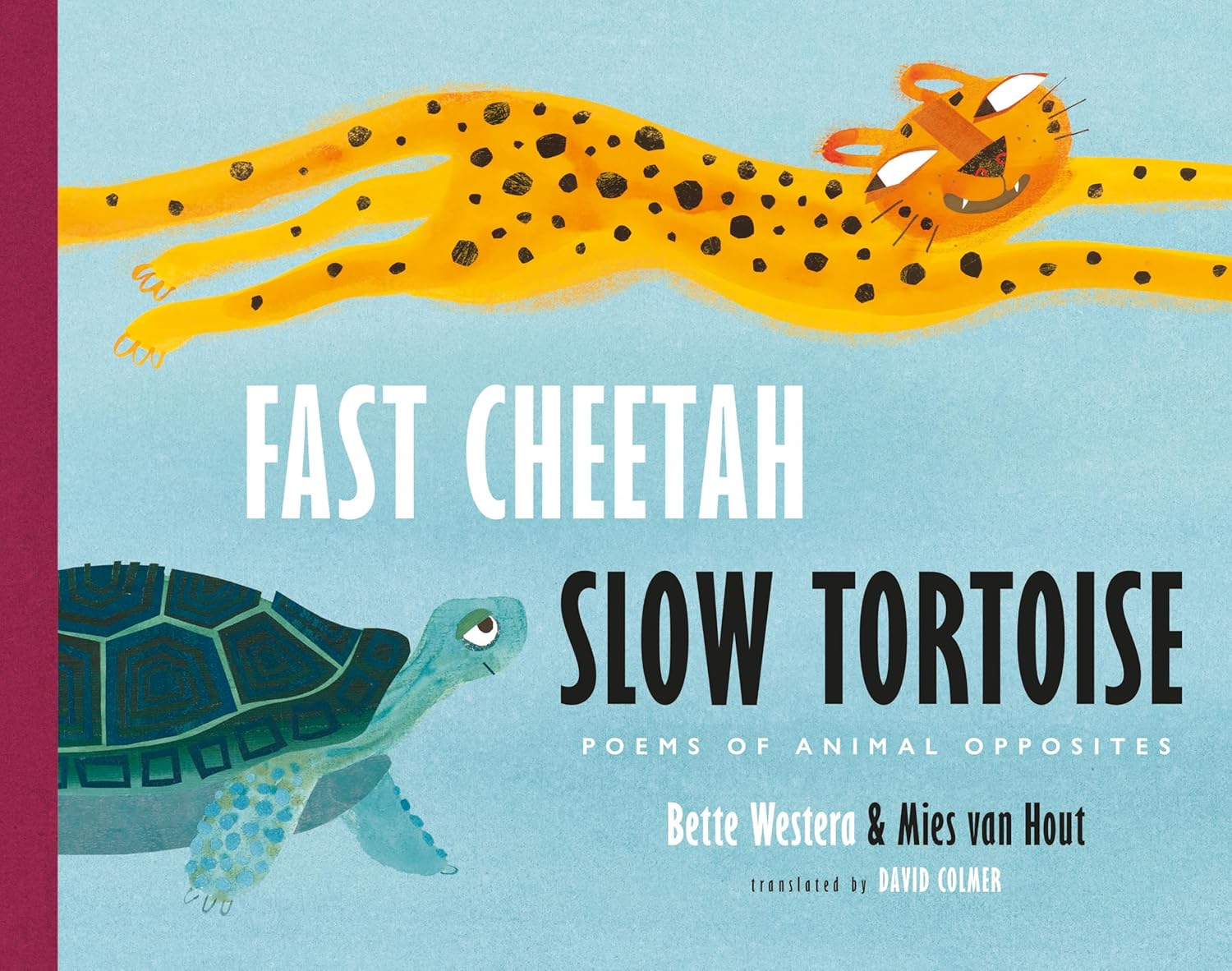
Fast Cheetah, Slow Tortoise: Poems of Animal Opposites by Bette Westera and Mies van Hout, illustrated by David Colmer. (40 pages, grades K-4). This Dutch import pairs animal poems that illustrate antonyms; a two-page spread features the tortoise in a poem entitled “Slow” with the cheetah, which is “Fast.” Others are noisy and quiet (cricket and pill bug), relaxed and busy (sloth and ant), and bossy and meek (gorilla and lesula). As this last example shows, there are some animals that may be new to kids. Each poem is accompanied by an illustration, which will help kids visualize those unfamiliar animals. This would be fun to share by reading a poem and having kids guess the animal and maybe the antonym as well. Unfortunately, there’s no back matter that could have offered more information on the animals.

Massachusetts and Vermont

My first Massachusetts trip was to Cape Cod for the Wampanoag powwow in Mashpee, an annual event (this year was the 103rd) held for three days the first week in July. I went on Sunday, the final day, and it was the biggest and best powwow I went to this summer. I stayed for the veterans’ dance, the tiny tots dance, and a few others, but the heat was pretty intense, even for me sitting in the shade–I could only imagine what it was like for the dancers, dressed in regalia, dancing in the full sun.

There was an excellent assortment of booths selling crafts and food, as well as a clambake the day I was there (for an extra fee). Several contests were scheduled later in the afternoon, including the crowning of the Powwow Princess and Little Miss Wampanoag, all of which I would have enjoyed on a cooler day.

Mashpee Wampanoag Museum

The next day I headed over to the Mashpee Wampanoag Museum, a small museum that tells the history of the Wampanoag people up to the present. There are several video interviews of contemporary Wampanoags, emphasizing the vitality of the tribe and its efforts to preserve the culture. A woman named Courtney was working there that day, and she gave me a warm greeting and introduction to the museum. When I mentioned I had been at the powwow the day before, she told me proudly that her son had won the boys’ junior dance competition.

Exhibit at the Wampanoag Museum

The museum taught me more about King Philip’s War. I vaguely knew this was part of Massachusetts history, but I learned that it was much larger and more wide-ranging than I was aware. Named for the Wampanoag chief and sachem Metacom, who also used the English name Philip, the war took place from 1675 to 1676. While it was devastating for the colonists, who saw 52 towns attacked and sometimes destroyed, losing 2,500 people, its impact was far worse for the Wampanoag, who lost most of their land and suffered twice as many deaths. Other tribes in the area also saw losses of people, land, and tribal identity. The American identity was born, though, since it was the first time the colonists had fought a war without any help from Europe. It was a devastating and far-reaching war with important consequences, and it’s surprising it isn’t taught more as part of history.

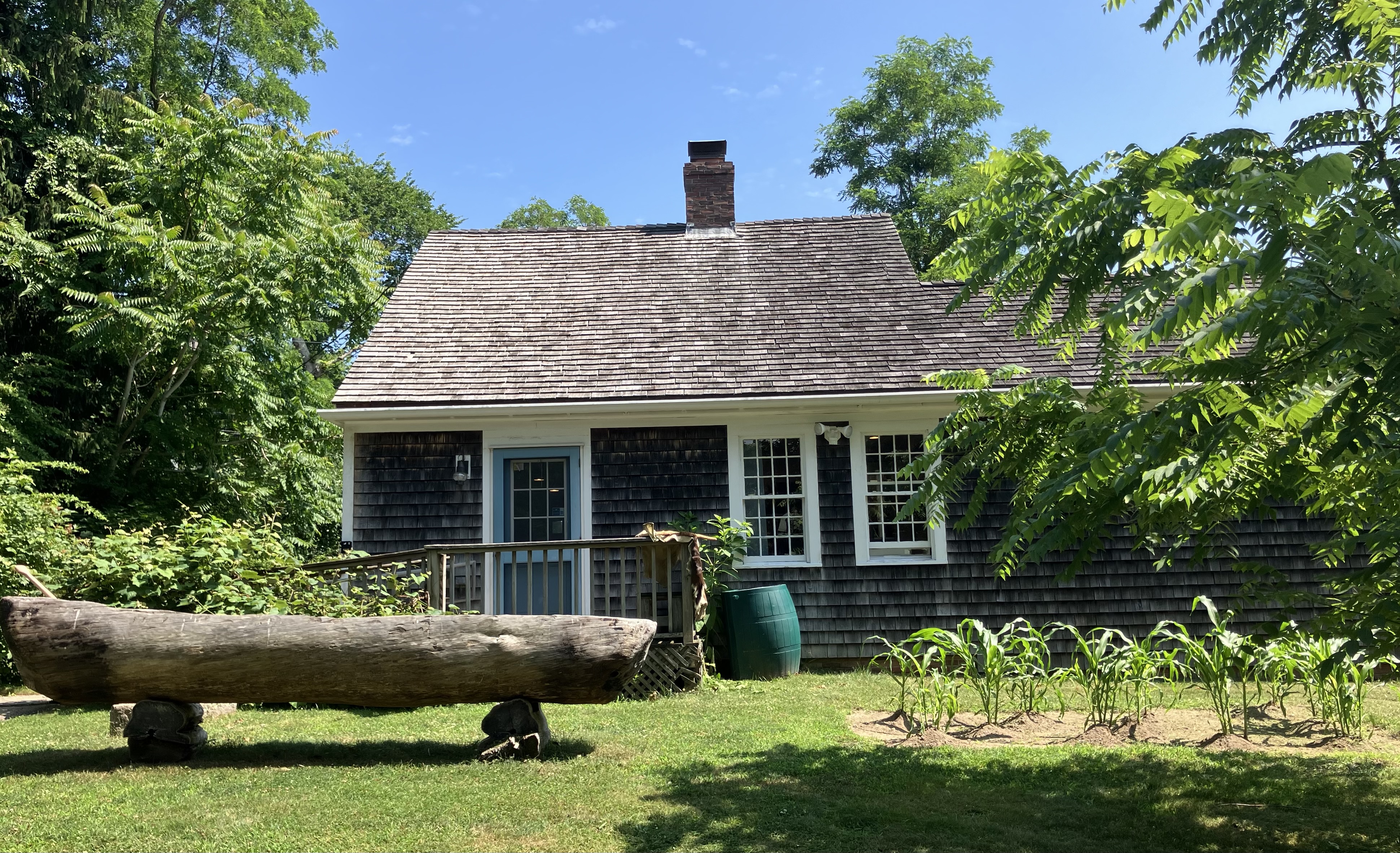
Part of the Wampanoag Village at Plimoth

You know what is taught? The Pilgrim Plimoth narrative. If you grew up in Massachusetts, chances are you visited Plimoth Patuxet Museums, maybe on a third grade field trip. Known as Plimoth Plantation until 2020, the name change reflects an attempt to focus more on the Patuxet band of Wampanoag that lived in the area long before the English established the Plimoth colony.

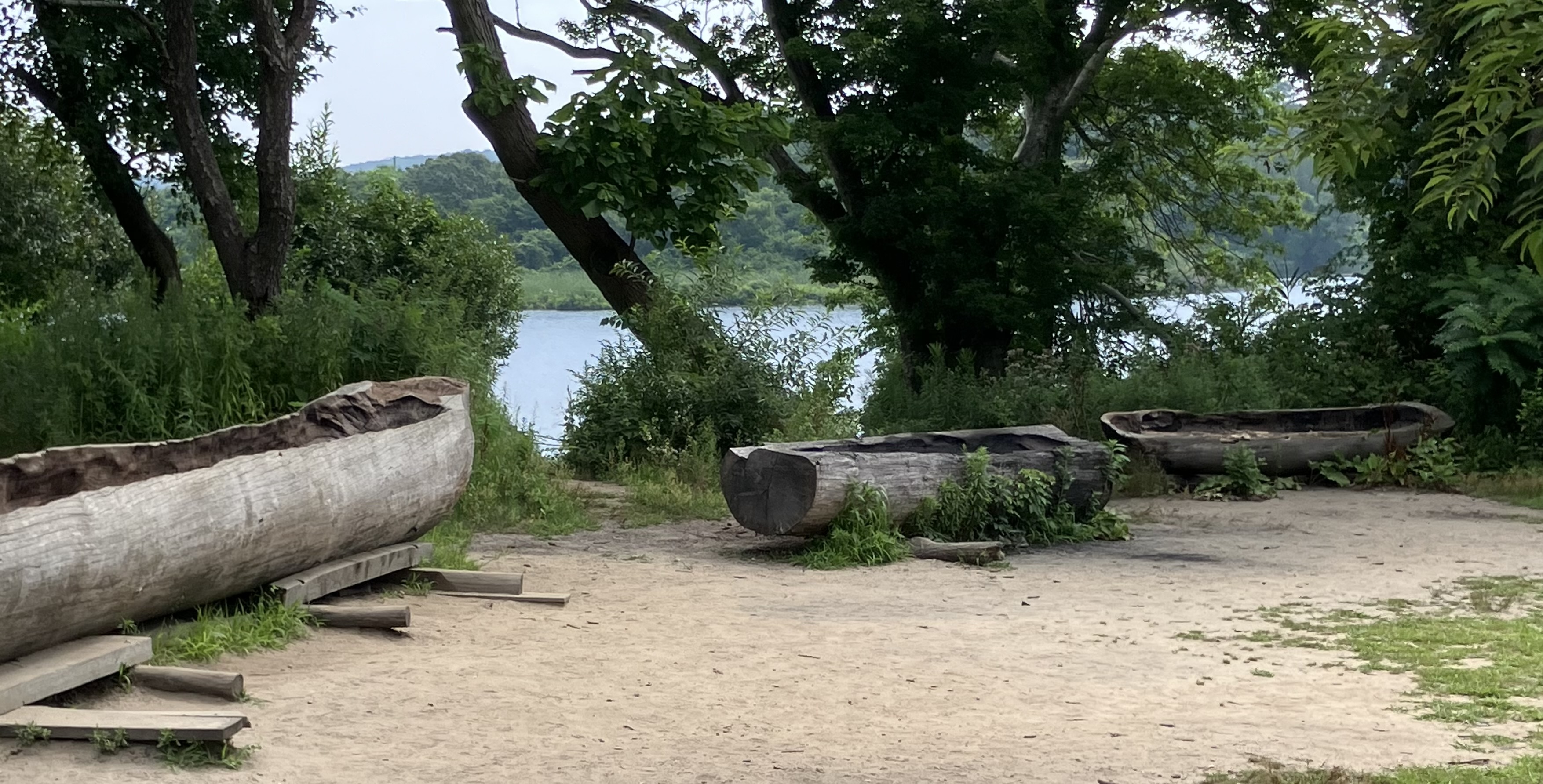
I hadn’t visited in at least a decade, so I headed over one Sunday morning in July. The Wampanoag village there includes a wetu, a canoe, a garden, and a cooking area, but I was surprised not to see any costumed interpreters there, since there were several dressed as English colonists in the Plimoth part. I asked a staff person about it, and she said they were working on getting costumes, which seemed odd to me since the Wampanoag village has been there for more than 40 years.

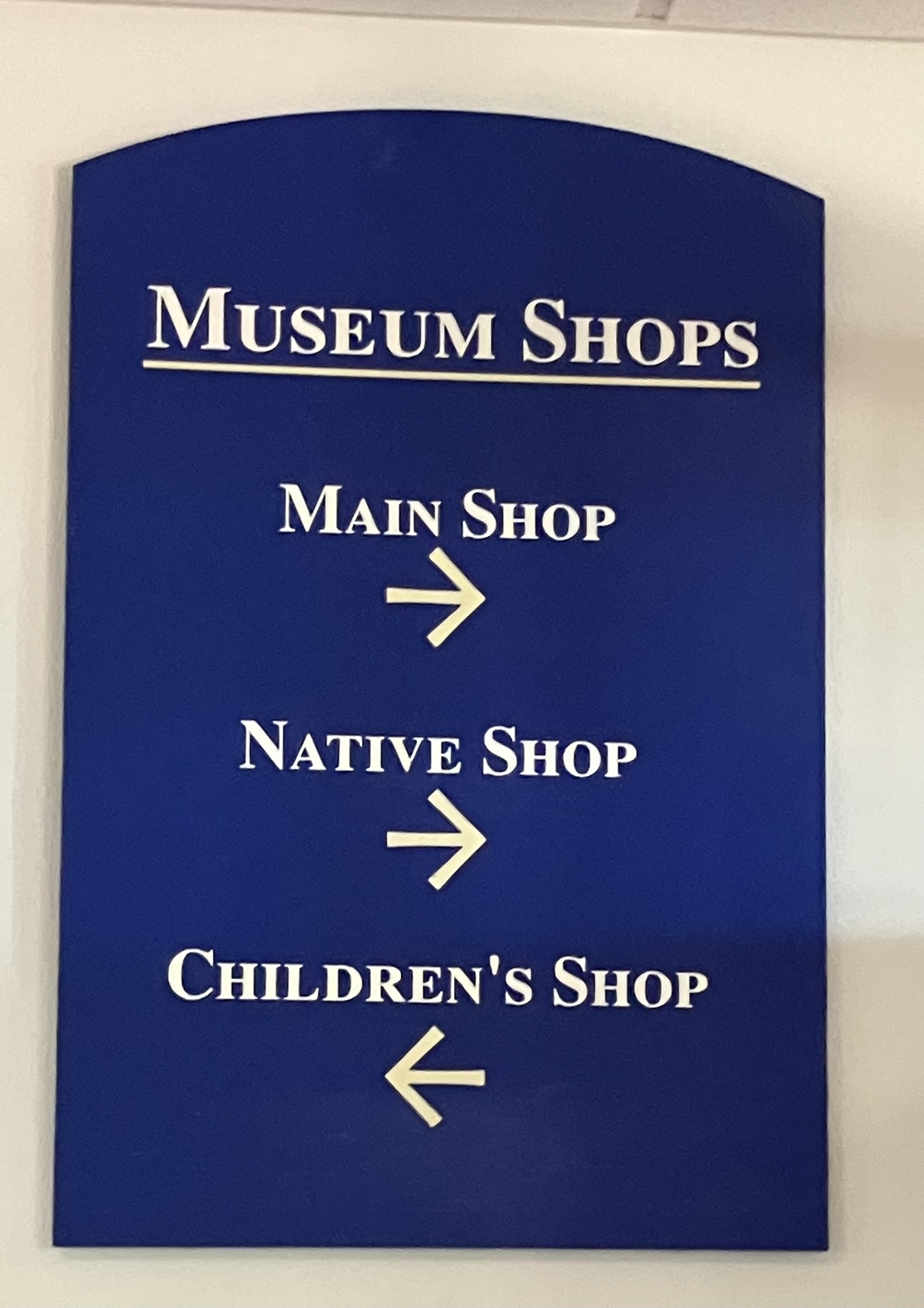
At Plimoth, the Native Shop isn’t part of the “Main Shop.”

Back home, I did some research and discovered that the Wampanoag tribe has cut ties with Plimoth Patuxet due to a lack of Native American staffing and input and neglect in the upkeep of the Wampanoag village. From the introductory film to the separate gift shop for Native American items to the website that mostly features photos from the Plimoth part of Plimoth Patuxet, it seems like the 17th-century English village and Mayflower replica are still the main focus, despite the name change.

On the way home, I stopped in central Massachusetts to attend the powwow held by the Hassanamisco band of the Nipmuc Nation. When my daughter was in high school, she made an oral history video of this tribe for her Girl Scout Gold Award project. She interviewed the former and current chiefs of the tribe, and we visited the reservation a couple of times, which is a three-and-a-half acre parcel of land in Grafton, Massachusetts. Unfortunately, their petition for federal recognition was denied in 2004, but the band has 600 members and works hard to preserve their history and culture.

I had plans to go to the Abenaki Heritage Weekend in Vermont at the end of June, but it didn’t work out for me, so I don’t have any travel reports from Vermont. I do want to mention one bit of controversy around the Vermont Abenaki that has to do with children’s literature, specifically author and storyteller Joseph Bruchac. I know only the smallest amount about this issue, so I encourage you to do your own research, but apparently there have been some questions about the Abenaki heritage of Vermont tribes, which has in turn led to questions about Joseph Bruchac’s Native ancestry. Dr. Debbie Reese, a noted scholar of Native Americans in children’s literature, has written a post about this on her blog, in which she concludes that she can no longer recommend books by him, his sons, or his sister, Marge Bruchac. Since the Bruchacs have made substantial contributions to Native American children’s literature, this is a pretty serious statement for her to make. I urge you to read about it and decide for yourself.

Books About Indigenous People of Massachusetts

Colonization and the Wampanoag Story by Linda Coombs (Crown Books for Young Readers, 2023)

Keepunumuk: Weeâchumun’s Thanksgiving Story by Danielle Greendeer, Anthony Perry, and Alexis Bunten illustrated by Garry Meeches Sr. (Charlesbridge, 2022)

If You Lived During the Plimoth Thanksgiving by Chris Newell, illustrated by Winona Nelson (Scholastic, 2021)

Tribes

Massachusetts

Chaubunagungamaug Band of Nipmuck*

Hassanamisco Nipmuc*

Mashpee Wampanoag Tribe

Wampanoag Tribe of Gay Head (Aquinnah)

Vermont

Elnu Abenaki Tribe*

Koasek Abenaki Tribe*

Missiquoi Abenaki Tribe*

Nulhegan Band of the Coosuk Abenaki Nation*

*Not federally-recognized

Reservations and Trust Lands

Massachusetts

Chaubunagungamaug Reservation (located in CT, but affiliated with the Chaubunagungamaug Band of Nipmucks in Massachusetts)

Hassanamisco Reservation

Wampanoag-Aquinnah Trust Land

Final thoughts

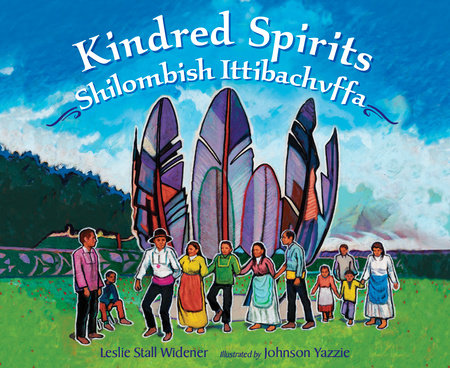
As my summer was wrapping up, I came across a book that felt like the perfect coda to my travels. Kindred Spirits: Shilombish Ittibachvffa by Leslie Stall Widener, illustrated by Johnson Yazzie (Charlesbridge, 32 pages) tells the story of the bond between the Choctaw Nation and the people of Ireland. During the Irish Potato Famine, the Choctaw Nation heard about the Irish people’s plight. Knowing what it was like to lose your home and to not have enough to eat, the Choctaw people collected $170 (about $5,000 in today’s dollars) and sent it to Ireland to help provide help to the Irish people. Almost 200 years later, when the Irish learned how the Navajo and Hopi people had been devastated by Covid-19, 26,000 of them donated to a relief fund, many of them citing the Choctaw contribution to Ireland back in 1847.

Sometimes a group of people can seem like just a name in a history book, but this story reminds me how learning about another culture helps us to recognize our common humanity. I’m grateful for the opportunity I had this summer to travel to places where, even though I might have been there before, I learned to see them in new ways. I got to witness resilient groups preserving their cultures despite formidable odds that have been stacked against them for centuries.

If you want to learn more about indigenous people and history in your area, you can start with Powwows.com to search for powwows and other Native American events in the U.S. and Canada. Google “Native American museums near me” to find places to visit and to take your kids. Read some of the books from my Indigenous Americans book list that include stories of Native people all over North America. And please let me know if these posts wind up inspiring you to do your own travels!

Maine and New Hampshire

I started my time in Maine at the Wells Beach Powwow. Although it was held in Maine, this event was sponsored by the New Hampshire Intertribal Native American Council, and most of the participants were from New Hampshire. I recommend attending any powwow if you have the opportunity, since it’s a unique way to witness contemporary Native culture.

The powwows I went to opened in the morning, with booths selling art, crafts, and food. Dancing began at noon with the Grand Entry, in which all the dancers and flag bearers entered the powwow ring, usually with the American flag, tribal flags, and maybe a POW flag. The Wampanoag powwow I attended had a drum roll call, with the four drumming groups each playing a solo before the dancing began. After the Grand Entry, there’s a dance honoring veterans and their families. Then there might be dances for children, dances for elders, dance competitions, a blanket dance to raise money, and dances in which everyone is invited to join the circle.

I found it helpful to learn some powwow etiquette before I attended. There will likely be a master of ceremonies who may go over some rules about taking pictures, when to stand or sit, who can join various dances, and more. I felt that the powwows were really more for the participants than the audience, and I’ve opted not to post photos here.

Although I only made it to three powwows this summer, there were a number of others held in all the New England states. I recommend Powwows.com to find one near you. If you’re in New England, the Massachusetts Center for Native American Awareness (MCNAA) has a calendar that includes powwows and other Native events from all around New England.

The Abbe Museum

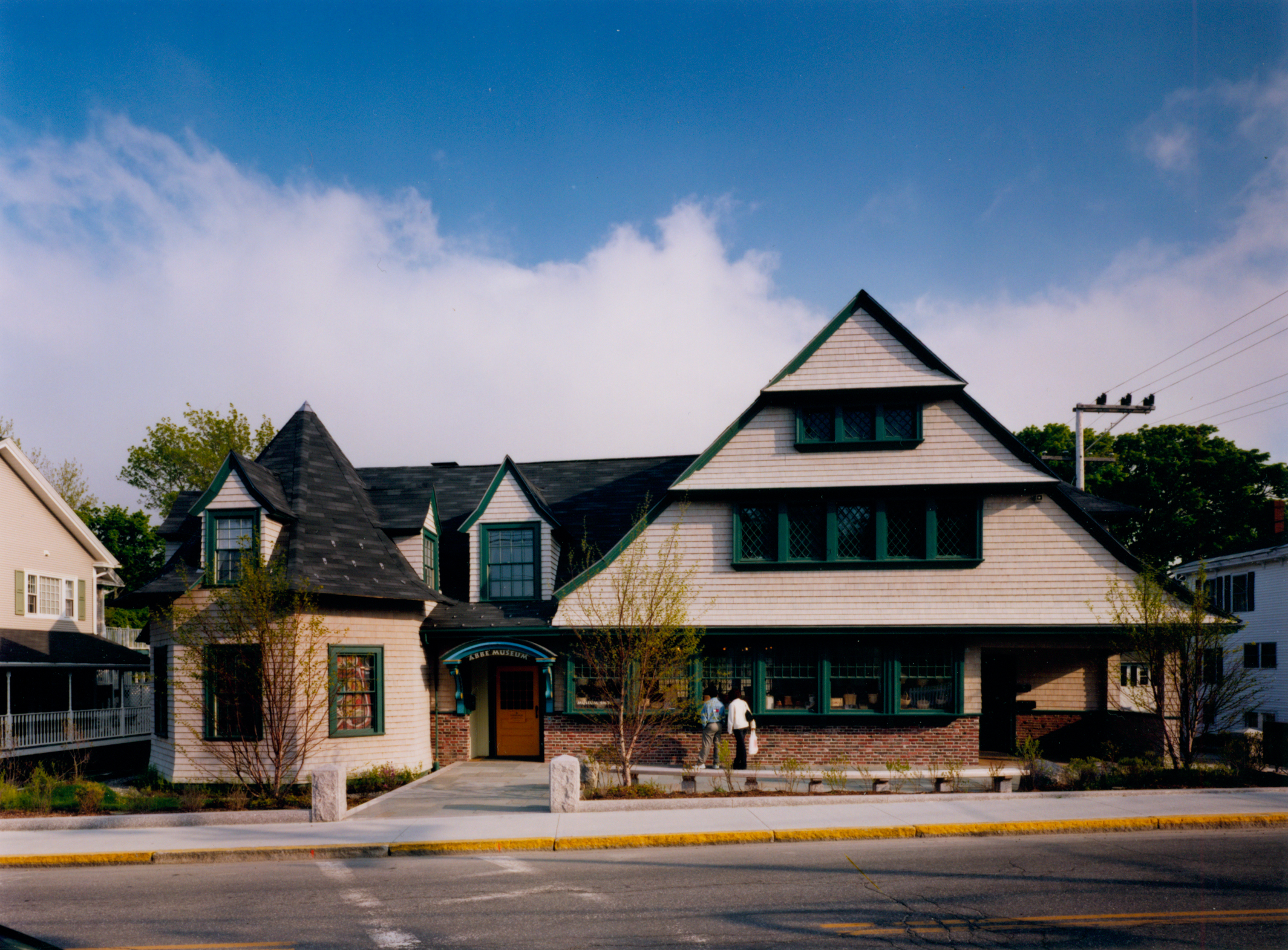
From Wells, I drove up to Bar Harbor to visit the Abbe Museum, which turned out to be one of my favorites. Founded in 1926 by physician and summer Maine resident Dr. Robert Abbe, it became a Smithsonian affiliate in 2013 and has increasingly sought Native American collaboration and involvement. While I recommend paying admission and enjoying all the exhibits, there’s a room at the entrance that’s free. It includes excellent information on all of the Maine tribes, a good explanation of federal recognition of tribes, and an introduction to the decolonized approach the Abbe takes to presenting indigenous history.

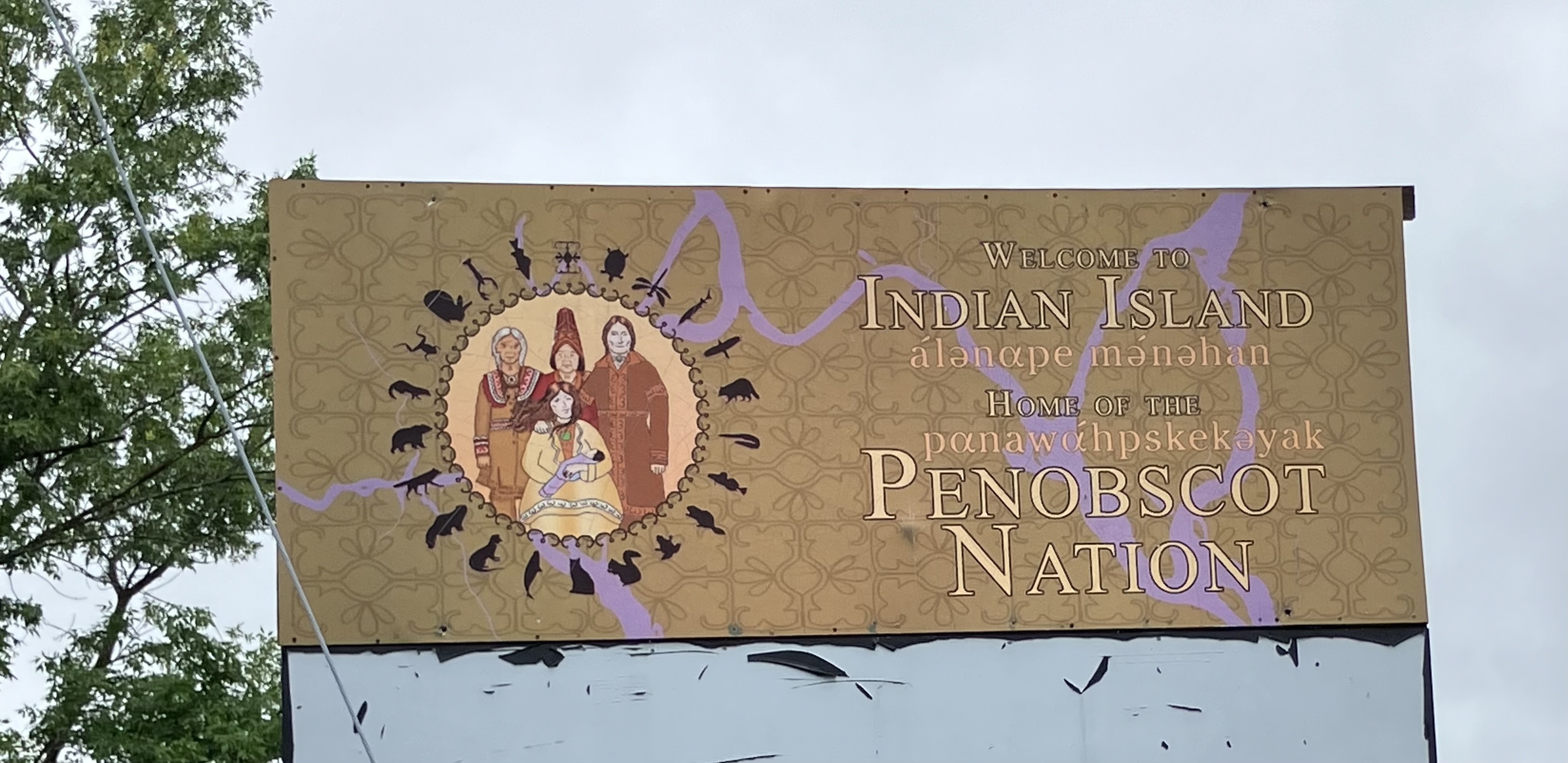
Welcome to Penobscot Nation
Hudson Museum

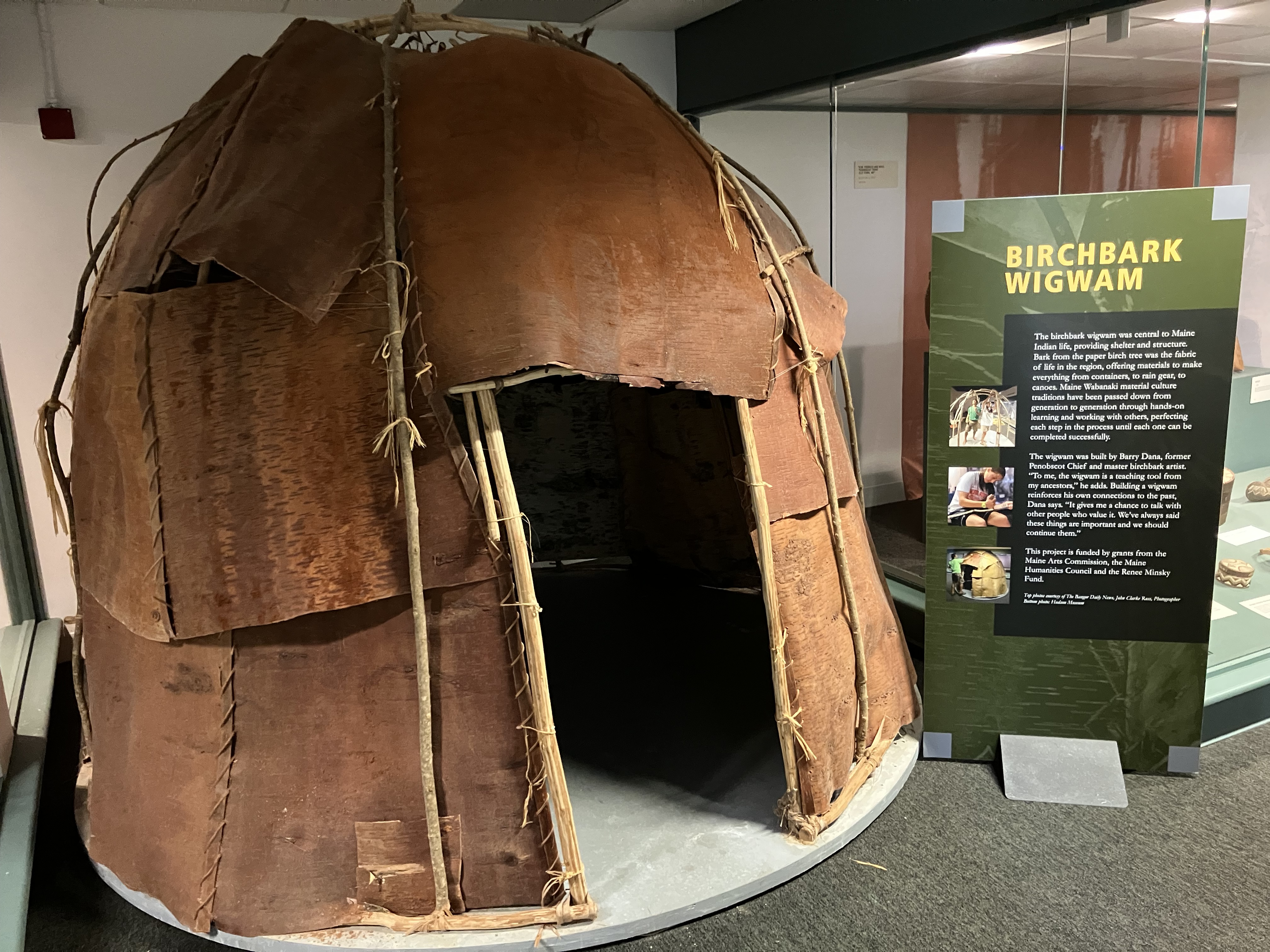
From there, I headed north to visit the Penobscot Nation, about 60 miles from Bar Harbor. I’ve been curious about this since I read the novel in verse Rez Dogs by Joseph Bruchac. It’s about a girl quarantining during Covid-19 with her grandparents on what is called the Penacook reservation, but which I think is modeled on the Penobscot one. I drove around the reservation a bit, then headed a few miles down the road to the Hudson Museum on the campus of the University of Maine in Orono. Admission is free, with two excellent but quite distinct galleries. One is about the five Maine Wabanaki tribes (Abenaki, Maliseet, Micmac, Passamaquoddy, and Penobscot), and the other looks at world cultures from different perspectives like food, clothing, and sacred practices, with artifacts from all over the world.

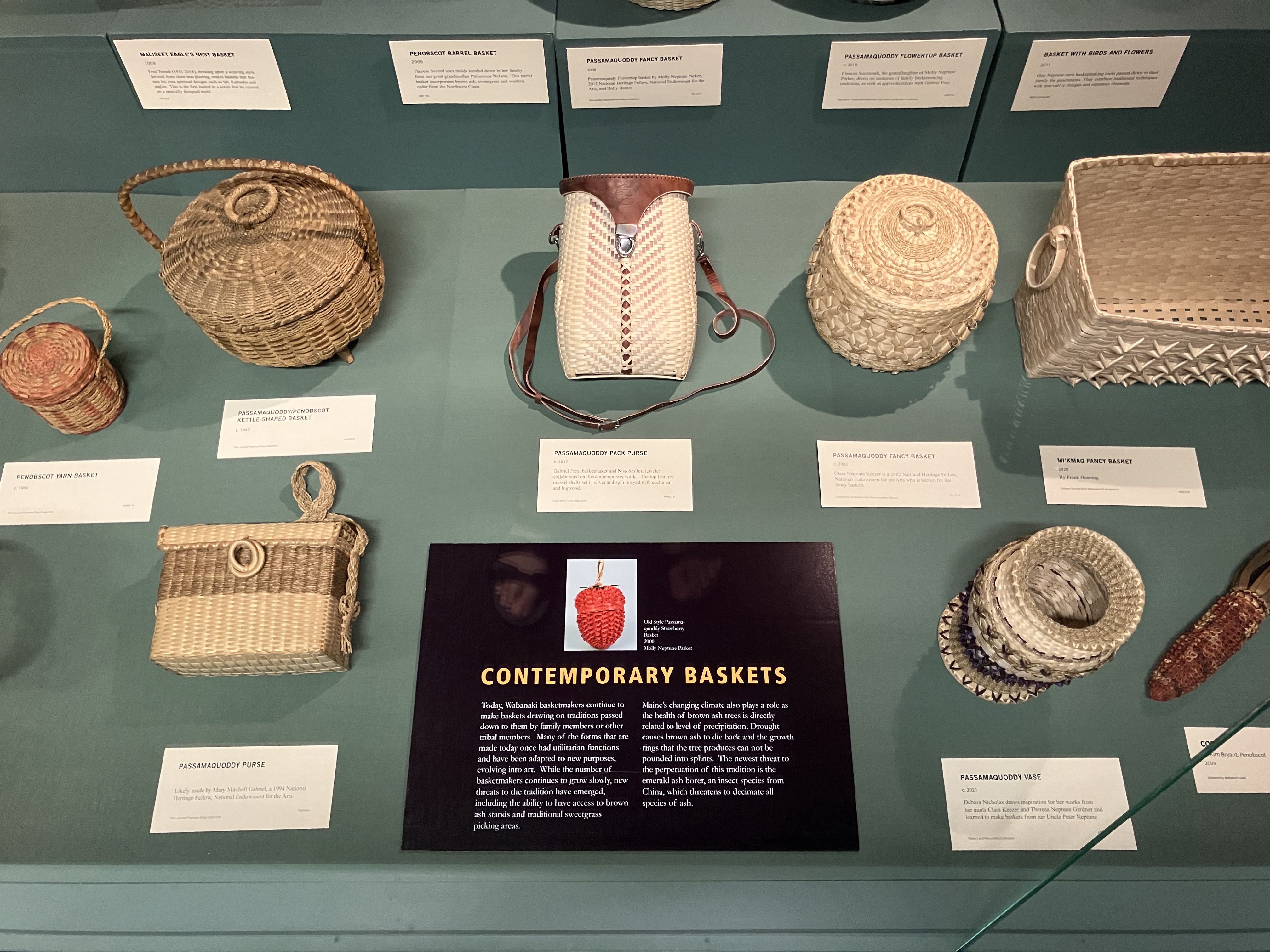
Basket exhibit at the Hudson Museum

One excellent exhibit in the Wabanaki gallery is about basketry, focusing on the ash and sweetgrass baskets that are one of the best-known forms of Wabanaki art, now threatened by an invasive beetle that kills ash trees. Despite this, the baskets on display are a testament to the continuity of this art form to the present day. The First Blades of Sweetgrass by Suzanne Greenlaw is an excellent picture book about a contemporary basket maker passing along this art form to her granddaughter.

My last stop as I headed for home was the Mt. Kearsarge Indian Museum in Warner, NH. This museum was founded by Charles “Bud” Thompson, a white man who died in 2021 at the age of 99. From childhood, he was fascinated by Native Americans and collected artifacts from all over the country. As I mentioned previously, I preferred the museums that focus on local tribes and cultures, and that have ownership or strong input from members of those tribes. I found those museums in Connecticut, Massachusetts, Rhode Island, and Maine, which, not coincidentally, are the New England states with federally recognized tribes.

Books about indigenous people of Maine

Rez Dogs by Joseph Bruchac (Dial Books, 2021)

The First Blades of Sweetgrass: A Native American Story by Suzanne Greenlaw and Gabriel Frey, illustrated by Nancy Baker (Tilbury House Publishers, 2021)

Books about powwows

Bowwow Powwow by Brenda J. Child, translation by Gordon Jourdain, illustrations by Jonathan Thunder (Minnesota Historical Society, 2018)

Josie Dances by Denise Lajimodiere, illustrations by Angela Erdrich (Minnesota Historical Society, 2021)

Ancestor Approved: Intertribal Stories for Kids edited by Cynthia Leitich Smith (Heartdrum, 2021)

Powwow Day by Traci Sorell, illustrated by Madelyn Goodnight (Charlesbridge, 2022)

Finding My Dance by Ria Thundercloud, illustrated by Kalila J. Fuller (Penguin Workshop, 2022)

Tribes

Maine

Houlton Band of Maliseet Indians

Mi’kmaq Nation

Passamaquoddy Tribe

Penobscot Nation

Reservations and Trust Lands

Maine

Indian Township Reservation/Passamaquoddy

Pleasant Point Reservation

Mi’kmaq Nation Trust Land

Passamaquoddy Land Trust

Penobscot Land Trust