Five favorite picture books to share

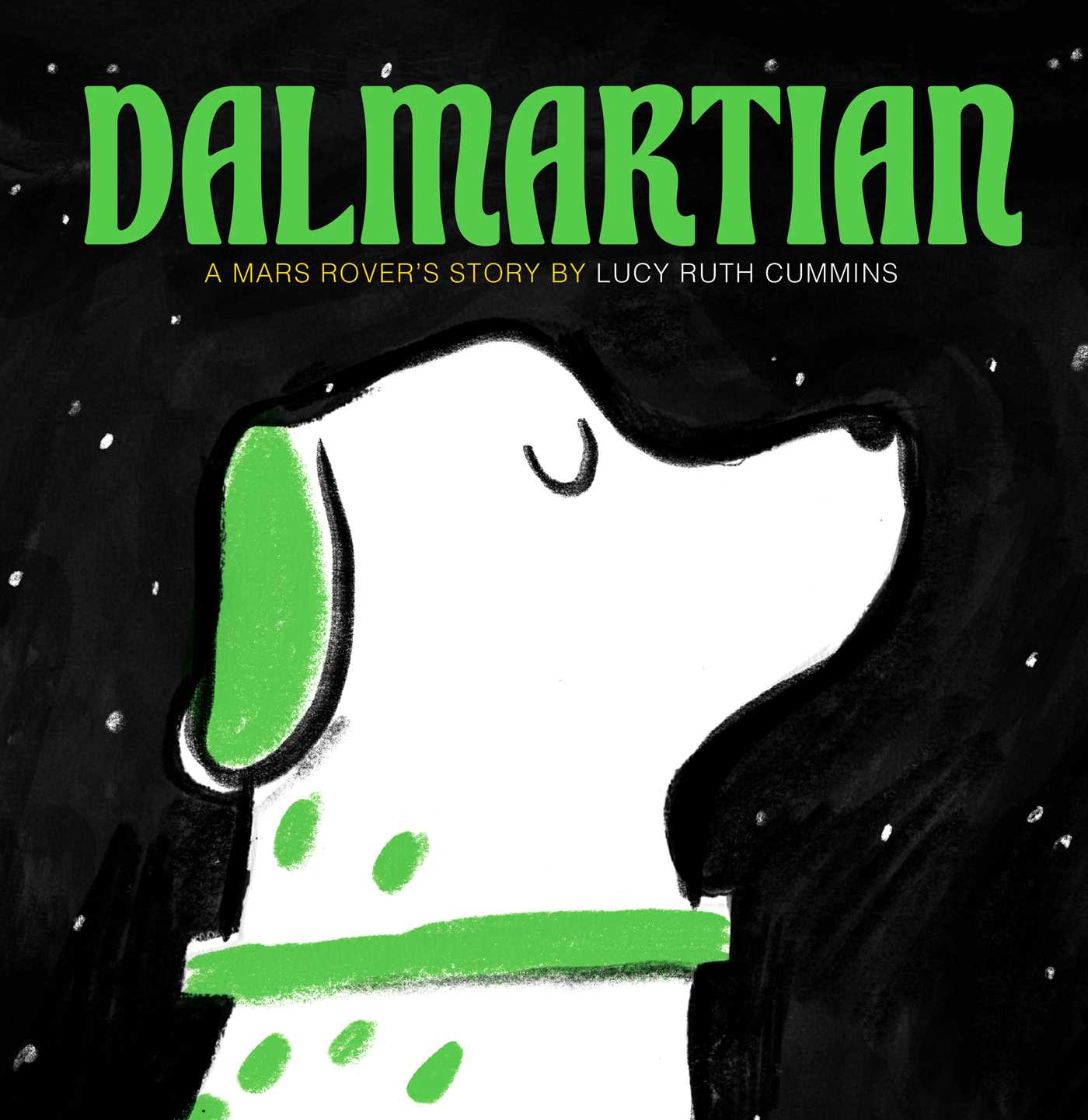
Dalmartian: A Mars Rover’s Story by Lucy Ruth Cummins. Lucy Ruth Cummins is underrated, in my opinion. This quirky story about a dog-like alien who gets left behind on Earth celebrates the power of friendship, with illustrations that revealed new details with each re-reading.
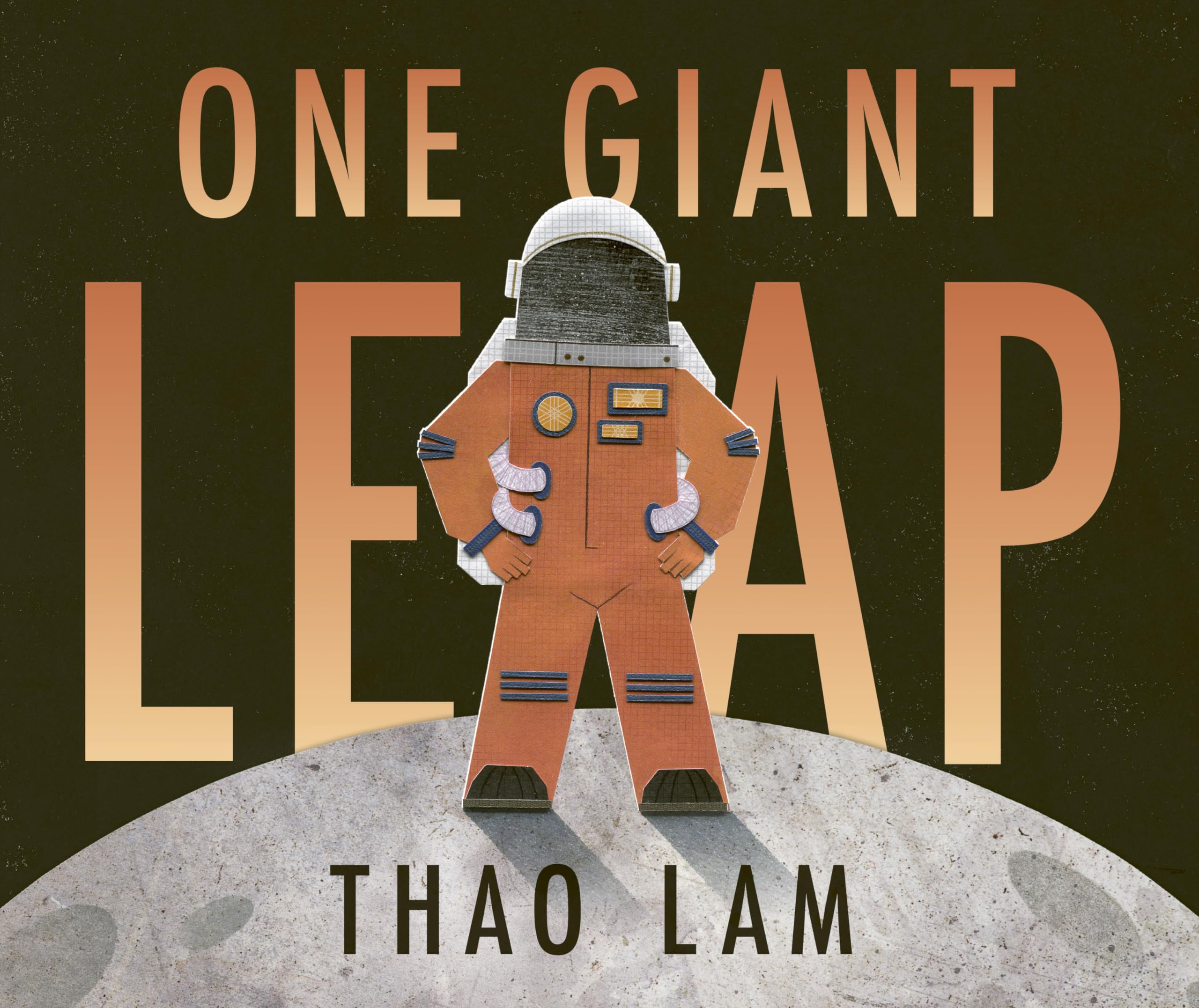
One Giant Leap by Thao Lam. Speaking of interesting details, this wordless book is full of them, leading up to a surprise ending. When I read this to kids, we would always have to go back to the beginning and look at the way the illustrations gave hints about what was really happening in a story that only appeared to take place on the moon.
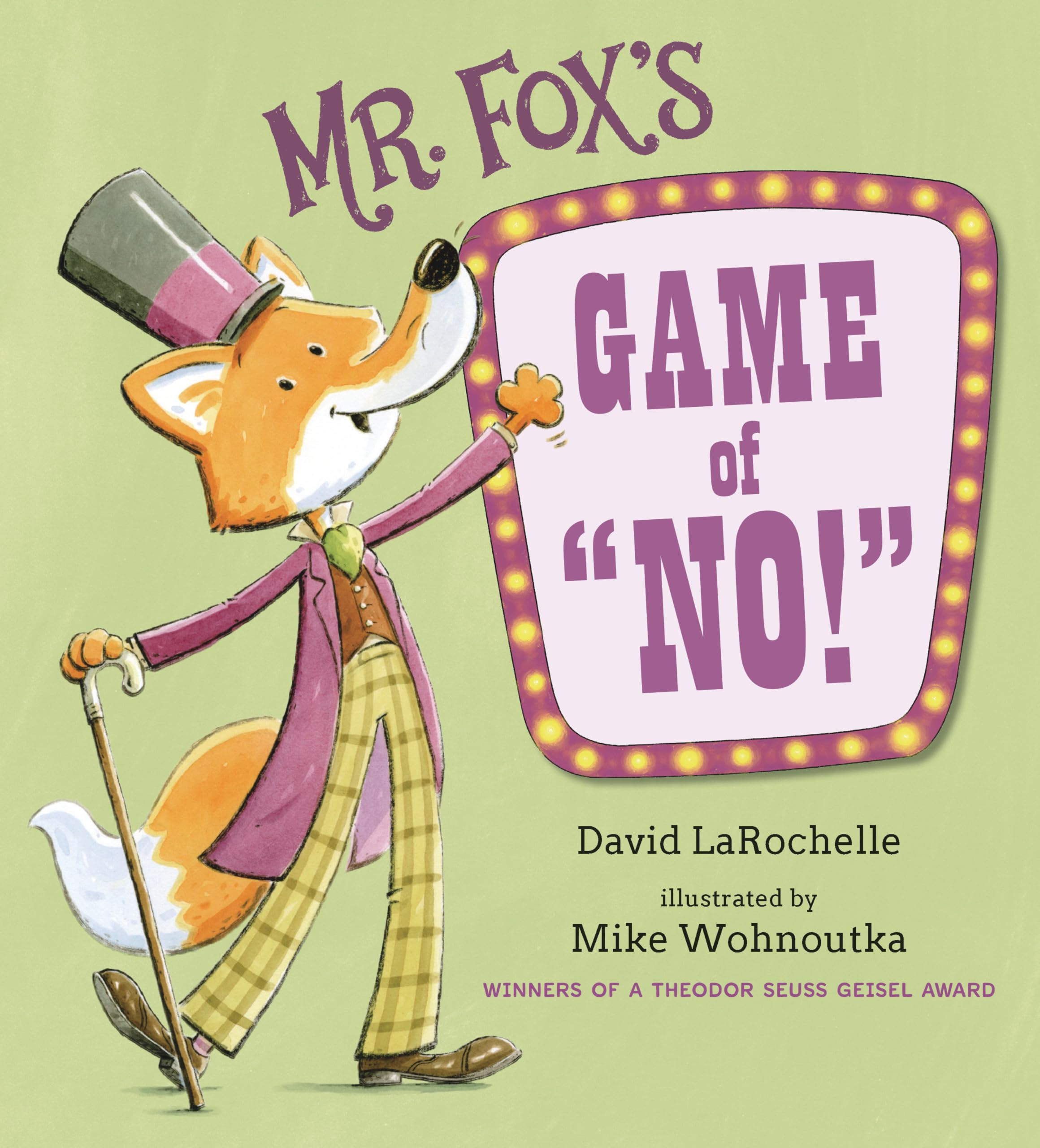
Mr. Fox’s Game of “No!” by David LaRochelle, illustrated by Mike Wohnoutka. The award-winning team who created See the Cat: Three Stories About a Dog and its sequels gave us another fun and interactive read-aloud. Even teachers cracked up at Mr. Fox’s simple game that makes readers answer no to an increasingly silly set of questions.
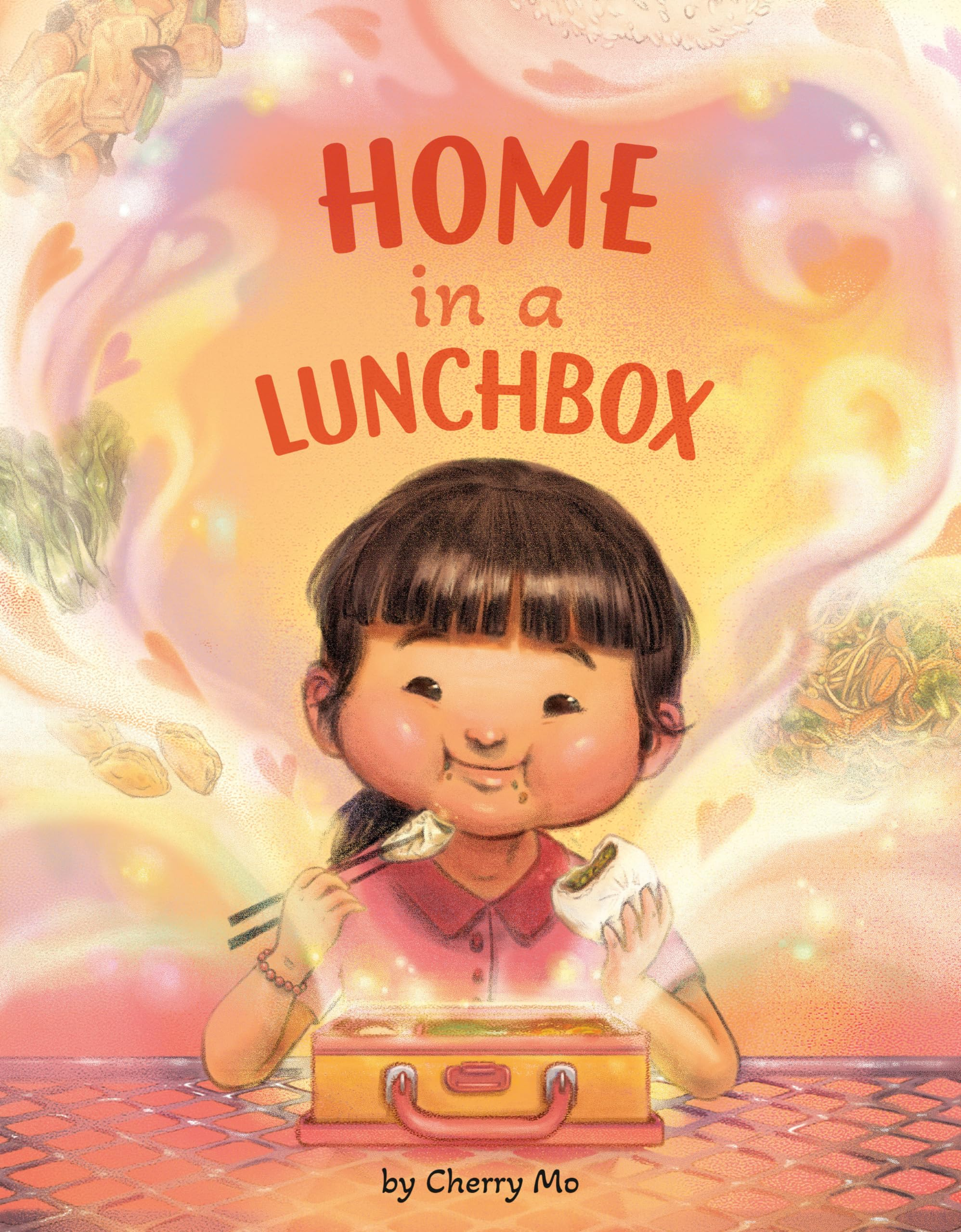
Home in a Lunchbox by Cherry Mo. This one could just as easily have been on my Caldecott contenders list. Jun’s story is told with very few words as she navigates her first days at an American school after a move from Hong Kong. Her lunchbox reminds her of happy days with friends and family and eventually leads to some new friends. Kids enjoyed seeing a young Cherry Mo on the back flap and learning that the story is based on her own childhood.
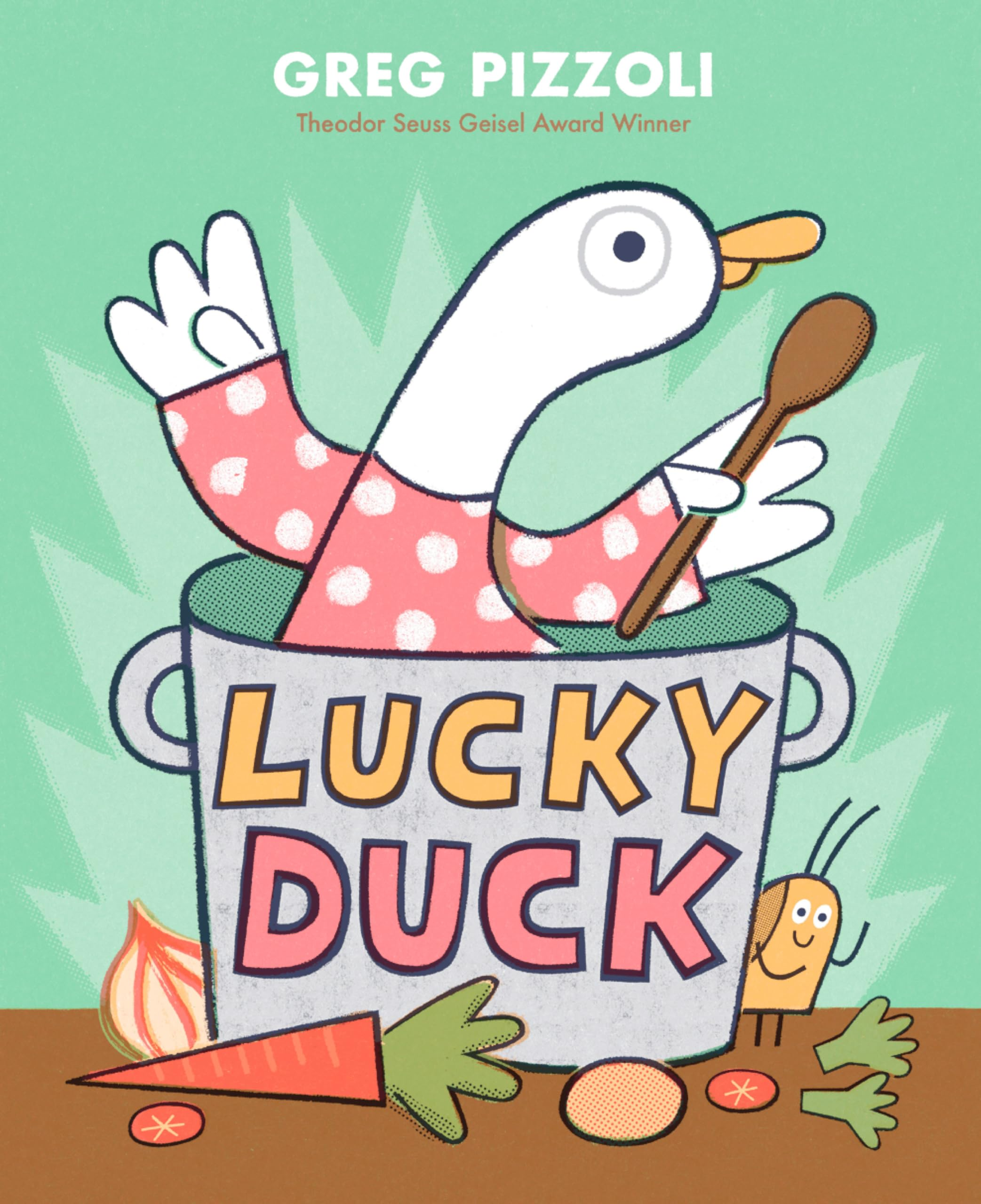
Lucky Duck by Greg Pizzoli. Susan the duck gets a lesson about what’s lucky and what’s unlucky in this hilarious story about how she unwittingly outsmarts a wolf whose plans to make her his dinner are obvious to everyone except her.
Five favorite Newbery contenders

The Tenth Mistake of Hank Hooperman by Gennifer Choldenko/And Then, Boom! by Lisa Fipps. Okay, I lied, there are six books on this list, but I can’t choose between these two! Both are stories of boys dealing with the loss of a grandmother and an unreliable mother, forcing them to shoulder adult responsibilities and a young age. Both authors have won a Newbery Honor (Starfish for Fipps and Al Capone Does My Shirts for Choldenko), and I’d be happy to see a repeat for either or both of them.

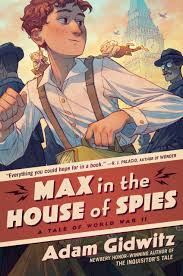
Max in the House of Spies: A Tale of World War II by Adam Gidwitz. I read a few books with a World War II setting this year, but this one really stood out with the unique elements and twists that made me love The Inquisitor’s Tale, Gidwitz’s 2017 Newbery Honor book. Max’s story explores antisemitism in Britain, blurring the lines between good and evil that usually characterize World War II fiction. The ending was a huge cliff-hanger, so I’m happy to report that book 2 will be out in February.

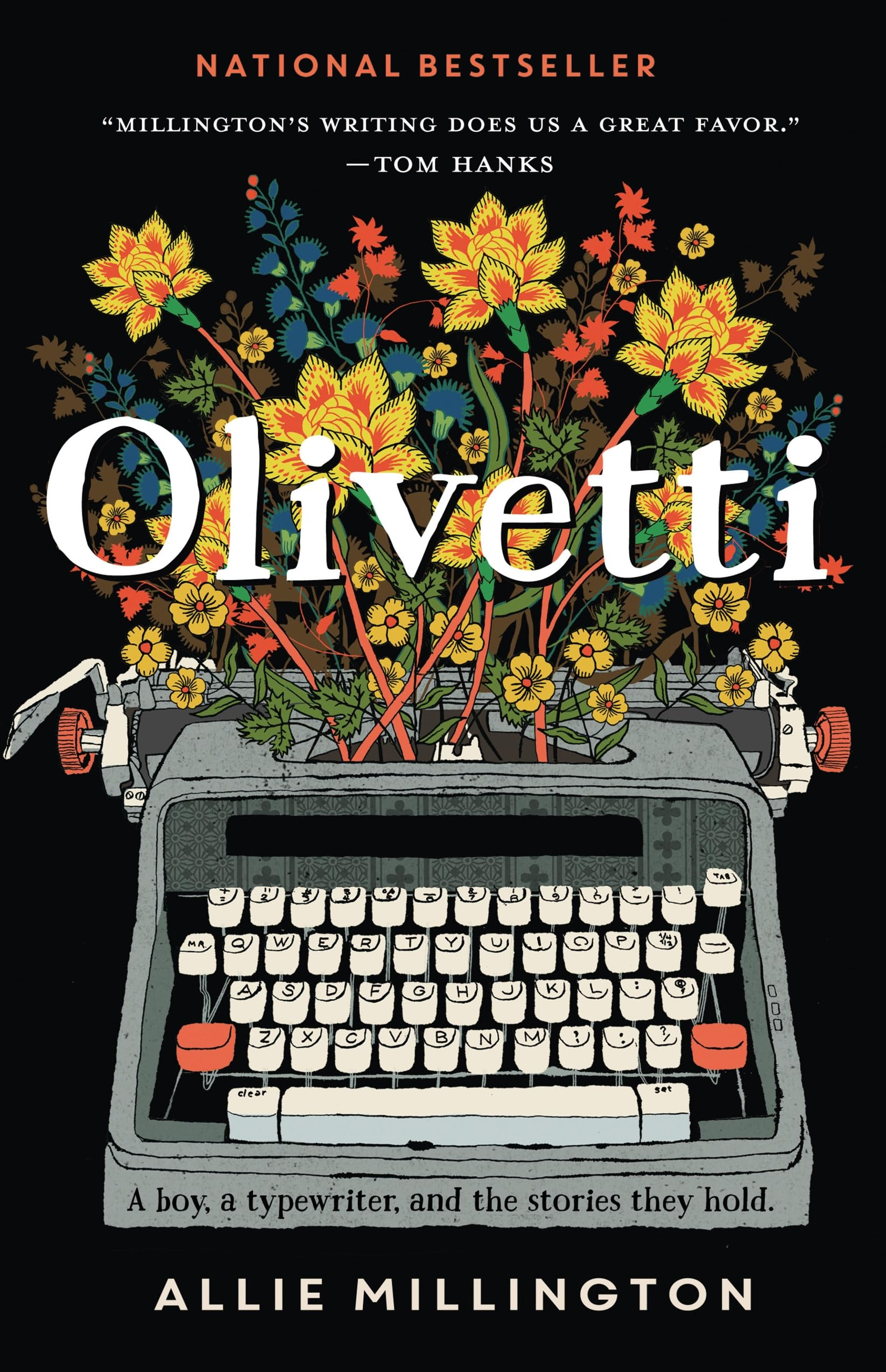
Olivetti by Allie Millington. I’ve read a lot of middle grade fiction books, but this is the first one that was narrated (or half narrated) by a typewriter. Olivetti breaks the typewriter code of silence to help 12-year-old Ernest figure out what has happened to his mother in a debut novel that moves between past and present with perfect pacing to tell the story of a family facing hard times.

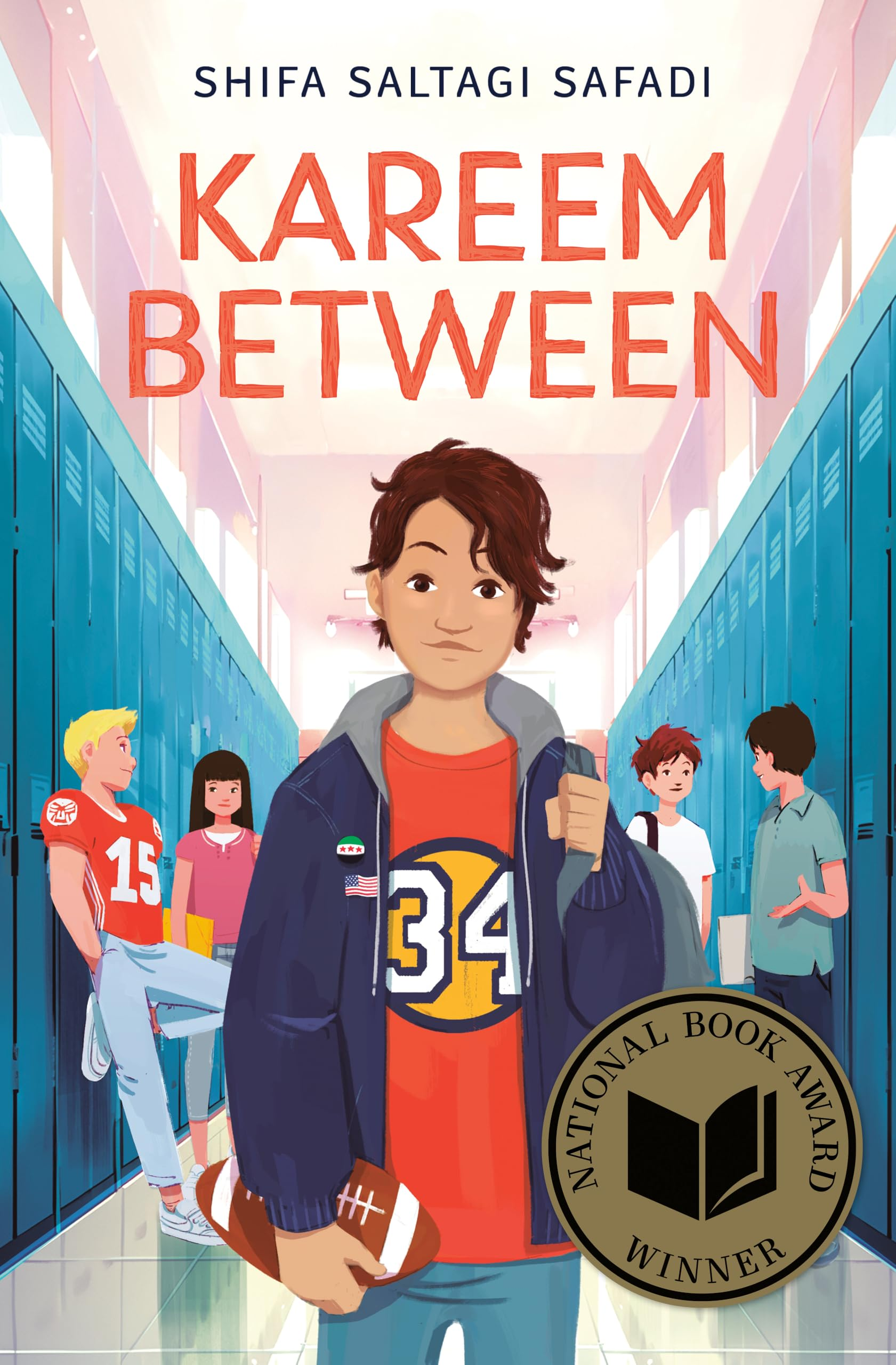
Kareem Between by Shifa Saltagi Safadi. It’s rare that a National Book Award winner also gets a Newbery, but we can hope it happens for this novel in verse about Syrian-American Kareem whose middle school problems feel petty when he and his family are directly affected by the 2017 Muslim ban. This is a story that may unfortunately feel more timely at the beginning of 2025.

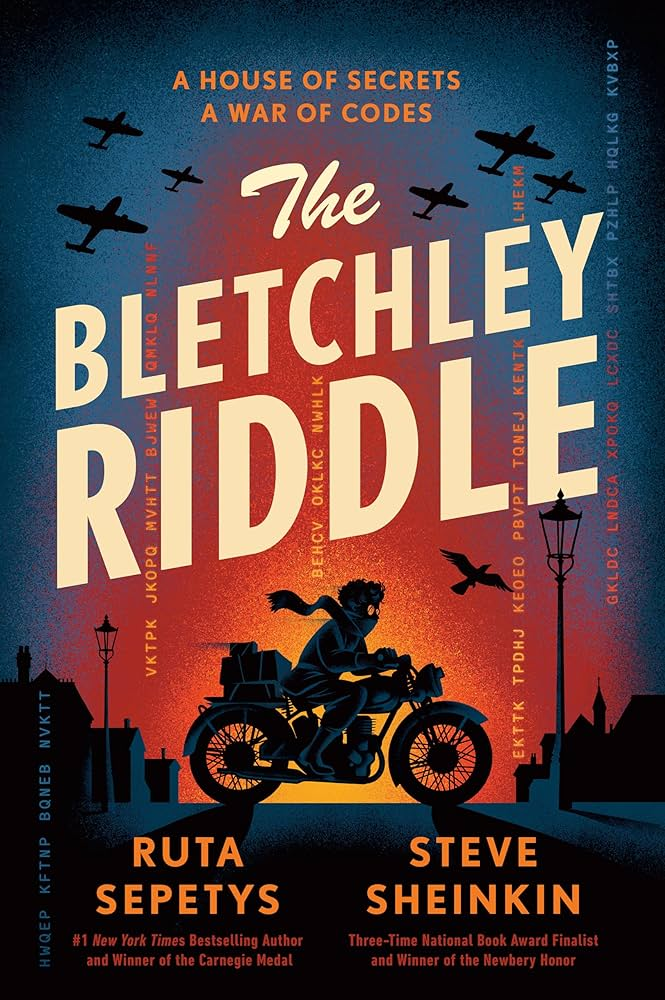
The Bletchley Riddle by Ruta Sepetys and Steve Sheinkin. Another World War II story by two award-winning young adult writers, this impeccably researched historical fiction novel tells the story of Lizzie and Jakob, a sister and brother drawn into the top-secret events unfolding at Bletchley Park in 1940.

Five favorite Caldecott contenders

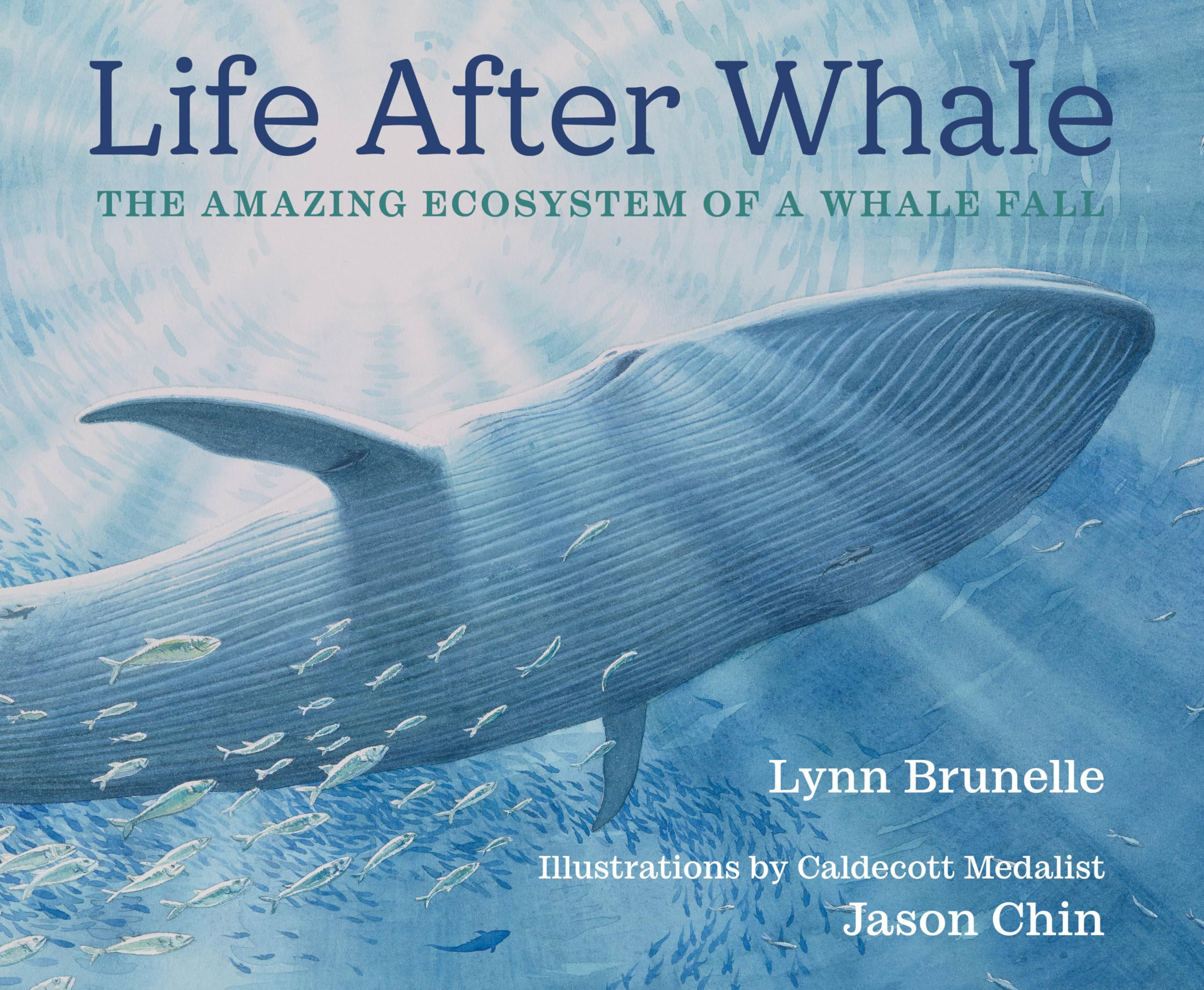
Life After Whale: The Amazing Ecosystem of a Whale Fall by Lynn Brunelle, illustrated by Jason Chin. Jason Chin has deservedly won both a Caldecott medal and a Sibert honor. I wouldn’t be surprised with either for this beautiful and informative book about how a dead whale supports different forms of life decades into the future.

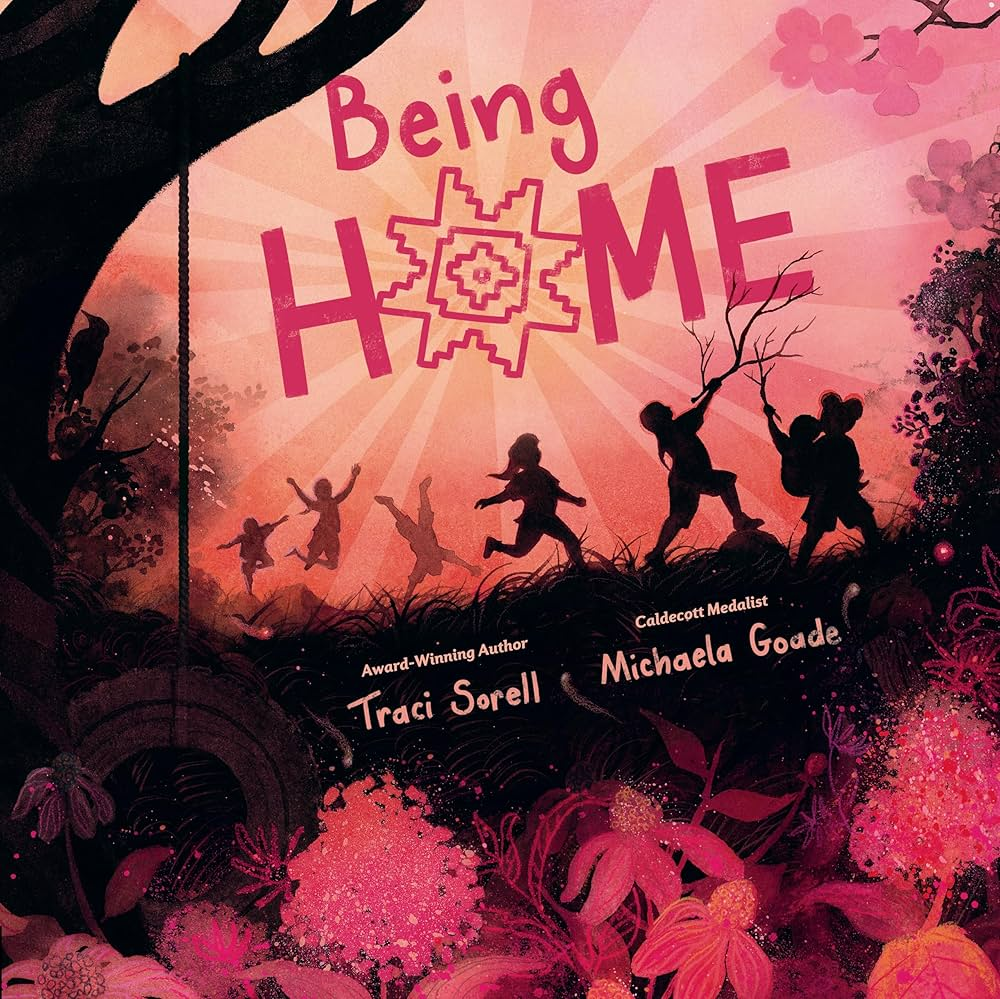
Being Home by Traci Sorell, illustrated by Michaela Goade. Michaela Goade could easily add a third Caldecott to her collection with this poetic story about a family moving back to the Cherokee reservation, illuminated with Goade’s intricate illustrations that celebrate both nature and the Cherokee culture.

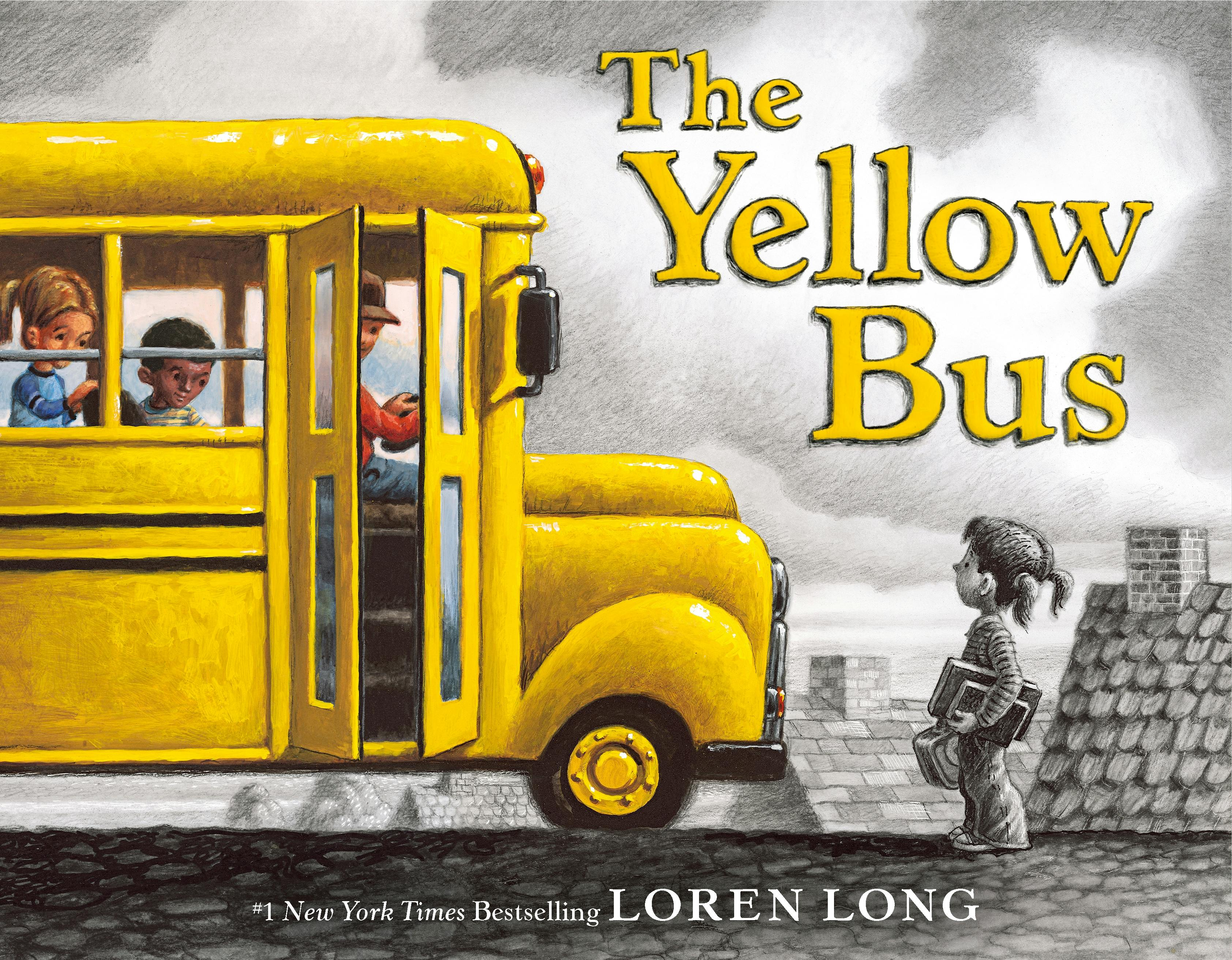
The Yellow Bus by Loren Long. This book got a lot of attention, including a feature in the New York Times. I read it to a few classes and didn’t find it to be a huge favorite, I think in part because of the surprise twist in which the bus winds up at the bottom of the river. But the illustrations are very cool, especially when you learn about the models Loren Long built to create them.

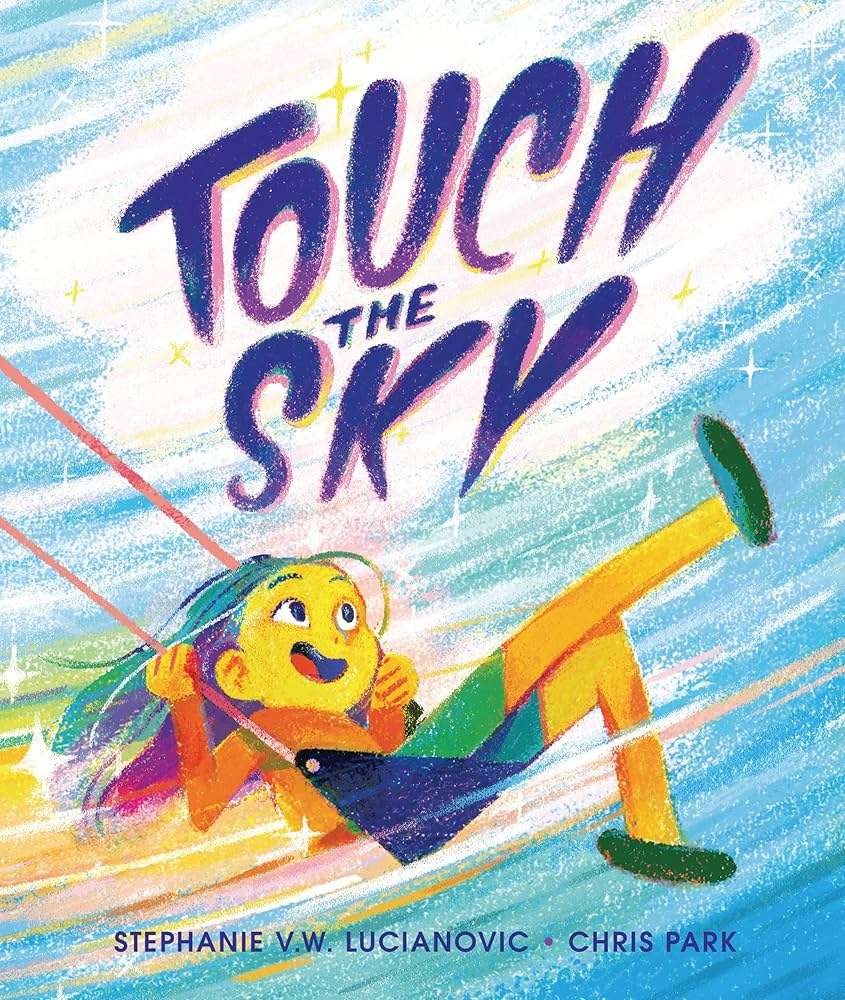
Touch the Sky by Stephanie V. W. Lucianovic, illustrated by Chris Park. Chris Park’s brilliant colored illustrations capture both the emotion of frustration and the feeling of flying as a young boy learns to swing with the assistance of a new friend. I enjoyed sharing this during the first few weeks of school with its relatable message about persistence.

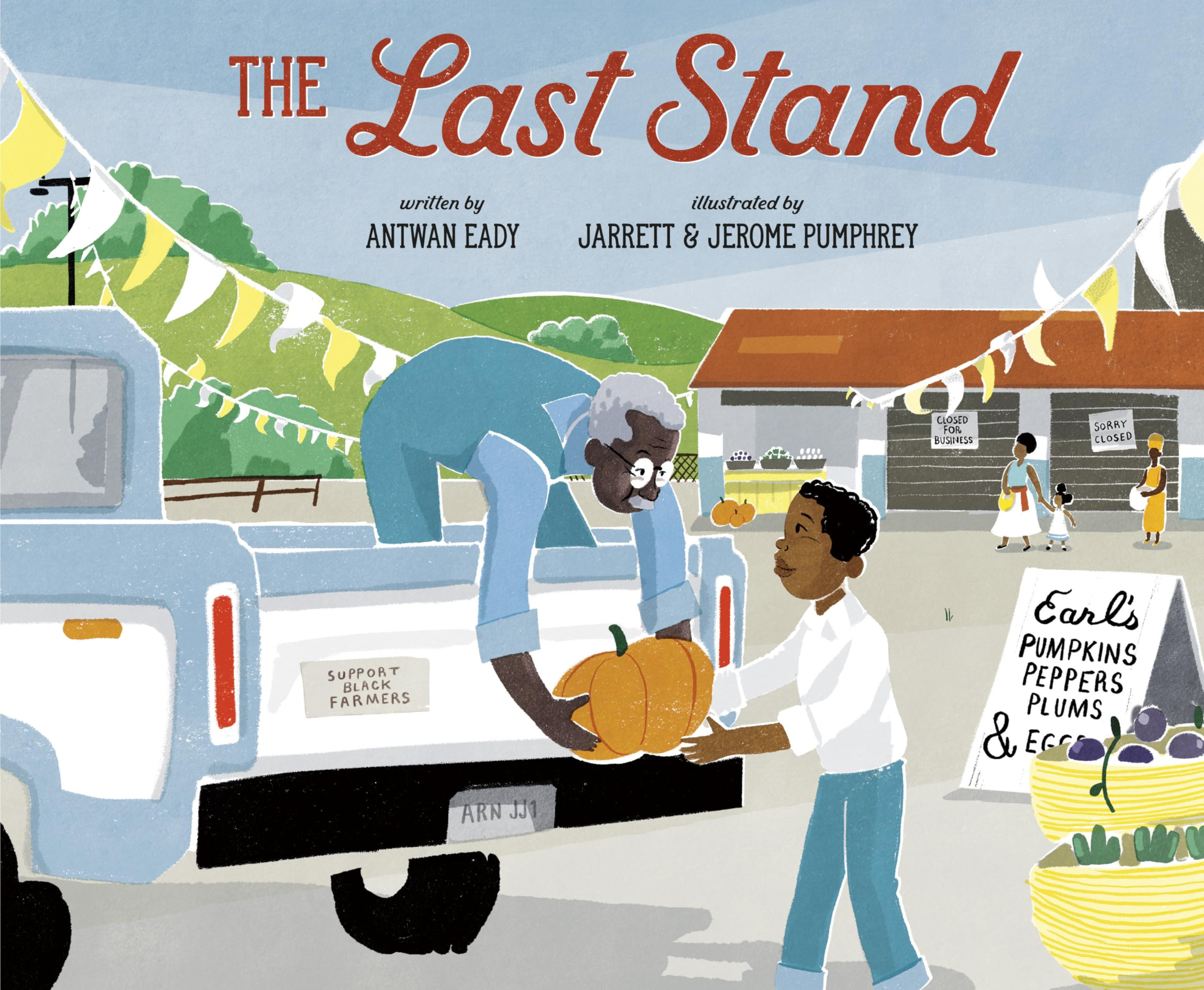
The Last Stand by Antwan Eady, illustrated by Jarrett and Jerome Pumphrey. Coming off a Caldecott Honor last year, the Pumphrey brothers have created illustrations for a story that reminded me a little of my favorite of theirs, The Old Truck, showing younger generations in a Black family carrying out the work started by their elders.

A couple of courageous kids

Monster Locker by Jorge Aguirre, illustrated by Andrés Vera Martínez (First Second, 256 pages, grades 4-7). Pablo Ortiz is as about as unlikely a hero as any sixth grader at Garfield Middle School. Basically friendless after an embarrassing incident at his ex-best friend’s house, he winds up with one of the worst lockers, in the school basement. What he doesn’t know is that a dangerous (if slightly goofy) monster named Obie the Evil lurks inside. When Pablo accidentally releases Obie, it sets off a chain events that culminates with Aztec earth goddess Coatlicue setting up her throne on the roof of the school and preparing to destroy humanity, starting with Pablo’s school. Assisted by his fierce abuela, Pablo discovers resources he didn’t know he had, and he and two new friends find a way to not only defeat Coatlicue but befriend her. He and his friends give her a quinceañera, paying their respects by promising to take care of the earth in a variety of ways. Things seem to be getting back to normal, but an appearance by Obie all but guarantees that book 2 is on its way. Includes an introduction to Aztec mythology by Pablo at the end.

With plenty of humor and non-stop adventure, this is sure to be a big hit with upper elementary and middle school readers. Try it out on fans of Rick Riordan and the Last Kids on Earth series. I hope there will be many installments to come, and I could see a Netflix series for Pablo and his friends in the future.

Light and Air by Mindy Nichols Wendell (Holiday House, 208 pages, grades 3-7). Halle has a pretty happy life until Mama is diagnosed with tuberculosis. It’s 1935, when TB means an indefinite stay in a sanatorium. Halle misses her mother terribly, especially when Papa becomes difficult and demanding. One day, Halle decides to walk to the sanatorium to visit her mother, a day’s trip on a route she’s only traveled by car before. As the day goes on, she becomes increasingly exhausted until she finally collapses. After being rescued, she’s diagnosed with pneumonia and sent to the children’s wing of the sanatorium. Although they don’t have symptoms, both Halle and Papa test positive for TB, and it’s decided that it will be easier for both of them to have Halle stay. She’s placed in a room with three other girls, and soon becomes accustomed to the routine of the TB ward: good food, rest, and plenty of fresh air. The death of one of her roommates brings the reality of the disease home, and Halle launches a plan to help her mother get better. Although her good intentions are somewhat misguided, in the end her courage and determination help heal herself and her family, both physically and emotionally. Includes an author’s note with additional information about the J. N. Adam Memorial Hospital in Perrysburg, NY, where the story takes place.

I do enjoy a good hospital story, and it was interesting to learn more about sanatorium life in the 1930’s. The good food, extended periods of rest, and plentiful fresh air honestly sounded a bit like a spa, except for the constant coughing, occasional lung hemorrhages, and possibility of death. Halle’s struggles with family and friends felt genuine, and her perseverance in helping both her parents was inspiring.

A couple of early chapter books

Emma McKenna, Full Out (The Kids in Mrs. Z’s Class book 1) by Kate Messner, illustrated by Kat Fajardo (Algonquin Young Readers, 128 pages, grades 1-4). Emma is excited and nervous about starting third grade at the new Curiosity Academy. Her nerves get the better of her, though, when Lucy, a former best friend turned enemy, walks through the classroom door. Emma does her best to make new friends, but she sometimes feels like her classmates are more interesting than she is. When the school has a competition for a new mascot, Emma chooses a capybara, an animal that is curious and makes friends with all kinds of other animals. By the end of the book, Emma has started to find her groove, giving an almost-winning presentation on the capybara, and making tentative overtures toward mending her differences with Lucy.

Each book in this series focuses on a different kid in Mrs. Z’s class and is written by a different author (librarians, be careful how you catalog this, or the series will end up scattered through your fiction collection). It’s a fun premise for a series, and the first four books are now available, with more coming in 2025. I found Emma’s story perfectly serviceable, although not particularly distinguishable from other spunky girls who are featured in other early chapter book series.

Wrath of the Rain God (Legendarios book 1) by Karla Arenas Valenti, illustrated by Vanessa Morales (Aladdin, 144 pages, grades 2-5). Twins Emma and Martín are not happy to be moving from Cuernavaca, Mexico to Chicago for their father’s new job. Before they leave, their abuela gives them a book of Mexican legends that turns out to be a portal to the places in the stories. They find themselves in an Aztec village that is on the verge of being wiped out by floods. From there, the twins are sent on a quest to help retrieve the lightning bolt belonging to Tlaloc, the rain god, so that he will stop the torrential downpours. The twins are very different from each other, but each has strengths that help them to complete their quest and return home to Chicago, which starts to feel more like home by the end of the book. Includes a glossary.

This has a Percy Jackson vibe, complete with a stolen lightning bolt. Kids who have seen The Lightning Thief movie or TV show but aren’t quite ready for the books may be interested in trying this series instead. They’ll learn a bit about Mexican and Aztec cultures and mythology in a page-turning adventure story with two unique protagonists. Book 2 of the series came out in August, and book 3, a few weeks ago.

Nonfiction that will make you question humanity

Glenn Burke, Game Changer: The Man Who Invented the High Five by Phil Bildner, illustrated by Daniel J. O’Brien (Farrar, Straus, and Giroux, 32 pages, grades 2-5). As a kid, Glenn Burke was a five-tool talent: fast runner, powerful and accurate hitter, good catcher, and strong pitcher. So it was no surprise that he got called up to play for the Los Angeles Dodgers. He made a name for himself there, and was an enthusiastic teammate, greeting runners at home plate by putting up his right hand, which the player would then smack. The high-fiving team made it to the World Series in 1977, but the next year Glenn was traded to the Oakland Athletics, a team at the bottom of the baseball standing. Why? Glenn Burke was gay, and homophobic manager Tommy Lasorda didn’t want him on the team. The trade led Glenn to quit baseball altogether. He enjoyed success playing in the San Francisco Gay Softball League and winning gold in the Gay Olympics, but struggled with drug use and unemployment, shattering his leg in a car accident and dying of AIDS at the age of 42. He lived long enough to see his high five become a universal greeting, but not to see the open acceptance of gay players in the MLB. Includes an author’s note, bibliography, and timeline.

Phil Bildner writes in the author’s note how he originally envisioned Glenn Burke’s story as a picture book, but his editor wanted a middle grade novel, which became A High Five for Glenn Burke, published in 2020. While the origin story of the high five may seem like a perfect choice for younger readers, the MLB’s homophobia and Burke’s death from AIDS may make this a better choice for older kids. It’s a moving and well-told story, ending on a note that is both sad and hopeful.

It Happened in Salem by Jonah Winter, illustrated by Brad Holland (Creative Editions, 32 pages, grades 6 and up). “You know what I’m talking about. You start whispering things about a person–hurtful things you know will get that person in trouble, untrue things you may have convinced yourself are actually true.” This second-person introduction to the Salem Witch Trials situates readers right in the middle of the action. The text is spare, relating the basic events and facts, and illustrated with haunting paintings of people in stocks and hanging from nooses. An author’s note gives more information, including the fact that it took 325 years–until 2017–for Salem to put up a plaque commemorating the individuals who were executed.

I found this book disturbing from the cover to the author’s note, which seems appropriate for the subject. You can generally count on Jonah Winter to put a unique and relevant spin on history that will have readers thinking about their own lives. I saw recommendations for this book starting in fourth grade, but I personally would not get this for an elementary library. It would be an excellent supplement for middle school or high school students learning about this period of American history, no doubt initiating some interesting conversations on gossip and bullying. I wish there had been some additional resources given at the end.

Welcome to the world of reading!

As the year winds down, I’ll be reviewing two final 2024 books in several categories (middle grade fiction, nonfiction, early chapter books, and picture books). During the week between Christmas and New Year’s, I’ll post my lists of favorites, then take a break for the first few weeks of January.

Words Are Magic! by Zaila Avang-garde, illustrated by Felicia Whaley. (Random House Books for Young Readers, 32 pages, ages 4-6). “Words are magic! Have you heard? Pick a letter. Make a word!” The enthusiastic narrator shows readers all the things that can be done with words: sing them, shout them, draw them, paint them, and more. She goes through her day finding different ways to use words, and concludes “I love words!” As well she might, being the 2021 winner of the Scripps National Spelling Bee (the author that is). This is a fun, high-energy introduction to the power of words and reading, written in a format that beginning readers will soon be able to read themselves.

No Cats in the Library by Lauren Emmons (Simon and Schuster/Paula Wiseman Books, 32 pages, ages 4-8). Clarisse is a stray cat who loves books. Peering over a child’s shoulder from her perch in a tree, she can’t understand the dark squiggly lines, but she loves the pictures. When she discovers a library, she tries to get inside, but the librarian keeps taking her out again. Finally, Clarisse discovers the book drop, and uses a catlike leap to get inside. A child struggling to learn to read finds Clarisse the perfect read-aloud partner, and Clarisse is happy to oblige. Witnessing the power of a read-aloud cat, the librarian is convinced to change her mind, and Clarisse finds a new home. This lovely story made me want to get a cat for my library, even though I am allergic. Maybe a stuffed one? Kids and librarians alike will love Clarisse, and if a library has a read-aloud program with a dog (I’ve never seen one with a cat, but who knows?), this book will make a perfect introduction.

Middle school drama

Stand Up! by Tori Sharp (Little, Brown Ink, 336 pages, grades 5-8). Kyle and Clay are best friends who also live together with their moms in an apartment over the local cafe. They’ve both been part of stage crew through middle school, but Clay decides she’s ready for the spotlight and auditions for the last eighth grade show, Gals and Dolls. The performance brings all kinds of new experiences, including Clay’s crush on fellow actress Daria and the creation of a popular podcast by Kyle and Clay. Although Clay enjoys being in the play, her ADHD makes her struggle with focus, and she’s heartbroken when she learns that leading man Nate is asking Daria to the eighth grade dance. But the show must go on, and not only is Gals and Dolls a sold-out hit, but Kyle and Clay’s podcast takes off as well, resulting in them getting to do a live show opening act for their own favorite podcast. Includes an author’s note describing how her own autism (like Kyle) and ADHD (like Clay) influenced the story, and encouraging readers to embrace who they are and find their own people.

Fans of Raina Telgemeier’s Drama will enjoy this graphic novel that offers a behind-the-scenes look at a group of lovable thespians figuring out life, middle school, and how to put on a play. The plot is a bit meandering at times, but the characters carry the story and will have readers turning pages until the end.

Take It From the Top by Claire Swinarski (Quill Tree Books, 256 pages, grades 4-7). For Eowyn and Jules, summers at Lamplighter Lake Summer Camp have always been the best part of the year, a time when they get to live and breathe musical theater. Eowyn’s first summer at camp, when she was 8 years old, was a welcome change of scenery following her mother’s death. There she met Jules, who sees camp as an escape from the poverty of cramped West Virginia apartment and worries about her father’s disability. But their sixth summer, when the girls are 13, is different. Jules has been cool to Eowyn all year, and she remains distant when they get to camp. Eowyn is dealing with crippling stage fright, which has meant smaller parts each year in the big camp production, as well as family issues with her dad and her Broadway star older brother Nick. When it’s announced that this year’s play will be Wicked, a show the girls have always dreamed about co-starring in, Eowyn fears that she will have to put many of her dreams on hold forever.

Told in chapters that alternate between Eowyn’s first-person narrative of the present and Jules’s third-person accounts of past summers, the story slowly reveals the cracks in their friendship, as well as some of the family issues both girls are dealing with. Everything comes to a head during Wicked‘s dress rehearsal week, and some honest communication begins the healing process for everyone. Musical theater fans will love the behind-the-scenes look at putting on a big play, and everyone will enjoy the idyllic summer camp vibes. I was surprised this summer-y book was released in November, but then I realized the release date was well-timed to coordinate with the Wicked movie.

Creature features

Narwhal: Unicorn of the Arctic by Candace Fleming, illustrated by Deena So’Oteh (Anne Schwartz Books, 48 pages, grades 1-5). Narrated in second person (“Scientists call you unicorn of the Arctic”), the text tells the story of a narwhal, starting in the Arctic, where he and another male joust with their tusks before slipping under the ice into the sea. When the weather turns warm, the narwhal pod migrates to summer grounds; by September, it’s time to return to the Arctic. Dangers lurk, with orcas and polar bears hunting the narwhals and a sudden blizzard blocking the air hole in the ice. If the narwhal survives, he will make the journey back and forth for fifty years. Includes two pages of additional information and a bibliography.

As she did in Giant Squid, Honeybee, and Polar Bear, Candace Fleming has crafted an exciting nonfiction narrative that teaches kids a lot about a fascinating animal, while keeping the pages turning with plenty of adventure. I was disappointed at first that Eric Rohmann didn’t do the illustrations, but debut illustrator Deena So’Oteh did a magnificent job that deserves both Caldecott and Sibert consideration.

Beware the Dragon and the Nozzlewock: A Graphic Novel Poetry Collection Full of Suprising Characters! by Vikram Madan (Wordsong, 128 pages, grades 2-5). This madcap collection of poems features a wild and crazy cast of characters, such as ghost guppies, squishosaurs, and the salesmoose. Making multiple appearances throughout the book is the fearsome Nozzlewock, about whom a group of children is repeatedly warned, and from whom they have to ultimately save their teacher. There’s a bunch of crazy science going on, too, from laboratory shenanigans to wormholes, which in the end helps the kids rescue the teacher. Many of the characters reappear from time to time, adding to the fun and continuity of this poetry collection.

This would be a great introduction to poetry for those who may not consider themselves fans of the genre. The poems are hilarious, and the graphic novel format will appeal to all kinds of readers.

Two books about Palestine

A Map for Falasteen by Maysa Odeh, illustrated by Aliaa Betawi (Henry Holt and Co., 40 pages, ages 4-8). When Falasteen’s teacher invites students to look at a map and share where their families are from, Falasteen can’t find her family’s homeland, Palestine. At home that afternoon, she tells her grandparents what happened and asks why Palestine isn’t on the map. Her grandfather, Jido, draws her a map and tells her that her teacher needs teaching, while Teta tells Falasteen how soldiers forced her and her children from their home and shows her the key to their old house she has kept all these years. When Falasteen asks her mother about it at bedtime, Mama tells her that “sometimes people live in countries and sometimes countries live in people,” and that Palestine lives in each of their hearts. She promises Falasteen that one day they will be able to visit their homeland. Includes an author’s note telling of her own family’s experiences being displaced from their home in Palestine in 1967, as well as a concise history of Palestine from 1948 to the present.

Maysa Odeh tells a compelling story that shows readers the history of Palestine, both through Falasteen’s story and her author’s note. Each of Falasteen’s family members adds a different element to the narrative, and Odeh’s personal story creates another layer. I felt like Mama’s speech could have been edited a bit for length (more power to her for having that much energy at bedtime), but at the same time it is incredibly moving and stirring.

Although it’s not a children’s book, I want to mention another new Palestinian book coming out this week, If I Must Die: Poetry and Prose by Refaat Alareer (OR Books, 288 pages). Refaat Alareer was a Palestinian poet and professor who was killed in an Israeli airstrike in Gaza in December 2023 at the age of 44. After his death his poem, “If I Must Die” went viral. There is currently a campaign to make his book a best-seller by pre-ordering it before Tuesday.