Cinderella stories

CeeCee: Underground Railroad by Shana Keller, illustrated by Laura Freeman (Charlesbridge, 32 pages, grades 1-5). Cecelia, or CeeCee for short, knows that her real name is different, a name that she keeps on a piece of paper hidden away from the people she works for on a Maryland plantation. The mother and two daughters there are always finding ways to scold and punish her, no matter how hard she works, but CeeCee has dreams of one day finding a better life. Binty the cook, in the role of the fairy godmother, sneaks CeeCee food and assures her that she can do anything. She also tells the girl about a prince named Moses who can give her a better life. After months of planning and secretly making herself new clothes to wear, CeeCee is runs away one night to find the mysterious prince. She’s surprised to learn that Moses is a woman named Harriet Tubman, who inspires CeeCee enough to finally share that she is named Edea, after her mama. Includes additional information about Harriet Tubman, names during slavery, Cinderella, and fairy tales.

This is a really interesting combination of Cinderella story and information about Harriet Tubman and the Underground Railroad that would make an excellent compare and contrast exercise with some of the many other versions of Cinderella. The theme of the power of names and the dehumanizing impact of taking away someone’s name could start some good discussions.

The Fairy Tale Fixers: Cinderella by Deborah Underwood, illustrated by Jorge Lacera (Clarion Books, 128 pages, grades 1-5). The Fairy Tale Fixer is just getting ready to go home to a Friday evening pancake supper, when the phone rings. It’s another mouse, and she has an emergency: the house where she lives is filled with screaming and she needs the Fixer to make things right. When the Fixer reluctantly takes the case, he discovers a girl named Cinderella being yelled at by her stepmother and stepsisters. His solution? Send Cinderella to the ball and marry her off to the prince. After all, doesn’t every girl want to marry a prince? But things go off the fairy-tale tracks at that point, and the Fixer learns that it’s a good idea to ask someone what she wants before assuming anything. Cinderella eventually gets her unconventional happily-ever-after, and the Fixer gets a new assistant and a call about a new case: an evil fairy is about to put a princess to sleep for 100 years.

The familiar story gets a fun twist in this new series opener featuring a couple of mice who fracture fairy tales. Kids just starting to read longer books will enjoy the humor and comparing the traditional story to the new version, with the end giving a preview of book 2.
Classic novels to graphic novels

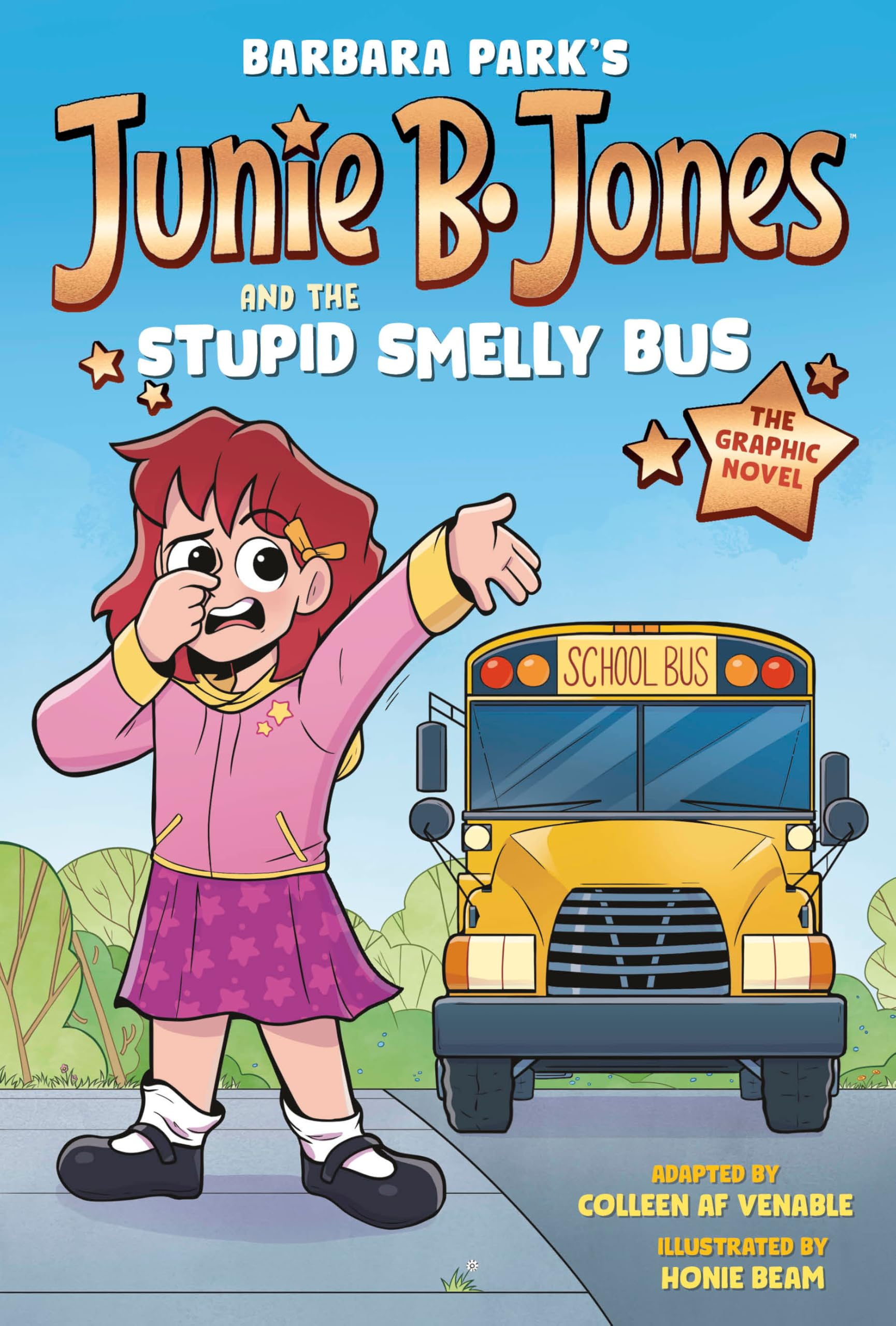
Barbara Park’s Junie B. Jones and the Stupid Smelly Bus: the graphic novel by Colleen AF Venable, illustrated by Honie Beam (Random House Books for Young Readers, 160 pages, grades 1-3). Junie B. is excited about going to kindergarten after acing her orientation, but she’s less thrilled about riding on the stupid, smelly bus. The reality turns out to be even worse than she had imagined, and as she end of the day approaches, she decides she can’t face a return trip. She hides during dismissal, then roams the school after hours, exploring the library, gym, nurse’s office, and more, all with her own unique take on things. Her frantic parents and teacher finally track her down, and the introduction of a new friend helps Junie B. feel like she can face the bus ride in the morning.

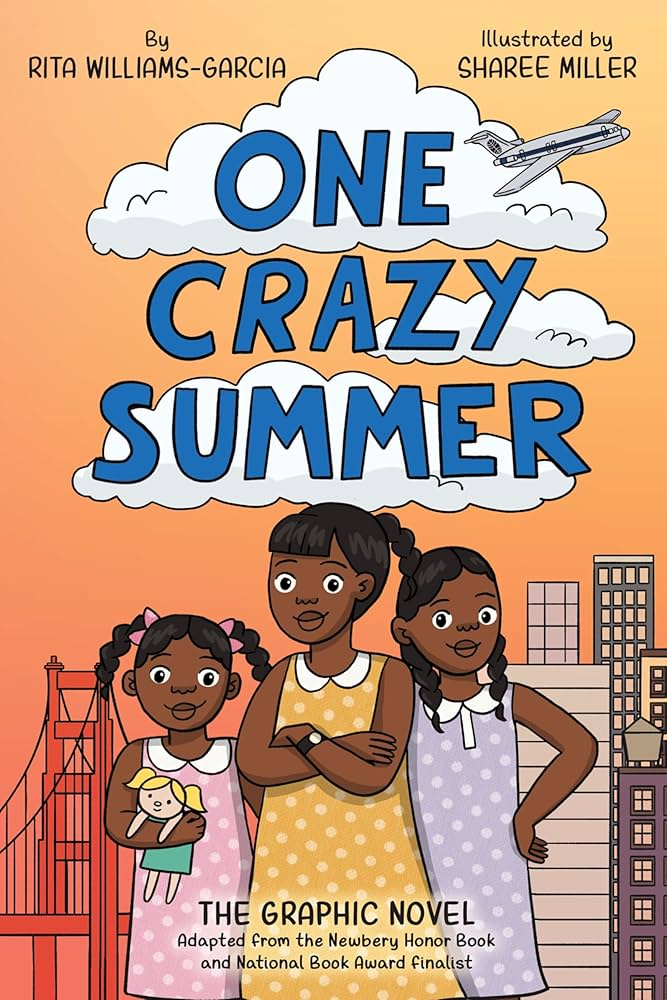
One Crazy Summer: the graphic novel by Rita Williams-Garcia, illustrated by Sharee Miller (Quill Tree Books, 304 pages, grades 4-7). 11-year-old Delphine tells the story of spending the summer of 1968 with their mother, Cecile, when she and her two younger sisters, Vonetta and Fern, are sent to Oakland to get to know the mother who abandoned them when Fern was a baby. The trip was decided on by their father and grandmother back in New York, and Cecile wants no part of the visit. Busy with her mysterious work, she sends the three girls to the kids’ program at the Black Panthers’ People’s Center. There, they get free meals along with lessons in Black Power and resisting the police. After Delphine leads them on an excursion to San Francisco, the girls return to see their mother being arrested along with a few others from the Black Panthers. After cleaning up Cecile’s destroyed workspace and discovering some of her poems, they move in with friends. A performance of one of her poems at a Black Panther rally concludes with a reunion with Cecile, whose time in jail seems to have changed her enough to have an honest conversation with Delphine about why she left. The girls return home with some new ideas and insights about their family and what it means to be Black in America.

Is it okay to have mixed feelings that it feels like every classic book is being turned into a graphic novel? Both of these are extremely well done, both the art and the storytelling, and I’m delighted that new audiences will be introduced to these characters. Junie B. will find a ready audience with fans of Baby-Sitters Little Sisters and the Magic Tree House (both now graphic novels that are way more popular than the originals). And reading One Crazy Summer reminded me of how that trilogy introduced me to so much from that era, completely changing my childhood perceptions of the Black Panthers. I missed the nuances of the original, though, for instance, the way Cecile’s complex character is slowly (and only partially) revealed throughout the story. In this version, the changes she makes toward the end of the story feel somewhat abrupt. So it does make me both a little sad to see Newbery books like A Wrinkle in Time, Turtle in Paradise, and now, One Crazy Summer turned into graphic novels, yet glad that these stories will now reach a wider audience.

Disabilities

Whale Eyes: A Memoir About Seeing and Being Seen by James Robinson, illustrated by Brian Rea (Penguin Workshop, 304 pages, grades 6 and up). James Robinson was born with strabismus, or misaligned eyes. He shares with readers how this affected him in school, both his struggles with reading and the reactions of others, whom he addresses as “Starers.” He grew up to be a documentary filmmaker, and the book is based on a short film he created for the New York Times to help people understand how he perceives the world. The book has some visuals and activities from the film, giving kids an opportunity to get some idea of how James sees things. The last part is more of a memoir, telling how his mom creatively homeschooled him and his older brother who had dyslexia, helping them to pursue their passions and succeed. Includes a list of citations.

Readers will learn a lot about what it takes to succeed when you have a disability, and James (and his mom, who sounds amazing) offer inspiring lessons about persevering when it feels like there is little or no progress. The illustrations are very cool and an excellent aid in understanding James’s condition. The book felt a little disjointed, with the last part feeling quite different than the rest of the story.

We Are the Scrappy Ones by Rebekah Taussing, illustrated by Kirbi Fagan (Carolrhoda Books, 32 pages, ages 4-8). This celebration of people with disabilities portrays a diverse group of kids and adults with all kinds of disabilities. Whether they’re in a wheelchair, walking with a white cane or a guide dog, or getting some sort of medical treatment, they are shown dancing, playing, making art and music, and always surrounded by others, sharing a sense of belonging. They are celebrated for adapting and overcoming difficulties and accepting help without thinking of themselves as a burden. All of this can be exhausting, and resting and taking care of yourself are also encouraged. A two-page spread near the end portrays several inspiring disability activists, with information about each in the back matter. There are also notes from the author and illustrator, who both drew on their experiences growing up with disabilities to create this book.

I was glad to find this book just as I was finishing up Whale Eyes, and it seemed like it would have been super helpful to James Robinson after hearing of his struggles with the label “disability” to describe his vision. This beautiful poem will inspire and reassure kids with disabilities, as well as their peers, but I think they will be especially drawn to the illustrations that portray so many different types of people living life joyfully and in community. The notes at the end about the author’s and illustrator’s experiences add an extra dimension.

Catty Corner Lands on Her Feet (Catty Corner, book 1) by Julie Murphy (Union Square Kids, 128 pages, grades 1-4). Like her mother, Catty is half-cat, half-human (Dad’s just a regular person), and she’s been homeschooled all her life, never having to worry about containing her feline instincts. But when her mom gets a job, it’s time for Catty to try school. She’s nervous, but also excited about the possibility of making new friends. Her first day is something of a disaster, in which she shreds a map when her teacher uses a laser pointer and bites a potential new friend when someone steps on her tail. Back home, Mom shares her mother’s and her own childhood diaries, which show some of the cat-astrophes they experienced. Catty’s able to return to school the next day with new confidence and learns that she can fix her mistakes and contribute with her own unique talents. Book 2 was published simultaneously.

This may seem like a strange choice for this post–and honestly, it’s one of the more bizarre premises for a book series that I’ve come across–but I was struck when reading it how Catty is different from her classmates in ways that are similar to kids with disabilities. She faces stares and mean teasing and has to work extra hard to fit in with a body that’s different from her classmates’. It could make an excellent starting point for some interesting discussions with primary elementary kids.

A beginning reader bonanza

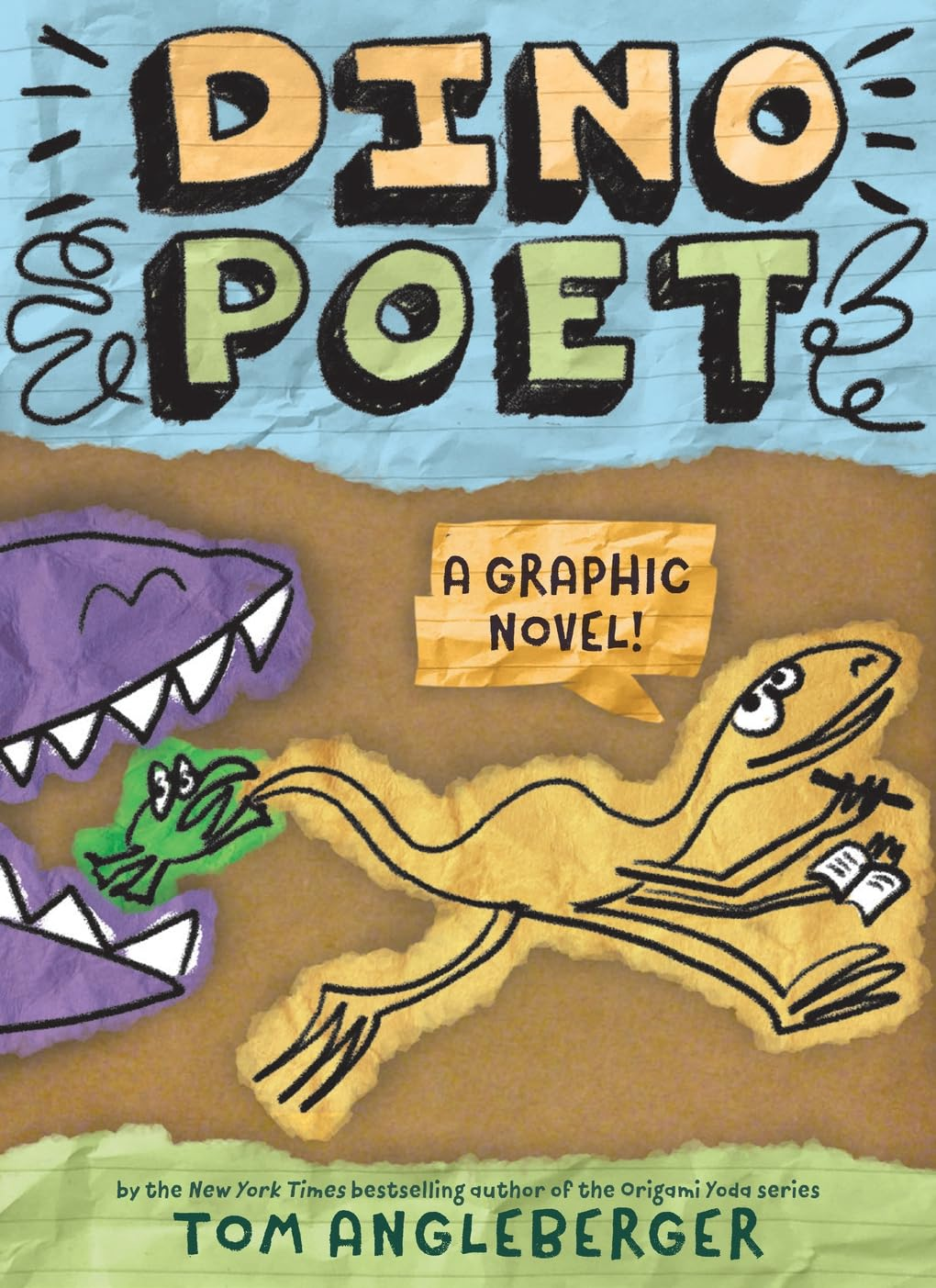
Dino Poet: a graphic novel by Tom Angleberger (Harry N. Abrams, 96 pages, grades 1-4). When a Coelophysis takes a break from writing poetry to have a froggy snack, the frog in question tells him that he hates his poem. The frog then proceeds to give the dinosaur poetry pointers, like how to express his emotions and use his senses to perceive the world. Desperate not to be eaten, the frog introduces different forms of poetry like limericks and speed haiku, while both creatures keep a sharp lookout for larger dinosaurs who may want to consume them both. The frog is so successful that by the end, the Coelophysis calls him a friend, refuses to eat him, and gets him his own notebook and pen so that they can write together.

Always expect the unexpected with Tom Angleberger, as evidenced by this book which is short for a graphic novel, long for a picture book, and has the unlikely premise of two animals from different eras becoming friends and writing poetry together. I love the way it introduces poetry and gently (and humorously) encourages kids to try their own. The simple collage art and the photo of art supplies at the beginning may also inspire readers in their artistic endeavors.

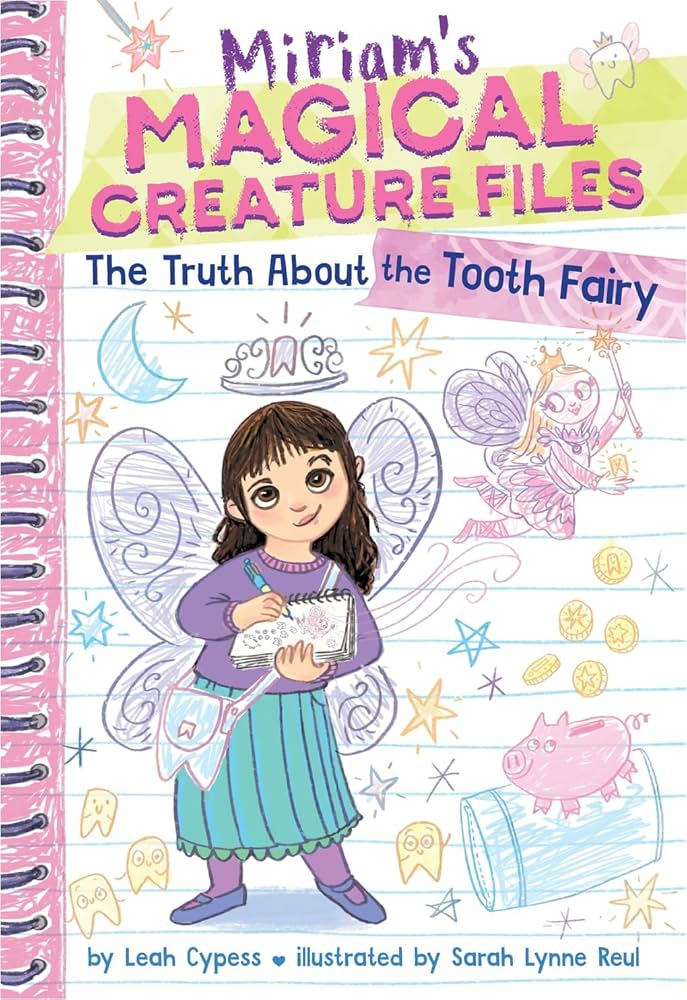
The Truth About the Tooth Fairy (Miriam’s Magical Creature Files book 1) by Leah Cypess, illustrated by Sarah Lynne Reul (Harry N. Abrams, 112 pages, grades 1-3). 6-year-old Miriam is the youngest of three siblings, slightly jaded about things her family tells her, and a firm believer in testing them out to find out if they’re true or not. For instance, after being told, “Sugar makes you hyper,” she eats a lot of it at a birthday party and feels fine. So when she realizes she has her first loose tooth, Miriam is ready to find out if the tooth fairy is real. Her methodology involves staying up and catching her parents in the act. Does she succeed? Readers will have to draw their own conclusions, but whatever they decide, they can look forward to book 2, The Discovery of Dragons, coming in August.

Miriam is a spunky and smart protagonist, part of an Orthodox Jewish family whose traditions are woven into the story and illustrations. The book resembles a scrapbook, with Miriam’s lists, charts, notes, and drawings on what looks like paper torn from a notebook. Fans of Junie B. Jones and other feisty early elementary narrators will enjoy this beginning chapter book.

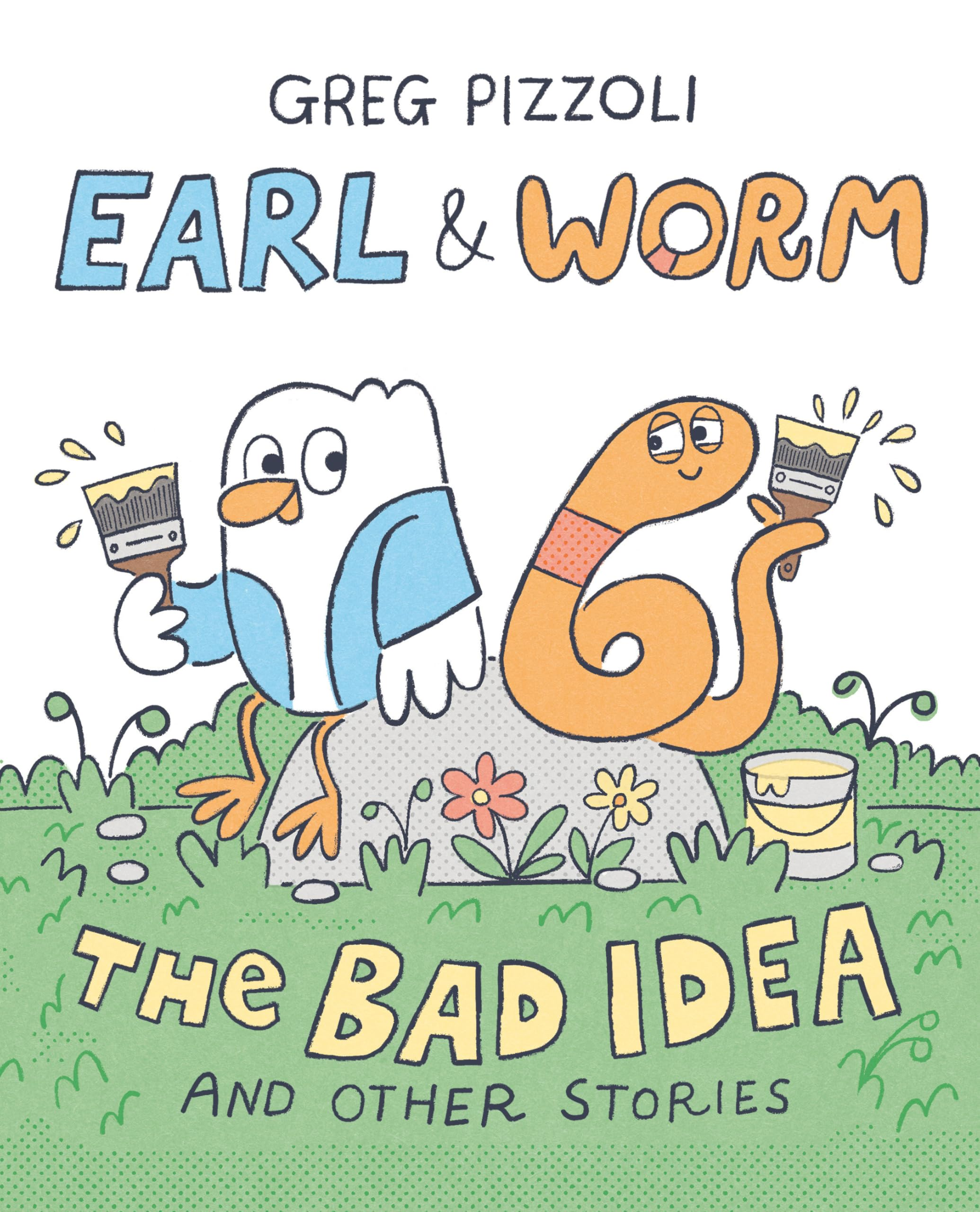
The Bad Idea and Other Stories (Earl and Worm book 1) by Greg Pizzoli (Knopf Books for Young Readers, 72 pages, ages 4-8). In the classic style of such literary friendships as Elephant and Piggie, Frog and Toad, Frank and Bean, Beak and Ally, etc., Worm is a grumpy introvert who initially is annoyed by early bird Earl who gives friendly greetings and plays music for his plants first thing in the morning. The second chapter sees Worm getting increasingly annoyed by what she perceives as Earl’s copying her good ideas about home decor. When she tries to trick Earl by telling him about an outlandish plan to paint the outside of her house, Earl surprises her by painting it for her, leaving her with a house she doesn’t like and the realization that the whole thing was a bad idea. Earl’s persistent cheerfulness slowly wins over Worm, and by the third chapter, Worm is committed enough to their friendship to write a poem that celebrates it.

I’m a pretty big Greg Pizzoli fan, and, while I personally feel this whole introvert/extrovert friendship theme in early readers is a little tired, Pizzoli does an excellent job of creating two fun characters and three funny stories, particularly the one about the bad idea. I love the illustrations, especially the way Worm is portrayed doing all sorts of tasks without any limbs. Try this out on fans of some of the series mentioned above.

Enchanting early chapter books

Eliza and the Flower Fairies (Fairy Door Diaries book 1) by Megan McDonald, illustrated by Lenny Wen (Candlewick, 96 pages, grades 1-3). At the end of the school day, Eliza hurries home and retreats to the space behind her bedroom that she’s set up with as a magical retreat where she can read about fairies. The magic turns out to be real, and she’s transported to a fairy kingdom where she befriends the flower fairies. But when Eliza accidentally enters the realm of two evil witches, she has to call on her own courage and wits to save herself and one of her new fairy friends. Back home again, she discovers that her story has magically appeared in her diary, which she enjoys sharing with her little sister Bee.

New chapter book readers will love this magical tale from the Judy Moody creator, full of enchanting colored illustrations that will spark their imaginations. The story was a little too precious for me (I prefer more of a Princess in Black vibe in my enchanted heroines), but I’m sure it will find a big audience with those who love imagining themselves into fairy tales. I can’t find any evidence of a book 2, but I can’t imagine that this won’t be a series.

Search for the Silver Shell (Coral Keepers book 1) by Robin Yardi, illustrated by Paul Kellam (Scholastic, 96 pages, grades 1-4). Princess Finn is the daughter of Queen Ula, ruler of the queendom of Anjeea. Although Finn is a shark magician with magical power over sharks, she has failed her test to become a Coral Keeper four times. When the evil magician Rozaro (who has allegedly stolen Finn’s father’s magical powers and kept him prisoner) comes to the queendom, Finn has a vision of a silver shell she must find, with the help of her friends, siblings Moon and Light. When Rozaro steals the powers of the Coral Keepers, it’s up to the three kids to go on a quest to save their people. A cliffhanger ending will leave readers eagerly awaiting book 2, due out in June.

Like many of the Scholastic Branches fantasy series, this one is surprisingly complex for an illustrated chapter book under 100 pages and does an excellent job of world building that will draw readers into this new series. I fear the cover will keep some boy readers from going any further, but I hope they will be open-minded it enough to give it a try.

Teamwork makes the dream work

Neecy and Nay Nay and the Tangled, Hairy Mess (Neecy and Nay Nay, book 1) by Simone Dankenbring and Syrone Harvey, illustrated by Maya Henderson (little bee books, 112 pages, grades 2-4). When Nay Nay wakes up with a big wad of gum in her hair, Big Mama takes her and her twin sister Neecy to Ms. Yvonne’s hair salon, where a spoonful of peanut butter takes care of the problem. The girls are inspired to open their own salon, which fits in nicely with the entrepreneurship project that they’re working on at school. After a successful style with one of their friends, they expand to facials and manicures, using a creative assortment of household items and producing some disastrous results. Instead of giving up, the girls learn from their mistakes and put together an A+ report on the do’s and don’ts of starting a small business. Includes Big Mama’s snickerdoodle recipe, a glossary of the big words Neecy likes to use, and a preview of book 2, which was released at the same time as this book.

Early chapter book readers will enjoy this new series. Each twin has her own distinctive personality and style, and there’s an interesting cast of supportive characters, including a close friend who lives in a foster family. The girls aren’t afraid to try new endeavors and are resilient when things don’t go as planned. Books 3 and 4 are due out by the end of the year.

Jojo vs. Middle School (Team Awkward, book 1) by Joy McCullough and Veeda Bybee (Aladdin, 192 pages, grades 3-7). Jojo’s first day of sixth grade gets off to a rough start: her mom’s embarrassing new boyfriend, online cat influencer Mr. Meow, has given Jojo a new kitten, who (unbeknownst to her) has chewed a hole in her new leggings. After she realizes that her cat-patterned underwear has been visible to the whole school all morning, Jojo retreats to an abandoned part of the school where she meets three other girls hiding from their catastrophic first mornings. A tentative friendship is born, and when they meet on the second day, they wind up sheltering in place after a bobcat sighting at the school. This results in not only a two-hour conversation that deepens their friendship, but a series of hilarious mishaps that cements it into Team Awkward. They wind up back at Mr. Meow’s with the “bobcat,” having inadvertently saved the day, and Jojo begins to see that Mr. Meow, whom she now calls Paul, may not be so bad. Book 2, featuring Team Awkward member Leah, will be out in June.

This book feels like a bit of a throwback, in a good way, since so many stories like this are being written as graphic novels these days. The chapter book format allows the introduction of many interesting characters, both at school and in each girl’s family, whom I hope we will get to see more of in upcoming books. Try it out on fans of Dork Diaries.

A collection of mysteries and the mystery of collections

Casey’s Cases by Kay Healy (Neal Porter Books, 160 pages, grades 2-5). Fifth grader Casey aspires to be a detective, and sees a mystery in almost every situation. Who is the new girl? Where is her missing hair band? What did her crush write in his notebook? Who is the owner of the lost cat she found? Some mysteries are solved in a few minutes (the hair band), while others take the whole book to solve (the new girl, Jan, who becomes Casey’s best friend), and some have surprise twists (the stray cat, whose growing belly turns out not to be from eating too much tuna). Here’s hoping that Casey and Jan will team up for another book of mysteries.

The humor, simple story line, and short chapters will make this an appealing choice for beginning and/or reluctant readers, who may also enjoy copying the drawings that employ basic shapes, such as the triangle-headed Casey.

Monti and Leo: A Mystery in Pocketville by Sylvie Kantorovitz (Walker Books, 80 pages, grades 1-4). Monti and Leo enjoy looking at Mrs. Sheep’s collection of small figurines on display at the local library. In fact, Monti is so enchanted with one item in the collection that he’s a prime suspect when it disappears. Leo wrestles with his feelings that Monti might have wanted it enough to take it, but ultimately he believes in his friend’s innocence and sets out to solve the mystery. When he starts hearing about other missing items around town, he discovers a bird he’s never seen before flying overhead with an item in her beak. Leo runs after the bird, climbs a huge tree, and discovers all the missing treasures–including the figurine–in the bird’s nest. In the final chapter, Monti thanks his friend and reveals his new collection: containers, each one holding a mini collection of different small items.

This is book two of a series I missed last year (thank you, Walker Books for sending me a review copy). The animal cast will appeal to fans of Mr. Wolf’s Class, and it would make a good book for those just starting with chapter books. I’m always fascinated by animal stories in which some of the animals act like humans and others are more like animals (like how Marc Brown’s Arthur has a pet dog), so I was intrigued by the fact that one crow was living in a nest acting bird-like, while another one was the local librarian.

A Pocket Full of Rocks by Kristin Mahoney, illustrated by E. B. Goodale (Knopf Books for Young Readers, 40 pages, ages 3-8). Mom may say a pocket full of rocks will make your coat dirty, Dad might ask where your other mitten will go, and your sister will dismiss them as ordinary, but you know those rocks will make excellent chairs for fairies, or let you write on the sidewalk if you don’t have chalk. There are other collections to fill your pockets as the year goes on: petals in the spring, seashells in the winter, and acorns in the fall. Each object fires up your imagination, and at the end of the year, you can use them for presents: a bowl of shells for Dad’s dresser, tiny pictures on the acorns for your sister, and a bag of petals for Mom to put in the drawer with her sweaters. And a pocket full of rocks for you to make sleds for the fairies.

Wow, this book really took me back, as my older daughter–soon to turn 30–was a collector just like the narrator. I don’t remember flower petals, but our house had plenty of rocks, shells, and acorns, with imaginative stories about each collection. This would be a lovely book to begin a conversation about collecting, seasons, or making crafts from your imagination, with illustrations that beautifully capture each season.

Five favorite early chapter books

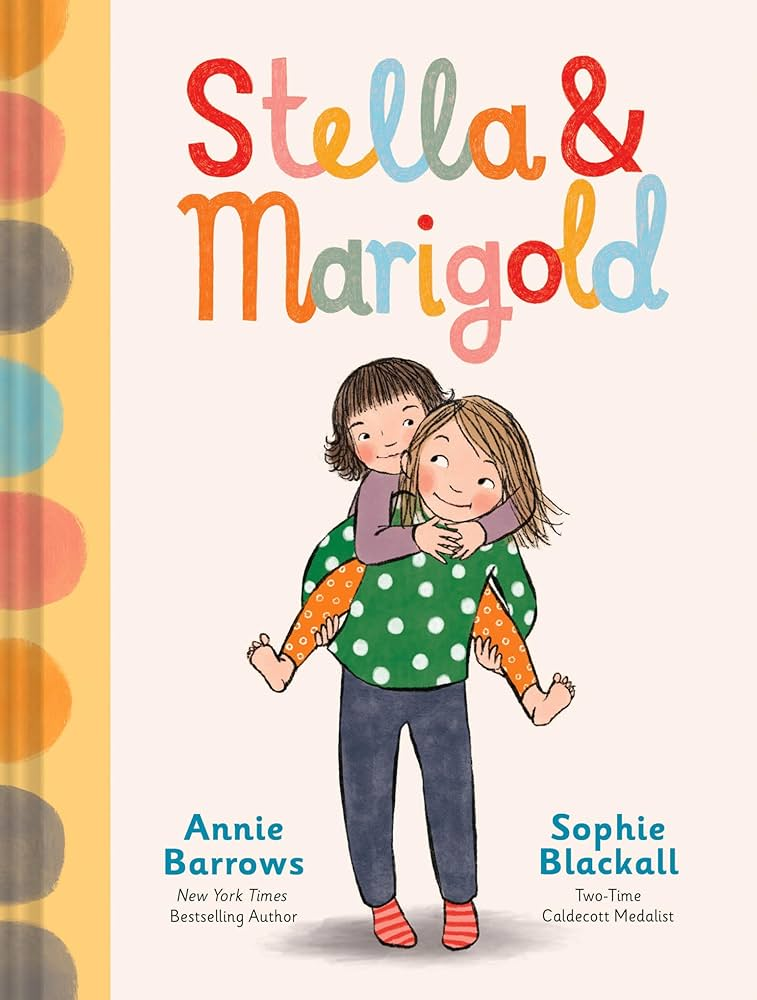
Stella & Marigold by Annie Barrows, illustrated by Sophie Blackall (Chronicle Books, 101 pages, ages 6-9). This beautiful book about two sisters by the author and illustrator of Ivy and Bean would make an excellent read-aloud. Each chapter is a stand-alone story, although the stories do connect somewhat. This would also make a nice gift for a new big sibling.

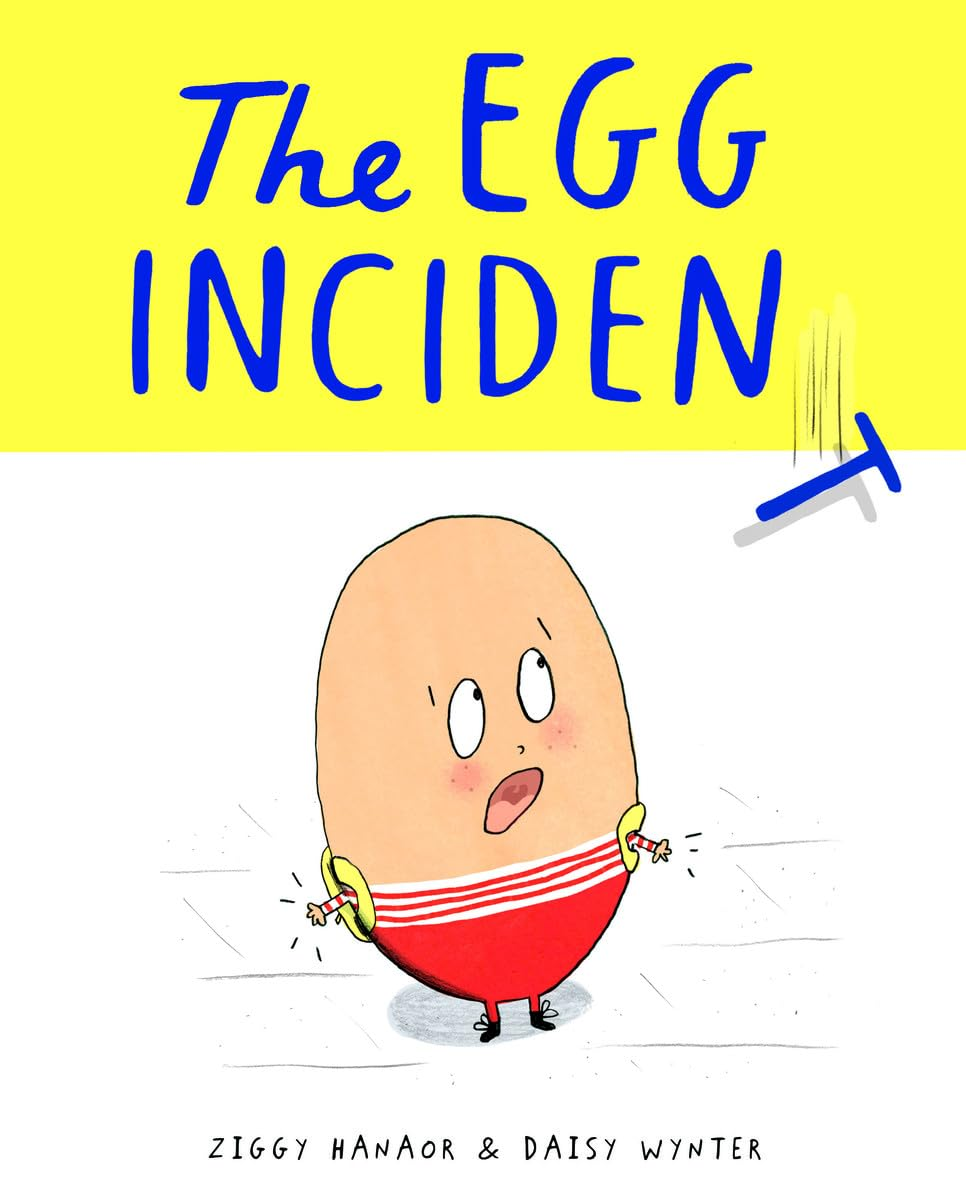
The Egg Incident by Ziggy Hanaor, illustrated by Daisy Wynter (Cicada Books, 72 pages, grades 1-4). Humphrey Dumpty has the world’s most overprotective parents after the incident involving his Uncle Humpty. But an adventurous princess changes Humphrey’s perspective and he in turns helps his parents to loosen up a bit. Somewhere between a picture book and a graphic novel, this delivers humor that both kids and adults will appreciate, as well as a gentle message for parents who may have helicopter tendencies.

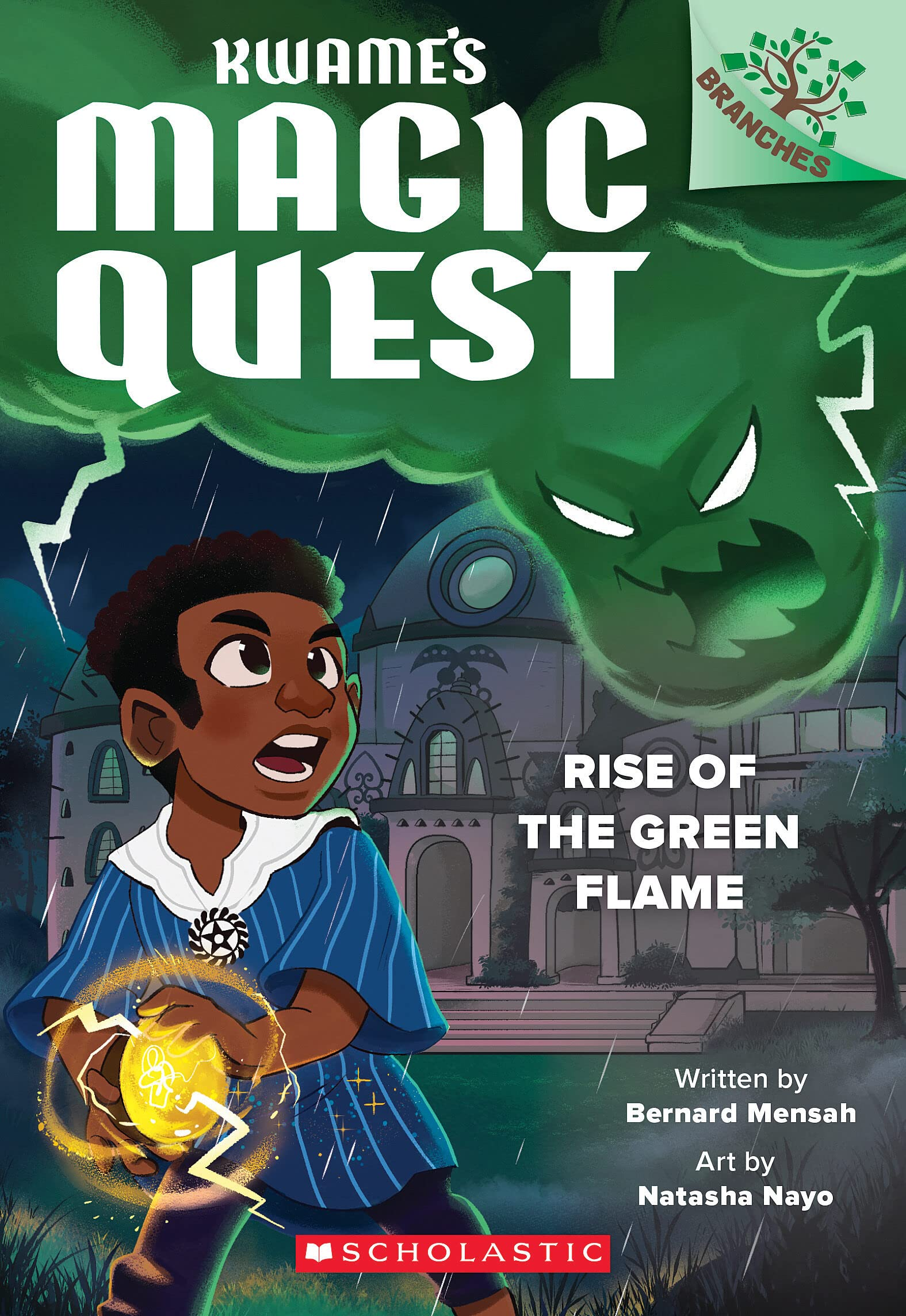
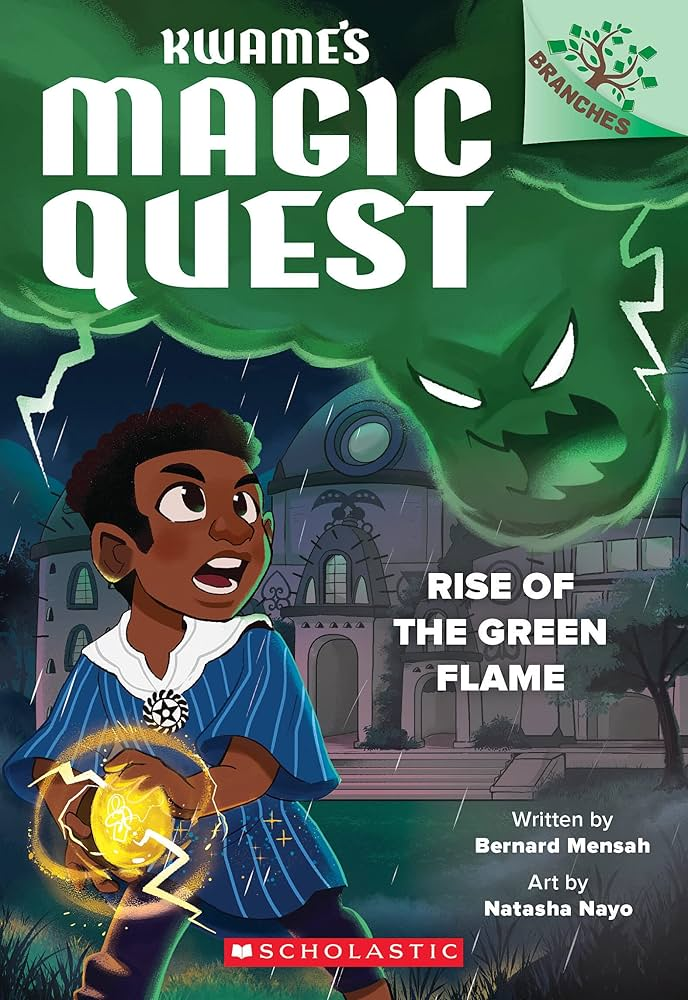
Rise of the Green Flame (Kwame’s Magic Quest book 1) by Bernard Mensah, illustrated by Natasha Nayo (Scholastic, 96 pages, grades 1-4). There’s plenty of action and a Harry Potter vibe in this new Branches series that takes place at a school of magic in Ghana. I’m looking forward to using this as a third grade book club book in January.

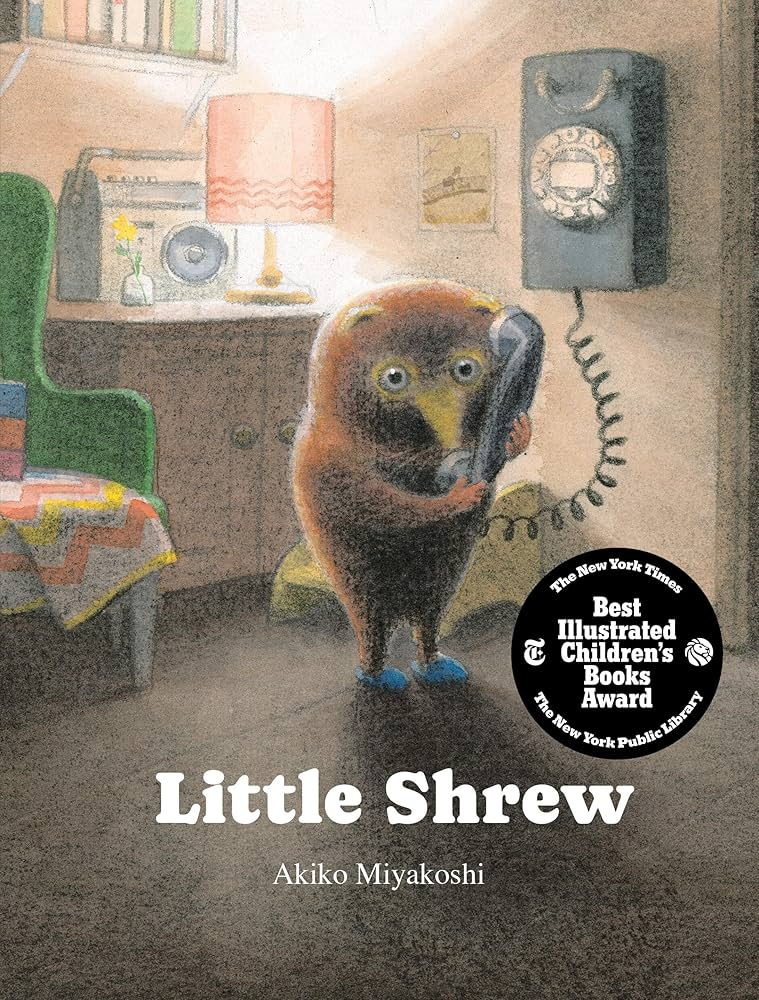
Little Shrew by Akiko Miyakoshi (Kids Can Press, 72 pages, grades K-3). I found myself thinking about this book for quite awhile after I read it, appreciating the mindfulness and joy Little Shrew brings to his daily routines. Sure, it’s a cute early chapter book that kids will enjoy, but perhaps also a meditative tool for adults to use as they contemplate their lives.

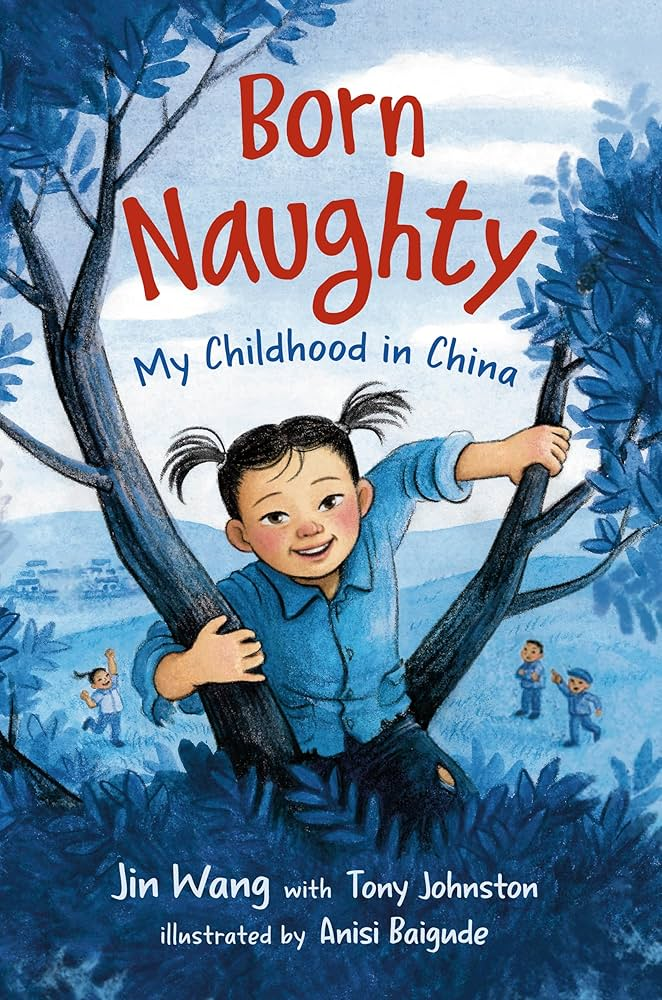
Born Naughty: My Childhood in China by Jin Wang with Tony Johnston, illustrated by Anisi Baigude (Anne Schwartz Books, 112 pages, grades 2-5). Imagine Ramona Quimby living in 1980’s Mongolia, and you’ll have a good sense of Jin Wang’s lively childhood memoir. Her adventures may seem like they took place in a different world (and century), but her happy home and village feel universal.

A couple of early chapter books

Emma McKenna, Full Out (The Kids in Mrs. Z’s Class book 1) by Kate Messner, illustrated by Kat Fajardo (Algonquin Young Readers, 128 pages, grades 1-4). Emma is excited and nervous about starting third grade at the new Curiosity Academy. Her nerves get the better of her, though, when Lucy, a former best friend turned enemy, walks through the classroom door. Emma does her best to make new friends, but she sometimes feels like her classmates are more interesting than she is. When the school has a competition for a new mascot, Emma chooses a capybara, an animal that is curious and makes friends with all kinds of other animals. By the end of the book, Emma has started to find her groove, giving an almost-winning presentation on the capybara, and making tentative overtures toward mending her differences with Lucy.

Each book in this series focuses on a different kid in Mrs. Z’s class and is written by a different author (librarians, be careful how you catalog this, or the series will end up scattered through your fiction collection). It’s a fun premise for a series, and the first four books are now available, with more coming in 2025. I found Emma’s story perfectly serviceable, although not particularly distinguishable from other spunky girls who are featured in other early chapter book series.

Wrath of the Rain God (Legendarios book 1) by Karla Arenas Valenti, illustrated by Vanessa Morales (Aladdin, 144 pages, grades 2-5). Twins Emma and Martín are not happy to be moving from Cuernavaca, Mexico to Chicago for their father’s new job. Before they leave, their abuela gives them a book of Mexican legends that turns out to be a portal to the places in the stories. They find themselves in an Aztec village that is on the verge of being wiped out by floods. From there, the twins are sent on a quest to help retrieve the lightning bolt belonging to Tlaloc, the rain god, so that he will stop the torrential downpours. The twins are very different from each other, but each has strengths that help them to complete their quest and return home to Chicago, which starts to feel more like home by the end of the book. Includes a glossary.

This has a Percy Jackson vibe, complete with a stolen lightning bolt. Kids who have seen The Lightning Thief movie or TV show but aren’t quite ready for the books may be interested in trying this series instead. They’ll learn a bit about Mexican and Aztec cultures and mythology in a page-turning adventure story with two unique protagonists. Book 2 of the series came out in August, and book 3, a few weeks ago.

New Branches books

Having read two Branches books with book clubs this fall (Pets Rule! and perennial favorite Dragon Masters), I got to wondering the other day if there were any new series and discovered a couple I hadn’t read.

Rise of the Green Flame (Kwame’s Magic Quest book 1) by Bernard Mensah, illustrated by Natasha Nayo (Scholastic, 96 pages, grades 1-4). Kwame’s excited to be starting Nkonyaa School, a boarding school where he’ll receive his calabash and learn which of the four types of magic he possesses. But when it’s his turn, the Nkonyaa Tree flashes red and his calabash doesn’t respond the way the other kids’ do. Kwame enjoys his new school and makes friends with his roommate Fifi, but his unresponsive calabash makes him feel like he’s falling behind with his magical training. A bullying incident leads Fifi to steal the evil green Boni calabash, and by the end of the book, Kwame has learned that he has the special powers he will need to rescue Fifi from the dark side.

Wildlife Rescue (Disaster Squad book 1) by Rekha S. Rajan, illustrated by Courtney Lovett (Scholastic, 96 pages, grades 1-4). Siblings Jaden and Leela live in an RV with their parents, traveling to various disasters where their journalist mom reports and their doctor dad takes care of injured people, while the kids enjoy helping animals in trouble. In the first installment, they head to a California wildfire, where the kids learn about what causes wildfires, how to be safe in one, and how firefighters battle them. Encounters with a baby bear and several deer teach Jaden and Leela the right and wrong ways to help wildlife. At the end of the book, the family is off to the Gulf Coast of Texas where a hurricane is brewing.

I’m going to say an enthusiastic thumbs-up on Kwame, a little less excitement on the Disaster Squad. Nikonyaa School has a Hogwarts feel, with the Nkonyaa Tree standing in for the Sorting Hat, and takes place in an interesting Ghanaian setting. If anything, there was a bit too much crammed into the first book, but the cliffhanger ending will leave kids wanting to find out what’s going to happen in book two. They may also enjoy reading how the Disaster Squad deals with various weather events, but I couldn’t get past the fact that these two crazy parents were driving their kids directly into danger, and for what? To do some freelance reporting and medical care, two functions that are already probably being carried out by actual news organizations and hospitals. The story also felt a bit contrived to teach readers about natural disasters. I’ll probably order both series for the library, but Kwame is the only one I want to try out with a book club.