Published by HarperCollins

Summary: 16-year-old Laurie Hernandez is living the dream, having won a gymnastics team gold medal and a silver for balance beam, at the 2016 Summer Olympics. Upon her return, she traveled with the Kellogg’s Tour of Gymnastics Champions, while simultaneously competing in (and winning) Dancing with the Stars. This autobiography tells about growing up in New Jersey as part of a loving and supporting family, overcoming a serious injury, and what it takes to become a champion. Includes 8 pages of color photos, a list of Laurie’s gymnastics records, a glossary of gymnastics terms, and several pages for readers to record their own goals and dreams. 240 pages; grades 3-7.
Pros: An upbeat, inspiring memoir. Laurie was the first U.S. Latina gymnast to win at the Olympics, and clearly takes being a role model seriously. Gymnasts and Olympics fans will find this a quick and enjoyable read.
Cons: There’s not a lot of deep insight here.






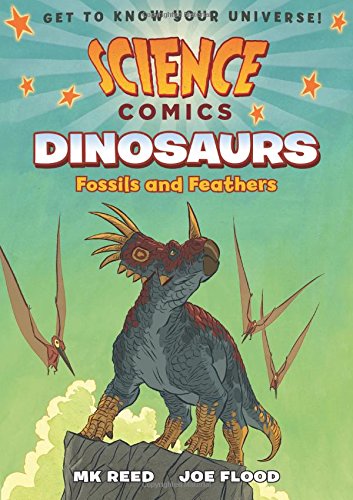
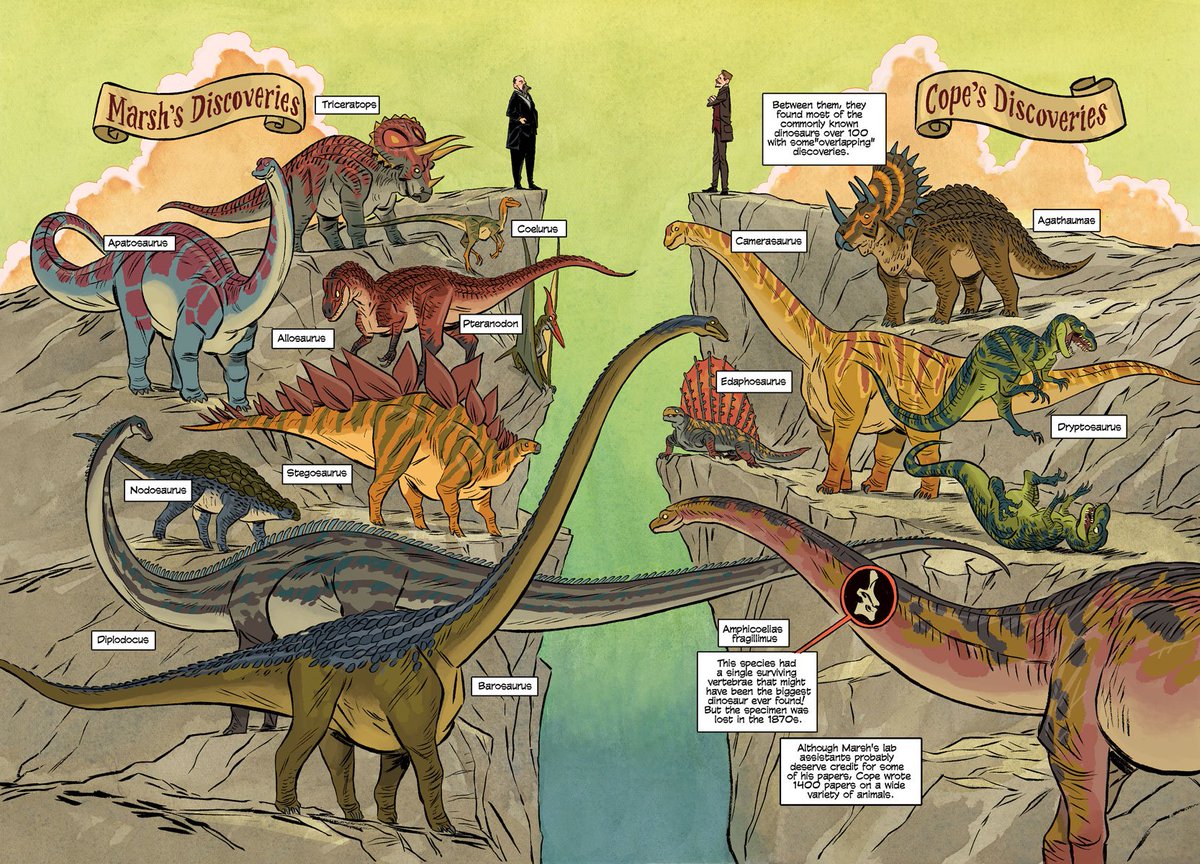 Summary: Focusing mostly on humans’ gradual discoveries of the history of dinosaurs, this graphic science book covers paleontology from the Industrial Revolution to the present. In 1800, the reader learns, it was believed that the Earth was 6,000 years old, that dinosaurs had vanished a few thousand years before in Noah’s flood, and that there were no examples of dinosaurs left. The author updates these beliefs as she moves through history until 2000 when scientists believe the earth is 4.5 billion years old, dinosaurs lived over 65 million years ago, and descendants of dinosaurs are living today. It’s a fascinating journey, with heroes and villains making discoveries, disputing the claims of their peers, and inching their way toward a better understanding of Earth’s history. Back matter includes a glossary, a timeline of geologic eras, and a short list of further reading. Part of a new “Science Comics” series that includes (or will soon include) books on coral reefs, volcanoes, bats, flying machines, and the solar system. 128 pages; grades 4-7.
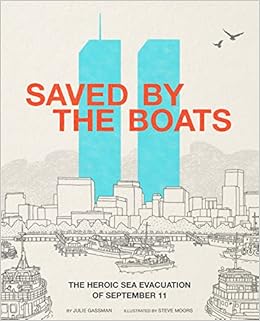
 Summary: On September 11, 2001, after the collapse of the World Trade Center, more than a million people were looking to get out of Manhattan. New York City was under attack, and bridges, tunnels, and subways were closed. The only way to escape was by water. When lines for the ferries became miles long, the Coast Guard put out a call for any boat to come help with the evacuation. “If it floated, and it could get there, it got there,” said an engineer who was part of the rescue effort. Wondering if there would be more attacks, the ships and their crews knew they were easy targets, but they courageously sailed on. Some put out sheets with their destinations in New Jersey painted on them. They tried to help the shocked, distraught people who boarded their boats, and then they took them safely across the water. In about nine hours, just under 500,000 people were helped, the largest sea evacuation in history. Back matter includes an author’s note telling of her 9/11 experience being rescued by a boat, a brief glossary, and a few additional resources and source notes. 32 pages; grades 3-7.
 A Kids Book A Day