Ancestor Approved: Intertribal Stories for Kids edited by Cynthia Leitich Smith

Published by Heartdrum
Ancestor Approved: Intertribal Stories for Kids: Cynthia Leitich Smith:  9780062869944: Amazon.com: Books

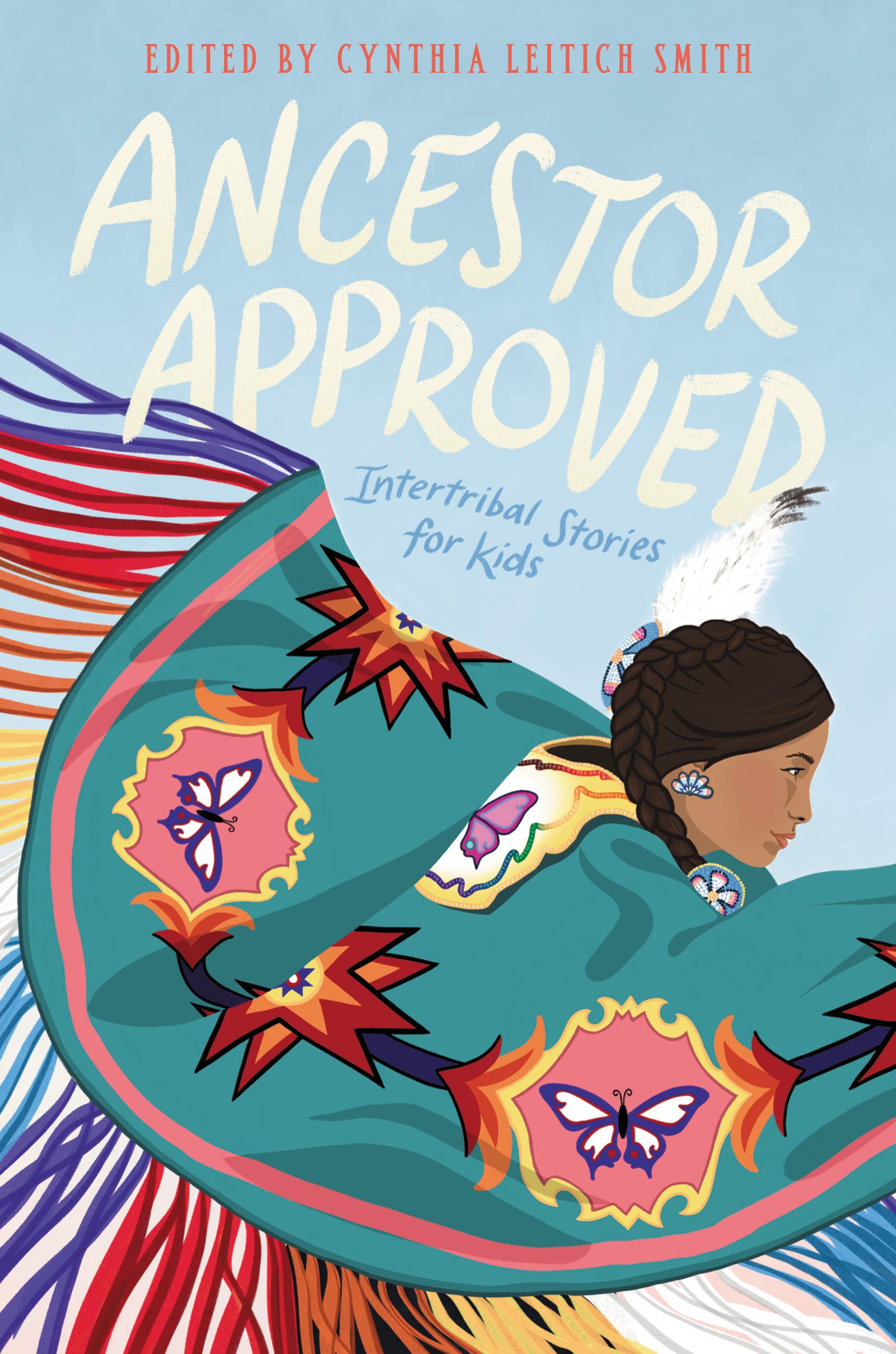
Summary:  Kids from all over the United States and Canada come together for the Dance for Mother Earth Powwow in Ann Arbor Michigan in this anthology of short stories by different Native authors.  Whether the kids are regulars on the powwow circuit or attending for the first time, they appreciate being part of their community as they dance, help out in the vendor booths, and hang out with friends and family.  The sixteen stories are bookended by poems: “What Is a Powwow?” serves as an introduction and “Circles” concludes the book, followed by a glossary of words from each poem or story (in different Native languages); notes and acknowledgements from each writer; and brief biographies of all the contributors.  320 pages; grades 4-7.

Pros:  Since starting this blog in 2015, I’ve struggled to find books about contemporary Native life, so I’m delighted with this collection about many kids’ experiences by so many different authors.  The stories are both funny and touching and would make excellent additions to any upper elementary or middle school ELA curriculum.  I actually attended the Ann Arbor powwow in 1987, and reading this book made me want to go back.

Cons:  The stories were interconnected, so characters from one story often showed up in another, but there were so many I had trouble keeping track (except for the dog wearing the Ancestor Approved t-shirt–I always recognized him). 
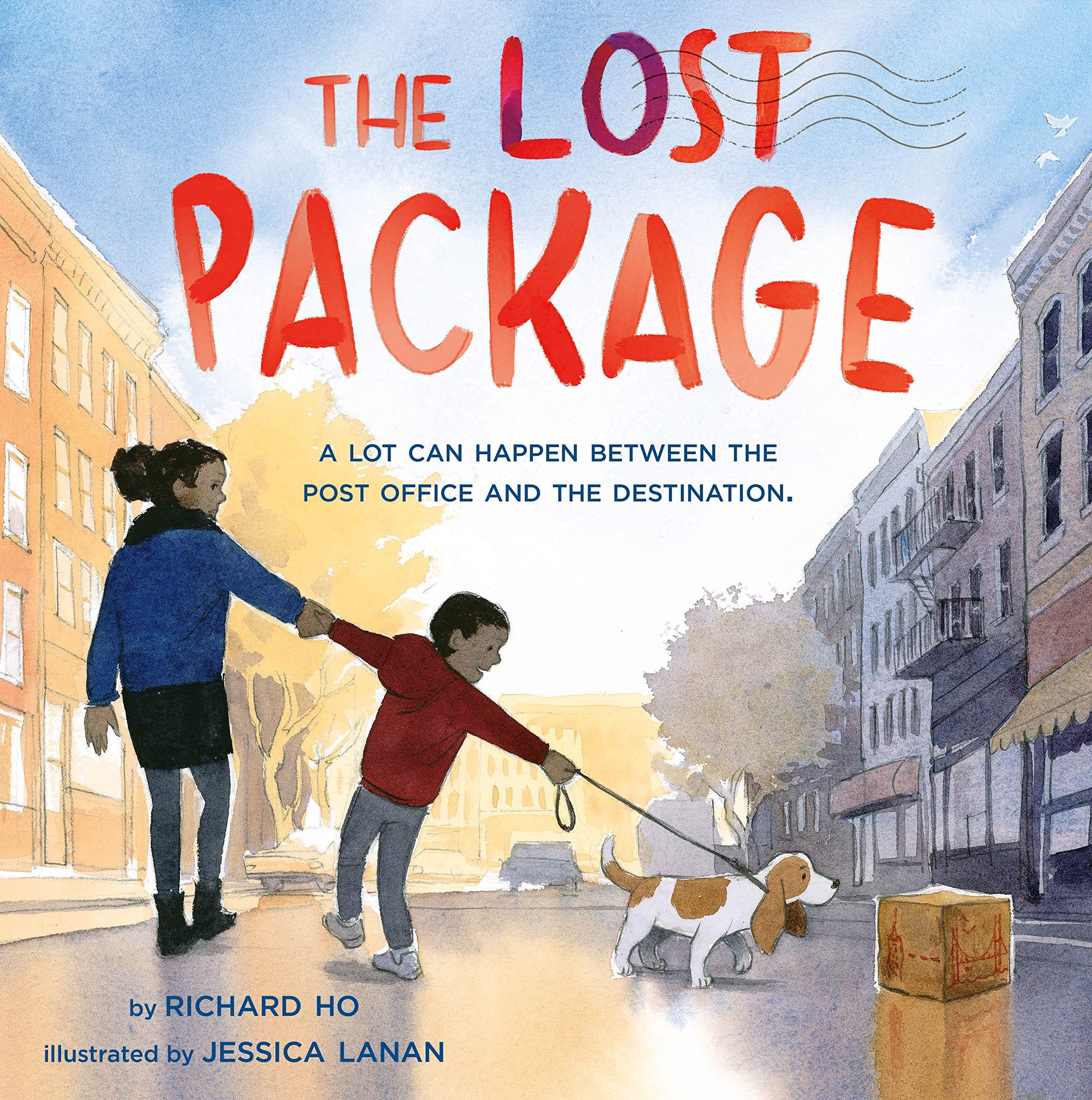
The Lost Package by Richard Ho, illustrated by Jessica Lanan

Published by Roaring Brook Press

The Lost Package: Ho, Richard, Lanan, Jessica: 9781250231352: Amazon.com:  Books
The Lost Package | Richard Ho | Macmillan

Summary:  The package is sealed, addressed, and given an extra personal touch.  Then it’s on its way: to the post office, to a building to be sorted, onto a truck to go to the airport.  But on the way, the truck hits a pothole, and the package falls out.  It sits in a puddle on the side of the road until a boy notices it and picks it up.  He’s excited to see a drawing of the Golden Gate Bridge, because it turns out he and his mom are moving to San Francisco!  Upon their arrival, they find the address on the package and deliver it to a kid who is about the same age as the boy.  The boys talk, the moms talk, and a friendship is born.  The last page shows the package recipient with a replica of the Empire State Building next to the battered box it came in; he’s getting ready to send a package of his own. Includes an author’s note that starts out, “If it wasn’t for the United States Postal Service, I might not be here today” and an illustrator’s note. 40 pages; ages 3-8.

Pros:  A celebration of both the Post Office and new friends, this book is spare with its text, but the illustrations do an amazing job of telling the story, showing each step on the package’s long and winding journey.  The author’s note reminds readers of the importance of the USPS, and what they can do to support it.

Cons:  It seemed like an almost impossible, although wonderful, coincidence that the boy who found the package was just about to move to California.

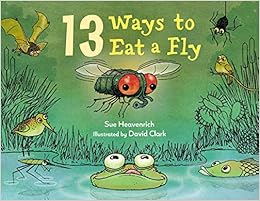
13 Ways to Eat a Fly by Sue Heavenrich, illustrated by David Clark

Published by Charlesbridge

13 Ways to Eat a Fly: Heavenrich, Sue, Clark, David: 9781580898904:  Amazon.com: Books

13 Ways to Eat a Fly – Charlesbridge

Summary:  Zapped, wrapped, trapped, or poked: those are a few of the ways flies get eaten by other animals.  Each method is accompanied by a cartoon illustration along with a few sentences of text describing how the fly is trapped and consumed.  The last few pages give nutrition facts for flies, show their edible parts, and offer lists of books and websites, as well as a selected bibliography.  32 pages; ages 4-8.

Pros:  The emphasis on the gross-out factor, reinforced in the illustrations, will undoubtedly have readers flocking to this book like the proverbial flies to honey.

Cons:  If flies are such easy prey, why are there still so many of them around?

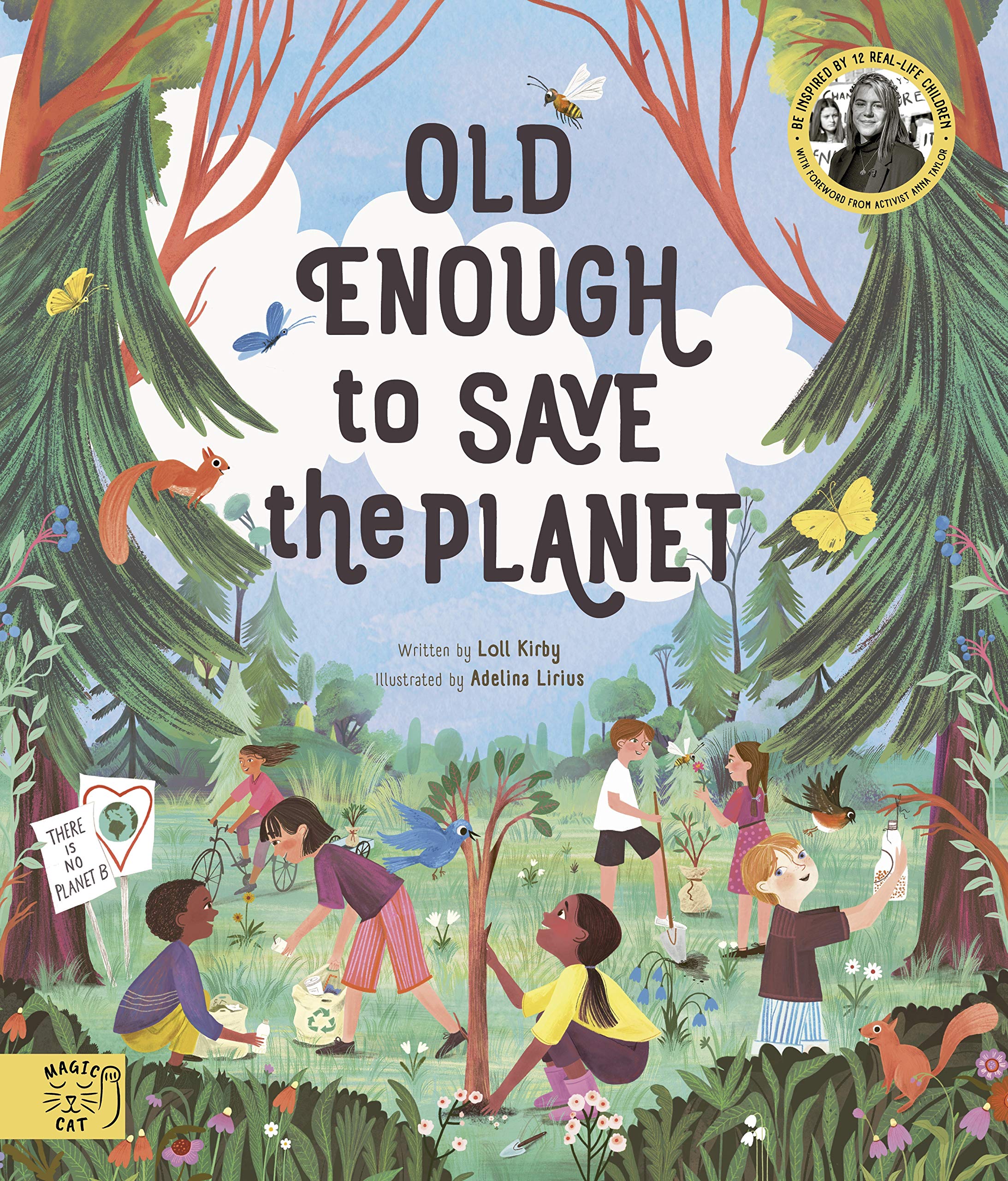
Old Enough to Save the Planet by Loll Kirby, illustrated by Adelina Lirius

Published by Magic Cat Publishing

Old Enough To Save The Planet: 9781916180529: Amazon.com: Books
Why everybody is old enough to save the planet | BookTrust

Summary:  Twelve children from around the world are profiled, each one having started an initiative to help the planet.  Each two-page spread shows kids at work, with a brief paragraph describing the young person and their activity.  Captions in the illustrations give additional information.  The last few pages offer ten things kids can do to help save the planet; ten things they can do to make their voices heard; and a list of seven websites with additional information.  32 pages; grades 1-5.

Pros:  Readers will be inspired by these kid activists who have already done amazing things to help make the world a better place.  There’s a lot to see in each illustration, and the information is brief enough for the younger grades.

Cons:  In the back matter, the author states that the Intergovernmental Panel on Climate Change “found that the world is already 34 degrees Fahrenheit warmer than two hundred years ago.” Was a decimal point left out?

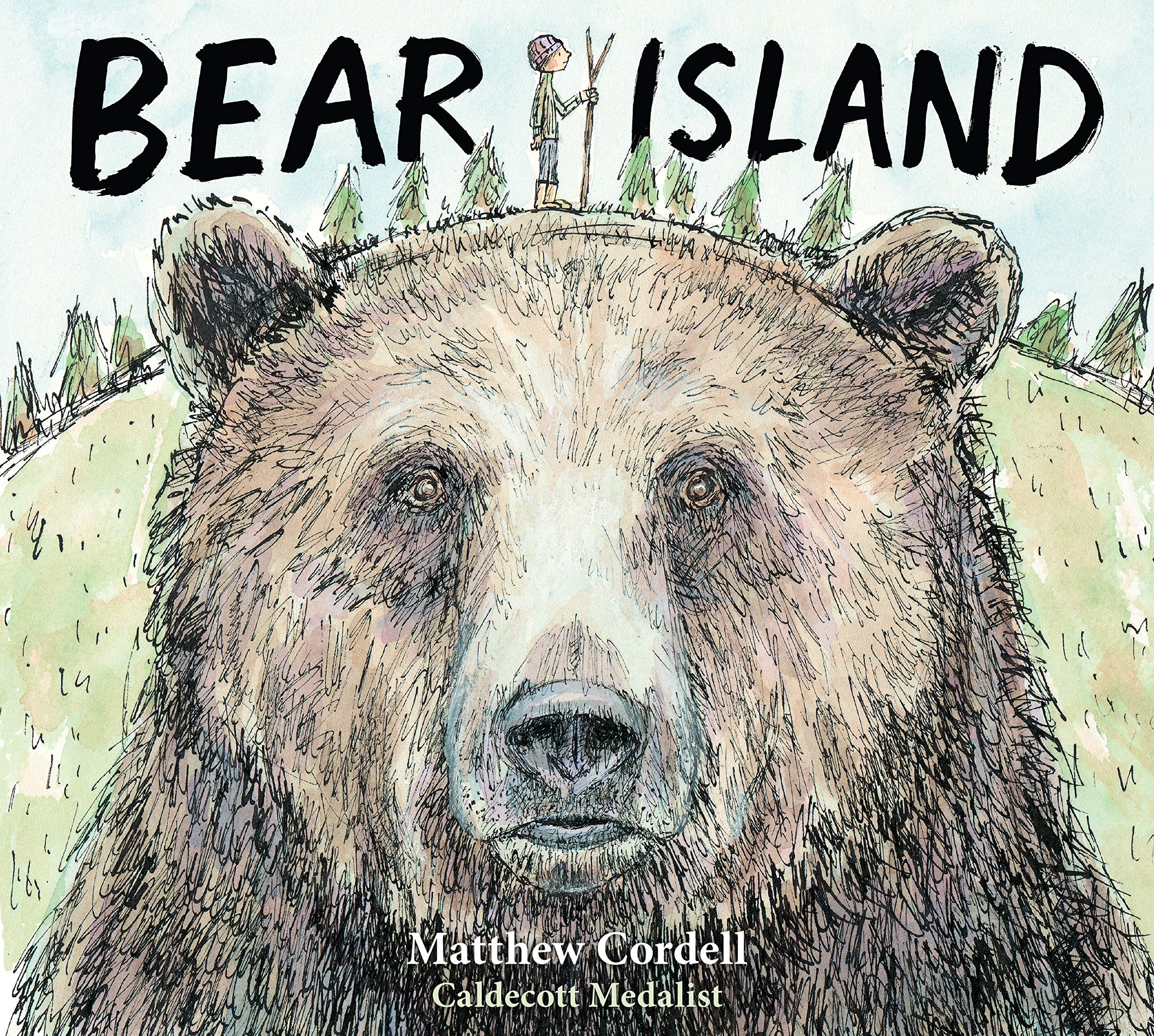
Bear Island by Matthew Cordell

Published by Feiwel and Friends

Bear Island: Cordell, Matthew: 9781250317162: Amazon.com: Books
We're Going on a Bear Island Hunt: Matthew Cordell Talks Grief and Hope and  Bears - A Fuse #8 Production

Summary:  In the pages before the title page, Louise packs a ball into a box with other doggy items, and she and her parents hold the box, with the caption, “Goodbye, Charlie.”  The main story begins as a grief-stricken Louise rows a boat to a small island near her house.  As she starts to enjoy the animals she sees there, colors return to the sepia-toned illustrations.  Then a bear appears.  Louis is afraid at first, but her fear turns to anger and she roars back at the bear.  The bear seems as sad as Louise, and on subsequent visits to the island, the two become friends.  As winter approaches, the bear settles down to sleep.  “It’s not fair,” thinks Louise “when the things we love must end.”  But sometimes an end is a beginning, and before spring, Louise has a new puppy named Milly.  The two of them return to the island, but she doesn’t find the bear, and Louise wonders…was he ever there?  48 pages; ages 4-8.

Pros:  I’ve been avoiding this book since I read it was about the grief of losing a dog, but I’m glad I finally overcame my resistance.  Caldecott winner Cordell does a masterful job of exploring grief and the healing powers of nature and time in ways that kids will relate to.

Cons:  The ending may be a bit ambiguous for the younger set.

Amina’s Song by Hena Khan

Published by Salaam Reads

Amina's Song (Amina's Voice): Khan, Hena: 9781534459885: Amazon.com: Books

Summary:  At the start of this sequel to Amina’s Voice, Amina Khokar is finishing up a month-long trip to Pakistan.  She’s grown to love the country, as well as the aunt, uncle, and cousins her family has stayed with.  When she gets back home to Wisconsin, she feels out of place and like her friends don’t understand her.  A new boy named Nico proves to be a good listener, and his interest and talents with music production encourage her to pursue her songwriting.  A social studies project about Malala and other famous Pakistani women as well as an original song help Amina to feel like she can embrace both the Pakistani and American parts of her life while helping people in both countries to be a little less afraid of one another.  288 pages; grades 3-7.

Pros:  Amina’s Voice has long been my go-to book for describing my personal experience with the “mirrors and windows” analogy about books (I learned a lot about Islam from this book and was surprised by the parallels between Amina’s Muslim community and the Presbyterian church I grew up in).  So I’m delighted that there’s a sequel, which I enjoyed at least as much as the original.

Cons:  I found out that I’ve been pronouncing Amina wrong for the last four years (it’s AH-mee-nah, not ah-MEE-nah).

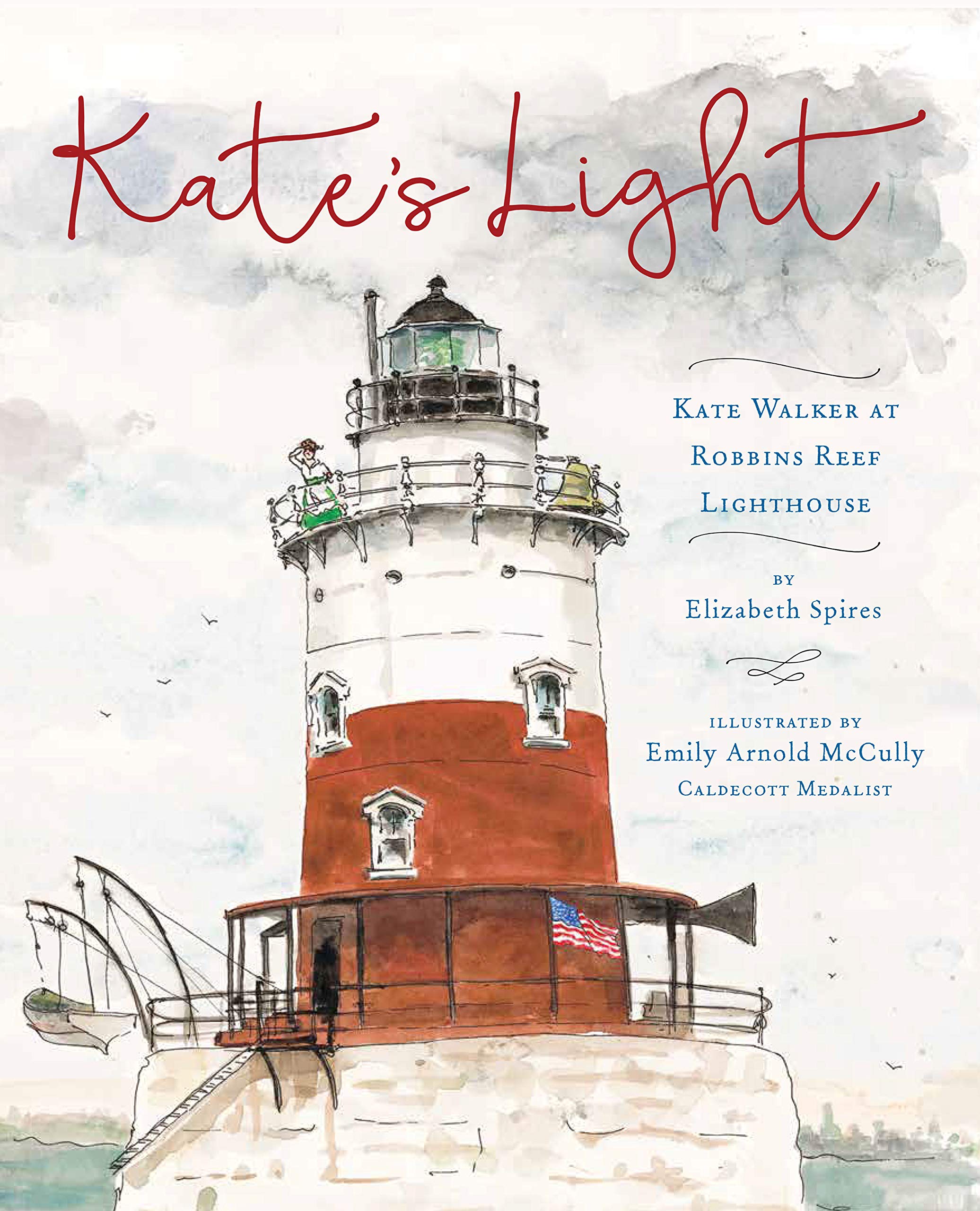
Kate’s Light: Kate Walker at Robbins Reef Lighthouse by Elizabeth Spires, illustrated by Emily Arnold McCully

Published by Margaret Ferguson Books

Kate's Light: Kate Walker at Robbins Reef Lighthouse: Spires, Elizabeth,  McCully, Emily Arnold: 9780823443482: Amazon.com: Books

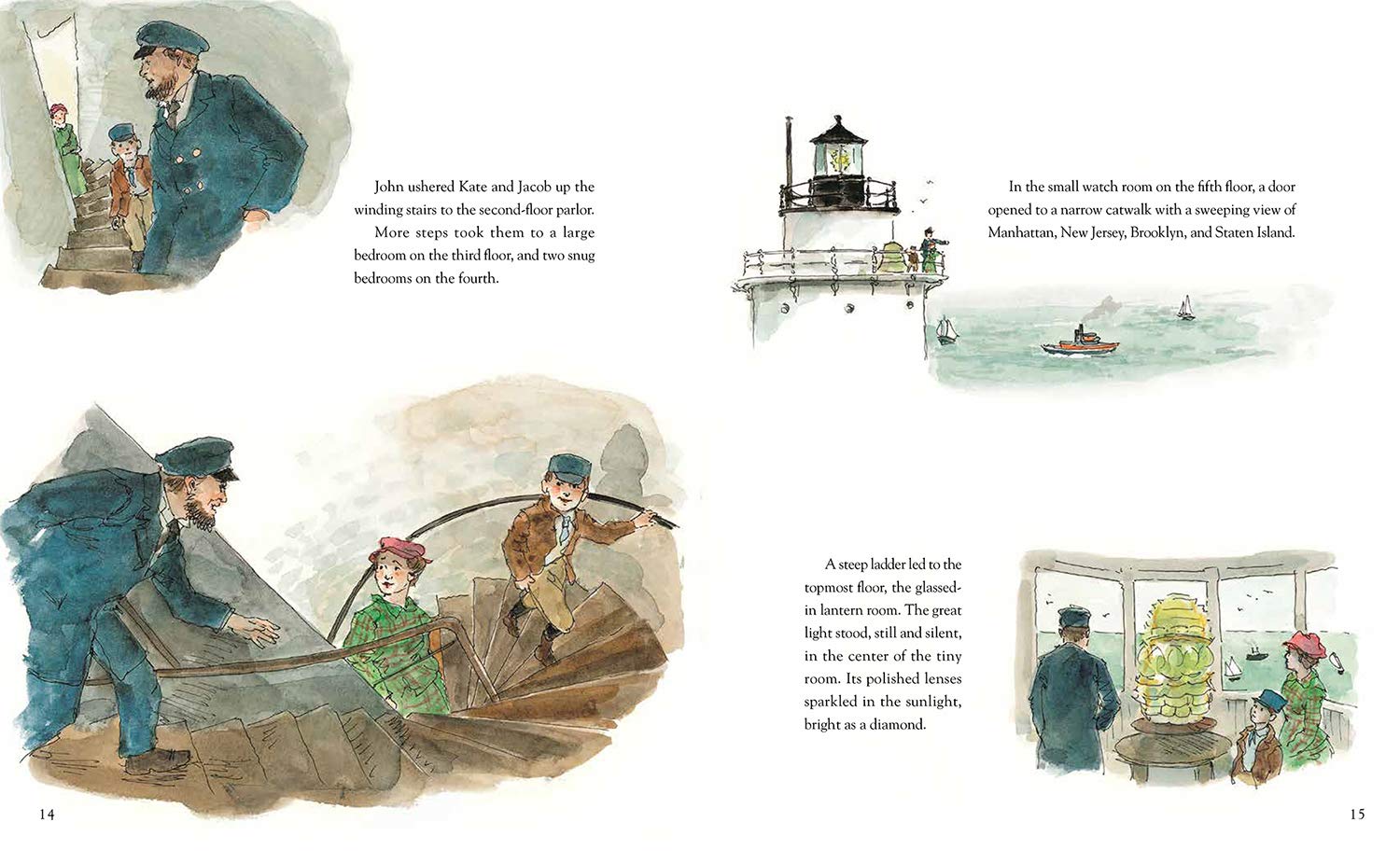
Summary:  When Kate Kaird left Germany for America with her young son Jacob, she couldn’t have imagined what lay in store for her.  She soon married John Walker, the keeper of the Sandy Hook Lighthouse, and within a year they moved into the lighthouse to live.  She spent the next 33 years there, taking over all the duties after John died when their daughter was only three years old.  It took four years for her to get the title and salary of permanent lighthouse keeper, securing the job after two men passed it up as being too lonely.  Kate kept the light clean and polished, rowed back and forth to Staten Island for visits and supplies, and rescued more than fifty people during her long career.  Includes additional information with a photo and a list of sources; endpapers include a map of the lighthouse and the surrounding area.  40 pages; grades 1-5.

Pros:  Another great choice for Women’s History Month, this would also pair well with Sophie Blackall’s Hello, Lighthouse!  The lengthy story gives plenty of details which are supplemented further with the author’s note.  As always, Emily Arnold McCully’s illustrations are excellent and really capture the different seasons and types of weather experienced by the lighthouse dwellers.

Cons:  The story is long enough that younger readers might get antsy during a read-aloud.

Treasure of the World by Tara Sullivan

Published by G. P. Putnam’s Sons Books for Young Readers

Treasure of the World by Tara Sullivan: 9780525516965 |  PenguinRandomHouse.com: Books

Summary:  Ana loves learning and hopes to be able to go on to secondary school.  But in the Bolivian mountain village where she lives, most boys wind up working in the mines and girls become miners’ wives.  When her abusive father forces her asthmatic younger brother Daniel to become a miner, Daniel’s health breaks.  Ana volunteers to take his place, earning the wrath of the men who believe it’s bad luck for a girl or woman to go into the mines.  A cave-in results in her father’s death and Daniel’s disappearance, bringing even greater despair to the family.  Ana feels trapped by the circumstances of her life, yet also determined to find a way out for herself and her family.  Includes an eight-page author’s note with more information about Bolivia and the mining industry; a note on the use of italics, languages, and the Bible; and a glossary of Spanish and Quechua (indigenous) words.  384 pages; grades 5-8.

Pros:  A gripping story with an intelligent and courageous heroine, surrounded by nuanced characters, that explores a part of the world that is probably unfamiliar to most American readers (it was to me).  

Cons:  Because the setting is so unfamiliar, this could be a little bit of a hard sell.  It’s worth some perseverance, though, as it would appeal to many middle school readers.

Don’t Hug Doug! (He Doesn’t Like It) by Carrie Finison, illustrated by Daniel Wiseman

Published by G. P. Putnam’s Sons

Don't Hug Doug: (He Doesn't Like It): Finison, Carrie, Wiseman, Daniel:  9781984813022: Amazon.com: Books

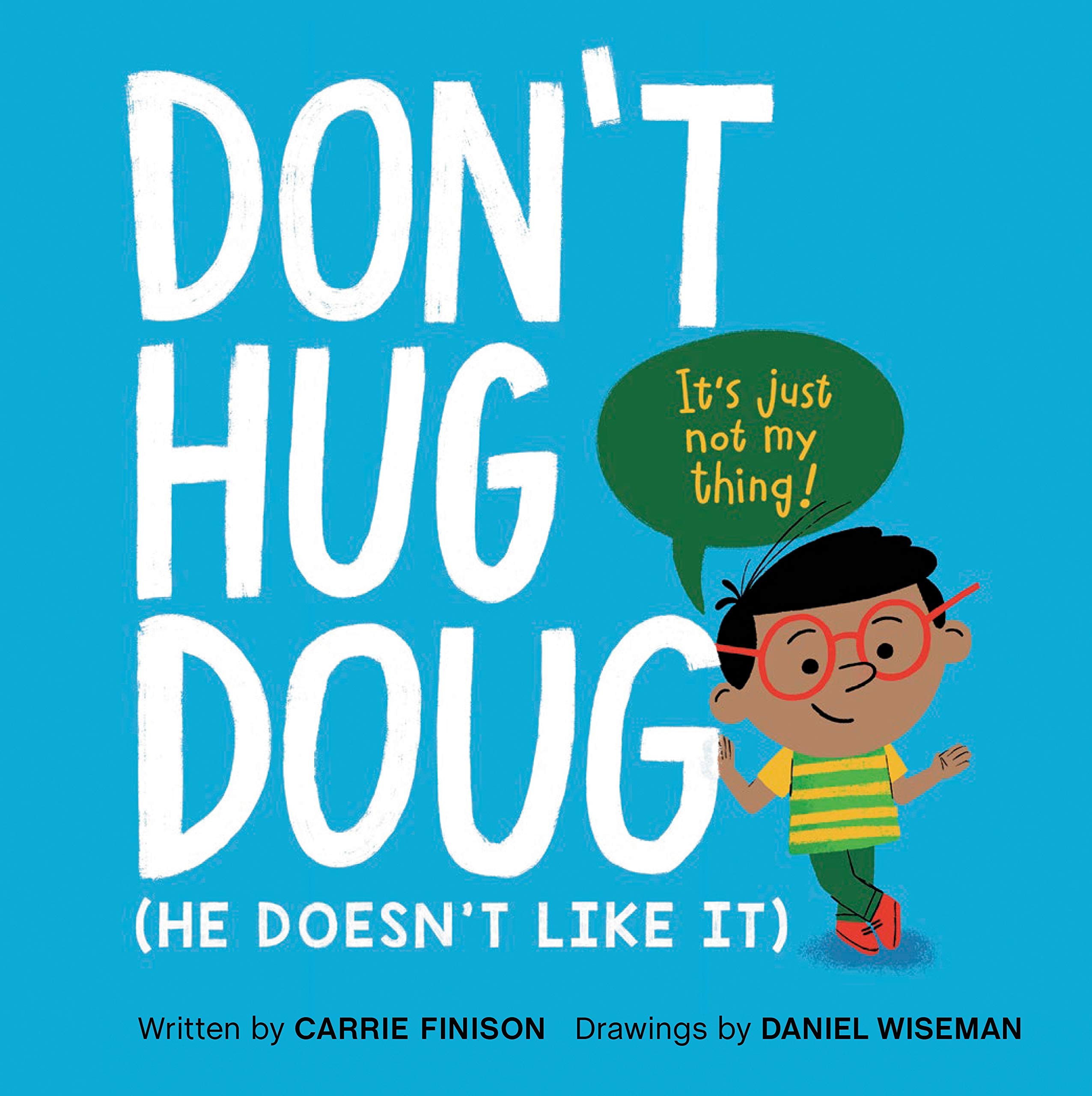
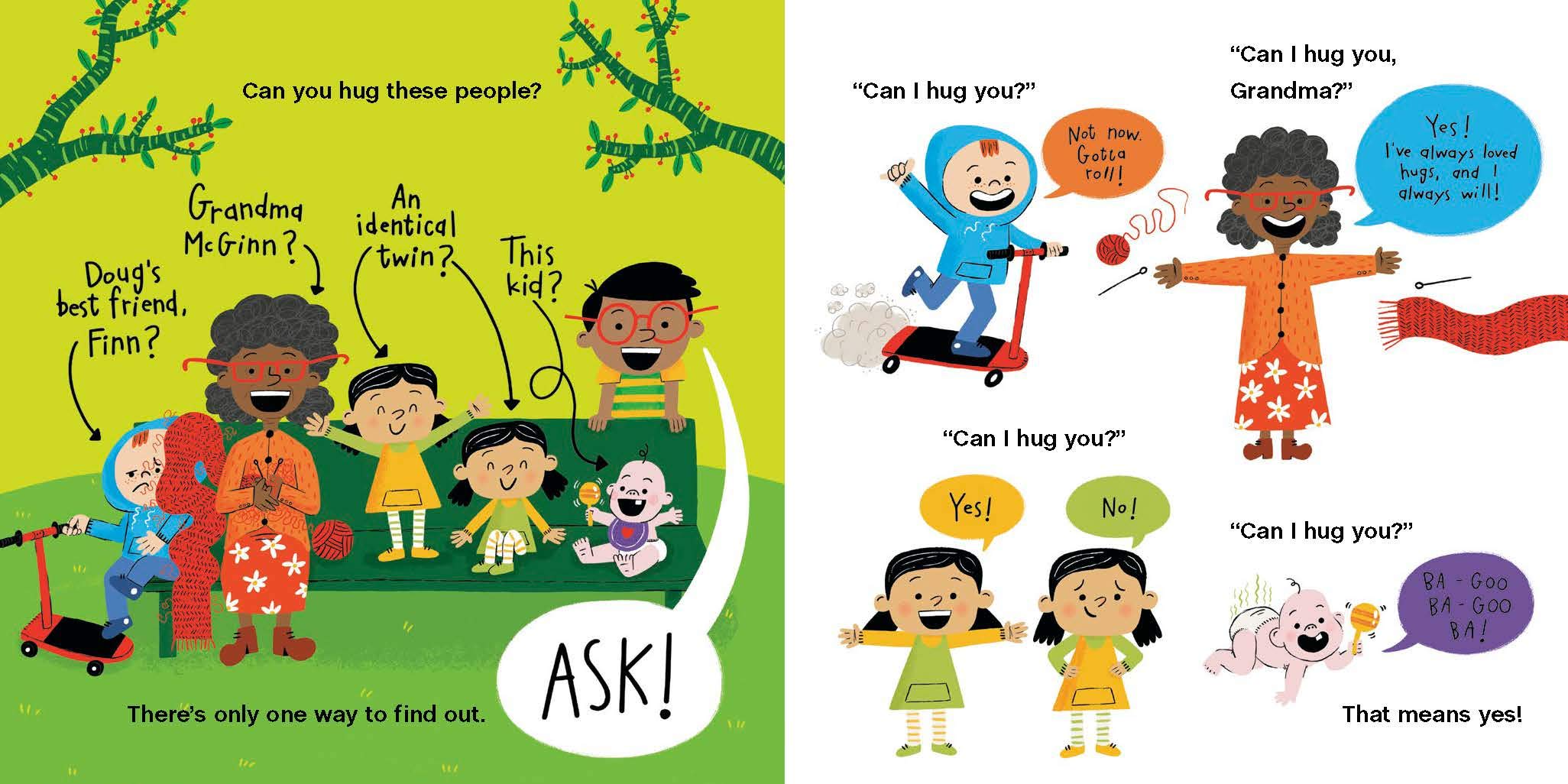
Summary:  You can hug a pug, a bug, or a slug (ewww!), but don’t hug Doug.  It’s just not his thing.  The only hug he likes is a NOT squeezy one from his mom at bedtime.  Don’t worry, Doug likes you, and he likes lots of other things, too: his rock collection, his sock collection, drawing with his chalk collection.  And he’s really good with high-fives.  Turns out Doug’s not the only one, so when considering a hug, be sure to ask first. 32 pages; ages 3-7.

Pros:  This lighthearted book about consent touches on quite a few topics: why not everyone likes hugs, the importance of asking before hugging, and that rejecting a hug isn’t the same as rejecting a person.  There’s plenty of humor in both the text and illustrations, and Doug is a good-natured guide.

Cons:  I’ve definitely made some of the mistakes described by Doug. 

A Plan for the People: Nelson Mandela’s Hope for His Nation by Lindsey McDivitt, illustrated by Charly Palmer (Released March 30)

Published by Eerdman’s Books for Young Readers

A Plan for the People - Lindsey G Mcdivitt, Charly Palmer : Eerdmans

Summary:  This biography of Nelson Mandela covers his early life in the first few pages, focusing primarily on his imprisonment from 1963 until 1990.  Mandela studied and taught others while in prison, reaching out to both white guards and black prisoners.  His isolation gradually decreased as reforms slowly came to South Africa, and on February 2, 1991, he was released from prison.  Three years later, he voted for the first time in his life–and was elected president of South Africa.  Includes extensive back matter:  lengthy author’s and illustrator’s notes; additional information on apartheid, the ANC, and Mandela’s imprisonment; a timeline of Mandela’s life and South Africa’s journey to democracy; and lists of books, videos, and websites with additional information (but, surprisingly, no photos).  48 pages; grades 3-6.

Pros:  An inspiring look at Nelson Mandela’s life, with beautiful, brilliant acrylic paintings to illustrate it, and lots of material to support further research.

Cons:  I wish this book had been edited more; the text is lengthy, and some of Mandela’s story could have been more effectively shown rather than told.