Black Panther: The Young Prince by Roland L. Smith

Published by Marvel Press
Image result for black panther roland amazon

Summary:  T’Challa is the prince of Wakanda, the most technologically advanced nation in the world, and will one day follow in the footsteps of his father, the Black Panther.  When danger threatens their country, the king sends T’Challa and his friend M’Baku to safety in the United States. At their new middle school in Chicago, the two African boys find friends–and danger.  When M’Baku is lured to the dark side, T’Challa must decide whether or not he can confide in his new friends Zeke and Sheila about his true identity to try to save M’Baku. Armed with a Black Panther suit and a ring containing Vibranium, the secret substance that is the key to Wakanda’s power and success, T’Challa finds himself on a dangerous mission involving voodoo as he struggles to do the right thing and make his father proud.  Sheila’s final question, “When’s the next mission?” leaves open the possibility of a sequel. 272 pages; grades 4-7.

Pros:  Just in time for the Black Panther movie, this action-packed story will appeal to Marvel fans as well as anyone who enjoys a middle school story about an outsider making good.

Cons:  There could have been more interesting commentary on the two African boys’ first experience with American life and culture.

If you would like to buy this book through Amazon, click here.
 

The Monarchs Are Missing: A Butterfly Mystery by Rebecca E. Hirsch

Published by Millbrook Press

Image result for monarchs missing hirsch amazon

Summary:  The monarchs are missing?  Some of them are, anyway.  In the last two decades, the monarch butterfly population has steeply declined.  How can we even know how many monarchs there are?  The answer to that goes back to the 1960’s when scientists first discovered the areas in Mexico where monarchs spend the winter.  Since then, they’ve taken annual measurements of the area the butterflies inhabit to get a rough estimate of the population.  There’s no agreement in the scientific community about why there are so many fewer monarchs today, but some theories include climate change, new pesticides, and agricultural methods that have impacted milkweed, the butterflies’ main food source.  Kids can help by planting milkweed and other wildflowers that provide nectar for the monarchs during their migration south.  Includes an author’s note, glossary, 3 books for further reading, an index, instructions for planting a butterfly garden, and several websites to help kids become citizen scientists.  56 pages; grades 3-7.

Pros:  A fascinating look at science at work, with plenty of photos and kid-friendly ideas for making a difference.

Cons:  The introduction profiled two kids catching and tagging butterflies; it would have been interesting to read more about kids acting as citizen scientists.

If you would like to buy this book from Amazon, click here.

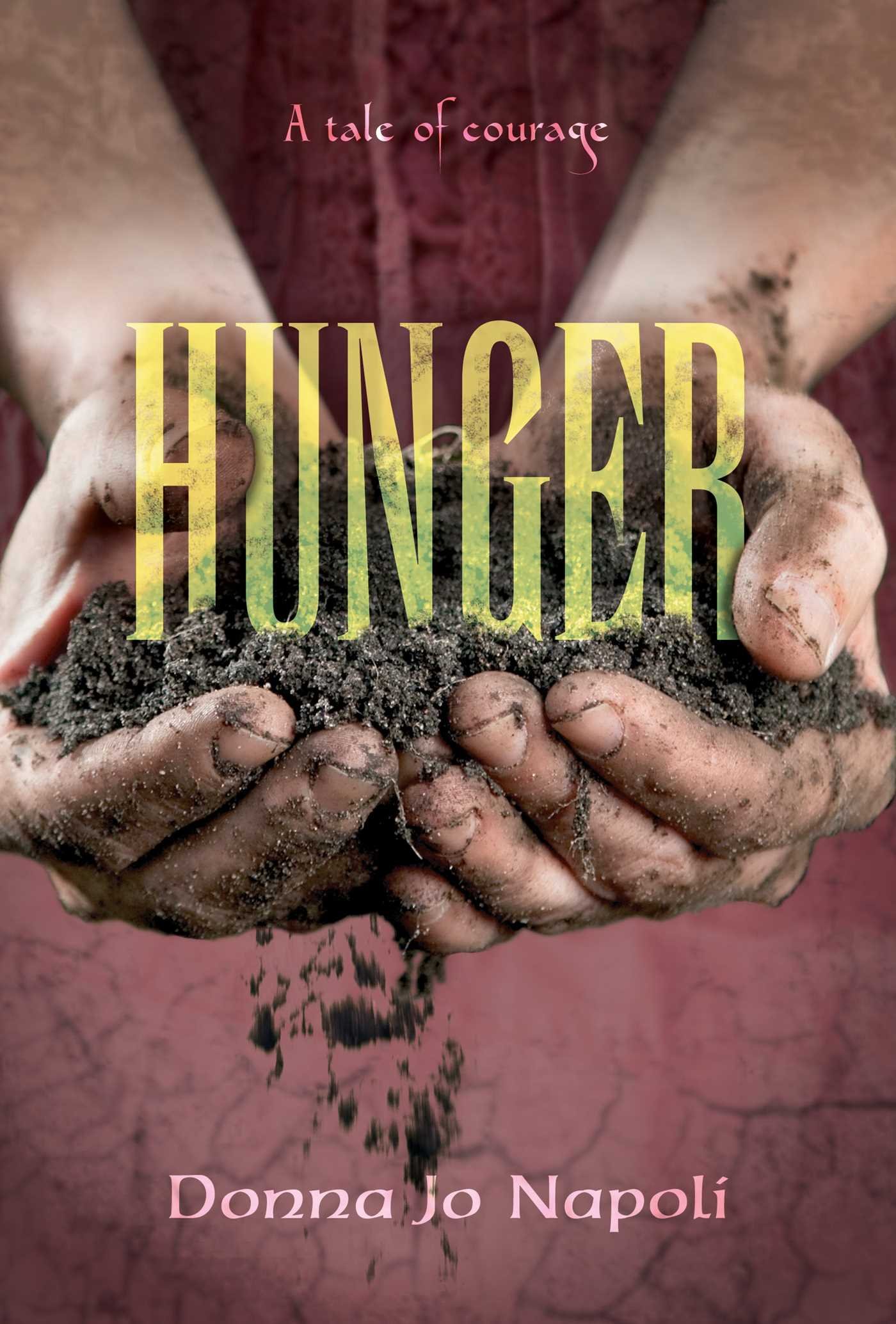
Hunger: A Tale of Courage by Donna Jo Napoli

Published by Simon and Schuster

Image result for hunger napoli amazon

Summary:  When the potato crop fails for a second time in the fall of 1846, 12-year-old Lorraine and her family face a potentially deadly winter.  By November, they’re subsisting on cabbage and kale, and fever has hit their neighbors.  A chance meeting with the landlord’s daughter Susanna results in a sort of friendship between the two girls.  Susanna has been raised to believe that the Irish are lazy and complaining; Lorraine tries to convince her that their suffering is real.  Eventually Susanna comes up with a plan that provides Lorraine’s family and neighbors with some much-needed food.  It’s enough to get at least some of them through the winter, but before spring comes, tragedy has hit Lorraine’s family and many others.  Some families decide to take their chances on starting new lives in Scotland or North America, but in the end, Lorraine and her parents choose to stay in the country that they love.  Includes a glossary of Irish words, bibliography, and an extensive timeline of the history of Ireland.  259 pages; grades 5-8.

Pros:  Readers will gain a clearer understanding of the history of Ireland and how prejudice played a large role in the tragedies that unfolded there in the mid nineteenth century.  Lorraine is a plucky narrator whose strength and love for Ireland shines through her difficult story.

Cons:  Much of the story is unrelentingly grim, unavoidable when writing about a period of famine and disease.  It’s hard to determine a recommended age group; a 12-year-old narrator suggests elementary, but the nature of the story may make it more appropriate for middle school and up.

If you would like to buy this book on Amazon, click here.

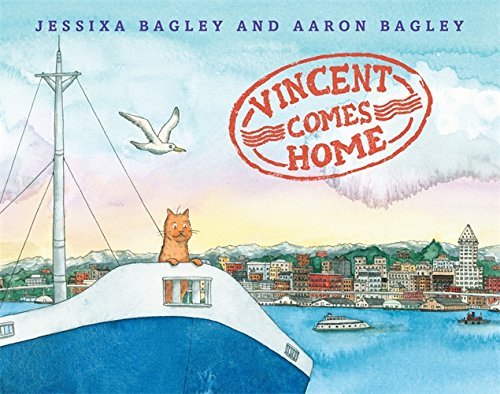
Vincent Comes Home by Jessixa Bagley and Aaron Bagley

Published by Roaring Brook Press

Image result for vincent comes home amazon

Image result for vincent comes home bagley

Summary:  Vincent has a pretty idyllic life as a ship’s cat, traveling from one place to another and observing them all from the deck.  When he hears sailors talking excitedly about a place called home, Vincent is curious, and hopes to visit it someday.  When that day arrives, Vincent can’t understand what all the fuss is about.  Home looks just like many of the other places they’ve been.  For the first time, he gets off the boat and follows a member of the crew, observing through the window how happy he and the others are in their houses.  The cat realizes sadly he doesn’t have a home; then he hears a familiar song and is reunited with the ship’s captain, who scoops him up and says the magic words, “Let’s go home.”  32 pages; ages 3-8.

Pros:  A charming story about the pleasure of coming home after exciting adventures.  The illustrations are delightful, and cleverly identify the captain by showing a bar of music in the early pages that is used again to recognize him at the end.  A very cool world map shows the ship’s travels from one continent to another.

Cons:  The crew is all male and the member Vincent follows is identified as “a crew man”.

If you would like to buy this book on Amazon, click here.

Grace for Gus by Harry Bliss

Published by Katherine Tegen Books

Grace for Gus: Bliss, Harry, Bliss, Harry: 9780062644107: Amazon.com: Books

Summary:  In this nearly wordless picture book, Grace is determined to help her friend Gus, the class guinea pig, get a new friend.  After school, she does her homework, eats dinner and helps her dads do the dishes, says good night, then climbs out of her bedroom window, violin in hand.  Her first stop is a subway station, where she opens the violin case and performs; from there, it’s on to Central Park to draw caricatures; finally, she returns to the subway, where she breaks into an impromptu dance routine on the train.  People cheer and give her money for all her efforts, and the next day, she is able to fill the “Gus Buddy Fund” jar in her classroom.  The final page shows Gus with his new guinea pig friend.  40 pages; ages 4-8.

Pros:  There is so much to look at in this book that will be fun for children and adults.  Look for Woody Allen, Alfred Hitchcock, Donald Trump, Tintin and Snowy, Charlie Brown, and Calvin’s friend Hobbes in the pictures.  Grace herself looks a lot like Marcie from Peanuts.  Keep an eye peeled for other details like a “Jimmy Hoffa Found” headline and the “Tax Relief” billboard behind Trump.  Once is not enough to catch all that this book has to offer.

Cons:  Many of the allusions that adults will enjoy will go right over the heads of most kid readers.

If you would like to buy this book on Amazon, click here.

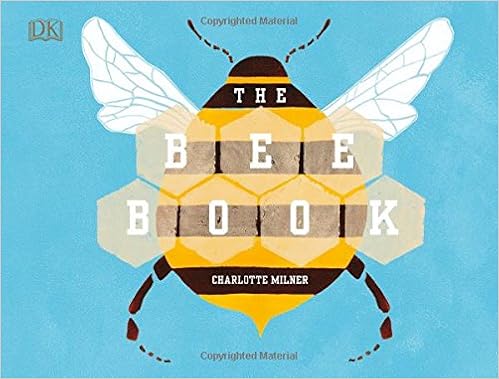
The Bee Book by Charlotte Milner

Published by DK Children

Image result for bee book milner amazon

Image result for bee book milner

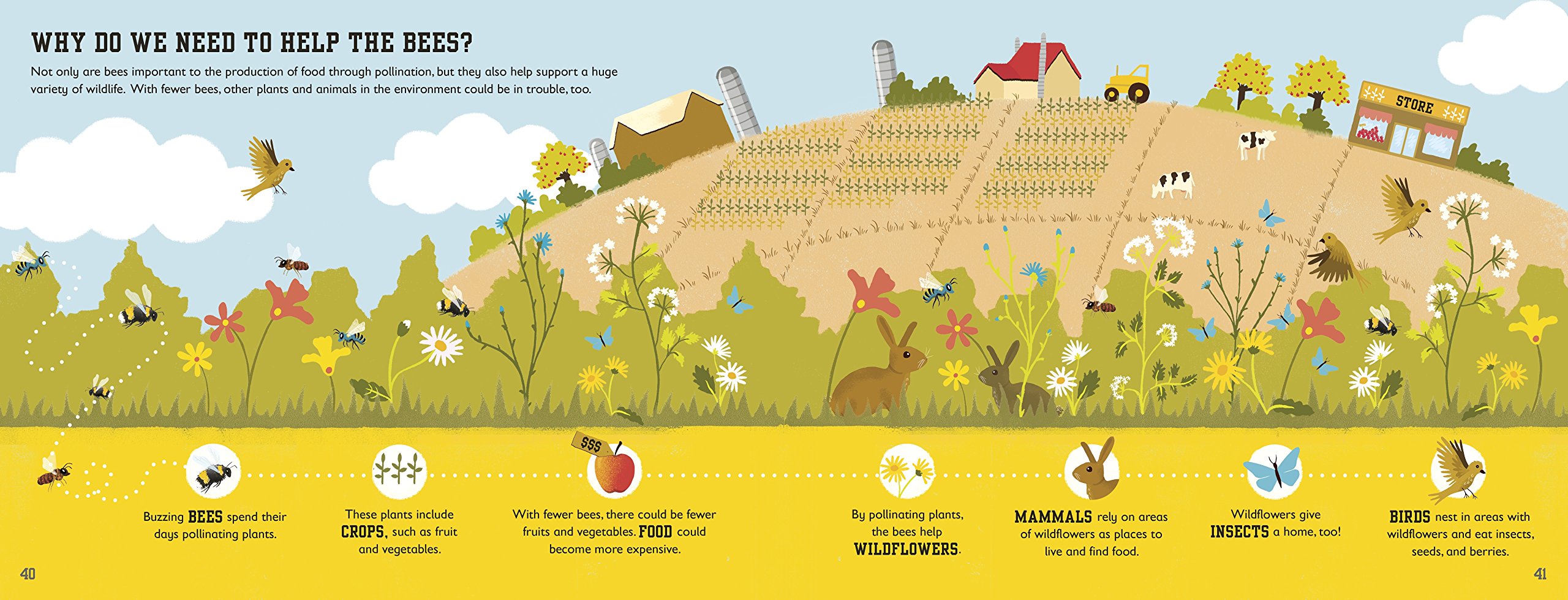
Summary:  What’s the buzz about bees?  This book seeks to answer this and quite a few more questions like “Where does honey come from?”, “What would we do without bees?”, and “What can you do to help?”.  Turns out the whole “busy as a bee” thing is real; you might appreciate that spoonful of honey more when you know it’s the lifetime’s work of 12 honeybees (a jar of honey represents 55,000 miles of flying).  Why should humans be concerned about the disappearance of bees?  One-third of our food comes from crops pollinated by animals.  Scientists are working to develop a robot bee, but it’s not quite the same, is it?  Activities at the end include making a bee hotel and planting a garden to help bees in their pollination efforts.  48 pages; grades K-5.

Pros:  Interesting information combined with lots of graphics make this an appealing choice to learn more about all kinds bees, with a focus on honeybees.

Cons:  The whole bee situation is a lot more serious than I realized.

If you would like to buy this book from Amazon, click here.


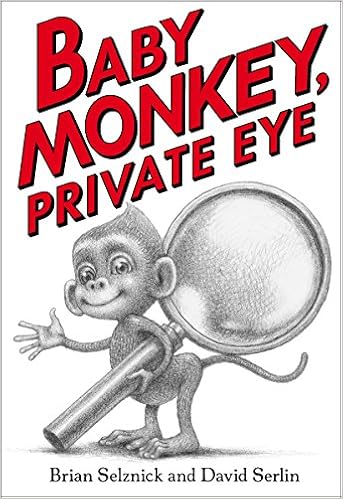
Baby Monkey, Private Eye by Brian Selznick and David Serlin

Published by Scholastic

Image result for baby monkey private eye amazon

Image result for baby monkey private eye

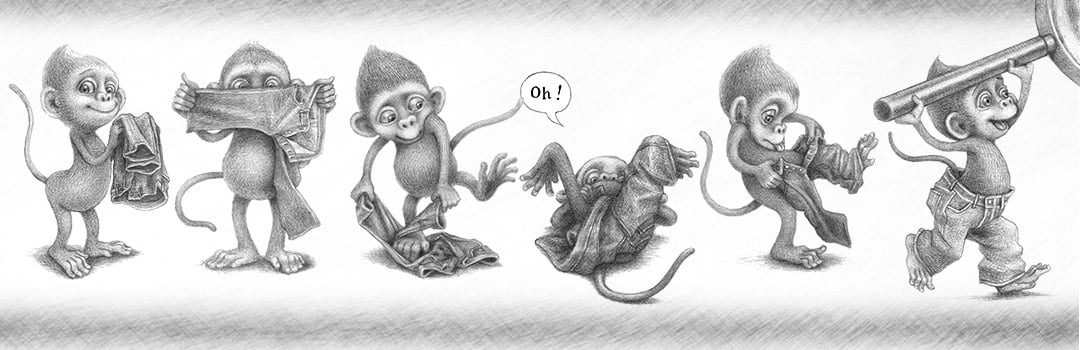
Summary:  Baby Monkey solves one case after another: missing jewels, missing pizza, a missing nose, a missing spaceship, and a missing baby.  For each one, Baby Monkey has a routine.  First he looks for clues, then he takes notes and has a snack, and finally, he puts on his pants, a difficult task that generally takes several pages.  The mystery is solved immediately after that, usually by looking no further than outside his office door.  The routine is disrupted in the final mystery, because the missing baby turns out to be…well, I’ll let you take a guess.  Or read the book to find out.  Includes a guide to the different works of art that appear in Baby Monkey’s office for each mystery and an unusual index and bibliography.  192 pages; ages 4-8.

Pros:  Brian Selznick’s award-winning illustrations carry the day here.  Kids will crack up over Baby Monkey’s various struggles with his pants, while older readers will enjoy noticing all the details that change from one rendering of the office to the next.  The text is repetitive, making this a perfect choice for beginning readers.

Cons:  Librarians may have a tough time deciding where to put this book: chapter book, picture book, graphic novel, or early reader?

If you would like to buy this book on Amazon, click here.


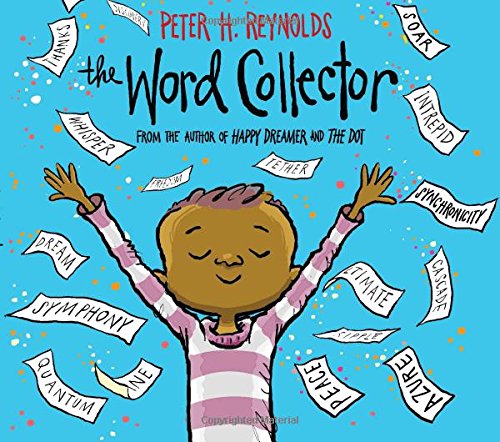
The Word Collector by Peter H. Reynolds

Published by Orchard Books

Image result for word collector reynolds amazon

Image result for word collector reynolds

Summary:  Some people collect stamps or coins, but Jerome collects words.  He loves the sight and sound of them.  His collection consists of scrapbooks, in which his words are arranged by category (“Dreamy”, “Scientific”, “Action”).  One day, though, he slips, and his words go flying.  They’re all mixed together, and Jerome discovers he likes them even better that way.  Putting unlikely words together results in poetry; simple words like “sorry” and “thank you” are surprisingly powerful.  At last, Jerome gathers all his words into one big bag, and scatters them into the wind; then enjoys the sight of children running around gathering up his words.  The final endpapers offer this advice from the author: “Reach for your own words. Tell the world who you are and how you will make it better.”  40 pages; ages 4-8.

Pros:  This could be used in a variety of ways in an ELA curriculum: vocabulary and poetry come to mind, and I’m sure there are others.

Cons:  The final scattering of words seems pretty messy.

If you would like to buy this book on Amazon, click here.


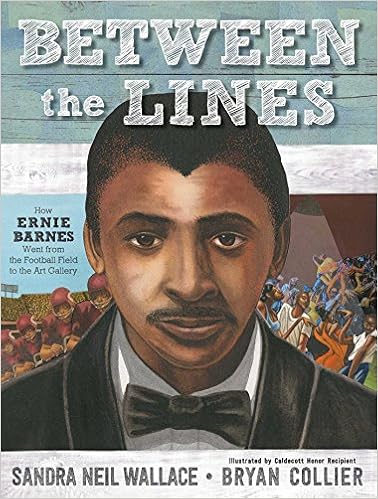
Between the Lines: How Ernie Barnes Went from the Football Field to the Art Gallery by Sandra Neil Wallace, illustrated by Bryan Collier

Published by Simon and Schuster

Image result for between the lines how ernie amazon

Image result for between the lines bryan collier

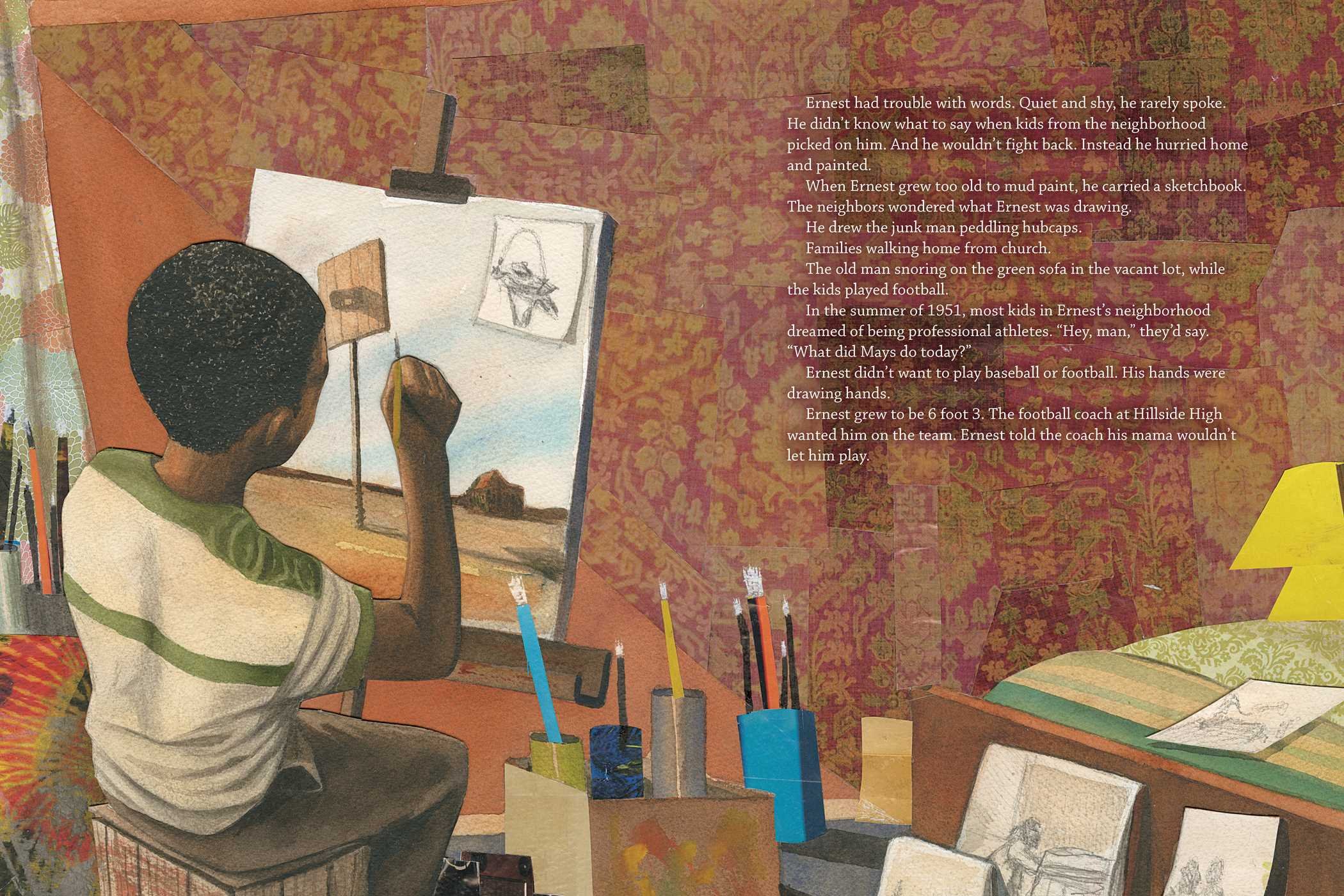
Summary:  Growing up in segregated North Carolina, Ernie Barnes wasn’t allowed to go to art museums.  He loved to draw, though, and his mother often took him with her when she worked at a wealthy lawyer’s house so that Ernie could see the paintings hanging on the walls.  In high school, his size caught the attention of the football coach, and he did well enough on the team to earn 26 college scholarships.  After college, he played professionally, but his first love was always art.  In 1964, he quit football to pursue painting full time, eventually winning fame for his portrayal of sports scenes (he was the official artist of the 1984 Olympics) and African Americans that he remembered from his childhood.  Includes an historical note, notes from the author and illustrator, and a substantial list of additional resources.  48 pages; grades 1-5.

Pros:  The large, beautiful illustrations by Bryan Collier pay homage to Ernie Barnes, and include copies of some of his work.  Barnes’s story is an inspiration to follow your dreams.

Cons:  Although a few of Barnes’s works are reproduced with the endnotes, Sugar Shack, one of his most famous that is mentioned several times in the notes, isn’t shown.

If you would like to buy this book on Amazon, click here.

The Journey of Little Charlie by Christopher Paul Curtis

Published by Scholastic Press

Image result for journey of little charlie amazon

Summary:  “Little” Charlie Bobo (at age 12, he’s over six feet tall) believes the Bobo family has terrible luck.  After his sharecropper father dies in a freak accident, Charlie and his mother are at the mercy of Cap’n Buck, the terrifying overseer from the nearby Tanner plantation. When the captain tells Charlie and his mother that they owe him fifty dollars, Charlie has no choice but to join him on a journey to repay their debt.  He tells Charlie he’s in search of thieves who stole thousands of dollars nearly a decade ago; the “thieves” turn out to be fugitive slaves who escaped to Michigan.  When Charlie and the captain reach Detroit, they track down the couple who escaped, but their son, also 12 years old, is at boarding school in Canada.  Leaving the parents in jail, Charlie and Buck travel north, only to find that the attitude toward slave catchers is a bit different in Canada than in the U.S.  Charlie returns to Detroit alone, and discovers that he can’t bring himself to carry out his original mission.  He learns he has a kindness and courage that he’s never recognized before as he helps the family reunite in Buxton, Canada.  256 pages; grades 5-8.

Pros:  Yet another masterpiece of historical fiction from Christopher Paul Curtis.  Charlie is an uneducated narrator who doesn’t always trust his interpretation of events, but has enough heart to begin to question the adults around him and to do the right thing in the end.

Cons:  Kids may need some guidance with the dialect and overt racism of Charlie’s world.

If you would like to buy this book on Amazon, click here.