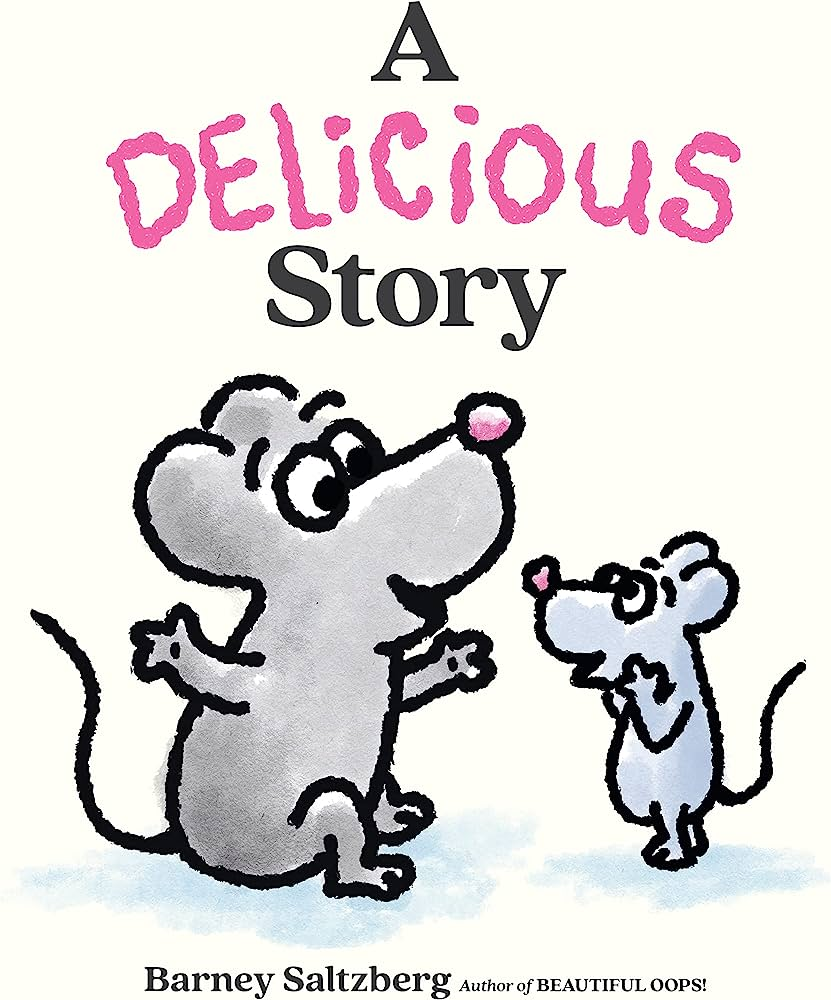
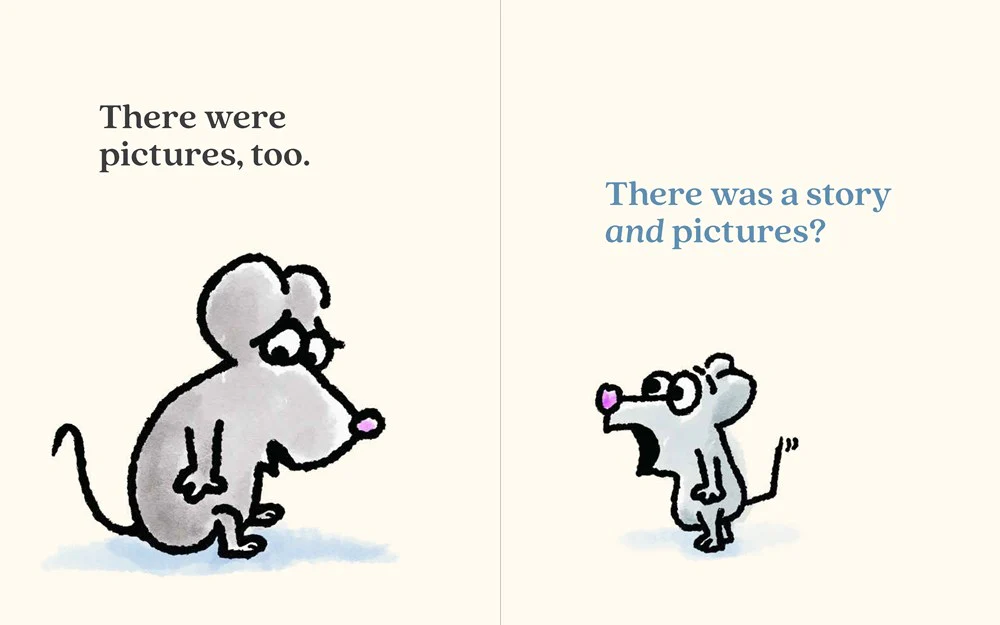
Summary: A little mouse is looking for a story. “Oh…I haven’t seen one,” says the big mouse, looking away. “Wait, isn’t this a book?” asks the little mouse. It is indeed, but there is no story. When pressed, the big mouse admits that he ate the story AND the pictures. It was a delicious story, and he offers to tell the little mouse a new one. It’s a tough process, but eventually the two mice work together to create a cozy story…with a surprise ending. 80 pages; ages 3-6.
Pros: Elephant and Piggie fans will get a big kick out of this story that’s perfect for beginning readers (and listeners) and that provides a fun introduction to stories and storytelling.
Cons: There’s not a lot of action in the illustrations.
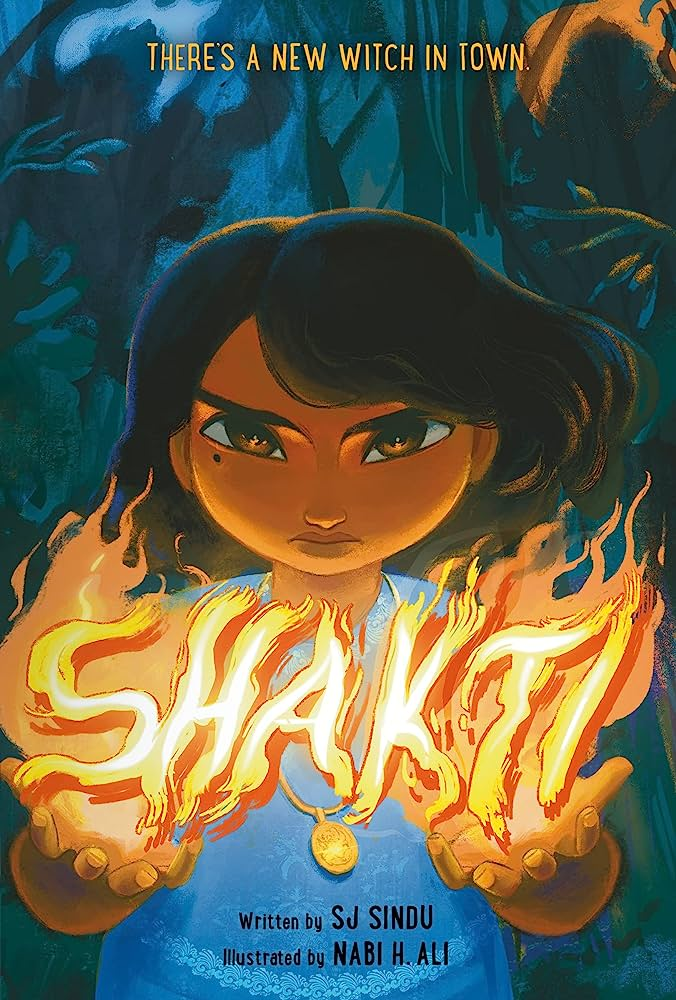
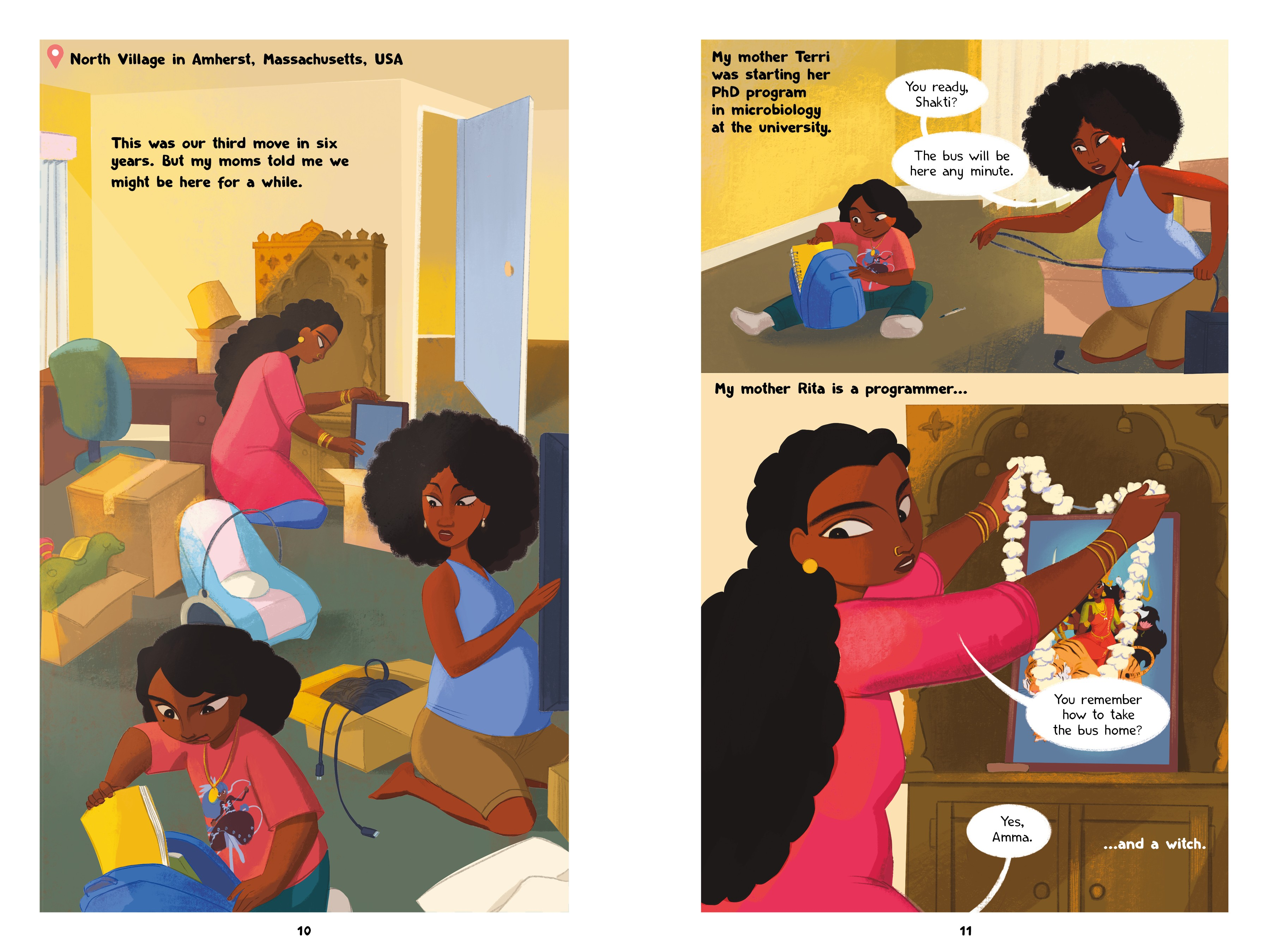
Summary: Shakti’s family has moved a lot, but her moms promise that the move to Amherst, MA will be the last one for a while. Her mother Terri is pregnant and working on a PhD at the university, while her other mother Rita is a programmer with a pretty good knowledge of magic. Shakti has shown an inclination toward magic, but after accidentally burning down the house as a baby, she’s been forbidden from using her powers until she’s older. Shakti makes some good friends at her new school but discovers that three of the mean girls are practicing witchcraft to bind the school to them, making all the teachers love them while neglecting the rest of the student body. Determined to break the spell, which threatens to hurt Shakti’s new baby sibling, Shakti and her friends call on the Hindu goddesses Rita has taught her about, unleashing power that they then struggle to contain. Shakti learns that she has to let go of her anger and focus her powers to save her family, her friends, and her town. 256 pages; grades 4-7.
Pros: Witchcraft in western Massachusetts? I knew I had to read this graphic novel as soon as I heard about it, and I thoroughly enjoyed it, from the middle school drama to the concise but detailed introductions to Hindu mythology. Recommend this to readers looking for something a little more fantasy-oriented than the usual middle school graphic novel.
Cons: The b-word (represented as b–) is used a few times.
Published by Simon and Schuster/Paula Wiseman Books
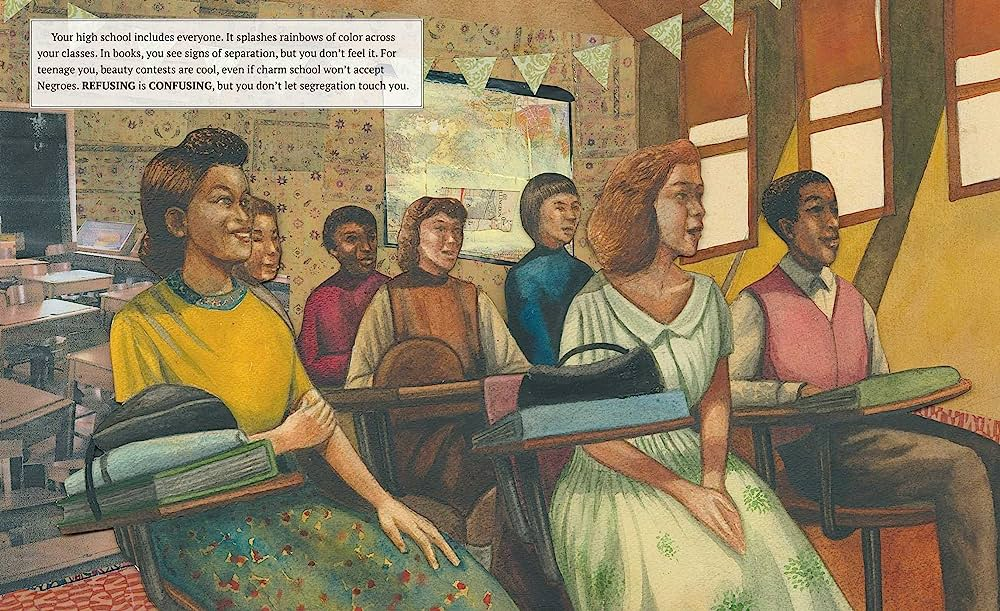
Summary: Growing up in Chicago, Diane Nash went to integrated schools and didn’t experience much discrimination. When she went to Fisk University, though, she was appalled by the Jim Crow laws she encountered in Nashville. Unwilling to accept the status quo, she overcame her fears to protest segregated lunch counters, eventually leading a movement that led to the mayor desegregating all of Nashville’s counters. She went on to work with Martin Luther King, Jr. and the Freedom Riders to end segregation of interstate buses. When she was sent to jail while expecting her first child, her refusal to be released on bail drew national attention. Diane later returned to Chicago and continued her activism, losing her passport when she traveled to North Vietnam in 1966. She’s traveled across the U.S. for decades, continuing to deliver her message that love creates change. Includes an author’s note, an illustrator’s note, a timeline, and additional resources. 48 pages; grades 2-6.
Pros: An inspiring story of a woman whose incredible courage led to real changes during the civil rights movement, and who has kept that work going to this day (she was awarded the Presidential Medal of Freedom in 2022). As usual, Bryan Collier’s beautiful watercolor and collage illustrations should be considered for Caldecott or King award.
Cons: I found the second-person narrative (“You arrive in the spring of 1938…”) confusing when it came to describing some of the events Diane Nash was involved in.
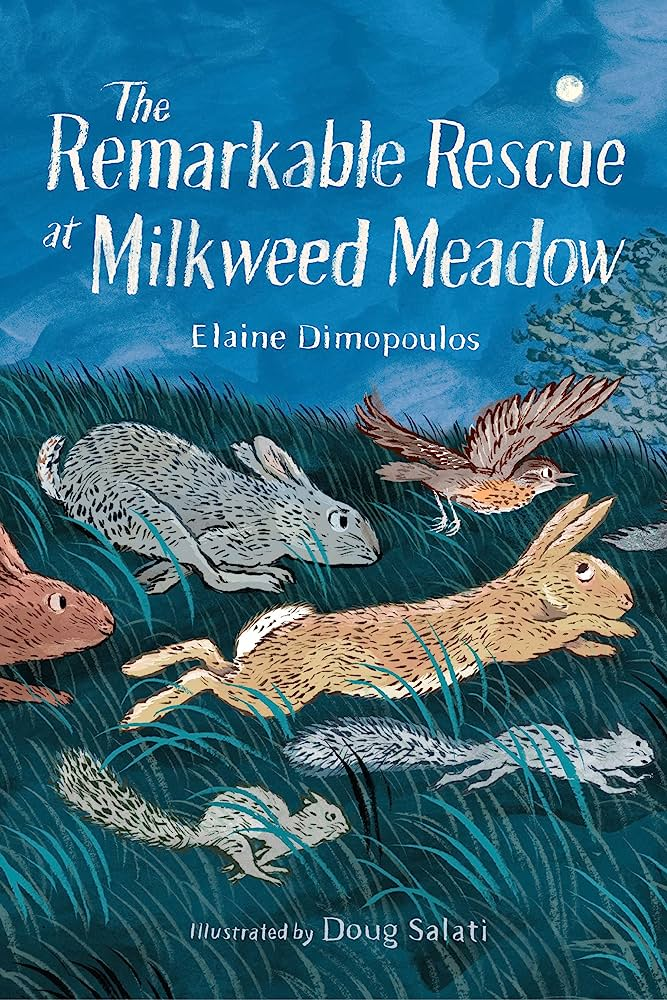
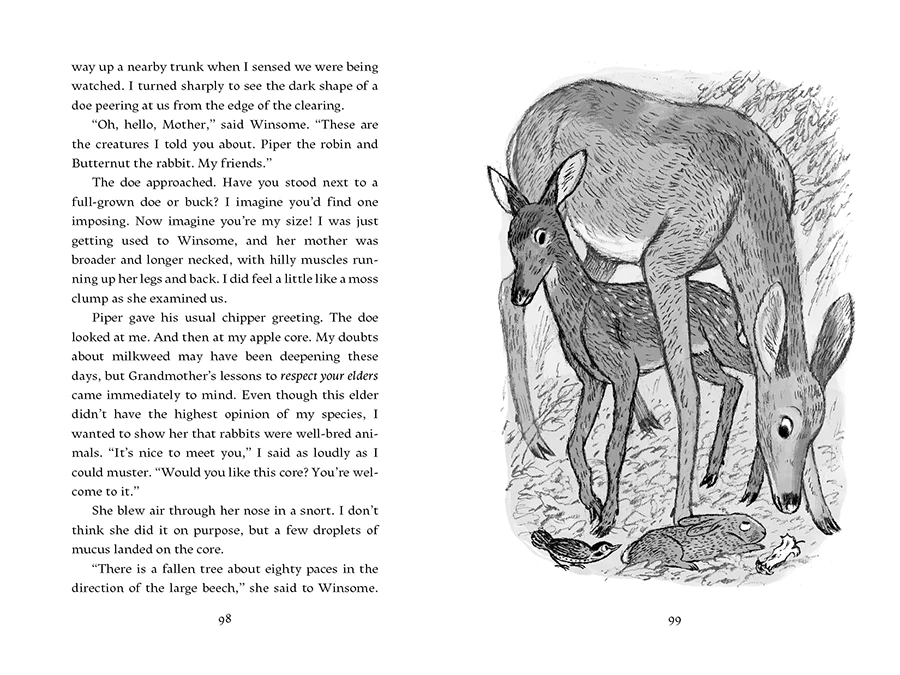
Summary: Butternut is part of a large rabbit family that lives in a burrow in Milkweed Meadow. The rabbits keep pretty much to themselves, learning storytelling and safety skills from their mother and grandmother. A chance encounter with a young robin named Piper, however, expands Butternut’s horizons, and she finds herself overcoming her many anxieties to go on adventures with Piper and a young deer named Winsome that they befriend when Winsome breaks her leg in the rabbits’ burrow. The title’s remarkable rescue involves some orphaned coyote pups, an operation that Butternut advocates for even though they will grow up to become predators, and one that ultimately involves all the animals of the meadow. Butternut’s newfound courage and sense of connection to other species inspire her mother and grandmother to put aside some of their own fears and to open themselves up to the meadow community. 192 pages; grades 3-6.
Pros: This beautifully written and illustrated animal story shows the power of storytelling, community, and courage with enough humor to keep the messages light. It would make an excellent elementary read-aloud or book club selection.
Cons: I wish there had been more illustrations by Caldecott medalist Doug Salati.
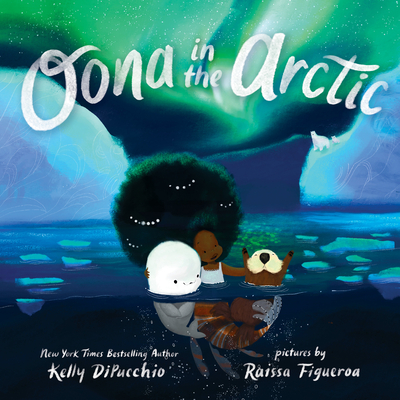
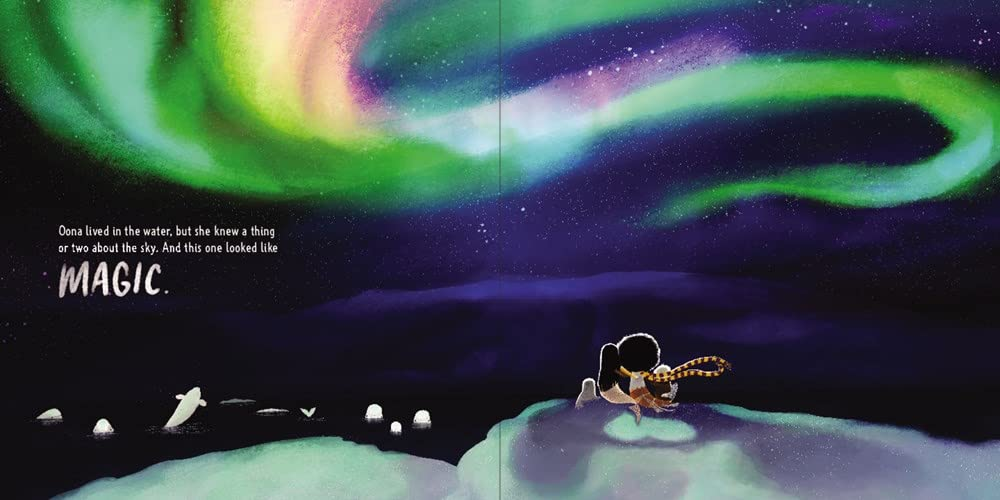
Summary: When a baby beluga whale appears in the warm waters where Oona the mermaid lives with her animal friends, they all embark on a journey to take the beluga back home. They head north with a map to guide them, but a storm destroys the map, and Oona has to figure out how to keep going. A mermaid named Siku finds them and leads them through the Arctic, where they’re offered additional assistance from a narwhal, a group of polar bears, a walrus, some humans with a dog sled, and a flock of snow geese. Finally, the baby beluga is reunited with its family, and Oona, Siku, and their friends enjoy a magical display of the northern lights. 32 pages; ages 4-8.
Pros: I’ve somehow missed the previous two Oona books about this adventurous Black mermaid and her adorable animal friends, who’s joined in this story by an Inuit mermaid. One can never have enough mermaid stories, and this one, with its cute illustrations and page-turning excitement, is sure to be a hit.
Cons: Oona’s scarf seemed like scant protection against the Arctic cold.
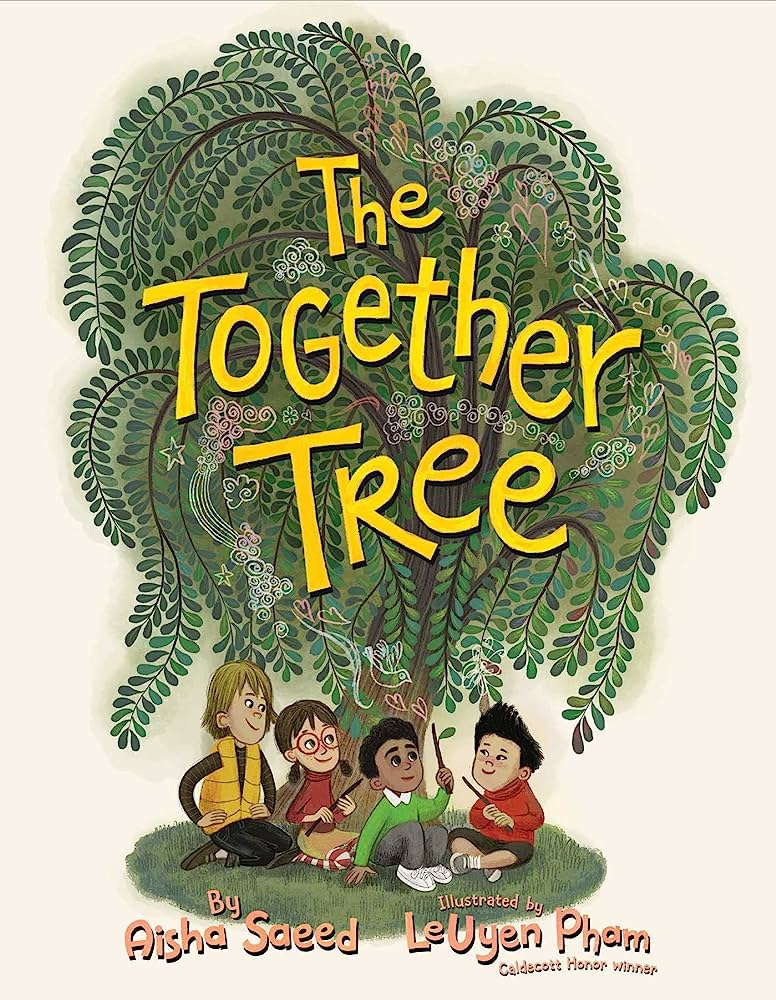
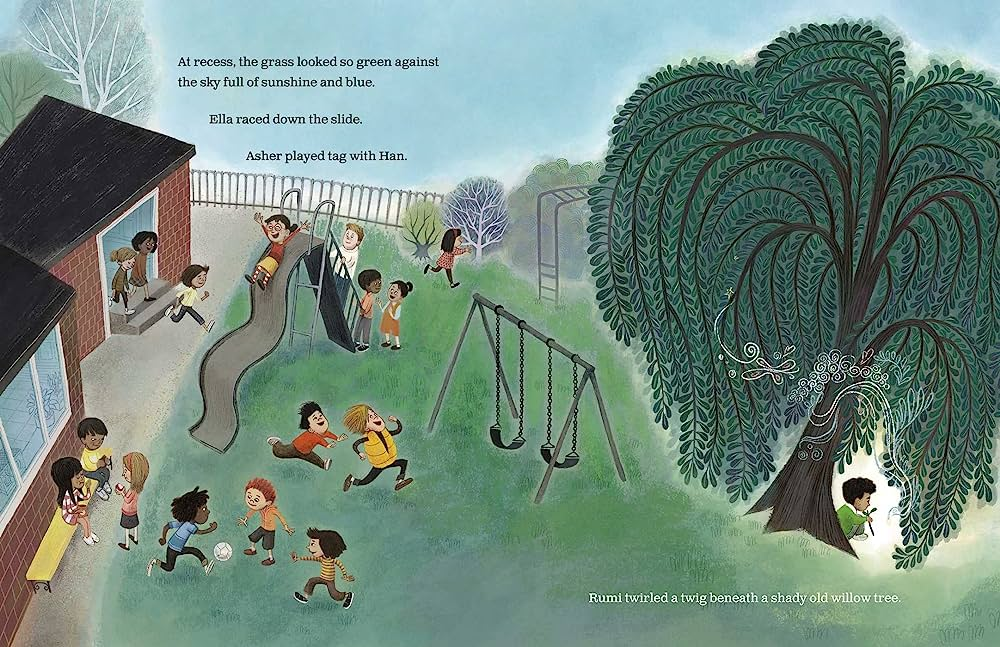
Summary: When Rumi joins the class in early spring, he’s quiet and keeps to himself. At recess, a couple of the other kids, Ella and Asher, make fun of Rumi’s shoes, which he decorated with his friends back in California. Han doesn’t think their teasing is funny, but he doesn’t say anything. The bullying gets worse, and Rumi withdraws under a tree at recess, drawing with a stick in the dirt. When Asher throws a pebble at Rumi and cuts his knee, Han finally speaks up, asking Rumi to play, then noticing the beautiful world Rumi has created in the dirt under the tree. Soon the other kids are joining them, and Rumi finds himself in the middle of a happy group of kids. When he sees Asher sitting by himself indoors the next day, though, Rumi tells the kids he wants to go inside. The last page shows all the kids, including Asher, drawing together under the tree. Includes an author’s note about her son’s experiences with bullying in kindergarten that inspired this book. 40 pages; ages 4-8.
Pros: A moving story of how both a victim and a bystander use kindness to defuse a bullying situation, illustrated with Caldecott honoree LeUyen Pham’s bright, appealing pictures.
Cons: There was a disturbing lack of adult supervision on the playground.
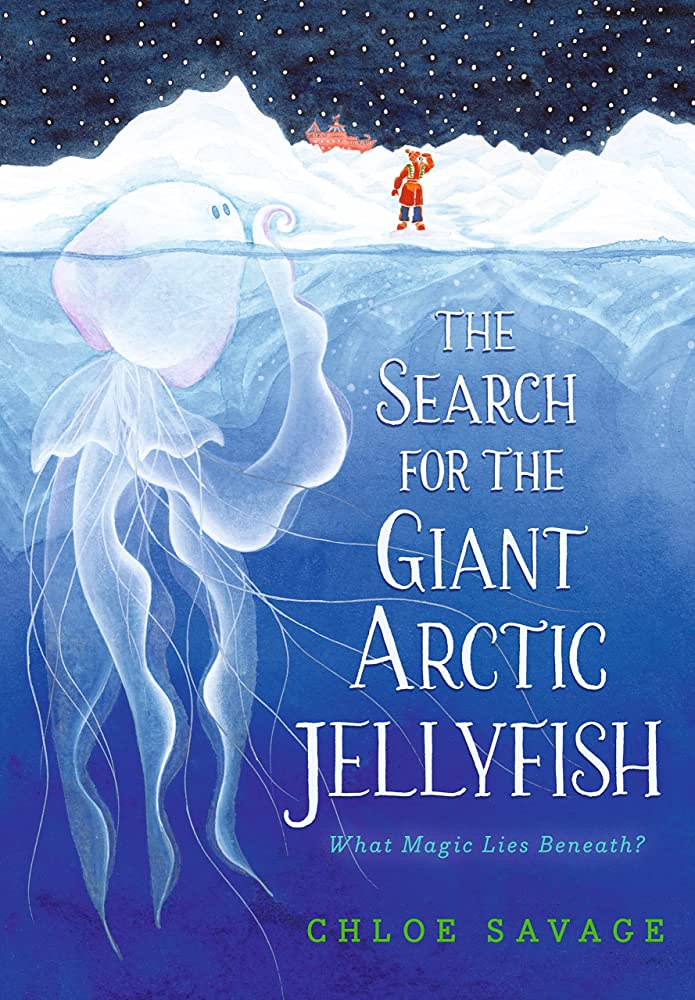
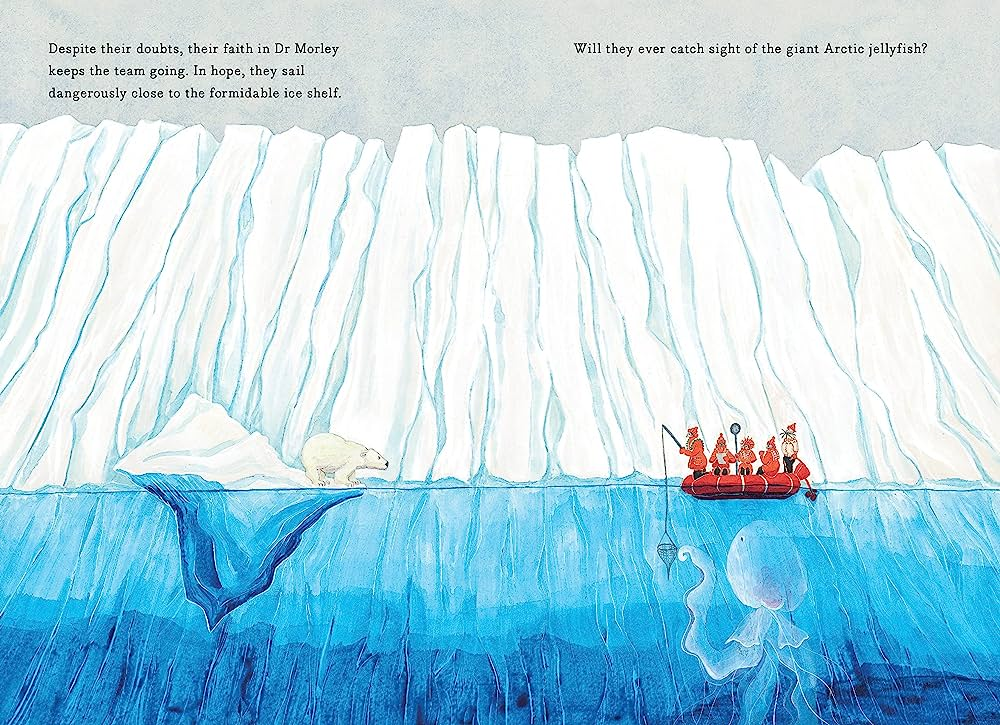
Summary: Dr. Morley is leading a scientific expedition to find the giant Arctic jellyfish. Preparations are made, then the ship takes off, ready to spend months in the cold Arctic, far from home. When they cross into the Arctic Circle, they see animals like narwhals, beluga whales, and orcas, but the jellyfish remains elusive…at least to the scientists. Readers will notice the jellyfish on almost every page, hiding under the ship, gazing up at the northern lights, or peeking at the crew from behind an iceberg. As time goes on, Dr. Morley and her crew begin to grow weary and think of home. Finally, she orders the ship to turn around and head for home. “Wait. Could that be…?” The final page shows the doctor at the rail of the ship as it sails away, and the giant Arctic jellyfish gazing back at her. 32 pages; ages 4-8.
Pros: A very fun book that gives the feel of an exciting if frustrating scientific expedition. Between the detailed cutaways of the ship, the gorgeous views of the Arctic, and the humorous antics of the jellyfish, readers will enjoy poring over the illustrations.
Cons: I sheepishly admit that I thought this was a nonfiction book until I got to the end of it.
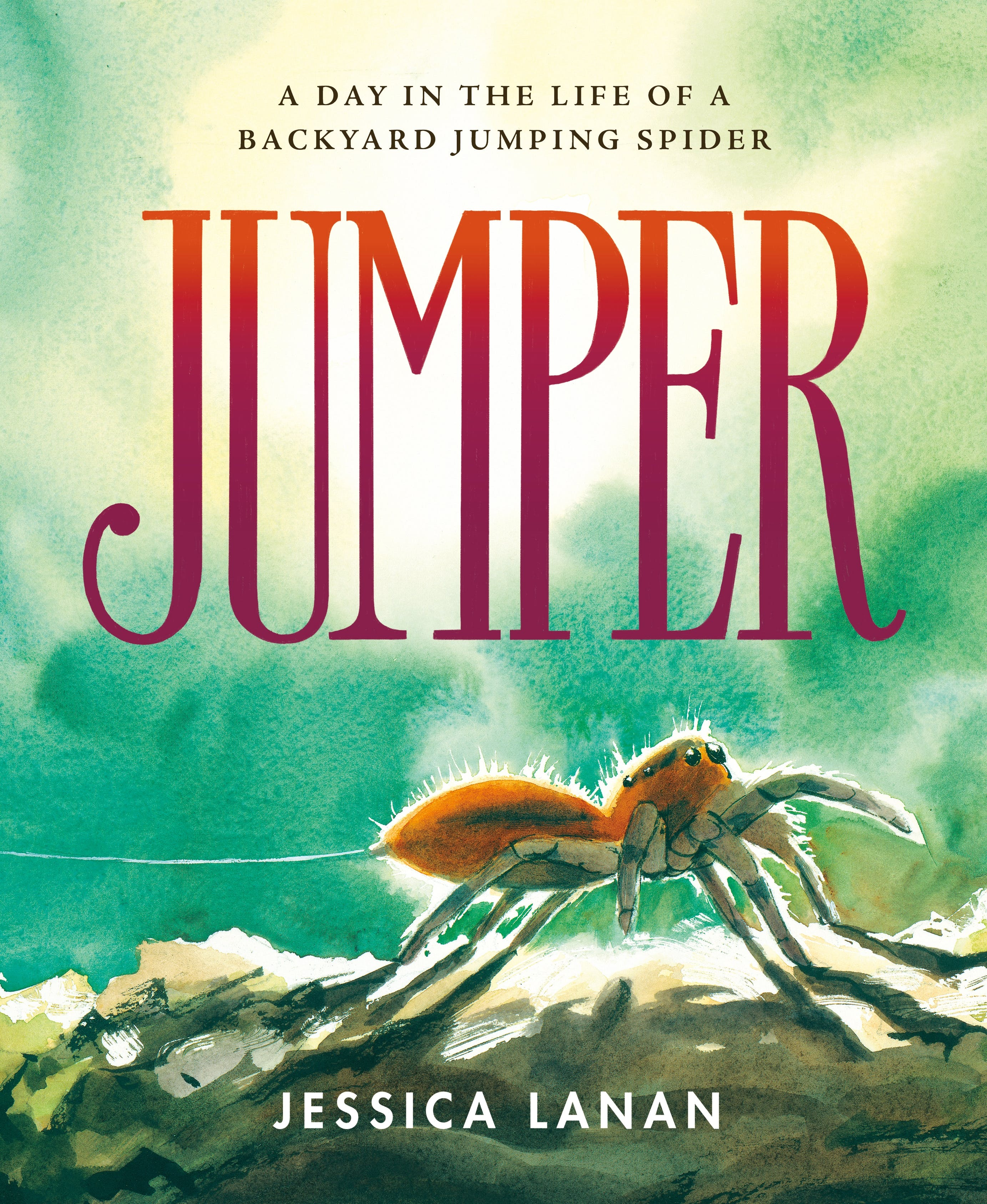
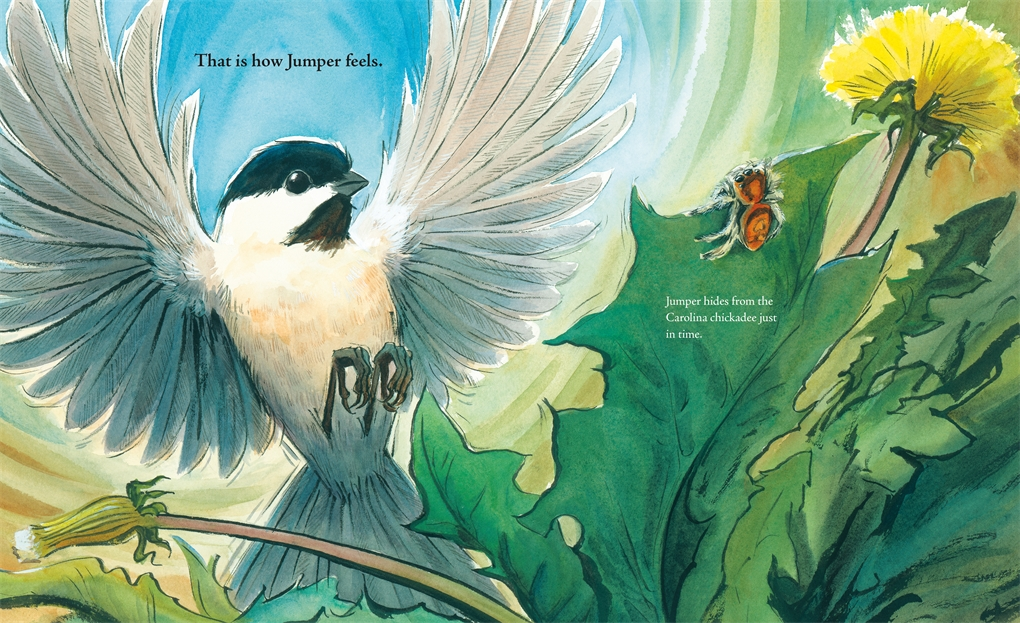
Summary: As a young girl explores a backyard garden, a jumper spider engages in parallel activities. They both have senses to explore the world around them, but Jumper’s senses are extra keen, with sound-detecting hairs all over her body and eight eyes that see in all directions. These senses, plus her jumping abilities, keep her safe from predators like a chickadee and a wasp. She also uses them for hunting, and the final pages show her successful capture of a fly as big as she is. Includes four pages of additional information, a glossary, a list of resources, and steps for finding and identifying spiders. 48 pages; ages 4-8.
Pros: Spectacular illustrations portray a spider’s-eye view of the world, including a gatefold illustration of what the garden looks like through eight eyes. The extensive back matter makes this an excellent resource for research. Could be a Caldecott or Sibert contender.
Cons: The capture of the fly is not for the faint of heart.
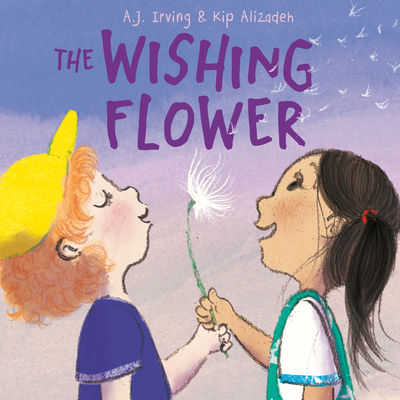
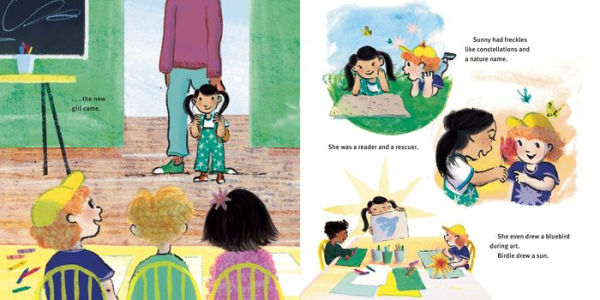
Summary: Birdie is quiet and shy, preferring her books to the company of other kids. But when Sunny shows up at school, Birdie is entranced, feeling her heart flutter and what she describes as dragonflies playing tag in her tummy. She finds a big wishing flower and makes a wish to be brave. Soon she finds the courage to play with the other kids, and before long, Sunny and Birdie are friends. Birdie shares her wishing flower, and both girls blow on the white seeds before revealing that both of their wishes have already come true. 32 pages; ages 4-8.
Pros: A beautifully written ode to friendship, with hints of a crush between the two girls. The illustrations add touches of whimsy, with birds, butterflies, and stars showing the happy emotions between Birdie and Sunny.
Cons: Would that wishing flower really survive a day in a backpack?
Summary: MacNolia Cox loved reading, studying, and spelling, which paid off when she won her eighth-grade spelling bee in 1936. This victory qualified her for the Akron, Ohio all-city bee, where her correct spelling of “voluble” made her the first African American winner of that contest and sent her to the National Spelling Bee in Washington, D.C. After weeks of preparation, fundraising, and a bit of celebrity, MacNolia and her mother were on their way to Washington. As they headed south, they had to move to the Blacks-only car, and in D.C., they stayed with a local doctor, since they were barred from the all-white hotel. She and another Black girl had to enter the spelling bee stage from the back door and sit at a separate table from the other contestants. Despite the discrimination, MacNolia succeeded, advancing to the final five before getting out on the word “nemesis” (which was questioned, since it hadn’t been on the official list). She didn’t win, but MacNolia helped level the playing field for spellers of the future, including Zaila Avant-garde, who in 2021 became the first African American to win the Scripps National Spelling Bee. Includes an epilogue with additional information about the fight to end racism and discrimination in spelling bees. 40 pages; grades 2-5.
Pros: A fascinating story about a courageous girl who persevered to follow her dreams. The text cleverly asks readers to spell words appropriate to the story, and Frank Morrison’s distinctive illustrations portray MacNolia and her family with dignity and grace.
Cons: I was sorry to read in the epilogue that MacNolia couldn’t afford college and worked as a maid for a doctor.



 A Kids Book A Day