Lucas Makes a Comeback and Lucas at the Paralympics by Igor Plohl, illustrated by Urška Stropnik Šonc

Published by Holiday House
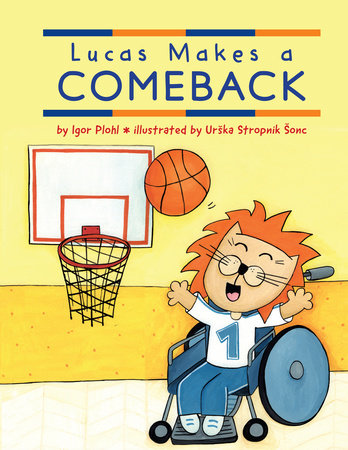
Lucas Makes a Comeback by Igor Plohl: 9780823447664 |  PenguinRandomHouse.com: Books

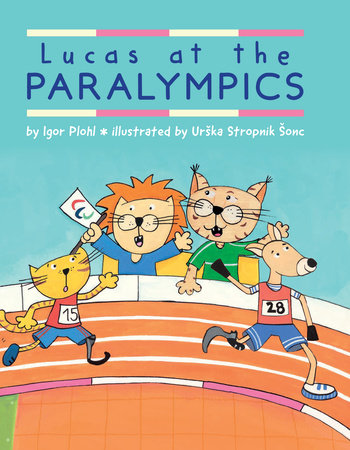
Lucas at the Paralympics by Igor Plohl: 9780823447657 |  PenguinRandomHouse.com: Books

Summary: Slovenian author Igor Plohl has drawn on his own experiences to create Lucas, a lion who loses the use of his legs after falling off a ladder and injuring his spine. Lucas goes through a period of sadness, feeling like he has lost his independence and ability to work. With the help of therapists, friends, and family, he learns how to use a wheelchair and drive a car, gets his own apartment, and returns to his job as a teacher. Photos on the endpapers show Igor doing many of the activities that are described in the story.

In Lucas At the Paralympics, Lucas meets a fellow cyclist named Eddie, and the two of them decide to travel to the Summer Paralympic Games. Sidebars give additional information about the different competitions they attend. At the end, Lucas decides to train for the Paralympic Games in four years. Includes two pages of information about different events at the Winter Paralympic Games. Both books are 32 pages and recommended for ages 4-8.

Pros: Some much-needed picture books featuring a character with a disability. Readers will learn about some of the challenges faced by a person in a wheelchair, as well opportunities to compete in sports that are open to those with many different types of disabilities.. The book about the Paralympic Games is timely, since the 2021 Games take place at the end of the summer.

Cons: Given the restrictions of a picture book, Lucas’s journey to independence appears deceptively simple. Also, the photos of the author were on the endpapers, which meant some of them were covered up by the library dust jacket.
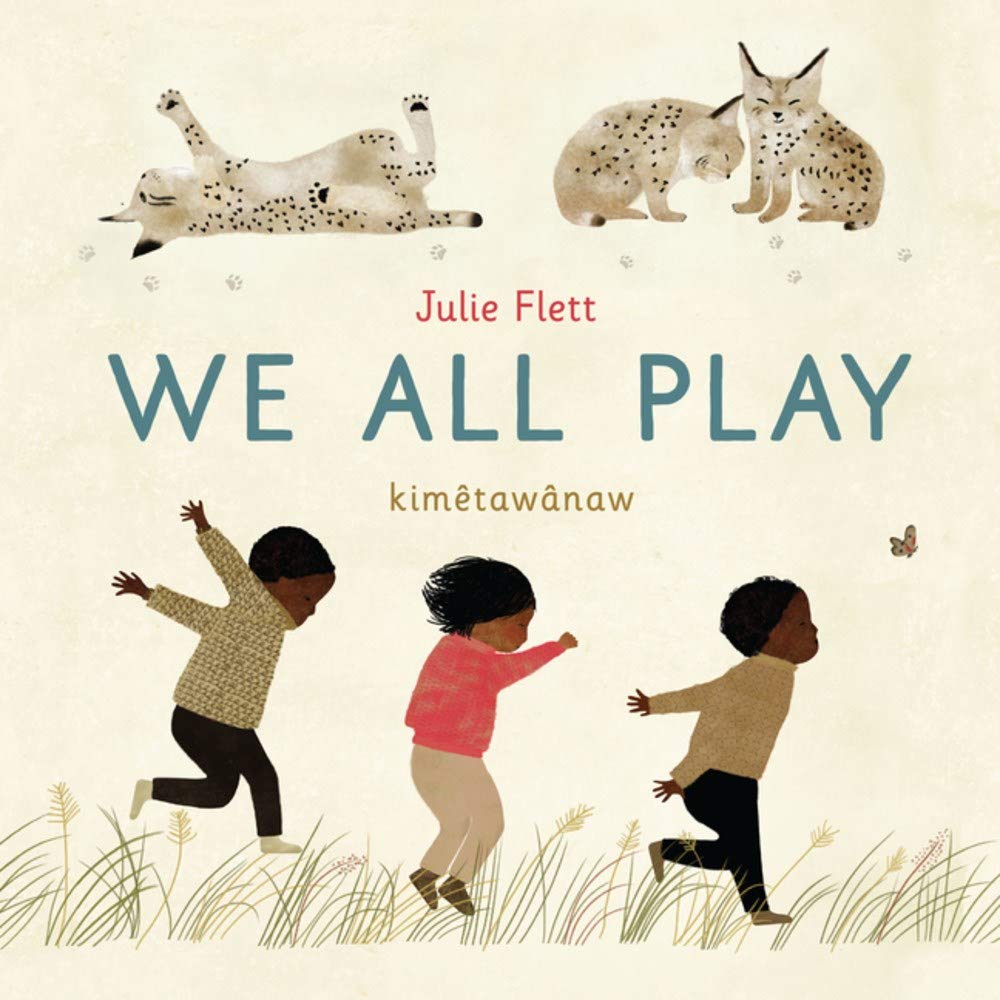
We All Play = Kimêtawânaw by Julie Flett

Published by Greystone Kids

We All Play: Flett, Julie, Flett, Julie: 9781771646079: Amazon.com: Books

We All Play – Greystone Books Ltd.

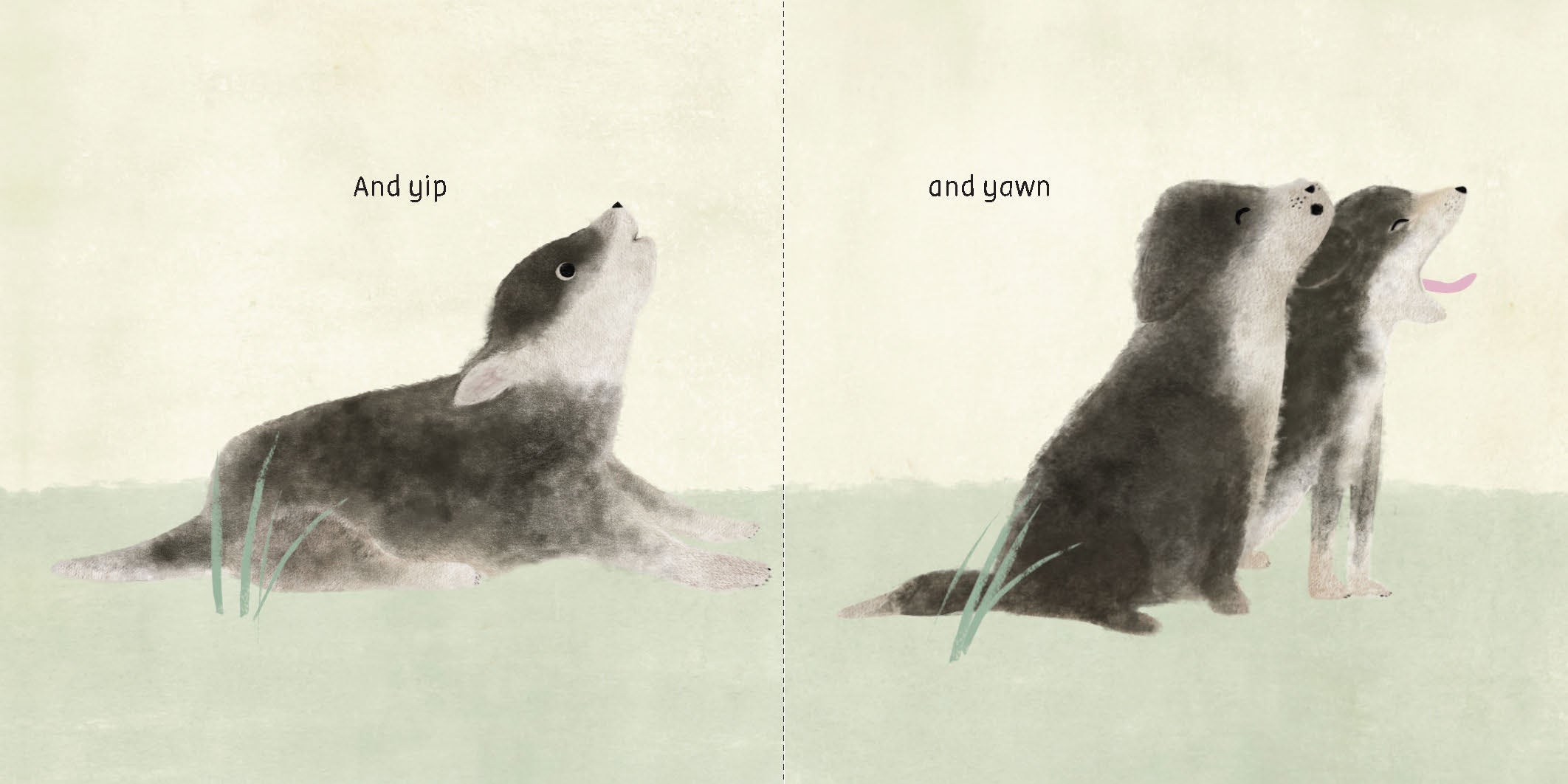
Summary:  Animals and children play through the pages of this book: a rabbit hides in the grass, then hops with a cricket, while a fox and turtle go nose to nose, sniffing and sneaking.  After the animals come the children, jumping and hiding in their own patches of grass.  The refrain “We play too! Kimêtawânaw mîna” appears on all the pages depicting the kids.  The animals are listed at the end in English and Cree, with the Cree words for one animal, more than one, and younger, smaller, cuter versions of that animal.  There’s also additional information on the Cree language and a website readers can visit to hear pronunciations of the words in the book; also a letter from the author with more information about her inspirations for creating this book.  48 pages; ages 2-7.

Pros:  Kids will love the beautiful illustrations of the different animals portrayed on simple white backgrounds, and the pictures of the children may inspire them to get up and move like the animals.

Cons:  The headings on the list of animals were “English”, “One”, “More than one”, and “Younger, Smaller, Cuter”; I had to read the next page to figure out they were in Cree.


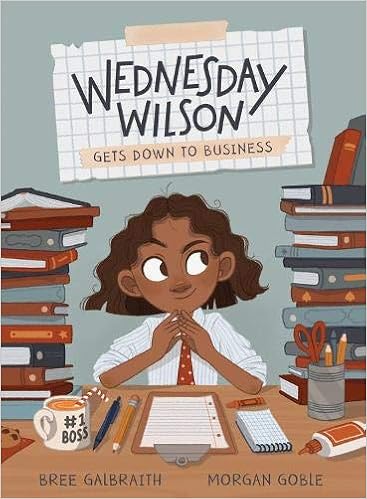
Wednesday Wilson Gets Down to Business by Bree Galbraith, illustrated by Morgan Goble

Published by Kids Can Press 

Amazon.com: Wednesday Wilson Gets Down to Business (9781525303272):  Galbraith, Bree, Goble, Morgan: Books

Summary:  Five important things about the narrator (from Chapter 0): 1. Her name is Wednesday August Wilson. 2. She has two moms and is mixed race. 3. She has a little brother named Mister. 4. Her best friend is Charlie Lopez. 5. She is going to be an entrepreneur.  When Wednesday tells two of her mean girl classmates that her new invention is called the Secret Keeper, she has to come up with an actual product.  With the help of Charlie, Mister, and a new friend named Amina, her invention sweeps the third grade.  The downside is that she destroys some library books in the process and winds up with half the field trip money in her desk.  But Wednesday is clearly a girl who doesn’t give up easily, and the final page indicates there will be more big business ideas (and books about them) in the future.  144 pages; grades 2-4.

Pros:  A promising early chapter book series opener with an interesting heroine, a diverse cast of characters, and an introduction to the world of entrepreneurship (words like overhead and negotiation are marked with an asterisk and defined at the bottom of the page).  Lots of illustrations and a fast-paced story make this a great chapter book for those just venturing into the genre.

Cons:  I’ve been noticing lately how many early chapter books feature either a shy girl who finds her voice or a spunky girl whose well-intentioned actions are misunderstood.  While I appreciate both of these types of books, I’d love to see more early chapter books with boy main characters.

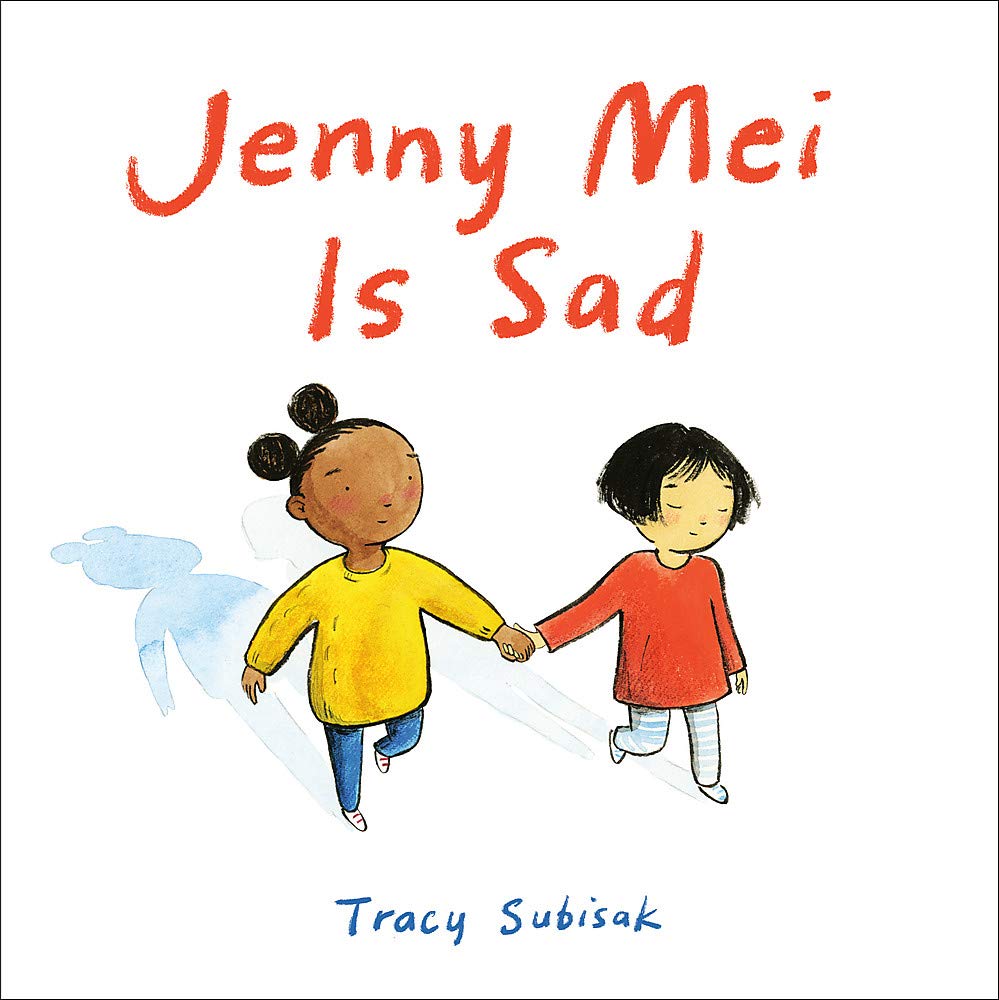
Jenny Mei Is Sad by Tracy Subisak

Published by Little, Brown Books for Young Readers

Jenny Mei Is Sad: Subisak, Tracy: 9780316537711: Amazon.com: Books

Why I Wrote A Picture Book About Sadness

Summary:  Jenny Mei is sad, but most of the time you can’t tell.  She smiles a lot and is kind to other kids.  Her friend knows, though, and when Jenny Mei acts out at school, her friend waits for her to talk to the counselor, then walks home with her, stopping on the way for a popsicle.  As they approach Jenny Mei’s house, her friend asks, “How are you doing?”  Jenny Mei doesn’t answer, but her eyes fill with tears.  “Being sad is hard,” observes her friend.  “But she knows I’m here for fun and not-fun and everything in between.  Because that’s what friends are for.”  40 pages; ages 4-8.

Pros:  School and family therapists will find this a helpful book for all kinds of situations.  The fact that the cause of Jenny Mei’s sadness is never identified makes her emotions universal, and her wise-beyond-her-years friend shows kids how to deal with other children whose behaviors may be confusing.

Cons:  I was hoping for an author’s note and/or some resource lists at the end.

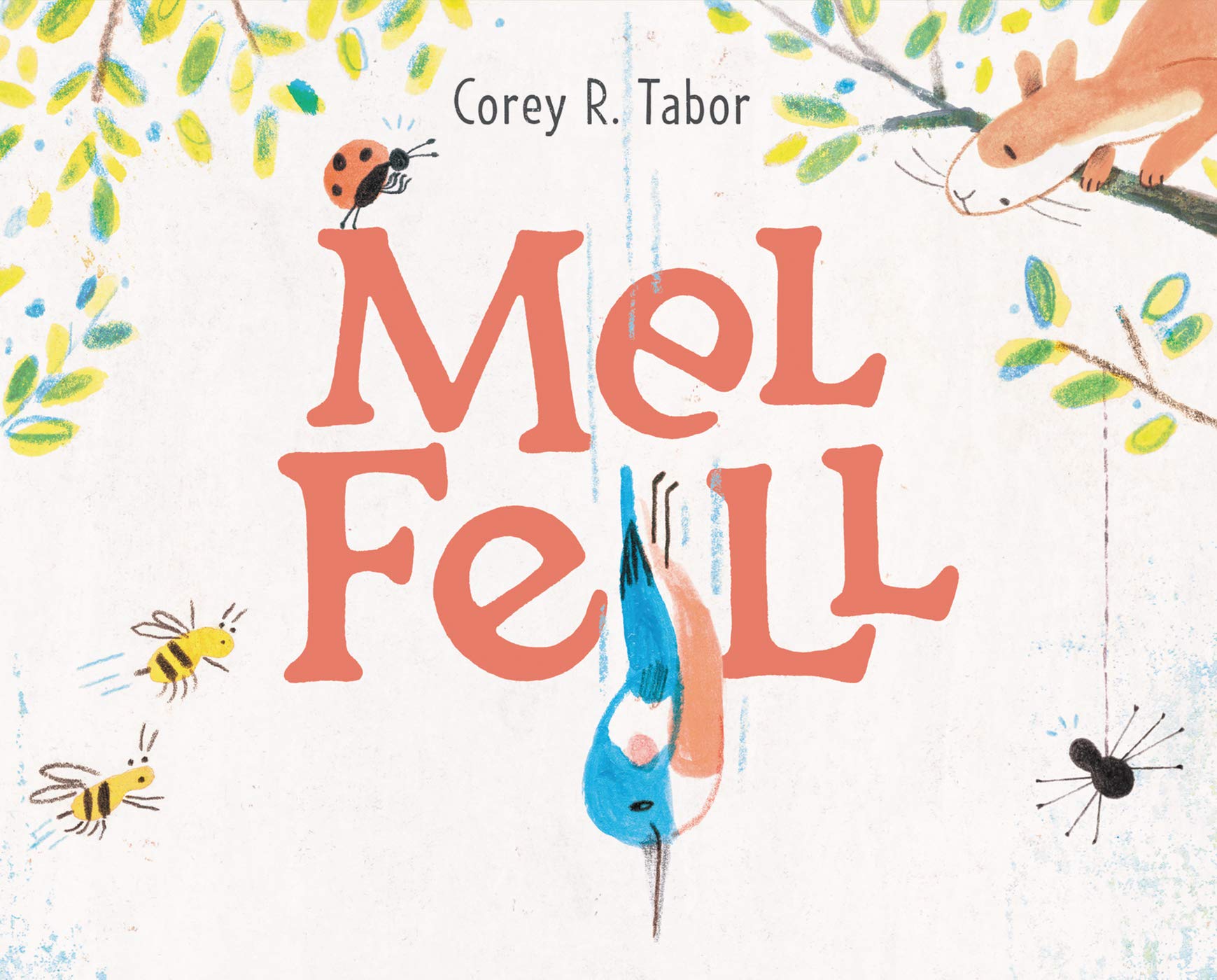
Mel Fell by Corey R. Tabor

Published by Balzer + Bray

Mel Fell: Tabor, Corey R., Tabor, Corey R.: 9780062878014: Amazon.com: Books

Mel Fell: Tabor, Corey R., Tabor, Corey R.: 9780062878014: Amazon.com: Books

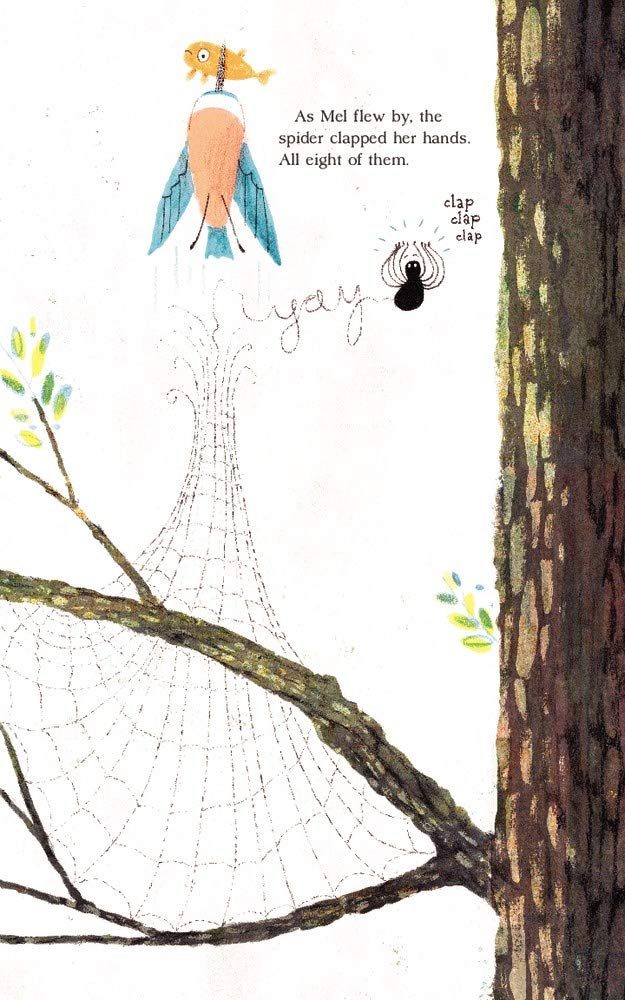
Summary:  One day when Mama’s away from the nest, Mel decides she’s going to try flying.  “It sure is a long drop,” her brother comments, while her sister asks, “Aren’t you scared?”  “Yes,” says Mel, “But I won’t let that stop me.”  Off she goes, spreading her wings and diving straight down, past owls, bees, ants, spiders, and other tree inhabitants, who all try, unsuccessfully, to break her fall.  Finally, Mel lands headfirst–in the water.  She dives deep, catches a fish, and heads out again, flying back up the tree.  The animals she passed on the way down watch in amazement, cheering her all the way back to the nest, where she is joyously greeted by Mama and her siblings (the fish gets released and has his own dive back into the water).  Includes a brief author’s note about kingfishers, which is what Mel and her family are. 40 pages; ages 3-8.

Pros:  Well, this is just pure fun.  The book is designed to be read top to bottom instead of side to side.  After Mel’s dive, there’s one page that’s read the conventional way, and then the book is turned in the other direction…it’s kind of hard to explain, but the unique design may help win some awards, and definitely will win the hearts of young readers.  A good lesson about trying things when you’re scared is subtly inserted as well.

Cons:  I found myself trying to figure out how I could turn this uniquely-formatted book into a Google slideshow to share on Zoom. Then I remembered that I hopefully will never have to do that again (that part is not a “Con”).

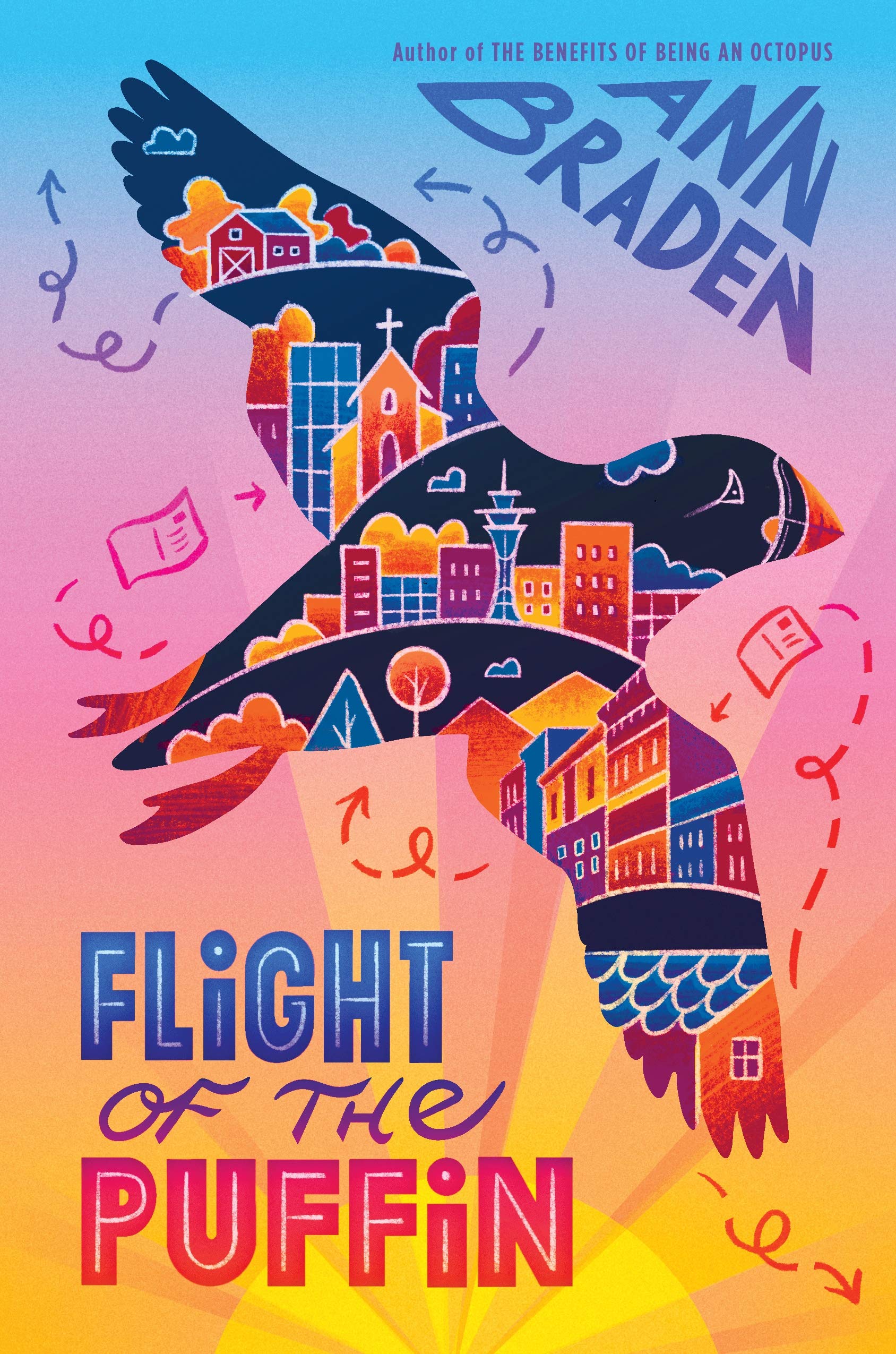
Flight of the Puffin by Ann Braden

Published by Nancy Paulsen Books

Flight of the Puffin: Braden, Ann: 9781984816061: Amazon.com: Books

Summary:  Vincent lives in Seattle, where he’s bullied at school for being different.  T has run away to from a family that couldn’t accept their nonbinary identity, and is living on the streets near Vincent’s home.  Jack lives in a rural Vermont community, going to a small school in danger of being shut down.  And Libby lives near Jack, creating colorful, hopeful cards to help relieve the difficulties she has getting along with her family.  When Libby starts distributing her cards around town, she unexpectedly finds ways to offer hope to the other three kids.  Her message to each one that they are not alone helps them to find the courage to be themselves while at the same time finding connections to others in their families and communities.  Ann Braden’s acknowledgements mention her organization Local Love Brigade that inspired this story. 240 pages; grades 4-7.

Pros:  If you’re looking for a feel-good story, you’ve come to the right place.  All four kids face some realistically difficult situations, and the ways they cope with them would make a great starting point for some interesting discussions. An excellent choice for upper elementary or middle school book clubs. And I love that cover!

Cons:  I wish that T’s story, which is brief and told in verse, had been fleshed out more.  There aren’t many nonbinary characters in the world of middle grade literature.

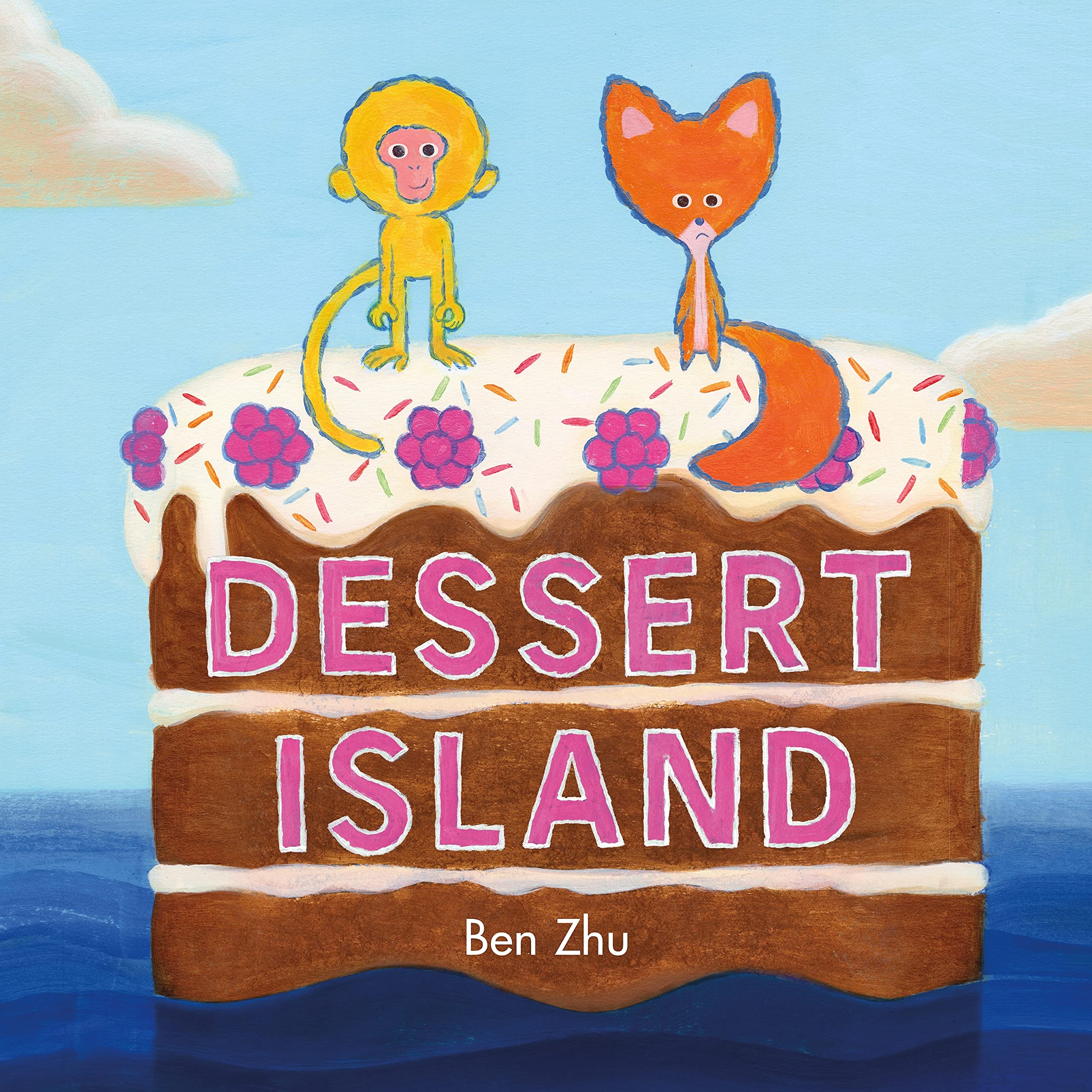
Dessert Island by Ben Zhu

Published by Roaring Brook Press

Dessert Island: Zhu, Ben, Zhu, Ben: 9781250763303: Amazon.com: Books

Dessert Island | Ben Zhu | Macmillan

Summary:  Two animals tell their stories: Monkey is stranded on a dessert island made of chocolate, frosting, and berries, while Fox is stuck on a rocky desert island.  While Monkey is feasting on cake, Fox is going hungry.  When a berry falls off the cake, Fox is thrilled to scoop it up as it floats by.  Fox plants one of the berry’s seeds, and a rainstorm helps grow a plant–and starts washing away Monkey’s cake.  The plant proves key to Monkey’s rescue, and the last berry from the cake allows the two new friends to start over.  The final spread shows the two friends on a desert island with a berry plant flourishing, and their thought: “We are very lucky.”  40 pages; ages 3-8.  

Pros:  This picture book debut tells a simple story, but could spark some interesting discussions about kindness, cooperation, and how quickly fortunes can change.  Monkey and Fox are a pretty cute pair; it would be great to see more about what transpires on their desert island.

Cons:  Despite the berry plant, the desert island situation doesn’t seem sustainable.

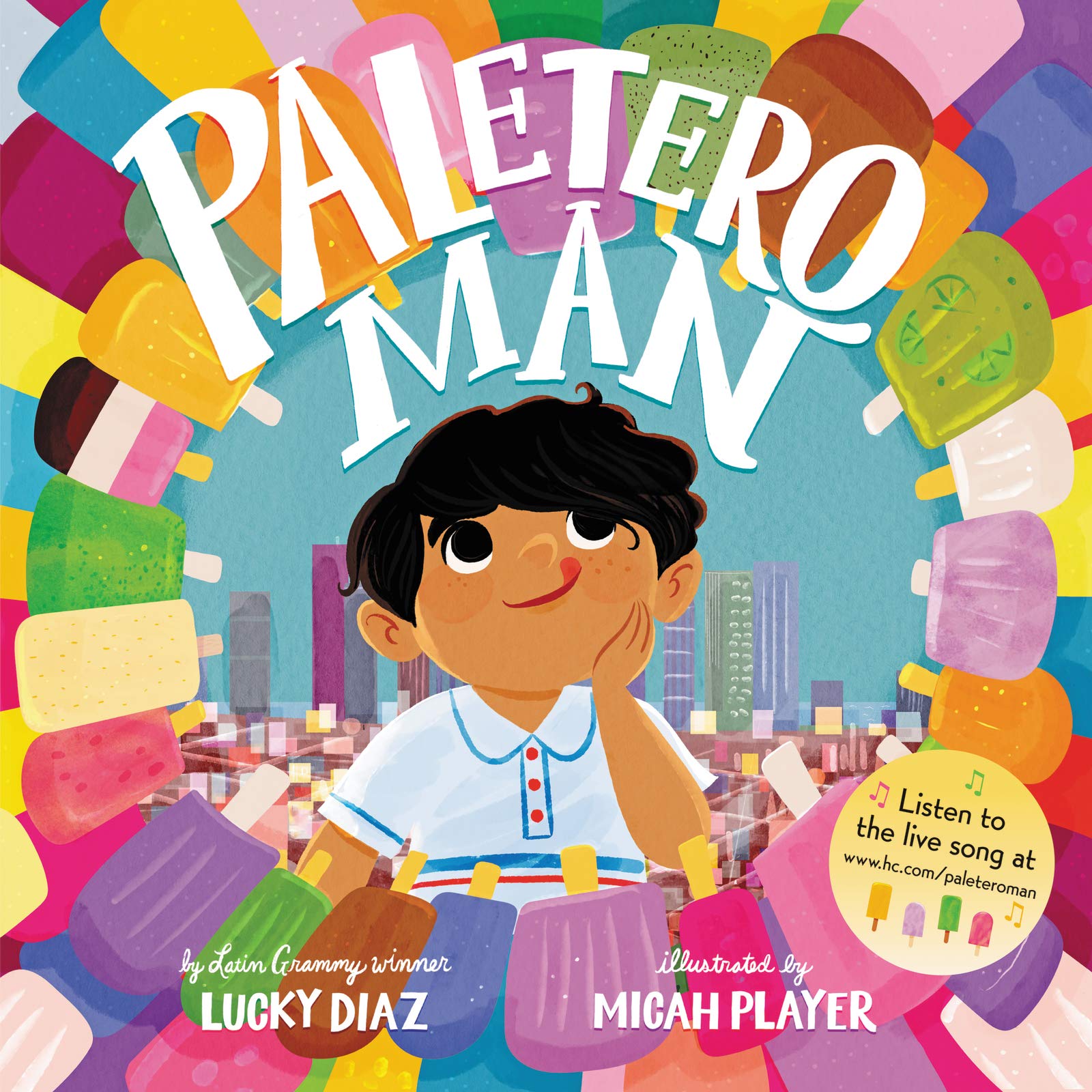
Paletero Man by Lucky Diaz, illustrated by Micah Player

Published by HarperCollins

Paletero Man: Diaz, Lucky, Player, Micah: 9780063014442: Amazon.com: Books

Paletero Man: Diaz, Lucky, Player, Micah: 9780063014442: Amazon.com: Books

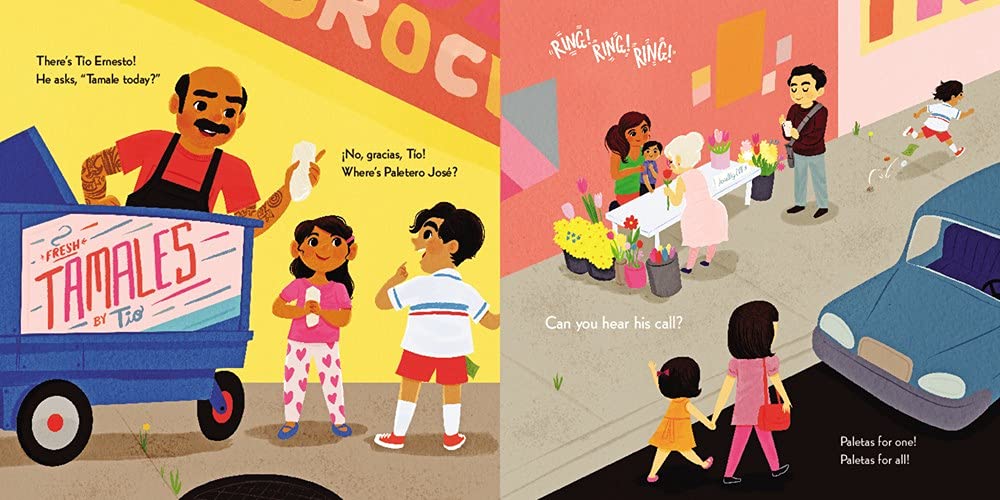
Summary:  A boy travels through his L.A. neighborhood on a hot summer day, in search of Paletero José, a pushcart vendor with cool treats.  As he goes, he greets other friends selling their goods on the streets, but won’t be deterred from his destination.  Finally he arrives, makes his selection, reaches into his pocket…and discovers that his money is gone!  Lucky for him, the friends along the way noticed the coins falling as he ran, picked them up, and followed him.  With a “muchas gracías, amigos,” he goes to make his purchase, but Paletero José has a different idea: free paletas for all in celebration of kindness.  32 pages; ages 3-8.

Pros:  Enjoy this summer treat celebrating kindness and community from Latin Grammy winner Lucky Diaz.  The rhyming text is catchy, interspersed with Spanish words and phrases, and the colorful illustrations evoke a vibrant neighborhood on a bright summer day.

Cons:  I was drooling by the end.

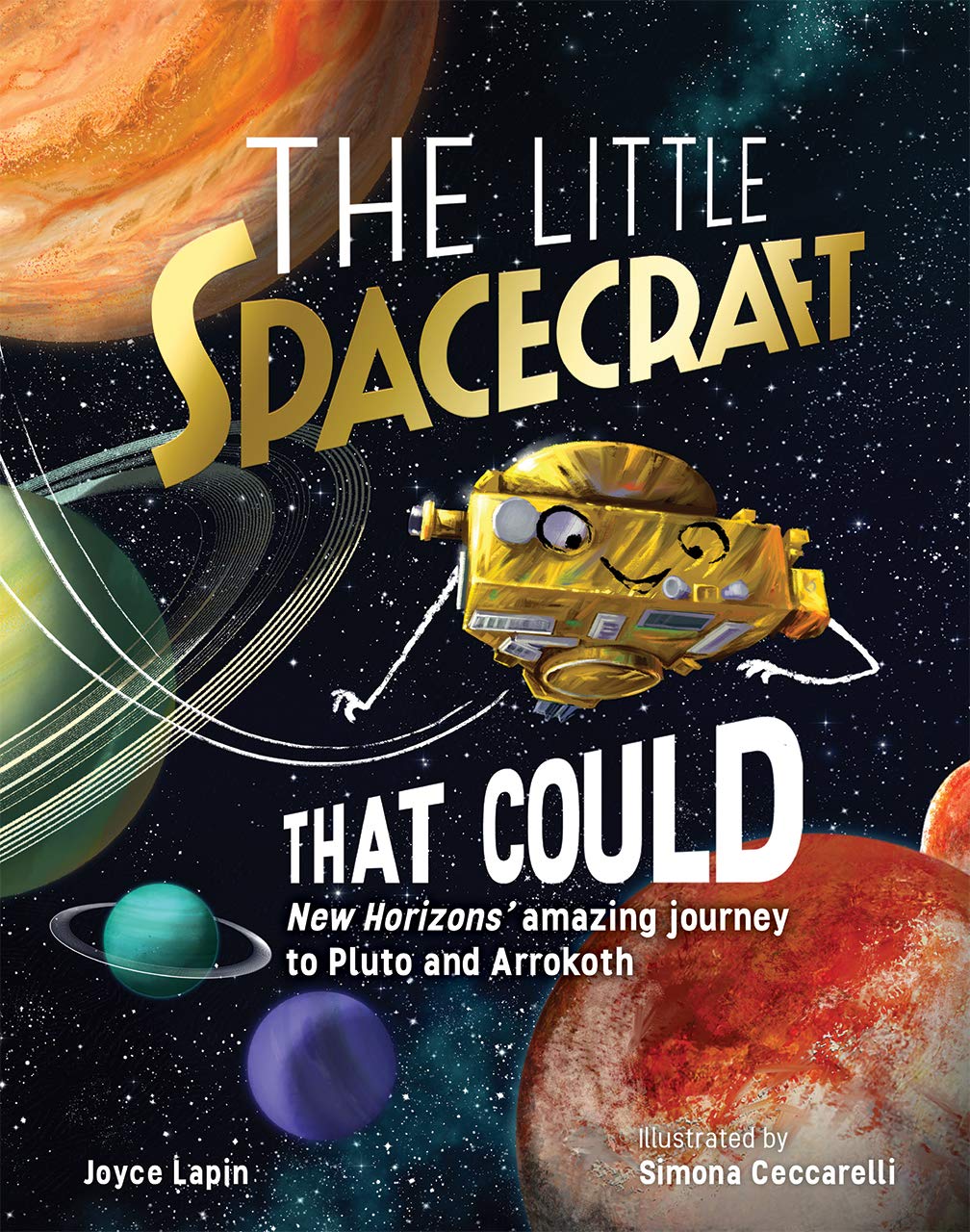
The Little Spacecraft That Could: New Horizons’ amazing journey to Pluto and Arrokoth by Joyce Lapin, illustrated by Simona Ceccarelli

Published by Sterling Children’s Books

The Little Spacecraft That Could: Lapin, Joyce, Ceccarelli, Simona:  9781454937555: Amazon.com: Books

The Little Spacecraft That Could: Lapin, Joyce, Ceccarelli, Simona:  9781454937555: Amazon.com: Books

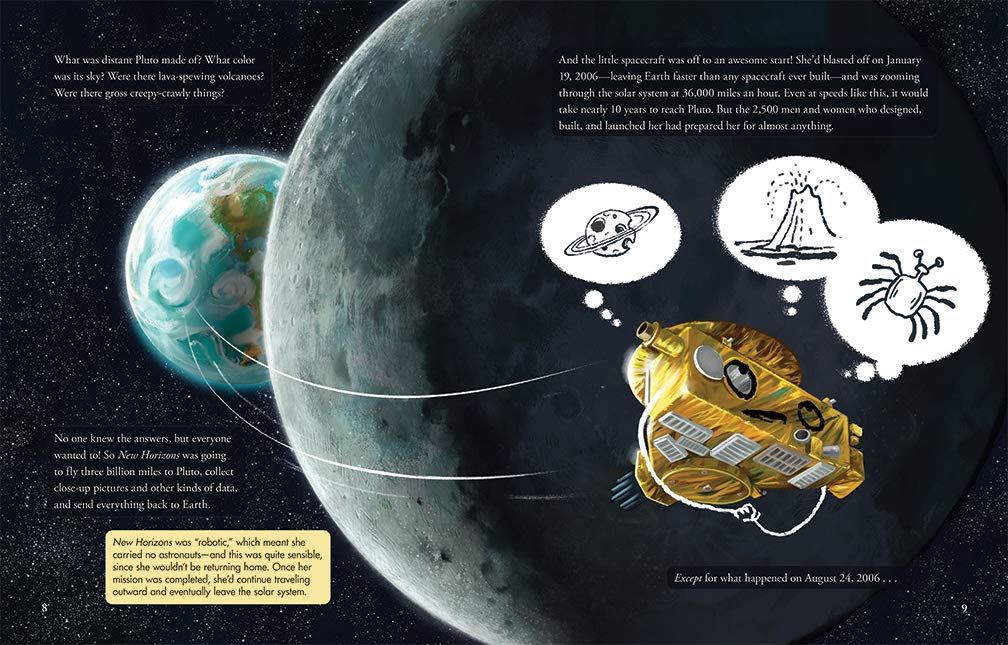
Summary:  On January 19, 2006, a spacecraft called New Horizons blasted off from Earth, traveling toward what was then the planet Pluto.  It took ten years to reach that destination, during which time Pluto’s designation changed from planet to dwarf planet.  Much of that decade was spent by New Horizons in a shutdown state, hurtling through space on autopilot at a million miles per (Earth) day.  In late 2014, scientists “woke” New Horizons again, and in 2015, she began transmitting photos of Pluto that captivated Earthlings and greatly increased understanding of the dwarf planet and its moons.  A few years later, on New Year’s Day of 2019, New Horizons reached another object called Arrokoth that had been discovered in the years after her launch.  Photos of Arrokoth helped scientists understand more about the early years of the solar system.  New Horizons isn’t done yet, as she continues to travel further out in space.  Includes a timeline, glossary, and resources for additional research.  40 pages; grades 1-5.

Pros:  This charming science book gives New Horizons a quirky personality and uses words like “ginormous”, but also makes the story of scientific discovery engaging and packs a lot of information about space exploration and the solar system into a 40-page picture book.

Cons:  I was wishing for more information on how New Horizons transmits photos and information back to Earth, which seems like an impossible task over such a great distance.

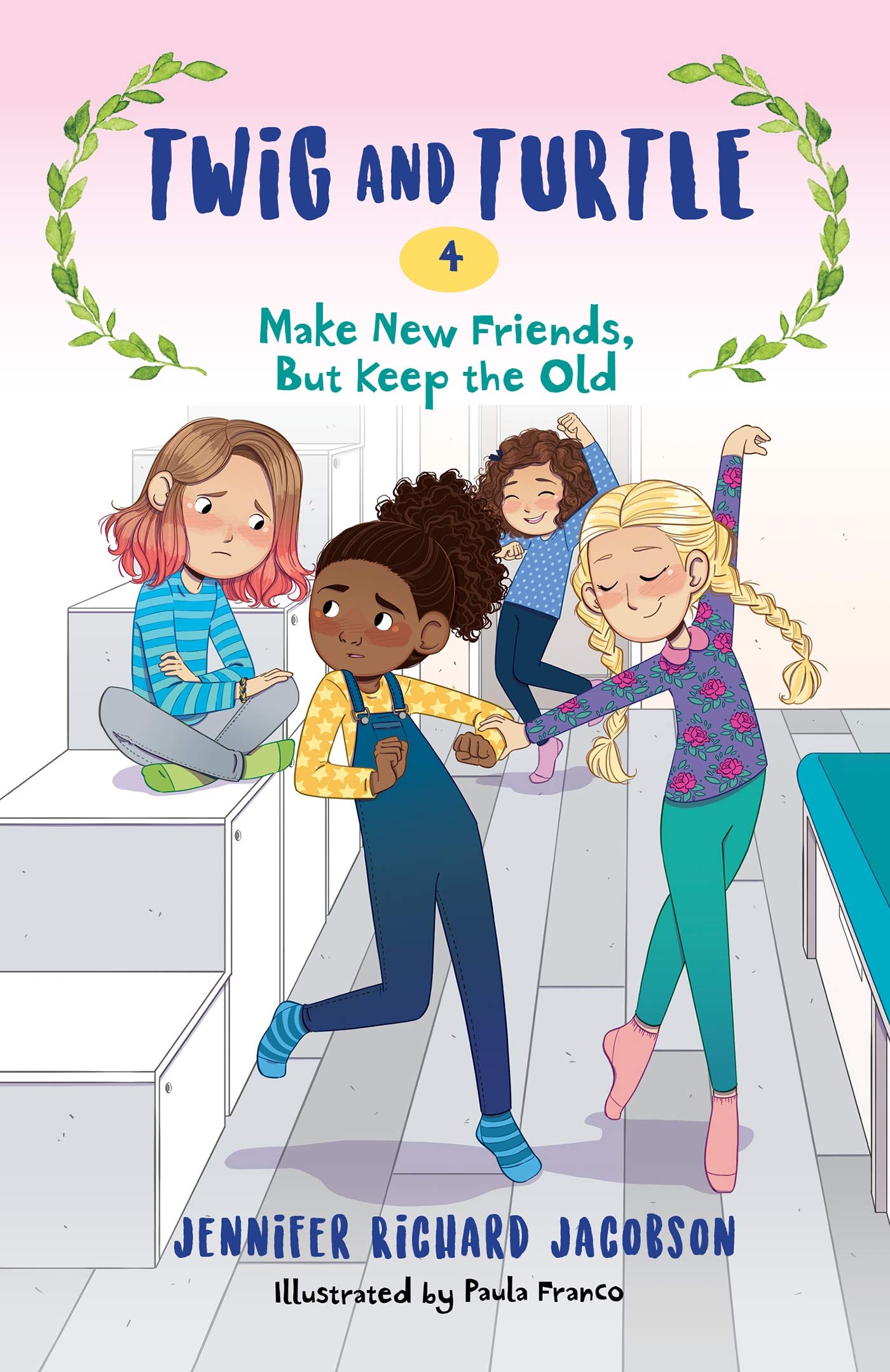
Make New Friends, But Keep the Old (Twig and Turtle, book 4) by Jennifer Richard Jacobson, illustrated by Paula Franco

Published by Pixel + Ink

Twig and Turtle 4: Make New Friends, But Keep the Old: Jacobson, Jennifer  Richard: 9781645950530: Amazon.com: Books

Summary:  Twig is starting to settle into tiny house living with her family, and to enjoy school with her new friend Angela.  But when Angela’s former best friend Effie moves back to town, Twig starts to feel like she’s losing Angela.  Fortunately, Grandma, who is babysitting while Mom and Dad are out of town, has some wise advice, and Twig finds the courage to speak up to both Angela and Effie.  As the title suggests, the last few pages assure readers that the girls expand their friendship to include all three.  112 pages; grades 2-4. 

Pros:  I missed this series when book 1 came out last year.  Book 4 is charming, though, and I may have to go back and read the first three.  The family has recently moved to a tiny house, which I found fascinating, and the friend and family problems, happily resolved in a way that felt realistic, make this a great early chapter book.

Cons:  Although the series title is Twig and Turtle, most of the stories seem to be focused on older sister Twig.  As a younger sister myself, I’d like to see some more Turtle action.