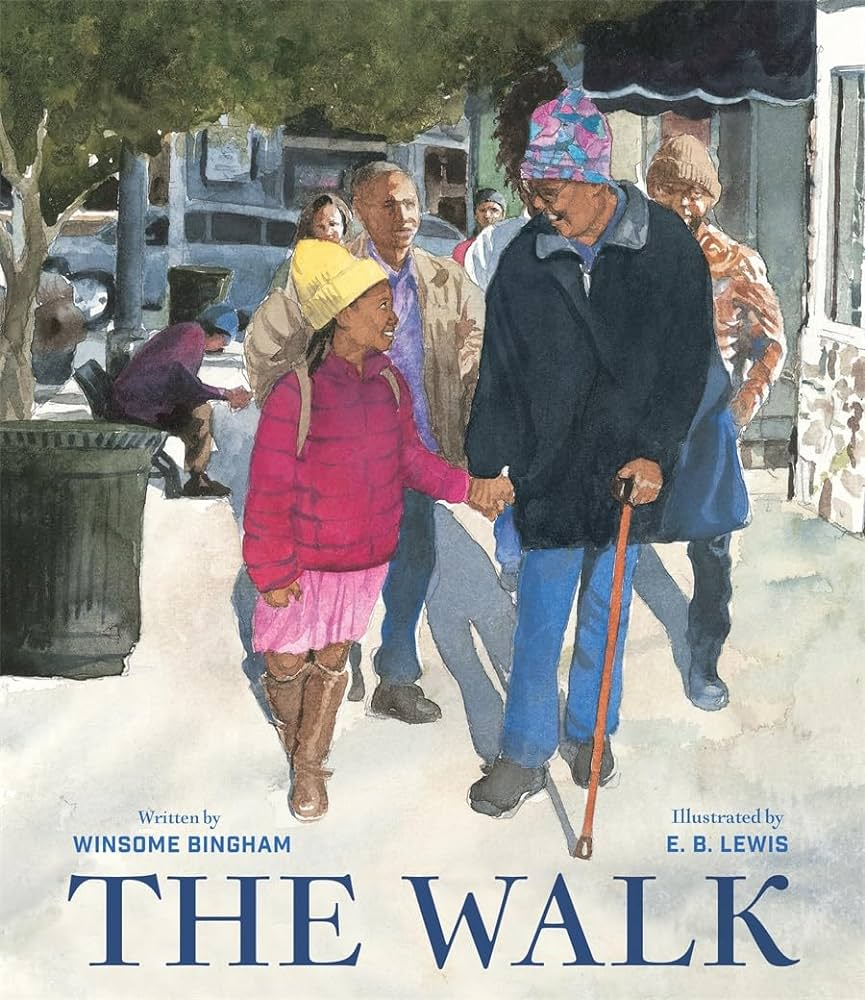
The Walk by Winsome Bingham, illustrated by E. B. Lewis (Harry N. Abrams, 2023, 40 pages, ages 4-8). As the narrator and her granny go for a walk, more and more neighbors join them until they arrive at the girl’s school to vote. Includes information about efforts to suppress voting in communities of color.
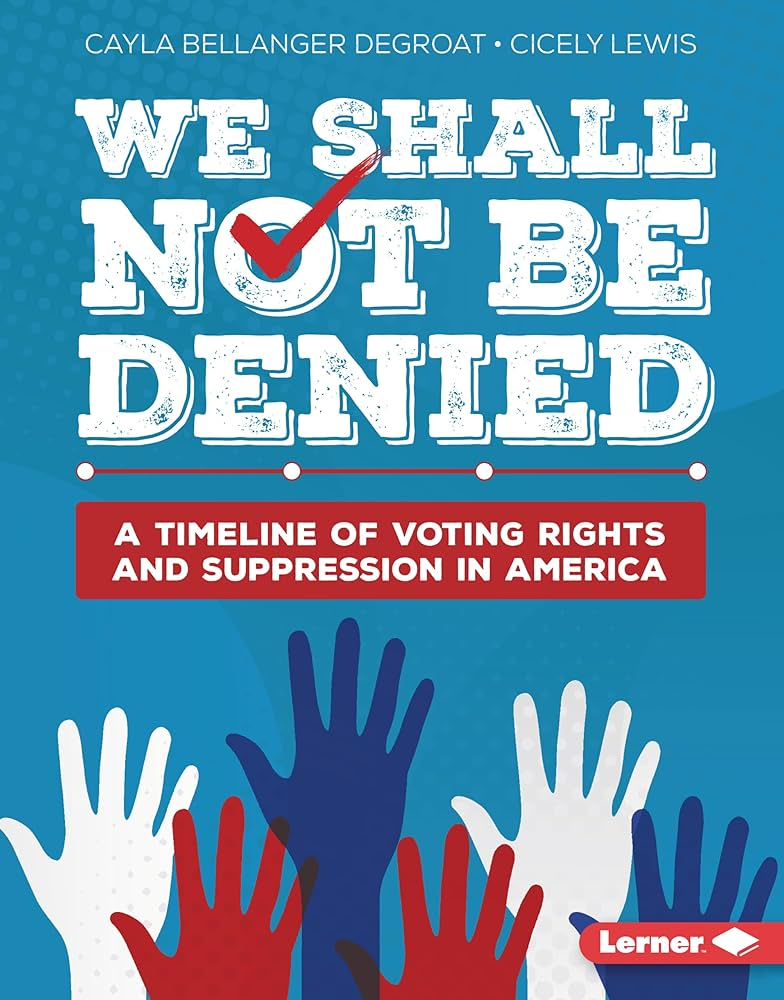
We Shall Not Be Denied: A Timeline of Voting Rights and Suppression in America by Cayla Bellanger DeGroat and Cicely Lewis (Lerner Publications, 2024, 48 pages, grades 4-8). Beginning with a present-day example of laws being passed to limit voting by mail, the authors go back to the earliest days of the United States and trace the history of groups of Americans whose right to vote has been suppressed.
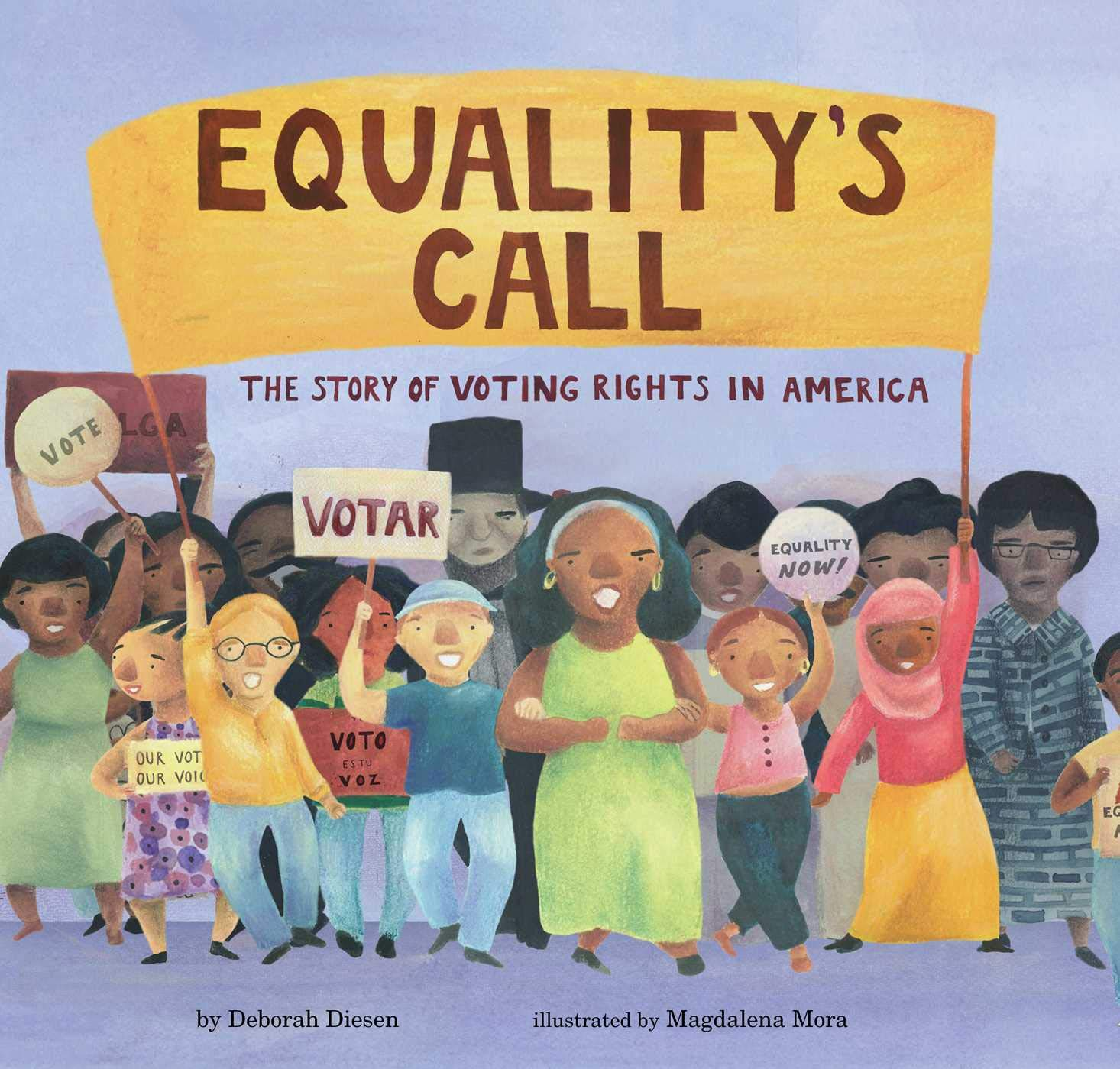
Equality’s Call: The Story of Voting Rights in America by Deborah Diesen, illustrated by Magdalena Mora (Beach Lane Books, 2020, 48 pages, ages 4-8). Tells the history of voting rights over the last 200 years. At first, “white men with property went to the polls, but the rest of the people were left off the rolls”. Over time, things slowly changed, allowing women, people of color, and the non-wealthy to vote.
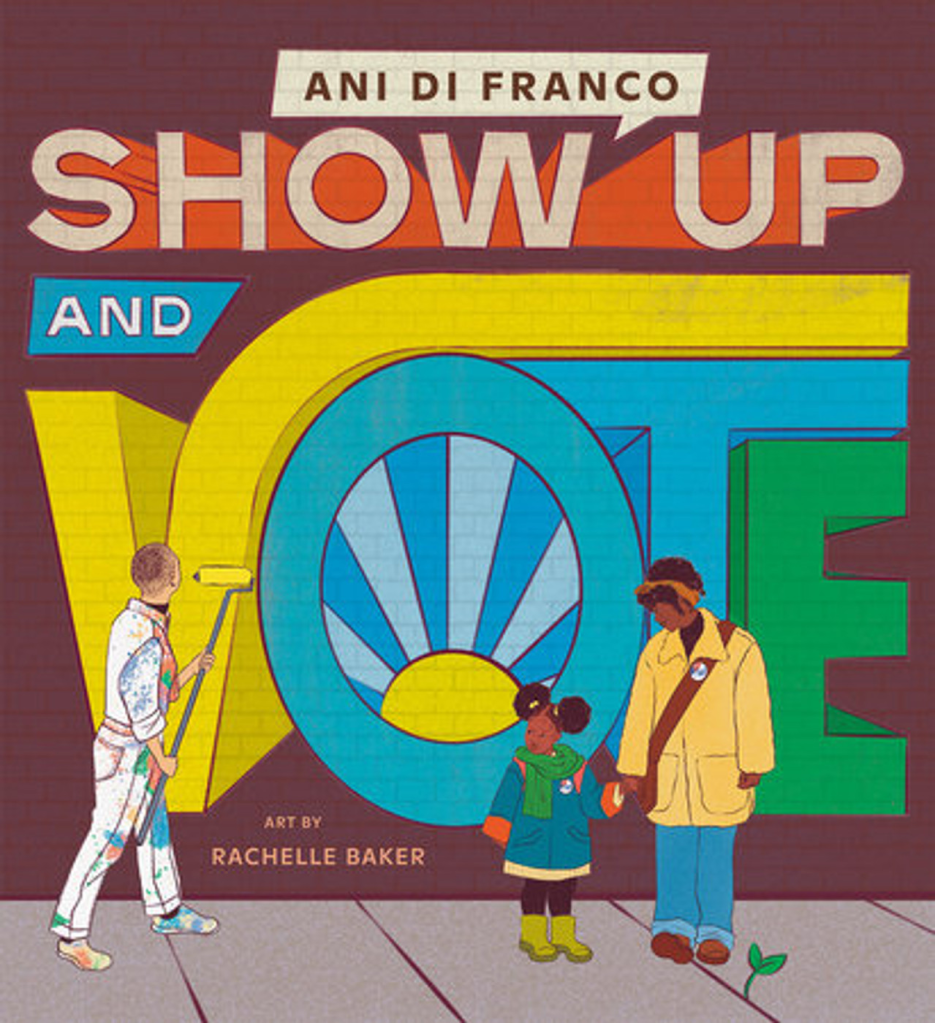
Show Up and Vote by Ani DiFranco, illustrated by Rachelle Baker (Rise x Penguin Workshop, 2024, 48 pages, ages 4-8). A young girl looks back on her Election Day experiences, in which she went from being reluctant to go out in the rain to enthusiastically rocking an “I Voted” sticker and seeing her community with new eyes.
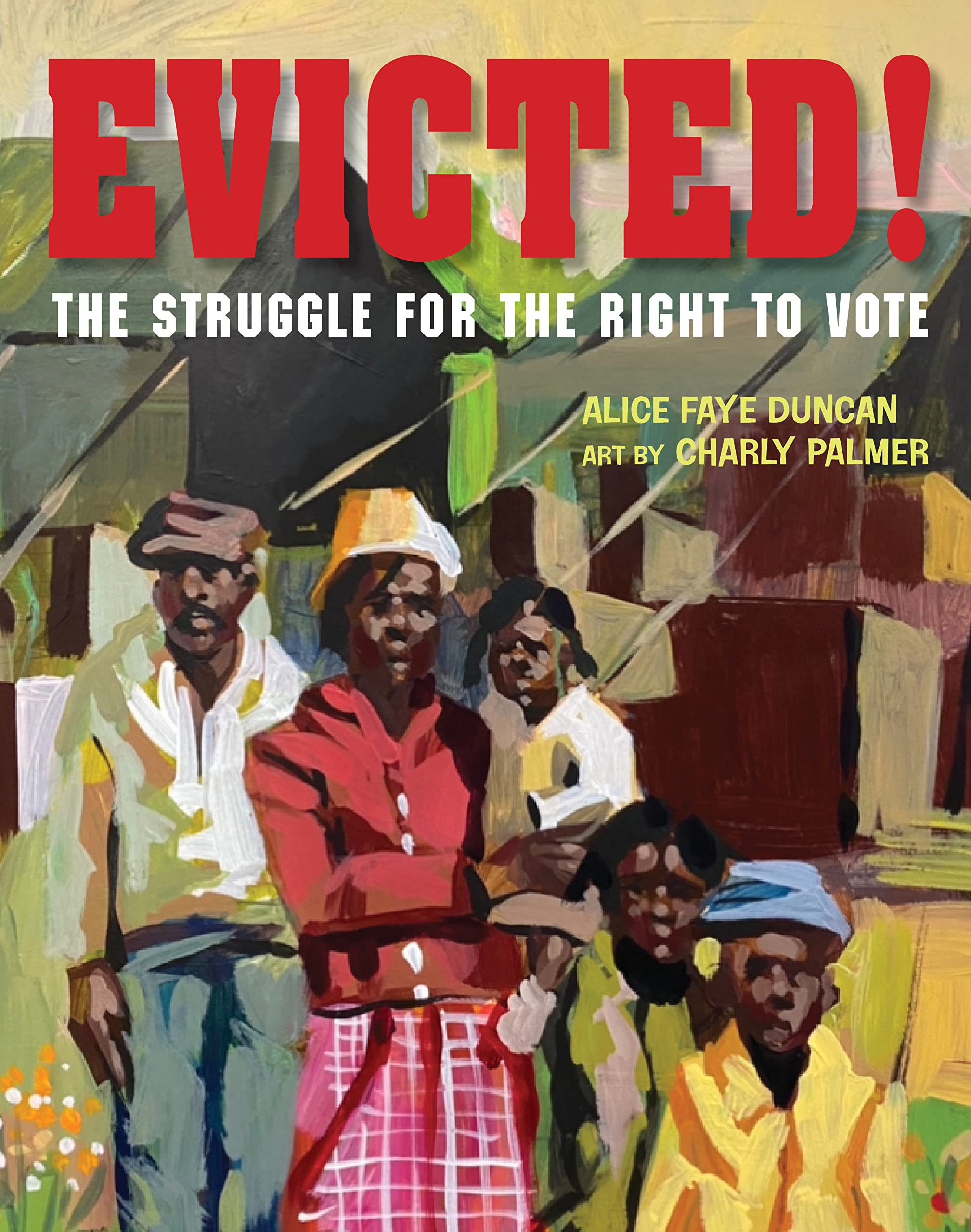
Evicted! The Struggle for the Right to Vote by Alice Faye Duncan, illustrated by Charly Palmer (Calkins Creek, 2022, 64 pages, grades 5-8). The story of the struggle for the right to vote in Fayette County, Tennessee beginning in 1959. When protestors lost their jobs and homes, Papa Towles, one of the few Black landowners in the county, pitched army surplus tents on his property and invited families to stay there.
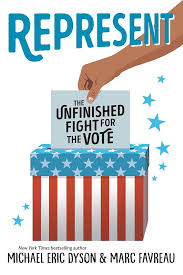
Represent: The Unfinished Fight for the Vote by Michael Eric Dyson and Marc Favreau (Little, Brown Books for Young Readers, 2024, 256 pages, grades 7+). Stories of ways that voting has been suppressed for certain groups from the days of the Founding Fathers to the present, and how people have refused to give up fighting for those rights.
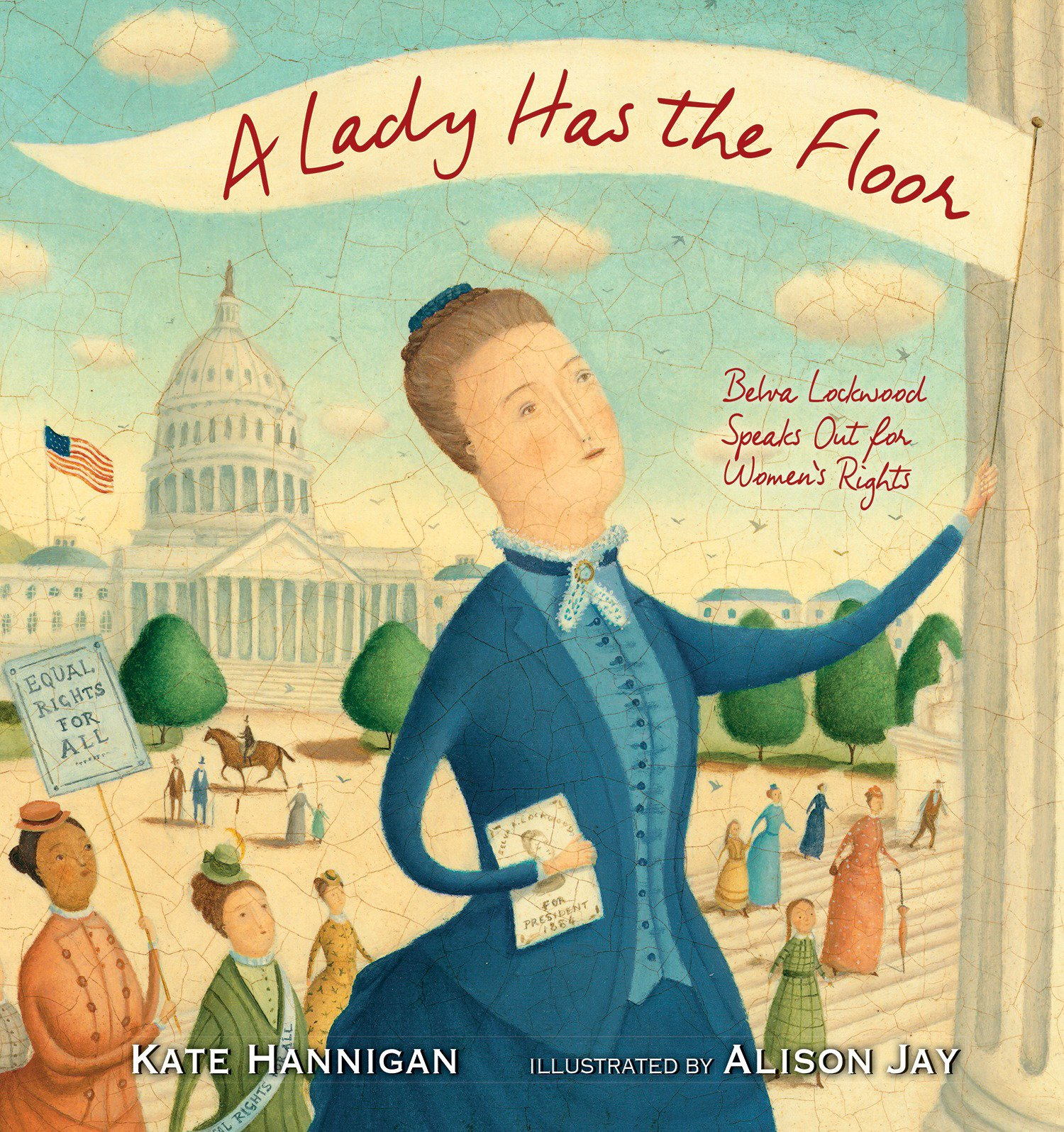
A Lady Has the Floor: Belva Lockwood Speaks Out for Women’s Rights by Kate Hannigan, illustrated by Alison Jay (Calkins Creek, 2018, 32 pages, grades 2-5). A contemporary of Elizabeth Cady Stanton and Susan B. Anthony, Belva Lockwood was the first woman lawyer to argue a case before the Supreme Court and ran for U.S. President in 1884.
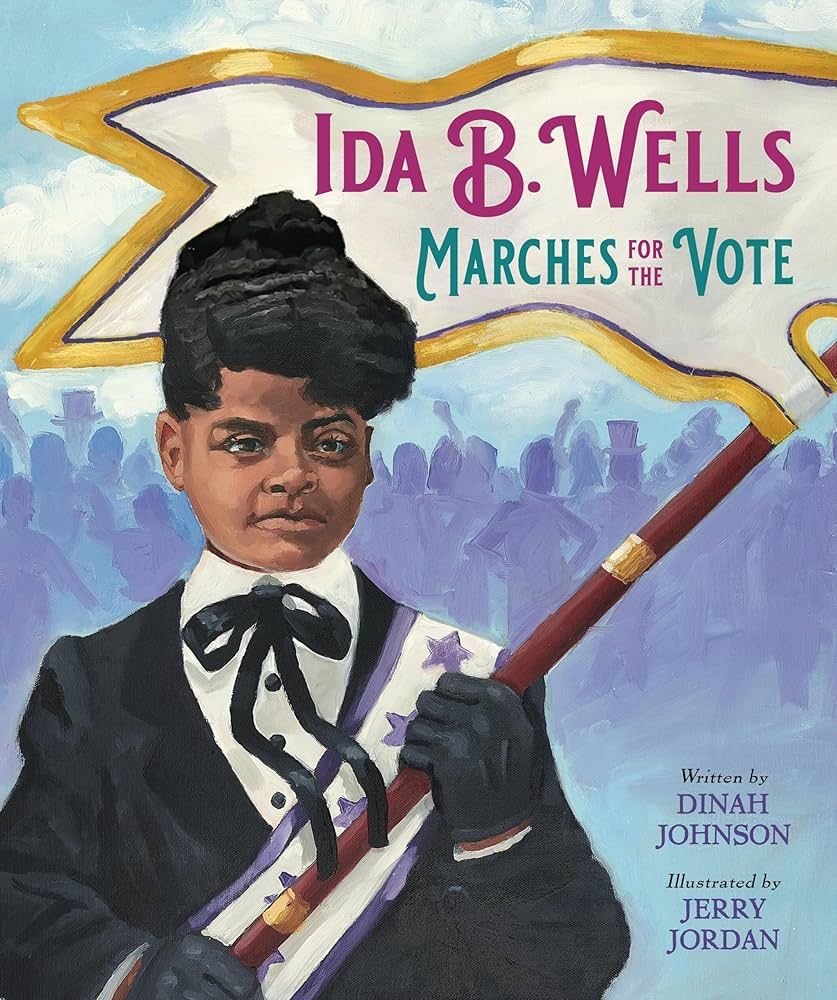
Ida B. Wells Marches for the Vote by Dinah Johnson, illustrated by Jerry Jordan (Christy Ottaviano Books, 2024, 48 pages, grades 1-5). Although this book tells the story of Ida B. Wells’s life, starting with her birth in Mississippi and continuing with some of her activism in Tennessee and Chicago, the main event is a march in Washington DC in 1913 for women’s right to vote.
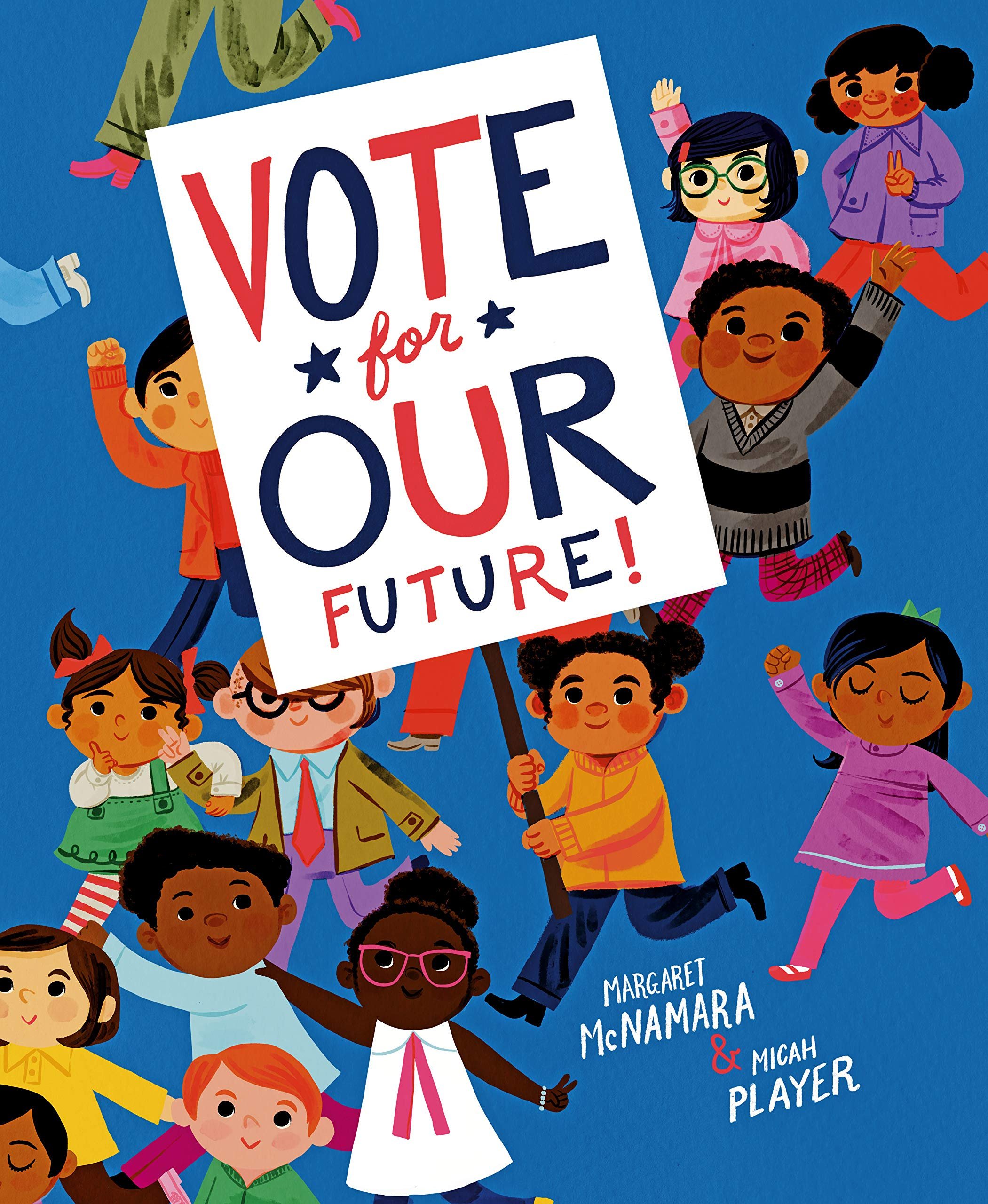
Vote for Our Future! by Margaret McNamara, illustrated by Micah Player (Schwartz & Wade, 2020, 40 pages, ages 4-8). When the kids at Stanton Elementary School find out their school is a polling place, they do everything they can to get out the vote, learning a lot about elections in the process.
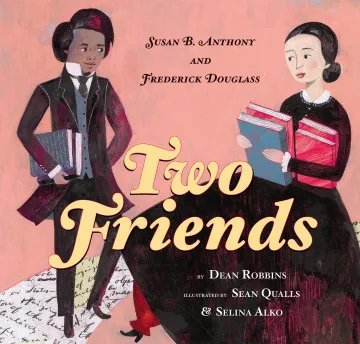
Two Friends: Susan B. Anthony and Frederick Douglass by Dean Robbins, illustrated by Sean Qualls and Selina Alko (Orchard Books, 2016, 32 pages, ages 4-8). Imagine Susan B. Anthony and Frederick Douglass, both civil rights activists who lived in Rochester, New York, sitting down to tea and cake together.
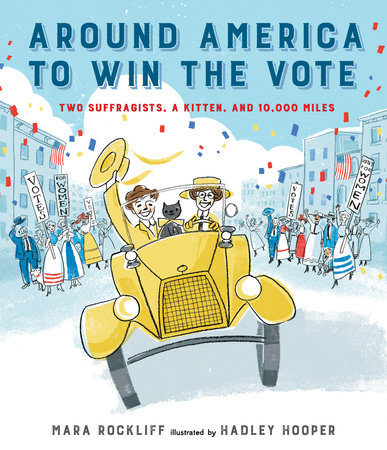
Around America to Win the Vote: Two Suffragists, a Kitten, and 10,000 Miles by Mara Rockliff, illustrated by Hadley Hooper (Candlewick, 2016, 40 pages, grades K-3). On April 6, 1916, Nell Richardson and Alice Burke drove off from New York City in a little yellow car with a tiny black kitten. On September 30, 1930, they pulled back into New York City, smiling, sunburned, and with a full-grown cat. They had circled the United States to promote the cause of women’s suffrage.
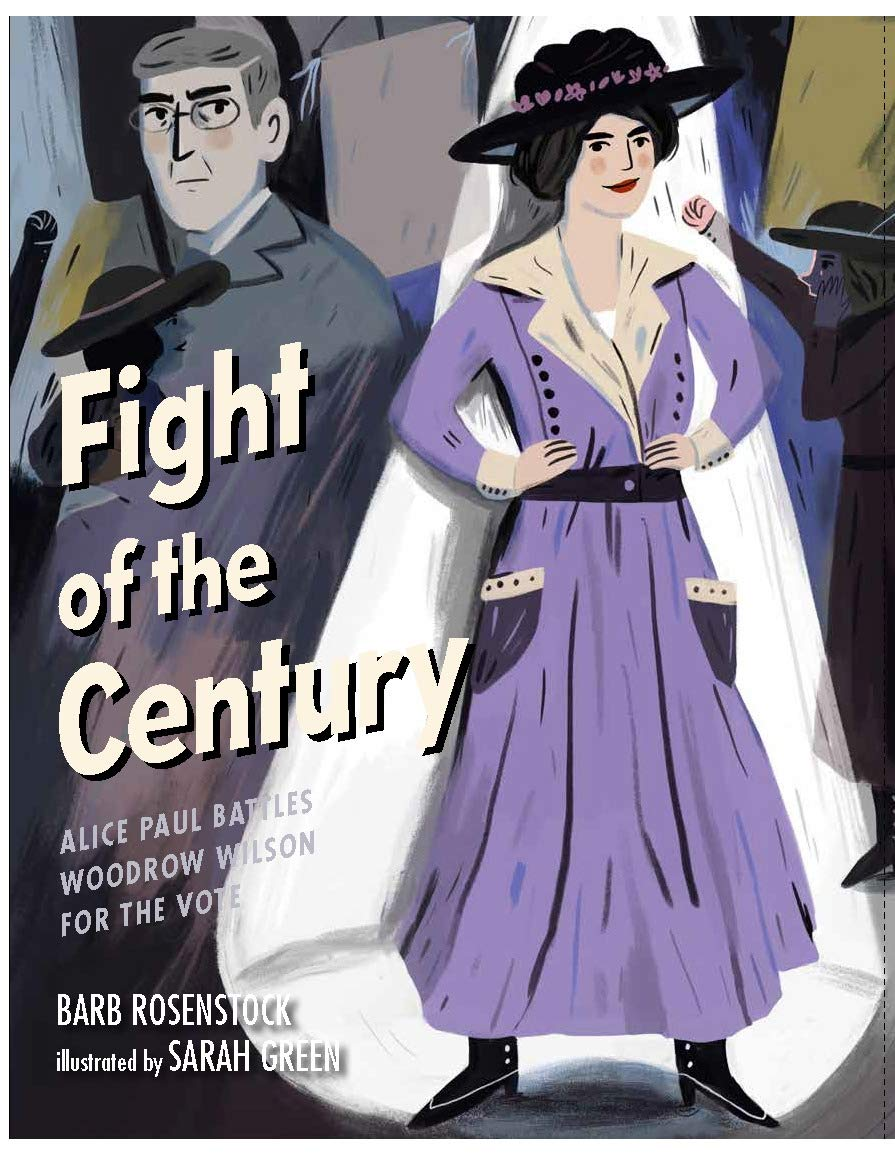
Fight of the Century: Alice Paul Battles Woodrow Wilson for the Vote by Barb Rosenstock, illustrated by Sarah Green (Calkins Creek, 2020, 40 pages, grades 2-5). Using the format of a prize fight, this tells the story of Alice Paul’s efforts, including silent protests in front of the White House and a hunger strike in jail, to convince President Woodrow Wilson to give women the right to vote.
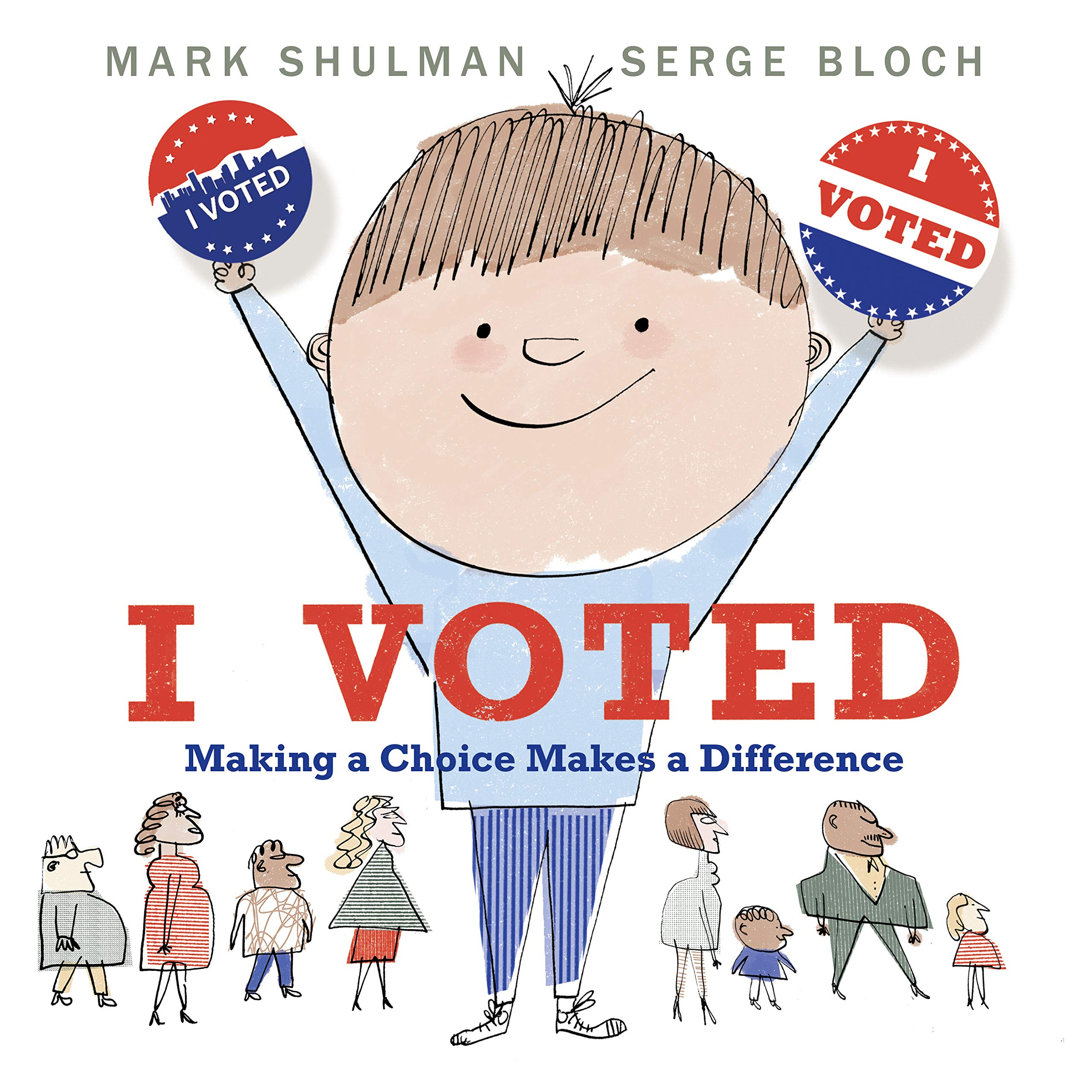
I Voted: Making a Choice Makes a Difference by Mark Shulman, illustrated by Serge Bloch (Neal Porter Books, 2020, 40 pages, ages 4-8). An excellent introduction to voting and elections for kids as young as preschool.
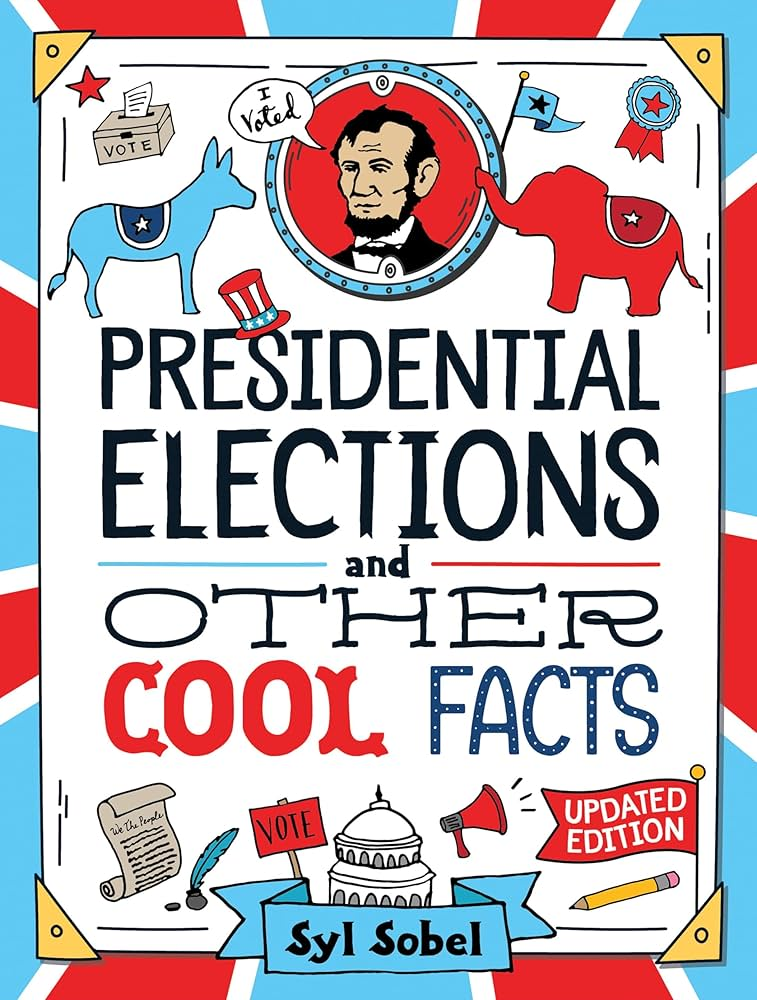
Presidential Elections and Other Cool Facts: Understanding How Our Country Picks Its President by Syl Sobel, J.D. (Sourcebooks Explore, 2024 (5th edition), 48 pages, grades 2-5). This straightforward introduction to the presidency tells how elections work, as well as giving interesting facts about campaigns, the electoral college, First Ladies, and the order of succession should the President die or become disabled.
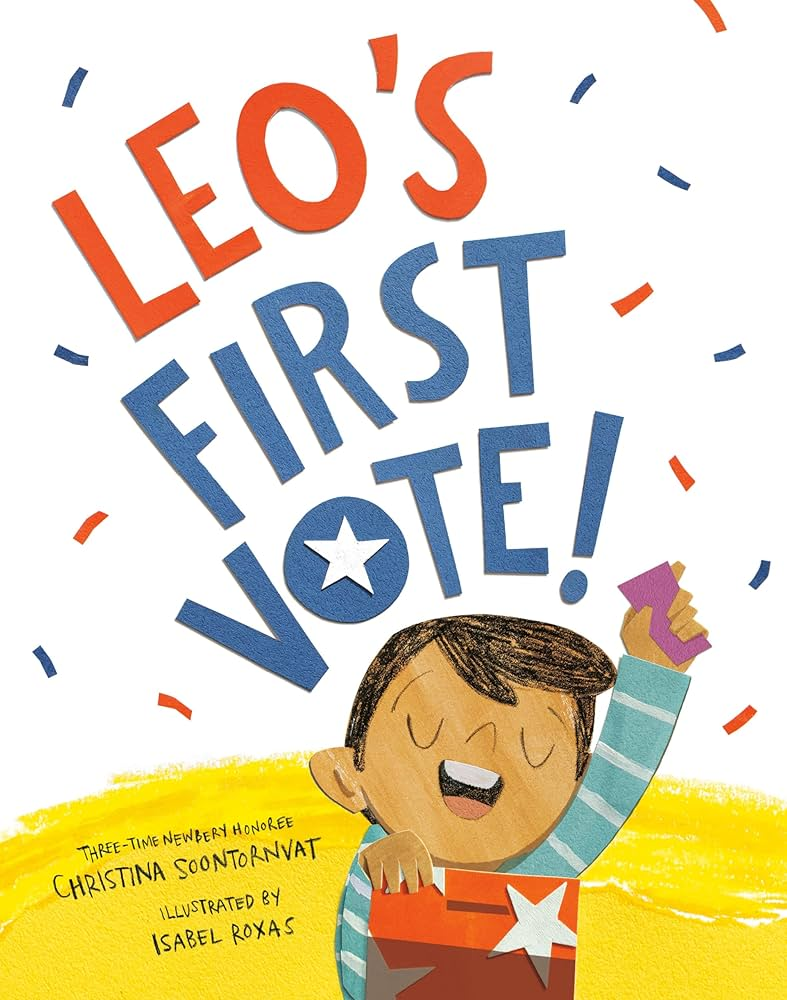
Leo’s First Vote by Christina Soontornvat, illustrated by Isabel Roxas (Knopf Books for Young Readers, 2024, 48 pages, ages 4-8). Leo’s excited that his dad has recently become a naturalized U.S. citizen, which means Dad gets to vote in the upcoming presidential election. Also available in a Spanish language edition, ¡El primer voto de Leo!
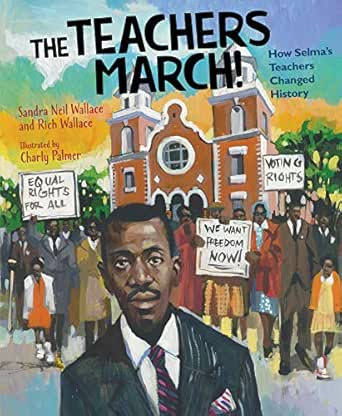
The Teachers March! How Selma’s Teachers Changed History by Sandra Neil Wallace and Rich Wallace, illustrated by Charly Palmer (Calkins Creek, 2020, 44 pages, grades 2-6). Reverend F. D. Reese, a science teacher at R. B. Hudson High School in Selma, Alabama, was determined to vote. He organized his fellow teachers, leaders in their community, and invited Martin Luther King, Jr. to visit town, and Selma became an important part of the civil rights movement.
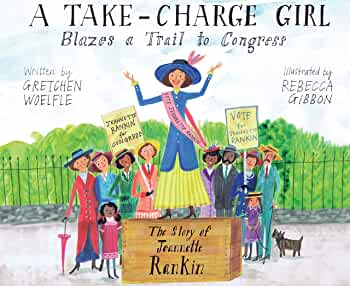
A Take-Charge Girl Blazes a Trail to Congress: The Story of Jeannette Rankin by Gretchen Woelfle, illustrated by Rebecca Gibbon (Calkins Creek, 2023, 40 pages, grades 1-5). How Montana’s Jeannette Rankin became the first woman elected to the United States Congress in 1916.
 A Kids Book A Day