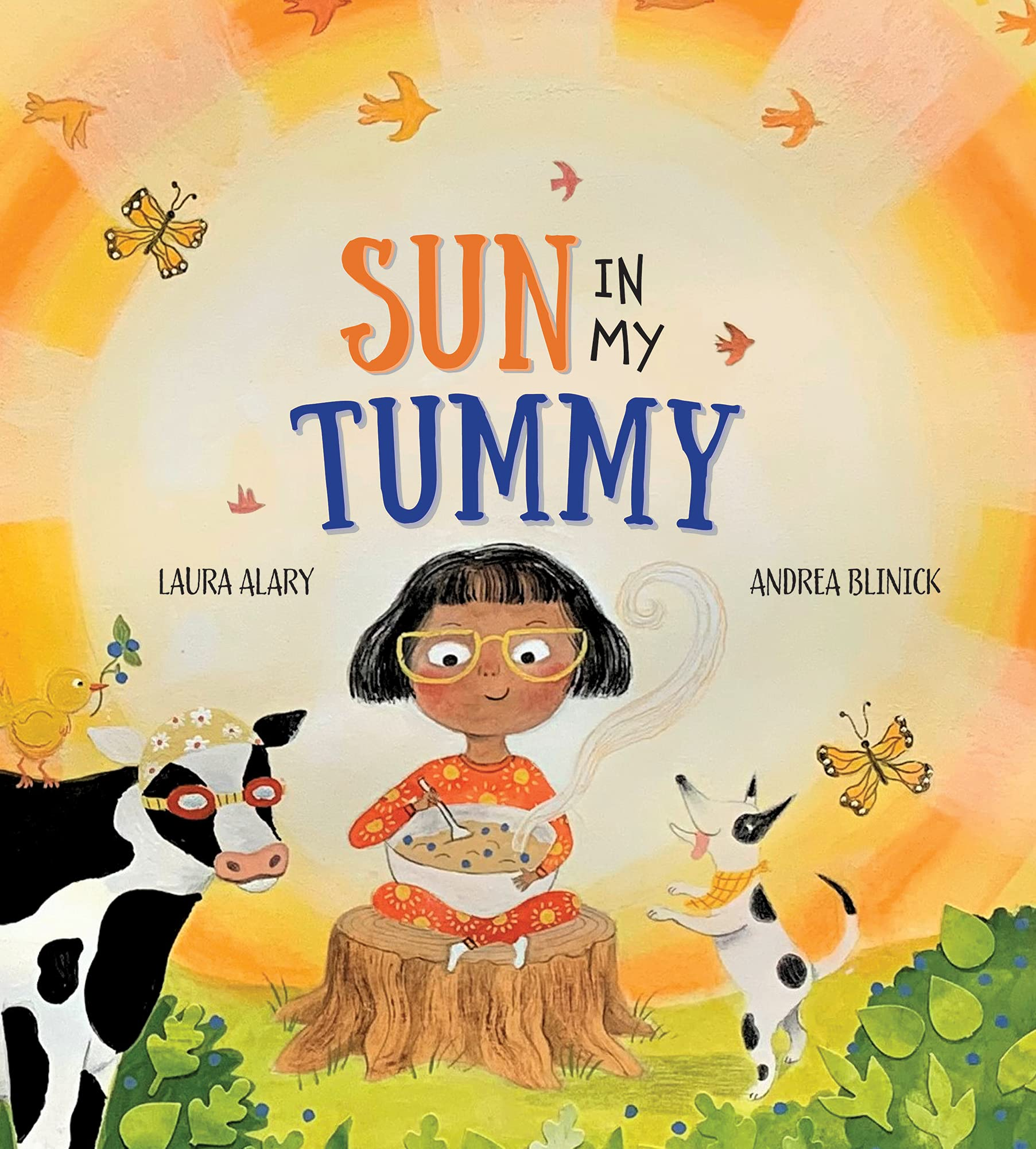
Sun in My Tummy by Laura Alary, illustrated by Andrea Blinick

Published by Pajama Press

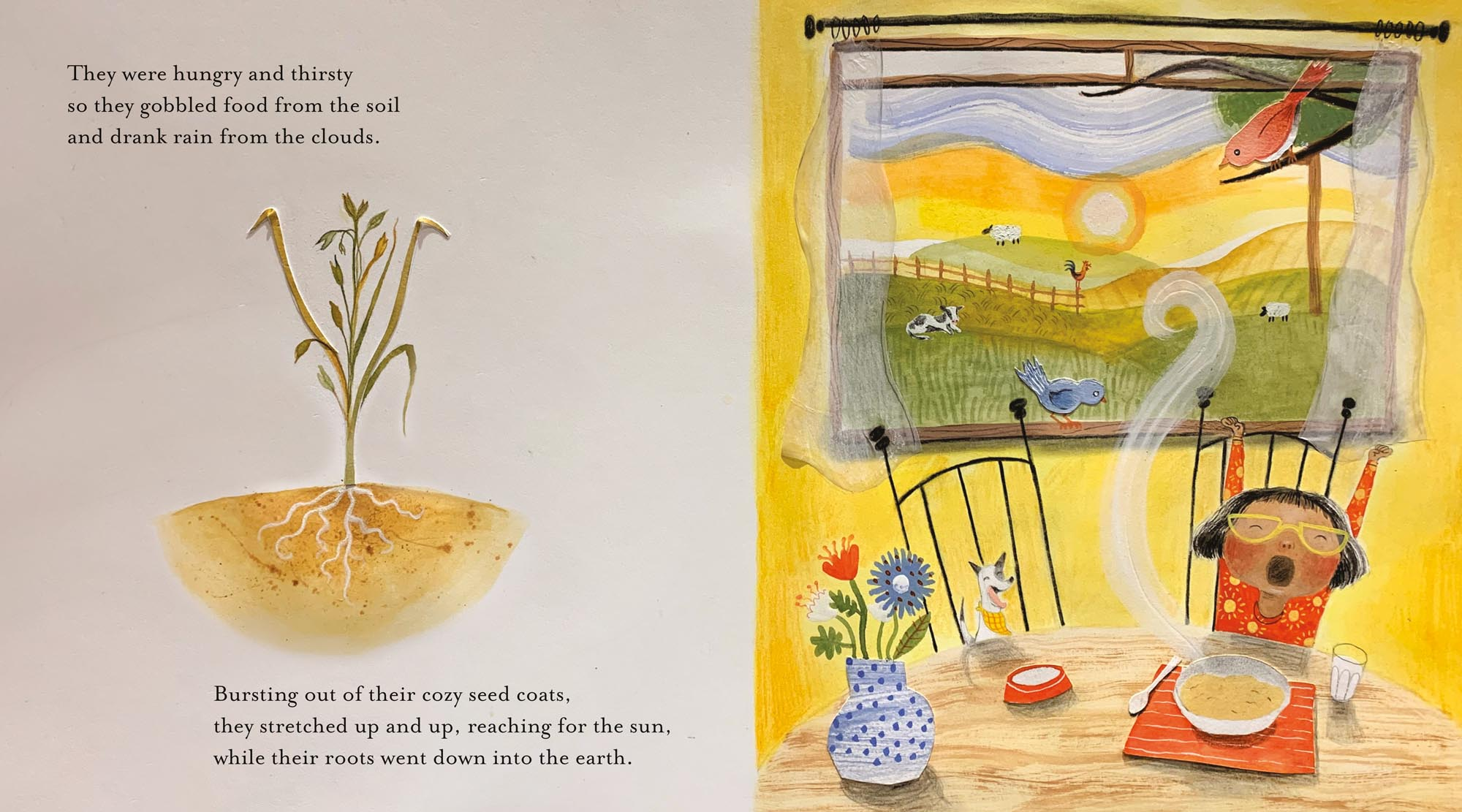
Summary:  Oatmeal, blueberries, and milk may seem like a ho-hum breakfast, but there is magic in the foods we eat.  The oats and the blueberries grew out of the soil, warmed by the sun, and watered by the rain.  They make food from sunlight, creating seeds which can be used to grow new plants.  The cow was able to make milk because she ate grass that grew with the help of sun and rain as well.  “Inside everything, if you look deep enough, you will find the sun. Warm-hearted. Generous. Giving.”  Includes additional information about photosynthesis.  32 pages; grades K-3.

Pros:  This is an excellent science book for primary grades, starting with a concept everyone will recognize and using free verse and whimsical illustrations to foster a sense of wonder about the natural world.

Cons:  I felt like this book could use a subtitle, since “Sun in My Tummy” may not immediately call to mind photosynthesis.

I Begin With Spring: The Life and Seasons of Henry David Thoreau by Julie Dunlap, illustrated by Megan Elizabeth Baratta

Published by Tilbury House Publishers

Summary:  This biography of Henry David Thoreau looks like a nature journal, with lots of watercolor sketches of the flora and fauna Henry observed through a year in Concord.  A timeline running along the bottom of all the pages takes the reader through changes he would have seen through the seasons.  Beginning with his childhood and continuing through his years as a teacher, writer, activist, and naturalist, the story of Henry’s life is closely tied to Concord and the surrounding countryside. Includes additional information about Thoreau’s Kalendar that he was working on at the time of his death which was a record of his observations of nature over many years, and which has been used recently to track climate change.  There are also instructions for making your own Kalendar and a fairly extensive list of resources.  96 pages; grades 3-6.

Pros:  This beautiful volume combines lots of illustrations with an engaging narrative that integrates the seasons of the year with the story of Thoreau’s life. The additional information makes his work relevant today and encourages kids to pursue their own explorations of the natural world.

Cons:  While Henry’s abolitionist work is celebrated here, there’s no mention of the disturbingly racist ideas of his mentor Louis Agassiz.

Serengeti: Plains of Grass by Leslie Bulion, illustrated by Becca Stadtlander

Published by Peachtree Publishing Company

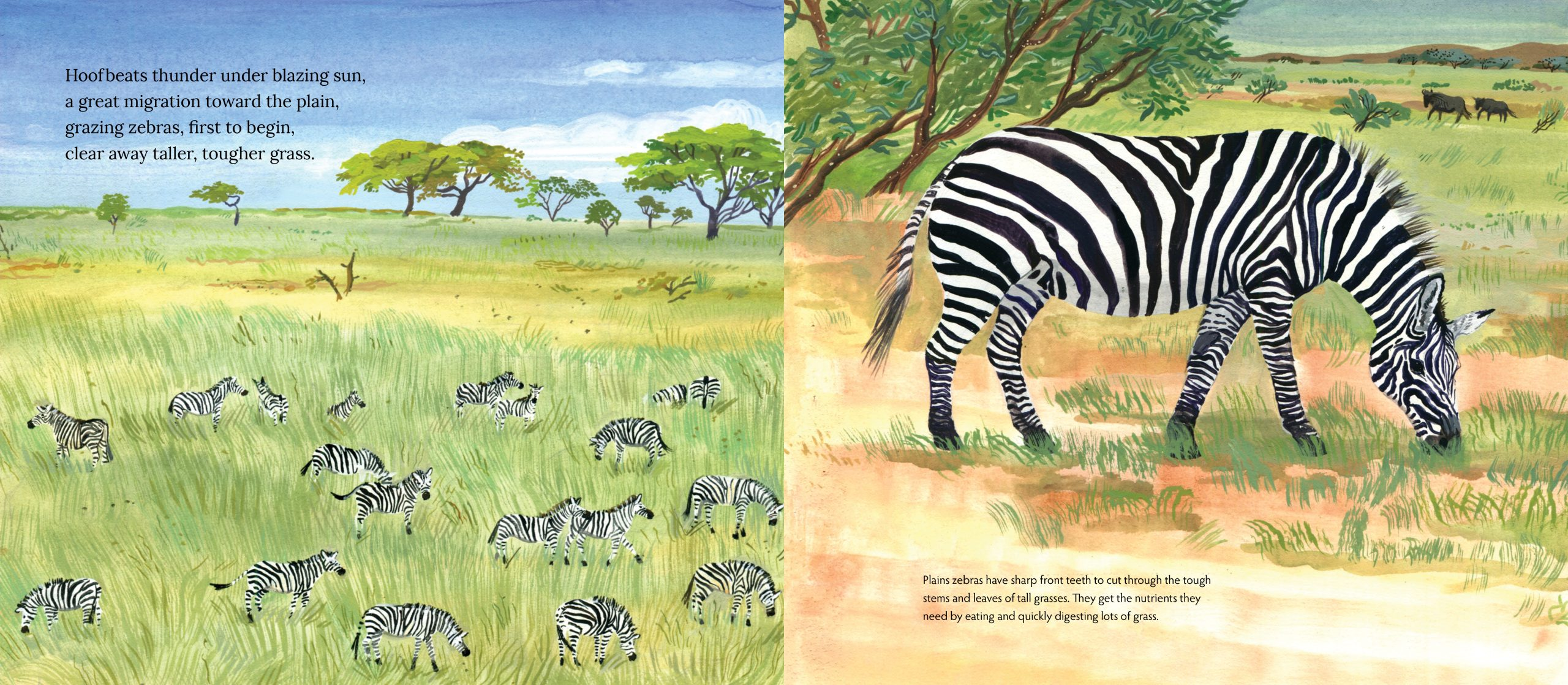
Summary:  Each two-page spread depicts a scene from the Serengeti, with a four-line poem and a paragraph of additional information.  An introductory page describes the ecosystem of the Serengeti, and a note at the end gives additional information about the poetic form, which is derived from an East African form called the utendi.  Also includes a glossary, a reading list, and information on Serengeti stewardship, including three organizations that are working to preserve the Serengeti.  48 pages; grades 2-6.

Pros:  A beautiful science and poetry book, with gorgeous paintings of the Serengeti that will catch the eye of any animal lover.  The additional information about the poems and the Serengeti makes this an excellent resource for language arts, geography, and science.

Cons:  I wish there had been some information about the humans who live in that area.

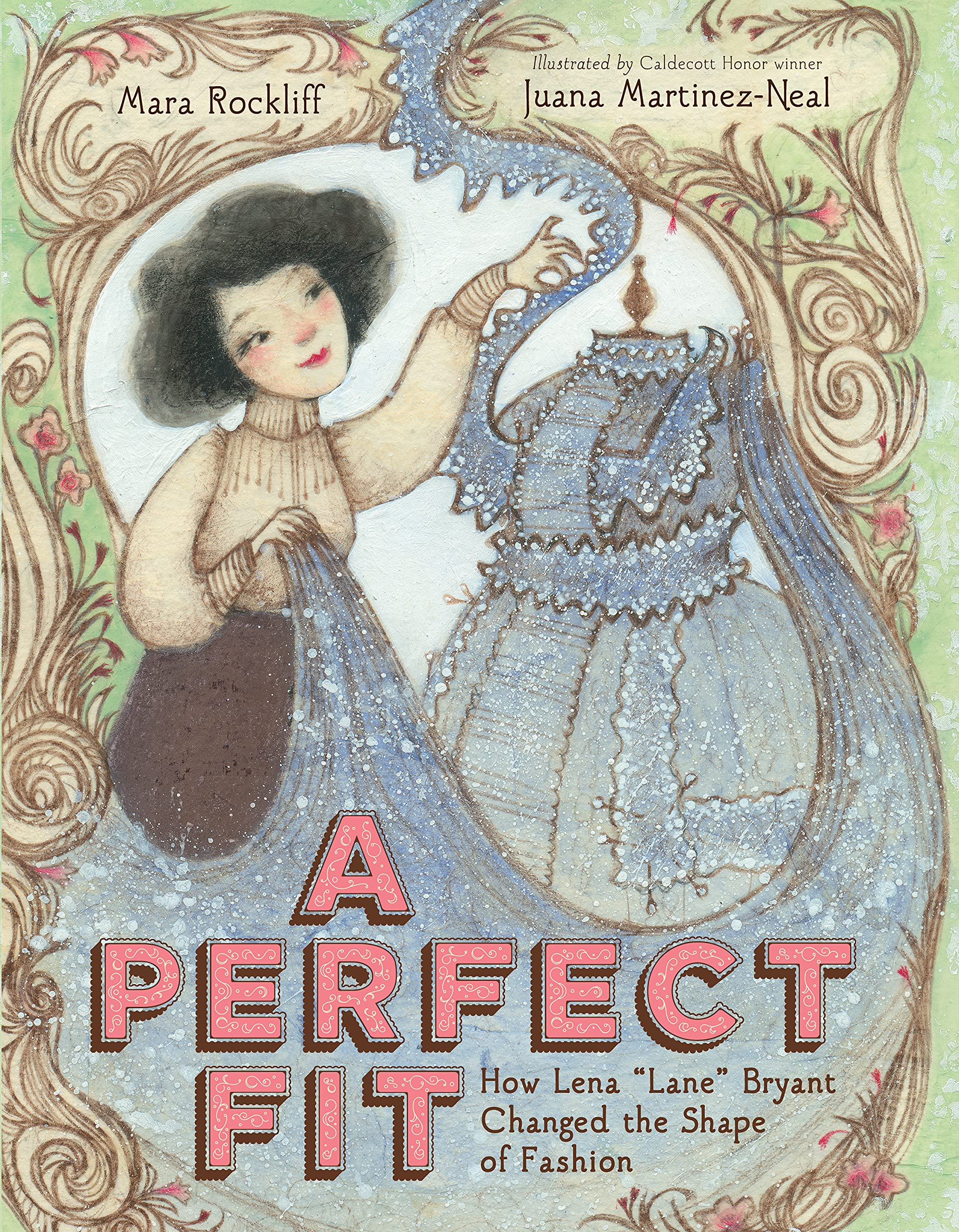
A Perfect Fit: How Lena “Lane” Bryant Changed the Shape of Fashion by Mara Rockliff, illustrated by Juana Martinez-Neal

Published by Clarion Books

Summary:  Raised by her grandparents in Lithuania, Lena Himmelstein learned sewing from her grandmother and from her grandfather, the definition of real success: helping another person.  When she was 16, Lena followed her older sister to America, where she got a job as a seamstress.  She studied English and fashion and married a man named David Bryant, who died shortly after the birth of their son.  To support the family, Lena bought a sewing machine and started her own business.  When a pregnant woman asked for a gown that would grow with her, Lena remembered her grandfather’s advice and found a way to help her customer.  Her reputation grew, and soon she opened her own shop and a bank account.  At the bank, she accidentally signed her name as “Lane” instead of Lena.  Lane Bryant became famous for clothes made to help women of all sizes and shapes.  “Everyone said Lena was a great success.  And when she thought about her grandfather, she knew that it was true.”  Includes an author’s note and a list of sources.  32 pages; grades K-4.

Pros:  Mara Rockliff’s engaging writing and Juana Martinez-Neal’s fashionable illustrations bring Lena Himmelstein Bryant’s story to life, with a heartwarming emphasis on how helping others is the true definition of success.

Cons:  Too bad this wasn’t released in time for Women’s History Month.

Hello, Puddle! By Anita Sanchez, illustrated by Luisa Uribe

Published by Clarion Books

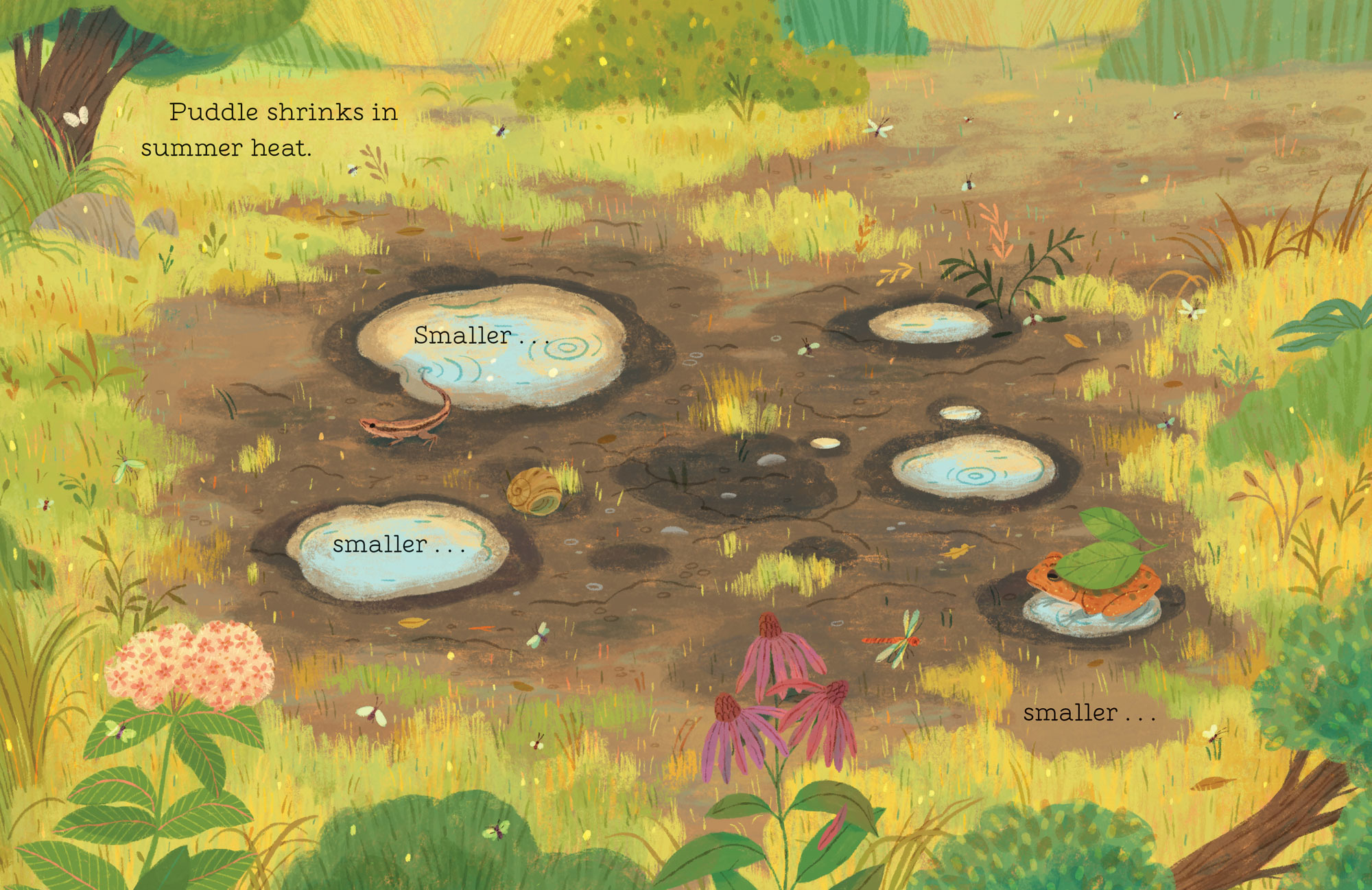
Summary:  A young girl observes a puddle throughout the year.  Spring brings tadpoles, turtles, and plants growing near the edges.  Squirrels cool off in the summer heat, which also causes the puddle to shrink.  There’s still enough water for mosquitoes to lay their eggs, and when they hatch, bats swoop in to eat them.  Deer stop by for a drink as the puddle fills up with falling leaves.  Finally, it ices over, and the girl bids it farewell until spring comes again.  Includes an author’s note about the real puddle on which the story is based; additional puddle facts and directions for making your own puddle; a list of the animals in the book and how to find signs of them; a glossary; and a list of additional resources.  40 pages; ages 4-8.

Pros:  Who would have thought the humble puddle could draw such a wide variety of wildlife?  This book is perfect for giving young naturalists an introduction to animals they can observe in their own backyards, and the back matter can lead them to further explorations.

Cons:  I got a little nervous there in midsummer that the puddle was going to disappear.

Forest Fighter: The Story of Chico Mendes by Anita Ganeri, illustrated by Margaux Carpentier

Published by Crocodile Books

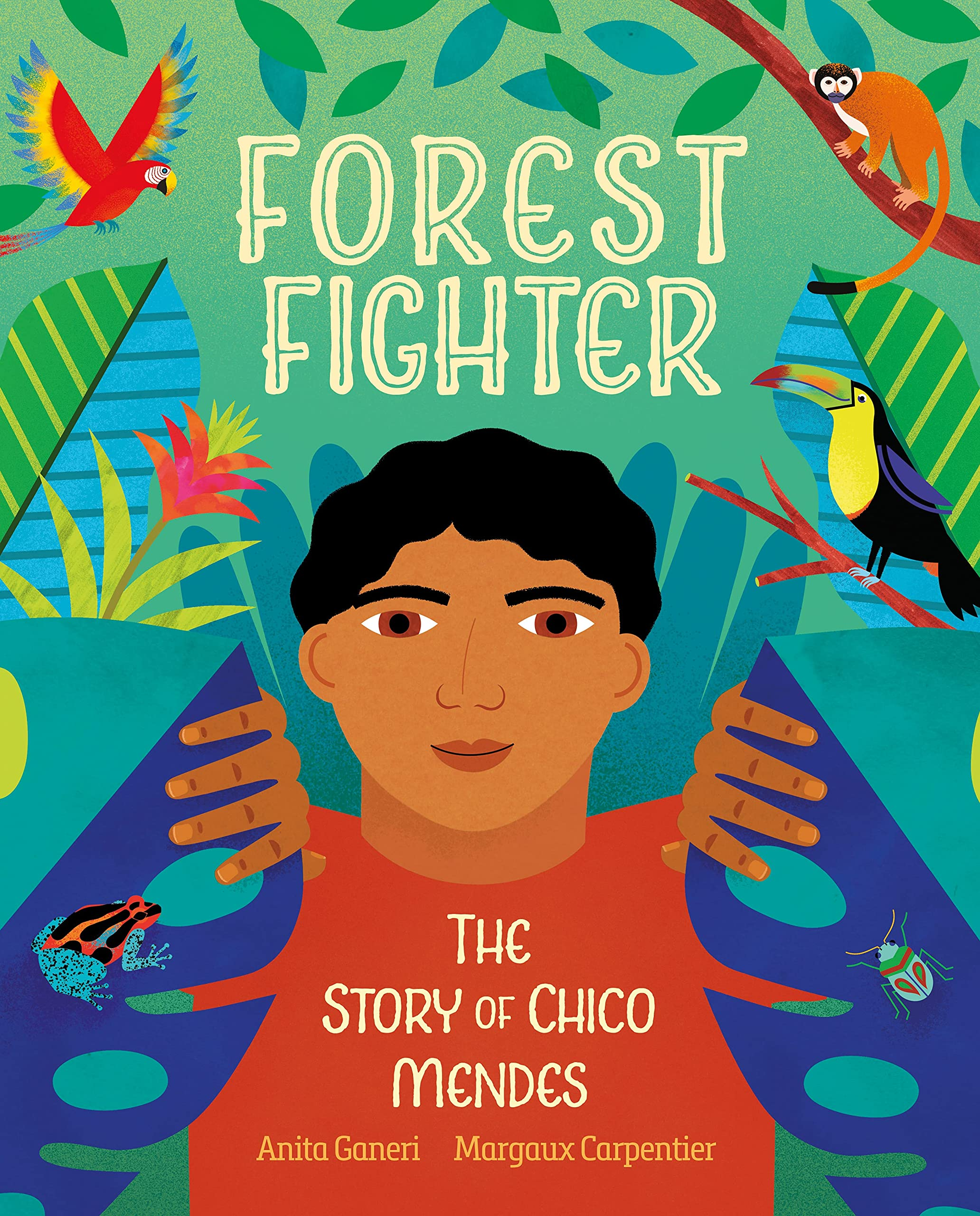
Summary: Born into a family of Brazilian rubber tappers, Chico Mendes loved the Amazon rainforest where he grew up.  He was fortunate to receive some education, and when the government shifted its economic priorities from rubber production to agriculture, Chico became one of the leaders in the movement to stop the burning of the rainforest.  He and other rubber tappers organized protests and gained some victories in their movement to slow the forest’s destruction.  His outspokenness antagonized the wealthy ranchers, and he began receiving death threats.  On December 22, 1988, he was assassinated outside his home.  His legacy continues with the worldwide attention he brought to the destruction of the Amazon rainforest.  Includes facts about the rainforest, a glossary, and an index.  48 pages; grades 2-5.

Pros:  This biography of Chico Mendes does an excellent job of putting his work and life in the context of this history of the region.  The brilliant colors of the illustrations are a perfect way to portray the Amazon rainforest.

Cons:  The cover and format of this book led me to believe it would be a picture book, but it’s a longer nonfiction book with a fair amount of text.

Nour’s Secret Library by Wafa’ Tarnowska, illustrated by Vali Mintzi

Published by Barefoot Books

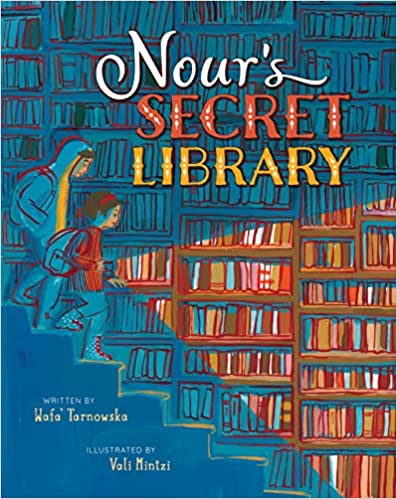
Summary: Nour and Damir are cousins living in Syria with big plans to start a secret society for themselves and their friends.  Those plans are destroyed when the war moves to their city and they have to hide in a basement.  During lulls in the fighting, Damir goes out on his bike to look for food and begins to rescue books that he finds in the rubble.  The kids find an empty basement in a mostly-abandoned building and set up a library there.  With the help of neighbors, they build shelves and move their books into the basement.  Before long, people are coming from all over the city to borrow books.  Reading and books provide a respite for people as they endure the long war.  Includes a glossary, information about Syria, a list of 8 famous libraries in the Middle East, information about the real secret library, and notes from the author and illustrator.  32 pages; grades 1-5.

Pros:  An inspiring story based on real events that celebrates reading, books, and innovative kids who found a way to bring joy to their war-torn city.

Cons:  It wasn’t exactly clear which parts of the book were fact and which were fiction.

Solitary Animals: Introverts of the Wild by Joshua David Stein, illustrated by Dominique Ramsey

Published by Rise x Penguin Workshop

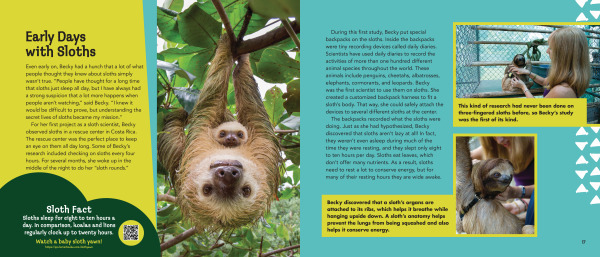
Summary:  While many animals live in groups–a parade of elephants, a tower of giraffes, a pod of whales–there are some that live alone.  The panther at the watering hole, the octopus in the ocean, the sloth in the jungle, and the bald eagle high in the sky are all solitary animals who have evolved to survive best on their own.  A final page gives additional information about solitary animals, including a comparison with humans that concludes, “All creatures find their own balance.”  48 pages; ages 4-8.

Pros:  The amazing digital illustrations of this book highlight animals both in groups and alone.  The text emphasizes that different animals do well with different amounts of sociability, a lesson that kids may apply to themselves as well.

Cons:  Is it just me, or is the word “introverts” becoming a bit hackneyed?

Be the Change:  Rob Greenfield’s Call to Kids – Making a Difference in a Messed-Up World by Rob Greenfield and Antonia Banyard

Published by Greystone Kids

Summary:  Environmental activist Rob Greenfield has lived in an off-grid tiny house, bicycled across the country, gone without showering for 1,000 days, and worn a “trash suit” through the streets of New York City to show people how much garbage they generate in a month.  Diving into different environmental issues like energy, food waste, and transportation, he encourages kids to think about changes they can make in their lives and profiles young environmental activists.  He includes sections on disconnecting from technology and building community, and how living more simply can encourage growth in both areas.  Includes a glossary, list of resources, and index.  87 pages; grades 3-7.

Pros:  An inspiring and accessible read, with lots of photos, infographics, and short sections of text that encourage kids to see how making small (and big) lifestyle changes can have a real impact.

Cons:  The tiny font.

Pink, Blue, and You! Questions for Kids About Gender Stereotypes by Elise Gravel with Mykaell Blais

Published by Anne Schwartz Books

Summary:  The book starts off with a series of questions: Are some things more for girls and some for boys?  Who made those rules?  What happens if we don’t follow them?  The text and pictures then show differences in sex and explain what gender identity is.  Different families and gender roles are portrayed, with an emphasis on treating others with respect and love, no matter how they identify or choose to raise a family.  A few people are profiled, like the Army’s first male nurse (Edward T. Lyon), the first openly transgender state senator (Sarah McBride of Delaware), and the first woman in space (Valentina Tereshokova).  The final page asks, “Won’t it be nice to live in a world where we can all just be ourselves?”.  Includes two pages of fun facts about gender and clothing.  40 pages; ages 4-8.

Pros:  The authors do an excellent job of presenting a complicated subject in a way that young children will understand.  Elise Gravel’s illustrations are fun and help to further illuminate the topics covered.  An outstanding resource all around (although I wish it had a list of additional resources).

Cons:  I’m sure it’s just a matter of time before the cultural warriors get this into their book-banning crosshairs.