Infinite Hope: A Black Artist’s Journey from World War II to Peace by Ashley Bryan

Published by Atheneum/Caitlyn Dlouhy Books
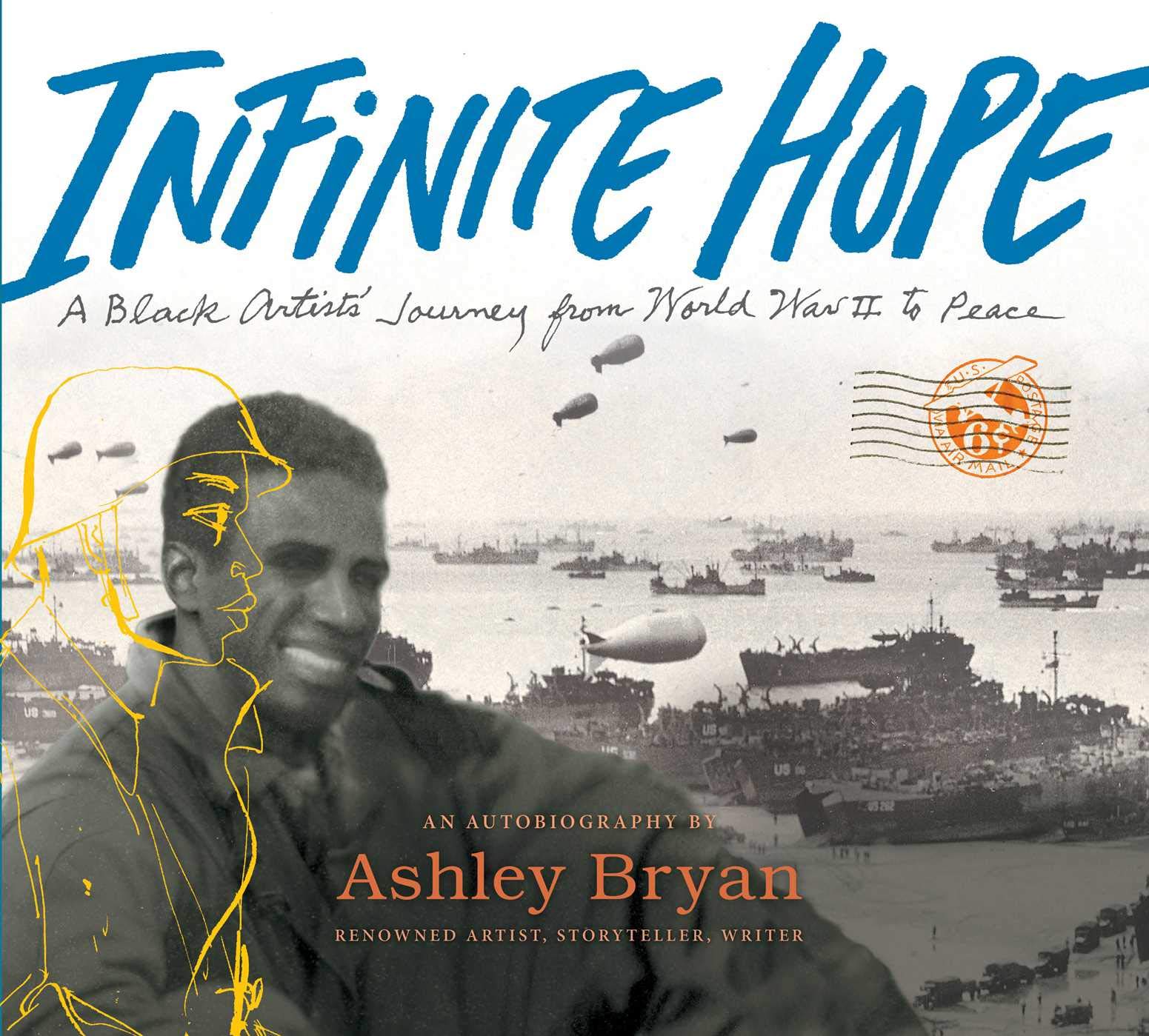
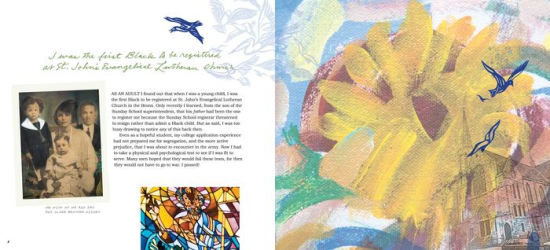
Image result for infinite hope ashley bryan

Image result for infinite hope ashley bryan

Summary:  Author and illustrator Ashley Bryan offers a very personal look at his years serving in World War II.  From basic training in Massachusetts to Scotland to the D-Day invasion to waiting to be sent home in France, Bryan shares letters home, particularly to a college friend named Eva; a narrative about his experiences; and many, many sketches.  He writes about the racism that was rampant in the U.S. military, and the surprising lack of it in Europe (that experience of being treated equally by white Europeans led many black military men and women to join the civil rights movement after the war). Mostly, he talks about how art saved him.  He kept paper and pencils in his gas mask, and his comrades would often take over his work to let him draw. He concludes with his return to civilian life, including many years when he didn’t talk about his military experiences. Encouraged by colleagues in the children’s literature world, he has finally opened up and shared this wealth of art and stories.  112 pages; grade 5-adult.

Pros:  This is a pretty amazing work of art written and compiled by the 96-year-old Ashley Bryan.  Plan on spending a long time reading and studying his artwork. The audience for this may be pretty specific, but if you get this in the hands of the right readers, they are sure to find it to be a meaningful and important book.  Definitely a contender for some awards in January

Cons:  I would have liked more information about Eva.  I was confused at the beginning and had to read the jacket flap to understand to whom Ashley was writing.

If you would like to buy this book on Amazon, click here.

 

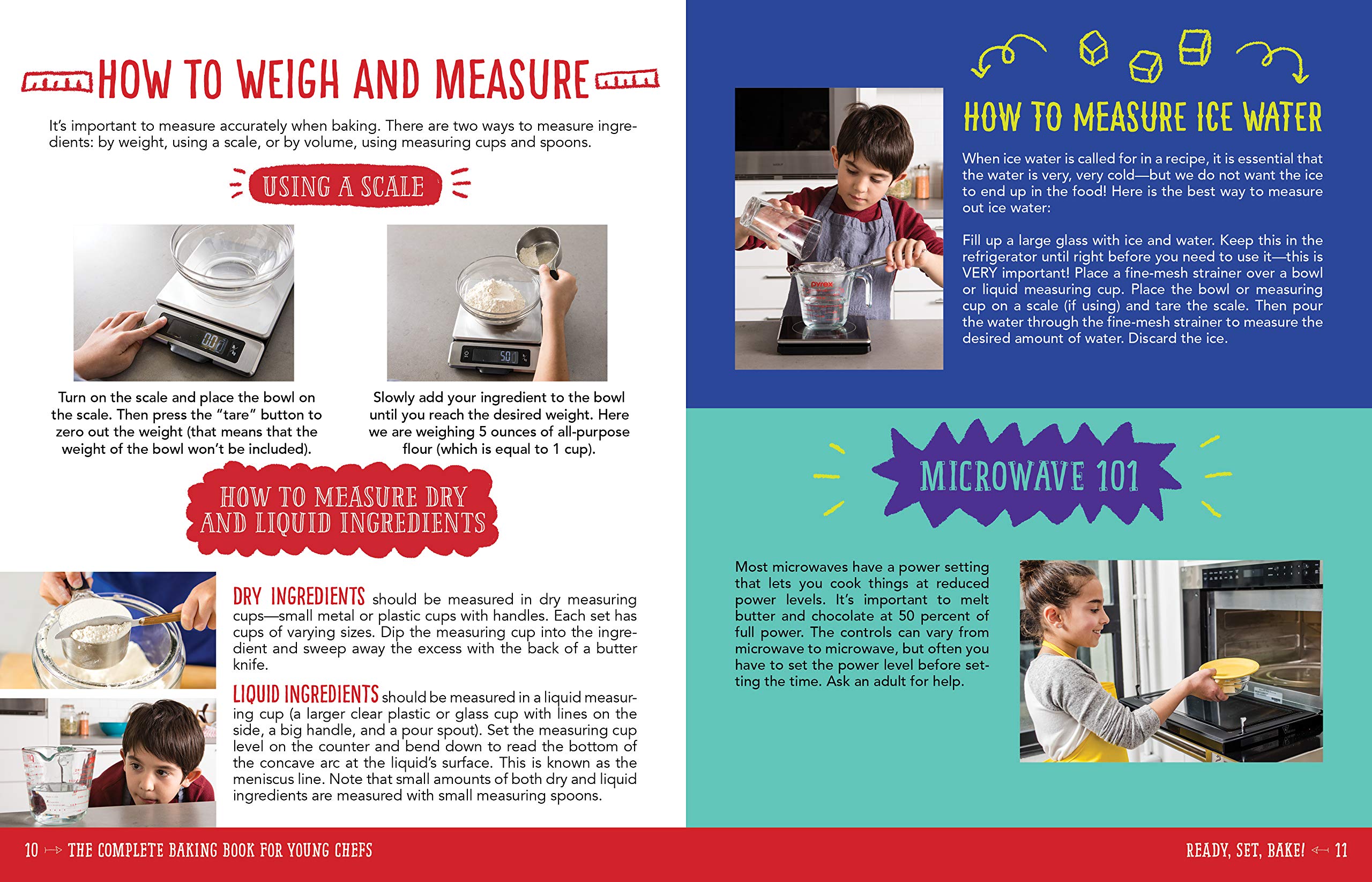
The Complete Baking Book for Young Chefs by America’s Test Kitchen

Published by Sourcebooks Explore

Image result for complete baking book for young chefs

Image result for complete baking book for young chefs

Summary:  Over 100 recipes were tested by more than 4,000 kids, whose reviews are scattered throughout the text.  The first 20 pages offer a pretty thorough introduction to baking, including tools, ingredients, and basic processes like melting butter and chopping herbs.  The education continues throughout the next five chapters, which offer recipes for quick breads, yeast breads, pizza and other flatbreads, cookies, cakes, and fruit desserts.  Each recipe has symbols at the beginning to show the level (beginner, intermediate, or advanced) and the equipment needed. There are interesting sidebars with additional tips, like how to line a cake pan with parchment paper or how to roll dough.  Nutrition information for each recipe is given at the end, along with an index. 224 pages; grades 4-8.

Pros:  In the interest of giving a fair review, I tried a couple of recipes for oatmeal chocolate chip cookies and pumpkin bread with chocolate chips (I like chocolate chips, okay?).  Both were fairly straightforward and turned out well (although I’m not quite ready to give up my toll house cookie recipe). I learned a thing or two–who knew you should cook pumpkin before adding it to pumpkin bread?  There are enough tempting recipes offered to keep upper elementary and middle school chefs busy for a long time.

Cons:  Younger bakers may need some help.  For the pumpkin bread, rated intermediate, I had two bowls and a pan on the stove going at the same time, which made it the most complicated quick bread recipe I had ever used.  Granted, I may not always use the approved baking methods, and the bread was truly delicious.

If you would like to buy this book on Amazon, click here.
 

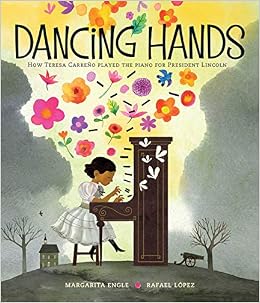
Dancing Hands: How Teresa Carreño Played the Piano for President Lincoln by Margarita Engle, illustrated by Rafael López

Published by Atheneum Books for Young Readers 

Image result for dancing hands how teresa carreño played the piano for president lincoln

Image result for dancing hands how teresa carreño played the piano for president lincoln

Summary:  Teresa Carreño had a gift for piano from the time she was a little girl in Venezuela.  War drove her family from their home and to the United States, where another war was raging–the Civil War.  Teresa found that music offered her a refuge from the sadness and suffering, and by the time she was ten years old, she was known as Piano Girl, performing all over the country.  She was amazed to get an invitation from President Abraham LIncoln to play at the White House, and nervous about accepting it. When the big day arrived, she found that the White House piano was poorly tuned, and didn’t know if she’d be able to perform.  But Lincoln asked her to play his favorite song, “Listen to the Mockingbird”, and once again music provided magical healing powers. An author’s note gives a bit more information about Carreño and her later musical career. 40 pages; grades K-4.  

Pros:  Acclaimed poet Margarita Engle and illustrator Rafael Lopez team up once again to create a beautiful story about a little-known episode in musical history.  Kids will be inspired to learn of the hard work and fame of this 10-year-old girl.

Cons:  I was expecting something bigger from the final scene in the White House.

If you would like to buy this book on Amazon, click here.
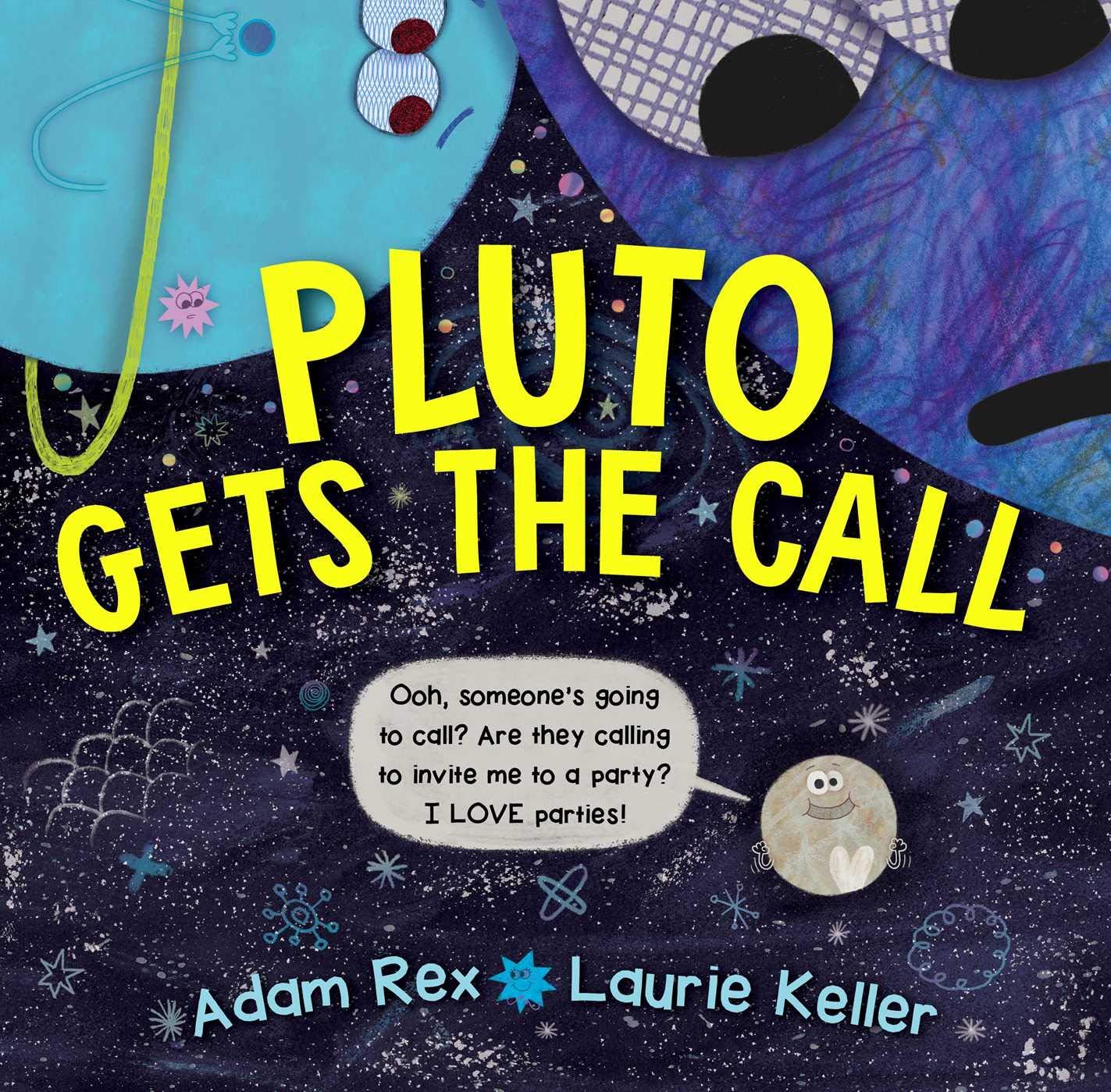
Pluto Gets the Call by Adam Rex, illustrated by Laurie Keller

Published by Beach Lane Books 

Image result for pluto gets the call

Image result for pluto gets the call

Summary:  On the title page, three scientists are seen arguing about who will call Pluto; we then travel to the outskirts of the solar system to meet Pluto, a friendly fellow, who introduces himself as the ninth planet.  While he’s giving a tour of his part of the universe, he gets the call. He is no longer a planet. Devastated, he seeks out advice from other planets, who turn out to have their own distinctive personalities.  Neptune is a bit slow on the uptake; Saturn is gushing with charm and just might have a crush on Pluto; Jupiter is a big bully. Finally, Pluto heads for the big guy–the Sun–who tells Pluto to enjoy being himself.  “You’re still a planet to everyone who was too short to ride the Ferris wheel…to all the people picked last for kickball.” Besides, scientists are still debating. At one point in history, they said there were 23 planets. Two pages of planetary facts round out this wacky tour of the solar system.  48 pages; grades K-4.

Pros:  I laughed out loud more than once, enjoying the planets’ personalities (“People talk about Uranus for reasons I don’t really want to get into.”  “Aww, shucks, you must mean my charming personality.”) There’s plenty of information tucked into the text and illustrations; kids will be having so much fun, they won’t even notice that they’re getting educated.

Cons:  48 pages seemed a little long and rambling to me.

If you would like to order this book on Amazon, click here.

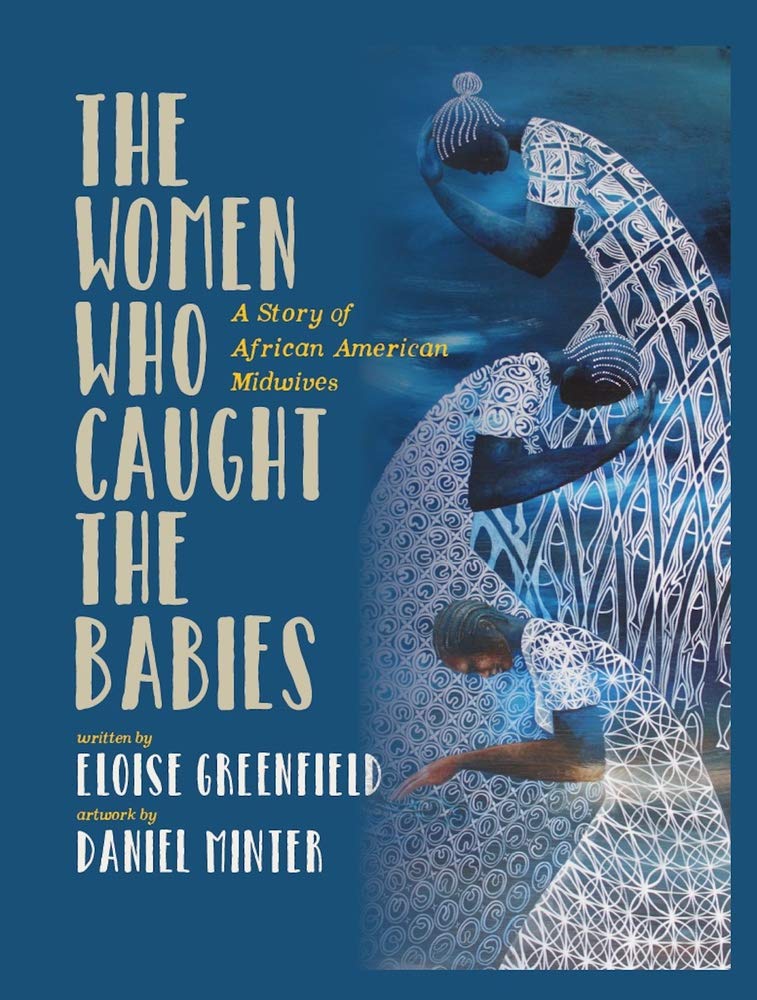
The Women Who Caught the Babies:  A Story of African American Midwives by Eloise Greenfield, illustrated by Daniel Minter

Published by Alazar Press

Image result for women who caught the babies minter

Summary:  Eloise Greenfield kicks things off with a five-page introduction giving a brief history of midwives, starting in Africa a few hundred years ago, traveling to slavery in America, and finishing up with midwives today.  This section is illustrated with black and white photographs. The rest of the book is her poetry, celebrating midwives of the past and present. There are seven poems altogether, from “Africa to America” to “After Emancipation, 1863” to “The Early 2000s”.  The final piece, “Miss Rovenia Mayo” is about the midwife who “caught” Eloise Greenfield on May 17, 1929. Includes a bibliography. 32 pages; grades 3-7.

Pros:  We should all hope to be producing works of art like this at the age of 90.  The poetry is lyrical and the illustrations are unique and fascinating. The Caldecott committee can add this to its list of works to consider, along with another Daniel Minter book, Going Down Home With Daddy.

Cons:  This doesn’t seem like a book most kids will pick up on their own. 

If you would like to buy this book on Amazon, click here.

Playlist: The Rebels and Revolutionaries of Sound by James Rhodes, illustrated by Martin O’Neill

Published by Candlewick

Image result for playlist the rebels and revolutionaries

Image result for playlist the rebels and revolutionaries

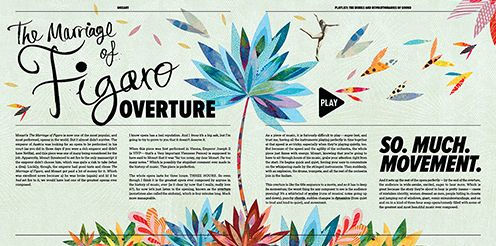
Summary:  James Rhodes starts this book with his “ultimate playlist”, then profiles the seven classical composers from the list: Bach, Mozart, Beethoven, Chopin, Schubert, Rachmaninoff, and Ravel.  Each profile includes two pages of biographical information, listing popular music and movies that have been inspired or include soundtrack music from this composer. Then he details two of the composer’s pieces in kid-friendly terms, using stories to explain the music.  There are many pop culture references connecting the music and history to the present. Sections describing the orchestra and a timeline of western classical music are inserted between the chapters on the composers. Includes a glossary and index. 72 pages; grades 6 and up.

Pros:  I’m not particularly knowledgeable (or, I’m sorry to say, interested) in classical music, yet I found myself immediately drawn into this book.  The conversational tone, fascinating stories, connections to the present, and eye-popping, psychedelic illustrations make this a book that will appeal to middle and high school students and should be sought out by music teachers everywhere.

Cons:  It would have been nice to at least acknowledge somewhere that not all composers of classical music were white men.

If you would like to buy this book on Amazon, click here.
Torpedoed: The True Story of the World War II Sinking of the “The Children’s Ship” by Deborah Heiligman

Published by Henry Holt and Co.

Image result for torpedoed heiligman"

Summary:  On September, 1940, the ship SS City of Benares left England, bound for Canada.  On board were 90 children traveling as part of the Children’s Overseas Reception Board (CORB) program, which evacuated British children to safer countries.  A few days into their journey, the ship was torpedoed by a German submarine, and sank in about half an hour. Of the 90 children, only 17 survived. Most were picked up the next day, but due to a miscalculation, Lifeboat 12 was missed by the rescuers and was adrift for eight days before finally being spotted by a plane (a story told in verse by Susan Hood in 2018’s Lifeboat 12).  The survivors returned to England, and CORB suspended operations after this tragedy.  Includes a list of all those who died, as well as a lengthy bibliography and index. 304 pages; grades 5-8.

Pros:  I started reading this with trepidation, as I’m not crazy about reading about disasters at sea (no more Titanic books, please).  I kept flipping between the narrative and the list of those who died, and I could tell the outlook for most was not good.  Once the torpedoes hit, though, I couldn’t put the book down. The storytelling is masterful, following the narratives of so many different children and the adults who traveled with them.  I saw this on a Newbery prediction list.  I’d be surprised if it got a Newbery, but I could definitely see a Sibert award.

Cons:  As mentioned above, reading about the drowning deaths of 73 children isn’t really my favorite pastime.

If you would like to buy this book on Amazon, click here.


It Began With a Page: How Gyo Fujikawa Drew the Way by Kyo Maclear, illustrated by Julie Morstad

Published by HarperCollins

Image result for it began with a page amazon

Image result for it began with a page julie morstad

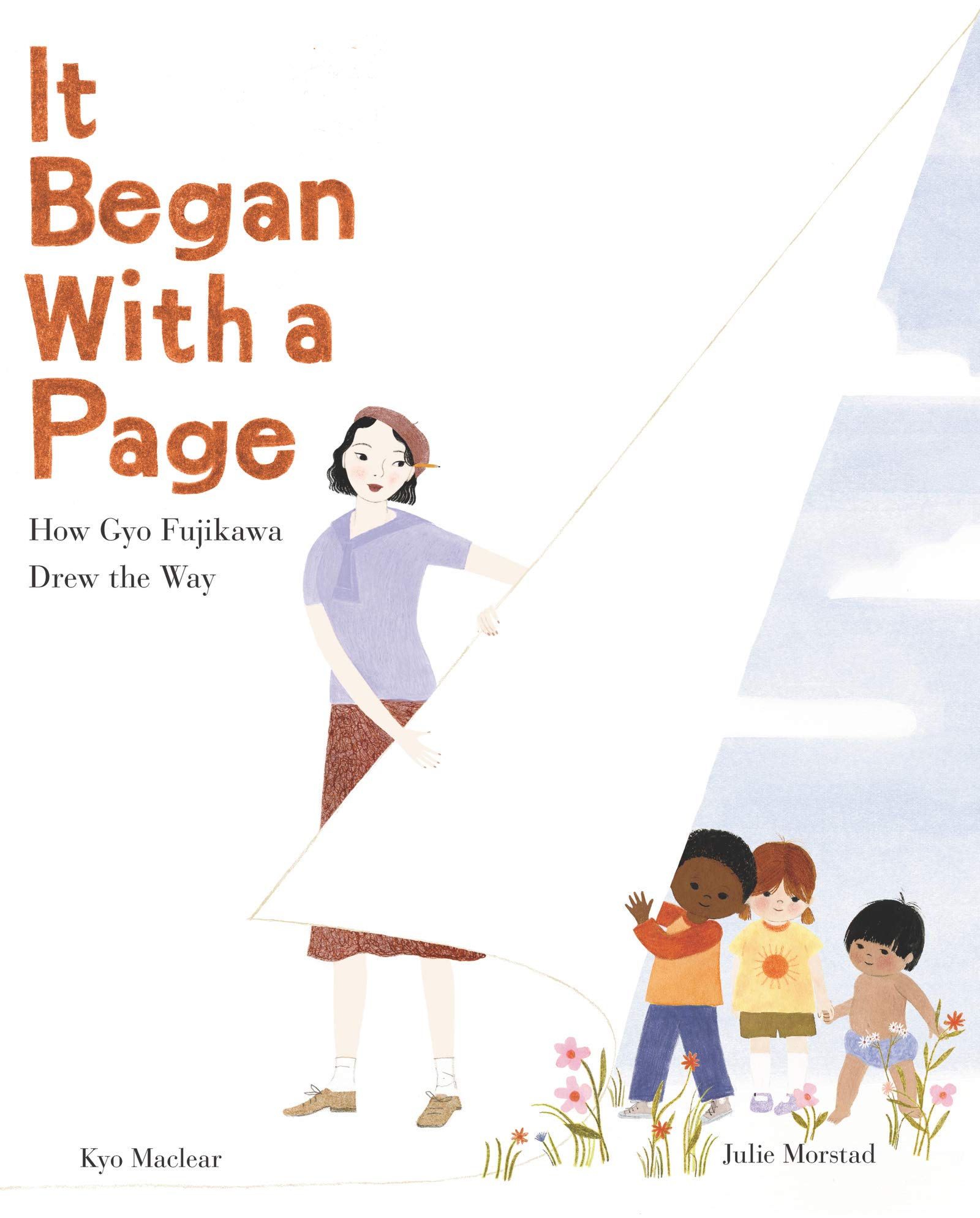
Summary:  From an early age, Gyo Fujikawa loved drawing and painting.  She pursued her passion in college, an unusual move for a girl in those days, particularly an Asian-American one.  Traveling to her parents’ homeland of Japan, she learned traditional art techniques that she incorporated into her own work.  Gyo had experienced prejudice as a child, and this became worse in her adult years with the advent of World War II. Living on the East Coast, she was able to stay in her home, but the rest of her family in California, was not so fortunate.  They were sent to prison camps, losing their home and most of their possessions. After the war, Fujikawa continued to paint, and also to observe the continuing struggles for civil rights. Noticing the homogenous portrayals in children’s books, she created a book about babies with all different skin colors.  After many rejections, her book was finally published in 1963, where it became a big seller, and allowing Gyo to illustrate many more books over the next two decades. Includes a timeline of Gyo’s life, a note from the author and illustrator, and a list of sources. 48 pages; grades K-5.

Pros:  There’s a lot to learn and discuss in Gyo Fujikawa’s life.  The illustrations, inspired by Gyo’s own work, are beautiful, with lots of adorable babies.  Readers may be interested ins seeking out the original picture books, many of which are still in print.

Cons:  This may not be a book kids are likely to pick up on their own, and the length and subject matter may make it a better choice for older elementary students.

If you would like to buy this book on Amazon, click here.


Fever Year: The Killer Flu of 1918 by Don Brown

Published by HMH Books for Young Readers

Image result for fever year don brown

Image result for fever year don brown

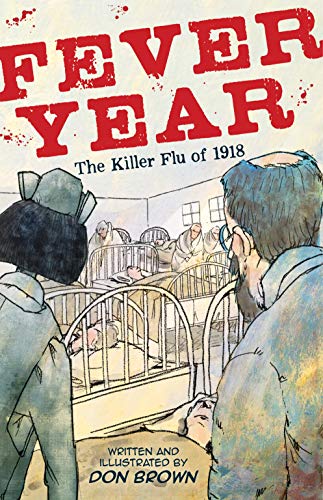
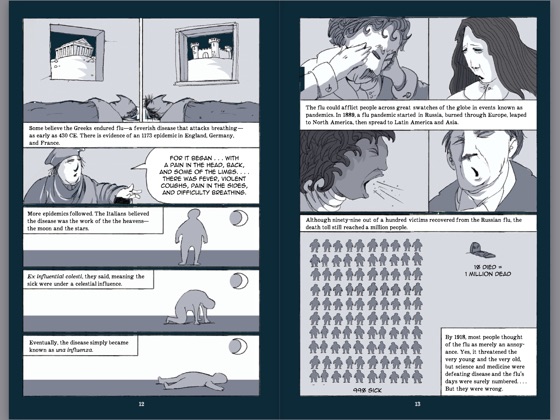
Summary:  Using a graphic novel format, Don Brown tells the story of the flu epidemic of 1918 and how it spread across the United States and around the globe.  The tale is told in three acts: January-July 1918 when the epidemic began; August-December 1918 when it raged full force; and 1919 when it came back to life, sickening, among others, President Woodrow Wilson at an important peace conference in Paris.  The text is brief, but covers many different aspects of the epidemic, including the spread and death toll, the importance and shortage of nurses, how different cities reacted when the flu hit them, and scientists’ attempts to figure out what was causing the disease.  The book concludes with recent scientists’ experiments that lead to the revival of the virus which had been preserved in the lung tissues of one of its victims, and questions as to the ethics of such work. Includes a five-page bibliography. 96 pages; grades 5-8.

Pros:  Don Brown packs a lot of information into fewer than 100 pages, in a format that will appeal to many readers.  Fans of Nathan Hale’s Hazardous Tales may enjoy this, as well as other graphic history books by Brown.

Cons:  All the reviews I saw recommended this for grades 7 and up, but I feel like there’s no reason not to suggest it to fifth and sixth grade history buffs.  True, it’s a story of disease, pestilence, and death, but nothing that I would consider inappropriate for kids 10 and up.

If you would like to buy this book on Amazon, click here.

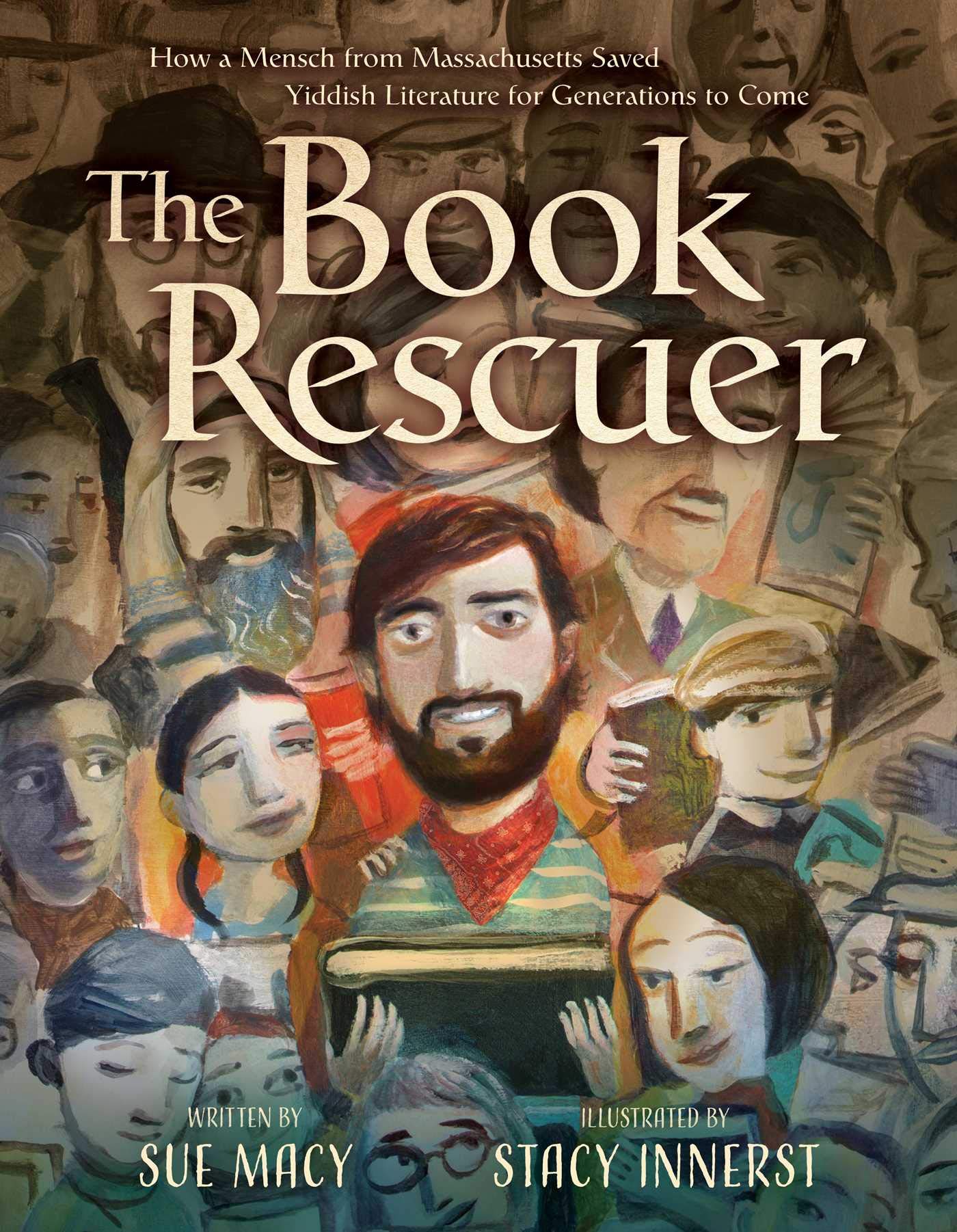
The Book Rescuer: How a Mensch from Massachusetts Saved Yiddish Literature for Generations to Come by Sue Macy, illustrated by Stacy Innerst

Published by Simon and Schuster/Paula Wiseman Books

Image result for book rescuer sue macy

Image result for book rescuer sue macy

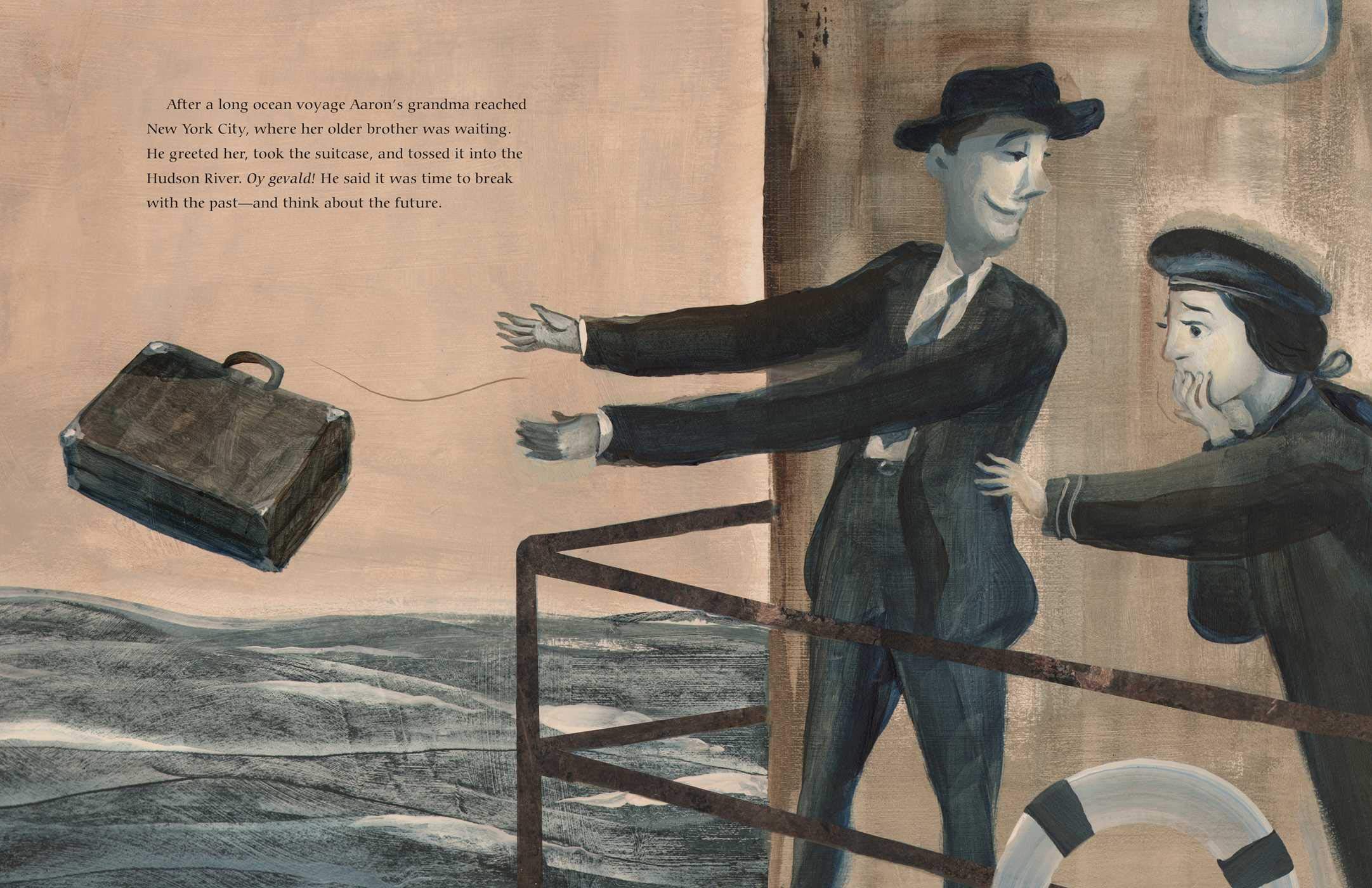
Summary:  When Aaron Lansky was growing up, he heard the story of his grandmother, who immigrated to America when she was 16.  Her older brother greeted her by throwing her suitcase into the Hudson River, telling her it was time to break with the past.  Aaron has spent his adult life working tirelessly to find and preserve that past. As a college student interested in learning Jewish history through Yiddish novels, he discovered a passion for Yiddish books, and began traveling around the country to rescue them.  In 1980, he founded the Yiddish Book Center in Amherst, Massachusetts. A MacArthur grant in 1989 recognized his work, which he continues today, having collected 1.5 million books in Yiddish that he shares with people all over the world. Includes an afterword by Aaron Lansky, an author’s note, illustrator’s note, glossary of yiddish words, and a couple sources of additional information.  48 pages; grades 1-5.

Pros:  What could have been a dry, uninteresting topic comes to life in Sue Macy’s capable hands, aided by the Marc Chagall-inspired artwork.  The back matter fleshes out the story even further, and includes information for visiting the Yiddish Book Center, which turns out to be less than 30 miles from my house.

Cons:  I started to feel some pangs of guilt about my enthusiasm for weeding my libraries.

If you would like to buy this book on Amazon, click here.