Published by Jimmy Patterson Books (Little, Brown)
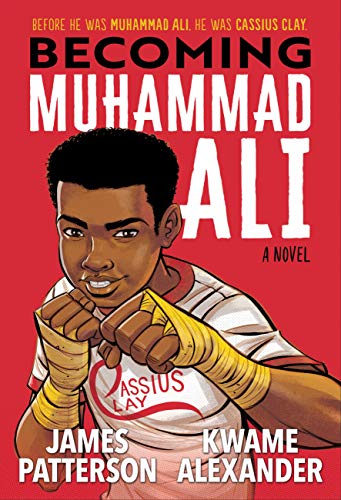
Summary: Round One: Cassius Clay’s friend Lucky and the rest of Cassius’s friends and family are awaiting the results of the 1958 Golden Gloves championship. 16-year-old Cassius is in Chicago, 300 miles from his home in Louisville, KY. The phone rings, and the story shifts to Cassius’s voice, told in verse. Clay didn’t win that championship, but he relates how he got there: the friends and relatives who influenced him, the events that led him to boxing, the unflagging discipline and confidence that helped him in his training. By the time we get to Round Nine, Cassius is ready to return to the Golden Gloves competition and become a champion. Lucky introduces each round, then finishes with a Final Round, in which he tells what happened to Cassius Clay, later Muhammad Ali, during the rest of his career. 320 pages; grades 4-7.
Pros: Apparently, Kwame Alexander has been a Muhammad Ali fan since he read Ali’s autobiography as a kid, and he uses his considerable poetic talents to bring the boxer life. I wasn’t sure I liked Lucky’s prose sections at first, but they did flesh out the story, setting up the action for the poetry parts. This is sure to be an enormously popular choice for kids.
Cons: I’m curious about the collaboration James Patterson, who seems more like a brand than an actual author these days. I would have preferred this to be the sole work of Kwame Alexander, whom I’m sure could have pulled it off without any help.




 A Kids Book A Day