Boston Globe-Horn Book Awards

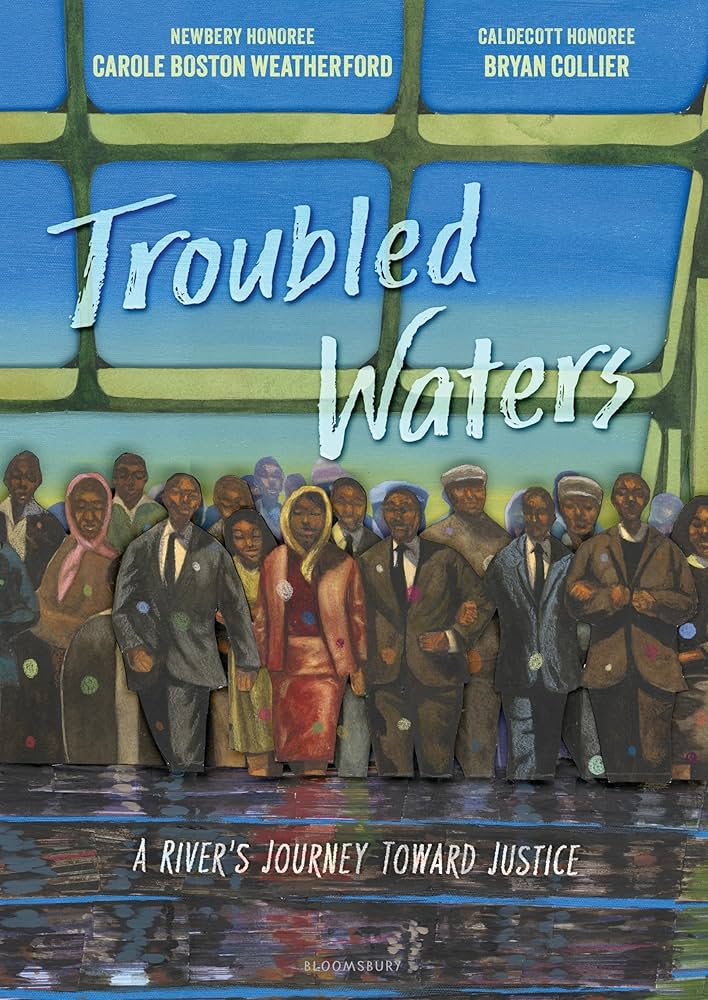
An email alerting me to the upcoming Boston Globe-Horn Book Awards ceremony coming up this Thursday, November 6, sent me on a search for some of the books that I hadn’t read yet. You can see a complete list of winners and honor books here.

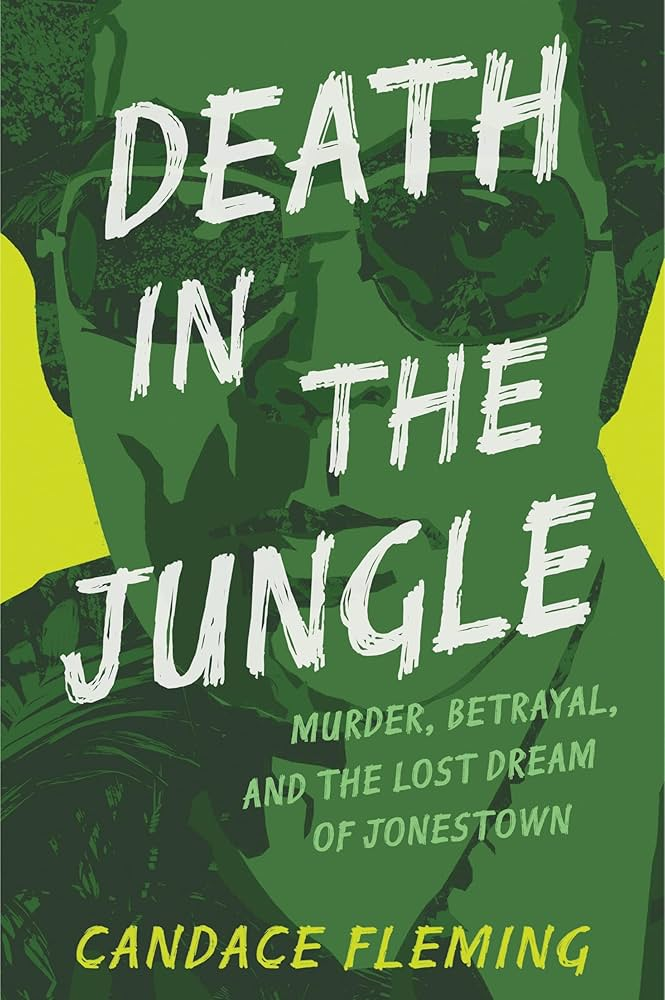
Death in the Jungle: Murder, Betrayal, and the Lost Dream of Jonestown by Candace Fleming (Anne Schwartz Books, 368 pages, grades 7 and up). Most of us know about Jonestown and the tragic end that befell more than 900 residents in the Guyana jungle. This book takes readers back to founder Jim Jones’s earliest days and shows how a bizarre mix of idealism and quest for power led him to start the People’s Temple which moved from Indiana to California, and finally to Guyana where Jones basically kept his followers imprisoned: cut off from the world and subject to his paranoid drug-fueled ravings. Individual members of the group are profiled, based on Fleming’s interviews with survivors, and their memories of enjoying being part of a warm community mixed with traumatic punishments, sleep deprivation, and overwork serve as a warning to anyone drawn to a charismatic leader like Jim Jones. Includes source notes, a bibliography, and an index.

I remember reading about this incident in the news during my own teenage years and trying to make sense of what could have possibly gone so horribly wrong. This book answers some of those question–although many are unanswerable–and is told in such a compelling style that I could not put this book down and read it in about 36 hours. It’s an especially important book for teens, as many of those interviewed were their age during the events of the story (including Jones’s son Stephan), and in many cases, a questioning attitude toward authority saved them.

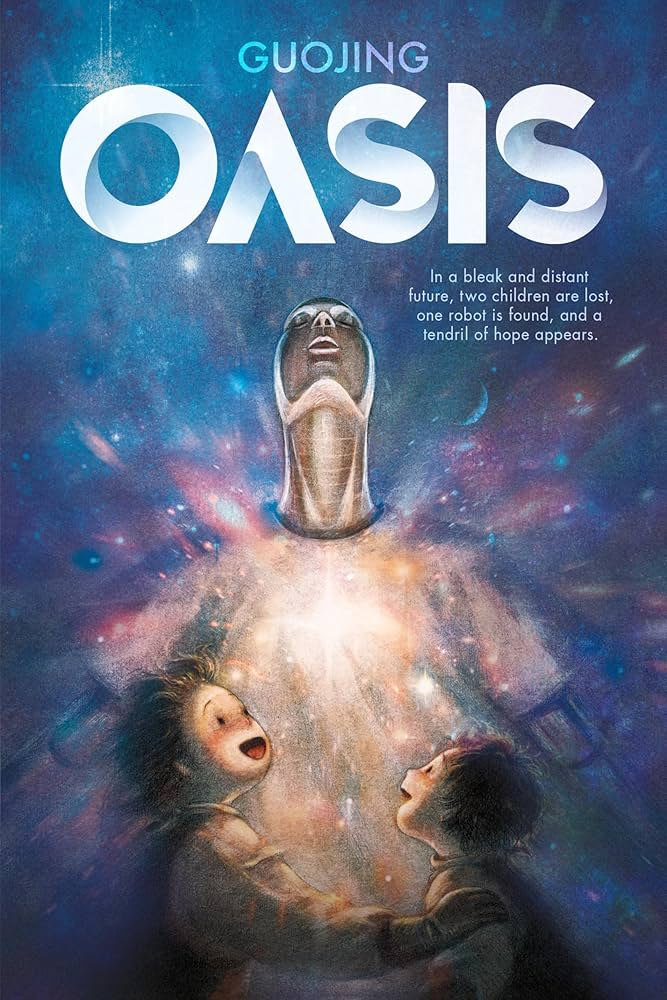
Oasis by Guojing (Godwin Books, 160 pages, grades 4-7). Two children live in the desert, fending for themselves with only occasional phone calls from their mother who works in Oasis City, trying to get permission to bring her children to live with her. When the kids find a broken robot, they’re able to repair it and activate its “mother” mode, giving them an AI mom. When their human mother comes home for a few days, she discovers the AI mother, and destroys it in a fit of fear and rage. Her daughter runs off, and the mother is able to repair the robot and bring the daughter back home. The two mothers share their hopes and dreams for the children, and the AI one shows how she has been able to reproduce conditions in Oasis City to start growing plants, giving them hope that one day they can all live in the desert together. The author information relates that Guojing was inspired by “left-behind children” in China, who stay in rural areas when their parents go to find work in the city.

I had gotten this book out of the library several months ago, after seeing its five starred reviews, but I was a little put off by the dark artwork and never got around to reading it. I’m so glad I gave it another try. It’s a quick read–it only took me about 15 minutes–but it packs a powerful punch and celebrates all sorts of family connections and love. The cover says, “In a bleak and distant future, two children are lost, one robot is found, and a tendril of hope appears,” but it didn’t seem like such a distant future to me.

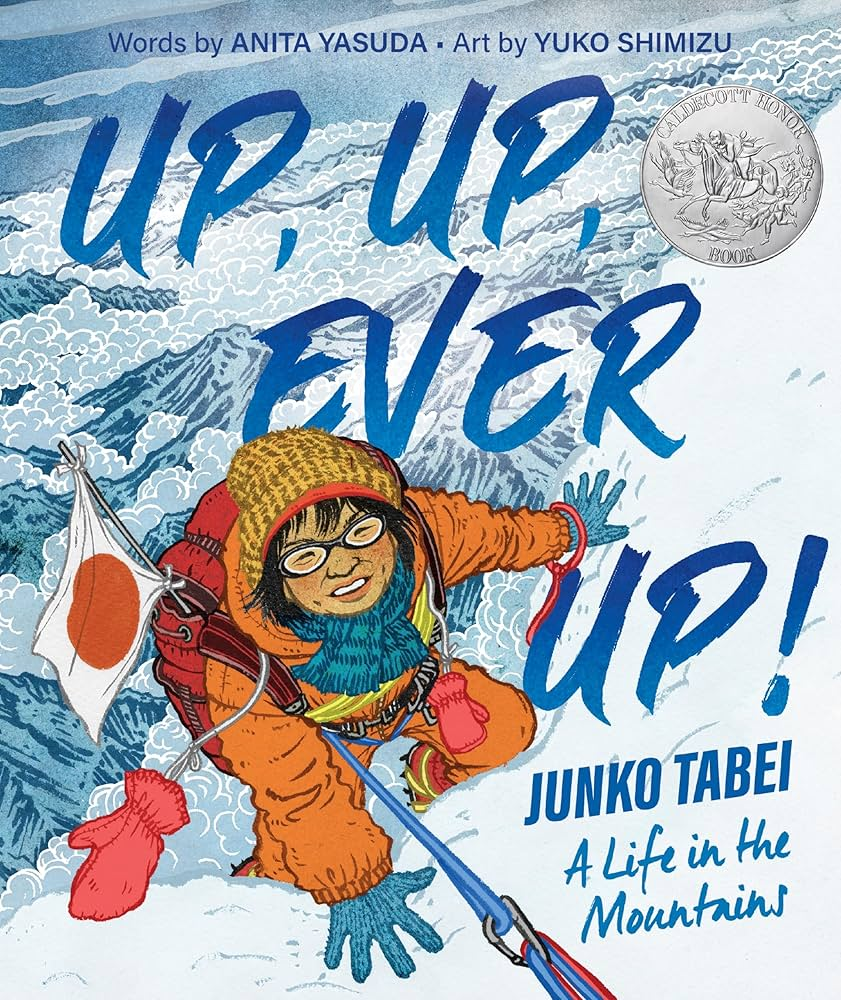
Up, Up, Ever Up! Junko Tabei: A Life in the Mountains by Anita Yasuda, illustrated by Yuko Shimizu (Clarion Books, 48 pages, grades 2-5). As a child, Junko Tabei dreamed of climbing mountains, and she pursued that dream when she moved to Tokyo as a young woman. Most mountaineering clubs didn’t take women, but Junko persevered until she found one that did. Even after marrying and having a daughter, Junko continued to climb and to encourage other women to join her. Eventually they planned an expedition to become the first all-female team to climb Mount Everest. Even an avalanche couldn’t stop her, and Junko realized her dream of being the first woman to reach Everest’s summit. In her later years, she became an activist for sustainable mountain climbing, researching the impact of trash and human waste on Everest and helping to mitigate some of those effects. Includes an author’s note, timeline, glossary, and bibliography.

I’m a little late to this 2024 book, but I’m breaking my rule of only reviewing books published in the current year. The Boston Globe-Horn Book Award follows the school year calendar, so it was eligible for this year’s award and was an honor book, in addition to winning a 2025 Caldecott Honor. Both are well-deserved for the beautiful ink and color illustrations that not only portray breathtaking mountain landscapes but celebrate Junko’s Japanese culture.

Rewriting the history books

White Lies: How the South Lost the Civil War and Rewrote History by Ann Bausum (Roaring Brook Press, 368 pages, grades 9 and up). Beginning with a list of the 20 lies covered in this book from “Slavery was a compassionate institution” to “We erase history when we remove symbols of the Confederacy,” the book goes on to debunk these lies in four sections. The first covers American history leading up to and including the Civil War, the second is how the myth of Lost Cause was constructed and spread after the war and reconstruction ended. Part three discusses how this propaganda was spread through the country via monuments, Hollywood films, and children’s education, and the final section brings us up to the present in which steps to remedy the lies and propaganda are being met with a powerful backlash. The “Gallery of the Lost Cause” throughout the book shows various statues and monuments to the Confederacy and its leaders, including information on the cost, history, and current status of each one. Includes a note from the author on the evolution of her own thinking from her Virginia public school education in the mid twentieth century to the present, a timeline, and extensive source notes, bibliography, and index.

This is a fascinating and relevant book about how slavery, racism, the Civil War, and the lies surrounding the Confederacy and its history have seeped into the American consciousness, largely through very deliberate efforts to infiltrate textbooks, public history, and Hollywood. Although I didn’t grow up in the South, I still absorbed much of this misinformation through my own education and consumption of popular culture. The final part of the book does an excellent job of showing how we are still living with the consequences of this propaganda today. I do wish this book were more accessible for middle school and high school readers. I’m a medium-fast adult reader, but even with daily reading it took me weeks to get through the text-dense pages unbroken by any sort of graphics or sidebars. It’s hard for me to imagine many teenagers sticking with this book all the way through, and that’s a shame. Educators might want to consider using excerpts from it in history classes as a way of bringing its valuable content to more readers.

How the Word Is Passed: Remembering Slavery and How It Shaped America by Clint Smith, adapted for young readers by Sonja Cherry-Paul (Little, Brown Books for Young Readers, 336 pages, grades 7 and up). Based on the 2021 book, this version for young readers tells of Clint Smith’s travels across America and to Africa looking for how the story of slavery is told. He starts his journey in at Thomas Jefferson’s home, Monticello, then continues to the Whitney Plantation and Angola Prison in Louisiana, Blandford Cemetery in Virginia, various sites in New York City, Galveston Island, Texas, and Gorée Island, off the coast of Senegal. His reports on what he sees and the people he speaks with show how the history of slavery has been taught, how that is (sometimes) changing, and how people react to those changes. Includes a glossary and a list of selected sources.

I read the original version of this book when I took a trip down south in 2023, and it really made me look at the museums I visited there differently. The writing is so engaging, with each section told as a personal sojourn to the various places that includes of a fascinating variety of voices. Smith writes in the epilogue about interviews with his own grandparents, which could serve as inspiration for kids to learn history by having conversations with older relatives. While this does not go nearly as deeply into the history as White Lies, it was a much quicker read and would be a useful book to read before going on historical field trips.

Learning from the past

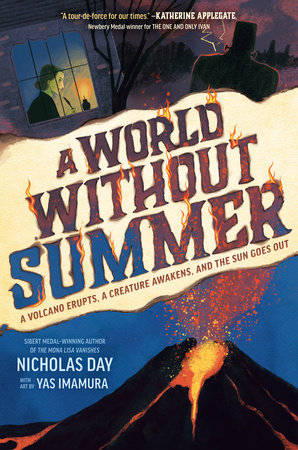
A World Without Summer: A Volcano Erupts, a Creature Awakens, and the Sun Goes Out by Nicholas Day, illustrated by Yas Imamura (Random House, 304 pages, grades 5-8). As he did in The Mona Lisa Vanishes, Nicholas Day connects a work of art with the historical events around it. Here, the story starts in 1815 with the catastrophic eruption of the Indonesian volcano Tambora. The enormous amount of ash and smoke caused changes in the global climate that resulted in droughts, floods, crop failures, and famine in the United States and Europe. The work of art in question is Mary Shelley’s novel Frankenstein, which was published in 1818, and which Day makes a compelling case for having been created from this dark time. Another byproduct of the time was a more scientific study of weather and climate, which is how we know that the climate is changing today. Throughout the narrative, Day pointedly addresses readers, making sure they are paying attention to the parallels of this tragic story with what is going on in our world right now. Includes extensive bibliography, notes, and index.

Since The Mona Lisa Vanishes was one of my favorite nonfiction books ever, I was thrilled to see that Nicholas Day has a new book out, and I was not disappointed.  Okay, I was a little disappointed, not because it wasn’t engaging, well-researched, and fascinating, but because any story that draws my attention to climate change fills me with existential dread in a way that a fun story about the Renaissance, Leonardo da Vinci, and the Louvre could never do. I would love to see this get some Sibert recognition.

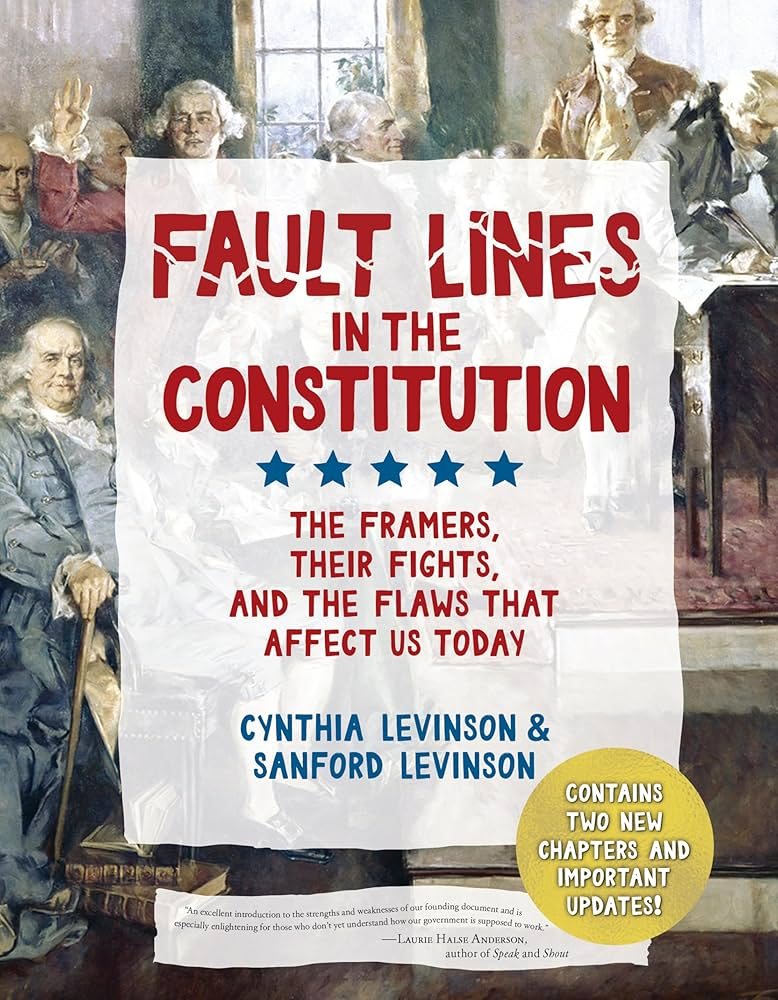
Fault Lines in the Constitution: The Framers, Their Fights, and the Flaws That Affect Us Today by Cynthia Levinson and Sanford Levinson (Peachtree, 2025, grades 6 and up). The Electoral College, lame duck presidents, gerrymandering, unequal representation: despite the best intentions of the Founding Fathers, the U.S. Constitution contains some serious flaws that affect the country today. The authors look at eight different issues, beginning each chapter with an episode from history that reveals the fault line, then going back to the origin of that section of the Constitution, and concluding with a look at how other states and countries deal with those issues differently. In the last part, they grade different parts of the Constitution (spoiler alert: overall, it’s a C-), then debate whether it would be better to call another Constitutional Convention to revisit the entire document or to work on amending it. Includes a timeline, bibliography, notes, and an index.

This is the third edition of the book originally published in 2017, with two new chapters and recent updates (there’s also a graphic novel version). I’m honestly shocked that this didn’t win any awards when it was first published, especially Sibert. The format makes the material engaging and relevant, and it really opened up my eyes to how flaws in the Constitution are causing so many of the problems we see today with voting and Congressional gridlock, among other things. It also made me think about how this makes sense, given how much the country and the world have changed in the last 250 years. This would make a great textbook for middle school and high school civics classes, as well as important reading for any U.S. citizen.

Interlink Publishing and books about Palestine

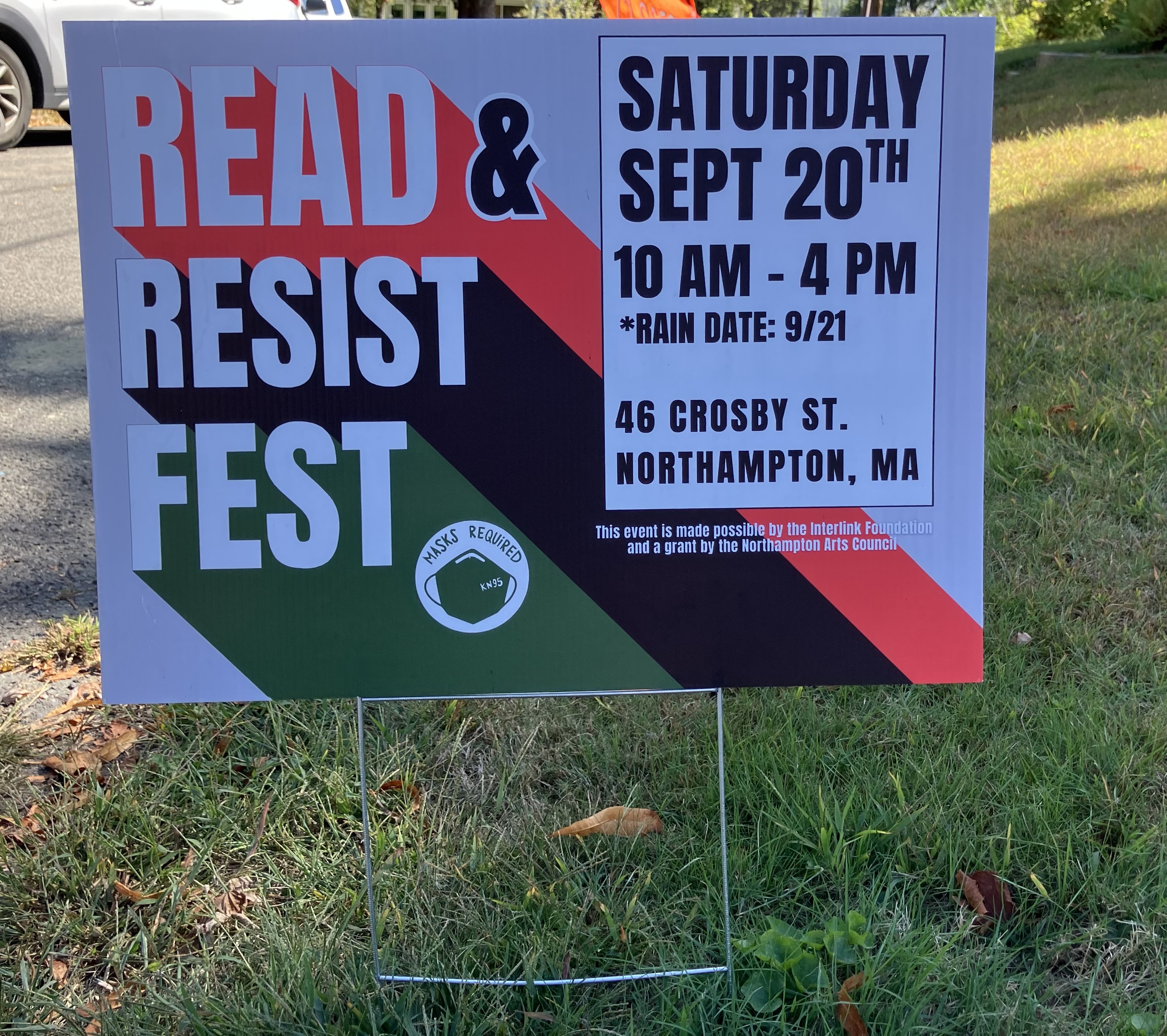
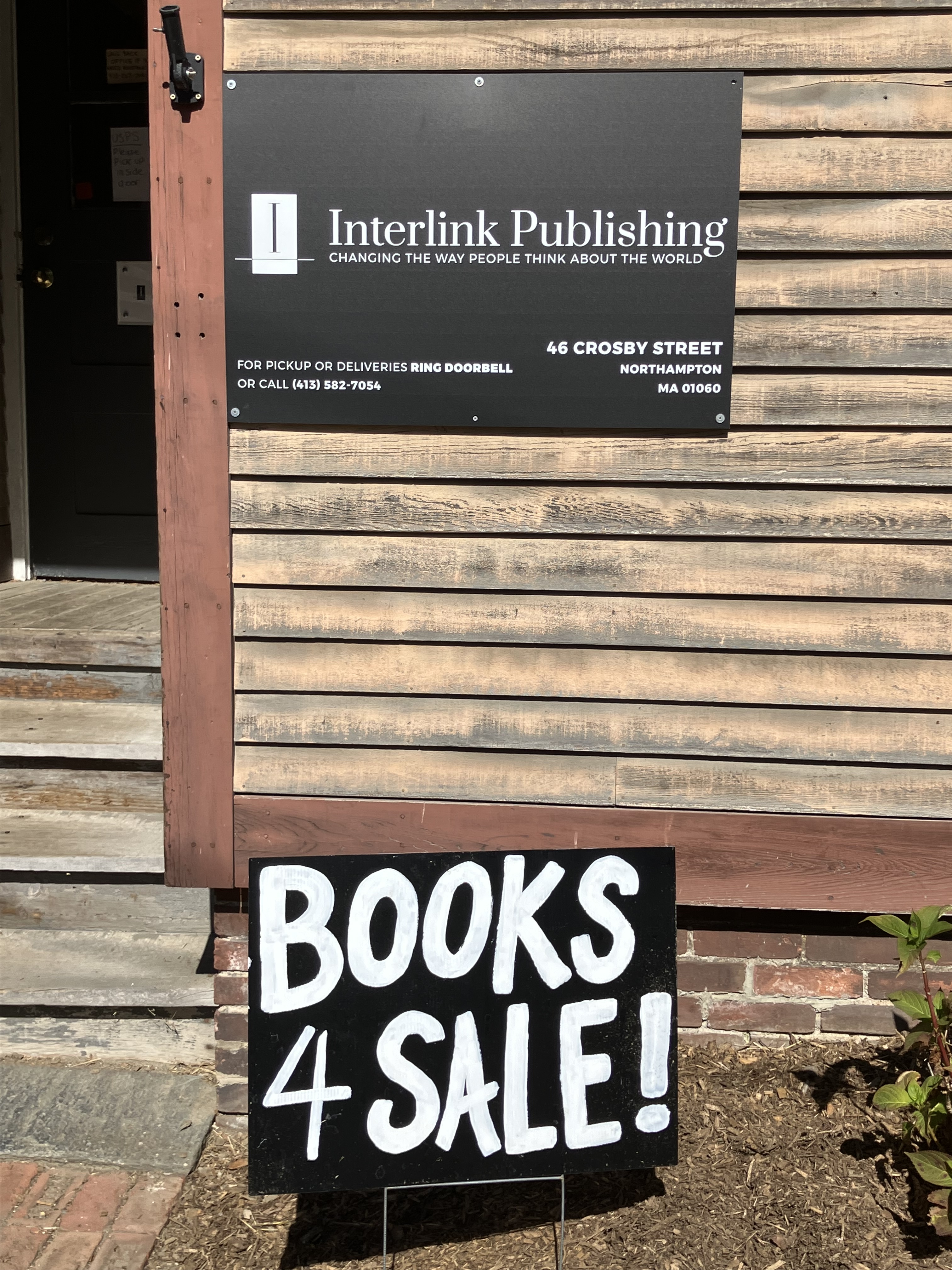
Last weekend, I headed into Northampton, Massachusetts for the Read and Resist Fest at Interlink Publishing. Described as a “social justice and literary festival dedicated to collective liberation,” this event featured booths from vendors and organizations around the Pioneer Valley of western Massachusetts as well as teach-ins and kids’ activities, including a storytime with Hannah Moushabeck reading Homeland: My Father Dreams of Palestine.

Turns out Hannah Moushabeck is one of the owners of Interlink, along with her two sisters and brother-in-law. The publishing company was founded by her father, Michel Moushabeck back in 1987. After emigrating to the U.S. from Lebanon, he couldn’t find a publisher for a book he had written, so he decided to start his own company.  Since then, Interlink has become known for publishing translated literature as well as cookbooks, travel guides, and children’s books.

As the only Palestinian-owned publisher in the United States, Interlink has published a number of books about Palestine for children and young adults under the imprint Crocodile Books. As near as I can tell, there were almost no children’s books about Palestine or Palestinians until just a few years ago, so the book list I’ve put together on the subject is pretty short. Thankfully, Interlink is leading the way in producing high-quality books to help kids learn about the country of Palestine and to empathize with those affected by the injustices and genocide that of course continues today. Here are a few of their recent books for different ages.

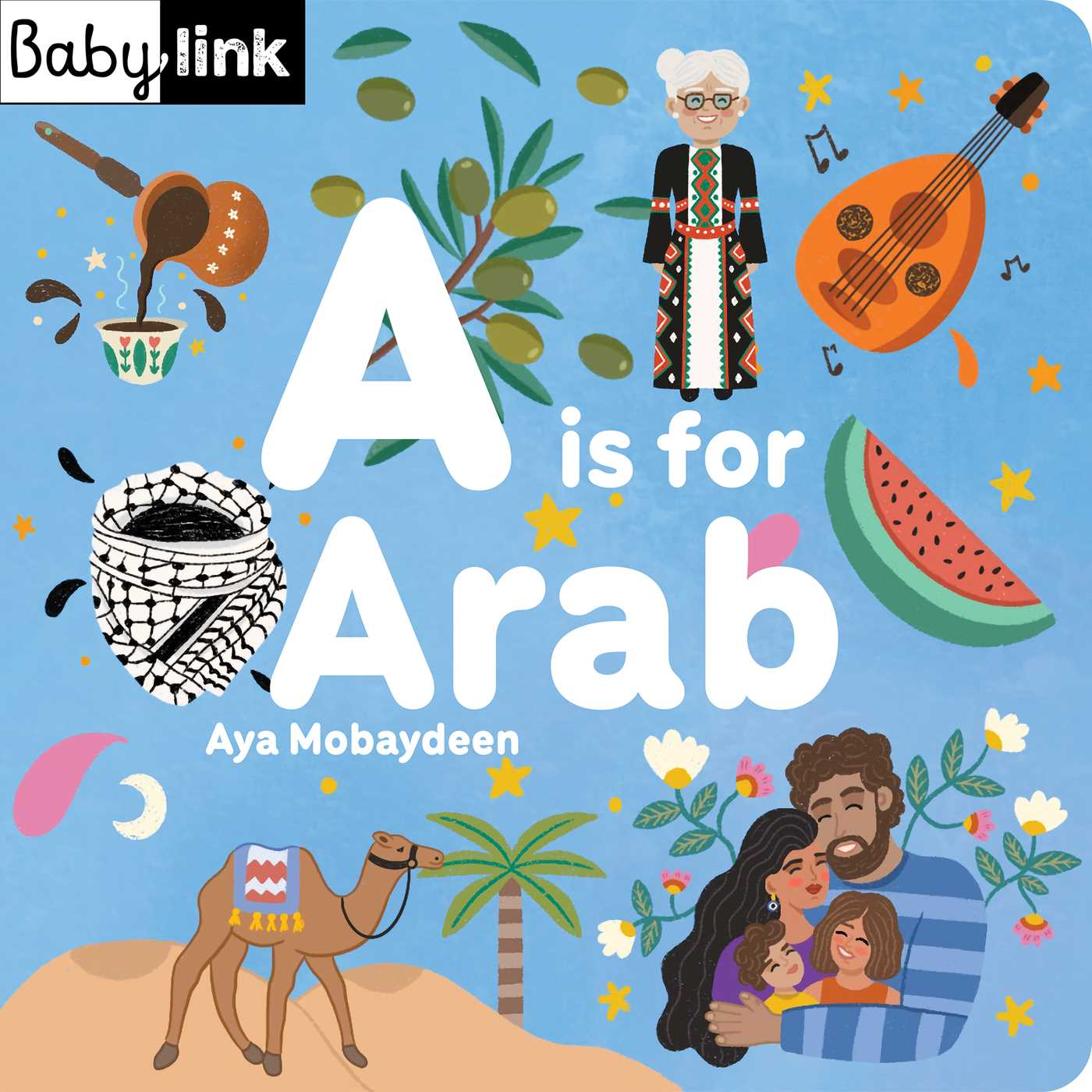
A Is for Arab by Aya Mobaydeen (Crocodile Books, 2025, 16 pages, ages 0-3). From Arab to Zeitoun, this alphabet book offers words and pictures from the Arab world. Most of the pages contain a few words, but P is for Palestine, at the center of the book, stands alone. There were quite a few words I wasn’t familiar with, so this could also serve as a good starting point for non Arabs to learn more about Arab culture.

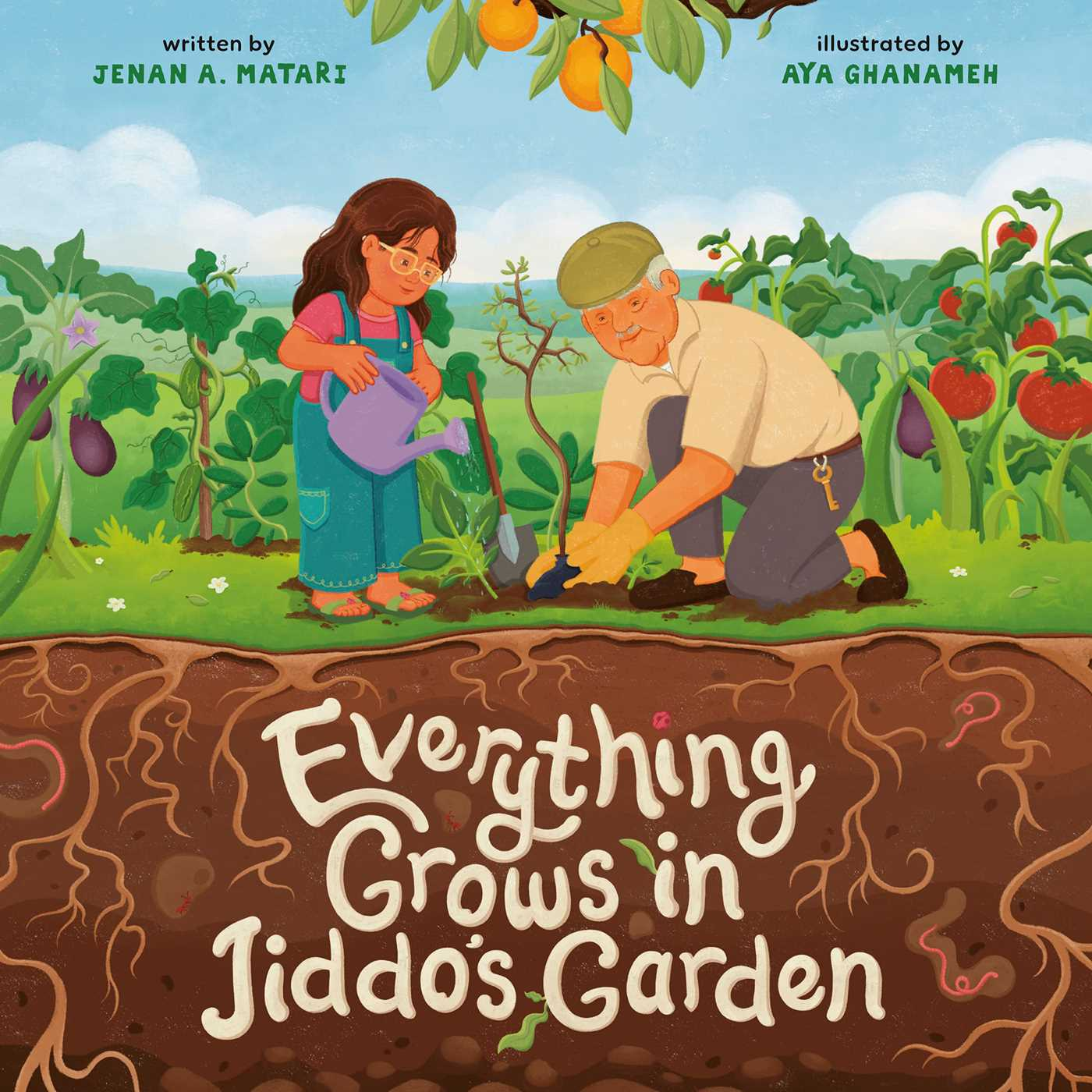
Everything Grows in Jiddo’s Garden by Jenan A. Matari, illustrated by Aya Ghanameh (Crocodile Books, 2025, 32 pages, ages 4-8). In rhyming text, the narrator learns about her family’s home in Palestine through Jiddo’s (grandfather’s) garden. Sometimes Jiddo gets sad remembering his home and his family’s forced departure, but the garden reminds them all of the hope and love they have. Includes an author’s note about her own grandparents and how her Jiddo’s garden saved the family when they were under siege in Jordan.

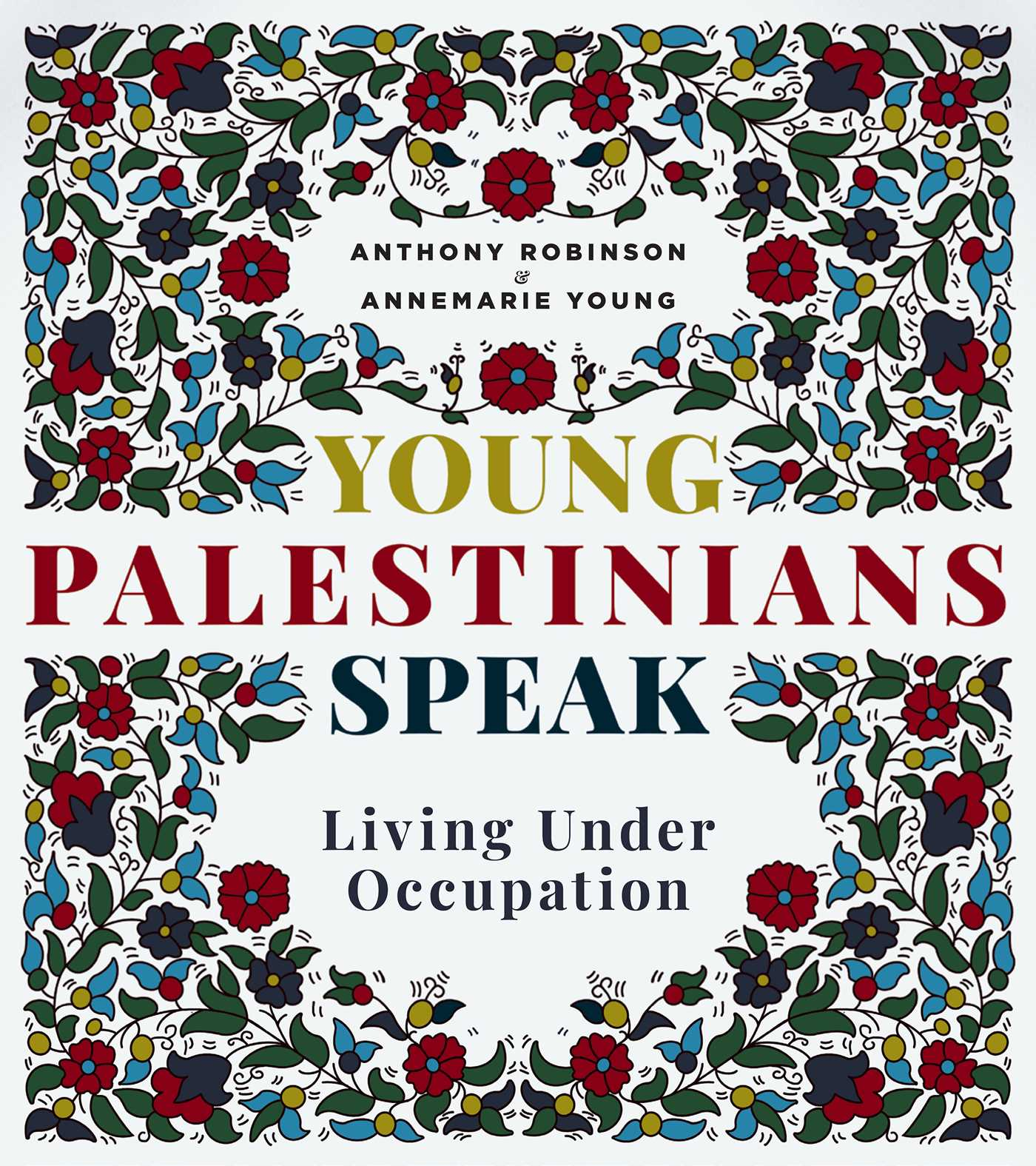
Young Palestinians Speak: Living Under Occupation by Anthony Robinson and Annemarie Young (Interlink Books, 2024 (updated edition), 118 pages, grades 5 and up). I’ve only seen the original 2017 version of this book, but it should be required reading for all Americans, starting with Congress. The authors interviewed young people living in both Gaza and the West Bank about their dreams, fears, and the difficulties of living in an occupied country. Gaza is described repeatedly as “a prison” by the children living there, yet despite their bleak lives, the kids interviewed try to hang onto their hopes and dreams. Equally poignant are the conversations with adults trying to help the kids deal with the many stresses of occupation to preserve some semblance of a childhood.

Courageous women of World War II

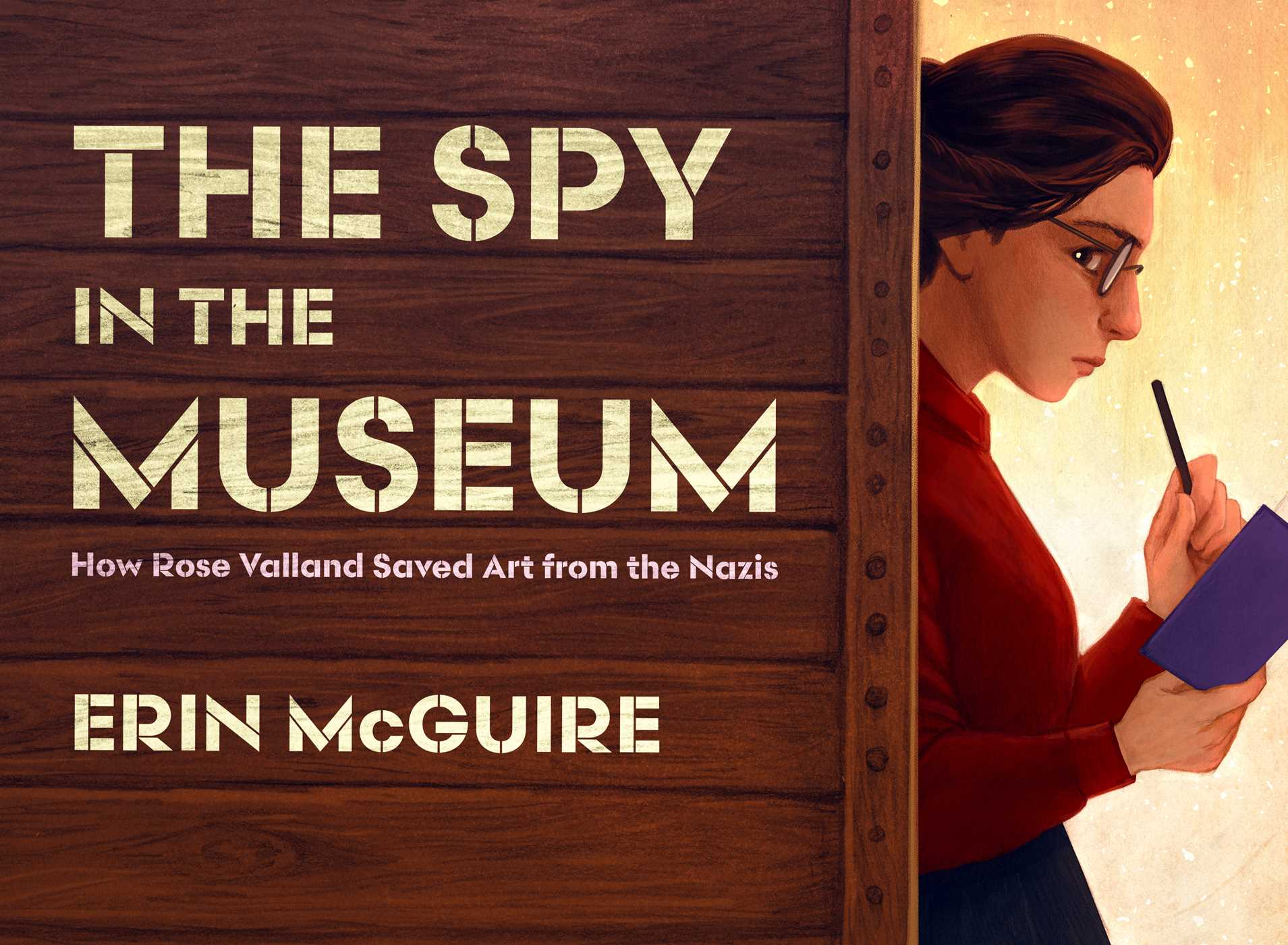
The Spy in the Museum: How Rose Valland Saved Art from the Nazis by Erin McGuire (Beach Lane Books, 40 pages, grades 2-5). Rose Valland loved art. As curator of Paris’s Jeu de Paume Museum, she appreciated all kinds of art: ancient, classical, or modern. Adolf Hitler hated modern art. When Nazis took over Rose’s museum, they fired all the staff except Rose, who was kept on as manager. As they started to steal the art, selling it to fund the war, Rose secretly listened to their conversations and made notes about where the art was going. The soldiers didn’t know she spoke German, but they still became suspicious of her, which put her in grave danger. Towards the end of the war, as the Nazis fled Paris, Rose worked with the French Resistance to stop their final train, loaded with valuable artworks, from leaving the country. For much of the rest of her life, she used her notes to help restore the stolen artworks from around the world. Includes additional information about Rose Valland and the art she worked to save, as well as a list of sources.

This inspiring story is supplemented with interesting and timely questions in the author’s note: why does protecting art matter, and why did the Nazis want to destroy it? The illustrations, many including famous artworks, add to the story and the conversation.

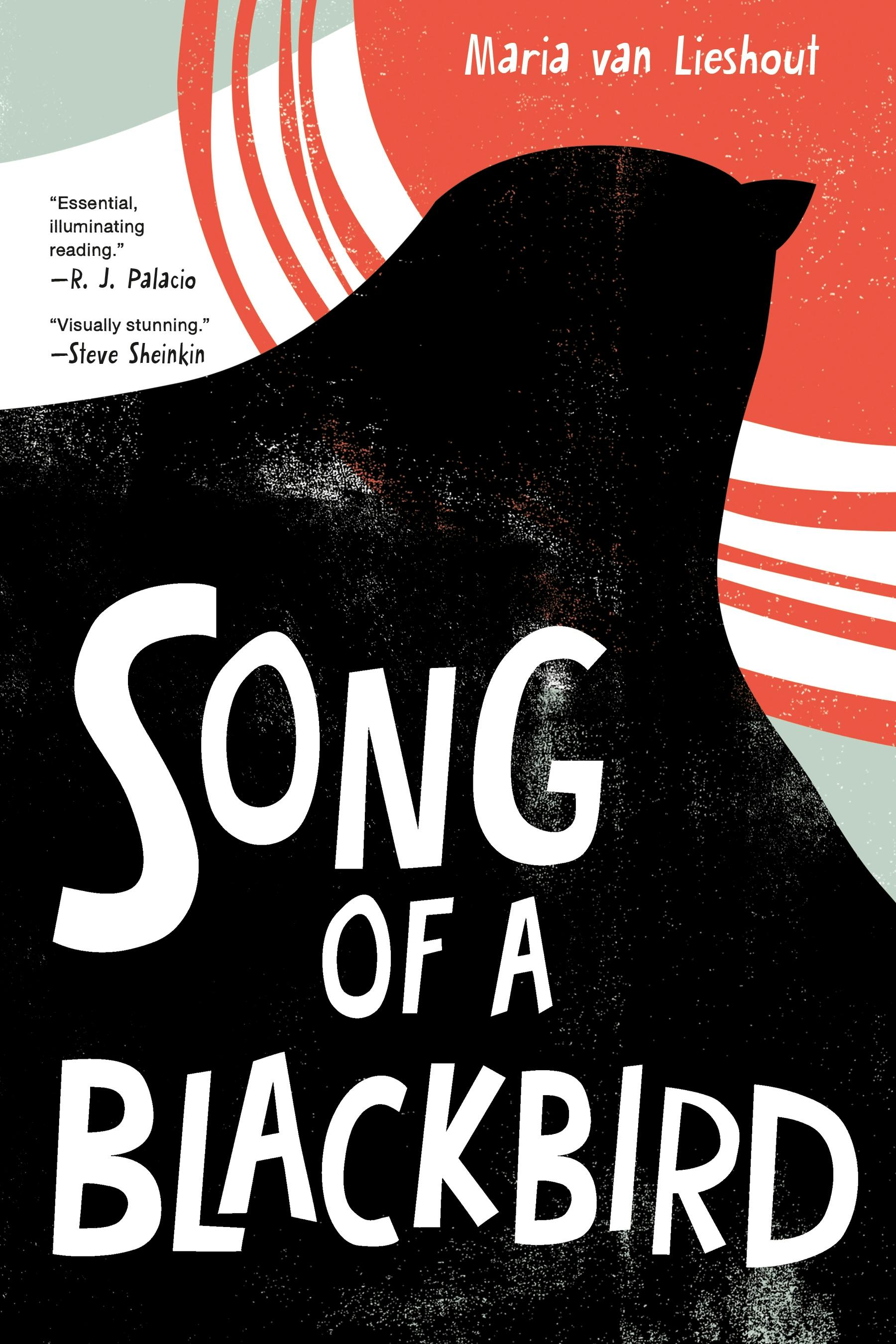
Song of a Blackbird by Maria van Lieshout (First Second, 256 pages, grades 8 and up). The narrative of this graphic novel alternates between 2011 and 1943 Amsterdam. In 2011, Annick is trying to find help for her Oma’s leukemia. When bone marrow tests reveal she was adopted, the two turn to a set of prints from her childhood, each signed by “Emma B.” to try to learn more about her past. Emma is the 1943 protagonist, an artist and student whose education is interrupted by the Nazi invasion of the Netherlands. She uses her talents to aid the Resistance, helping to create false documents and working to rescue children whose parents are being sent to concentration camps. A blackbird that represents art and creativity narrates, showing how his gifts help those in the darkest of circumstances. The two stories eventually meet, and the reader learns the fate of all the characters in a moving epilogue. Includes extensive back matter about the buildings pictured in Oma’s prints and the real-life people on whom Maria van Lieshout based her story.

I learned about this book when the National Book Award Longlist was announced a couple of weeks ago, and it absolutely blew me away. I truly can’t imagine creating this impeccably researched historical fiction, with its two riveting narratives, each one portrayed in its own color palette. Usually I’m rooting for a middle grade win over YA, but this is a compelling choice for sure. Although both books take place over 80 years ago, their stories speak to the timeless power of art and will surely inspire those fighting to create a brighter world.

Hopeful books for difficult times

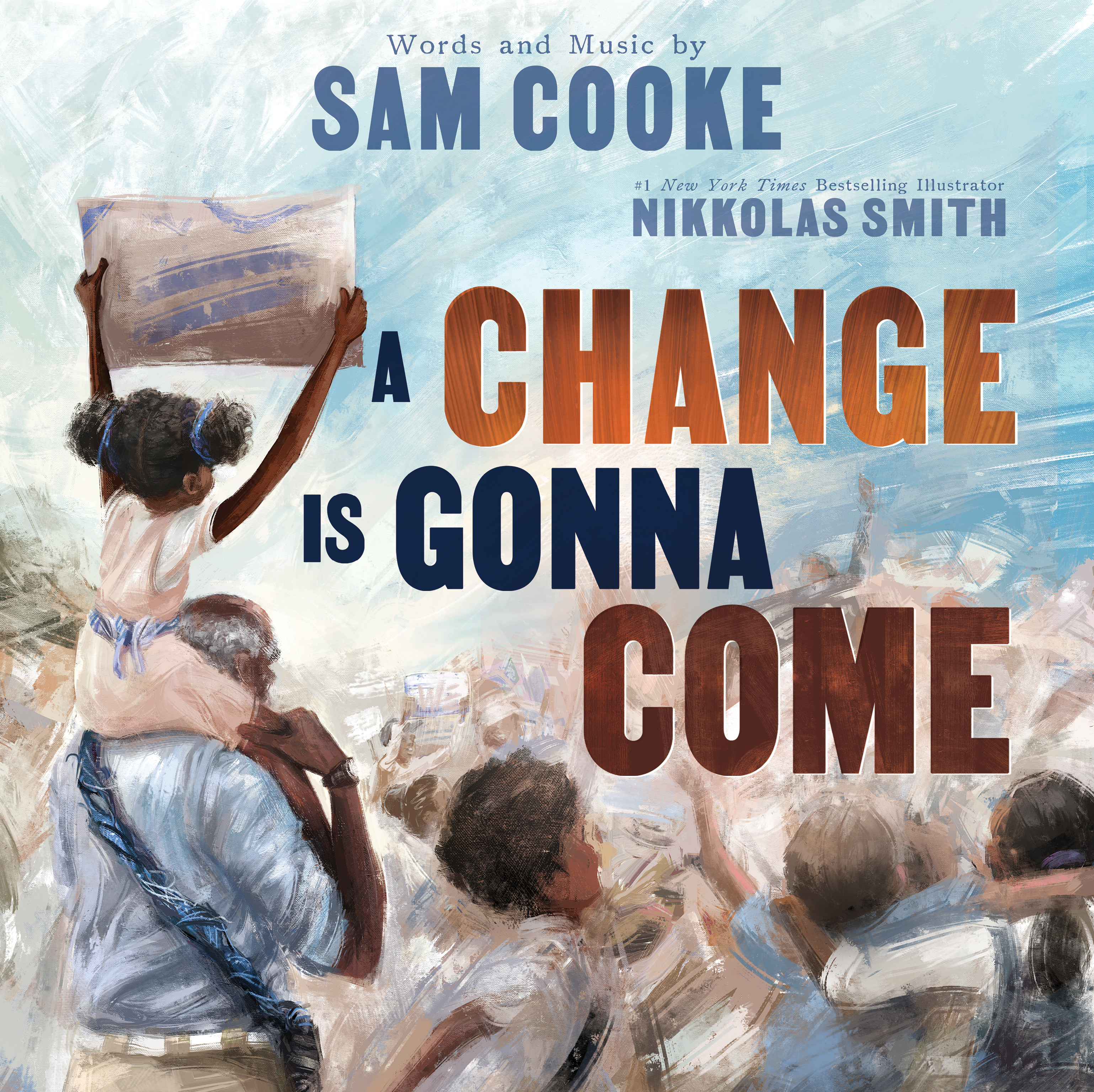
A Change Is Gonna Come words and music by Sam Cooke, illustrated by Nikkolas Smith (little bee books, 32 pages, all ages). Nikkolas Smith provides an illustrated version of the classic Sam Cooke song, with images of famous people and places from the civil rights movement. In the first few pages a boy, identified in the back matter as photographer Gordon Parks, finds a camera, which he later uses to photograph history. The pictures capture the song’s juxtaposition of despair and hope, with portrayals of Jim Crow laws in action and Medgar Evans’ funeral alongside those showing the March on Washington and the signing of the Civil Rights Act. Includes notes from the estate of Sam Cooke and from Nikkolas Smith, two pages of additional information about the people and events pictured, and a QR code that allows readers to hear the song.

Just like the song, this book packs a powerful punch, and made me think of Smith’s book The Artivist in which the narrator says, “I want to hold up a mirror to the world and show everyone what isn’t working right.” You’ll need multiple readings, including the back matter, to really get the full impact of this book, which I hope will be considered for both Caldecott and Coretta Scott King recognition. 

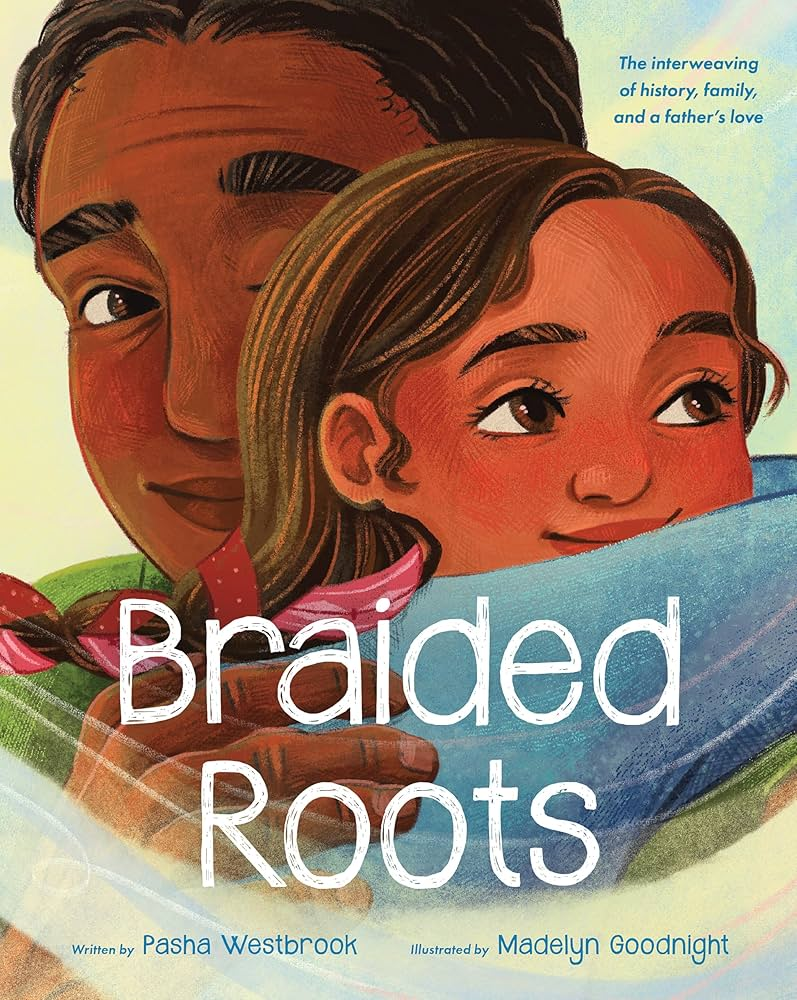
Braided Roots by Pasha Westbrook, illustrated by Madelyn Goodnight (Orchard Books, released November 4, 40 pages, ages 4-8). As her father braids her hair, a girl reflects on her family’s heritage, comparing the strands of her braid to DNA. Her ancestors include both enslaved people and those who walked the Trail of Tears. As Daddy finishes the braid, he tells her to be careful, because with such a strong braid, “You just might change the world.” Includes an author’s note about her inspirations from her own family, which included ancestors who were enslaved, mixed-race Black, Chicksaw, and Choctaw, and her single father who raised her and her three brothers, as well as an illustrator’s note.

This lovely family story reminded me of Hair Love by Matthew A. Cherry, which also features a father doing his daughter’s hair and My Powerful Hair by Carole Lindstrom, which explores the belief of Indigenous Americans that hair is a source of strength and memories. Kids may need some additional information to understand part of the story about the narrator’s ancestors, but this would be a good book to read to inspire them to investigate their own heritages.

Creating community

No More Chairs by Dan Gill, illustrated by Susan Gal (Little, Brown Books for Young Readers, 40 pages, grades K-3). On the first day of school, Mr. Gill’s students ask him why there’s an extra chair at the front of the room. He tells a story of when he was a kid, and he went to a birthday party with his best friend Archie. At the door, the host’s mother stared at Dan, who was white, and Archie, who was Black. “You can come in,” she told Dan, “but your friend cannot, because there are no more chairs.” At first Dan doesn’t understand, although Archie seems to, and he offers to bring a chair from home or sit on the floor. But when the mom is adamant, Dan finally realizes what’s going on. “Give these presents to Steve,” he says. “We’re going back to my house, where there are always enough chairs.” On the way home, Archie tells Dan he will speak up for him if Dan ever feels like he can’t speak for himself, and the two friends share a big bowl of ice cream. And that’s why, Mr. Gill explains, he always keeps an extra chair in the classroom, to make sure that everyone knows that there are always enough chairs, and everyone is welcome. Includes an author’s note of how he always told this true story from his childhood to his classes on Dr. Martin Luther King, Jr.’s birthday to help them understand the meaning of the day.

Use this short but powerful tale to either kick off the school year with a message of inclusion or to begin a conversation about the civil rights movement. It’s a story that will resonate with kids of all ages, as well as with adults, and points to the importance of people with privilege speaking up for those who are being marginalized.

Sunnyside School: A Community Helpers Book by Lindsay Ward (HarperCollins, 40 pages, grades K-3). Welcome to Sunnyside School! The first two pages show 39 different jobs that people have at the school. Then the story begins, with siblings Ali and Matty starting second grade and kindergarten, getting walked into the school by their mom. As the two go through their day, they meet all kinds of people: front office staff, classroom teachers, specialists, cafeteria staff, and more. Sidebars give additional information about their jobs, while questions are sprinkled throughout the text to keep kids engaged, and characters talk to each other via cartoon bubbles. Ali’s best friend has just moved away, and Matty’s going to school for the first time; each of them is successful and finding a new friend. At the end of the day, both kids meet their mom and report an excellent first day. Includes a search and find activity for kids to go back and find things like pencils and backpacks in the book, as well as a glossary.

This is an outstanding introduction to all the people who work in a school woven into a first day of school story that kids will relate to. I thought about reading this to kids at the beginning of school, but there’s so much information packed into it that it almost felt overwhelming to read it all in one sitting. it would be a great book to revisit a few times during the first week or two of school, as well as a good one to share with kids at home before their first day.

Two books for LGBTQ+ collections

Trans History: A Graphic Novel: From Ancient Times to the Present Day by Alex L. Combs and Andrew Eakett (Candlewick, 384 pages, grades 8 and up). The title gives a pretty good idea of what this book is: a graphic novel of trans history, starting in ancient times and going to the present, with an emphasis on western cultures. Much of the history is told through the stories of individuals, from ancient Egyptian pharaoh Maatkare Hatshepsut, “a person who was raised to be a queen but instead became a king” to Adelaide/Alexina/Camille/Herculine Barbin, a French intersex woman from the 19th century to trans activists of the twentieth century like Marsha P. Johnson and Sylvia Rivera. Their stories give some idea about beliefs and treatments of trans people were like at that time. The final chapter profiles present-day activists, each of which is written in their own voice. Includes many pages of source notes and a lengthy index.

I often reflect on how much I’ve learned from the thousands of books I’ve read for this blog, and nowhere is this more apparent than in my greater understanding of trans people. Authors like Alex Gino and Kyle Lukoff have helped me understand what it’s like to be a trans kid, and now Alex Combs and Andrew Eakett have added a whole new level of understanding with this outstanding graphic history. Focusing on individuals makes for a fascinating read, and the interviews with contemporary activists are compelling. It’s a huge amount of information, occasionally a bit overwhelming, but definitely an important book to educate readers in such an engaging format.

Athlete Is Agender: True Stories of LGBTQ+ People in Sports edited by Katherine Locke and Nicole Melleby (Christy Ottaviano Books, 224 pages, grades 5-8). In 22 essays, LGBTQ+ people tell the stories of their athletic experiences. Most of the narratives lift up supportive teammates, but there are also examples of bullying and prejudice encountered in sports. Interspersed with personal essays are brief biographies of successful LGBTQ+ athletes like tennis player Billie Jean King, WNBA players (and married couple) Courtney Vandersloot and Allie Quigley, and Olympic gold medalist rugby player and trans activist Ellia Green. The sports are varied: sled dog racing, water fitness, longboarding, and sailing, among others, and each athlete’s experience is equally unique. Introductory material includes a note on pronouns and the history of Title IX, and in the back you’ll find profiles and photos of all the contributors, information on how to be a good teammate and ally, steps to take to form a Queer Athletics Alliance or Gender and Sexuality Alliance at your school, and source notes.

I loved this positive presentation of sports, an area that has been particularly fraught for LGBTQ+ participants, especially trans athletes. The writers are honest about their experiences, and the way gender divisions in sports often made them feel uncomfortable. Each essay could stand on its own as a powerful argument for inclusion in sports, but taken all together that argument becomes all the more compelling.

A pair of books for the first day of school

When You Go to Dragon School by Chelsea M. Campbell, illustrated by Charlene Chua (Feiwel and Friends, 32 pages, ages 3-8). When the local school is too full, a group of kids decide to go to dragon school instead. The narrator tells them what they’ll learn: breathing fire, sleeping on piles of gold, sharpening claws and polishing scales, and flying in formation. But wait a minute–kids can’t do those things! The narrator admits that the dragons might think the kids are too squishy and kind of weird for not being able to do breathe fire or fly. But, wait again–maybe the kids could teach the dragons how to make s’mores with their fire. Or make a pillow fort on that pile of gold. Or fly on their backs to help them with their synchronized flights. So don’t worry, the narrator concludes, everyone’s going to love you.

Striking just the right tone for first-time students, this book acknowledges anxieties while encouraging kids to use their own strengths to make friends and enjoy all aspects of school. The smiling dragons are cute and welcoming and not the least bit scary.

First Day Around the World by Ibi Zoboi, illustrated by Juanita Londoño (Versify, 48 pages, grades 1-4). Kids around the world recount the different parts of the first day of school. As the sun rises over eastern Africa, children wake up and greet each other in Swahili. Moving west, we see students in Mali and Senegal traveling to school on foot and by boat. As the day goes on, readers travel to the Middle East, Asia, Europe, and the rest of the world’s continents (even Antarctica!) as kids around the globe share the foods they eat, the history they learn, the languages they speak, and the customs they observe. As the sun sets in Alaska, a sleepy child gets tucked into bed, ready to rest and prepare for another day of learning. Includes an author’s note recounting her school days in Haiti and the United States.

I love the idea of this book, and the text and colorful illustrations introduce a wide range of places and schools. I wish there had been maps on each page to show the locations, with a world map at the end to put it all together. I also had high hopes for this being a good read-aloud at the beginning of school, but I think the length and introduction of so much new information could make it difficult to keep kids’ attention.

Making a difference

The Music Inside Us: Yo-Yo Ma and His Gifts to the World by James Howe, illustrated by Jack Wong (Harry N. Abrams, 48 pages, grades 1-5). Growing up in Paris and New York City, Yo-Yo Ma showed his musical gifts early, playing cello from the age of 4, performing for President John Kennedy at 7, and debuting at Carnegie Hall at 15. But Yo-Yo wanted more than just the life of a musical prodigy. As a teen, he started questioning who he was, aside from being an obedient son and a cellist. He studied anthropology at Harvard and learned about music as a universal language. As an adult, Yo-Yo has used his music to bridge the gaps of culture, language, and generations. He continues to develop his musical gifts and to share them with people of all ages from all over the world. Includes a timeline, notes from the author and illustrator, and lists of additional resources.

I love how this book shows how Yo-Yo Ma, an incredibly talented and hard-working musician from an early age, has never rested on his laurels, but has used music in innovative ways to have positive impacts on the world. Through his appearances on Mr. Rogers, Arthur, and Sesame Street, his creation of Silkroad Project to bring together musicians from around the world, and his performances of “Songs of Comfort and Hope” during the pandemic, Yo-Yo shows us all how to use our unique talents in creative and powerful ways.

The Friendship Train: A Story of Helping and Healing After World War II by Debbie Levy, illustrated by Boris Kulikov (Bloomsbury Children’s Books, 48 pages, grades 2-5). In the fall of 1947, Europeans were facing a winter of hunger due to postwar devastation. Journalist Drew Pearson had the idea of creating a Friendship Train that would start in California and travel to the east coast, stopping along the way to pick up donations of food from across the U.S. While Mr. Pearson initially worried that there wouldn’t be enough donations to fill a boxcar, the final collection was enough for 500 boxcars. The food was transferred onto ships which sailed for Europe in December of 1947 and brought welcome relief to Europeans. The French people reciprocated with a Merci Train, collecting and shipping gifts in 1949 that were distributed all around the US. Includes a two-page author’s note with additional information about the Friendship Train and ways readers can address the problem of hunger today, as well as a list of sources and a bibliography.

This well-researched book tells a heartwarming story of Americans rising to the occasion to help Europeans get through the winter before the Marshall Plan was implemented. It would make a great read-aloud for Thanksgiving or the December holidays. My curiosity led me to read more about Drew Pearson, who sounds like a remarkable person deserving of his own biography. I also learned that his wife Luvie was equally involved in the project, although she’s not mentioned in this story. And if you want to find out about what happened to the Merci Train donations to your state, you can learn about it here.