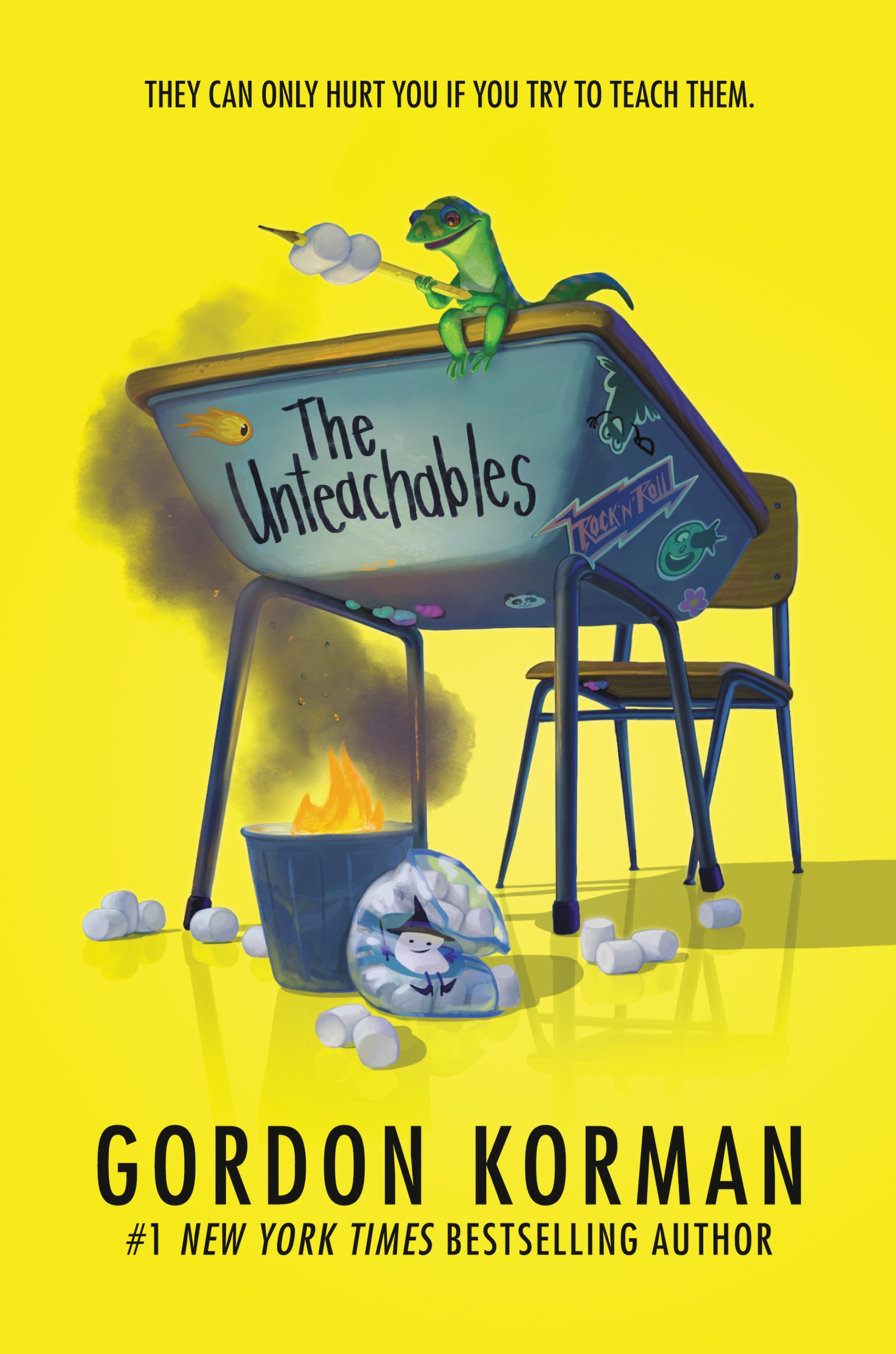
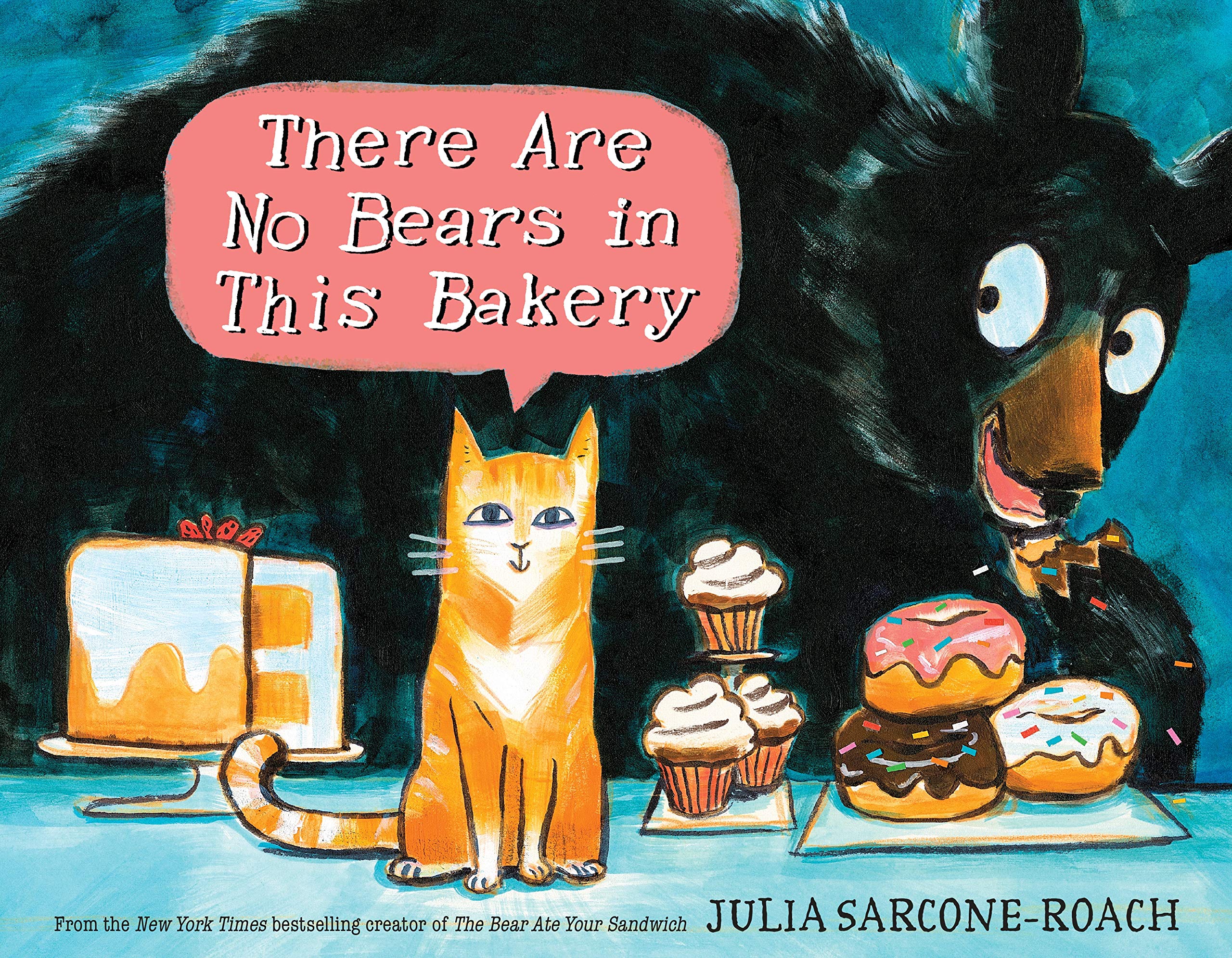
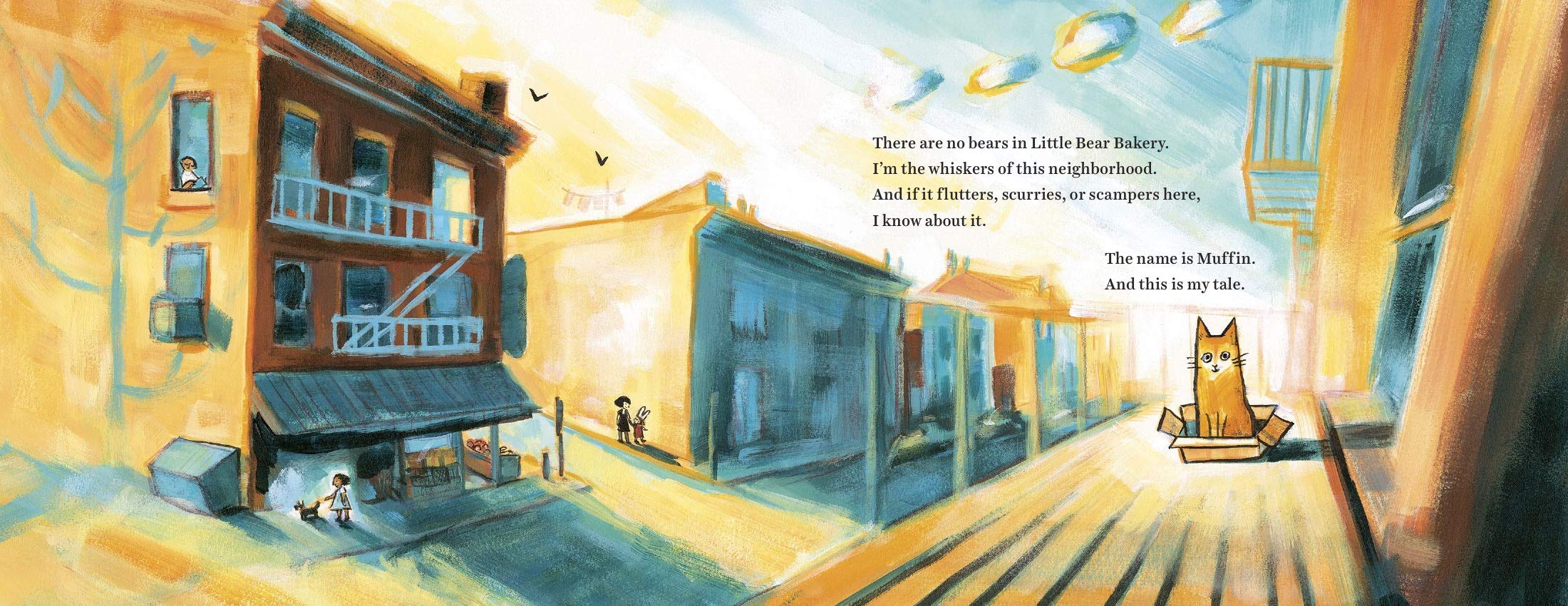
The Season of Styx Malone by Kekla Magoon

Published by Wendy Lamb Books

Image result for season styx malone amazon

Summary:  Caleb and his older brother Bobby Gene are delighted to meet 16-year-old Styx Malone one day in the woods near their house.  They’re looking to unload a bag of fireworks they won, but that their parents won’t let them keep, and Styx has some good ideas.  He tells the younger boys if they keep trading for something slightly more valuable, they’ll eventually be able to get a new moped that the three of them can share.  Caleb in particular has a worshipful admiration of Styx, whose free-and-easy ways contrast with the boys’ strict parents.  Caleb’s modest wish is to go to the Indianapolis Children’s Museum, but his father insists it’s safer for African-American boys to stay in their small town where everyone knows them.  As the summer goes on and Styx’s plans grow increasingly daring–and dangerous–Caleb and Bobby Gene have to make some tough choices about where their loyalties lie.  When tragedy strikes, the boys learn the truth about Styx and gain a new appreciation for their family and for each other.  304 pages; grades 4-7.

Pros:  Caleb is an engaging narrator, and there’s plenty of fun to be had before things get a bit more serious.  Many readers will figure out Styx’s troubled life in the foster system before Caleb and Bobby Gene do, but don’t worry, there is ultimately a happy ending.

Cons:  The story has a contemporary setting, but the boys seem to have a lot of freedom to wander around all day on their own (particularly given their strict parents), and Styx is constantly chewing on candy cigarettes, which don’t seem like they’d be readily available in their small Indiana town in the 21st century.

If you would like to buy this book on Amazon, click here.
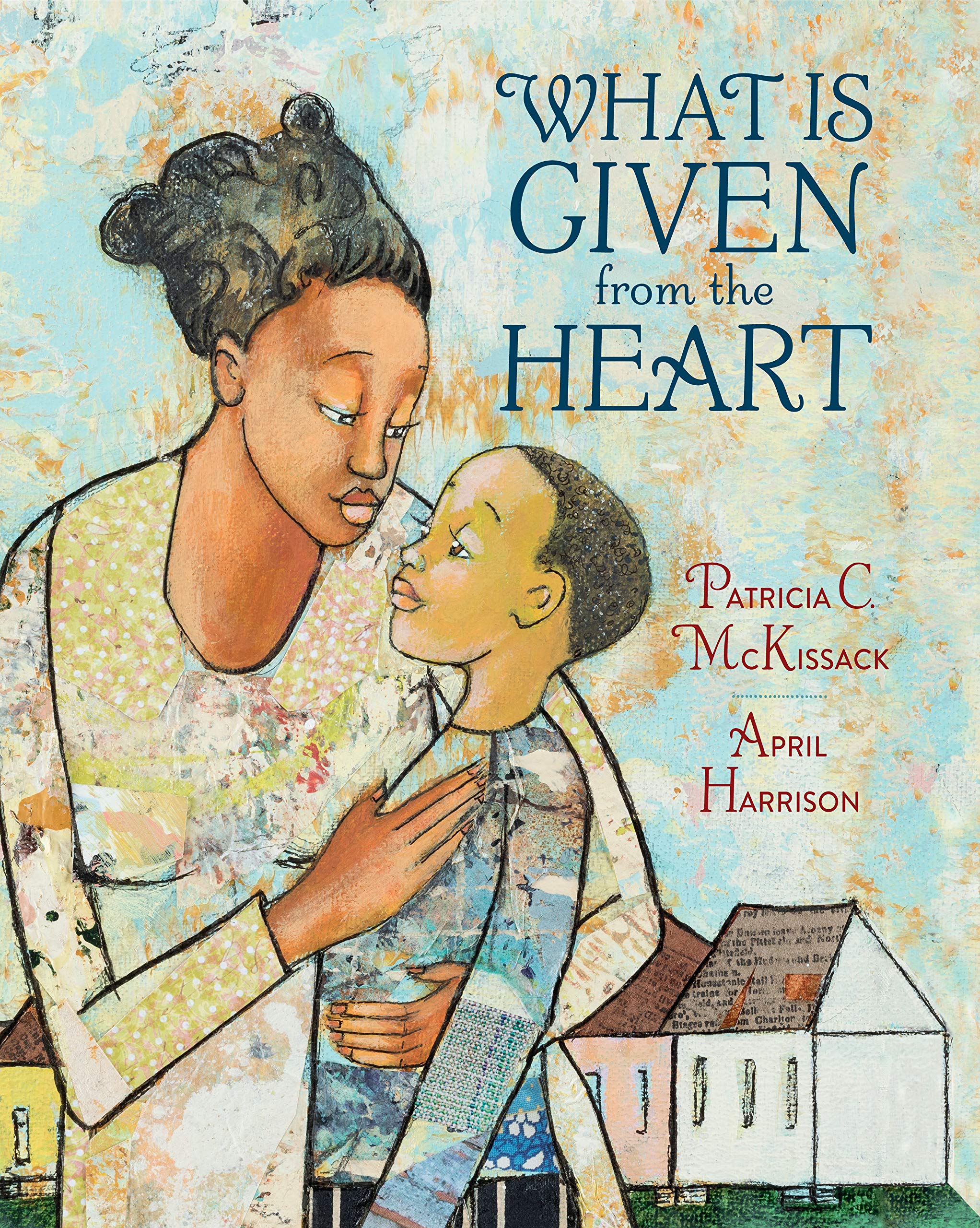
 

Imagine by Juan Felipe Herrera, illustrated by Lauren Castillo

Published by Candlewick

Image result for imagine herrera amazon

Image result for imagine lauren castillo

Summary:  Former U.S. Poet Laureate tells the story of his life in a poem inviting readers to imagine his past and their own futures.  Starting off as a little boy who loved nature (“If I picked chamomile flowers as a child/in the windy fields and whispered/to their fuzzy faces,/imagine”), he shows his life as a child of migrant farm workers, having to repeatedly leave his home and friends, and going to school not knowing any English.  He loved his new language, using it to write poetry, then learning music so he could turn his poems into songs. Each sentence ends with the word “imagine”. He concludes: “If I stood up/wearing a robe/in front of my familia and many more/on the high steps/of the Library of Congress/in Washington, D.C., and/read out loud and signed/my poetry book/like this–/Poet Laureate of the United States of America/Imagine what you could do.”  32 pages; grades K-5.

Pros:  This picture book-length poem allows Herrera to tell his own amazing story as well as to inspire kids to follow their own dreams.

Cons:  I almost cried when I got to the end and there was no author’s note or biography to give more information about Herrera.

If you would like to buy this book on Amazon, click here.

Best Friends in the Universe by Hector and Louie also by Stephanie Watson, with drawings by Le Uyen Pham

Published by Scholastic

Image result for best friends in the universe amazon

Image result for best friends in the universe pham

Summary:  Hector and Louie are such good friends, they want to tell you all about it, so they’re writing a book called Best Friends in the Universe.  Why are they best friends? There are five million reasons! They both want a python; their moms got them both a fish instead (that they both named Python); they both love dance parties and inventing new foods like a peanut butter toast milkshake.  They’re such good friends that they know each other’s secrets…like that Louie once wet his pants after drinking too much milkshake and that Hector likes Linda Berger. Uh-oh, they weren’t supposed to say that! Suddenly the best friends are in a fight and not speaking.  They’re even writing a book called WORST Friends in the Universe! But after awhile, the two boys realize life without a best friend is lonely. Acknowledging that they are both not the greatest at keeping secrets, they patch up their friendship. The book is over, but their friendship is not!  40 pages; ages 4-8.

Pros:  Some positive messages about friendship and forgiveness, told with exuberant cartoon bubbles and illustrations that look like kids’ drawings on notebook paper.

Cons:  A peanut butter toast milkshake?

If you would like to buy this book on Amazon, click here.
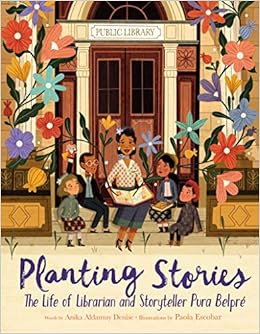
 

What Do You Do With A Voice Like That? The Story of Extraordinary Congresswoman Barbara Jordan by Chris Barton, illustrated by Ekua Holmes

Published by Beach Lane Books

Image result for what do you do with a voice like that amazon

Image result for what do you do with a voice like that amazon

Summary:  From an early age, Barbara Jordan had a powerful voice.  As she grew up, she had to figure out how she would use it: as a teacher?  A preacher? Finally, she decided to become a lawyer. But the work bored her.  She moved into politics, instead–or at least she tried to. It took three attempts, but she finally won a seat in the Texas Senate.  From there, her voice took her to the U.S. Congress. She used that voice to speak out against Nixon in 1974. Barbara’s star was rising, but, unknown to the public, she suffered from multiple sclerosis.  She retired from Congress in 1979 and moved back home, where she taught at the University of Texas. Jordan died in 1996, but her legacy lives on through her former students. Includes an author’s note, timeline, and additional sources.  48 pages; grades 2-6.

Pros:  One huge benefit of doing this blog has been learning about so many inspiring people whom I have heard of but didn’t really know much about.  Here is a perfect example, and it is beautifully and imaginatively illustrated by Caldecott honoree Ekua Holmes.

Cons:  Too bad Barbara Jordan isn’t still around to lend her inspiring voice to the current political discourse.

If you would like to buy this book on Amazon, click here.
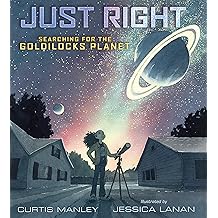
Quiet by Tomie dePaola

Published by Simon and Schuster Books for Young Readers

Image result for quiet tomie depaola amazon

Image result for quiet tomie depaola amazon

Summary:  A grandfather is walking with his two grandchildren.  They notice how everything around them is busily moving: birds fly, the dog runs, a frog jumps, and dragonflies beat their wings. Grandfather suggests they sit and rest, so they find a seat on a bench under a tree.  They notice the birds have quieted down, and their dog is taking a nap. The frog is sitting on a lily pad, and the dragonflies are resting nearby. The kids notice they can think and see when they’re still, and the book concludes that “To be quiet and still is a special thing.”  32 pages; ages 3-8.

Pros:  A simple, quiet book to encourage kids to stop and be still once in a while.  Tomie dePaola’s peaceful illustrations complement the text perfectly.

Cons:  There’s not much of a story, just a simple lesson.

If you’d like to buy this book on Amazon, click here.
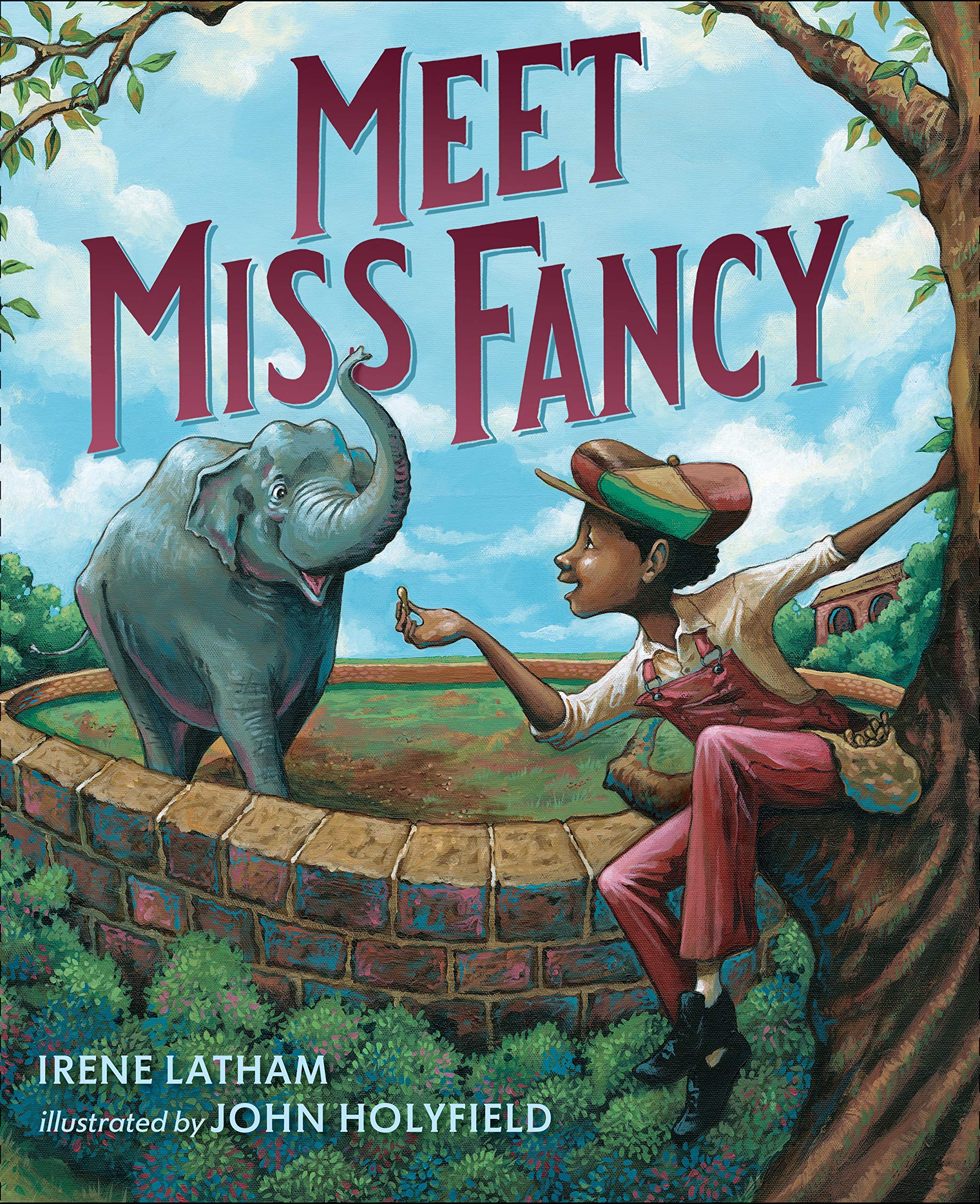
Starstruck: The Cosmic Journey of Neil DeGrasse Tyson by Kathleen Krull and Paul Brewer, illustrated by Frank Morrison

Published by Crown Books for Young Readers

Image result for starstruck neil degrasse amazon

Image result for starstruck frank morrison

Summary:  Growing up in the Bronx, young Neil DeGrasse Tyson only saw a few stars in the night sky.  He couldn’t believe his eyes when he visited the Hayden Planetarium at age 9 and saw how many stars were really there.  From that time on, Neil was fascinated by astronomy. His parents supported him, buying him a telescope and books, and a sixth-grade teacher suggested he take an advanced class at the planetarium.  He went on to the Bronx High School of Science and Harvard, where he learned all he could about science, while also enjoying dancing and wrestling. Eventually, he wound up back at the Hayden Planetarium as a director, and has become a voice for science, appearing on TV and writing books and tweets to share his enthusiasm.  In life and in the universe, says Tyson, “It’s always best to keep looking up.” Includes an authors’ note and sources.  48 pages; grades 1-5.

Pros:  The authors show how Tyson turned his passion into a rewarding career through hard work and determination.  The illustrations capture his energy, as well as the beautiful night sky.

Cons:  I often see books like this recommended for grades K-3 (all the reviews I looked at, as well as Amazon, had that range for their recommendations).  I find picture book biographies are appreciated by upper elementary and middle school students even more than the younger ones.

If you would like to buy this book on Amazon, click here.
Mapping Sam by Joyce Hesselberth

Published by Greenwillow Books

Image result for mapping sam amazon

Image result for mapping sam

Summary:  After Sam’s family is asleep, she slips outside for some nighttime feline adventures.  Maps are used to enhance her journey: a map of her route, a map showing what Sam looks like inside; a map of what’s under the pond she visits, as well as one of a molecule of water in the pond.  As Sam ponders the night sky, there are maps of the larger world and universe: the earth, the planets, and constellations. Finally Sam heads back inside to join her family in sleep and dreams, and the author concludes with the question, “Can you map a dream?  You might try.” Includes additional information about each map shown in the book. 40 pages; ages 4-8.

Pros:  A clever and engaging introduction to maps.  The author defines a map as “a picture, usually on a flat surface, that shows what is where and how to get from here to there”, and this broad definition allows her to show how maps are useful in many different areas of life.

Cons:  It would have been helpful to have that definition at the beginning rather than the end.  I found myself thinking, “That’s not a map!” as I read the book until it became clear on the last page.


Anne Frank’s Diary: The Graphic Adaptation adapted by Ari Folman, illustrations by David Polonsky

Published by Pantheon

Image result for diary anne frank graphic novel amazon

Image result for diary anne frank graphic novel

Image result for diary anne frank graphic novel

Summary:  In his adaptor’s note, Ari Folman describes how he was approached by the Anne Frank Fonds (Foundation) to create an animated film for children as well as a graphic novel based on Anne’s life.  He estimated that turning the entire diary into a graphic novel would have taken about ten years and resulted in 3500 pages. Instead, he took the essence of Anne’s diary, beginning shortly before she and her family went into hiding and continuing until her last entry before all the members of The Secret Annex were arrested in August 1944.  Although life in the annex was extremely stressful–not only was it a matter of life and death to stay hidden, but day-to-day life was monotonous, there were plenty of squabbles among the eight people, and the food situation grew increasingly worse–Anne manages to find a great deal of humor and insight as she observes her family, the van Daans, and Albert Dussel. The afterword, as ever, is heartbreaking, as the reader learns of the tragic deaths of Anne, her mother and sister, Dussel, and the Van Daans, and of Otto Frank’s discovery and publication of her diary.  160 pages.

Pros:  I was skeptical about how Anne’s diary would translate into a graphic novel, but both the adapter and the illustrator have done a truly amazing job.  Despite the grim topic, there is a lot of levity in both the text and illustrations, and the approximately 5% of the original document that is shown here really captures Anne’s voice and spirit.

Cons:  It’s hard to recommend this for an age group; it really depends on individual readers.  Of course, there is the whole Holocaust topic that is the backdrop for the entire book. In addition, there are more sexual references than I remembered from my original high school reading, including a detailed description by Anne of female genitalia that I was pretty surprised to have forgotten.  Turns out that passage was edited out of many diary editions, including the one I previously read, but it is here, with illustrations, in this one.

If you would like to buy this book on Amazon, click here.
Carmela Full of Wishes by Matt de la Pena, illustrated by Christian Robinson

Published by G. P. Putnam’s Sons

Image result for carmela full of wishes amazon

Image result for carmela full of wishes amazon

Summary:  It’s Carmela’s birthday, and her wish has come true–today she gets to go with her brother.  Riding her scooter through city streets, she sees the fenced-off repair shop, the crowded bus stop, and the home improvement store where her father used to stand around and wait for work.  The two siblings go to the laundromat, then to the market.  Carmela knows she’s annoying to her older brother, who doesn’t want her hanging around, but she doesn’t care.  They go past their old apartment building, and Carmela imagines “her dad getting his papers fixed so he could finally be home.”  Carmela finds a dandelion, and her brother tells her she’s supposed to make wishes on it.  As they head for home, she falls off her scooter, and the dandelion is crushed.  Her brother helps her up and checks that she’s okay.  Then he takes her to a magical place by the sea where there are hundreds of dandelion seeds–wishes–floating through the air.  40 pages; ages 4-8.

Pros:  The award-winning team that brought you Last Stop on Market Street has done it again, with a story that doesn’t seem like such a big deal the first time through, but that grows on you with each rereading.  The two kids are resilient, despite their difficult circumstances that are subtly woven into the narrative.  This would be a great mentor text for showing character development; just like in Market Street, there are believable, likeable characters who slowly reveal their true natures as the story unfolds.

Cons:  I was hoping there would be some little intersection with C.J. and his grandma from Market Street.

If you would like to buy this book on Amazon, click here.
Rice from Heaven: The Secret Mission to Feed North Koreans by Tina Cho, illustrated by Keum Jin Song

Published by little bee books

Image result for rice from heaven tina cho amazon

Image result for rice from heaven tina cho amazon

Summary:  A girl and her father work with a group from their church to send rice from their home in South Korea to hungry people in North Korea.  The girl’s father grew up in North Korea before escaping to the south, and has told her what it was like growing up without enough to eat. Their group fills and ties bags of rice to balloons that they will launch over the border.  As they work, some of the villagers try to stop them, telling them that they’re helping the enemy. But the girl defends them, saying that the children of North Korea are so hungry they eat grass and bark from trees; her words seem to cause a change of heart in at least one of the boys.  At the end, they launch their balloons into the night sky. The group won’t ever know if their food reaches its destination, but the girl envisions children waking up in the morning to find rice from heaven. Includes information about this event, which the author took part in, additional facts about the history of Korea and its division into two countries, and a list for additional reading.  40 pages; grades K-4.

Pros:  Kids will be fascinated by this unusual story, and will learn a lot about both North and South Korea, particularly if they read all the back matter.  The luminous illustrations are realistic but have a slightly surreal, dreamy quality to them.

Cons:  Some parts of the girl’s storytelling come across as a bit stilted.

If you would like to buy this book on Amazon, click here.