Six Nonfiction Favorites

I couldn’t get it down to five; six was hard enough.  Nonfiction is my favorite.  I don’t think any of the books on this list will win awards, but they were the ones I found most interesting.

The Airport Book by Lisa Brown.  Published by Roaring Brook Press.
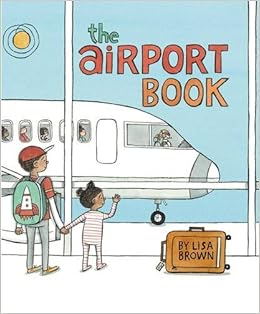
A boy explains each step of an airplane trip, from packing up at home to driving from the airport to Grandma and Grandpa’s house.  The pictures are as busy as LaGuardia at Thanksgiving.

Quiet Power: The Secret Strengths of Introverts by Susan Cain with Gregory Mone and Erica Moroz.  Published by Dial Books for Young Readers.
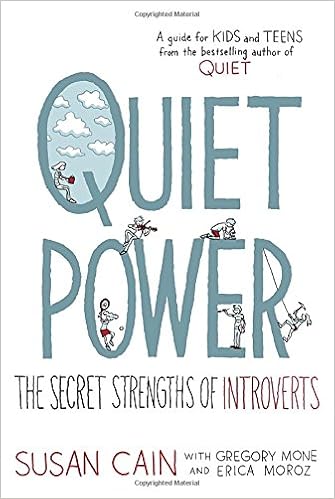
The most practically helpful book I read this year.  Wish I had had it middle school.  Unfortunately, despite my enthusiastic recommendations, I haven’t been able to get any actual teens to check it out of the library.  They’re probably too embarrassed.

Their Great Gift: Courage, Sacrifice, and Hope in a New Land by John Coy, with photographs by Wing Young Huie.  Published by Carolrhoda Books.
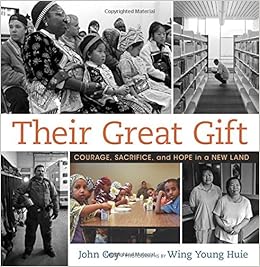
Looking at present-day immigrants, this book puts sympathetic human faces on a group that is all too often used as pawns in political debates.

In the Shadow of Liberty: The Hidden History of Slavery, Four Presidents, and Five Black Lives by Kenneth C. Davis.  Published by Henry Holt.
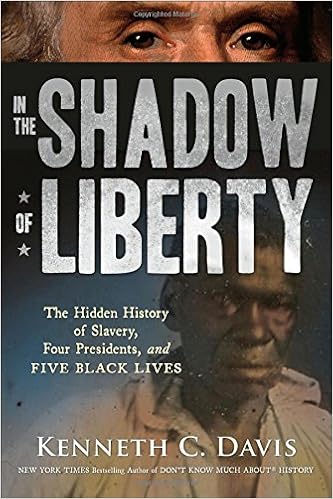
American history and the Founding Fathers in a whole new light.  I couldn’t put it down.

Animals by the Numbers: A Book of Animal Infographics by Steve Jenkins.  Published by Houghton Mifflin Harcourt.
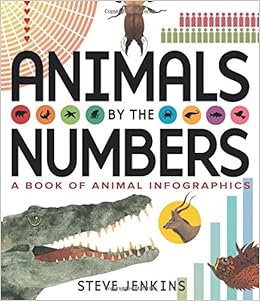
Come on…you didn’t think the president of Steve Jenkins’ fan club was going to leave him off her list of favorites, did you?

Rising Above: How 11 Athletes Overcame Challenges to Become Stars by Gregory Zuckerman, with Elijah and Gabriel Zuckerman.  Published by Philomel Books.
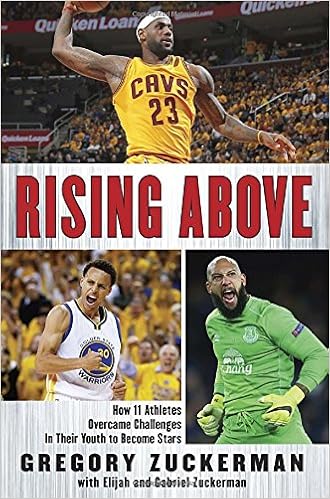
I don’t think this book has gotten to rest on a library shelf since I bought it for my school last spring.  Even I, a non sports fan, found it extremely inspiring.
Five Caldecott Predictions

I know the Caldecott is given for art, but I can’t help considering the story as well.  While I could appreciate the illustrations in this year’s contenders, some of them didn’t grab me as a book, and I was pretty sure wouldn’t excite kids (sorry, Philip and Erin Stead).  Here are five that I appreciated on all levels:

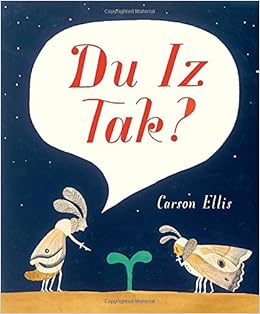
Du Iz Tak? by Carson Ellis.  Published by Candlewick Press.

With its invented language and complex insect storyline, Du Iz Tak? was hard to beat for sheer fun.  Candlewick keeps pushing the envelope, sometimes more successfully than others, but this one hit the mark.

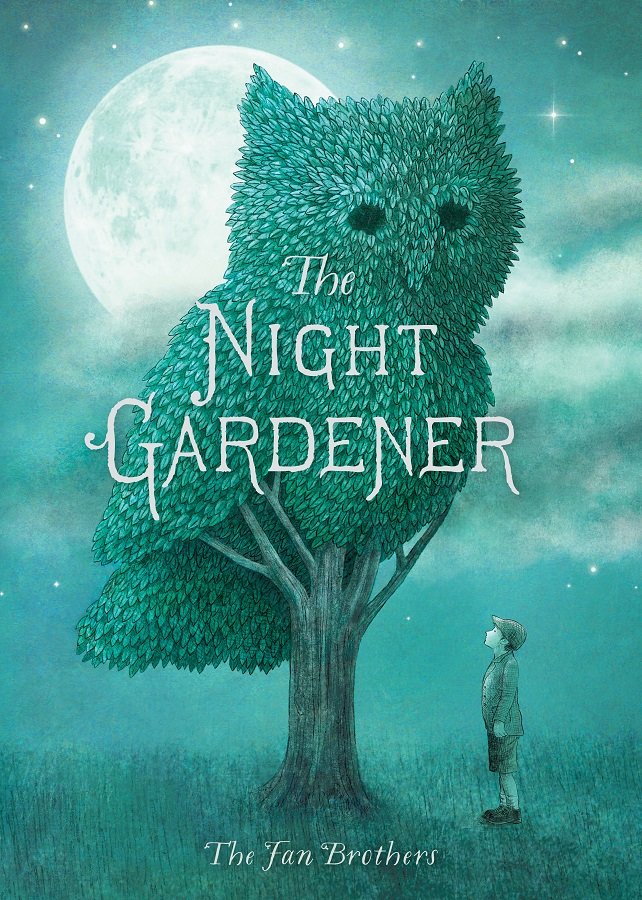
The Night Gardener by Terry Fan, illustrated by Eric Fan.  Published by Simon and Schuster Books for Young Readers.

A gorgeously-illustrated book about making a difference through topiary?  What’s not to like?

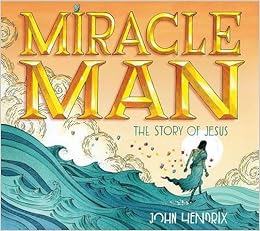
Miracle Man: The Story of Jesus by John Hendrix.  Published by Abrams Books for Young Readers

Jesus was a man with a message, and I love how the words of some of those messages are woven into the large, occasionally dramatic illustrations.

Before Morning by Joyce Sidman, illustrated by Beth Krommes.  Published by Houghton Mifflin Harcourt.

The brief, poetic text and scratchboard illustrations work together perfectly to capture the way a snowstorm can change the world overnight.

Radiant Child by Javaka Steptoe.  Published by Little, Brown.

Here’s the one book on the list I’d be hesitant to put in my elementary library.  The details of Jean-Michel Basquiat’s life are somewhat harrowing, but the illustrations are beautiful and pay homage to his art.

Five Newbery Predictions

This week I’ll be rounding up the year with some lists of my 2016 favorites.  I’m starting today with my prediction of which of those favorites are likely to get  Newbery awards on January 23.  Maybe I’m getting jaded after almost two years of writing this blog, but I’m just not as excited about the field this year as I was for the 2016 awards.  Still, there were some books I loved, and I’m keeping my fingers crossed that they’ll get some recognition.  After going through my reviews with the past year, here’s what I’ve got:

The Wild Robot by Peter Brown.  Published by Little Brown

With its largely animal cast of characters and its meditations on friendship, community, and life, The Wild Robot reminds me a little of Charlotte’s Web.  Admittedly, the ending is darker, but there’s a spark of hope that I hope lays the groundwork for a sequel.

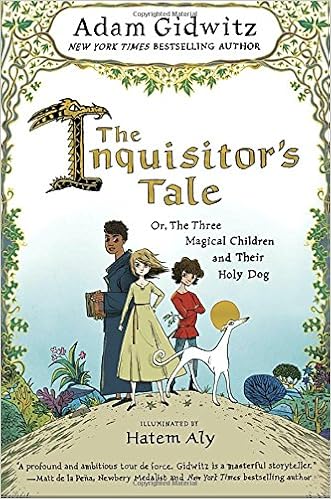
The Inquisitor’s Tale, or The Three Magical Children and Their Holy Dog by Adam Gidwitz, illuminated by Hatem Aly.  Published by Dutton Children’s books.

If the Newbery committee doesn’t see that this 13th-century tale of prejudice, hatred, love, and redemption was one of the most timely books of 2016, they’re not really paying attention.

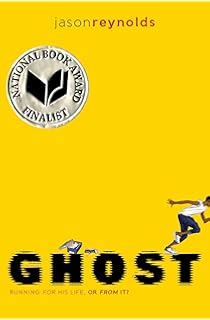
Ghost by Jason Reynolds.  Published by Atheneum Books for Young Readers.

Castle “Ghost” Crenshaw is one of the funniest, most likeable narrators of 2016, so easy to root for as he finds his way back from a family tragedy with the help of a heroic track coach.  A contender for the Coretta Scott King award as well.

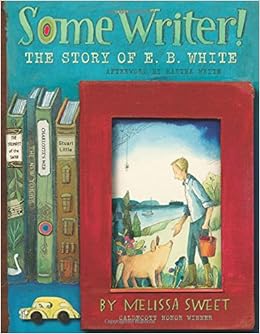
Some Writer! The Story of E. B. White by Melissa Sweet

Newbery or Caldecott?  Melissa Sweet is better known as an illustrator, but her writing here was surprisingly engaging as well.  I found it a hard book to put down, not always the case with a biography.

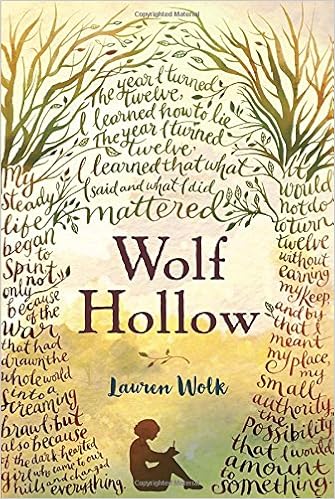
Wolf Hollow by Lauren Wolk.  Published by Dutton Books.

Maybe not the most kid-friendly choice on the list, and no happy ending, but the writing is beautiful and you’ll be thinking about the story for a long time afterward.

Into the Lion’s Den (The Devlin Quick Mysteries) by Linda Fairstien

Published by Dial Books for Young Readers 

Summary:  Devlin Quick and her new friend Liza are working on a school project in the map room of the New York City Public Library when Liza sees a man cut a page out of a valuable atlas.  Devlin, whose mom is the NYC police commissioner, immediately goes into action, chasing after the man before snapping a blurry photo of him.  Using this single clue, plus her considerable intelligence, extra-keen sense of hearing, and the help of well-placed family and friends, Devlin and Liza eventually track down the culprit, only to have him lock them underground at the Brooklyn Public Library.   After a heart-pounding escape, the girls, along with their friend and accomplice Booker, are awarded keys to the city and NYC detective badges.  320 pages; grades 4-7.

Pros:  Fans of Nancy Drew will appreciate this first entry in a new series about a smart girl and her two sidekicks.  Like Nancy’s lawyer father Carson Drew, Devlin Quick’s police commissioner mother gives her some sleuthing advantages, but ultimately she must depend on her own brains and quick wits.

Cons:  Devlin occasionally comes off as a bit of an annoying know-it-all.

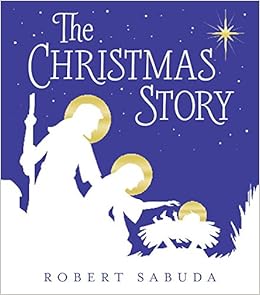
The Christmas Story by Robert Sabuda

Merry Christmas and Happy Hanukkah!

Published by Candlewick 

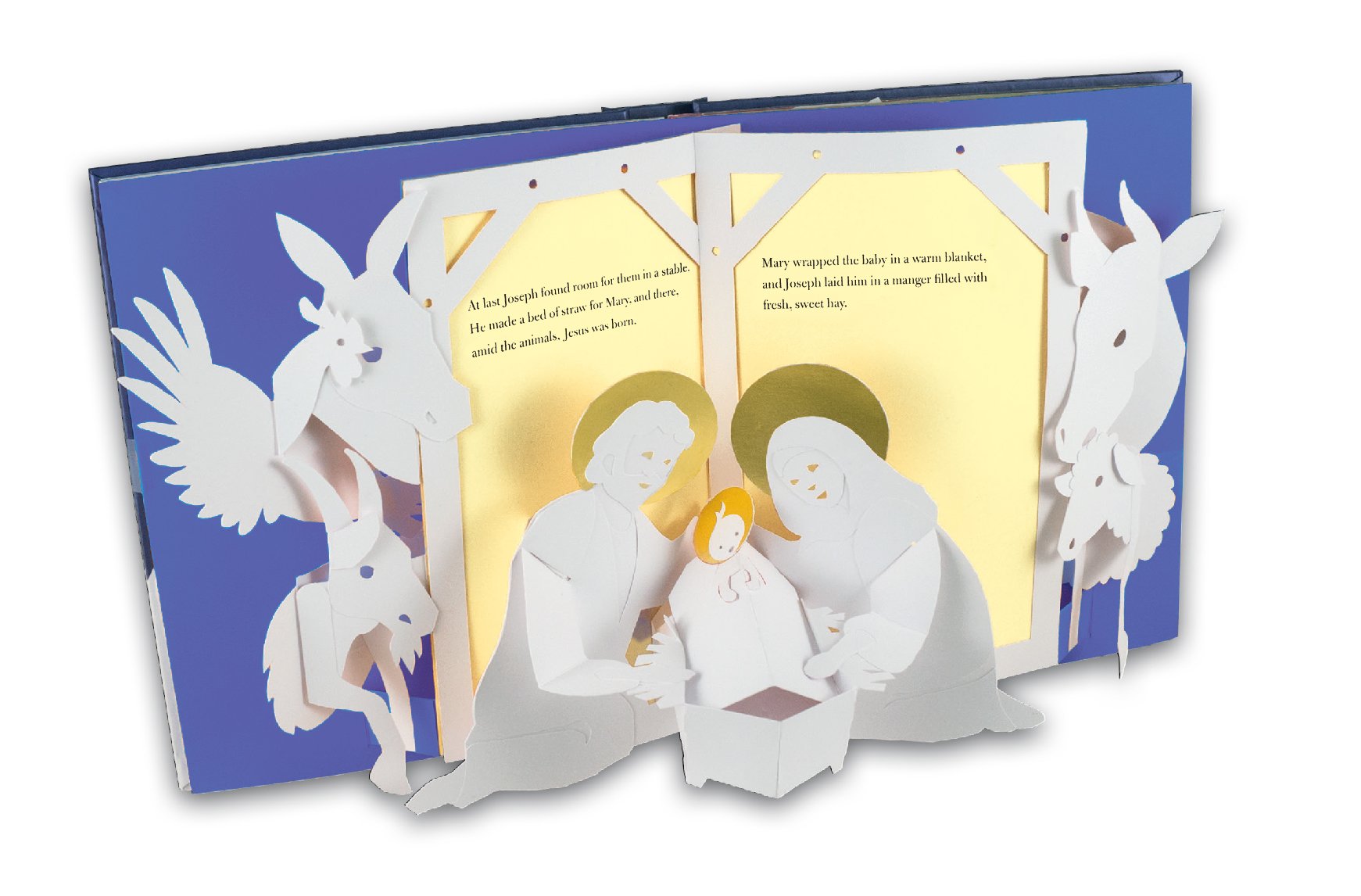
Summary:  The story of Jesus’ birth is told through six intricately designed pop-ups.  The text is faithful to the Bible story, beginning with Mary’s visit from the angel announcing the birth, moving on to shepherds and wise men, and concluding with the whole gang gathered at the manger.  The pop-ups are all white with golden highlights on a blue background.  Go here for a page-by-page preview: https://vimeo.com/174534813.  12 pages; grades K-4.

Pros:  The pop-ups are truly amazing, with angels and stars soaring above many of the pages.  A beautiful introduction to the Christmas story.

Cons:  The fragile nature of the paper art and $26.00 price tag may make this a better choice for a home library than a public one.


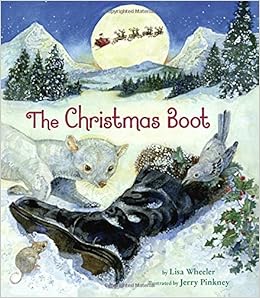
The Christmas Boot by Lisa Wheeler, illustrated by Jerry Pinkney

Published by Dial Books for Young Readers 

Summary:  Hannah Greyweather spends her days trying to survive in the cold winter.  One day while out gathering firewood, she finds a boot and puts it on over the rags she has wrapped around her left foot. She can’t believe how warm the boot makes her foot, and when she goes to bed, she wishes she had a right one.  Lo and behold, the next morning, there’s a pair of boots at her bedside.  The day after that, there’s a pair of mittens tucked inside, and when she comes back from her chores, Hannah discovers her cabin has been replaced by a big, fancy house, complete with feast and feather bed.  A knock on the door reveals the source of the gifts—Santa himself, returning to reclaim his missing left boot.  As soon as he puts it on, everything goes back to the way it was.  Hannah doesn’t mind giving up the fancy house, but she tells Santa she did like the warm boots and mittens, and wouldn’t mind having someone to talk to.  The next morning, Santa has granted her wishes; when an “Arf” comes out of the left boot, Hannah discovers she has a new puppy for company.  32 pages; ages 4-8.

Pros:  A heartwarming holiday story, with splendid illustrations from Caldecott artist Jerry Pinkney.

Cons:  Let’s hope Hannah gives that left boot a thorough cleaning before sticking her foot into it.

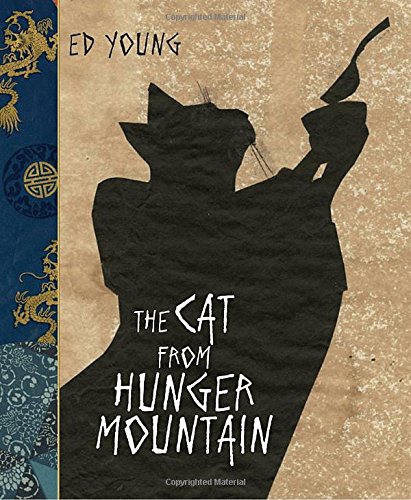
The Cat from Hunger Mountain by Ed Young

Published by Philomel Books 

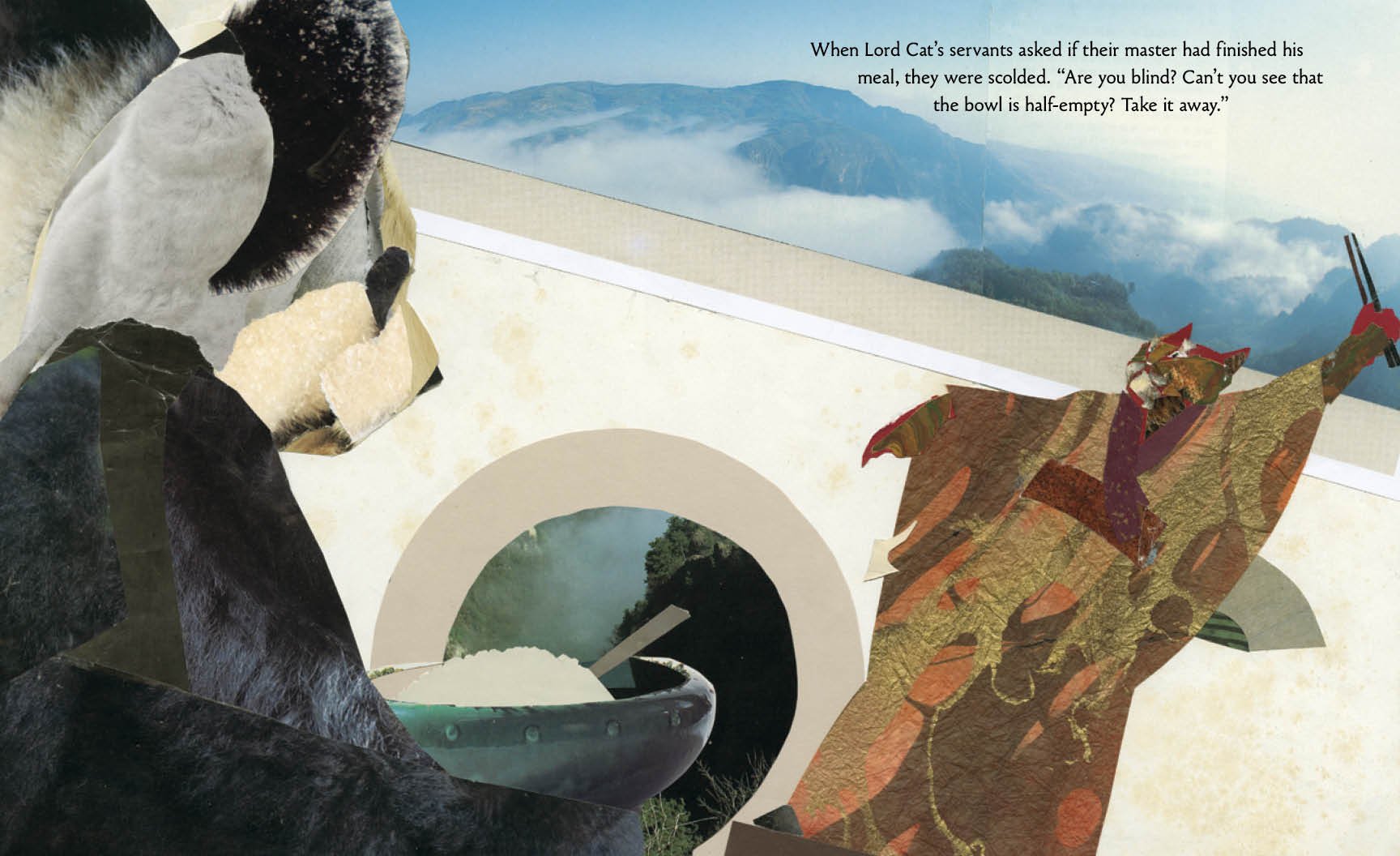
Summary:  A greedy cat lives in a huge palace atop Hunger Mountain that looks out over fields famous for their delicious rice.  But one year, drought strikes, and the harvest fails.  All the cat’s servants leave in search of food.  Finally, driven by starvation, the cat closes his palace and goes out into the countryside to find food for himself.  He learns of a monk who is giving away rice, and joins the long line to get his own bowl filled.  When he reaches the front of the line, he asks the monk where he got his food.  The monk replies that he was fortunate to live at the base of Hunger Mountain.  A rich lord washed so much of his cast-off rice down the stream, that the monk was able to collect more than he could ever use.  The cat realizes he is being saved by the food he once threw away.  For the first time ever, he feels truly blessed.  32 pages; ages 4-10.
Pros:  This simple but timely fable is strikingly illustrated with collages by Caldecott medalist Ed Young.  The message is one that can be discussed with readers of all ages.

Cons:  I wondered if this is a completely original tale or a retelling, but there was no introduction or afterword about it.

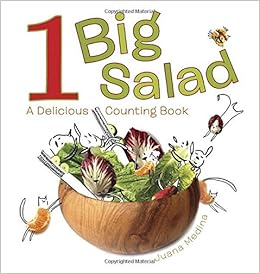
1 Big Salad: A Delicious Counting Book by Juana Medina

Published by Viking 

Summary:  The numbers from 1 through 10 are explored with the ingredients of a salad.  Each page has the numeral (1) and the word (one), along with an animal created from a fruit or vegetable.  There’s one avocado deer with a big brown nose made from the pit, two radish mice, three pepper monkeys, and so forth.  The produce has been photographed, then embellished with black line drawings to create the animals.  One big delicious salad is shown at the end, with a recipe for dressing on the very last page.  32 pages; ages 3-7.

Pros:  The graphics jump off the page in this fun introduction to both numbers and healthy eating.

Cons:  Will preschoolers want to eat those cute tomato turtles?

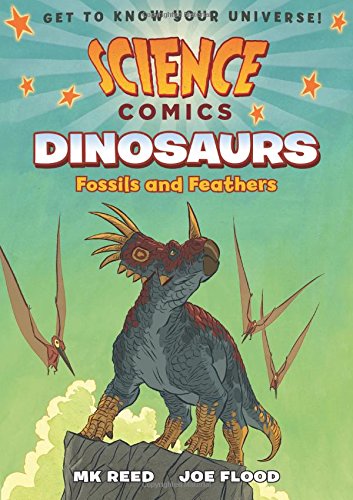
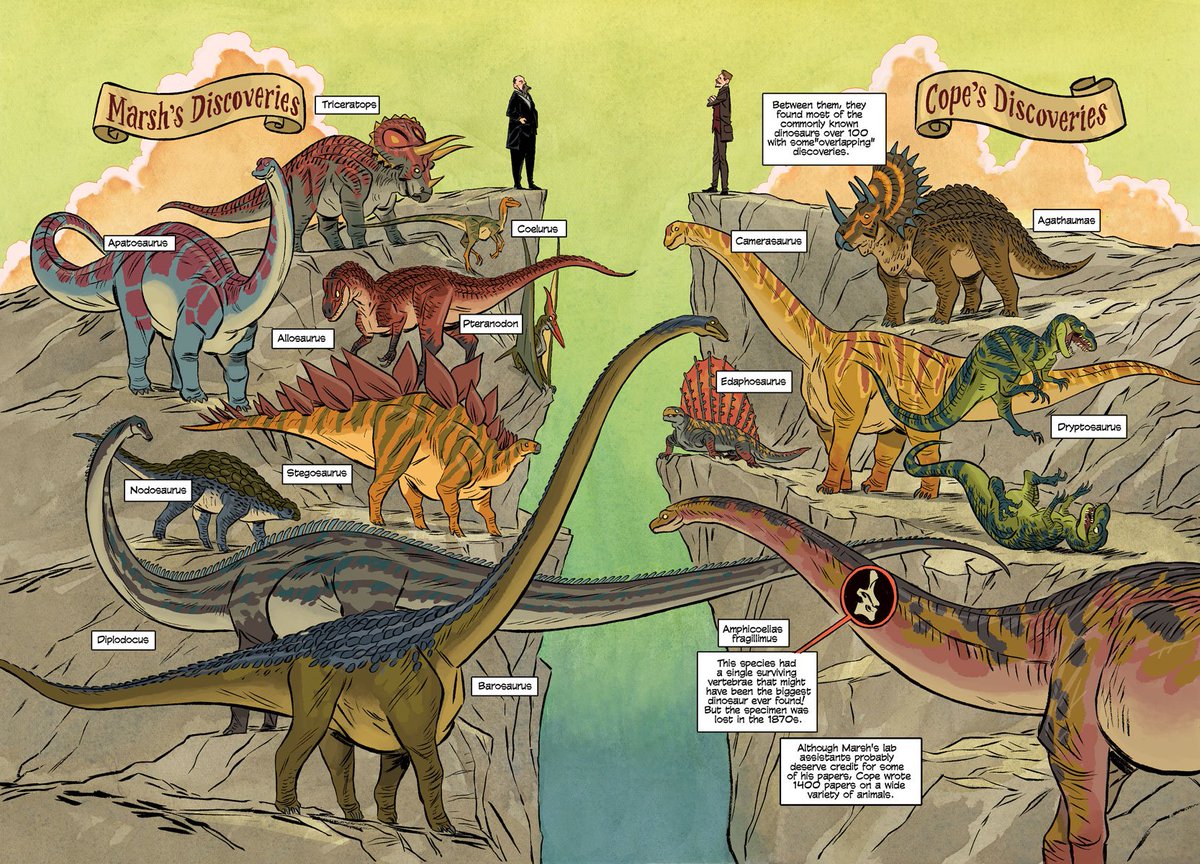
Science Comics: Dinosaurs: Fossils and Feathers by MK Reed, illustrated by Joe Flood

Published by First Second 

Summary:  Focusing mostly on humans’  gradual discoveries of the history of dinosaurs, this graphic science book covers paleontology from the Industrial Revolution to the present.  In 1800, the reader learns, it was believed that the Earth was 6,000 years old, that dinosaurs had vanished a few thousand years before in Noah’s flood, and that there were no examples of dinosaurs left.  The author updates these beliefs as she moves through history until 2000 when scientists believe the earth is 4.5 billion years old, dinosaurs lived over 65 million years ago, and descendants of dinosaurs are living today.  It’s a fascinating journey, with heroes and villains making discoveries, disputing the claims of their peers, and inching their way toward a better understanding of Earth’s history.  Back matter includes a glossary, a timeline of geologic eras, and a short list of further reading.  Part of a new “Science Comics” series that includes (or will soon include) books on coral reefs, volcanoes, bats, flying machines, and the solar system.  128 pages; grades 4-7.
Pros:  A fascinating history of paleontology with some really spectacular graphics that do a great job of visually depicting concepts like dinosaur sizes and family trees.

Cons:  The list of books for further reading was pretty short, and the titles were several years old.

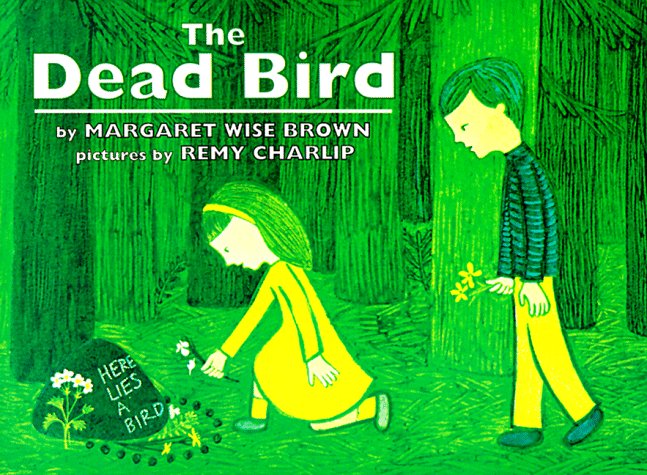
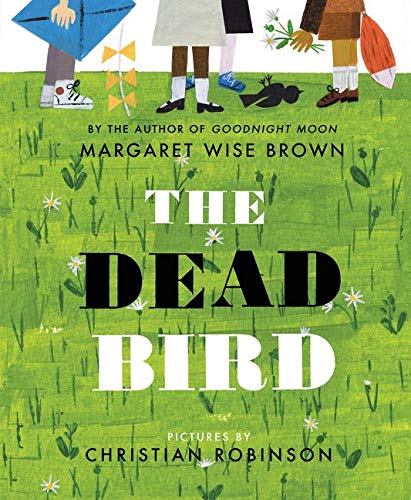
The Dead Bird by Margaret Wise Brown, pictures by Christian Robinson

Published by HarperCollins 

The Dead Bird: Brown, Margaret Wise, Robinson, Christian: 9780060289317:  Amazon.com: Books

Summary:  Margaret Wise Brown’s classic book, first published in 1958, has been reissued with new illustrations by Caldecott Honor winner Christian Robinson.  When a group of children find a dead bird in the woods, they decide to have a funeral for it.  They find a place to dig a hole, wrap the bird in grapevine leaves, and cover it with ferns and flowers.  They sing a song to the bird (lyrics included in the text), cry a little, cover up the bird with dirt, and place a stone on top reading “Here lies a bird that is dead.”  And every day, until they forget, they return to the gravesite to sing to the bird and decorate the stone with flowers.  32 pages, ages 4-8.

Pros:  This timeless story benefits from the new illustrations in a larger book.  I particularly liked the kid who wore a fox mask to the funeral, apparently practicing his own little ritual.  The story remains a gentle introduction to death and dying for children.

Cons:  I liked the way the original book had an interesting format of alternating pages of text and pictures, allowing the reader to focus on the words before looking at the picture.  The new version has text and pictures together.