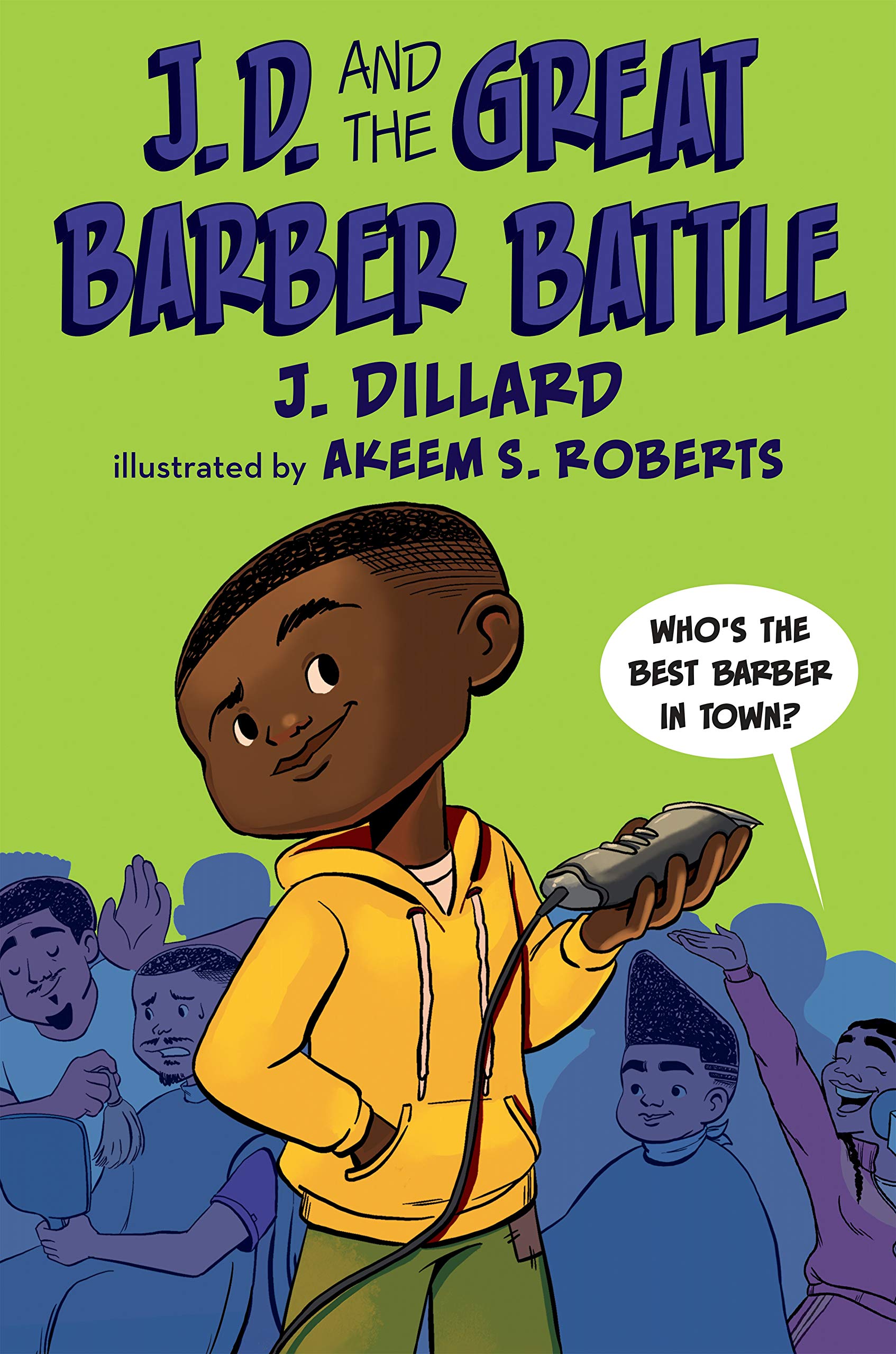
J.D. and the Great Barber Battle by J. Dillard, illustrated by Akeem S. Roberts

Published by Kokila

Amazon.com: J.D. and the Great Barber Battle (9780593111529): Dillard, J.,  Roberts, Akeem S.: Books

Summary:  J.D. endures a tough first day of school when he starts third grade with the haircut his mom gave him.  When he decides to take matters (and clippers) into his own hands and fix things up, the results are surprisingly good.  Before long, friends are asking him for haircuts, and he’s started his own barber business in his room.  But Henry Hart, the town barber, doesn’t like the fact that J.D. is taking away his business and threatens to shut him down.  J.D. proposes a solution: have a contest where each barber cuts the hair on three heads and let an impartial judge decide who’s the better barber.  If Henry wins, J.D. shuts his business, but if J.D. wins he can stay open.  The results are a bit of a surprise, and the ending makes it clear that there will be a sequel to J.D.’s story.  128 pages; grades 1-4.

Pros:  Early elementary kids will enjoy J.D.’s humorous voice; the short chapters and plentiful cartoon-style illustrations are sure to attract lots of fans.

Cons:  It seemed a bit of a stretch that a third grader would become so proficient a barber in such a short time.
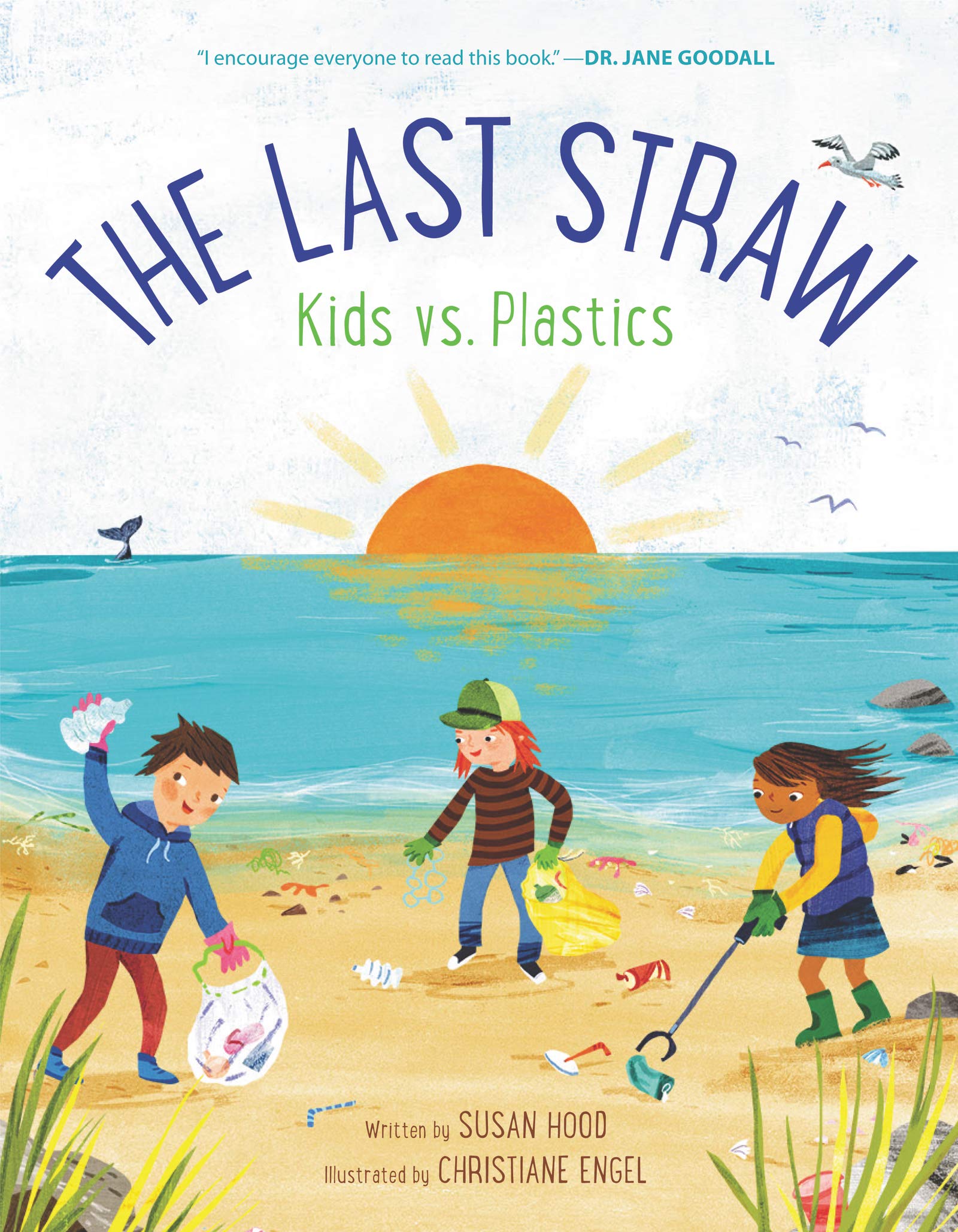
The Last Straw: Kids vs. Plastics by Susan Hood, illustrated by Christiane Engel

Published by HarperCollins

The Last Straw: Kids vs. Plastics: Hood, Susan, Engel, Christiane:  9780062981394: Amazon.com: Books

Summary:  Following an introduction by 9-year-old Milo Cress, founder of Be Straw Free, this poetry collection looks at different aspects of plastic, from its undeniable usefulness in many areas to the damage it is wreaking on the environment (especially the oceans) to different ways kids and teens are figuring out to recycle and find alternatives to plastic.  Includes a two-page author’s note; a timeline of the history of plastic from 1839; alternatives to single-use plastic items; top ten plastic ocean polluters; sources, websites, and additional notes for each poem; poetry notes for each poem; three books for further reading; and additional websites for news about plastics.  48 pages; grades K-5.

Pros:  The poetry is just the beginning in this book that is jam-packed with information and inspiring stories about kids working to make a difference in the world by recycling or eliminating plastics.  The colorful illustrators add a lot to the poems, and the 13 pages of back matter, enough to satisfy even me, would make this an excellent resource for older kids.

Cons:  I was feeling so bummed after reading the first few poems that I almost didn’t make it to the more inspirational section.

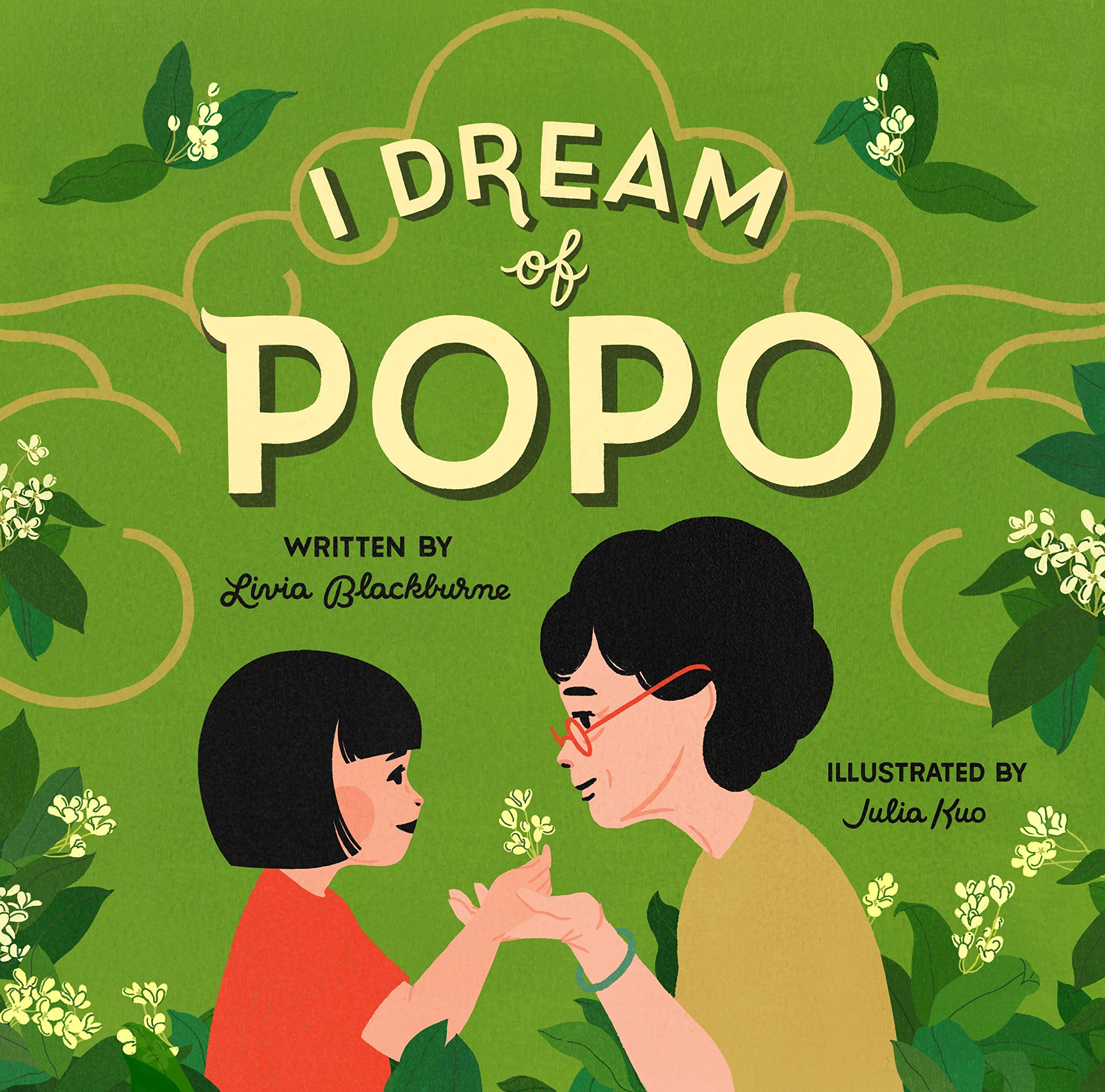
I Dream of Popo by Livia Blackburne, illustrated by Julia Kuo

Published by Roaring Brook Press

I Dream of Popo: Blackburne, Livia, Kuo, Julia: 9781250249319: Amazon.com:  Books
I Dream of Popo | Livia Blackburne | Macmillan

Summary:  “I dream with Popo” begins a girl living in Taiwan, who loves spending time with her grandmother.  Each page starts similarly: “I walk with Popo”, “I bow with Popo on New Year’s Day.”  After her family moves to San Diego, with Popo staying in Taiwan, she writes “I wave to Popo” as she boards the plane, then “I hug Popo” when she returns for a visit, discovering that it is harder for her to understand Popo’s language now that she is fluent in English.  Then it is “I pray for Popo” when Popo gets sick and finally, “I dream of Popo” as the girl dreams of being with Popo once again.  Includes notes and photos from both the author and illustrator describing their connections to Taiwan and a glossary.  40 pages; ages 4-8.

Pros:  A beautiful story (by Livia Blackburne, who apparently is a best-selling YA fantasy author) about immigration and how relationships with loved ones change after a move.  The author’s and illustrator’s notes personalize the experiences of the girl in the story.

Cons:  Kids may need some help understanding the somewhat ambiguous ending.

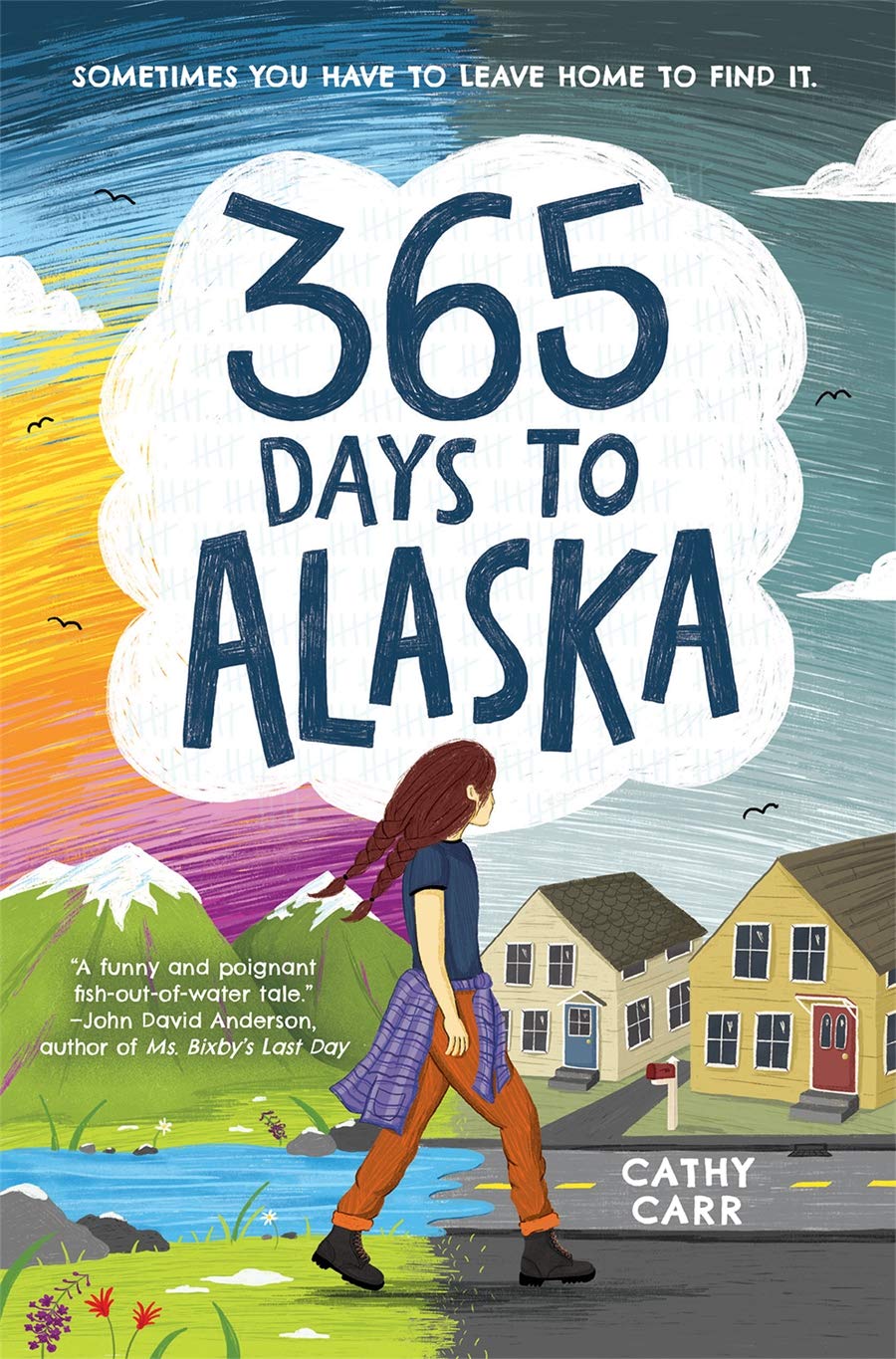
365 Days to Alaska by Cathy Carr

Published by Harry N. Abrams

365 Days to Alaska: Carr, Cathy: 9781419743801: Amazon.com: Books

Summary:  Rigel has lived all her life in the Alaskan bush with her parents and two sisters, thriving on their isolated, off-the-grid lifestyle.  So when her parents announce that they are divorcing and her mother is taking the girls to the home in Connecticut where she grew up, Rigel is devastated.  Her father, Bear, assures her that he just needs a year to get his life together and then she can come back and live with him.  As Rigel navigates middle school in suburban Connecticut, she silently counts down the 365 days, not telling anyone of her plans to return to Alaska.  At first her only friend is an injured crow that she discovers living behind the school, but as other kids and teachers reach out to her, she realizes she enjoys having human friends as well.  When Bear grows distant and repeatedly breaks promises, Rigel begins to realize that her year in Connecticut may not end the way she had originally planned.  272 pages; grades 4-7.

Pros:  Fans of school and family stories and books featuring animals will enjoy getting to know Rigel and her family.  The descriptions of life in the Alaskan bush are interesting, and the family and friendship dynamics are realistic.

Cons:  Mean girl Hayden was pretty one-dimensional.

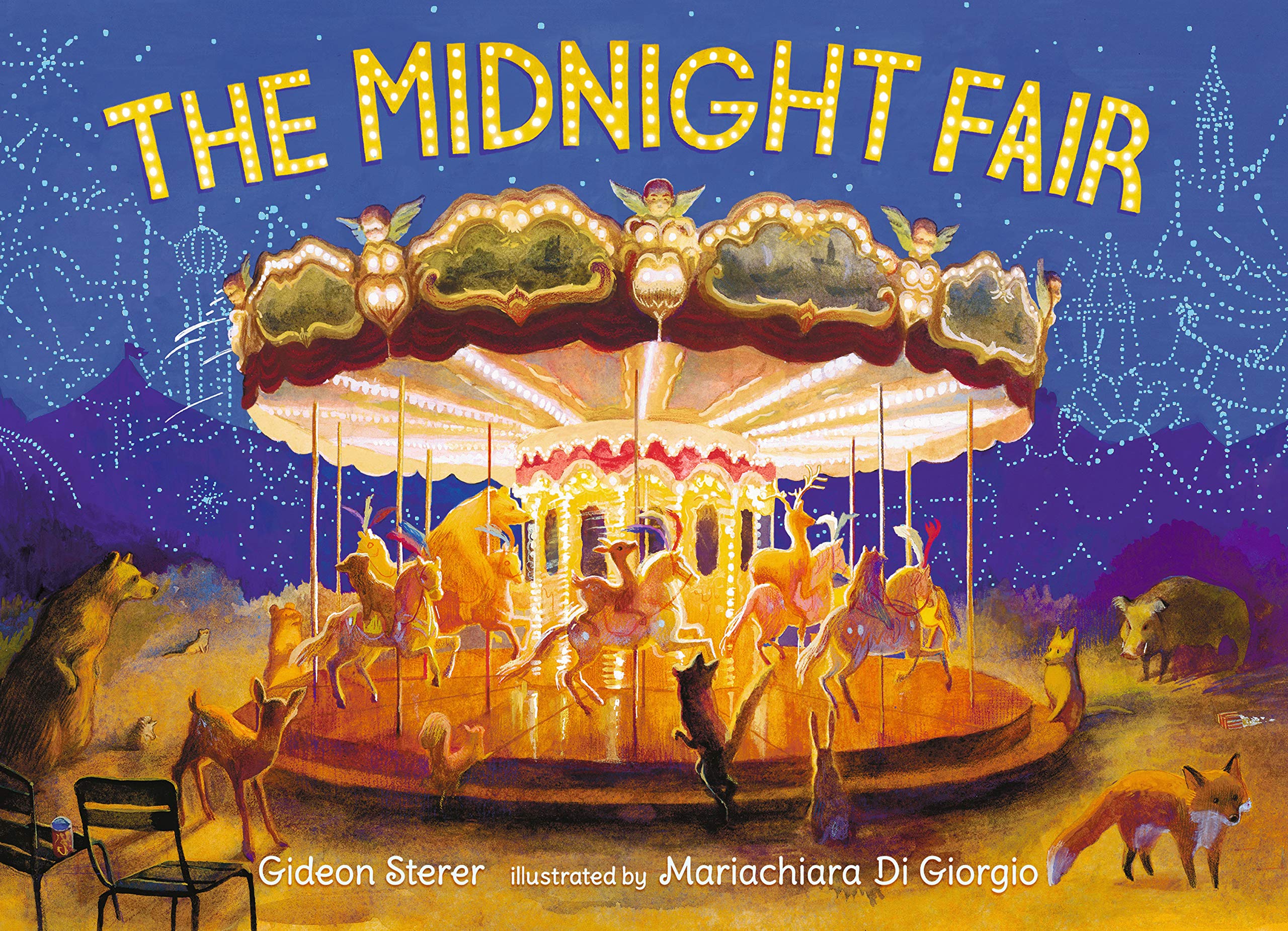
The Midnight Fair by Gideon Sterer, illustrated by Mariachiara Di Giorgio

Published by Candlewick

The Midnight Fair: Sterer, Gideon, Di Giorgio, Mariachiara: 9781536211153:  Amazon.com: Books

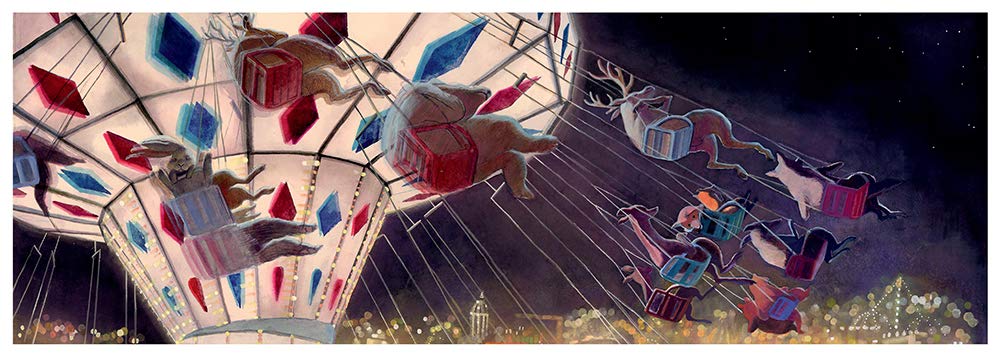
Summary:  When the fair closes down in this wordless picture book, animals come out of the forest to take over.  They start up the rides and games, enjoying the teacups, the carousel, and the cotton candy.  As the sun starts to come up, a man gets ready for the day and heads to the fair as the animals head back into the forest to enjoy their treats and get ready for sleeping.  On the final few pages, a wolf rips open the plastic bag with a goldfish inside that he won, and lets the fish free in a pond.  32 pages; ages 4-8.

Pros:  The illustrator of one of my favorite wordless books, Professional Crocodile, has created a visual feast of many different details of a fair and all sorts of animals enjoying it together.  Kids will enjoy poring over all the details and the fact that the animals are outwitting the humans.

Cons:  I can’t really explain why, but I found this book slightly creepy.  Maybe learning to drive bumper cars and eat cotton candy doesn’t really seem like a positive move for the animal kingdom.

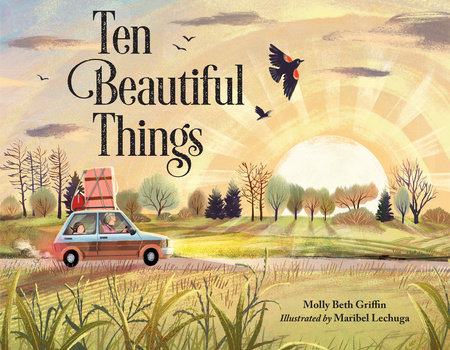
Ten Beautiful Things by Molly Beth Griffin, illustrated by Maribel Lechuga

Published by Charlesbridge

Ten Beautiful Things by Molly Beth Griffin: 9781580899369 |  PenguinRandomHouse.com: Books
Ten Beautiful Things: Griffin, Molly, Lechuga, Maribel: 9781580899369:  Amazon.com: Books

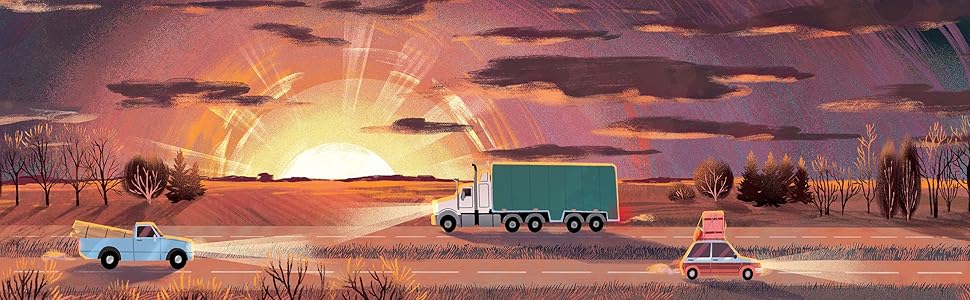
Summary:  Lily’s in the back seat of Gram’s car, heading toward her new home: Gram’s Iowa farm.  To distract Lily from her sadness, Gram suggests they find ten beautiful things before they get to the house.  “There’s nothing beautiful here,” says Lily, but at that moment, there’s a breathtaking sunrise.  Every time she starts to descend back into her sadness, there’s something beautiful to see: a wind farm, a red-winged blackbird, a gurgling creek.  Finally they pull up at Gram’s farmhouse.  “We only made it to nine,” says Lily.  But Gram reaches down for a hug.  “We’re ten,” she says.  “None of this was easy.  Maybe it would never be easy.  But she belonged with Gram now.  She belonged here now.”  32 pages; ages 4-8.

Pros:  While the reader never finds out why Lily is going to live with Gram, it’s clear there’s a lot of grief behind the reason, and Gram is wise to start the hunt for beauty.  The illustrations of the sunrise and thunderstorm are pretty spectacular.

Cons:  Some kids may feel dissatisfied not to know more about Lily; on the other hand, there are many groups of kids who will connect with her situation, so the vagueness may be a good thing.

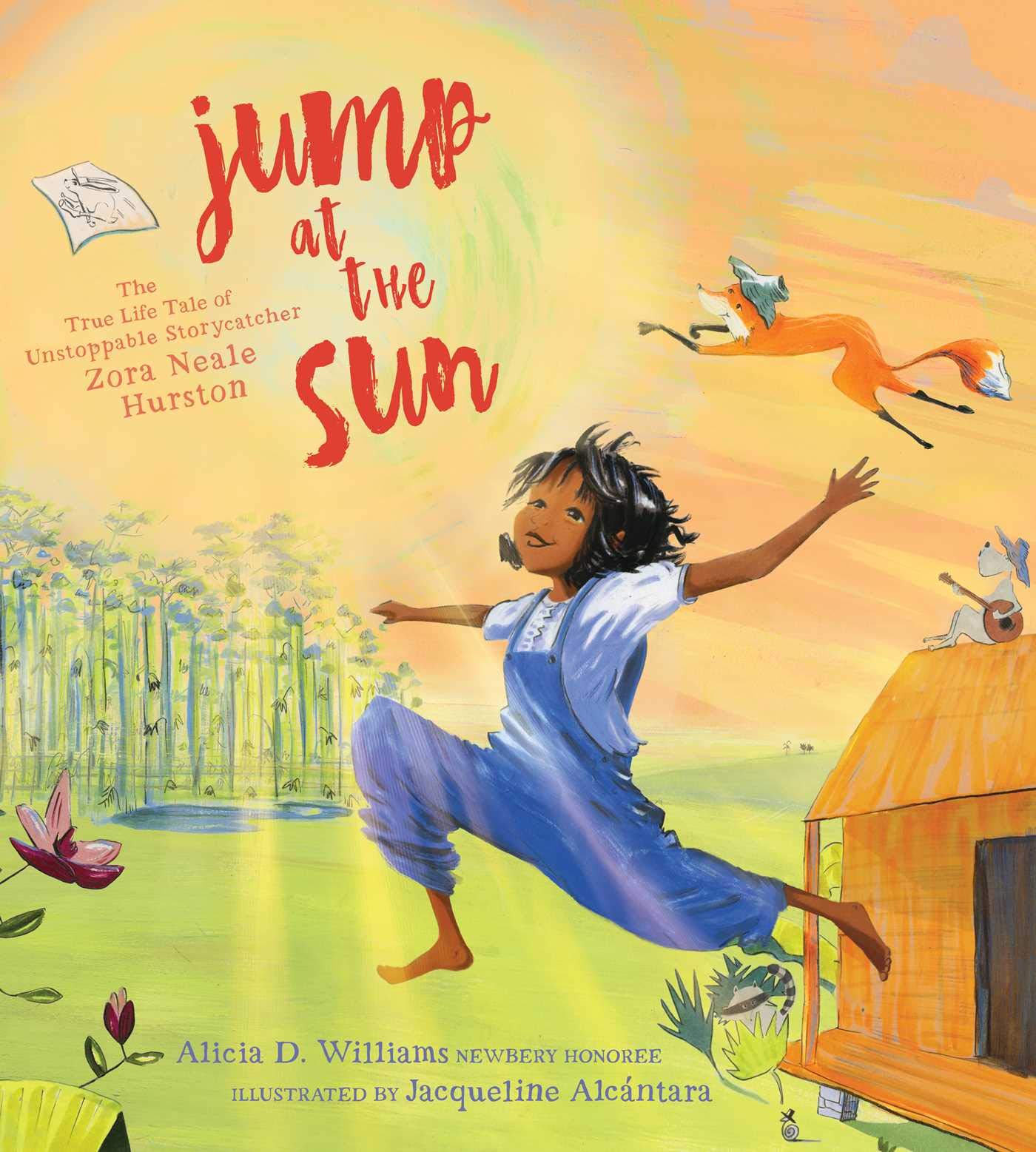
Jump at the Sun: The True Life Tale of Unstoppable Storycatcher Zora Neale Hurston by Alicia D. Williams, illustrated by Jacqueline Alcántara

Published by Atheneum/Caitlyn Dlouhy Books

Jump at the Sun: The True Life Tale of Unstoppable Storycatcher Zora Neale  Hurston: Williams, Alicia D., Alcántara, Jacqueline: 9781534419131:  Amazon.com: Books

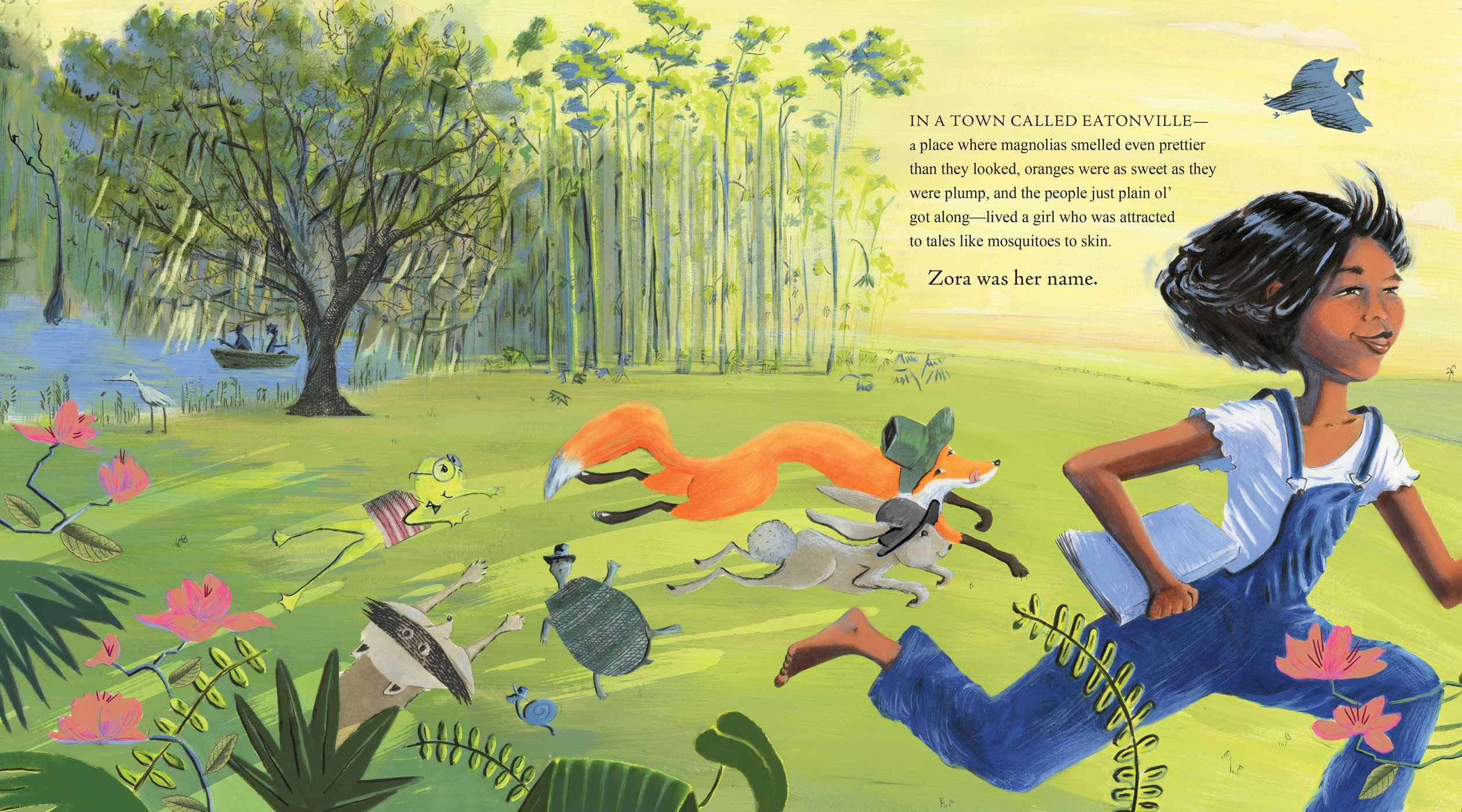
Summary:  Growing up in Eatonville, Florida, Zora loved any kind of storytelling, and would hang around the general store to hear the townsfolk swapping stories.  Her father and grandmother didn’t approve, but her mother encouraged her to “jump at de sun.  You might not land on de sun, but at least you’ll get off de ground.”  Sadly, Zora’s mother died when she was 13 years old, and her stepmother didn’t encourage her dreams.  Zora was on her own at the age of 14, and she went to school as much as she could, graduating high school in her late 20’s.  A college anthropology professor encouraged her to collect Negro folklore.  She started the project in Eatonville, then moved on to other states, Haiti, and the Bahamas.  Zora spent the rest of her life back in Eatonville, typing up those stories and writing her own as well.  Includes an author’s note with additional information; a few Hurston stories recommended for children; and a list of sources.  48 pages; grades 1-5.

Pros:  The story of Zora Neale Hurston is told with plenty of energy in the voice of the stories she loved by Newbery honoree Alicia D. Williams.  The illustrations complement the story, with cartoon bubbles that includes snippets of those stories.  

Cons:  For such a long picture book biography, which would make a great starting point for research, there was surprisingly little back matter.

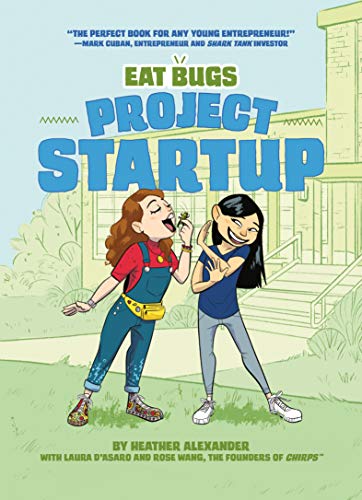
Eat Bugs (Project Startup, book 1) by Heather Alexander, with Laura D’Asaro and Rose Wang, illustrated by Vanessa Flores

Published by Penguin Workshop

Project Startup #1 (Eat Bugs) - Kindle edition by D'Asaro, Laura, Wang,  Rose, Alexander, Heather, Flores, Vanessa. Children Kindle eBooks @ Amazon .com.

Summary:  When Hallie and Jaye get assigned to be partners in a business class startup project, it doesn’t exactly seem like a match made in heaven.  Hallie is outgoing and doesn’t care what anyone thinks about her outspokenness and unique fashion sense, while Jaye is shy and constantly trying to figure out how to fit in and avoid the spotlight.  After sampling a cricket on a class trip, Hallie wants to start a bugs-as-food business, while Jaye prefers the idea of a social media app that would bring everyone in their school together.  When a pair of boys steals Jaye’s idea, she’s forced to agree to go the insect route.  As the two navigate the terrain of pitches and market testing, they discover traits in each other that they admire, and a friendship is born.  Their business plan isn’t quite enough to snag the top prize at the startups competition, but their partnership is cemented, and the future looks bright for Chirps Chips.  Includes an interview with Laura and Rose, founders of the real-life Chirps Chips.  224 pages; grades 3-6.

Pros:  Told in alternating voices, this breezy illustrated story introduces readers to some of what’s involved in starting a business, emphasizing the be-yourself message for both entrepreneurship and middle school.

Cons:  Flashbacks to The Apprentice.

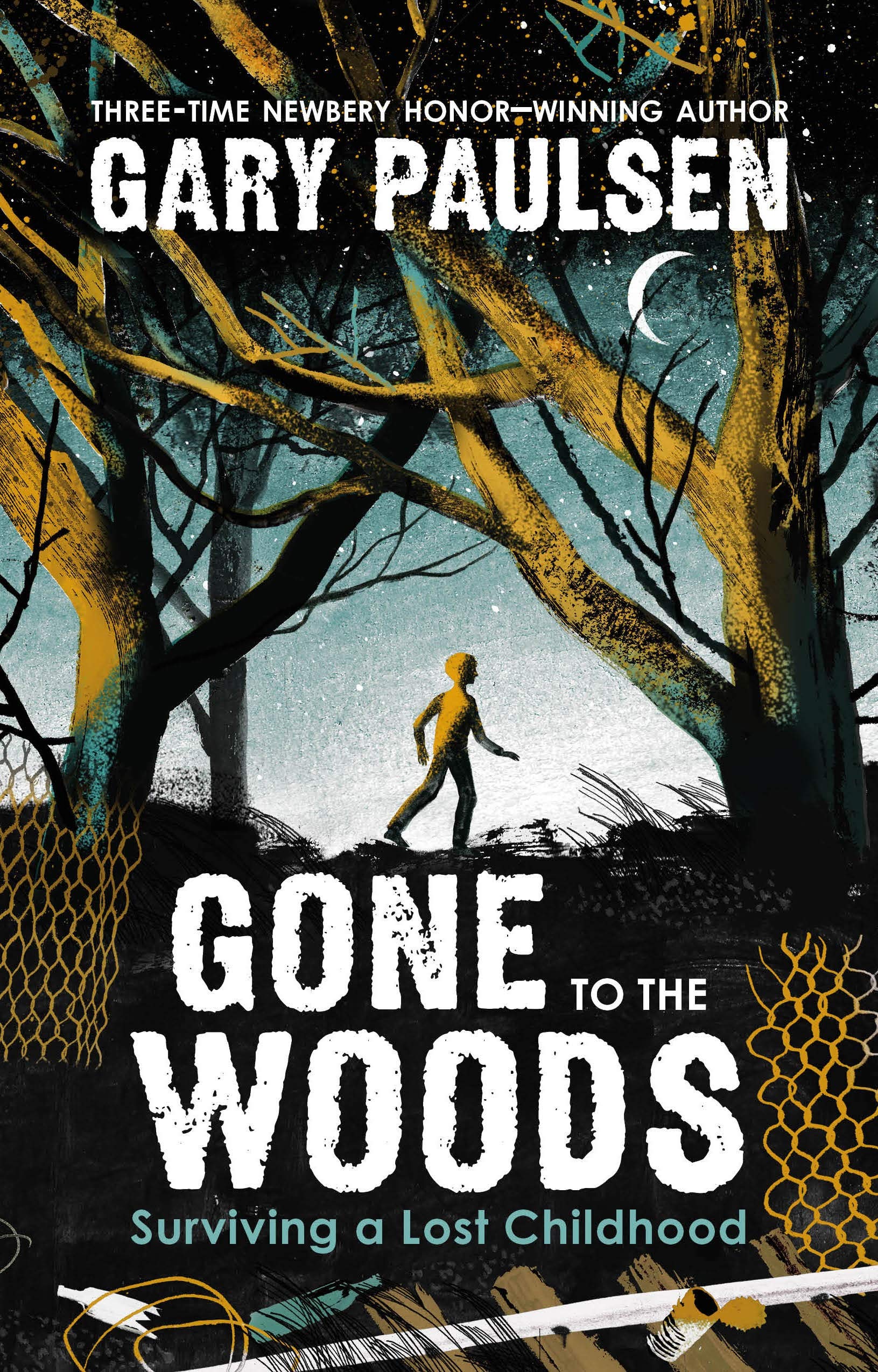
Gone to the Woods: Surviving a Lost Childhood by Gary Paulsen

Published by Farrar Straus Giroux

Gone to the Woods: Surviving a Lost Childhood: Paulsen, Gary:  9780374314156: Amazon.com: Books

Summary:  Beloved author Gary Paulsen writes of his “lost childhood” in five sections, beginning in 1944 when, at the age of 5, his grandmother took him from his alcoholic mother and sent him to live on a remote farm with his aunt and uncle.  Although the work there was hard, he felt happy and secure until his mother unexpectedly showed up and took him to the Philippines to live with his father for the first time.  The horrific ship ride there and his time in Manila make up the second and third parts of the book, then he moves on to age 13, back in the U.S.  His parents drank and fought constantly, and he was pretty much on his own, running away regularly to work on farms and at a carnival.  The final chapter tells of his time in the army, winding up with his decision to make more of himself than the other men he saw there.  On the last page, at the age of 80, he finds a notebook that a beloved librarian gave him, and thinks, “What the hell.  Might as well write something down.”  368 pages; grades 5-8.

Pros:  I zipped through this compelling memoir in just a couple of days, both mesmerized and horrified by Paulsen’s stories of his incredibly difficult childhood and adolescence.  Written in third person (he refers to himself as “the boy”), this story will be appreciated by fans of other Paulsen books, and will help readers understand the experiences that have influenced his work (although you might want to preview it before handing to some wide-eyed fourth-grade Hatchet fan).

Cons:  This is more of a memoir than an autobiography, and readers will only learn certain episodes from Paulsen’s youth rather than all that happened to him in those years. 

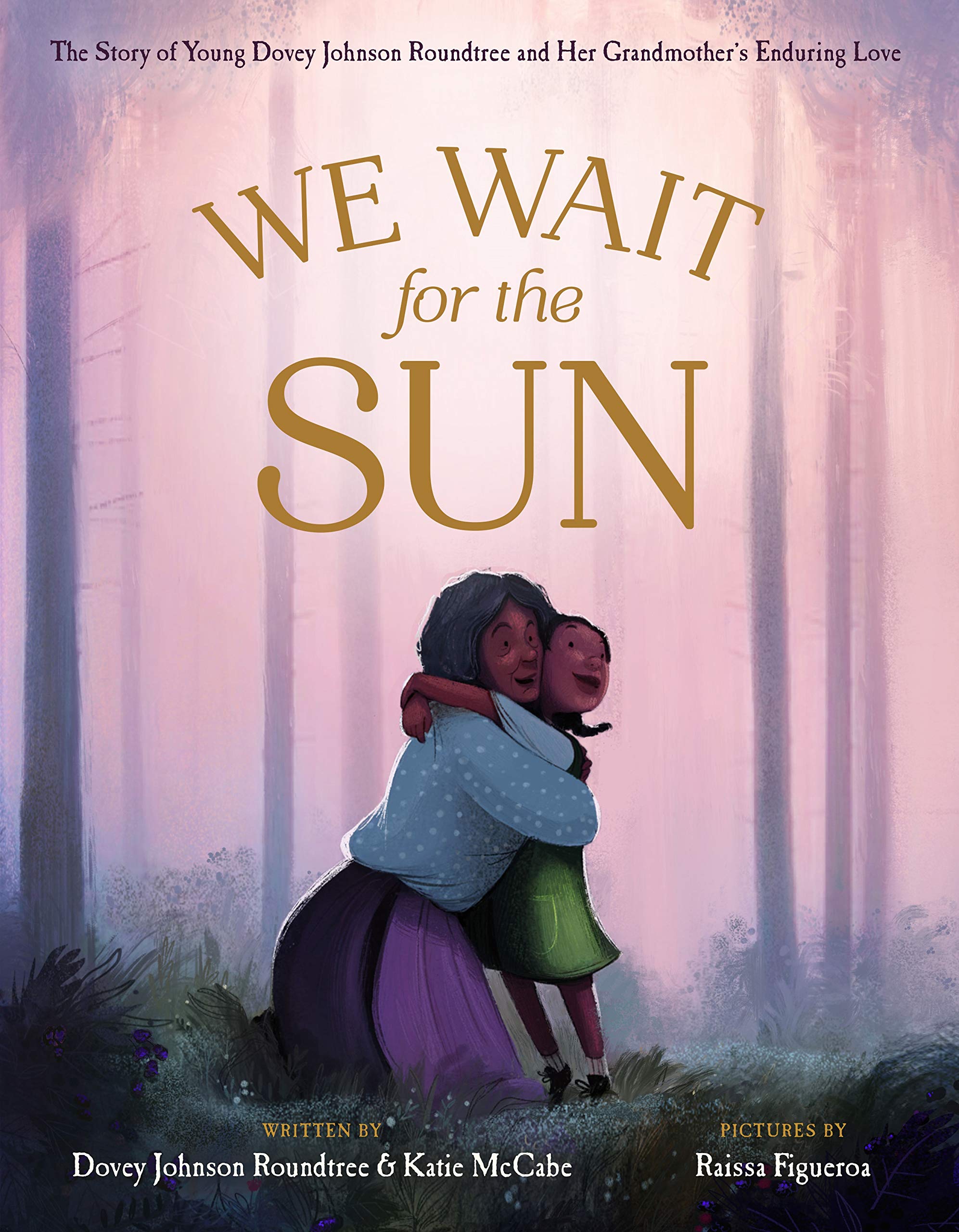
We Wait for the Sun by Dovey Johnson Roundtree and Kate McCabe, illustrated by Raissa Figueroa

Published by Roaring Brook Press

We Wait for the Sun: McCabe, Katie, Figueroa, Raissa: 9781250229021: Amazon.com:  Books
We Wait for the Sun | Katie McCabe | Macmillan

Summary:  Young Dovey follows her grandmother and other neighborhood women into the dark woods to pick berries before dawn.  Her grandmother reassures her when she’s scared of the dark, and before long everyone is filling their pails with berries.  Suddenly, Grandma stops and tells Dovey to look.  The sky turns from black to pink to gold, and as the new day begins, they head back home again.  Includes a four-page author’s note and additional information about civil rights leader Dovey Mae Johnson Roundtree and her grandmother Rachel Millis Bryant Graham; photos; a timeline; and a bibliography.  40 pages; grades K-6.

Pros:  This would make a great mentor text for personal narratives, complete with the beautiful illustrations that show the changing light as the night gradually gives way to daytime.  The extensive back matter makes this an excellent research resource that could be used well into middle school.

Cons:  The back matter is quite long, written in a single-spaced small font; while I appreciated all the information, it would have been nice to have something more accessible for the story’s audience.