Graphic nonfiction

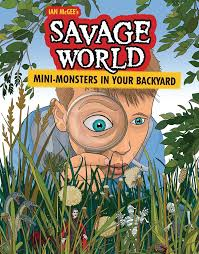
Mini-Monsters In Your Backyard (Savage World, book 1) by Ian McGee (Graphic Universe, 72 pages, grades 2-5). Eight insects are profiled in this book, each one given a comic-style chapter that opens with a fictional monster that the insect can be compared to. For instance, the blood-sucking assassin bug is introduced with a page about Dracula, and the headhunting flatworm begins with a description of the many-headed hydra battled by Hercules. From there, the insect’s monstrous tendencies are described in a few pages, with plenty of illustrations to lock in the gory details. The chapter concludes with a photo and some fast facts about the subject. Includes directions for making a pooter and a beat sheet, two simple tools for collecting and studying insects, and also a glossary.

Here’s a nonfiction book that should be an easy sell, with its comic-book style illustrations and nightmare-inducing insects. The fictional monster intros make a nice touch as well. Book 2, Bizarre Beasts at the Beach is due out in April, 2027, just in time to ruin your summer vacation.
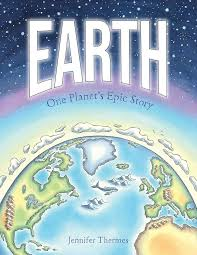
Earth: One Planet’s Epic Story by Jennifer Thermes (Henry N. Abrams, 64 pages, grades 2-5). This ambitious book explores the history of Earth from the Big Bang 13.8 billion years ago to the present. Various eras and periods are covered with a few pages that briefly describe geological history and show what life forms were alive during that time. The final few pages cover the emergence of humans, celebrating their achievements but reminding readers what a short time they’ve been here in the span of Earth’s history. Includes an author’s note with additional information about climate change and a list of selected sources (books, websites, and museums).

I’m always delighted to discover a new Jennifer Thermes book and to appreciate how she brings her unique style of illustration to her subject. That style lends itself well to this history of Earth that features maps, timelines, and lots of animals. There are only a few paragraphs of text on each page which meann a very brief introduction to a vast subject, but it’s a perfect book for browsing, and kids will enjoy poring over the large, detailed illustrations.
Indigenous stories

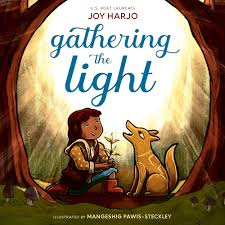
Gathering the Light by Joy Harjo, illustrated by Mangeshig Pawis-Steckley (Random House Studio, 40 pages, ages 4 and up). Former U.S. Poet Laureate Joy Harjo (Muscogee) gives a message to guide the reader through the day. Greet the light in the morning to welcome the day with gratitude, blessing those in your life, and asking to be a blessing to others. As the day circles into night, let go of the day, settle down, and allow your dreams to take root. Includes notes from the author and illustrator further developing the ideas from this book.

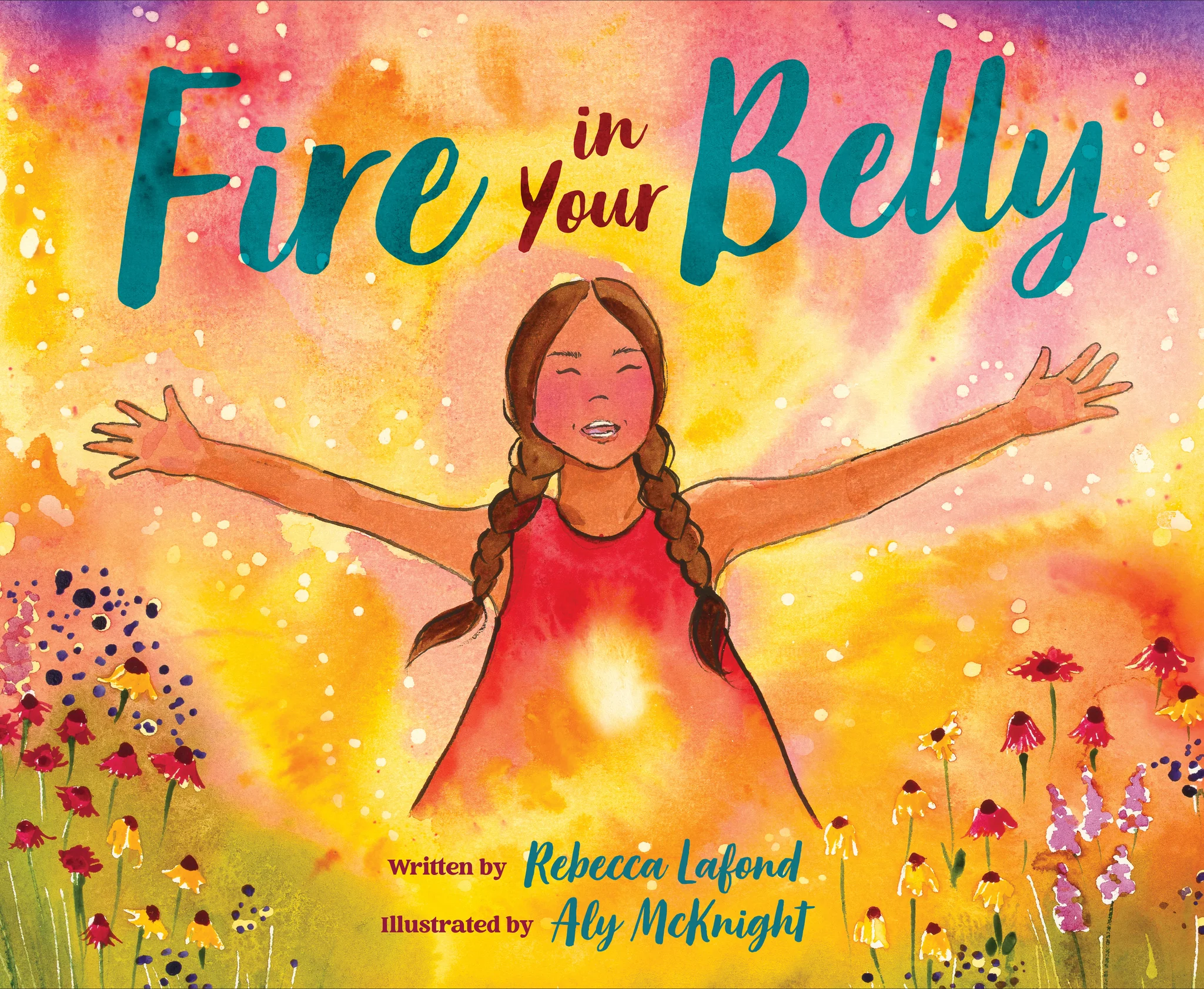
Fire In Your Belly by Rebecca Lafond, illustrated by Aly McKnight (Chronicle Books, 48 pages, ages 5 and up). An Indigenous girl listens to her grandmother, Kookum, tell stories about the sky setting fire one day, dropping embers that fell to the ground and into the soil. “That’s how we came to be,” Kookum says. Some of the embers live on in our bellies, creating both a warm glow of happiness and a fiery anger. Kookum and Mooshum, the girl’s grandfather, guide her to feed the warm ones and settle the more fiery ones. The family ends the day with gratitude for all living things and for the fire in their bellies. Includes a note from the author about the Indigenous stores she grew up with and how they reflect a deeper truth.

Both of these books would enhance just about any spiritual practice, with their simple yet profound messages of gratitude, light, storytelling, and the cycle of the day. They both feature beautiful illustrations and poetic text. The writing, especially in Fire In Your Belly may be a bit opaque for younger readers, but with adult guidance, they are sure to illicit some interesting conversations.

Speaking up

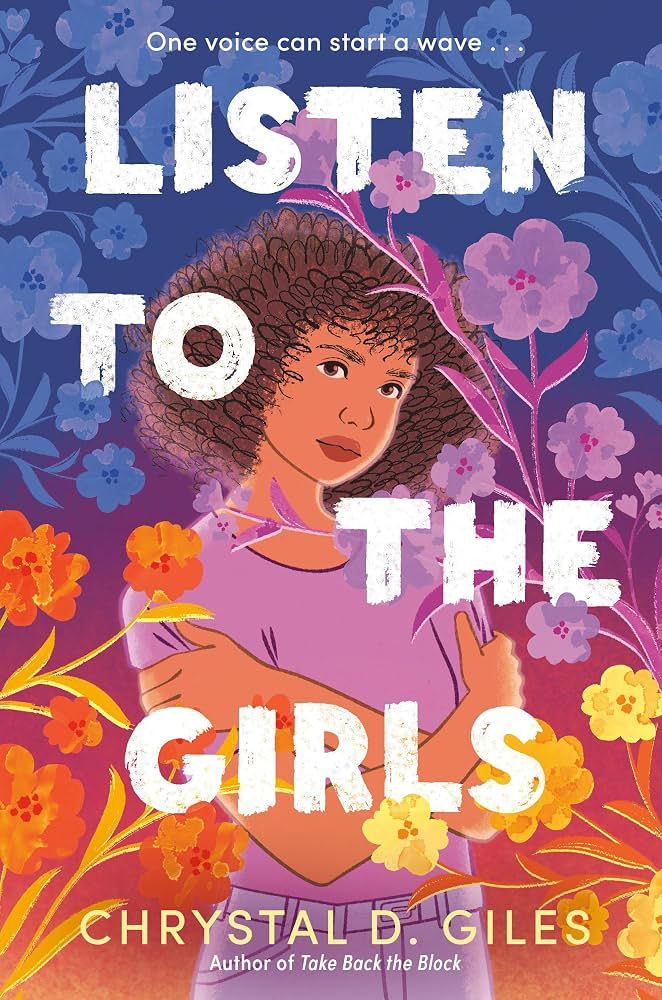
Listen to the Girls by Chrystal D. Giles (Random House Books for Young Readers, 256 pages, grades 5-8). Calla’s looking forward to a relaxing summer vacation when she hears the news that her favorite seventh-grade teacher, Mr. Chavis, has been accused of sexual harassment by some of the girls at his old school. Inspired by a social media influencer, Calla and her two best friends start an account called Listen to the Girls, inviting girls to honestly share their stories on the school’s social media platform. As stories start to come out, and Calla learns more about grooming and sexual harassment, she slowly comes to realize that Mr. Chavis was asking her to keep secrets and behaving in inappropriate ways, quite possibly as grooming for their relationship to go further. Calla is horrified by this, and has to decide whether to keep quiet or be the first at her school to speak out against their teacher. Includes an author’s note with additional information and resources for reporting sexual harassment.

I liked how Calla’s story was not a particularly dramatic one–in fact I kept expecting some big plot twist–but the subtlety of Mr. Chavis’s actions is exactly what made them even more dangerous, and the fact that Calla didn’t recognize them until for what they were until near the end of the story points to the importance of educating kids about what’s appropriate and inappropriate behavior between kids and adults.

More Trouble Than It’s Worth by Lisa Moore Ramée (HarperCollins, 272 pages, grades 4-7). We first met Shayla in 2019’s A Good Kind of Trouble as she started junior high and navigated the terrain of friendship and romance issues. Now it’s the summer before eighth grade, and Shayla is on the club track team, hanging out with three new friends and hoping to make it to Junior Olympics. Her friends like pranking other teams, and Shayla goes along with them, even though it makes her palms itch with nervousness. When Bernard suggests pranking their friend Neela by stealing the stuffed rabbit she takes everywhere, Shayla reluctantly goes along–after all, hasn’t Neela been wishing someone would prank them? But it turns out the rabbit was a gift from Neela’s late older sister who was shot and killed in a crime that was never solved or even investigated. Worst of all, the rabbit goes missing, and Shayla is sure everyone will hate her if she admits what she’s done. She slowly realizes she has to overcome her fear of getting into trouble and find a way to make things right, even if it means risking losing her friends.

I don’t usually review sequels, but I didn’t realize this was one until I was several chapters in, and this could easily be read on its own. Shayla deals with a classic middle school dilemma of fitting in versus standing up for what’s right. Not only is she struggling to come clean about her prank, but she feels moved to speak up about Neela’s sister on social media. Despite her misgivings about being in the spotlight, she ends up learning to do the right thing and seems ready for eighth grade, which I hope will be the setting for a third book.

Graphic novel friendships

Moonie and Junie: Interstellar Pen Pals by Katie Kordesh (HarperAlley, 176 pages, grades 2-5). Moonie lives by herself on the moon, with only her pet rocks to keep her company. She does pretty well living off the trash left behind by the astronauts who once explored the moon, but what she wants most is a friend. She puts a message in a bottle and sends it off into space. Junie is an alien girl visiting Mars on a family vacation who ends up receiving Moonie’s message. The two start writing back and forth, but Junie has a lot of social anxiety and resists Moonie’s invitations to visit her. Finally, Moonie hatches a plan to get Junie’s more adventurous parents to make a visit to the moon part of their vacation. When they arrive, Junie is miserable, but Moonie slowly introduces her to the wonders of the moon, and a real friendship soon blossoms. Junie’s parents invite Moonie to join them on the next leg of their journey, setting up the premise for book 2.

I had so many questions. Why is Moonie all alone on the moon? What does she eat? What about oxygen? But once I was able to put those aside, I thoroughly enjoyed getting to know these two quirky girls and watching their friendship grow. Perfect for graphic novel fans who are ready to move up from Narwhal and Jelly or Pizza and Taco to something a little more substantial.

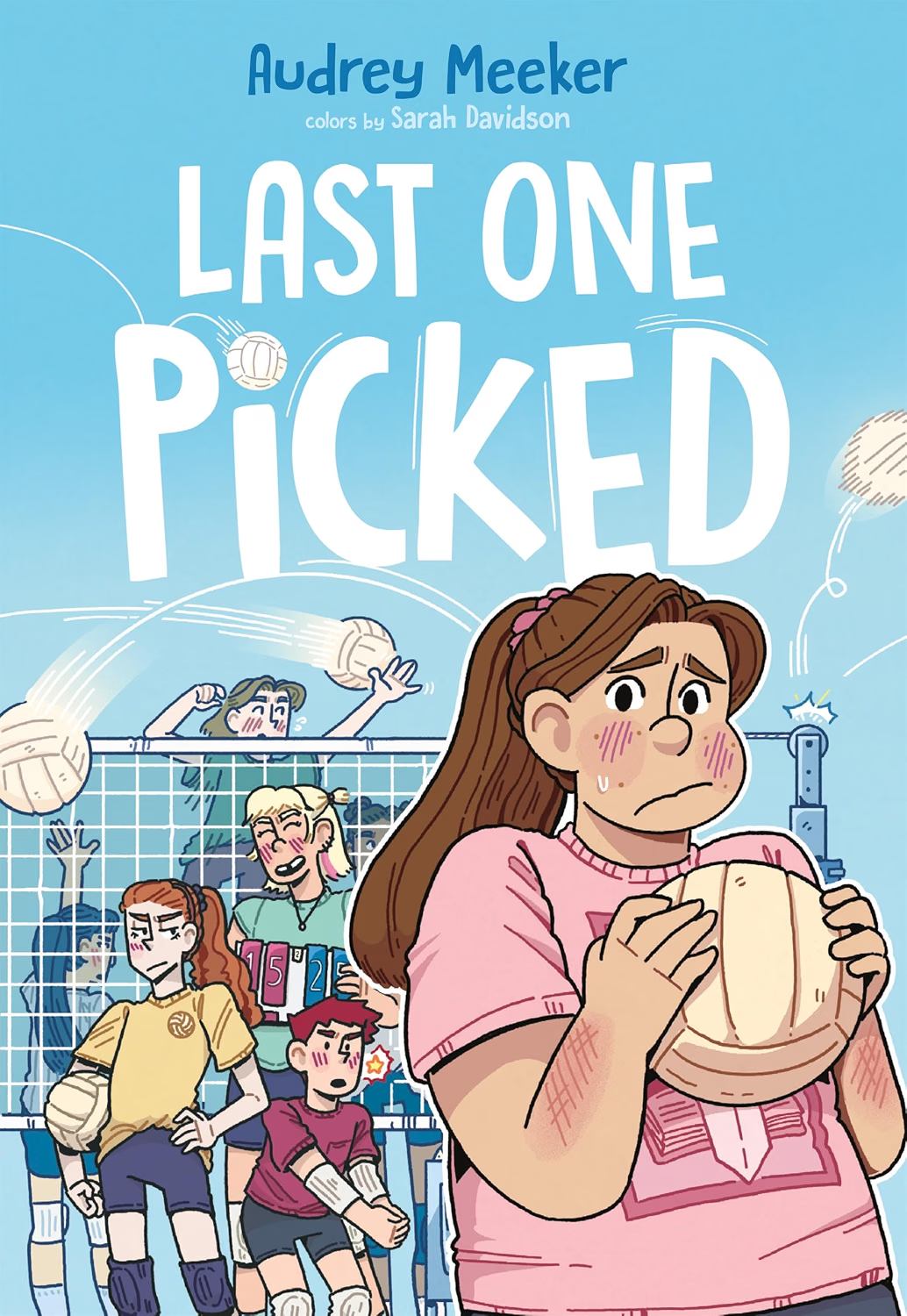
Last One Picked by Audrey Meeker, colors by Sarah Davidson (Feiwel and Friends, 224 pages, grades 4-7). Annabeth is looking forward to a summer spent reading her favorite Warrior Princess books and volunteering at the library. Her mom has different ideas, though, and signs Annabeth up for volleyball camp. The best player in the camp is Annabeth’s ex best friend Serena who’s an excellent volleyball player but a horrible teammate, thanks in large part to her mom’s nonstop criticism and coaching. After a disastrous first day, Annabeth reluctantly returns and discovers that with help from coaches and other players, she’s actually getting better. She enjoys the next couple of days enough to make the decision to try out for the freshman team at the end of camp. Things turn out differently than either Annabeth or Serena expect, but both of them start to appreciate their unique talents, and by the end, they seem to be back on the path to a friendship. Includes an author’s note about how her own experiences led to the creation of this book.

Although it’s a pretty quick read, this graphic novel covers a wide range of topics including friendship, good sportsmanship, and body image, all of which are handled deftly. I do enjoy a good mean girl redemption arc, and by the end of the story I was rooting for Serena almost as much as Annabeth.

Animals in the snow

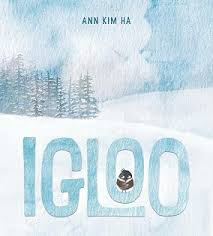
Igloo by Ann Kim Ha (Greenwillow Books, 32 pages, ages 4-8). The first big snow is coming, and Chickadee is out in the cold. A gaggle of geese pass by and form a huddle around the bird to keep it warm. As snow starts to fall, a fox and a bear wrap themselves around the birds to form a tight, warm ball. A gust of wind sweeps them away and down a hill, encasing them in a giant snowball when they finally land. The geese pop out through the top, and the bear and fox dig their way through one of the sides, leaving Chickadee inside a snug igloo home.

This reminded me of Larissa Theule’s The Sweater from earlier this year. Read the two books together for a cozy wintertime story hour with a theme of animals helping each other and the importance of home and community.

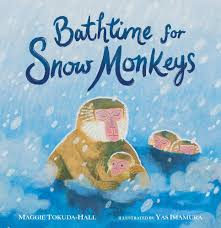
Bathtime for Snow Monkeys by Maggie Tokuda-Hall, illustrated by Yas Imamura (Candlewick, 32 pages, ages 4-8). In the snowy mountains of Nagano, Japan, a group of nihonzaru, also known as snow monkeys or Japanese macaques, gather to enjoy the hot springs. One of the babies wants to splash and play, but the others calm him down, grooming him, then helping him gently drift off to sleep. The others relax in the hot water, blissfully unaware of the snow falling on them. Includes an author’s note about the Jigokudani monkey park and the hot springs that were created for the macaques after ski chalets crowded them out of their natural habitat.

Written in a series of haiku poems, this beautifully illustrated book induces a Zen-like tranquility that will get you through any snowstorm this winter. I wish there had been a note somewhere about haiku, but this would be a great way to introduce the poetry form to kids.

Stages of the game

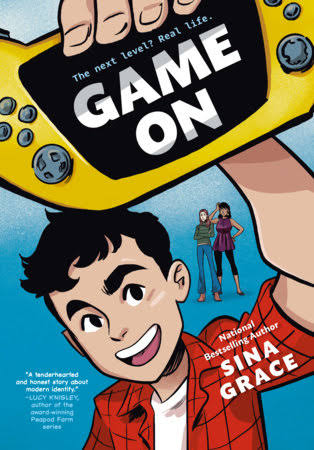
Game On by Sina Grace (Random House Graphic, 208 pages, grades 4-7). Sasan takes his Persian heritage for granted–his mom is from Iran, and his absent dad is white. Sasan’s far more interested in video games, and when the other kids start talking about the new RadBox gaming console, Sasan begs his mom to buy him one. She makes him a deal: if he learns Farsi, she’ll buy the RadBox. He reluctantly agrees, and the two begin regular lessons together. On top of that, Sasan has the big “Who Am I?” school project to work on, making him consider the influences that have made him who he is. His older sister is disgusted that he’s focusing on video games and superheroes more than culture and family, and Sasan has to give some careful consideration about what’s important to him. He makes some selfish decisions along the way, disappointing his family, his friends, and himself, but by the end, he’s starting to realize that being Persian is an important part of him and beginning to appreciate his family and culture more. Includes an author’s note about how his own adolescence influenced the creation of this story.

I liked that Sasan is a typical middle school kid, often making misguided decisions based on what his friends were doing and wanting to fit in. His mom is pretty awesome, walking the line between holding him accountable and understanding what it’s like to be in middle school. There aren’t enough graphic novel middle school stories with boy main characters, and this would be a great addition to any elementary or middle school library.

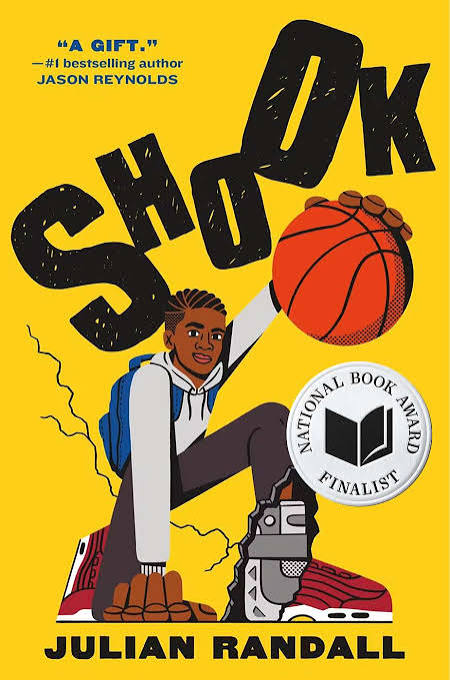
Shook by Julian Randall (Henry Holt and Co., 256 pages, grades 4-8). Malik “Shake” Page has his future mapped out for him: after making the varsity basketball team in eighth grade, he’ll go on to star in high school, college, and finally, the NBA. But in his final summer game, he fractures his ankle and has to take a break from basketball. Sitting things out and watching his parents struggle to pay his medical bills trigger his anxiety, and he starts having panic attacks. On top of that, his basketball friends seem to be moving on without him, and his oldest friend, Kyla, has been acting distant lately. With the help of a compassionate therapist, Shake starts to see the pressure he’s been putting on himself and learns some strategies for coping with anxiety, including asking for help from his friends and family.

This novel in verse National Book Award finalist has been aptly compared with Kwame Alexander’s The Crossover. Shake’s voice is true to his West Chicago community, and his love of basketball, his struggles with anxiety, and his discovery about family and friends are all elements that will resonate with upper elementary and middle school readers.