The Secret Life of the Little Brown Bat by Laurence Pringle, illustrated by Kate Garchinsky

Published by Boyds Mills Press
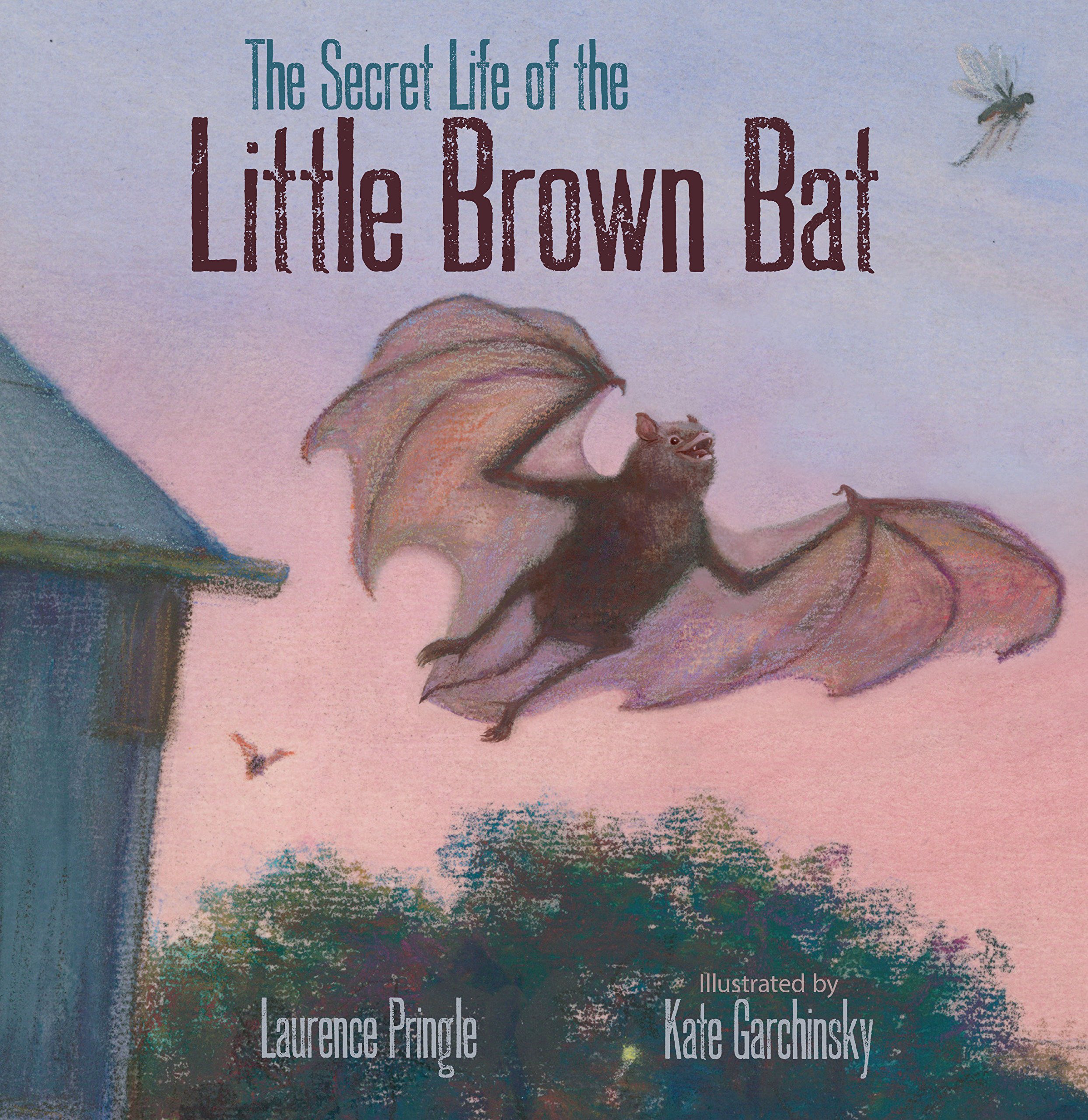
Image result for secret life little brown bat amazon

Summary:  This story starts shortly after Otis, a little brown bat, has left his mother and is living on his own.  Watching how Otis spends his days and nights, the reader will learn the physical characteristics of bats, their diet, where they live, how they hunt using echolocation, and their life cycle.  The illustrations mostly portray Otis at night in a variety of settings: roosting in an abandoned building, hibernating in a cave, flying through the sky, and hunting for insects in a meadow. At the end, Otis has found a mate and is settling down for a long winter’s sleep.  Includes two pages of additional information about little brown bats and a glossary. 32 pages; grades 1-4.

Pros:  An excellent introduction to a bat’s life, told in a narrative form that will hold readers’ interest.  The pastel illustrations on the dark background provide striking portrayals of Otis (whose name comes from his species’ scientific name, Myotis lucifugus) and the other bats.

Cons:  Otis didn’t really seem to be leading a “secret life”.
If you would like to buy this book on Amazon, click here.

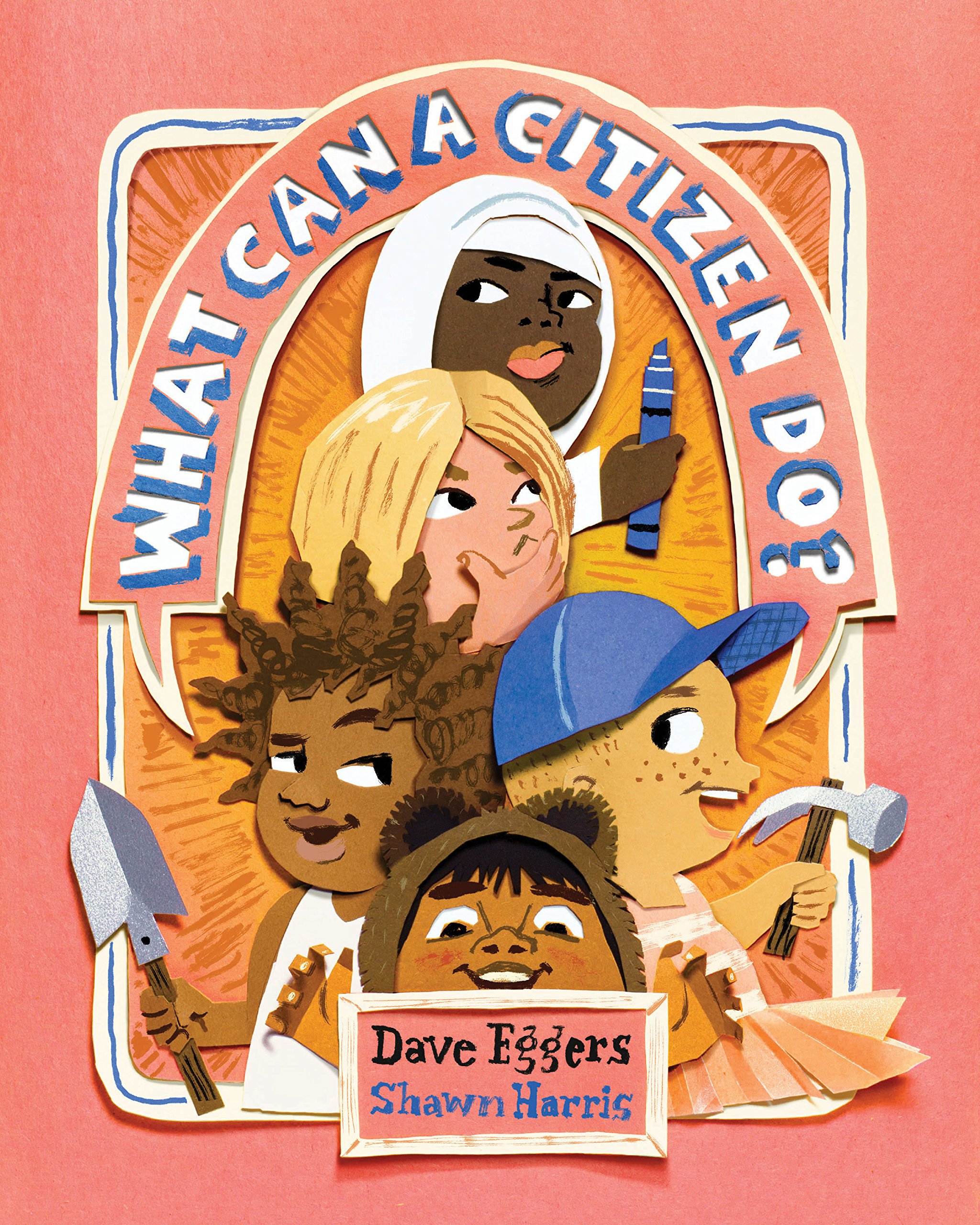
What Can a Citizen Do? By Dave Eggers, illustrated by Shawn Harris

Published by Chronicle Books

Image result for what can a citizen do eggers amazon

Image result for what can a citizen do eggers amazon

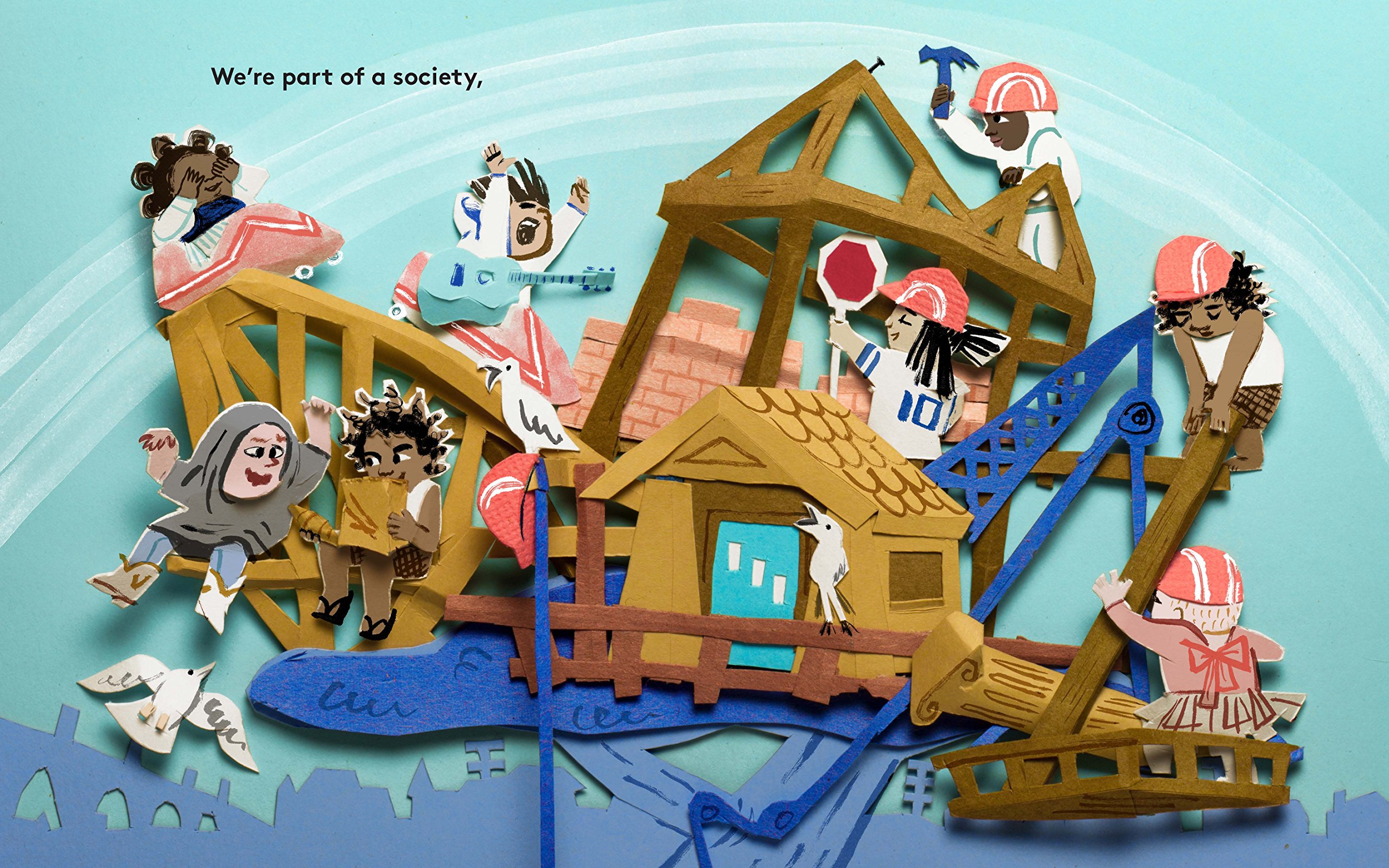
Summary:  The team that brought us Her Right Foot takes a look at the rights and responsibilities of citizenship.  The rhyming text is simple, emphasizing the importance of helping others and working to make a better society.  Suggestions include helping a neighbor, joining a cause, writing a letter, and the generic “righting a wrong”. There may be a sly political message in the “No Trumpets” sign in a couple of the illustrations.  The conclusion? “So forget yourself a second/Grab a shovel or a pen/Do something for another./Don’t you dare doubt that you can!/Everything makes an impact/on a bigger big than you./And it all starts with the question:/What can a citizen do?”  40 pages; ages 4-8.

Pros:  A basic introduction to civics for preschool and primary students.  The illustrations are the star of the show here, with a diverse cast of kid characters portrayed in collage illustrations that seem to pop out of the page.  

Cons:  If ever a book cried out for back matter, this is it.  What is a citizen? What are some specific actions citizens can take?  Definitely some missed opportunities here, particularly after the thought-provoking Her Right Foot.

If you would like to buy this book on Amazon, click here.


Night Job by Karen Hesse, illustrated by G. Brian Karas

Published by Candlewick

Image result for night job hesse amazon

Image result for night job brian karas

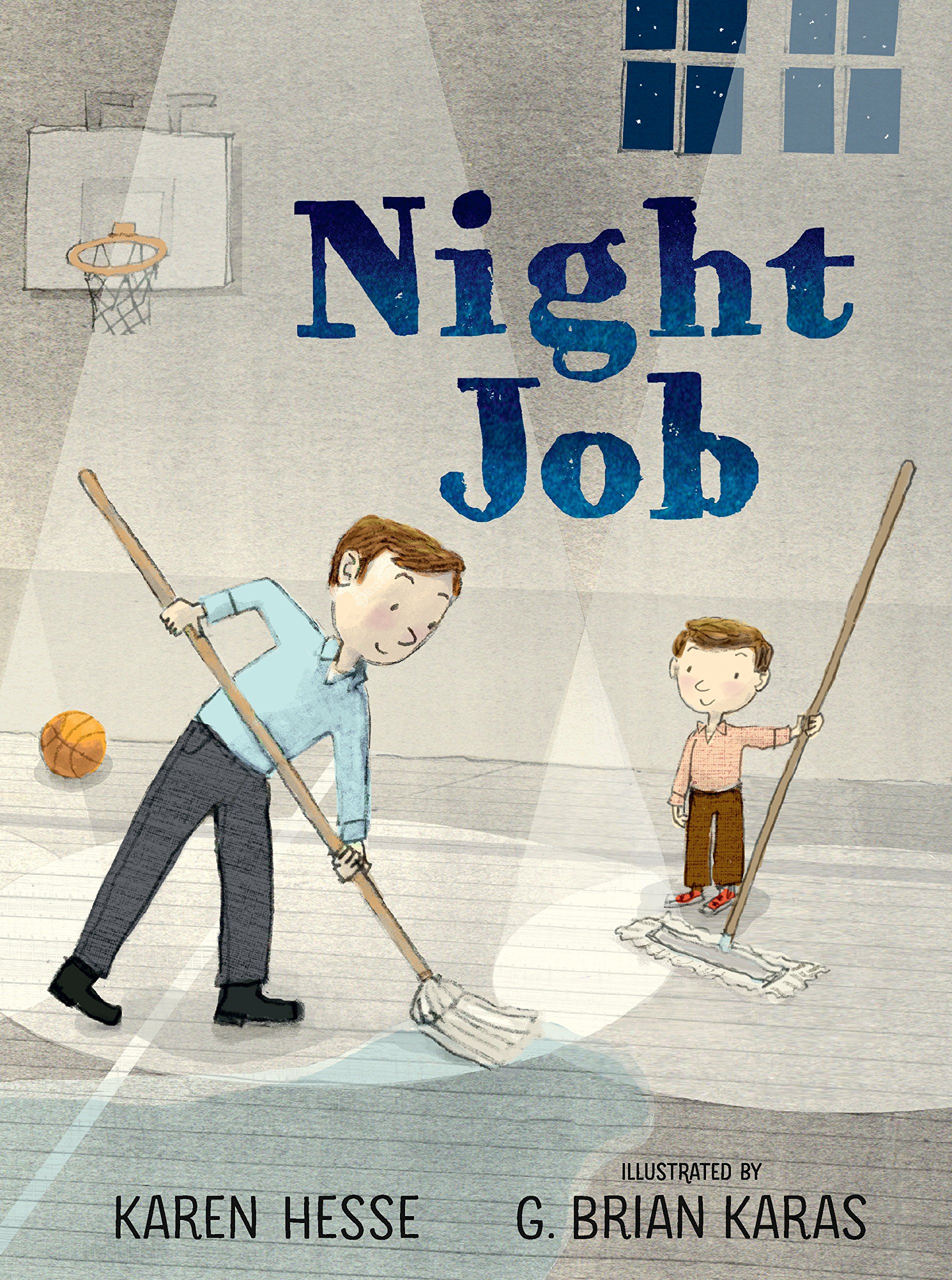
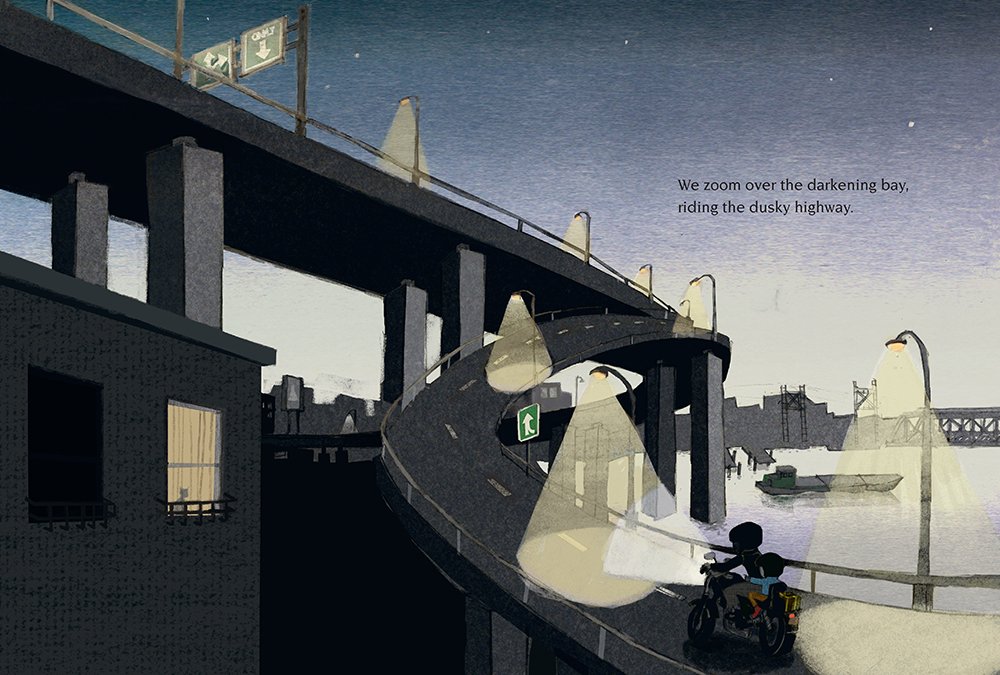
Summary:  A boy tells about his Friday evenings with his father, a school custodian.  The two ride Dad’s motorcycle to the school, then begin the weekly cleaning. Even though there’s lots of work to be done, it’s clear they enjoy being together and helping each other out.  They listen to a ballgame on the radio, and take a break to eat sandwiches in the courtyard. Eventually, the boy falls asleep, as his father continues to work until 4:00 a.m. As they head for home, the sun is starting to rise.  They relax in their living room, reading the paper that’s just been delivered, and at the end of the story they have drifted off to sleep together in the big recliner. 32 pages; ages 4-8.

Pros:  A beautiful example of narrative writing, simple but filled with sensory details, metaphors, and similes that would make this an excellent mentor text for a writing class.  The little boy and his father clearly have a happy and loving relationship, and their evening of hard work seems satisfying.

Cons:  Seems like a pretty late night for such a little kid to put in every week.

If you would like to buy this on Amazon, click here.

The Dress and the Girl by Camille Andros, pictures by Julie Morstad

Published by Harry N. Abrams

Image result for dress and the girl camille amazon

Image result for dress and the girl julie morstad

Summary:  On the first page, a girl is getting fitted for a new dress made by her mother.  “The dress loved the girl, and the girl loved the dress.” They go through many days together, enjoying life by the sea in their Greek village.  One day, they get on board a ship with the girl’s family and begin a long trip across the ocean. When they arrive in New York City, the dress is folded and left in a trunk where it waits for a very long time for the girl to come back. The dress travels in its trunk around the world as time passes and the girl grows up.  Then one day, the dress arrives back in New York, where it is hung in a shop window. A woman stops to look at it and remembers all her adventures with that dress. The last page shows her putting it on her own daughter. 40 pages; ages 4-8.

Pros:  The illustrations steal the show in this book, and, in my world, would be considered for a Caldecott.  The story is sweet and another immigrant story to add to the many different takes on that theme that have been published this year.

Cons:  I didn’t really understand why the dress was left behind and how the trunk ended up in so many different countries around the world.

If you would like to buy this book on Amazon, click here.

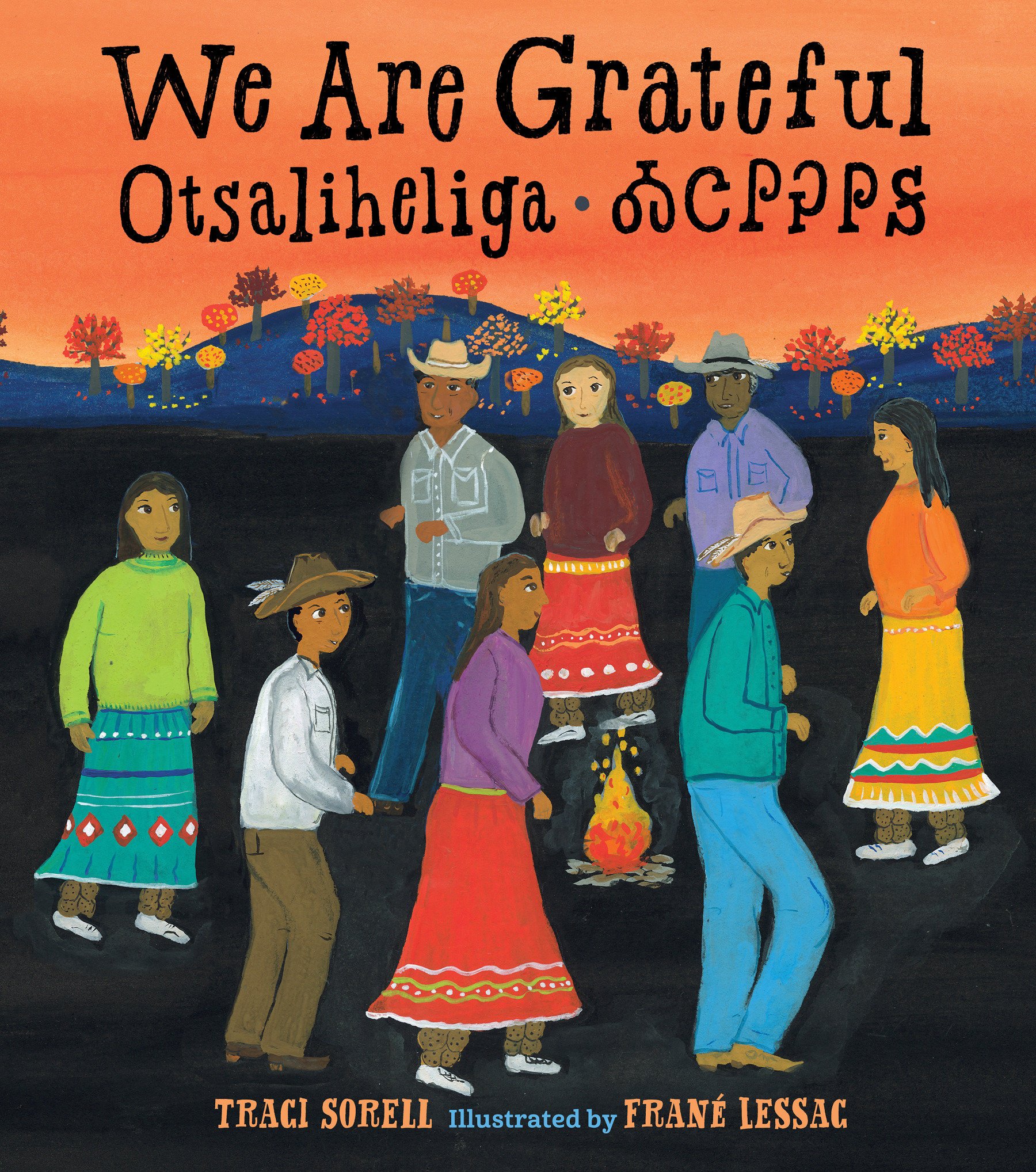
We Are Grateful: Otsaliheliga by Traci Sorell, illustrated by Frane Lessac

Published by Charlesbridge

Image result for we are grateful otsaliheliga amazon

Image result for we are grateful sorell

Summary:  “Cherokee people say otsaliheliga to express gratitude.  It is a reminder to celebrate our blessings and reflect on struggles–daily, throughout the year, and across the seasons.”  With each season, the Cherokee people in this book are grateful, whether it is for food or community or festivals or family.  People are shown creating traditional crafts, celebrating life and death, eating, playing, and remembering their people’s history and how it is woven into the history of the United States.  Cherokee words and their pronunciations are scattered throughout the text. End matter includes a glossary, an author’s note, and a Cherokee syllabary with some lessons about the Cherokee language.  32 pages; ages 4-8.

Pros:  A beautiful book that would make an interesting harvest time supplement to Thanksgiving reading.  I loved the bright folk art style illustrations.

Cons:  After studying the Cherokee syllabary, I think I can safely cross learning that language off my bucket list.

If you would like to buy this book on Amazon, click here.

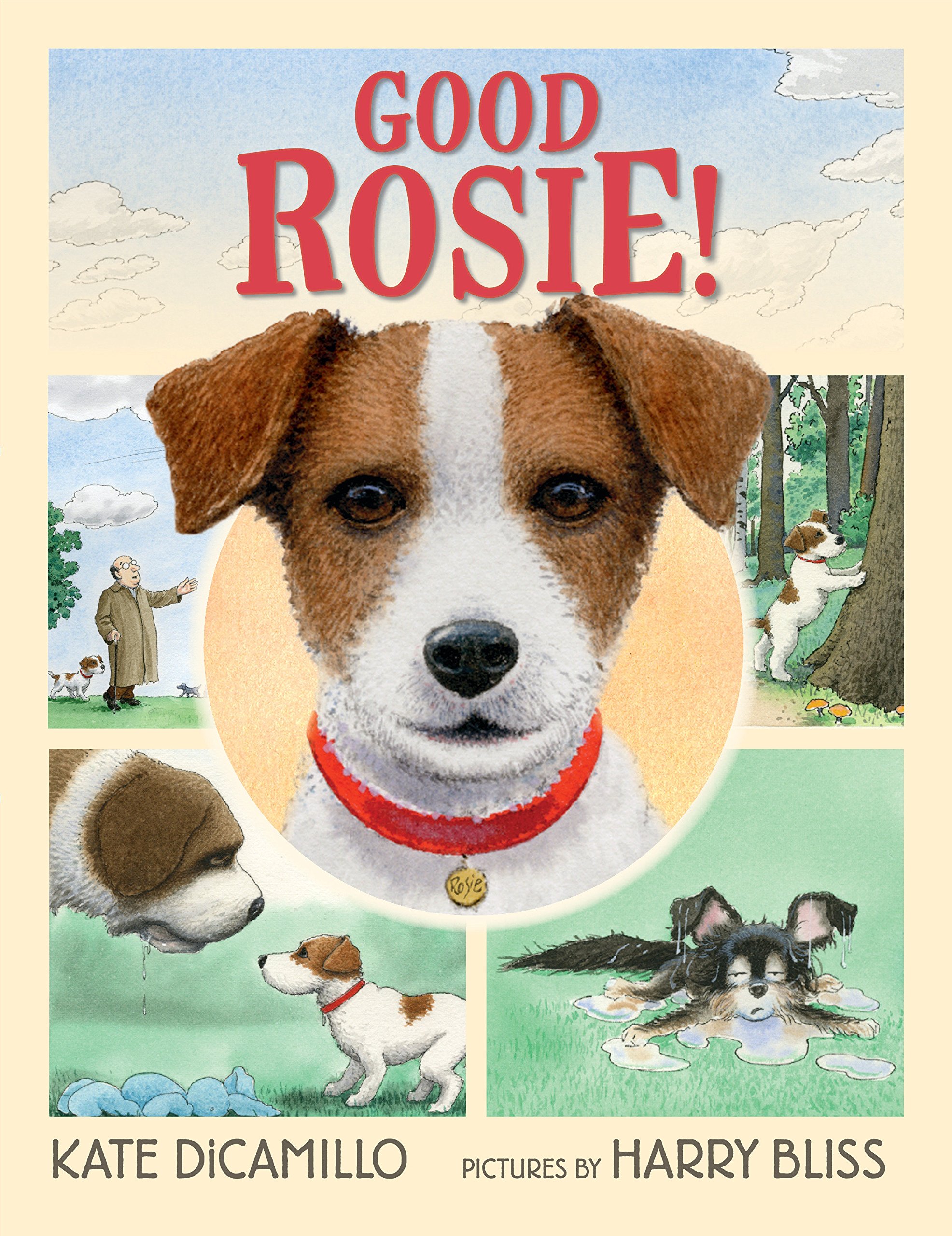
Good Rosie! by Kate DiCamillo, pictures by Harry Bliss

Published by Candlewick

Image result for good rosie amazon

Image result for good rosie dicamillo

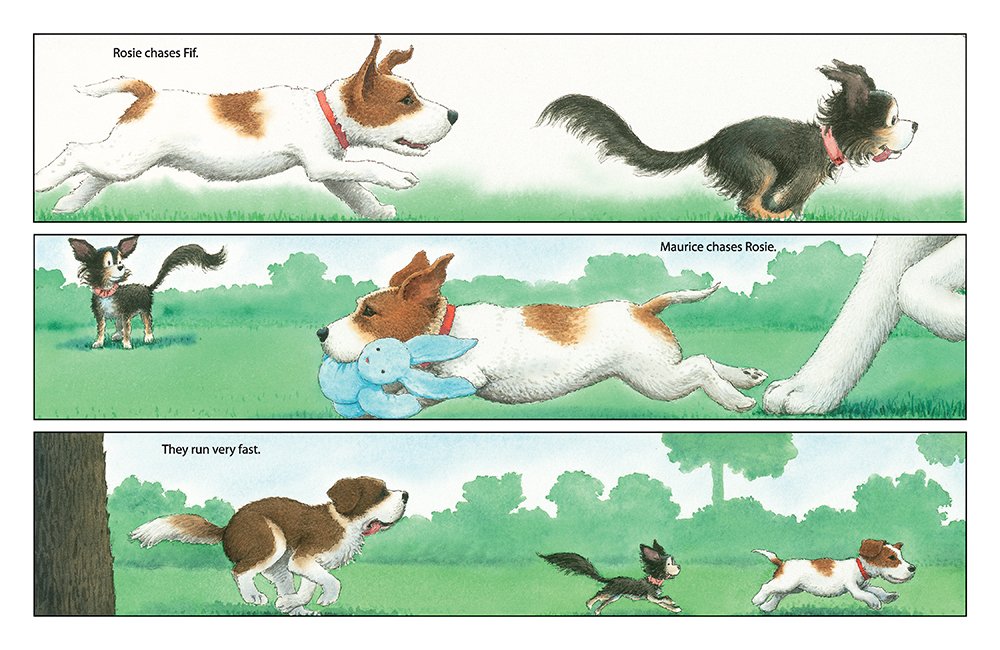
Summary:  Rosie is kind of lonely; she barks at the dog at the bottom of her shiny silver bowl, but doesn’t get a response.  She wags her tail at a cloud that’s shaped like a dog, but that’s unsatisfactory as well. Finally, her owner gets the hint, and they head to the dog park.  There, Rosie meets a not-too-bright St. Bernard named Maurice, and a very bouncy, yappy little dog named Fifi.  Rosie’s ready to call it a day and head home when Maurice decides to play with Fifi and almost swallows her whole.  Rosie intervenes and is surprised when the three of them end up as friends. In the final chapter, a trip to the dog park and games with Fifi and Maurice have become part of the routine for Rosie and her owner. 32 pages; grades K-3.

Pros:  There’s plenty of humor in both the story and illustrations of this graphic novel style picture book. I’m a big Harry Bliss fan, and he doesn’t disappoint with his adorable, expressive dogs, while Kate DiCamillo knows how to perfectly capture small details of friendship.

Cons:  I’m sorry Fifi almost got eaten, but she did seem pretty annoying.

If you would like to buy this book on Amazon, click here.

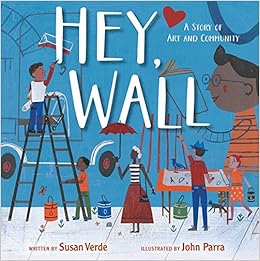
Hey, Wall: A Story of Art and Community by Susan Verde, illustrated by John Parra

Published by Simon and Schuster Books for Young Readers

Image result for hey wall verde amazon

Image result for hey wall verde amazon

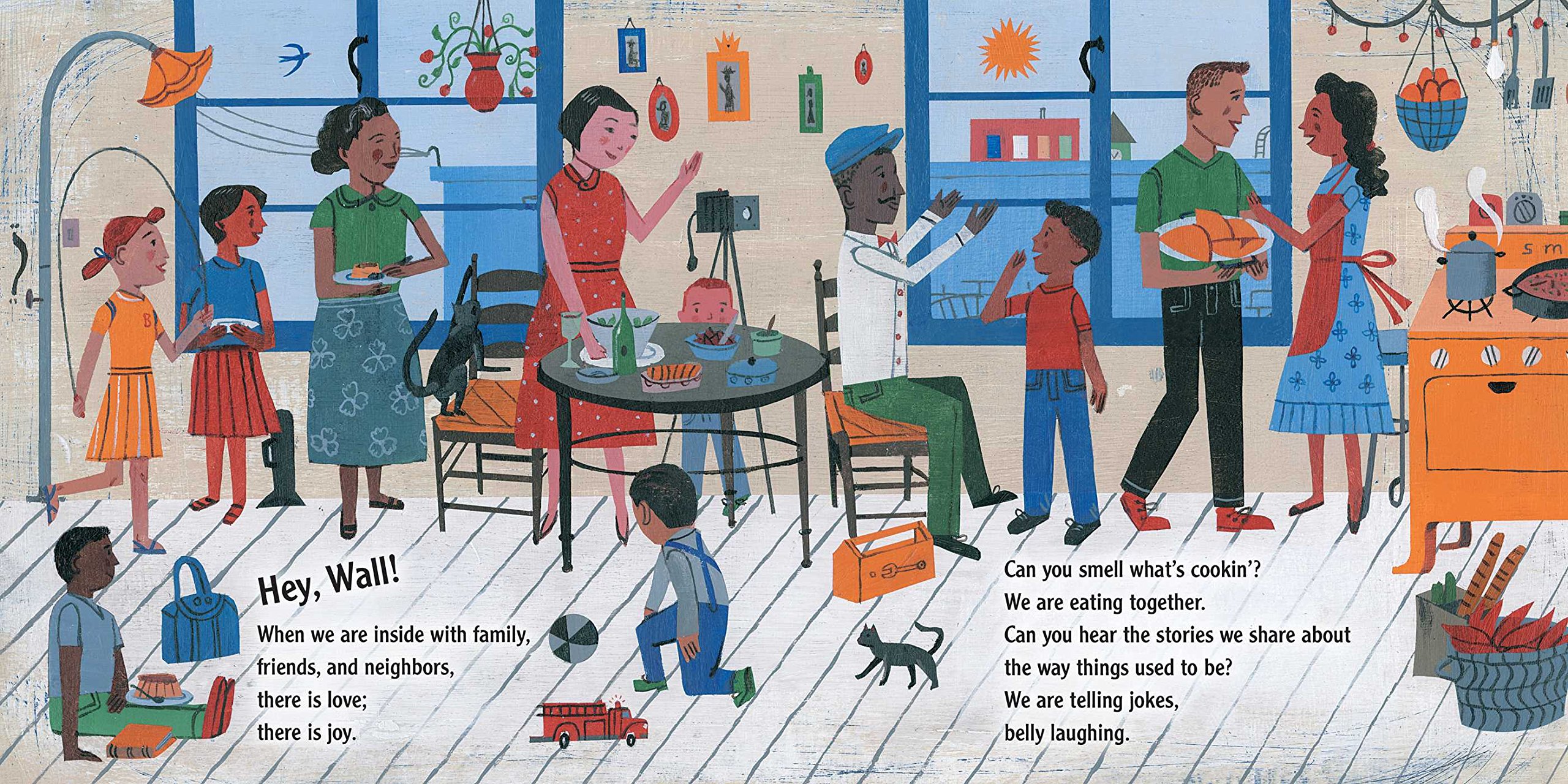
Summary:  A boy describes the concrete wall in his neighborhood, and all the goings-on in front of it throughout the seasons.  The people sing, dance, skateboard, eat, and tell stories, but the wall just sits there doing nothing. Then, the boy decides to change that.  Working with others from the community, he designs a picture to paint on the wall. The wall becomes a canvas for art that everyone can contribute to.  In the end, it’s covered with pictures of the people that have been shown on the previous pages. Includes author’s and illustrator’s notes telling about their experiences and inspirations from street art.  40 pages; ages 4-8.

Pros:  Readers may be inspired to create their own street art after reading this book.  The illustrations show a busy, diverse community that looks like a fun place to live.  Kids will enjoy looking back to find the people portrayed on the mural.

Cons:  The author’s note is a bit long for the intended audience; it would have been nice to include some photos of real street art along with her explanation.

If you would like to buy this book on Amazon, click here.

Turning Pages: My Life Story by Sonia Sotomayor, illustrated by Lulu Delacre

Published by Philomel Books

Image result for turning pages sonia sotomayor amazon

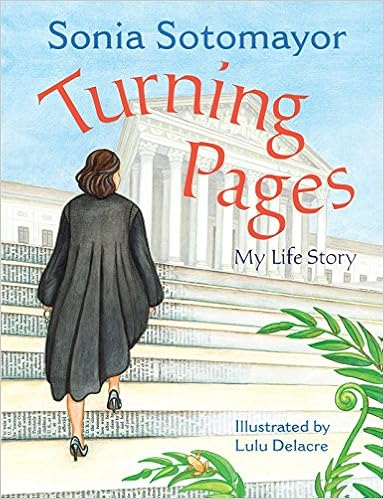
Summary:  Supreme Court Justice Sonia Sotomayor tells the story of her life, with an emphasis on how words and books have shaped it.  Starting as a young girl listening to her grandmother quote poetry from Puerto Rico, Sonia realized the power of words. Later, books helped her when she was diagnosed with diabetes at age 7, and after her father died when she was 9.  In high school, reading Lord of the Flies made her understand how important laws are to a society, and stories about Jesus in her religion class showed her not to judge other people for mistakes they have made.  She emphasizes the importance of books in helping her to create her own story, and invites readers to do the same. Includes a timeline and photos on the endpapers; a Spanish version of this book, Pasando Páginas: La Historia de mi Vida was released simultaneously.  40 pages; grades 2-5.

Pros:  An inspiring story of a successful woman who used books and libraries to educate herself.  It’s enough to make any librarian happy.

Cons:  Some of the photos on the endpapers were covered by the taped-down dustjacket of my library copy.

If you would like to buy this book on Amazon, click here.

Adrian Simcox Does NOT Have a Horse by Marcy Campbell, illustrated by Corinna Luyke

Published by Dial Books

Image result for simcox amazon

Image result for adrian simcox luyken

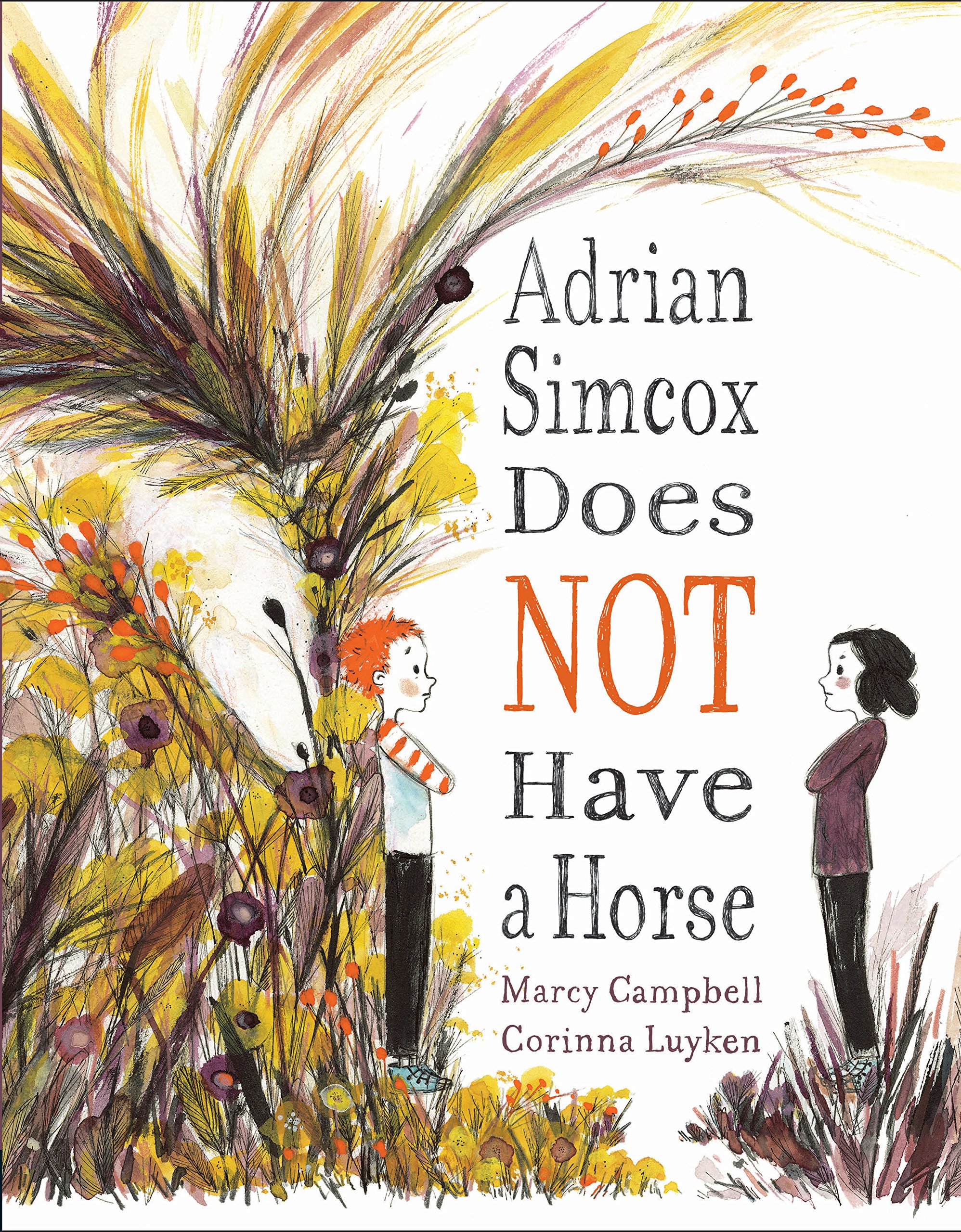
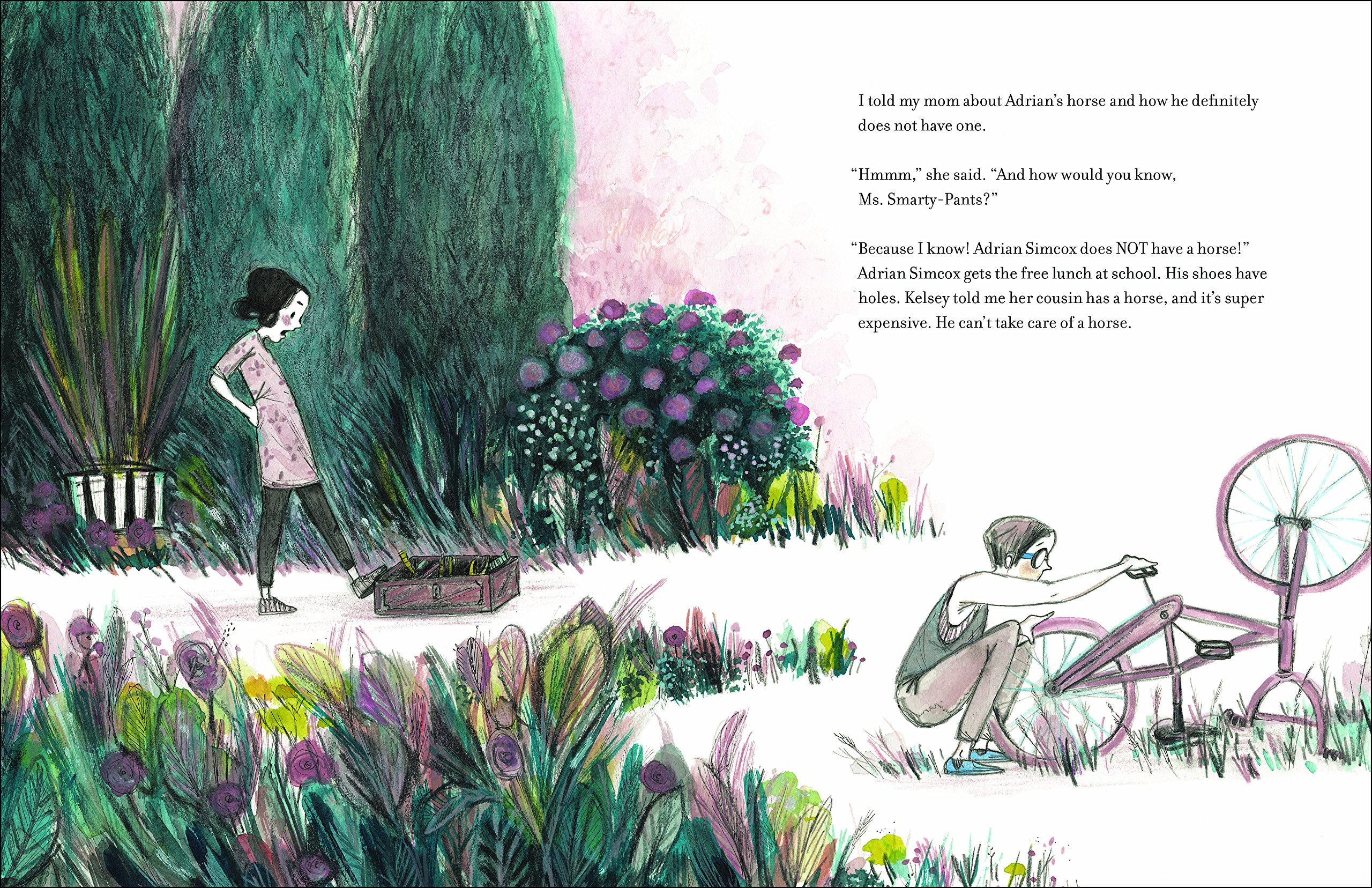
Summary:  Chloe is annoyed that her classmate Adrian Simcox keeps telling everyone that he has a horse.  She has some evidence that this would be impossible: he lives in a small house with his grandpa, his yard is tiny, and he gets free lunch.  One day she calls him on it, yelling on the playground, “He’s lying! Adrian Simcox does NOT have a horse!” She can’t help noticing that Adrian looks sad.  That night, when Chloe tells her mom about Adrian and his horse, her mother responds by suggesting they take their dog for a walk. Instead of their usual route, Mom takes them down a street where “the houses looked like they might fall down, and even though it wasn’t trash day, it looked like it was.”  Chloe recognizes Adrian outside in front of his very small house. While her mom talks to Adrian’s grandfather, the two kids hang out. What Chloe wants to say to Adrian is, “You do not have a horse”, but she sees that sad look again, and instead asks, “Is your horse at a farm?” That brings a smile, and Chloe realizes that Adrian has the best imagination of any kid at school.  40 pages; ages 4-8.

Pros:  A good lesson on kindness, empathy, and looking beyond appearances.

Cons:  The last page felt a little bit flat.

If you would like to buy this book on Amazon, click here.

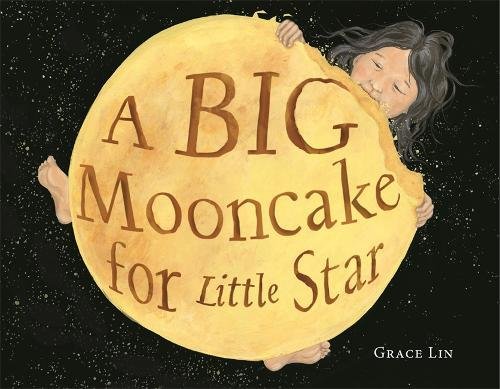
A Big Mooncake for Little Star by Grace Lin

Published by Little, Brown and Company

Image result for big mooncake for little star

Image result for big mooncake for little star

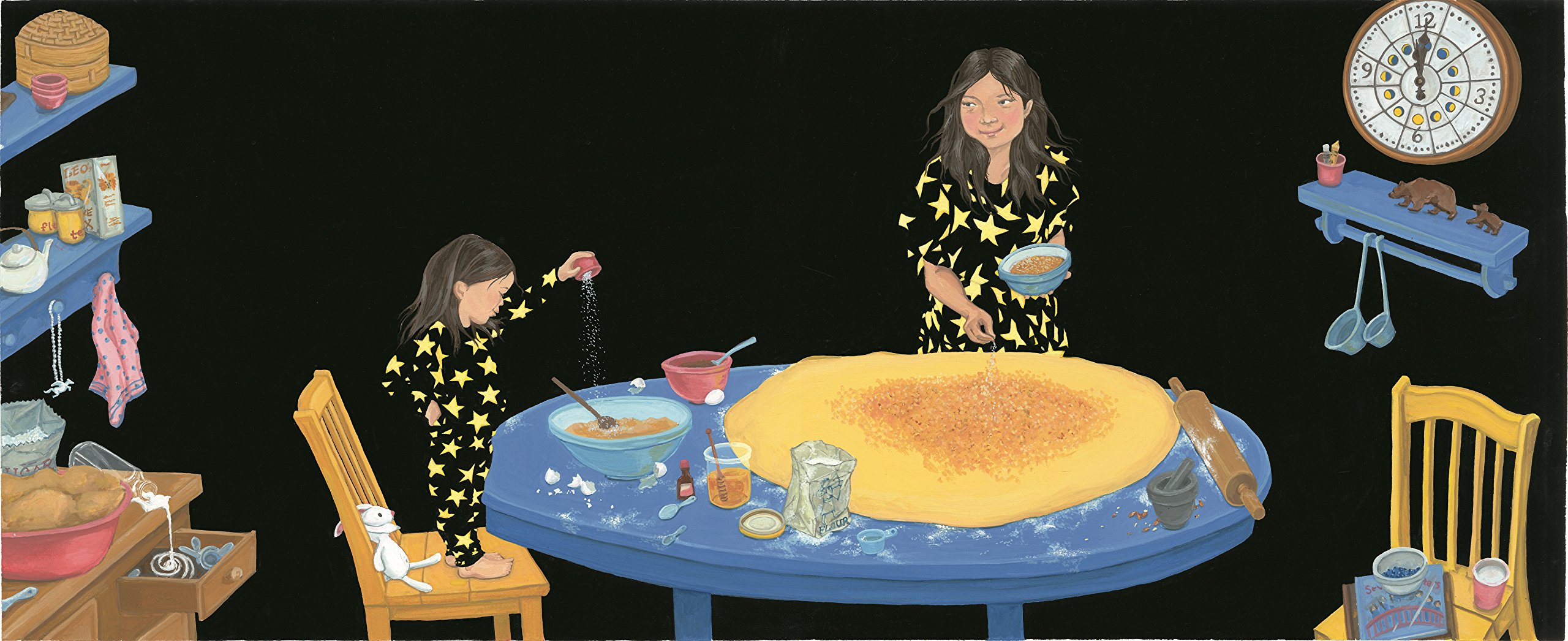
Summary:  When Little Star’s mama hangs the big mooncake in the sky to cool, she reminds her daughter how long it took to make, and that she shouldn’t touch it.  Little Star agrees, but when she wakes up in the middle of the night, the mooncake is all she can think about. She nibbles just a tiny bit, then hurries back to bed.  Night after night, she eats a little until gradually the shape changes from perfect circle to half a circle to a crescent. And then one night, when Mama comes looking for the mooncake, all she finds is a pile of crumbs.  Is she mad? Of course not…she and Little Star head off to make a new cake. An author’s note on the back flap of the cover explains how she was inspired by the Asian Mid-Autumn Moon Festival. 32 pages; ages 4-8.

Pros:  A perfect introduction to the Mid-Autumn Moon Festival (which is September 24 this year, in case you were wondering), as well as a loving parent-child portrayal, and a nice bedtime story.  Although it’s an original story, it has the feel of a folktale.

Cons:  The author’s note gives important information about the story; placing it on the book cover makes it easy to miss.

If you would like to buy this book on Amazon, click here.