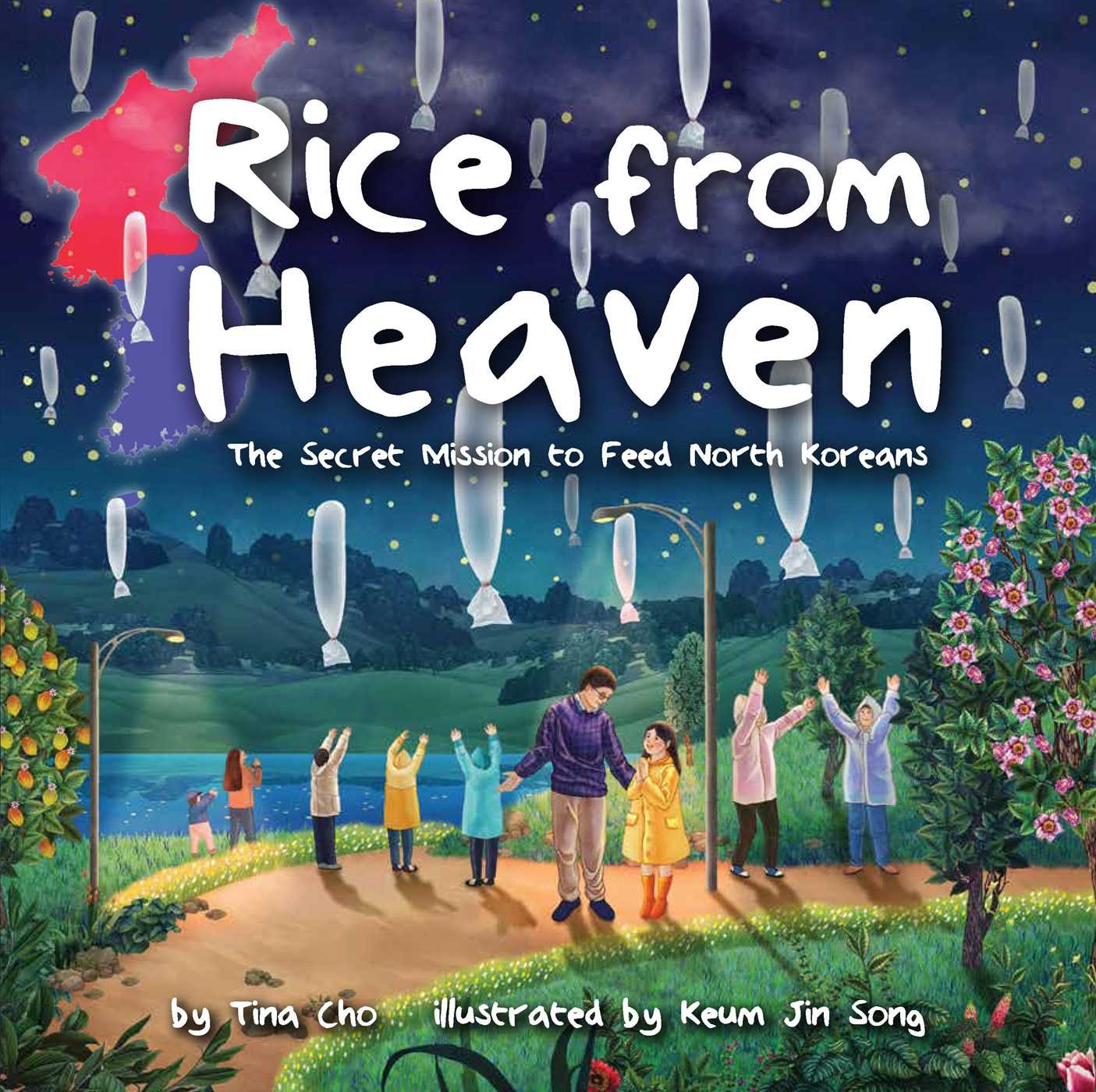
Rice from Heaven: The Secret Mission to Feed North Koreans by Tina Cho, illustrated by Keum Jin Song

Published by little bee books

Image result for rice from heaven tina cho amazon

Image result for rice from heaven tina cho amazon

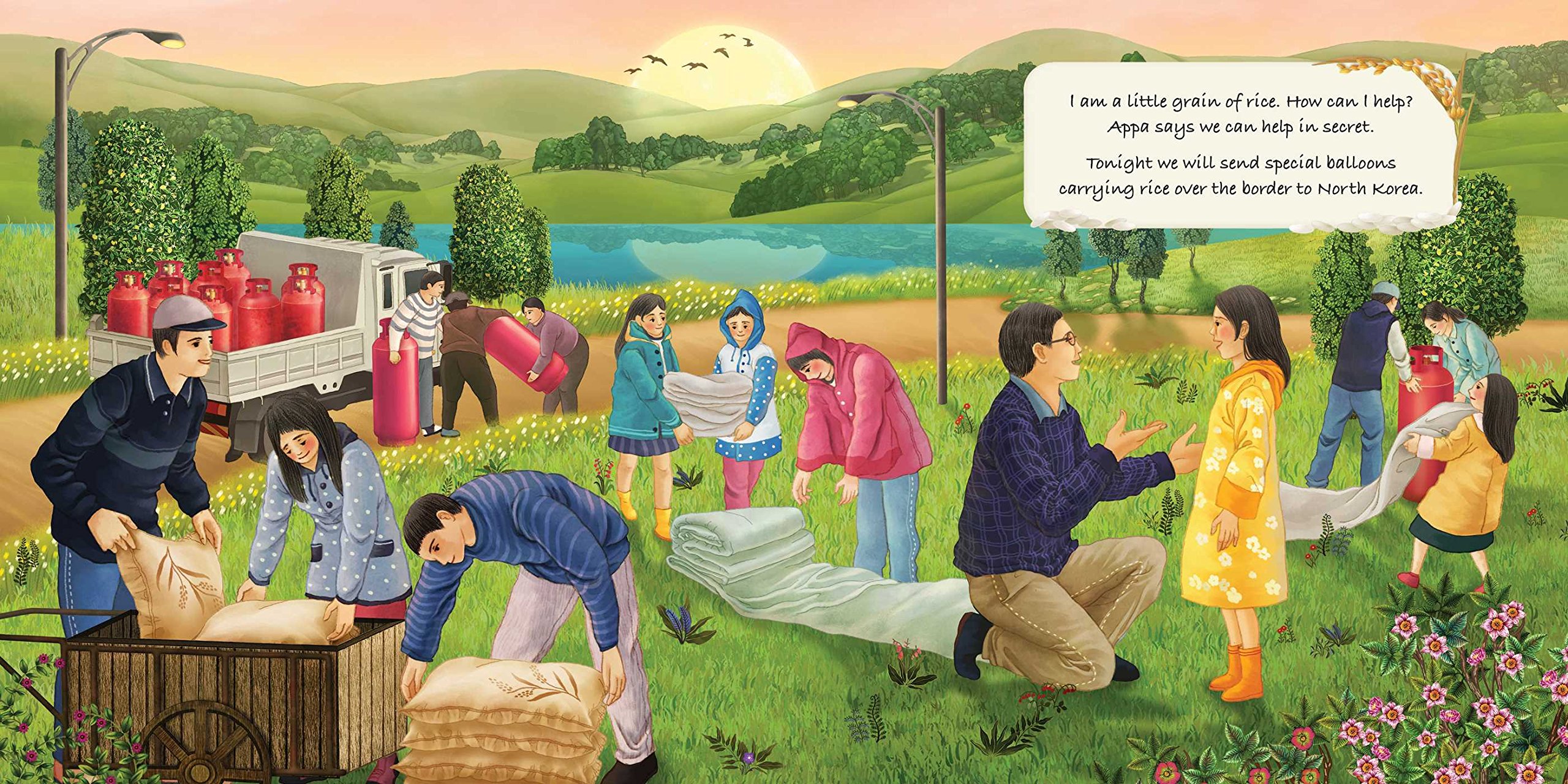
Summary:  A girl and her father work with a group from their church to send rice from their home in South Korea to hungry people in North Korea.  The girl’s father grew up in North Korea before escaping to the south, and has told her what it was like growing up without enough to eat. Their group fills and ties bags of rice to balloons that they will launch over the border.  As they work, some of the villagers try to stop them, telling them that they’re helping the enemy. But the girl defends them, saying that the children of North Korea are so hungry they eat grass and bark from trees; her words seem to cause a change of heart in at least one of the boys.  At the end, they launch their balloons into the night sky. The group won’t ever know if their food reaches its destination, but the girl envisions children waking up in the morning to find rice from heaven. Includes information about this event, which the author took part in, additional facts about the history of Korea and its division into two countries, and a list for additional reading.  40 pages; grades K-4.

Pros:  Kids will be fascinated by this unusual story, and will learn a lot about both North and South Korea, particularly if they read all the back matter.  The luminous illustrations are realistic but have a slightly surreal, dreamy quality to them.

Cons:  Some parts of the girl’s storytelling come across as a bit stilted.

If you would like to buy this book on Amazon, click here.

The Faithful Spy: Dietrich Bonhoeffer and the Plot to Kill Hitler by John Hendrix

Published by Harry N. Abrams

Image result for faithful spy dietrich amazon

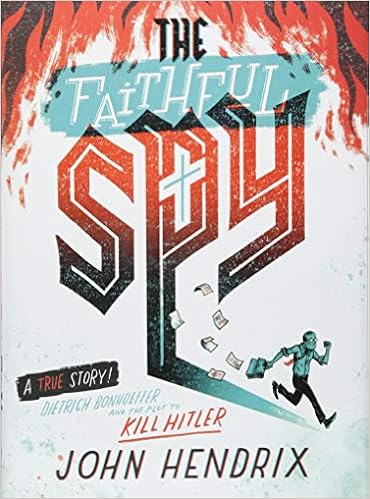
Summary:  Growing up in Germany in a family of scientists, Dietrich Bonhoeffer went his own way, showing a keen interest in theology at a young age.  At age 12, he lost his older brother in World War I and began a lifelong quest to understand human suffering in the light of his Christian faith.  When Hitler came to power in Germany, Bonhoeffer found himself with increasingly difficult choices to make. He founded the illegal Confessing Church to support those who opposed Hitler’s takeover of the German churches.  When that was shut down, he decided the moral choice was to join forces with those who sought to assassinate Hitler, and was part of two unsuccessful attempts before being arrested. He spent a year and a half in prison, ministering to other prisoners and guards and refusing a chance at escape because of the danger it would bring to his family.  Finally, Bonhoeffer was found guilty of trying to kill Hitler, and was executed on April 9, 1945, just three weeks before Hitler committed suicide.  Includes an author’s note, bibliography, notes, and an index. 176 pages; grades 6-12.

Pros:  I’ve read a lot of good reviews of this book, and I was not disappointed.  It’s kind of like a graphic novel, with the text well-incorporated into the black, turquoise, and red illustrations.  The rise of Hitler is chilling, and the lessons to be learned from the complacency of those in power in Germany can’t be overstated.  Hendrix clearly wants readers to think about how those lessons can be applied to today’s political situations. Bonhoeffer’s faith and humanity in the face of an increasingly inhumane world is inspiring to say the least.  Both the Newbery and Caldecott committees should give this book consideration.

Cons:  Some of the print was so small I had to take my glasses off to read it.  (If you’re over 45, you’ll understand what I’m talking about).

If you’d like to buy this book on Amazon, click here.

So Tall Within: Sojourner Truth’s Long Walk Toward Freedom by Gary D. Schmidt, illustrated by Daniel Minter

Published by Roaring Brook Press

Image result for so tall within sojourner amazon

Image result for so tall within sojourner minter

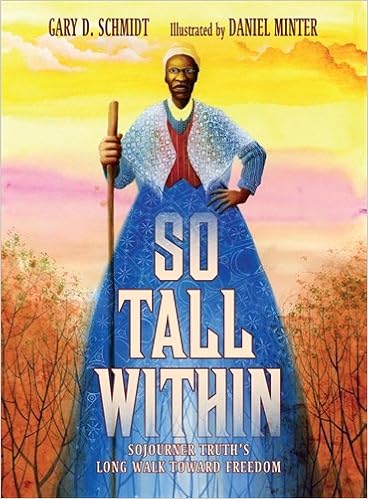
Summary:  Each section of Isabella Baumfree’s life (later renamed Sojourner Truth) begins with a page that starts “In Slavery Time”.  “In Slavery Time, when Hope was a seed waiting to be planted,” or “In Slavery Time, when Happiness was a dream never coming true,”.  The last few sections begin with “In Freedom Time”. Each section tells part of Isabella’s remarkable life, starting with her childhood in slavery, and continuing with the determination that eventually led her to run away to freedom, and to bring a lawsuit to demand her son be returned home from a plantation in Alabama (he was).  Fifteen years after running away, now calling herself Sojourner Truth, she traveled across New York, to Washington, D.C., and to other parts of the country, first working to end slavery, then later speaking for human rights in other areas. She died in her 80’s, and the book ends with her quote: “My lost time that I lost being a slave was made up.”  Includes a biographical note and an extensive bibliography with notes about the various sources. 48 pages; grades 2-5.

Pros:  The poetic text and stunning illustrations give a compelling outline of Sojourner Truth’s life.  The excellent bibliography will help readers learn more. Deserving of an award or two for both the writing and the illustrations.

Cons:  There are some disturbing elements to Sojourner Truth’s story which young readers may need some help with.

If you would like to buy this book on Amazon, click here.

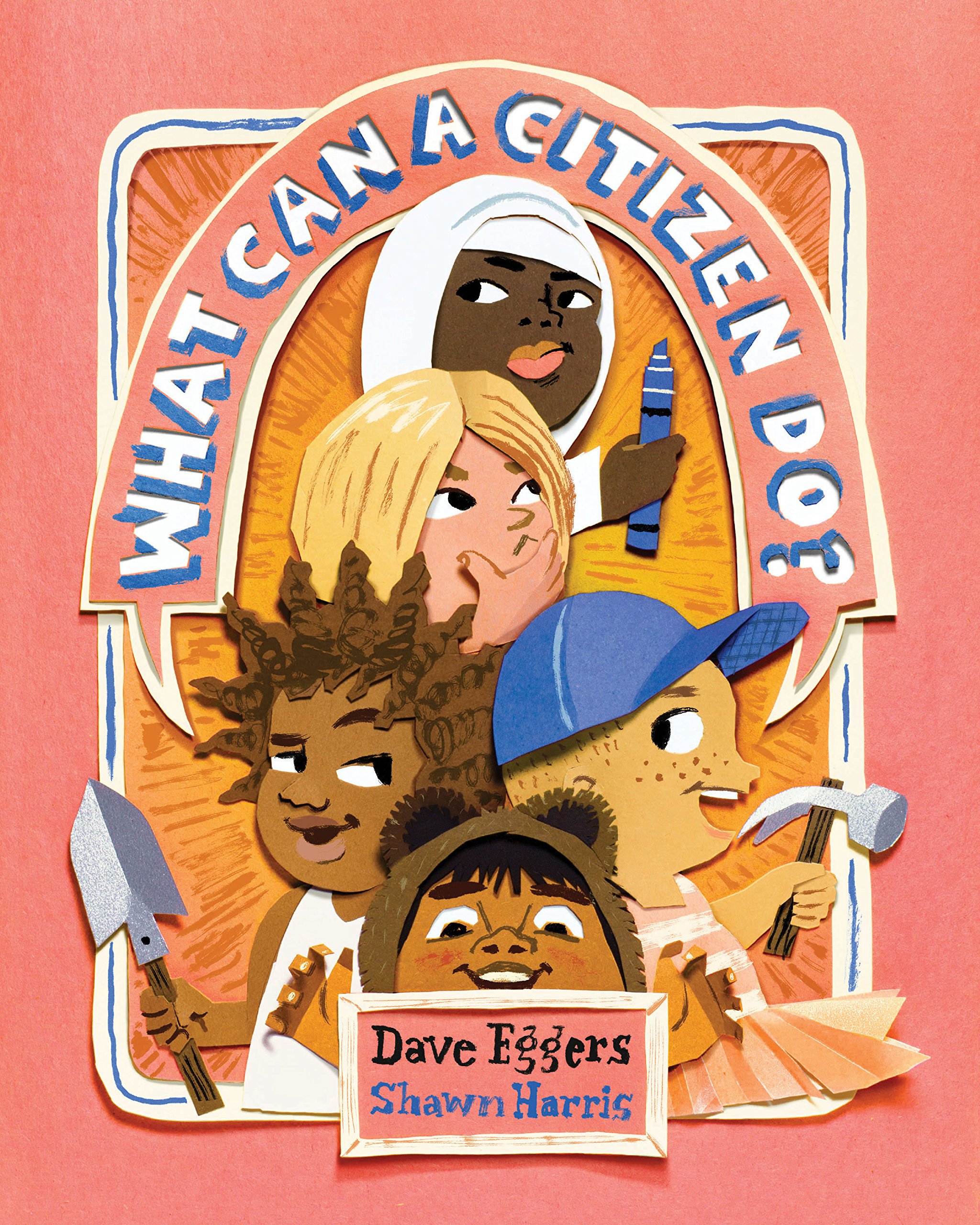
What Can a Citizen Do? By Dave Eggers, illustrated by Shawn Harris

Published by Chronicle Books

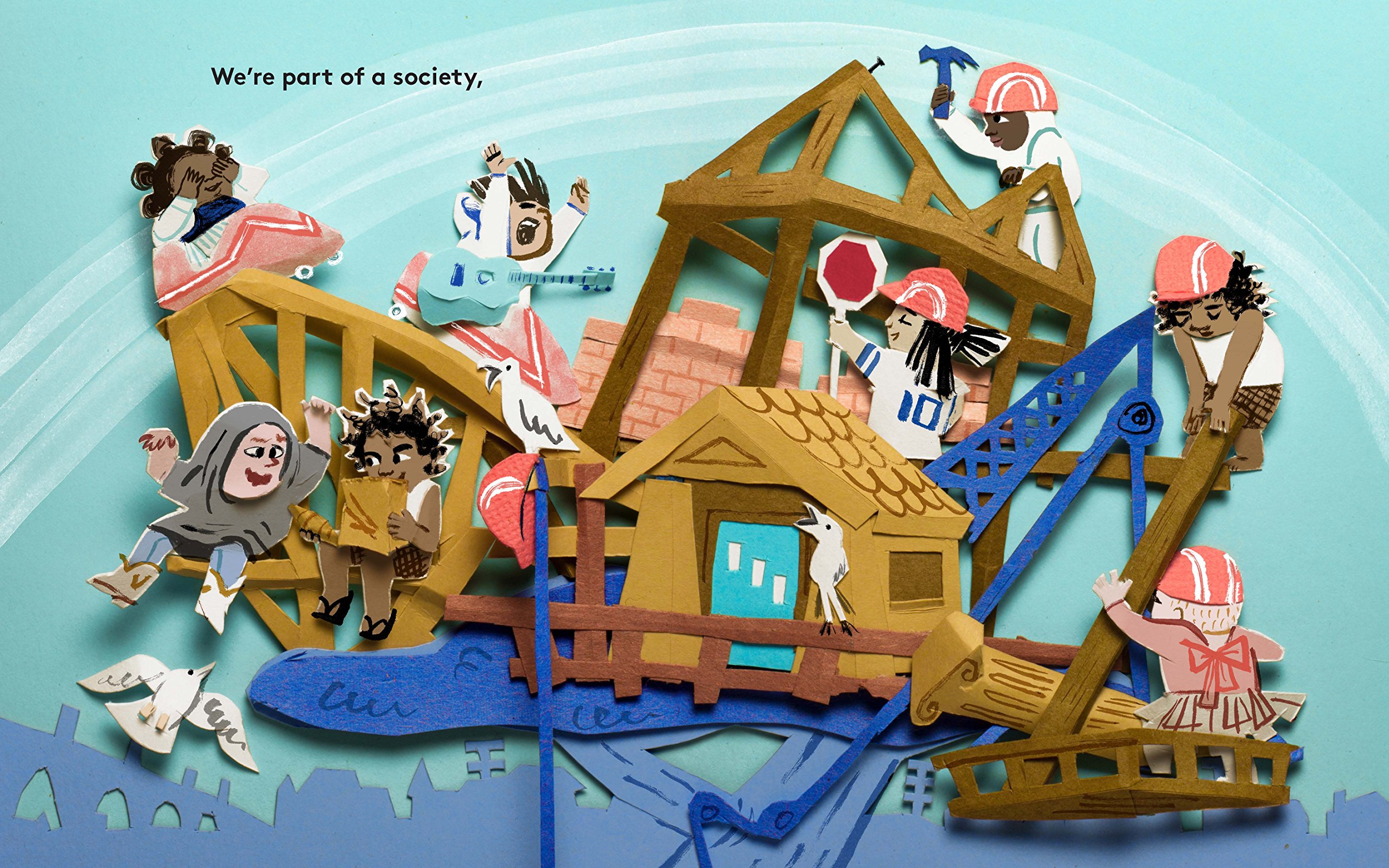
Image result for what can a citizen do eggers amazon

Image result for what can a citizen do eggers amazon

Summary:  The team that brought us Her Right Foot takes a look at the rights and responsibilities of citizenship.  The rhyming text is simple, emphasizing the importance of helping others and working to make a better society.  Suggestions include helping a neighbor, joining a cause, writing a letter, and the generic “righting a wrong”. There may be a sly political message in the “No Trumpets” sign in a couple of the illustrations.  The conclusion? “So forget yourself a second/Grab a shovel or a pen/Do something for another./Don’t you dare doubt that you can!/Everything makes an impact/on a bigger big than you./And it all starts with the question:/What can a citizen do?”  40 pages; ages 4-8.

Pros:  A basic introduction to civics for preschool and primary students.  The illustrations are the star of the show here, with a diverse cast of kid characters portrayed in collage illustrations that seem to pop out of the page.  

Cons:  If ever a book cried out for back matter, this is it.  What is a citizen? What are some specific actions citizens can take?  Definitely some missed opportunities here, particularly after the thought-provoking Her Right Foot.

If you would like to buy this book on Amazon, click here.


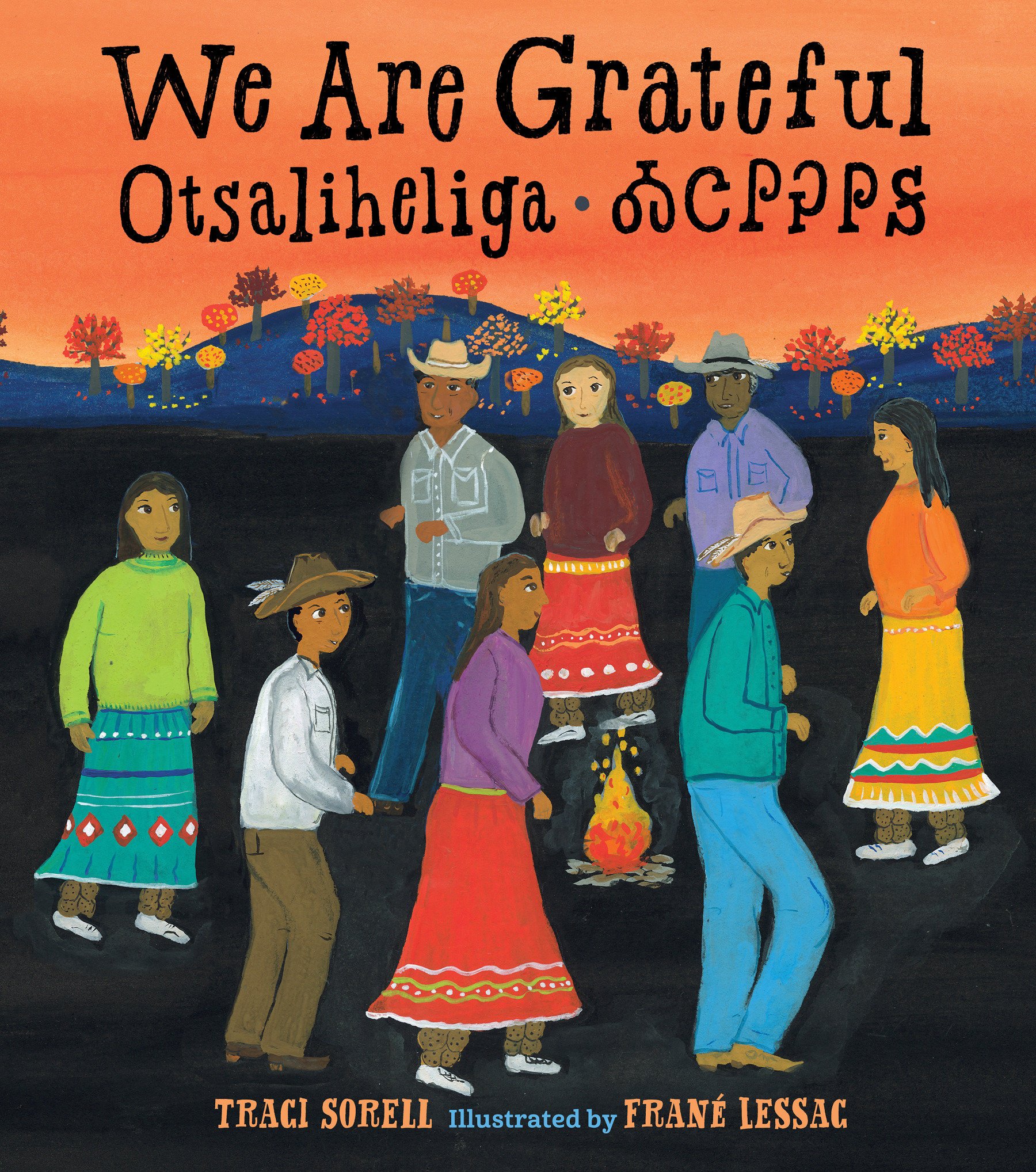
We Are Grateful: Otsaliheliga by Traci Sorell, illustrated by Frane Lessac

Published by Charlesbridge

Image result for we are grateful otsaliheliga amazon

Image result for we are grateful sorell

Summary:  “Cherokee people say otsaliheliga to express gratitude.  It is a reminder to celebrate our blessings and reflect on struggles–daily, throughout the year, and across the seasons.”  With each season, the Cherokee people in this book are grateful, whether it is for food or community or festivals or family.  People are shown creating traditional crafts, celebrating life and death, eating, playing, and remembering their people’s history and how it is woven into the history of the United States.  Cherokee words and their pronunciations are scattered throughout the text. End matter includes a glossary, an author’s note, and a Cherokee syllabary with some lessons about the Cherokee language.  32 pages; ages 4-8.

Pros:  A beautiful book that would make an interesting harvest time supplement to Thanksgiving reading.  I loved the bright folk art style illustrations.

Cons:  After studying the Cherokee syllabary, I think I can safely cross learning that language off my bucket list.

If you would like to buy this book on Amazon, click here.

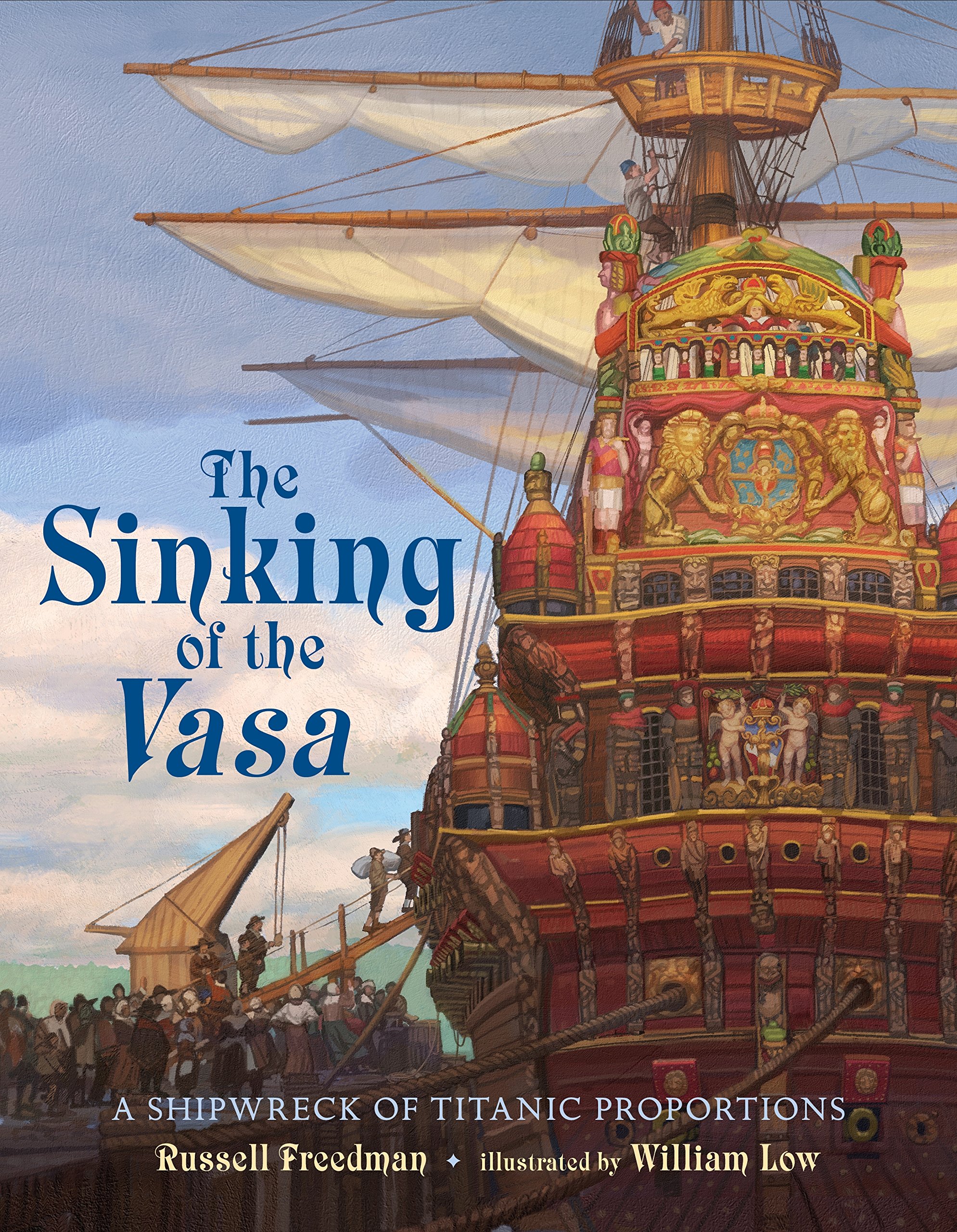
The Sinking of the Vasa: A Shipwreck of Titanic Proportions by Russell Freedman, illustrated by William Low

Published by Henry Holt and Company

Image result for sinking of the vasa amazon

Summary:  On August 10, 1628, the warship Vasa set sail, the flagship of the Swedish navy, commissioned by the king and two years in the making.  The crew was on board with their families; to their horror, a wind blew that ship over less than a mile into the voyage, sinking it and killing many men, women, and children.  An investigation ensued, and several theories were put forth, but the cause of the accident was never determined. Centuries later, in 1956, the remains of the Vasa were discovered by Anders Franzen.  It took five years to figure out how to raise her, but this feat was accomplished on April 24, 1961.  Today the ship has been restored and is on display at the Vasa Museum in Stockholm, Sweden. Includes a list of sources. 44 pages; grades 1-5.

Pros:  Quite a bit shorter than Russell Freedman’s usual works (maybe because he passed away in March), this is nevertheless an interesting and well-researched story of a tragedy that will draw readers in.  The illustrations are sumptuous, particularly the large foldout page, and are done in a style appropriate for the period of the story.

Cons:  From the title, kids may be expecting a story more similar to the Titanic.  It would make an interesting compare/contrast exercise, though, for those familiar with that story.

If you would like to buy this book on Amazon, click here.

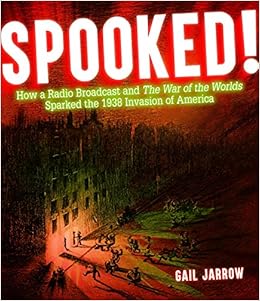
Spooked: How a Radio Broadcast and The War of the Worlds Sparked the 1938 Invasion of America by Gail Jarrow

Published by Calkins Creek

Image result for spooked jarrow amazon

Summary:  In chapter one, readers learn of a mysterious radio broadcast on October 30, 1938, reporting that the United States had been invaded and was quickly being destroyed.  They soon find out that this was actually a radio play based on H. G. Wells’ science fiction novel The War of the Worlds about invaders from Mars.  Orson Welles and his team at CBS radio’s Mercury Theater adapted the story to sound like it was actually happening, simulating broadcasts from New Jersey that broke into a musical program.  No one was prepared for the panic that ensued, as many people across America believed that the invasion was real. Jarrow reports on the variety of reactions, including letters and telegrams sent to CBS and Welles, some critical and others complimentary of the program.  She also looks at the exaggerated reporting that made it sound as though the panic was much more widespread than it actually was. Includes a timeline; information about other hoaxes; links to the original broadcast, script, and other source materials; an author’s note; and source notes.  144 pages; grades 5-9.

Pros:  This well-researched book with lots of photos brings the events of October 30, 1938 to life and ties them into today’s world of fake news and Internet hoaxes.  

Cons:  The font was a little small.

If you would like to buy this book on Amazon, click here.
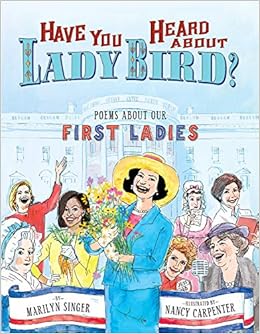
National Parks of the U.S.A. by Kate Siber, illustrated by Chris Turnham

Published by Wide Eyed Editions

Image result for national parks of the us kate amazon

Image result for national parks of the u.s.a. turnham

Image result for national parks of the u.s.a. turnham

Summary:  This oversized guide to the national parks of the U.S. is divided into seven sections: Alaska, Tropics (Hawaii, the Virgin Islands, and American Samoa), West, Southwest, Rocky Mountains, Central, and East.  Each section starts with a map showing all the parks from that area, then gives more in-depth information (a two-page spread) on a few selected ones. These spreads include the location, date founded, size, and information about various plants and animals that can be found in the park.  Two pages at the end have an A-Z of wildlife: 26 plants and animals with a challenge to find which parks they are from. Also includes information on how to help protect the national parks and an extensive index. 112 pages; grades 1-7.

Pros:  It will take a pretty committed homebody to resist the urge to go exploring after perusing these pages.  The retro illustrations, oversized pages, and fascinating information make every park beckon to road trippers.

Cons:  For such a big book, some of the type is pretty tiny.

If you would like to buy this book on Amazon, click here.
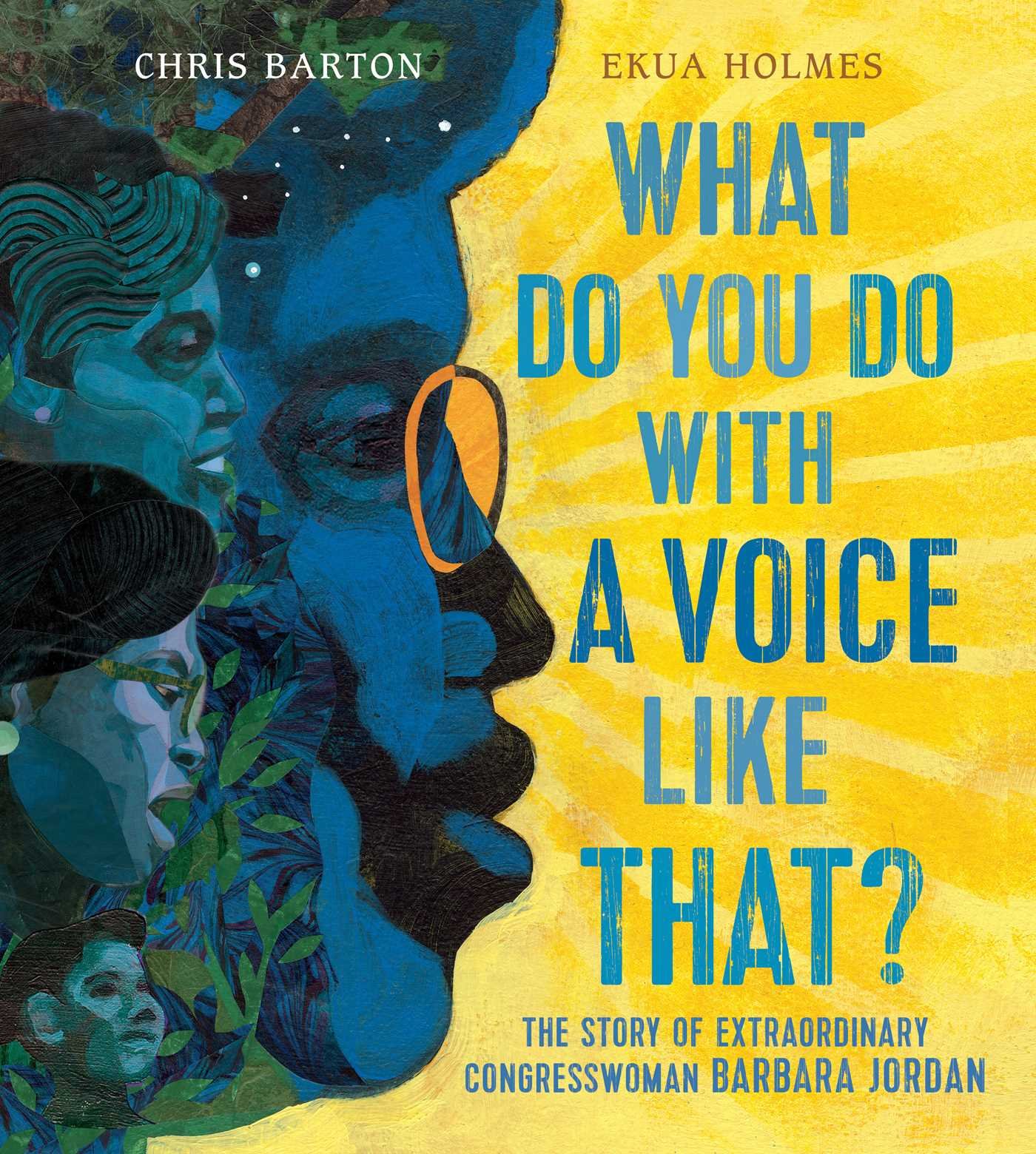
Crescent Moons and Pointed Minarets: A Muslim Book of Shapes by Hena Khan, illustrated by Mehrdokht Amini

Published by Chronicle Books

Image result for crescent moons and pointed minarets

Image result for crescent moons and pointed minarets

Summary:  In this follow-up to Golden Domes and Silver Lanterns: A Muslim Book of Shapes, the author-illustrator team explores various aspects of Islam by looking at different shapes.  Each page contains a rhyming couplet introducing a shape and a word from Islam (“Circle is a daff, a drum large and round./We fill the air with its festive sound”).  The illustrations portray Muslims from a variety of countries and cultures. Includes a glossary that gives more information about each term from the text and an author’s note describing the importance of shapes and geometry in Islamic art.  32 pages; ages 3-8.

Pros:  An excellent introduction to the Muslim faith, with interesting illustrations that include a wide variety of beautiful geometric patterns.

Cons:  The information is pretty brief; I was curious about many of the terms, but the glossary only provides a sentence or two about each one.

If you would like to buy this book on Amazon, click here.
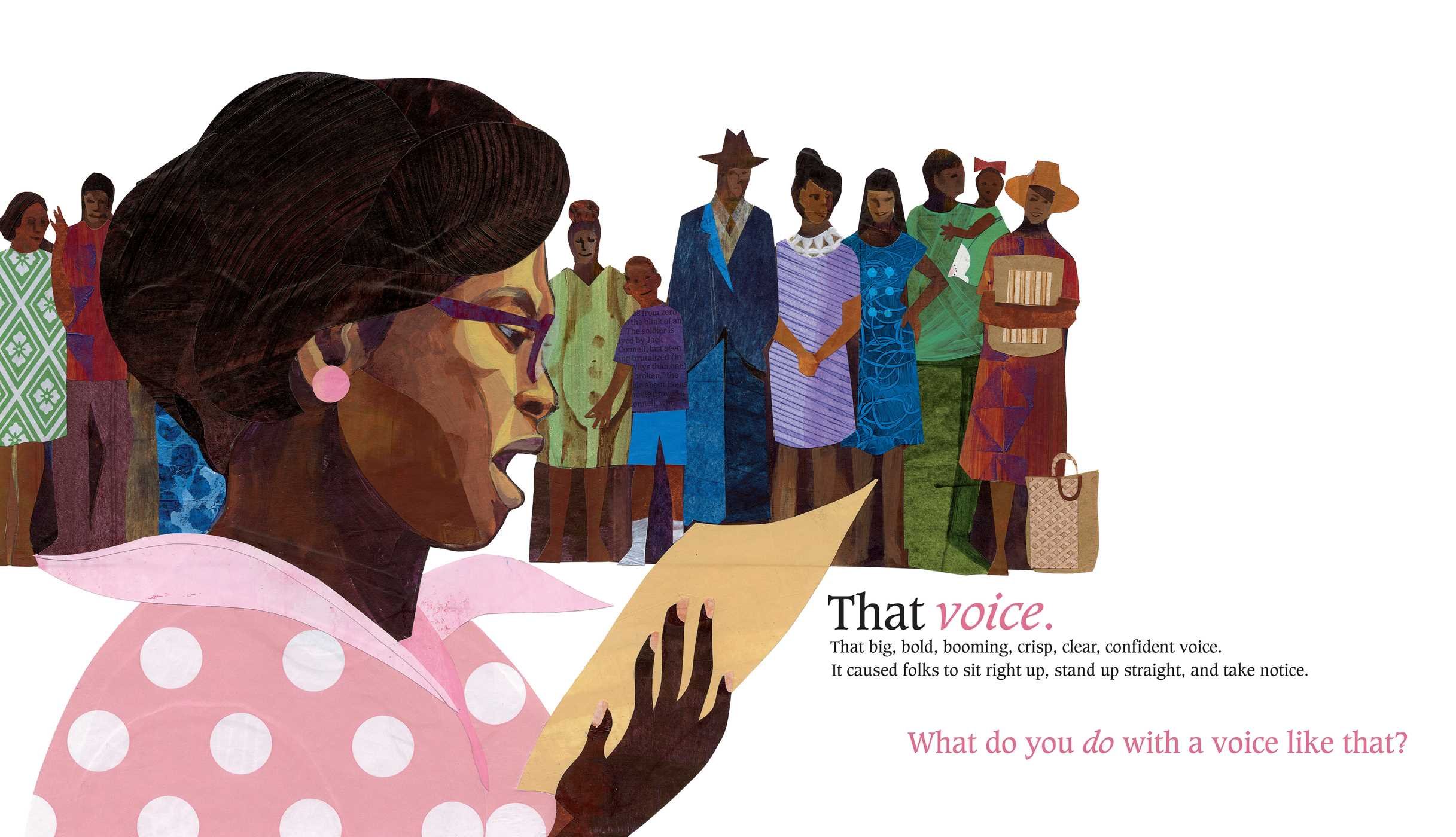
The Promise written by Pnina Bat Zvi and Margie Wolfe, illustrated by Isabelle Cardinal

Published by Second Story Press

Image result for promise zvi amazon

Image result for promise isabel cardinal zvi

Summary:  Rachel and Toby have been in Auschwitz since the night their parents were taken away by the Nazis.  Before he left, their father gave Toby three gold coins.  Their mother told them to stay together no matter what.  Toby promised to take care of Rachel and not to spend the coins unless she absolutely had to.  When Rachel falls ill in the concentration camp, Toby realizes the situation is desperate enough to warrant using the coins.  She successfully rescues her sister from the sick ward, defying the Nazi guards and earning herself a beating.  The girls are allowed to stay together, though, and survive their imprisonment until the end of the war.  32 pages; grades 4-8.

Pros:  A beautiful and moving story about courage, loyalty, and hope during the most difficult circumstances.  The authors are cousins, the daughters of Rachel and Toby.

Cons:  Most reviewers recommend this book for grade 2 and up, but I would be hesitant to share it with kids under the age of 10.  The illustrations are kind of creepy, and the death of several characters at the hands of the Nazis is implied.

If you would like to buy this book on Amazon, click here.