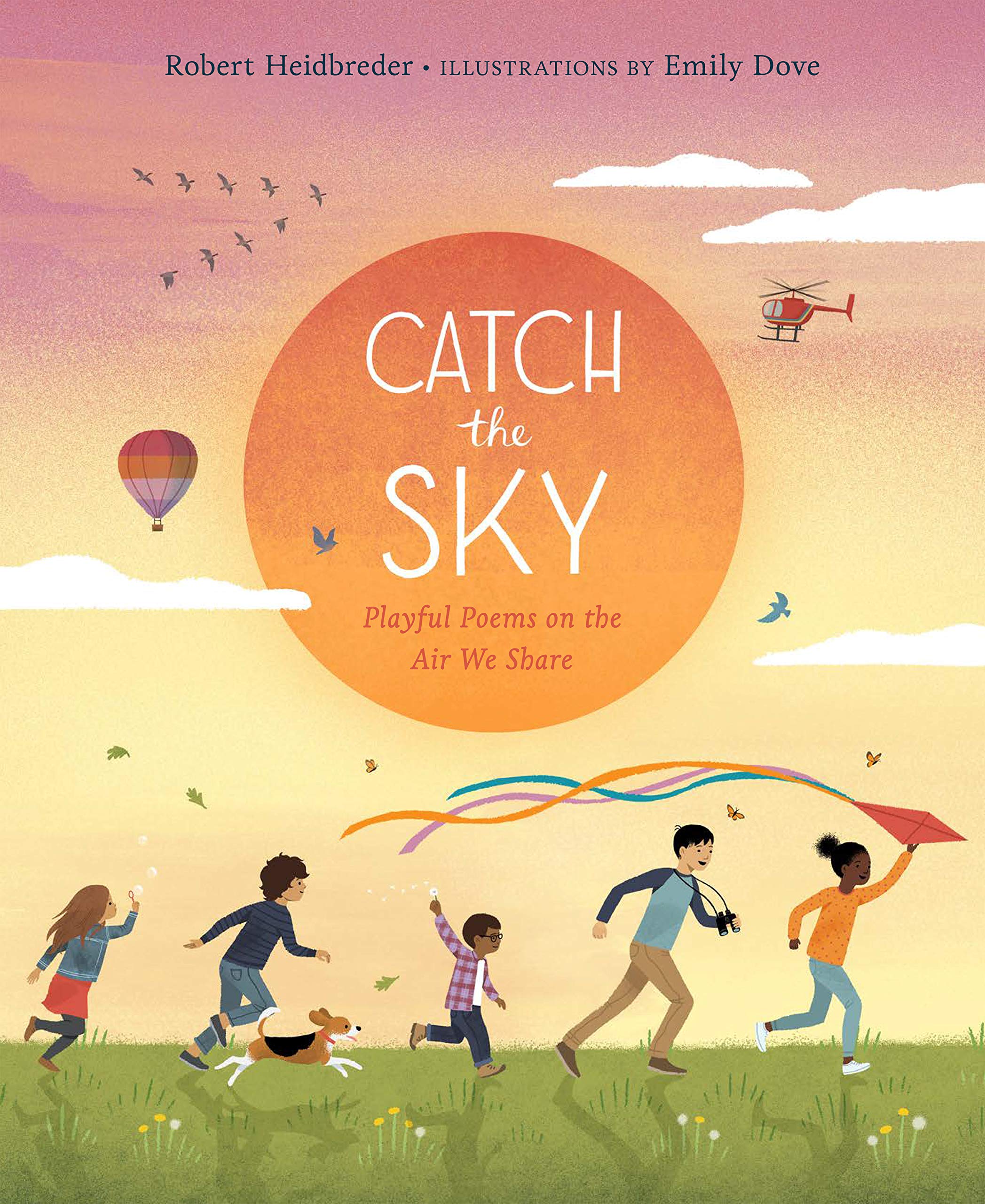
Summary: These thirty brief poems celebrate all different things you might see in the air: the sun, butterflies, leaves, birds, and more. Each poem is just four lines: “Sunflower, standing/taller than me,/what do you see/ that I can’t see?” and is accompanied by an illustration. Most pages contain two related poems (sunflowers and honeybees) that can be shown in the same picture. 40 pages; ages 3-8.
Pros: A good first poetry book, with short rhyming poems that describe everyday topics. The illustrations show a diverse group of kids enjoying the outdoors.
Cons: This felt like a celebration of nature, yet a few of the subjects (kites, balloons, helicopters, paragliding, and fireworks) were about human-made objects.
Summary: 12-year-old Henry is sick of being treated like a baby by his grandmother, mother, and older sister. His well-planned act of rebellion is to secretly fly from his home in Perth, Australia to visit his dad in Singapore. As the journey unfolds, Henry slowly reveals events from the last year, including his creation of an online comic “Fly on the Wall” that skewers his classmates. But he also has the chance to reflect on his less than stellar behavior, and the fact that he may have misinterpreted the intentions of both his family and his former best friend. By the end of his trip, Henry is trying to be a better person and begins to make amends with some of the people in his life, opening up possibilities for closer connections with friends and family when he returns home. 336 pages; grades 4-7.
Pros: Filled with comic book style illustrations, this is a book that may appeal to Wimpy Kid fans, but winds up having more depth. Henry isn’t always the most likeable protagonist, but his thought processes ring true for a 12-year-old, and he is capable of real remorse for his actions. There’s plenty of humor and some lighthearted moments, too, including a fun revelation about who his real nemesis is.
Cons: I read an advanced reader copy, so didn’t get to fully enjoy the illustrations.
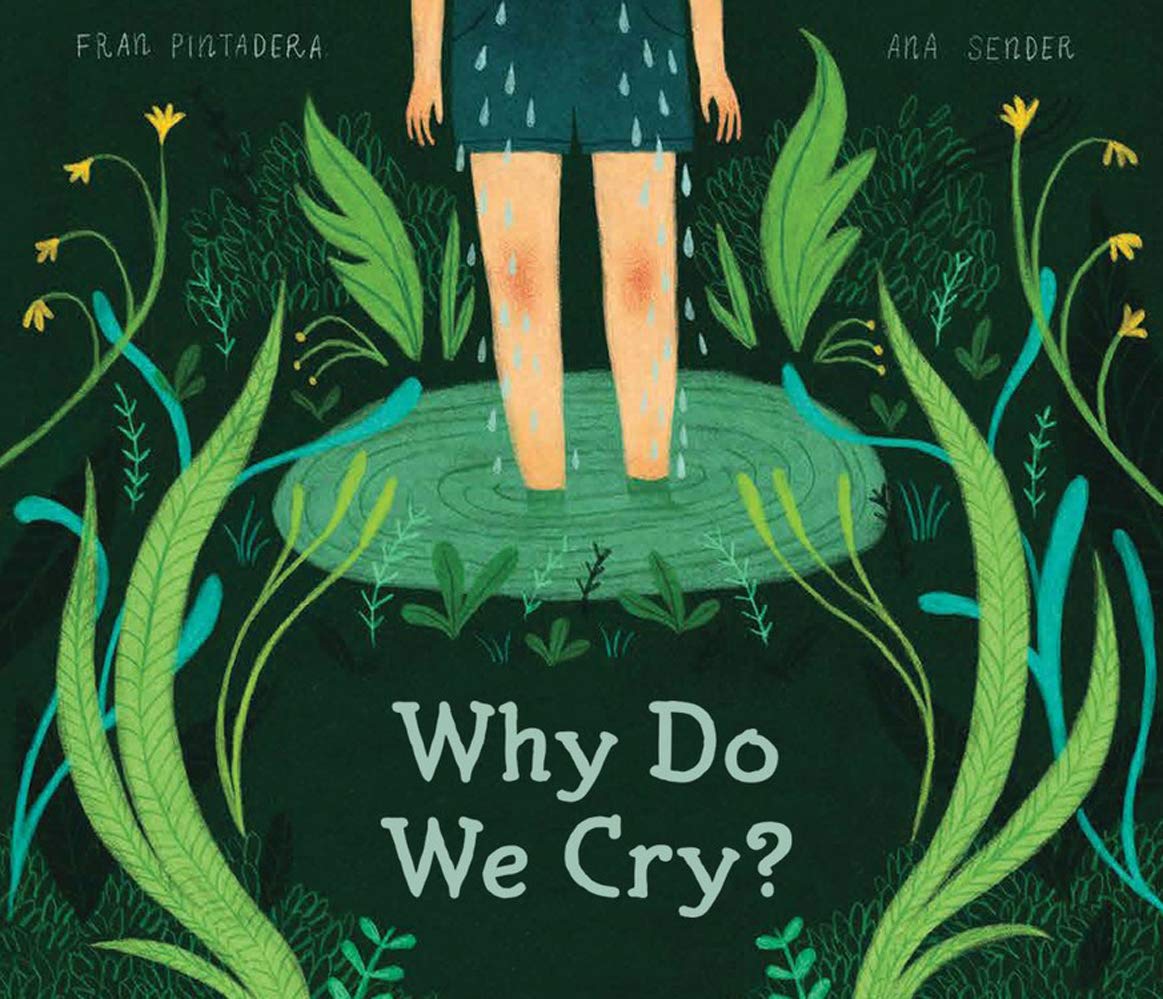
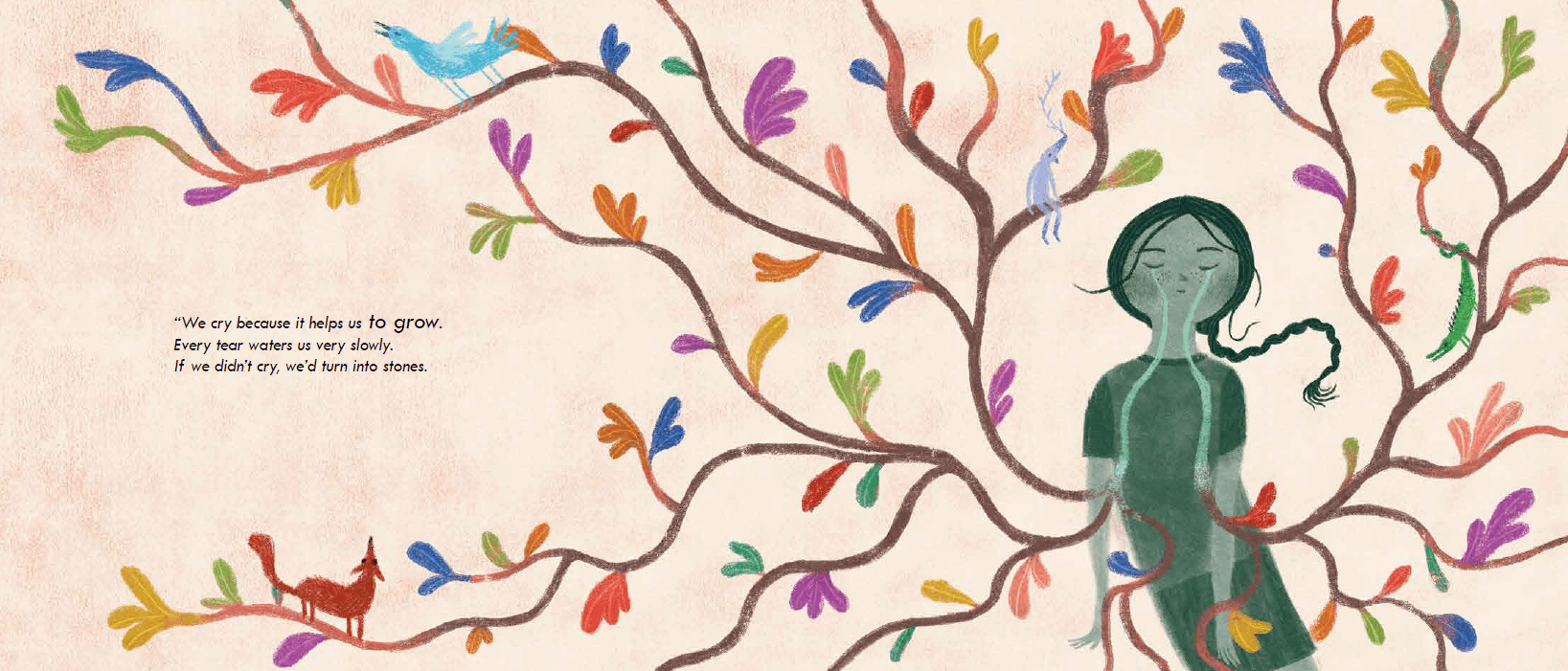
Summary: When Mario asks his mom why we cry, he gets a poetic answer describing different scenarios that might make a person cry: sadness, frustration, anger, and loneliness to name a few. The most important reason for crying, she concludes, is because you feel like crying. Mario notices his mom is crying, and she tells him that people also cry sometimes when they are happy. Includes scientific information about tears, as well as two activities. 34 pages; ages 4-8.
Pros: The lyrical text and illustrations of a young girl experiencing different emotions will help kids name their feelings and be okay with crying, whether it’s their own or someone else’s.
Cons: I thought this was a science book and was looking forward to a little more scientific information than this delivered.
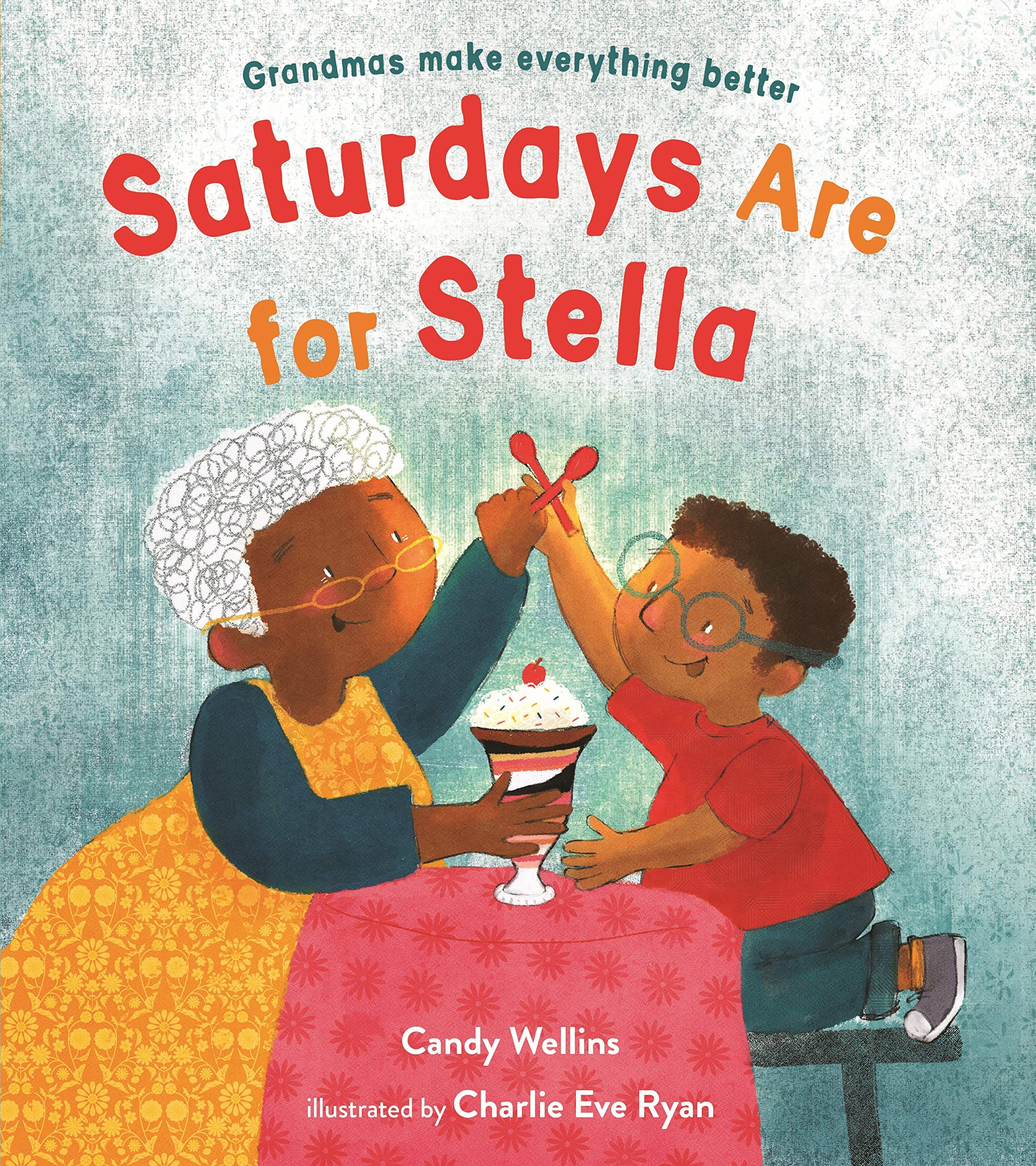
Summary: George’s grandmother, Stella, makes everything fun, which is why George likes spending every Saturday with her. Sometimes they go out to the dinosaur museum, to the park, or downtown, and sometimes they stay in and have ninja tournaments or play games together. One Saturday, George wakes up late, and gets himself dressed and ready for his visit. But when he comes into the kitchen, his parents have some sad news about him about Stella. He’ll never spend another Saturday with her; from then on, George hates Saturdays. But other changes are afoot, and one day George gets a baby sister…and her name is Stella. As Stella grows, George teaches her to do the things he and Grandma Stella used to do together. And soon he loves Saturdays again, because Saturdays are for Stella. 32 pages; ages 4-8.
Pros: We all need a story about the ups and downs of life right now, and this one is at the perfect level for kids to understand that life is made up of both joy and grief. The illustrations are adorable; I love Stella Junior’s pink hair.
Cons: I don’t think I could read this to kids without losing it; I got kind of choked up just writing this review.
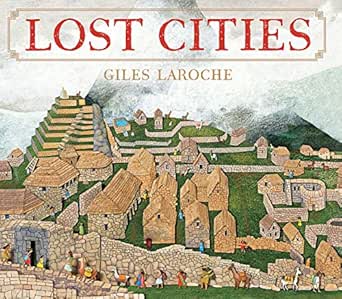
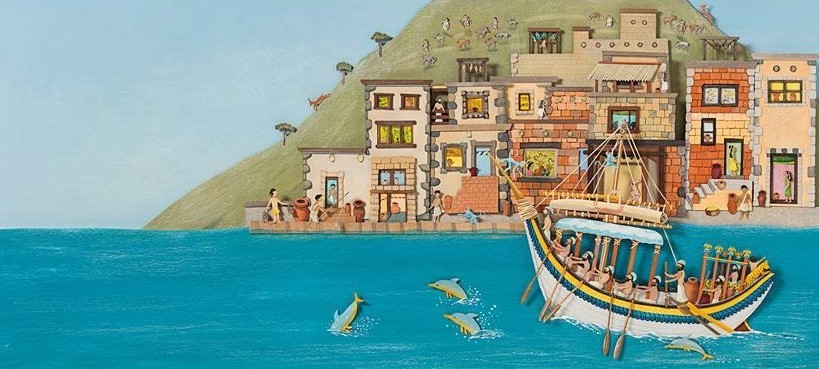
Summary: Thirteen lost cities are profiled from all over the world. Each includes an illustration of the city, a second-person introduction (“If you were a young Roman living in Herculaneum…”), the location, who lived there, why the city was lost, how it was rediscovered in modern times, and an unsolved mystery about it. Includes a map showing the location of each city, a timeline of when each was first settled, a page showing how the illustrations were created, and a list of selected sources. 40 pages; grades 2-6.
Pros: These amazingly detailed cut-paper illustrations will draw readers in to learning more about ancient cities from around the world. The information, especially the “What’s mysterious?” section will definitely whet some appetites to look for more information.
Cons: This is a jumping-off place for getting kids interested, rather than a resources for any kind of serious research.
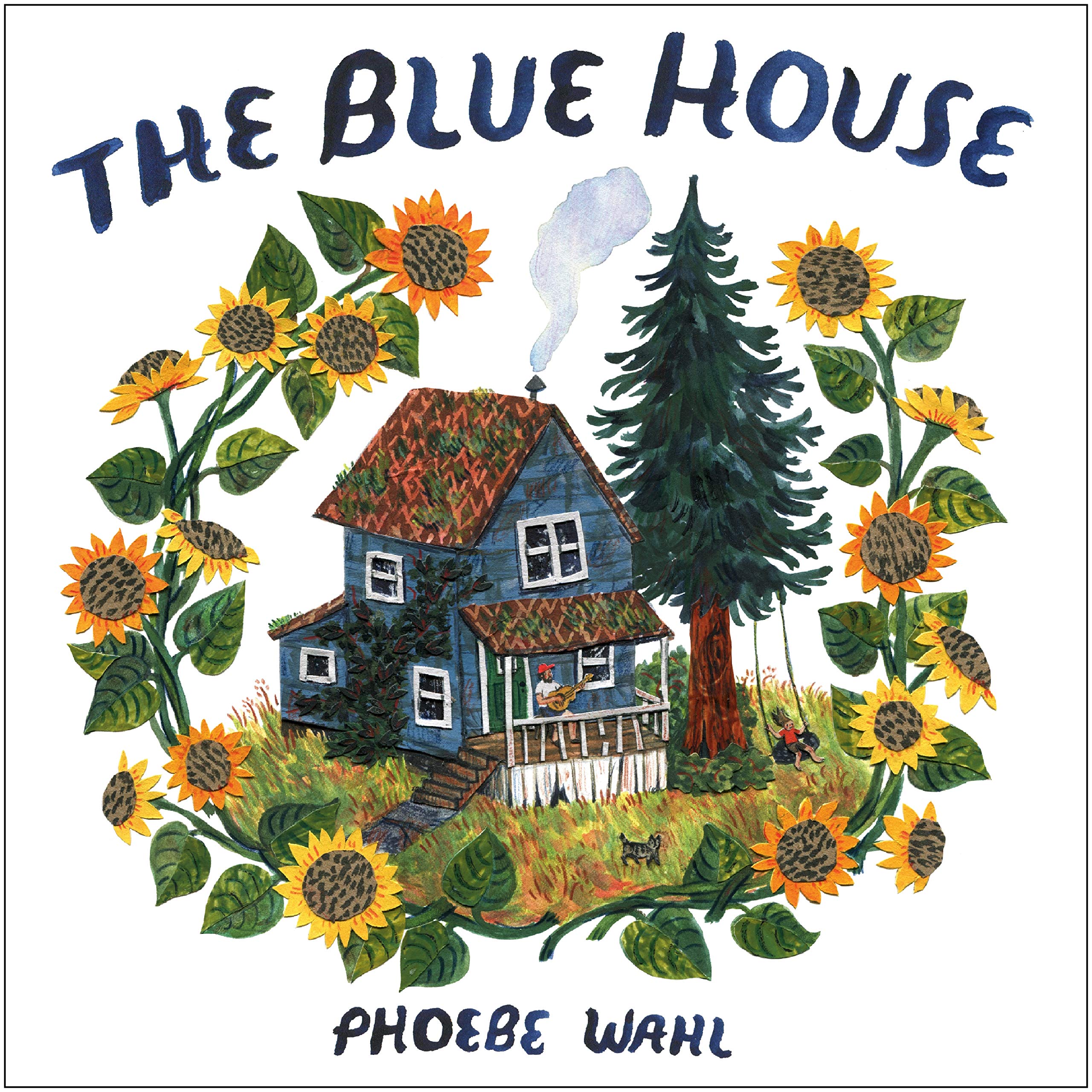
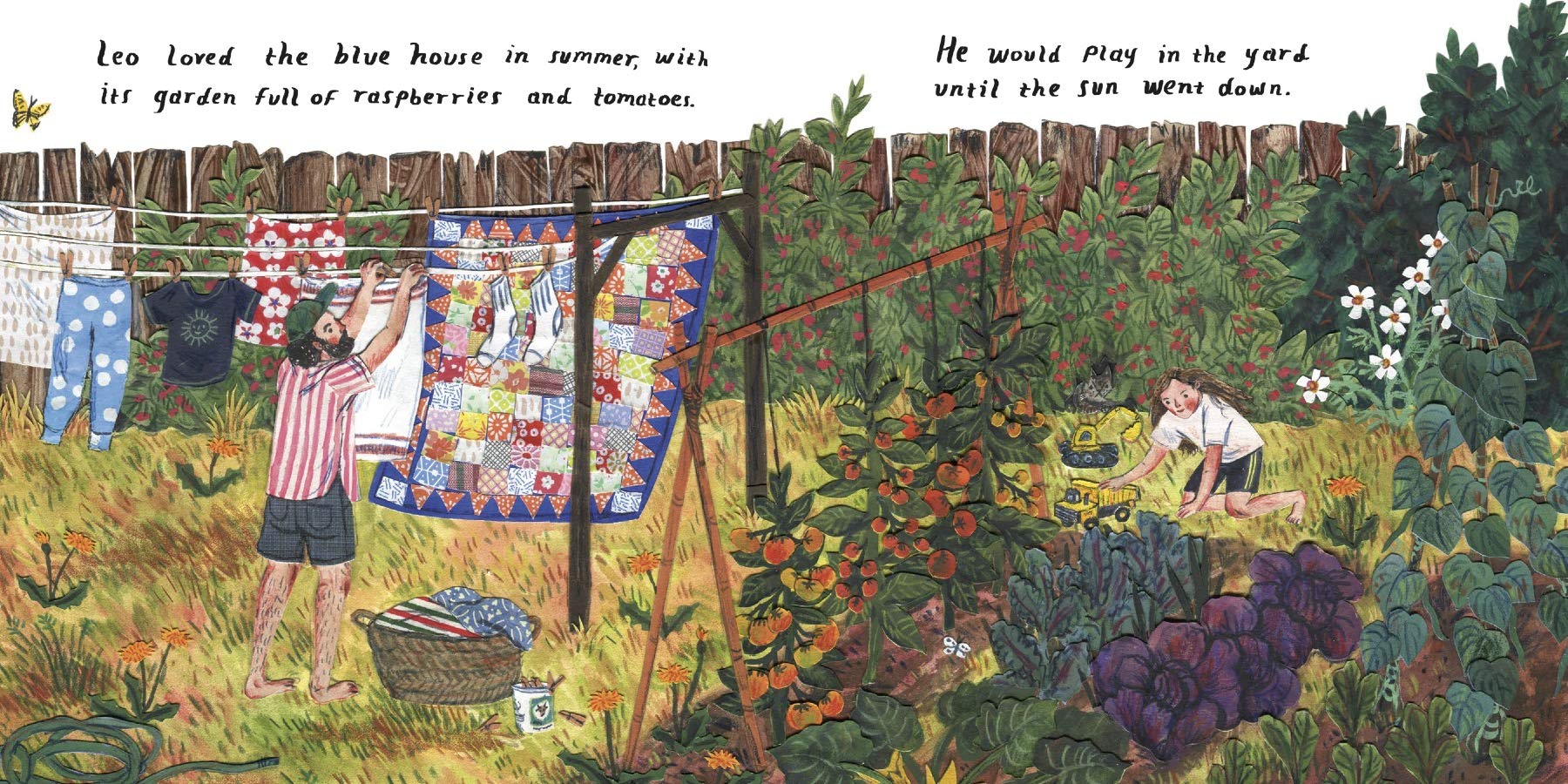
Summary: Leo and his dad love their blue house, despite its mossy roof, peeling paint, and unreliable heating system. Astute readers will notice clues in the illustrations that the neighborhood is changing: small houses are being torn down, replaced by larger buildings. One day, Leo’s dad picks him up from school and tells him that their house has been sold, and they have to move. Leo is devastated. Slowly, he and his father pack up their house, painting pictures on the bare walls to make themselves feel a little better. They move into another small house in the same neighborhood. “’I hate it,’ said Leo. ‘That’s okay,’ said his dad.” Leo’s idea to paint a picture of the blue house on his bedroom wall helps, though, and slowly, the new house starts to feel like home. 40 pages; ages 4-8.
Pros: There’s a lot to love about this book: it portrays a single-parent family that is succeeding despite the fact that they clearly are struggling financially; it deals with the sadness of moving and leaving a beloved home; and the illustrations offer tons of details that both help tell the story and are just fun (I loved the record albums). Both the story and pictures should be enjoyed slowly and savored.
Cons: It doesn’t seem like a great idea to move to another small house in the same neighborhood that seems to be undergoing gentrification.
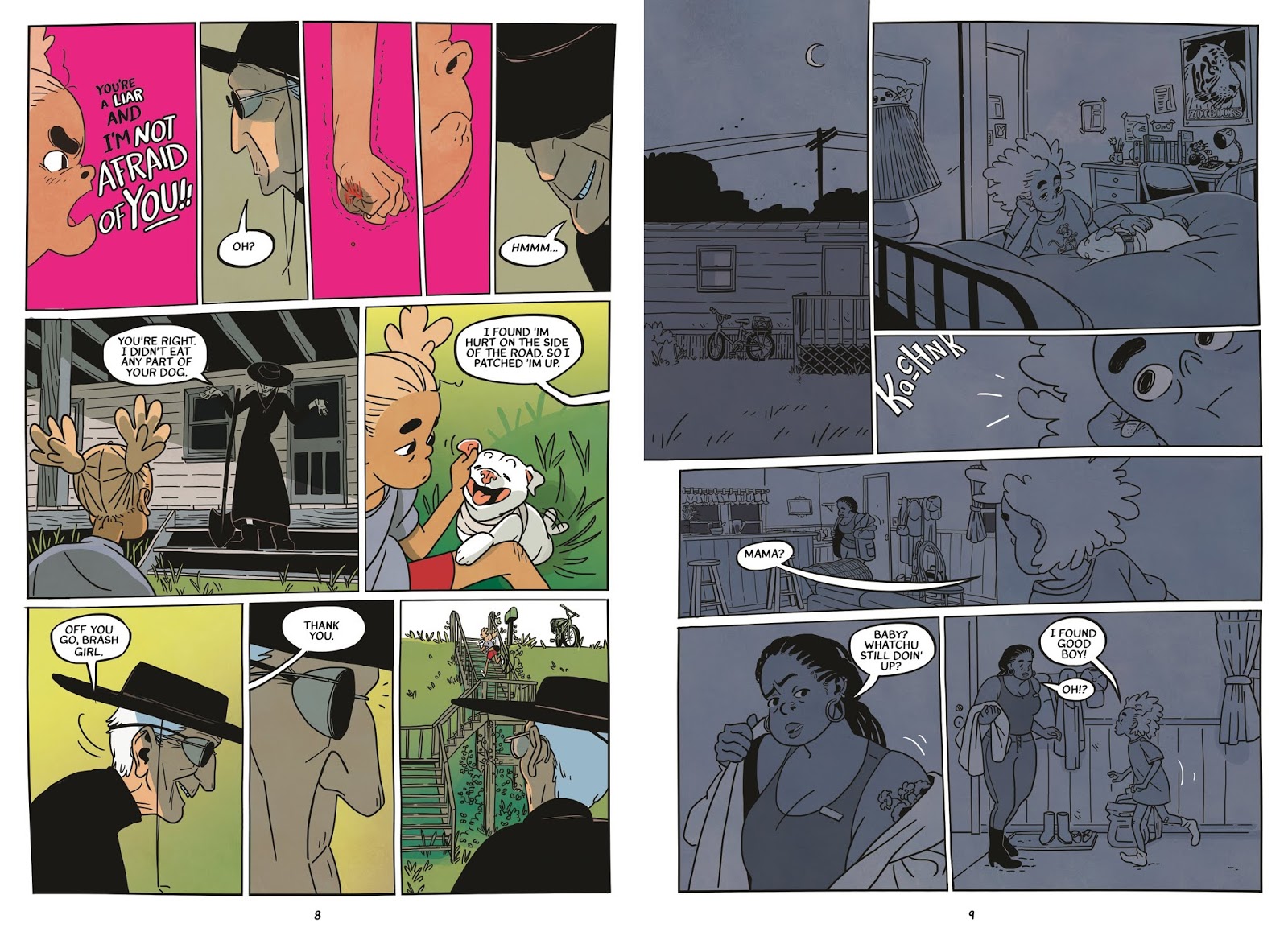
Summary: Snapdragon believes a woman in her town is a witch, and when her dog goes missing, she’s afraid the witch has eaten him. An angry confrontation winds up being the beginning of an unusual friendship. The “witch”, Jacks, turns out to be a lonely old woman whose business is rescuing roadkill and rebuilding their skeletons to sell online. Snap and Jacks bond over their love of animals, but as they get to know each other better, Snap discovers that Jacks has a deep connection to her own family from long ago. Not only that, but the woman turns out to possess some of the magical powers Snap first suspected her of having, and Snap begins to learn some magic herself. When Snap’s mom’s abusive ex-boyfriend shows up, it’s up to Snap and Jacks to use their magic to save the day. Jacks finds herself back in the family again, and it looks like there just might be a happy ending for everyone. Includes pages showing the process of early sketches and turning them into the finished pages as well as some other book cover ideas. 240 pages; grades 4-8.
Pros: Kat Leyh packs a lot into this graphic novel, with an ambitious story and lots of interesting characters including the two main ones, as well as Snap’s mother and grandmother, and Lulu, her transgender best friend. She masterfully cuts from one scene to the next, keeping the action moving quickly.
Cons: The ending wrapped up pretty neatly, and I don’t see any sign of a sequel.
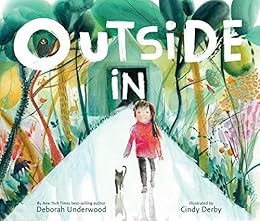
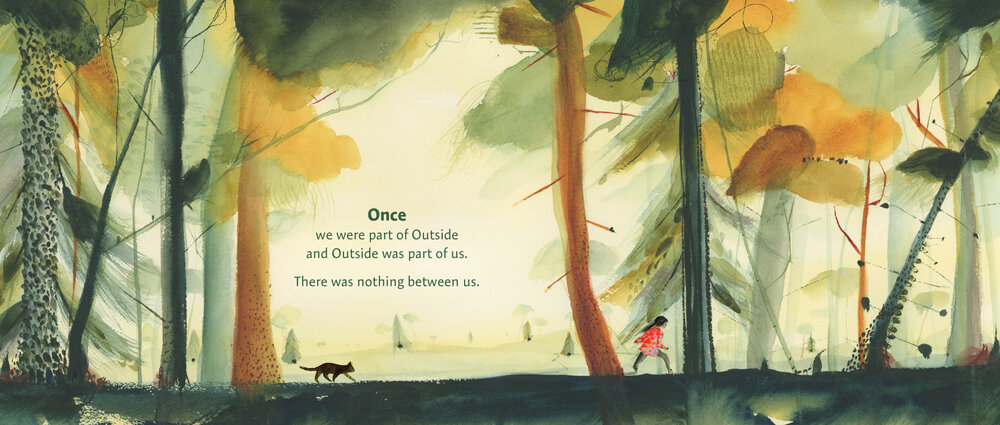
Summary: “Once we were part of Outside and Outside was part of us.” But now, even when we’re outside, we can be inside, like when we’re riding in a car. It’s easy to forget about Outside, but it has a way of reminding us it’s there, by sending sunlight streaming through a window or filling the air with chirps, rustles, and tapping on the roof. The food we eat, the water we drink, and the materials that make our clothing and furniture all come from Outside. Answer the call, as the girl in this story does, and make your way outside. 40 pages; grades K-3.
Pros: This gorgeously illustrated ode to nature should find a place in every library and classroom. It would make a great jumping-off point to talk about the importance of getting outside, and all the parts of our world that come from nature. The illustrations, which I learned from the verso page are “watercolor and powdered graphite on cold press paper” should definitely get considered for some awards.
Cons: The idea of Outside as a separate being may be a bit hard for younger kids to grasp.
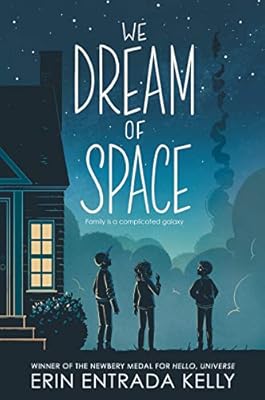
Summary: Bird, Fitch, and Cash are siblings in the seventh grade (Bird and Fitch are twins, and Cash was held back a year), but their orbits rarely intersect. Bird is a good student, passionate about space exploration, who longs for her family to be closer. Fitch loves hanging out at the arcade playing video games, but struggles with his anger. Cash is feeling like he’s not good at anything after failing seventh grade the first time and getting cut from the basketball team. The story is told over the course of the weeks leading up to the Challenger launch in January, 1986. Each sibling’s story is told in alternating chapters, showing their perspective about this event and the other happenings in school and at home. The Challenger explosion shakes all their worlds, especially Bird’s. She starts to doubt herself and to give up on bringing the family together, and the boys finally begin to notice her contributions to their home. There’s not a definitively happy ending, but the three siblings discover a newfound appreciation for each other and a commitment to provide support for one another. Includes an author’s note and additional resources on the Challenger. 400 pages; grades 4-7.
Pros: Erin Entrada Kelly may add to her Newbery collection with this beautifully written book about three kids trying to figure out their lives against the backdrop of the Challenger disaster. Their family, which appears okay from the outside, is pretty dysfunctional with selfish parents who fight constantly and don’t seem to be too concerned with the fairly serious problems their kids are dealing with. The short chapters and three different perspectives keep things rolling along and will draw reluctant readers in quickly.
Cons: It was painful to read pretty much any interaction between the two parents.
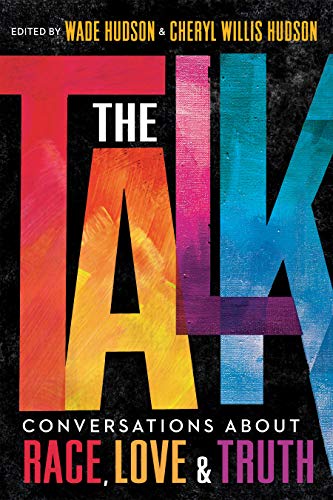
Summary: Seventeen authors and illustrators have contributed a story, poem, letter, or essay with the theme of “The Talk”: what they’ve said to their children or what their parents said to them about race. They are black, indigenous, immigrants or the children of immigrants, Puerto Rican, and white. They’ve experienced racism, prejudice, or privilege, depending on their background. They communicate to their children pride, humility, and/or the rules for navigating a world that doesn’t always accept them for who they are. Includes thumbnail portraits and information about all the writers. 160 pages; grades 5-8.
Pros: I found this collection very moving, and gratifying that there are so many talented people of color and different backgrounds writing with such honesty for kids and young adults today. A book like this would never have existed in my own white suburban childhood, and I didn’t have a clue as to what was going on with people who lived just a few miles from me. I personally found Adam Gidwitz’s talk with his daughter about white privilege particularly eye-opening. Any of these talks could serve as a stand-alone work, and would serve as an excellent catalyst for discussion in a middle school classroom.
Cons: The experiences of these talented and creative people in America is infuriating.



 A Kids Book A Day