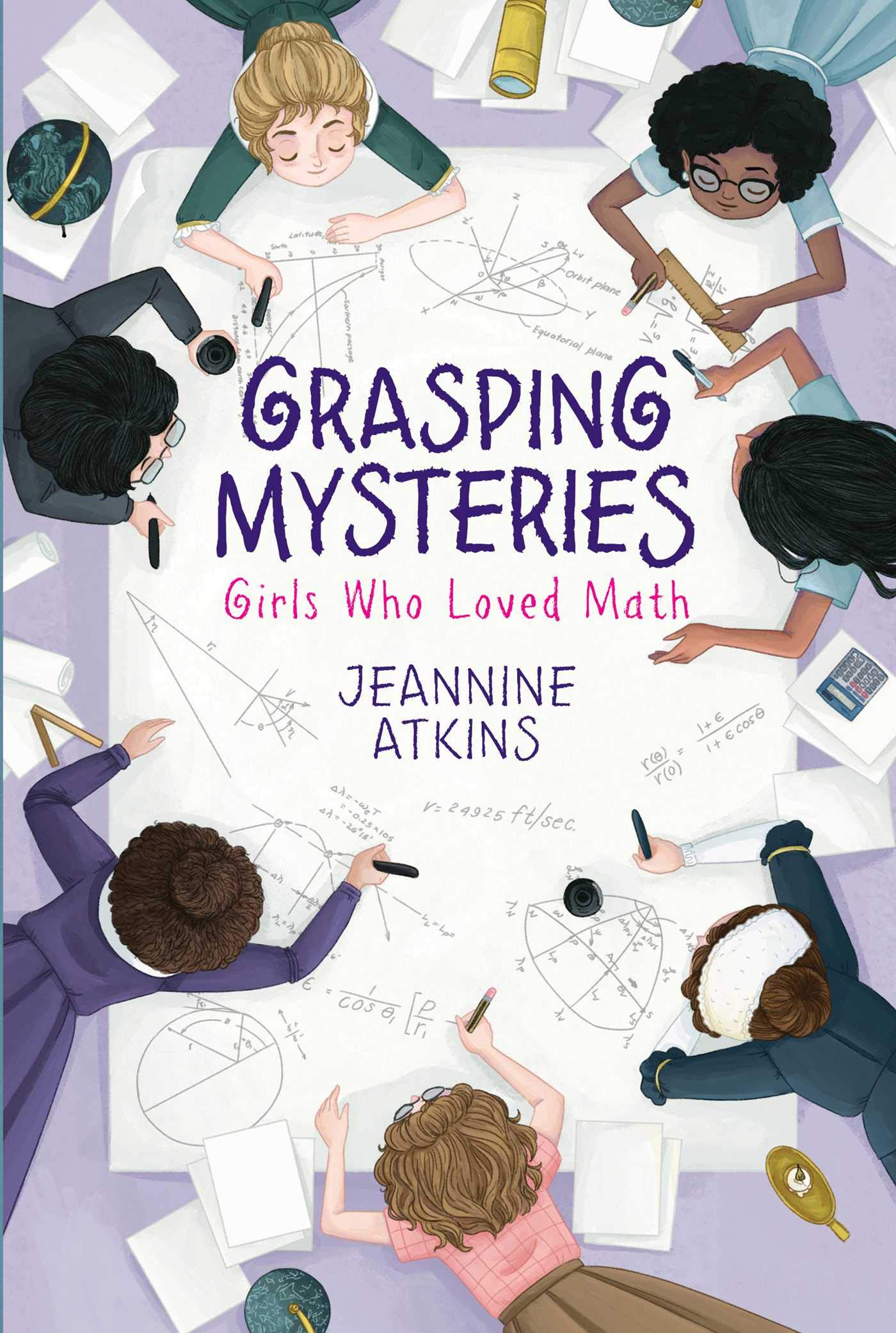
Grasping Mysteries: Girls Who Loved Math by Jeannine Atkins

Published by Atheneum Books for Young Readers (Released August 4)

Thanks to Atheneum for providing me with a digital copy of this book to review.

Amazon.com: Grasping Mysteries: Girls Who Loved Math ...

Summary:  As she did in Finding Wonders: Three Girls Who Changed Science, Jeannine Atkins has created biographical novels-in-verse about seven women who used math to excel in their chosen careers.  She starts with Caroline Herschel (1750-1948), who helped her brother William (discoverer of the planet Uranus); she eventually received a salary from the king of England for her work and was awarded a gold medal from the Royal Astronomical Society.  Other subjects include nursing trailblazer Florence Nightingale; inventor Hertha Ayrton; undersea mapmaker Marie Tharp; sociologist Edna Lee Paisano; NASA mathematician Katherine Johnson; and astronomer Vera Rubin, the second woman to receive the Royal Astronomical Society’s gold medal (in 1996, a mere 168 years after Caroline Herschel got hers).  Woven into the narratives are messages about the importance of math and of women pursuing math-related careers. Includes additional information and a selected bibliography about each subject.  320 pages; grades 5-8. 

Pros:  A great addition to both poetry and STEM collections, these stories are told with lyrical language and close attention to detail that brings the subjects to life.  The importance of math in a wide variety of fields is emphasized, along with the struggles that each woman had making her voice heard in male-dominated fields.

Cons:  This seems like it might have a limited audience; the stories may be more suitable to a class assignment than something middle school kids would pick up on their own.

If you would like to pre-order this book from the Odyssey Bookshop, click here. 

A Bowl Full of Peace by Caren Stetson, illustrated by Akira Kusaka

Published by Carolrhoda Books

A Bowl Full of Peace: A True Story: Stelson, Caren, Kusaka, Akira ...

Summary:  Sachiko’s family cherishes Grandmother’s bowl, which is always filled with food at dinnertime.  As the war drags on, food becomes scarcer; still, the family still gathers and offers thanks for what they have.  August 9, 1945, begins like other hot summer days for the family, but an atomic bomb dropped on their city of Nagasaki changes life forever.  Sachiko’s youngest sister dies, and slowly over the course of the next several years, her remaining siblings and father sicken and pass away. The family leaves for awhile after the bombing, and when they return, Sachiko’s father miraculously finds Grandmother’s bowl in the rubble.  Each year, the remaining family members fill the bowl with ice and watch it melt, remembering the suffering they endured. Finally, Sachiko is the only survivor. She continues to help others remember and work for peace, work that inspired Caren Stetson to write her award-winning book Sachiko: A Nagasaki Bomb Survivor’s Story in 2016 and this picture book for younger readers.  Includes author’s and illustrator’s notes; photographs; and a list of books for further reading.  40 pages; grades 2-5.

Pros:  This beautifully written and illustrated story deserves a place in any curriculum studying peace or the history of World War II.  Sachiko’s story makes the abstract concept of war more personal for kids.

Cons:  It is a tragic story to be sure, and one that kids may need some guidance to understand and process it.

If you would like to pre-order this book from the Odyssey Bookshop, click here.

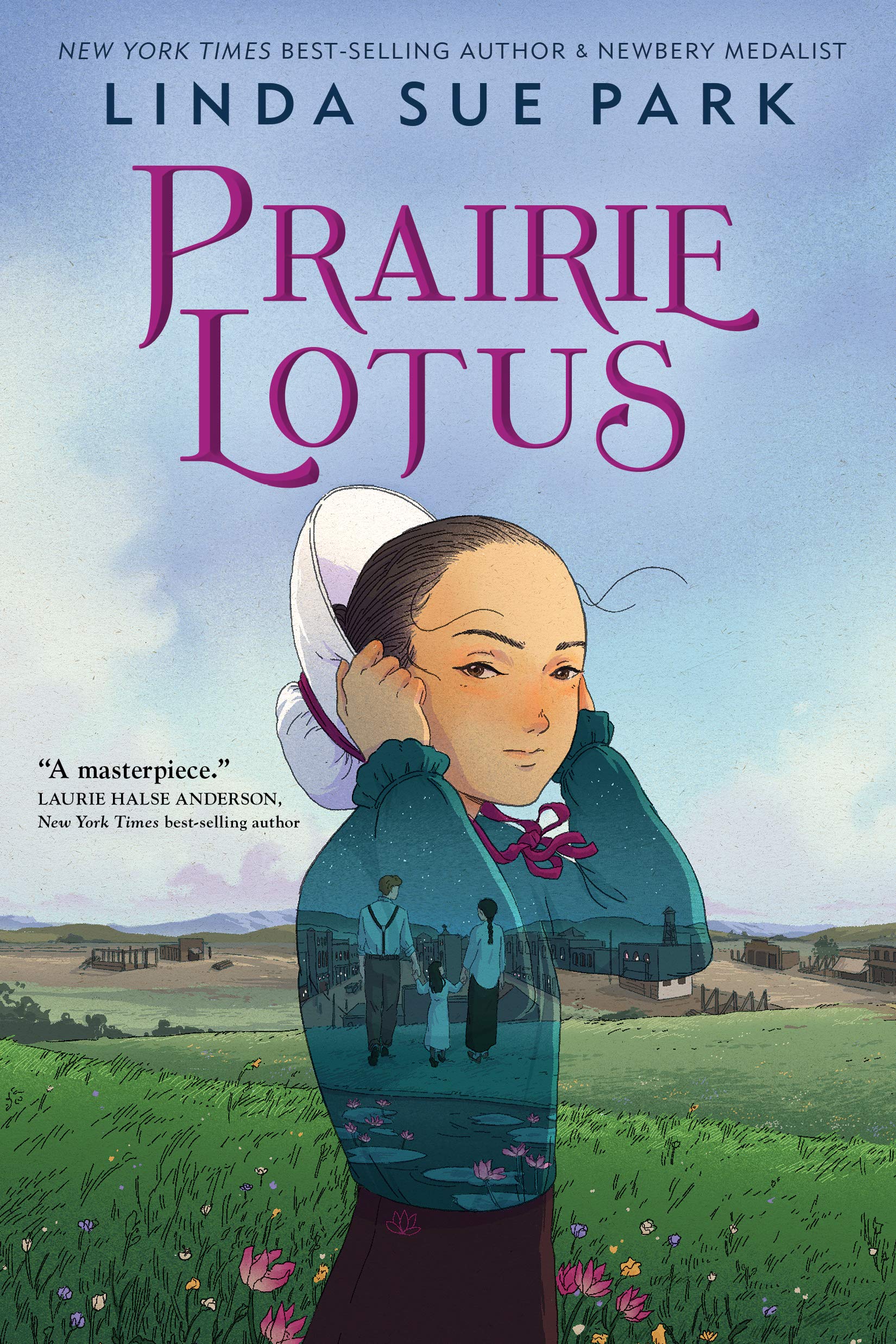
Prairie Lotus by Linda Sue Park

Published by Clarion Books

Prairie Lotus: Park, Linda Sue: 9781328781505: Amazon.com: Books

Summary:  Hanna and her widowed father are hoping to find a home in Dakota Territory; it’s 1880, and they have been having trouble finding a town that will accept half-Chinese Hanna.  They decide on the town of LaForge, where Hanna’s father knows the local constable, Mr. Harris.  Hanna’s late mother encouraged her to go to school, but when Hanna enrolls, many of the locals keep their children at home rather than have them study side-by-side with a Chinese girl. Pretty soon, the only students left are Mr. Harris’s two daughters.  Bess Harris and Hanna end up taking their graduation exams together and become friends. Hanna invites Bess to help her with the sewing at her father’s new dry goods store, and the two work together to help Hanna realize her dream of becoming a dressmaker.  Overcoming fear and prejudice, Hanna ultimately finds a way to become part of her new community. Includes an author’s note in which Linda Sue Park explains how she wrote this book to find a place for herself in her beloved Laura Ingalls Wilder books. 272 pages; grades 5-8.

Pros:  Allow me to introduce my first definite Newbery contender for 2021.  Linda Sue Park does an amazing job of creating a highly readable story that pays homage to Laura Ingalls Wilder’s Little House books while at the same time highlighting the racism and prejudices of the time, not only with Hanna’s Chinese-American experience, but also in a subplot about the local Indians.  This would make a great unit paired with a Little House book and The Birchbark House by Louise Erdrich.

Cons:  There are a lot of complex and important issues; this feels like a book that would be best read with some adult guidance.

If you would like to order this book from the Odyssey Bookshop, click here.


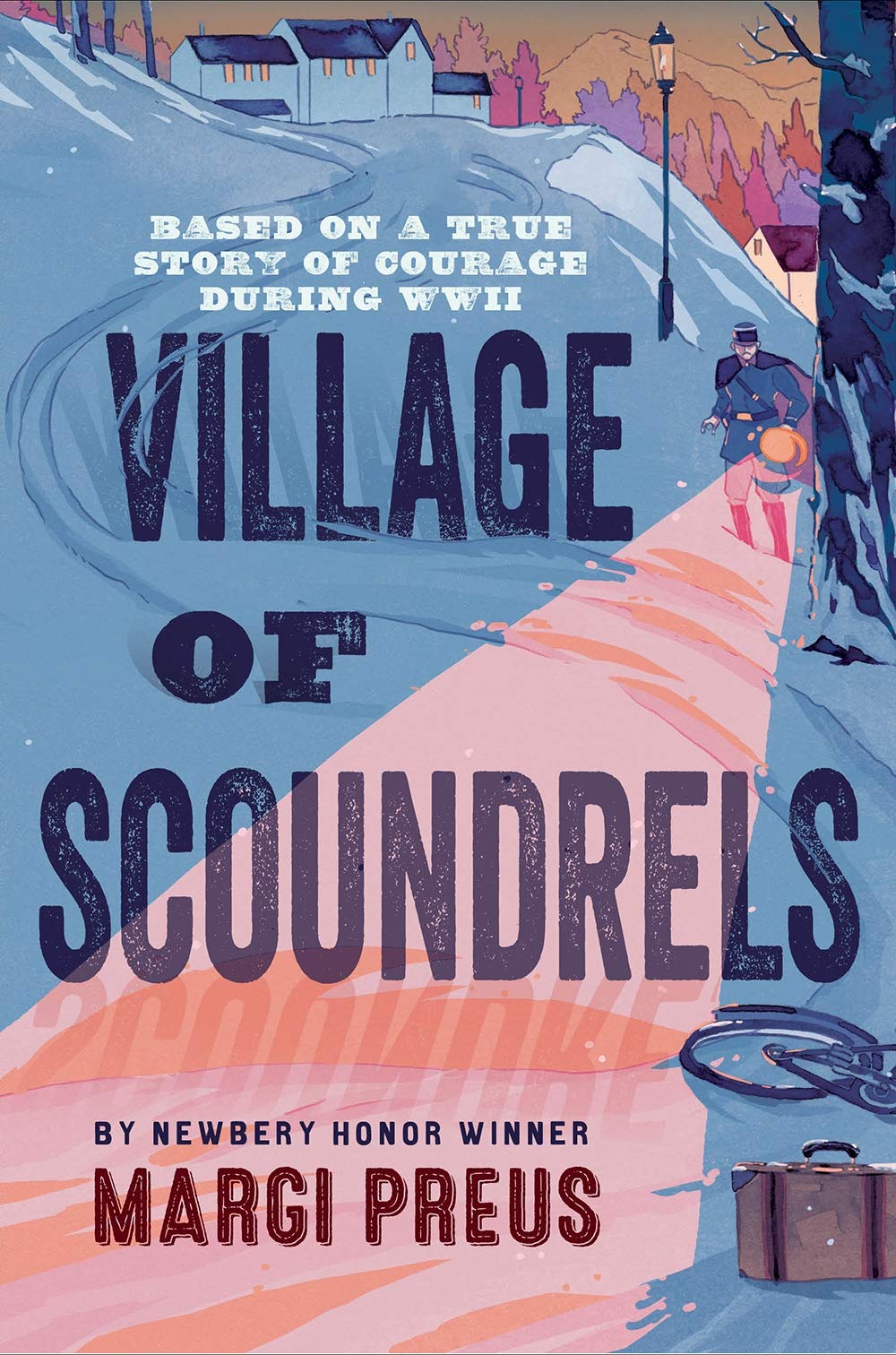
Village of Scoundrels by Margi Preus

Published by Amulet Books

Village of Scoundrels: Margi Preus: 9781419708978: Amazon.com: Books

Summary:  Inspired by real people, places, and events, this book tells the story of a group of teenagers who helped save Jews in their French village by forging documents, passing secret messages, and leading groups to safety in Switzerland.  Young police officer Perdant has been sent to keep an eye on this “village of scoundrels” for the Nazis, but as he gets to know some of the kids, he begins to question whether or not he is on the side of right. The characters, including Perdant, all come together in a finale at a ruined chalet where the teens are hiding some of their friends, hoping to help them escape before the Gestapo raids begin.  Readers will be kept guessing until the end as to what the final outcome will be. Includes a 24-page epilogue with stories and photos of the real people on whom the story is based; a timeline covering events from 1934 until 1945; and a bibliography. 320 pages; grades 5-8.

Pros:  One can never have too much WWII historical fiction, and middle schoolers will be inspired by the courage of these kids who risked their lives to save others.

Cons:  There were a lot of characters to keep track of, and their stories were only loosely connected.

If you would like to buy this book from the Odyssey Bookshop, click here.

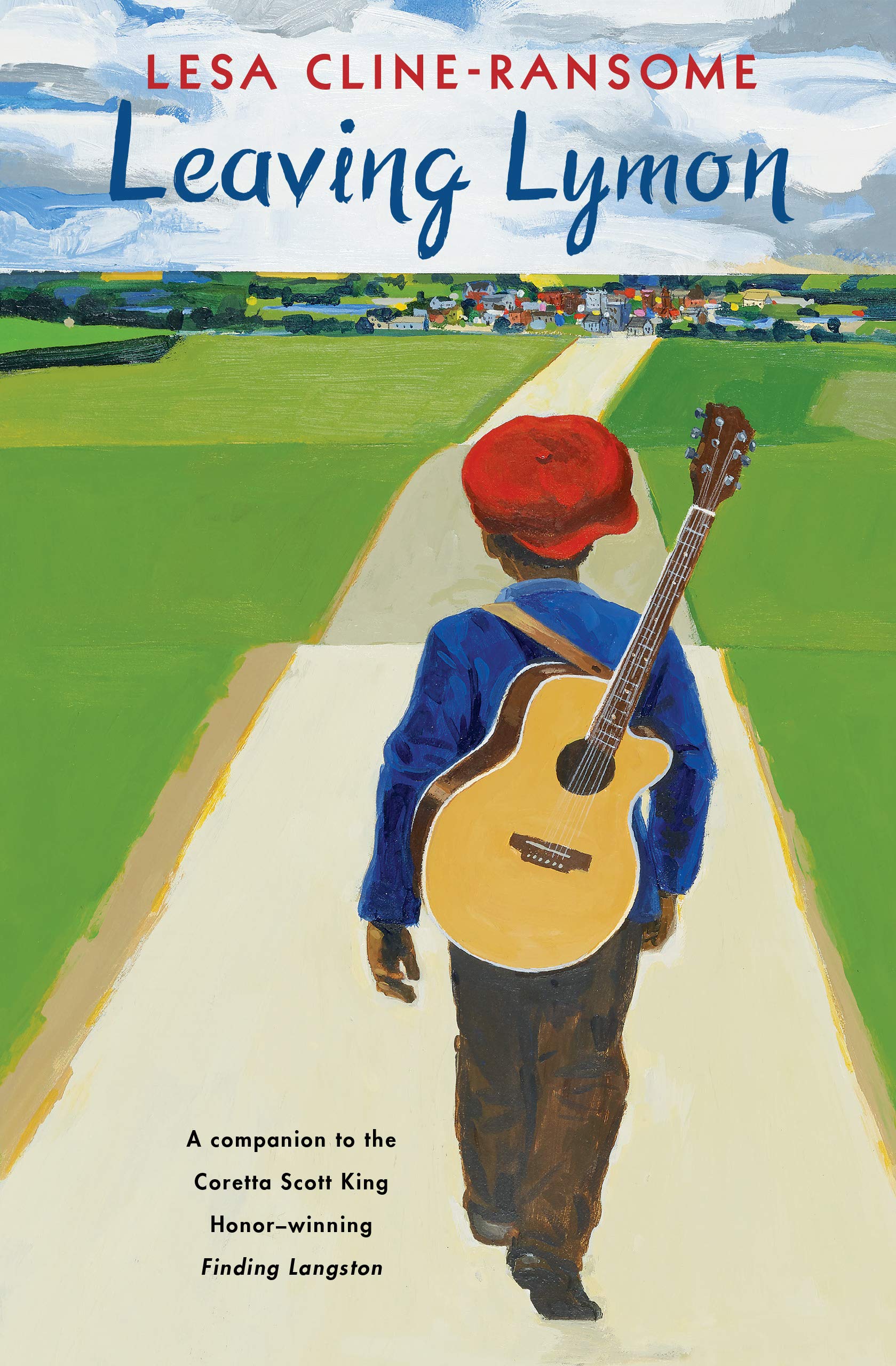
Leaving Lymon by Lesa Cline-Ransome

Published by Holiday House

Image result for leaving lymon lesa amazon

Summary:  Lymon lives with his grandparents, Pops and Ma, in Mississippi. His daddy’s been in jail for as long as Lymon can remember, and he has no memory of the mother who left him to go live in Chicago.  But he loves his grandparents, and especially enjoys learning to play guitar with his grandfather. But when Pops dies, everything changes. Ma and Lymon are forced to go live in Milwaukee, where his aunt and uncle can help take care of them.  Although his father’s gotten out of jail, he’s on the road playing music much of the time, so when Ma gets sick with diabetes, Lymon is sent to Chicago to live with the mother he doesn’t know. She’s married to a man named Robert, who resents having to take care of Lymon, and beats him regularly.  Lymon starts acting out, becoming the bully we met in Finding Langston, stealing money, and running away from home.  He ends up in a home for boys, where a caring music teacher puts him back on the right track.  It’s clear Lymon’s got a rough road ahead, but the ending offers some hope for a better future for him.  Includes an author’s note with more information on the time period. 198 pages; grades 4-8.

Pros:  It’s been long enough since I read Finding Langston that I’ve forgotten the character of Lymon, but I enjoyed getting to know him in his own story.  His voice rings true, and he shows a lot of resilience in the face of overwhelmingly difficult circumstances.  Cline-Ransome has done an excellent job of showing how bullies are made not born, and readers will empathize with Lymon and understand why he does what he does.

Cons:  I didn’t find Lymon’s story quite as engaging and uplifting as Langston’s.

If you would like to buy this book on Amazon, click here.

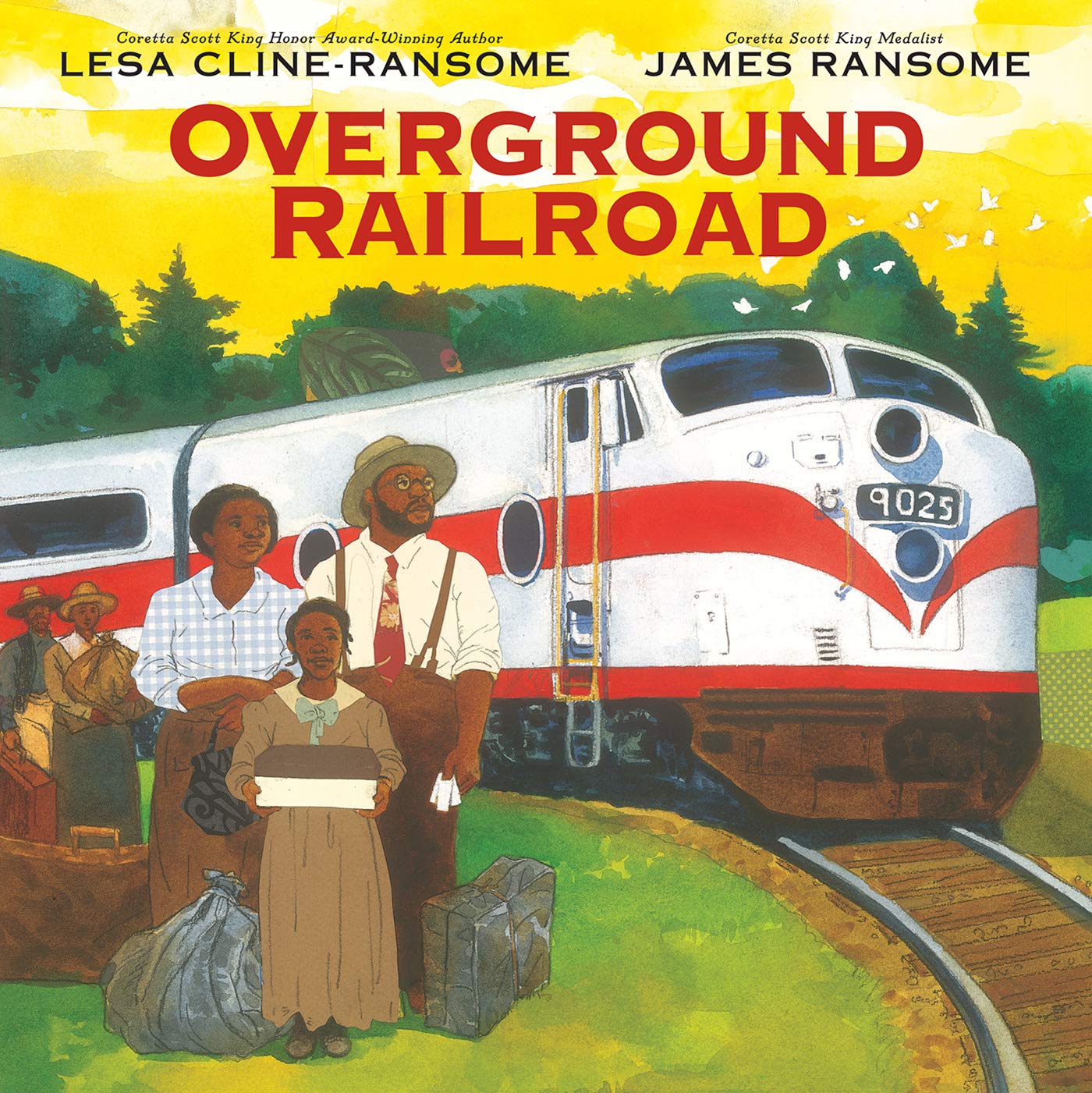
Overground Railroad by Lesa Cline-Ransome, illustrated by James Ransome

Published by Holiday House

Image result for overground railroad lesa ransome

Summary: Ruth Ellen tells the story of traveling by train from North Carolina to New York City with her parents during the Great Migration.  They’ve left their lives as sharecroppers secretly, without telling the boss. After traveling to Baltimore, Maryland, the “Whites Only” sign is removed, and Ruth Ellen and her family can leave the colored car and explore the rest of the train.  They pass the time by playing cards, eating from a shoebox (they’re not allowed in the dining car until the sign comes down), and reading a book by Frederick Douglass. Finally, they arrive at Penn Station in New York, where the city lights and bright stars seem to offer promise for the future.  Includes an author’s note with additional information on the Overground Railroad. 48 pages; grades K-4.

Pros:  This husband-and-wife team has produced a beautiful historical fiction picture book about a time not often written about in children’s literature.

Cons:  There were no dates given for Ruth Ellen’s journey or the Great Migration in general.

If you would like to buy this book on Amazon, click here.

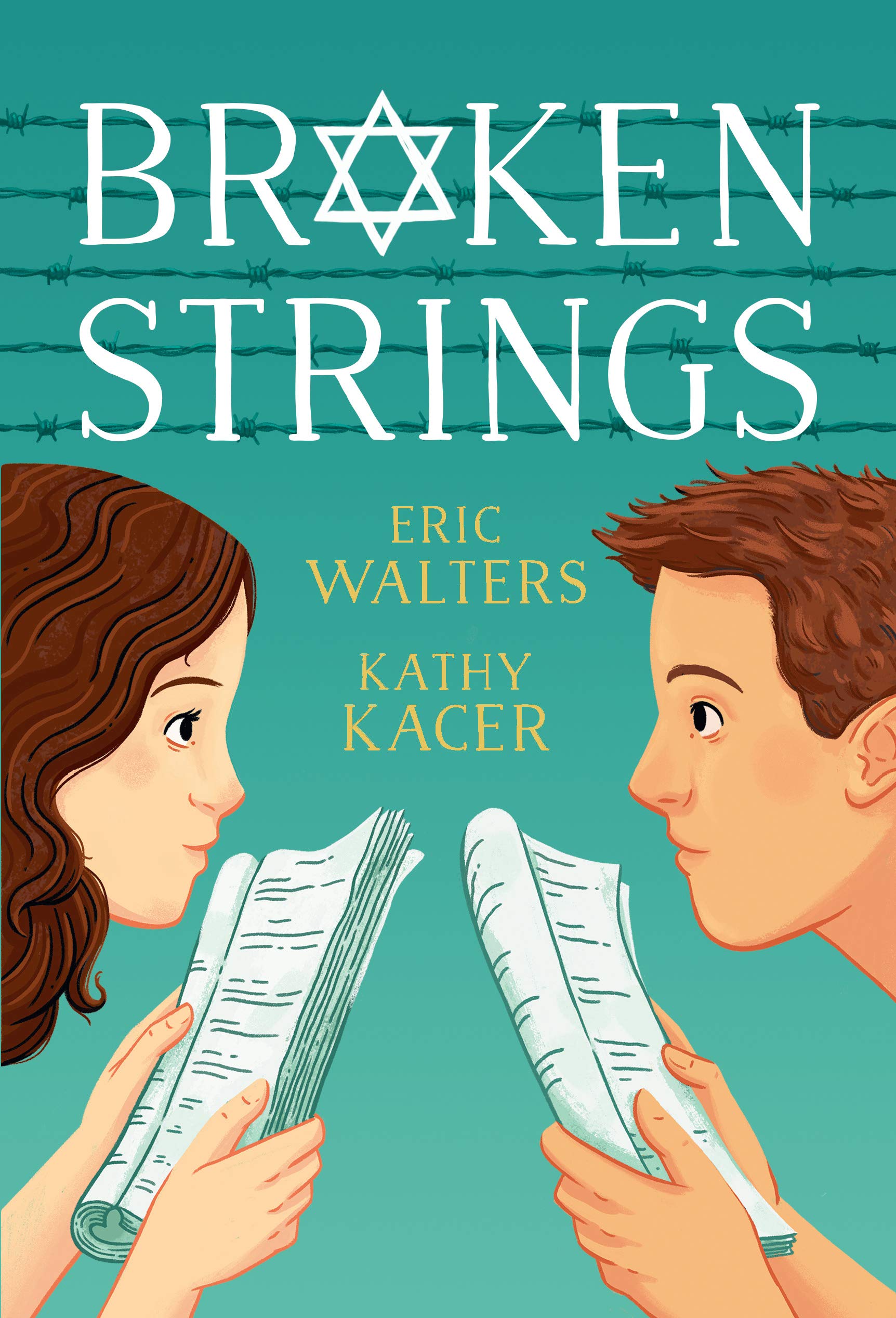
Broken Strings by Eric Walters and Kathy Kacer

Published by Puffin Canada

Image result for broken strings eric walters

Summary:  A few months after 9/11, Shirli’s drama teacher decides to stage a production of Fiddler on the Roof.  Shirli is hoping to land the role of daughter Hodel, but instead is cast as Golde, the mother.  Disappointed, she throws herself into preparations for the show, turning to her grandfather, Zayde, to help her with props and costumes.  In his attic, she finds an old violin and a poster showing him performing with his family. Shirli knows Zayde lost his family during the Holocaust, but he has never shared the details with anyone, and has always seemed to dislike any kind of music.  When she asks him about the violin, he’s angry at first, but over the next several weeks, he slowly reveals the heartbreaking story he’s never told. When a catastrophic accident threatens to shut down the play, Zayde and Shirli are able to save it, and Zayde’s story ends up adding new layers of depth to the production.  Includes an author’s note with additional information about Auschwitz. 288 pages; grades 5-8.  

Pros:  Readers will be fascinated and horrified by this moving story.  Zayde’s story is revealed slowly, and interspersed with lighter chapters about the play and the budding romance between Shirli and her co-star Ben.  

Cons:  Shirli seemed at times a little too good to be true, and Zayde’s contribution to the play felt a little unrealistic.

If you would like to buy this book on Amazon, click here.

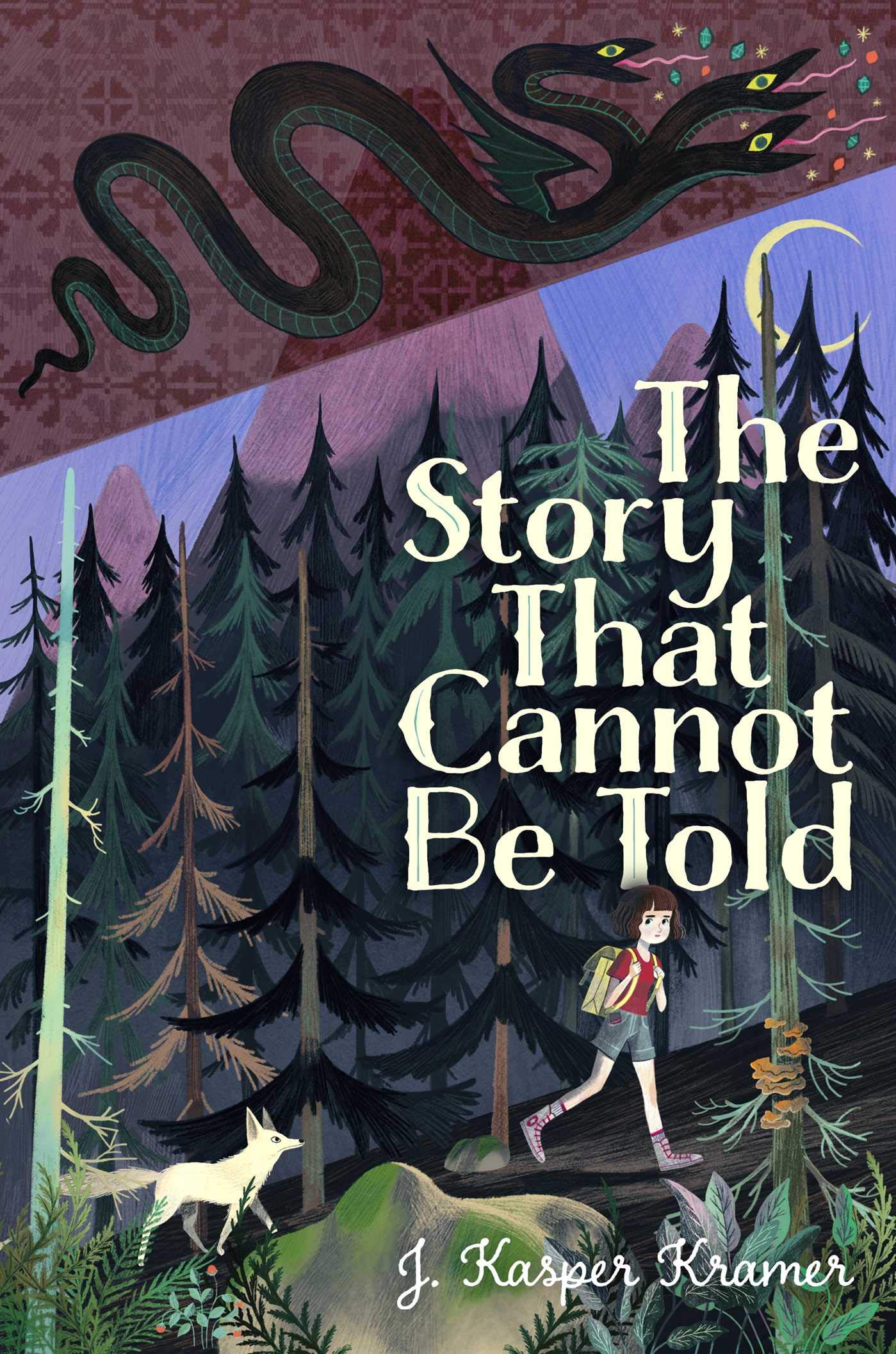
The Story That Cannot Be Told by J. Kasper Kramer

Published by Atheneum Books for Young Readers

Image result for story that cannot be told amazon

Summary:  “He’s gone.  They’ve killed him,” announces Ileana’s father on page one.  Slowly, we find out that “he” is Ileana’s uncle, a poet who has written protests against the Romanian government.  It’s 1989, and the secret police are everywhere. When Ileana allows an “electrician” into their home and later discovers a bug in her bedroom, her parents decide she must leave the city for her own safety.  Ileana is a storyteller, and her move to a remote village to live with the grandparents she’s never met fires up her imagination. As she tells the facts of her stay there–making a new friend, learning how to do farm chores, observing the Securitate slowly close in on the community–she weaves in a story about Brave Ileana, a princess who must find the courage to save her family.  As the villagers begin to hear of the revolution taking place in the city, they must all band together to save themselves–and Ileana is at the very center of their plan. 384 pages; grades 5-8.

Pros:  This debut novel grabs readers from page one and pulls them right into the drab world of Communist Romania–but also shows the beauty and imagination of the country through the stories Ileana hears and tells.  

Cons:  It’s taken me awhile to get to this book.  The cover didn’t appeal to me, nor did the idea of having fairy tales mixed in with historical fiction.  I’m glad I made time for it before the end of the year.

If you would like to buy this book on Amazon, click here.

From a Small Seed: The Story of Eliza Hamilton by Camille Andros, illustrated by Tessa Blackham

Published by Henry Holt and Co.

Image result for from a small seed the story of eliza hamilton

Interior Image

Summary:  Eliza is introduced as a strong girl, growing up in a big brick house with loving parents.  She likes to run and climb, but is also compassionate. She often sees an orphan boy and feels sorry for him, sharing her food when she can.  Later, she meets another orphan (Alexander Hamilton, although he’s not identified in the text), marries him, and works to help him found a new nation.  When tragedy strikes, and she and her eight children are left on their own, she remembers the orphan boy and starts the Orphan Asylum Society and the Hamilton Free School.  Throughout the story, trees are used as symbols from the young saplings Eliza sees as a child to the grove of tall trees that overlook her grave. Includes notes from the author and illustrator and three additional sources.  40 pages; grades 1-4.

Pros:  This is a brief and lovely introduction to the inspiring life of Eliza Schuyler Hamilton, a bit more accessible to younger readers than Margaret McNamara’s 2018 book Eliza.  The tree symbolism works well, as do the muted illustrations.  

Cons:  The author’s note reveals that few details are known of Eliza’s life, and that her interactions with the orphan boy at the beginning are fictional, making this book straddle the line between biography and historical fiction.

If you would like to buy this book on Amazon, click here.


Allies by Alan Gratz

Published by Scholastic

Image result for allies alan gratz

Summary:  16-year-old Dee Carpenter isn’t quite sure what he’s doing landing on Omaha Beach at the start of D-Day.  As the events of the day unfold, he has many narrow escapes and crosses paths with a wide variety of characters from Canada, France, Algeria, Germany, and, of course, the United States.  The reader gradually learns about Dee’s early life and the events that brought him to D-Day–events that could easily have led him to be fighting for the other side. Although Dee is the main character, others get a few chapters so that readers get to know quite a few characters in depth before they all meet up on the evening of June 6.  Includes a 14-page author’s note that gives additional information on many different aspects of D-Day and World War II that are touched upon in the story. 336 pages; grades 5-8.

Pros:  This is sure to be popular with middle school readers, with non-stop action and narrow escapes starting almost immediately.  I liked the inclusion of some strong female characters.  The fact that Dee is 16 and the two main girls are 11 and 13 makes it relatable to kids.

Cons:  I was expecting a story like Refugee in which the three characters were given equal billing.  Instead, this was mostly Dee’s story, with a dizzying number of minor characters. I was interested in the French Resistance mother and daughter, but their story ended on page 72, and they didn’t reappear until the last chapter.

If you would like to buy this book on Amazon, click here.