Run, Sea Turtle, Run: A Hatchling’s Journey by Stephen R. Swinburne, photographs by Guillaume Feuillet

Published by Millbrook Press
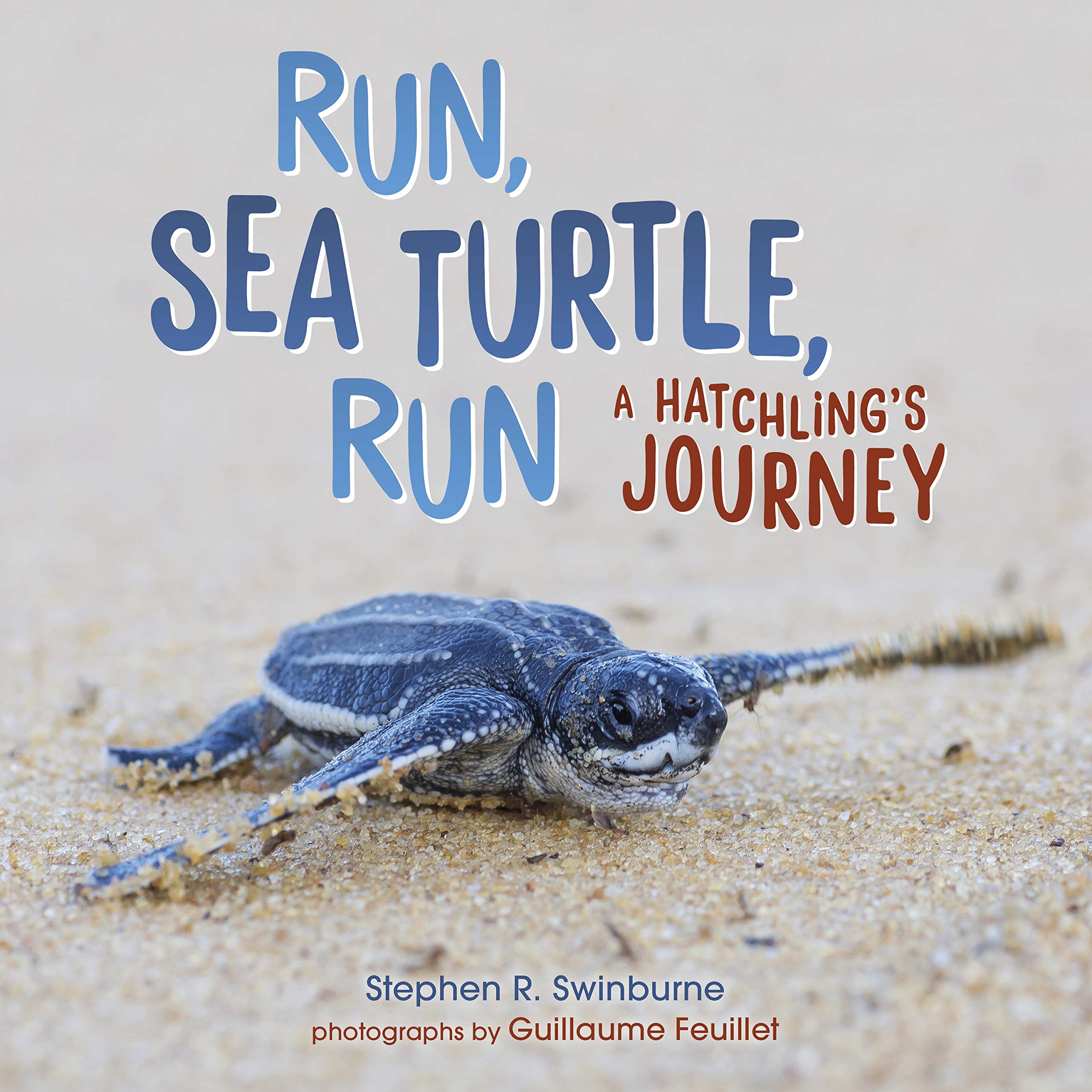
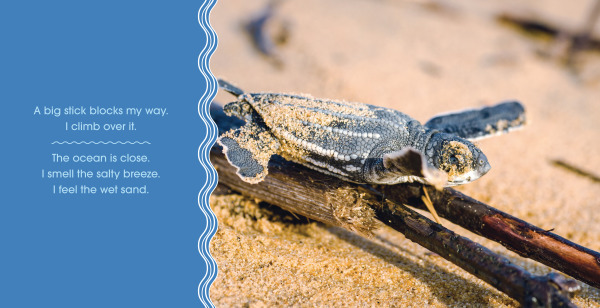
Image result for run sea turtle run swinburneImage result for run sea turtle run swinburneSummary:  A leatherback sea turtle tells of her journey from the time she hatches out of an egg until she reaches the water.  Close-up photos show the turtle and her siblings as they emerge from their nest and race for the water. A Google search tells me that only one in 1,000 baby turtles make it to the sea, but happily we are spared seeing what happens to this turtle’s brothers and sisters.  The last page shows a fully grown leatherback emerging from the waves: “Someday I will come back to this same beach. I will lay eggs of my own.” Includes a page of information on the sea turtle life cycle; how you can help sea turtles; a link to a YouTube video of Stephen Swinburne singing a song about sea turtles (which didn’t work, but I found it by searching on YouTube); and books and websites for additional research.  32 pages; ages 4-8.

Pros:  Preschoolers will love the photos of turtles and enjoy learning about them from the simple text.  The extra material at the end would make this a good research resource for primary grades.

Cons:  This book is only available with a library binding, which costs $27.99 on Amazon and $21.99 on Follett. 
If you would like to buy this book on Amazon, click here.

Old Rock (Is Not Boring) by Deb Pilutti

Published by G. P. Putnam’s Sons Books for Young Readers

Image result for old rock is not boring amazon

Image result for old rock is not boring amazon

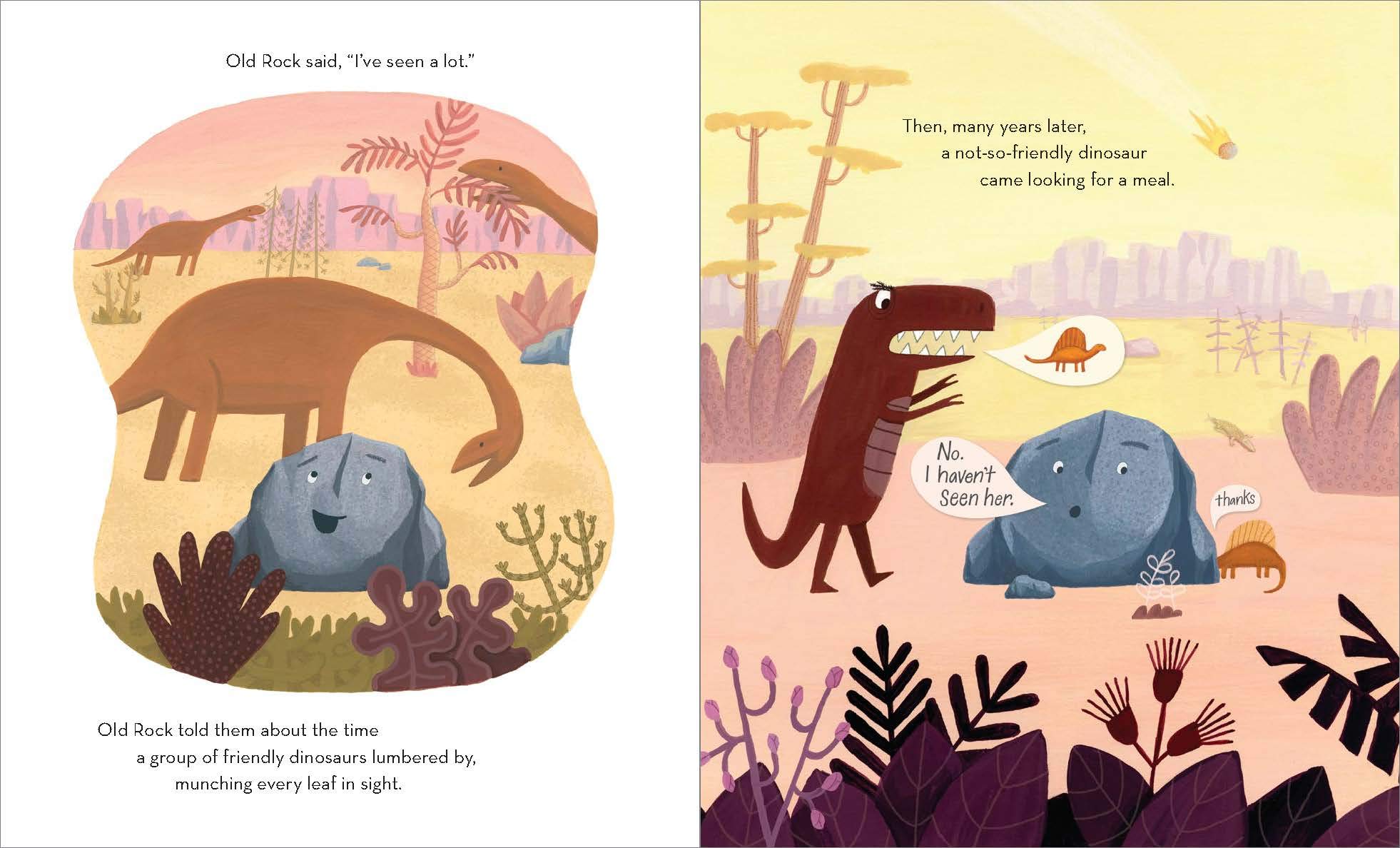
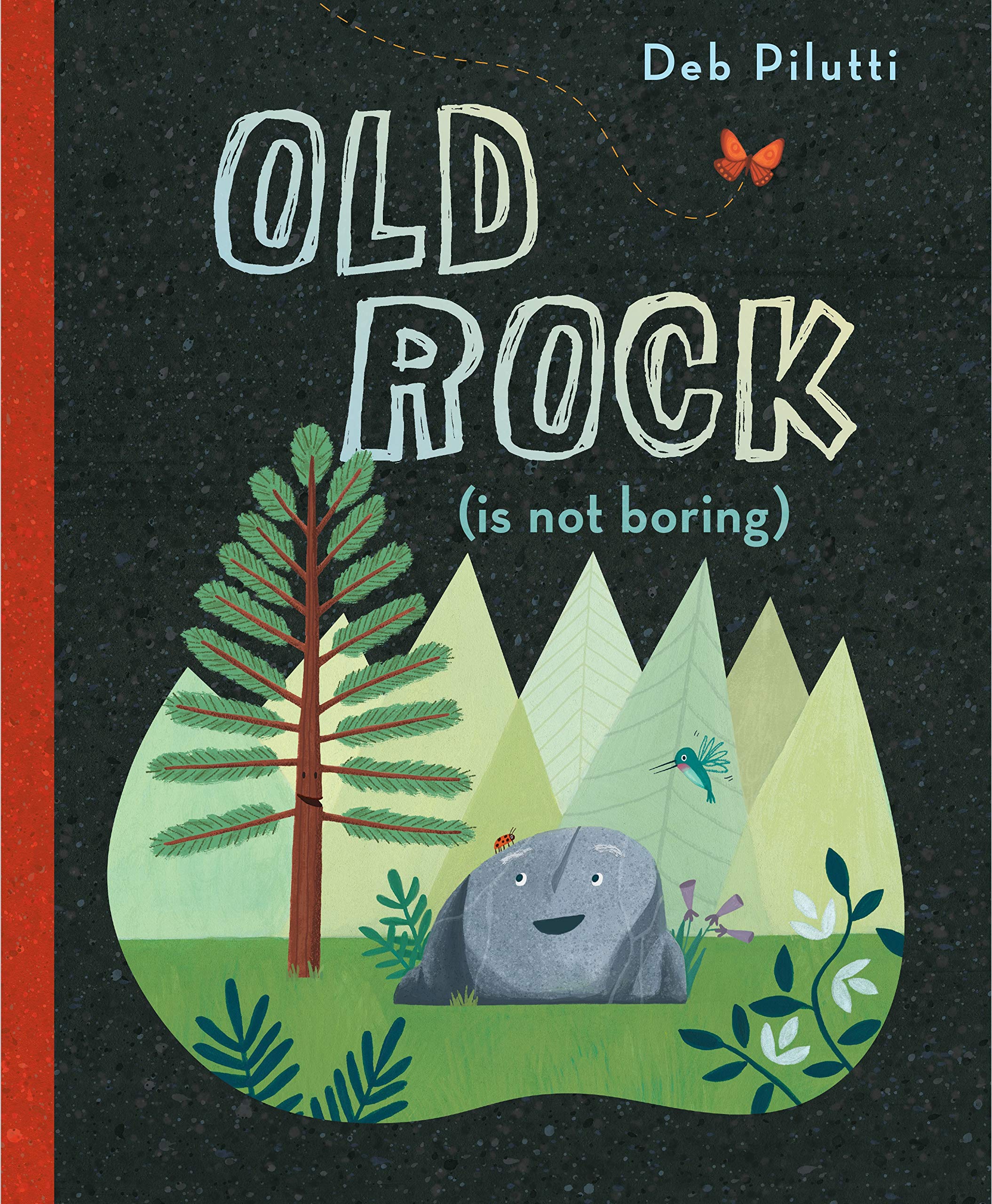
Summary:  Tall Pine, Spotted Beetle, and Hummingbird all think Old Rock must be bored, sitting in the same spot day after day.  But Old Rock has been around, and he has a lot more interesting stories to tell than his friends could have guessed. For instance, Hummingbird is not the only one who has flown.  When Old Rock erupted out of a volcano, he soared through the air into the world. He’s also seen dinosaurs, traveled in a glacier, and somersaulted down a mountain. Now he enjoys spending his days in the field, visited by his friends, who conclude that it’s a nice spot and that Old Rock is definitely not boring.  Includes a timeline of Old Rock’s adventures, going back 18 billion years. 40 pages; ages 4-8.

Pros:  A delightful story that can be appreciated on many levels: geological history, intergenerational sharing, or simply enjoying the present moment.  

Cons:  Tall Pine hardly seems in a position to give Old Rock a hard time about staying in the same spot all the time.

If you would like to buy this book on Amazon, click here.

Packs: Strength in Numbers by Hannah Salyer

Published by HMH Books for Young Readers

Image result for packs strength in numbers by hannah salyer

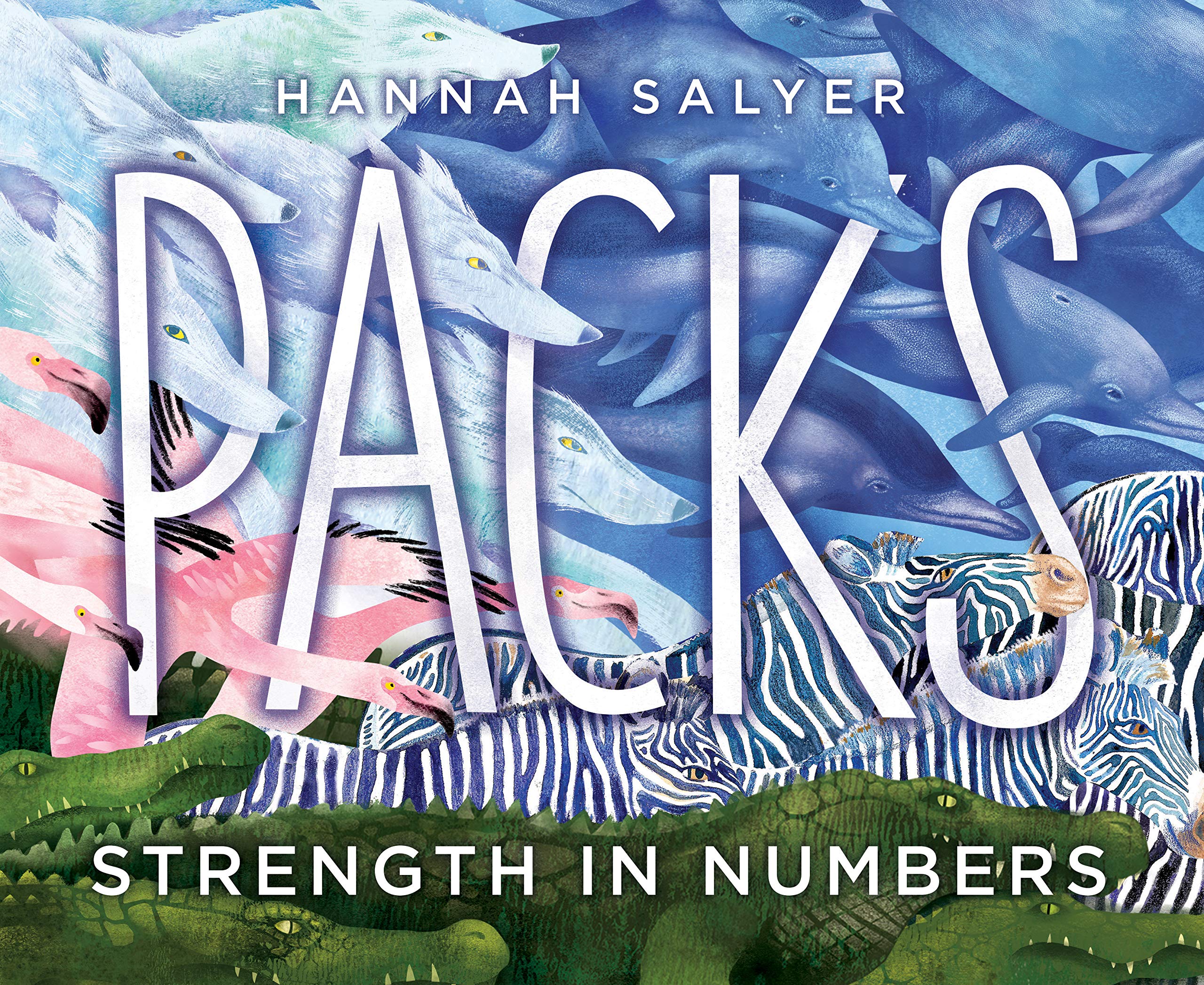
Summary:  The first four two-page spreads each contain a single word: “Packs, herds, huddles, and pods.”  Each shows a group of animals: wolves, buffalo, penguins, and whales. The text continues, “Together, we are better.”  Then there are lengthier descriptions of how different animals work together. Ants collect and store leaves as a group: “Together, we harvest!”  Wildebeest migrate together for protection: “Together, we travel!” The last two pages show a big group of humans, enjoying the streets, parks, and restaurants of a city: “All together…we are better!”  Includes an author’s note about protecting animals of all species; a picture illustrating and identifying all the animals in the book; and a list of books for further reading. 48 pages; ages 4-8.

Pros:  Kids will enjoy learning how animals work together and applying those lessons to their own groups, but the illustrations are what really make this book outstanding.  The first eight pages are especially spectacular. This is Hannah Salyer’s first picture book…hoping we will see many more.

Cons:  The theme of this book seemed a bit disjointed: it was about pack animals, but also seemed to be about humans working together, and then there was the author’s note about helping endangered animals.  All good things, but a single focus might have worked better.

If you would like to buy this book on Amazon, click here.


Honeybee: The Busy Life of Apis Mellifera by Candace Fleming, illustrated by Eric Rohmann

Published by Neal Porter Books

Image result for honeybee candace fleming amazon

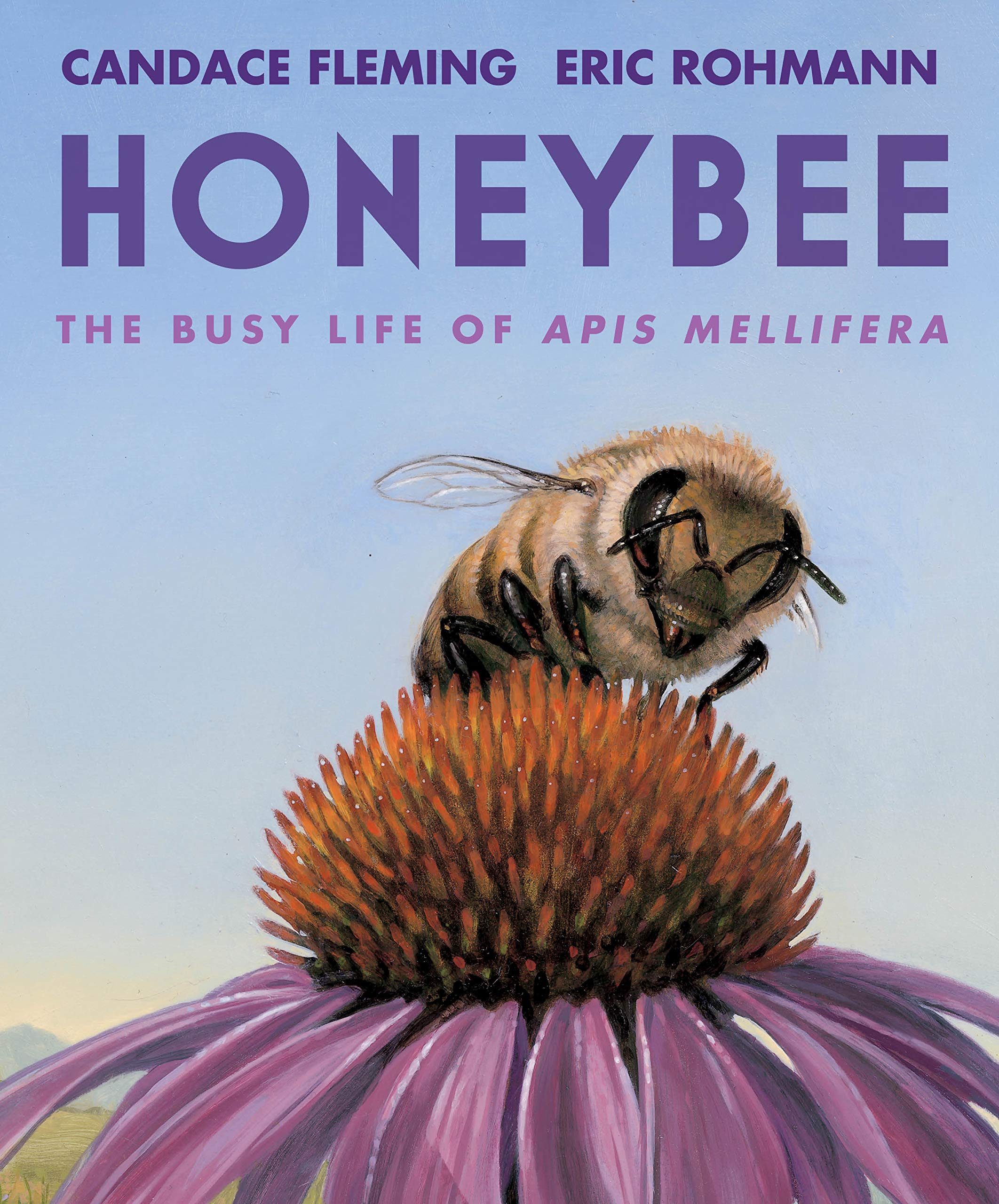
Summary:  A new worker bee pushes her way out of her cell on the pages before the title page.  Apis Mellifera, or Apis for short, she gives new meaning to the phrase “busy as a bee” as she cleans up the hive, feeds the larvae, cares for the queen, and builds and protects the hive.  Finally, on day 25 of her life, she is ready to fly to the fields, where she spends the next ten days collecting nectar from 30,000 flowers before her life is over.  As she falls to the ground, back in the next, a new Apis Mellifera emerges from a cell.  Includes a detailed diagram of a bee’s anatomy; additional information about bees and how to help them; and additional books and websites for further research.  40 pages; grades 1-5.

Pros:  The award-winning team that brought you Giant Squid has created another marvelous nonfiction book.  The poetic text, amazingly lifelike illustrations, and extensive back matter make this an outstanding resource for research or reading for enjoyment.

Cons:  I started getting impatient for Apis to fly already.

If you would like to buy this book on Amazon, click here.

Fly High, John Glenn: The Story of an American Hero by Kathleen Krull, illustrated by Maurizio A. C. Quarello

Published by HarperCollins

Image result for fly high john glenn

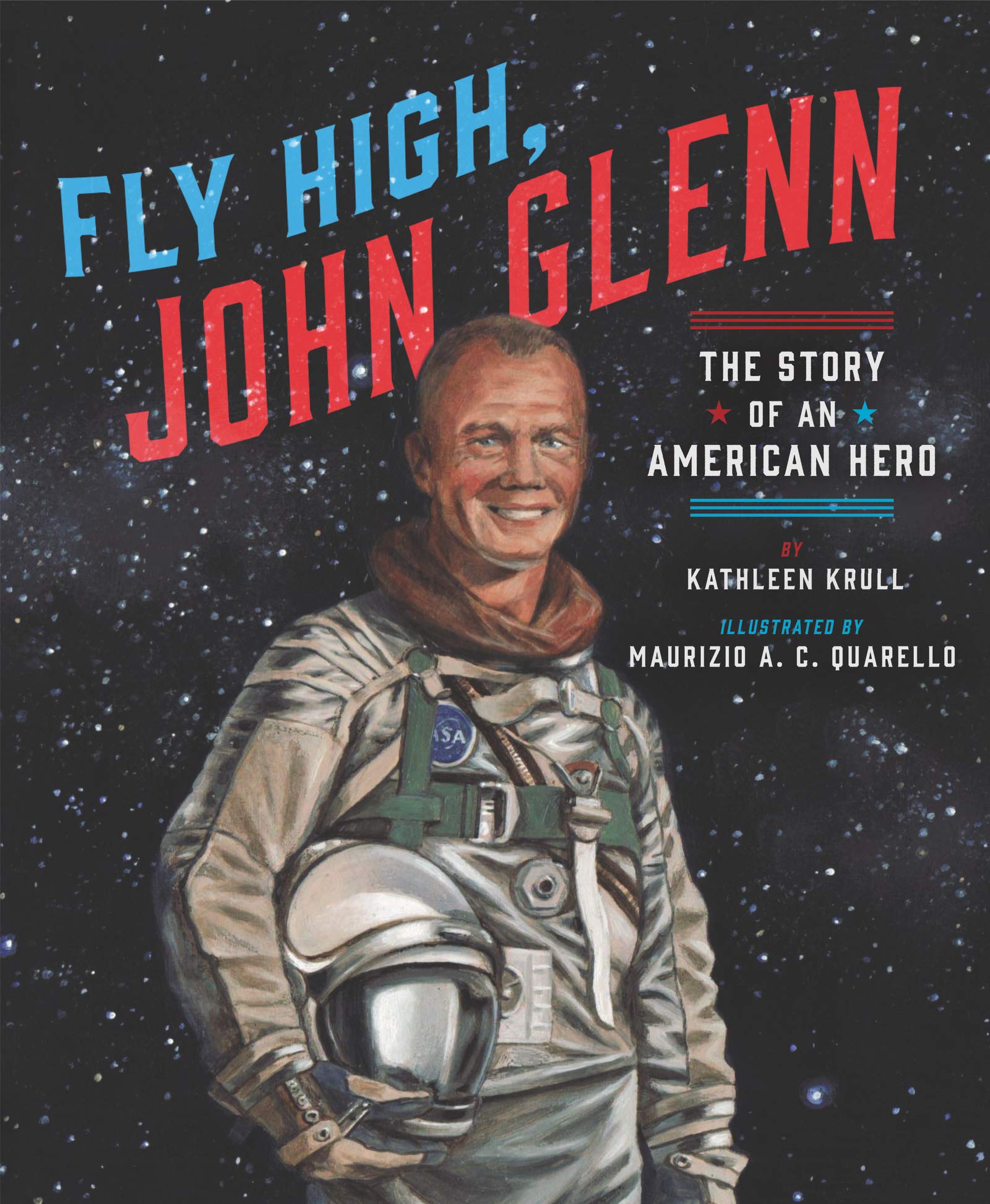
Summary:  John Glenn dreamed of flying from his early days growing up in Ohio.  He earned his pilot’s license at age 20, becoming a fighter pilot during World War II.  He kept flying after the war, flying the first supersonic flight across the United States. When NASA announced Project Mercury, a mission to launch a man into orbit around the Earth, candidates were selected from the country’s 508 test pilots.  Glenn was one of the seven chosen, and on February 20, 1962, he became the first man to orbit the Earth aboard his space capsule Friendship 7.  Despite a few glitches, the mission went well, and Glenn returned to a hero’s welcome.  He continued to serve his country as a U.S. senator, and in 1998, became the oldest person to fly in space at age 77.  Includes additional information, a timeline, and a bibliography. 48 pages; grades 2-5.

Pros:  This is quite a complete biography for a picture book, including plenty of information on John’s career and family.  The realistic paintings are beautiful, particularly the ones of outer space.

Cons:  Due to the length, primary-grade audiences might get a bit antsy before the last page.

If you would like to buy this book on Amazon, click here.

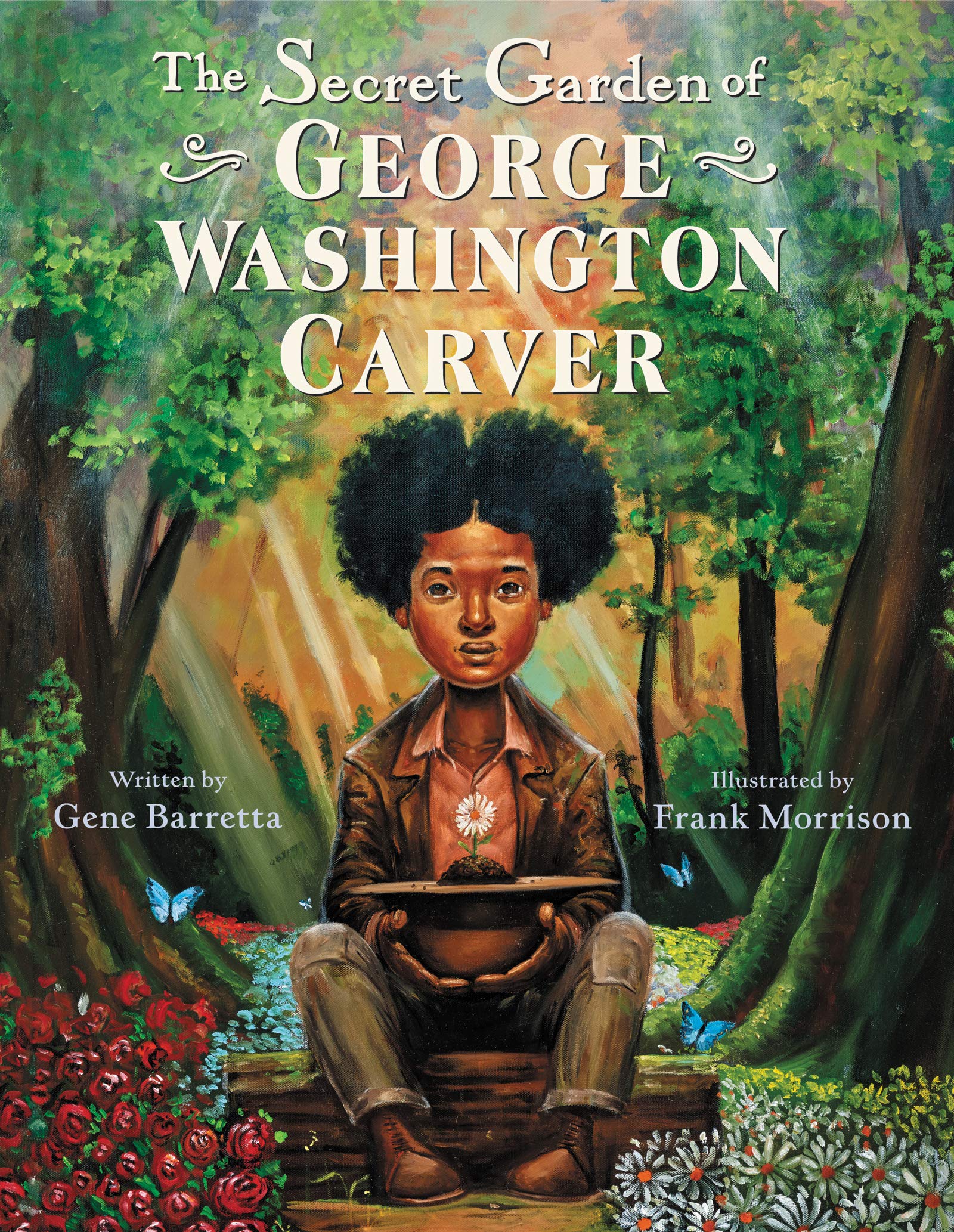
The Secret Garden of George Washington Carver by Gene Barretta, illustrated by Frank Morrison

Published by Katherine Tegen Books

Image result for secret garden of george washington carver

Summary:  Born into slavery in 1864 (his father died before he was born; he and his mother were kidnapped when he was a baby, and she was never seen again), George Washington Carver showed an early love of plants and nature.  Unable to go to school, he decided to teach himself all he could from the woods. He started a secret garden to study plants and soon developed a reputation for his ability to grow things and restore sickly plants to health.  Later, he was able to go to school and became the first black graduate of Iowa Agricultural College. He was hired by Booker T. Washington to teach agriculture at Tuskegee Institute, and became well-known for his work with peanuts as a crop to replace cotton.  He also traveled to farms to teach people how to improve their crops and their own health. Carver preached the lessons he had learned in his garden as a child: “Regard nature. Revere nature. Respect nature.” Includes a timeline, a bibliography, and a list of books for further reading.  40 pages; grades 1-5.

Pros:  This beautifully-illustrated biography of George Washington Carver opens in 1921 with him testifying to U.S. Congress on the many uses of the peanut, then goes back to show his amazing journey to reach that point.  There’s a fair amount of detail for a picture book, making this an engaging story as well as a good tool for elementary research.

Cons:  I would have liked to see a few photos included at the end.

If you would like to buy this book on Amazon, click here.

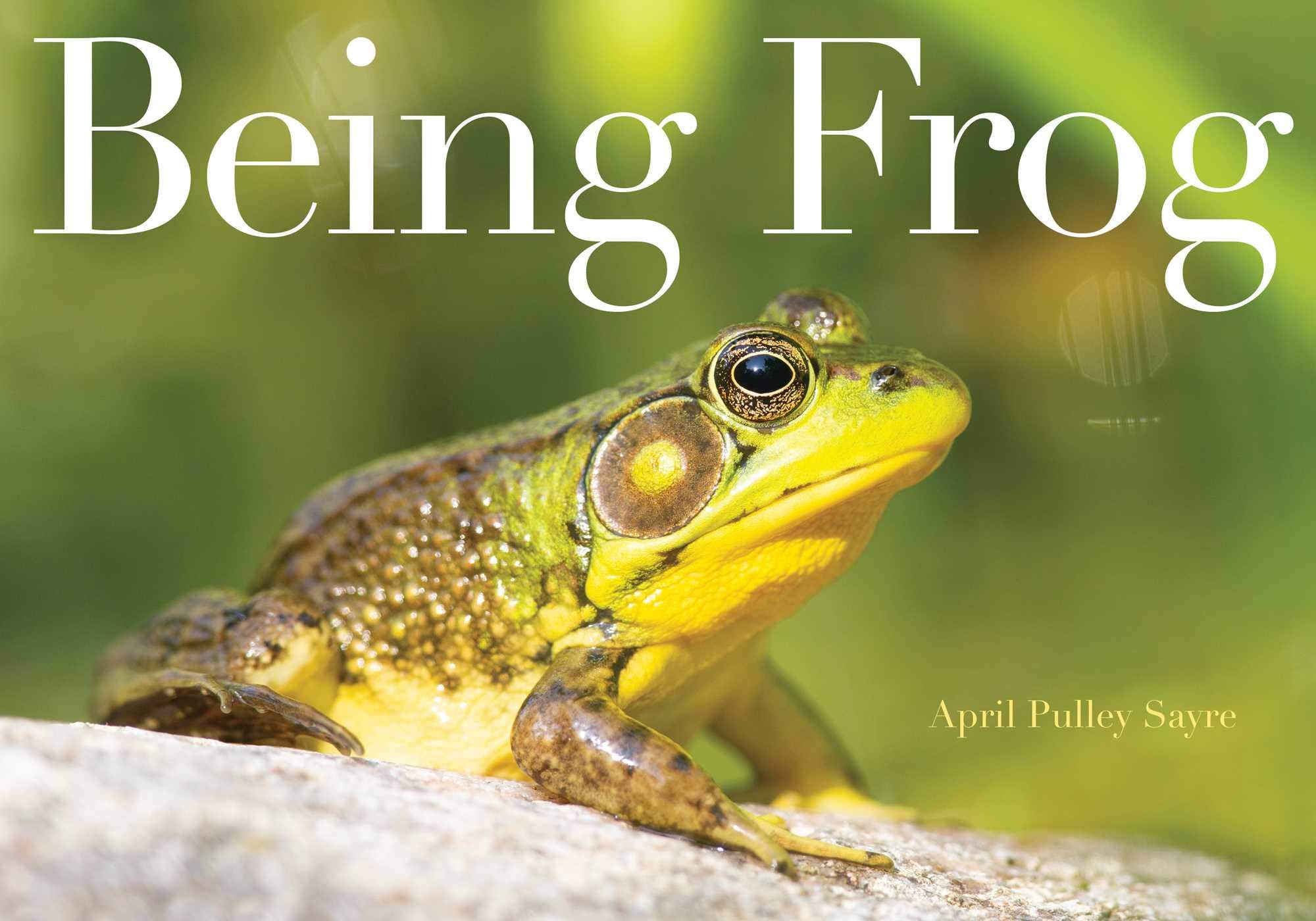
Being Frog by April Pulley Sayre

Published by Beach Lane Books

Image result for being frog april pulley sayre

Image result for being frog april pulley sayre

Summary:  “A frog is a being./It is watching./It is seeing.”  The rhyming text follows a frog as it sits on a log, hunts for food, cools off in the water, and leaps into the air.  Questions are asked: does a frog remember its tadpole days? Does time move fast or slow for the frog? No one knows; the text simply concludes: “A frog has a life./A frog is a being.”  Includes a two-page author’s note in which Sayre talks about fictional frogs and how real frogs are different. She discusses things she imagines about the frogs she observes at a local pond (a favorite frog responds to her) versus what science teaches us about frogs.  Also includes resources for further exploration. 32 pages; ages 3-8.

Pros:  It’s always a pleasure to discover a new science book by April Pulley Sayre, with her gifts for photography and rhyme.  I particularly liked her author’s note introducing kids to various topics dealing with science and scientists.

Cons:  There’s not enough information to use this as a research resource.

If you would like to buy this book on Amazon, click here.

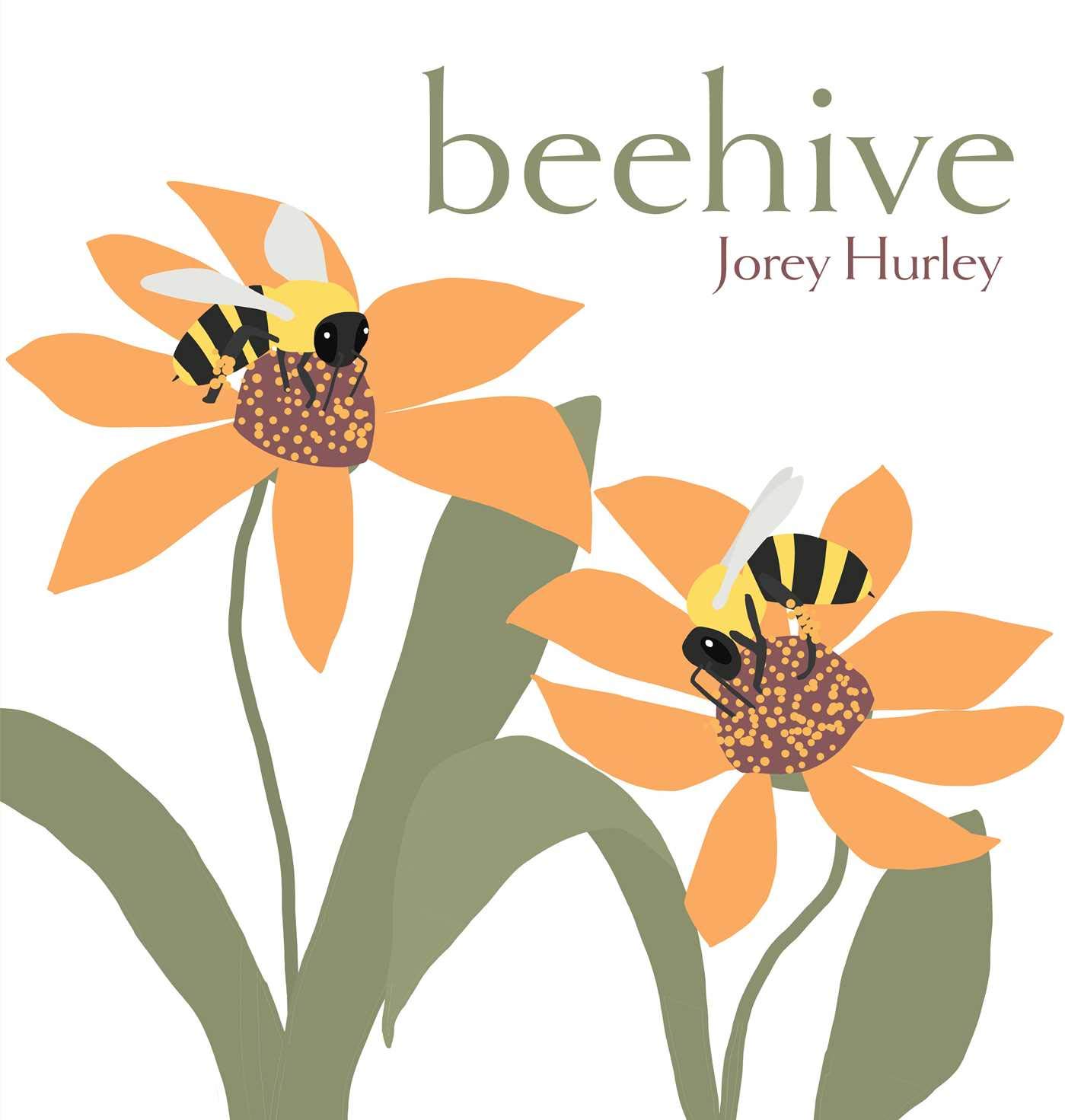
Beehive by Jorey Hurley

Published by Simon and Schuster/Paula Wiseman Books

Image result for beehive jorey hurley

Image result for beehive jorey hurley

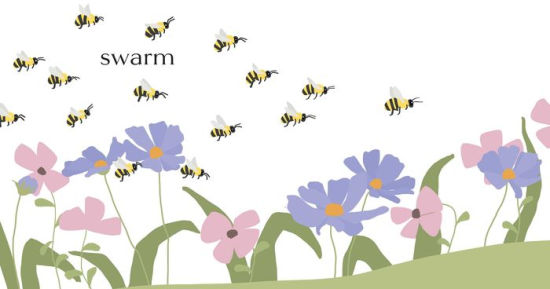
Summary:  With only one word per page, Jorey Hurley’s illustrations portray the steps of creating a beehive and making honey.  The bees swarm and explore until they find a large hollow tree where they can build their hive.  Eggs are laid, the larvae are fed, and eventually new workers join the hive. They collect nectar from flowers in a nearby field, pollinating as they go, then return to the hive to make honey.  A final page explains what is going on in the illustrations, with each word from the story in all caps to show how it fits into the narrative. 40 pages; ages 3-7.

Pros:  Jorey Hurley’s distinctive books introduce the scientific world to kids in a way that is understandable for even the youngest readers.  The Photoshop illustrations are beautiful, with a distinctive palette that repeats throughout the book. The simple one-word pages convey a surprising amount of information.

Cons:  There are no additional resources listed.

If you would like to buy this book on Amazon, click here.

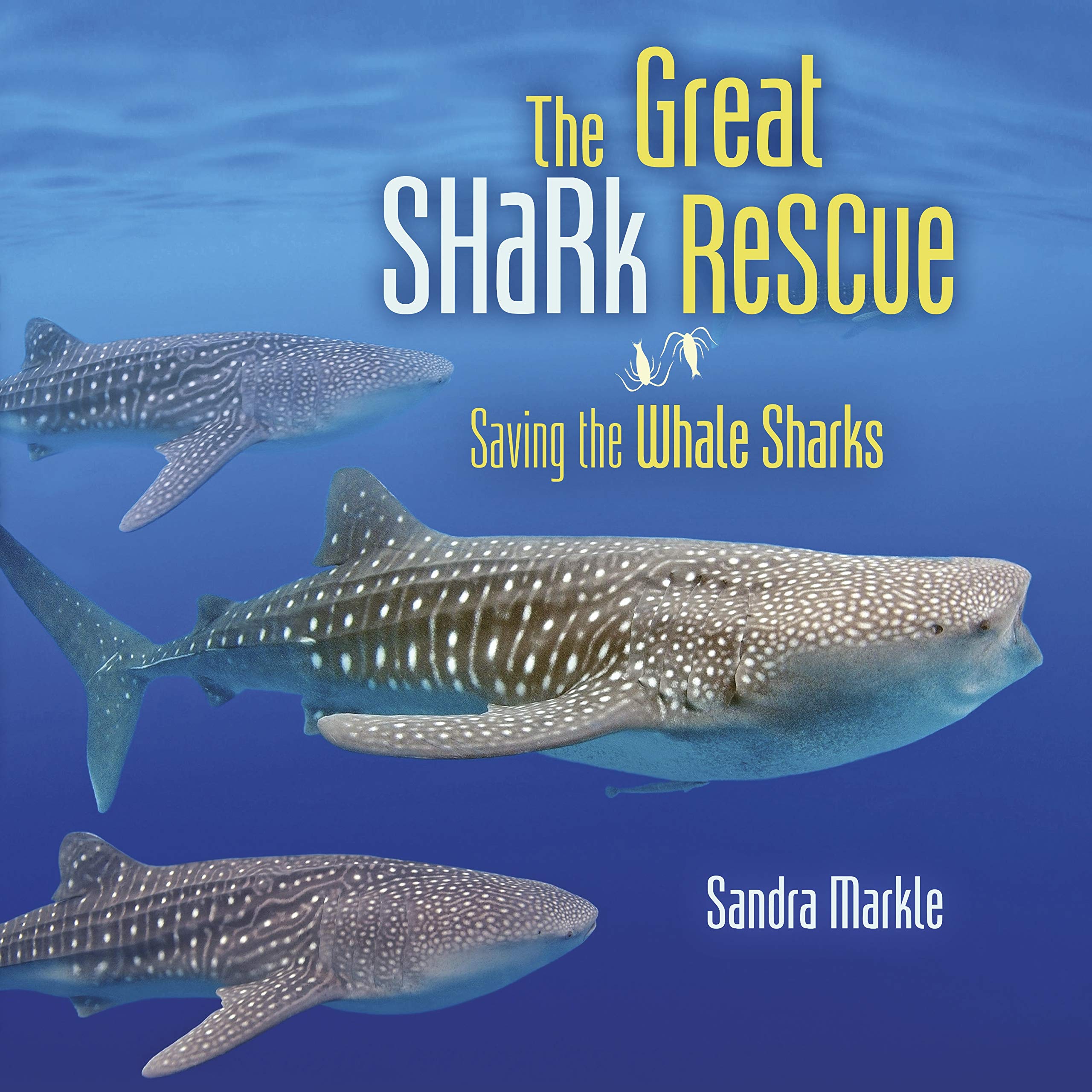
The Great Shark Rescue: Saving the Whale Sharks by Sandra Markle

Published Millbrook Press

Image result for great shark rescue markle amazon

Image result for great shark rescue markle

Summary:  Opening with a story of two young whale sharks getting caught in a fishing net, Sandra Markle introduces readers to the variety of problems these animals face, all of them created by humans.  She looks at efforts to protect them, as well as some of the technologies scientists use to study them. While knowledge of these giants of the shark world has increased over the years, there are still discoveries to be made.  She describes how scientists have learned more in recent years about the way the sharks reproduce, but how they still don’t know exactly how young sharks survive in the ocean. The last page features the whale shark’s famous cousin, the great white shark, and provides information about its endangered status.  Includes an author’s note; a timeline of the scientific study of whale sharks; a glossary; additional resources; and an index. 48 pages; grades 4-6.

Pros:  Markle has produced another excellent science book, choosing a topic with lots of kid appeal and presenting science as a fascinating career choice.  There are plenty of photos and maps, and also a fair amount of text; definitely no dumbing-down here.

Cons:  All the books in this series (Sandra Markle’s Science Discoveries) seem to only be available as e-books or with library bindings, $25.00 on Follett; $32.00 on Amazon.

If you would like to buy this book on Amazon, click here.

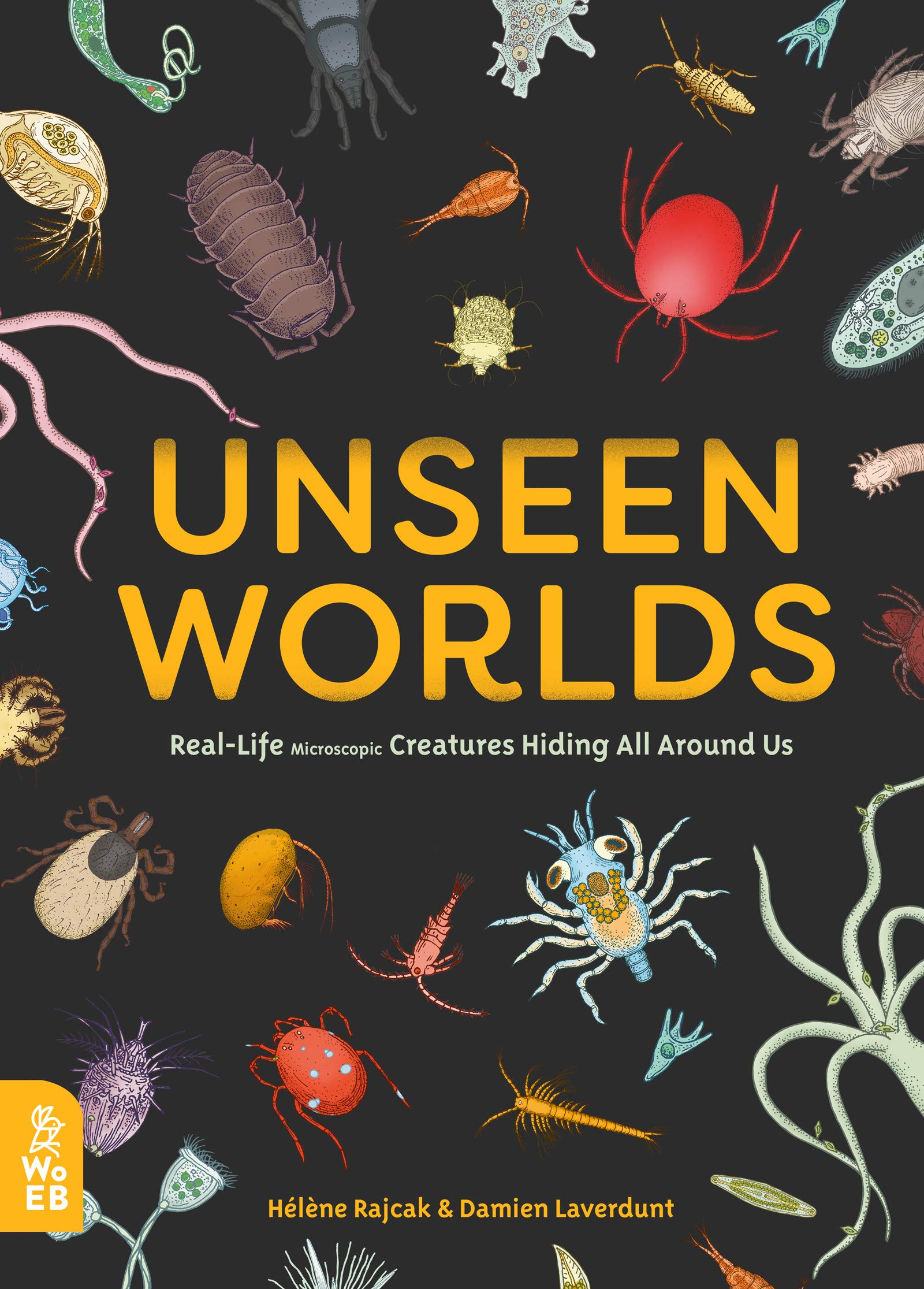
Unseen World: Real-Life Microscopic Creatures Hiding All Around Us by Hélène Rajcak, illustrated by Damien Laverdunt

Published by What On Earth Books

Image result for unseen worlds real-life microscopic creatures hiding all around us

Image result for unseen worlds laverdunt

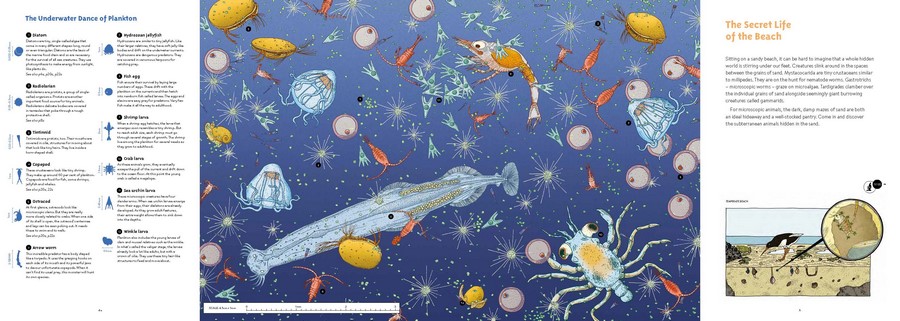
Summary:  Each two page spread describes microscopic creatures that live in different environments:  under the ocean, on the forest floor, in your bed, on your kitchen floor. A fold-out page gives an introduction; when it’s unfolded, more of the illustration is revealed and specific organisms are identified.  Ten environments are profiled in all. Includes additional information about and history of the microscope; information on classifying microorganisms; glossary; index; and selected sources. 32 pages; grades 4-7.

Pros:  This French import is a real work of art.  Sure, we may not all be curious about the mites that feed on our skin at night, but for those who are, this is a beautiful way to go.  The illustrations are amazingly detailed, and the information is fascinating.

Cons:  The foldout pages and $18.00 price tag are a less-than-ideal combination for a school library.

If you would like to buy this book on Amazon, click here.