Published by Charlesbridge
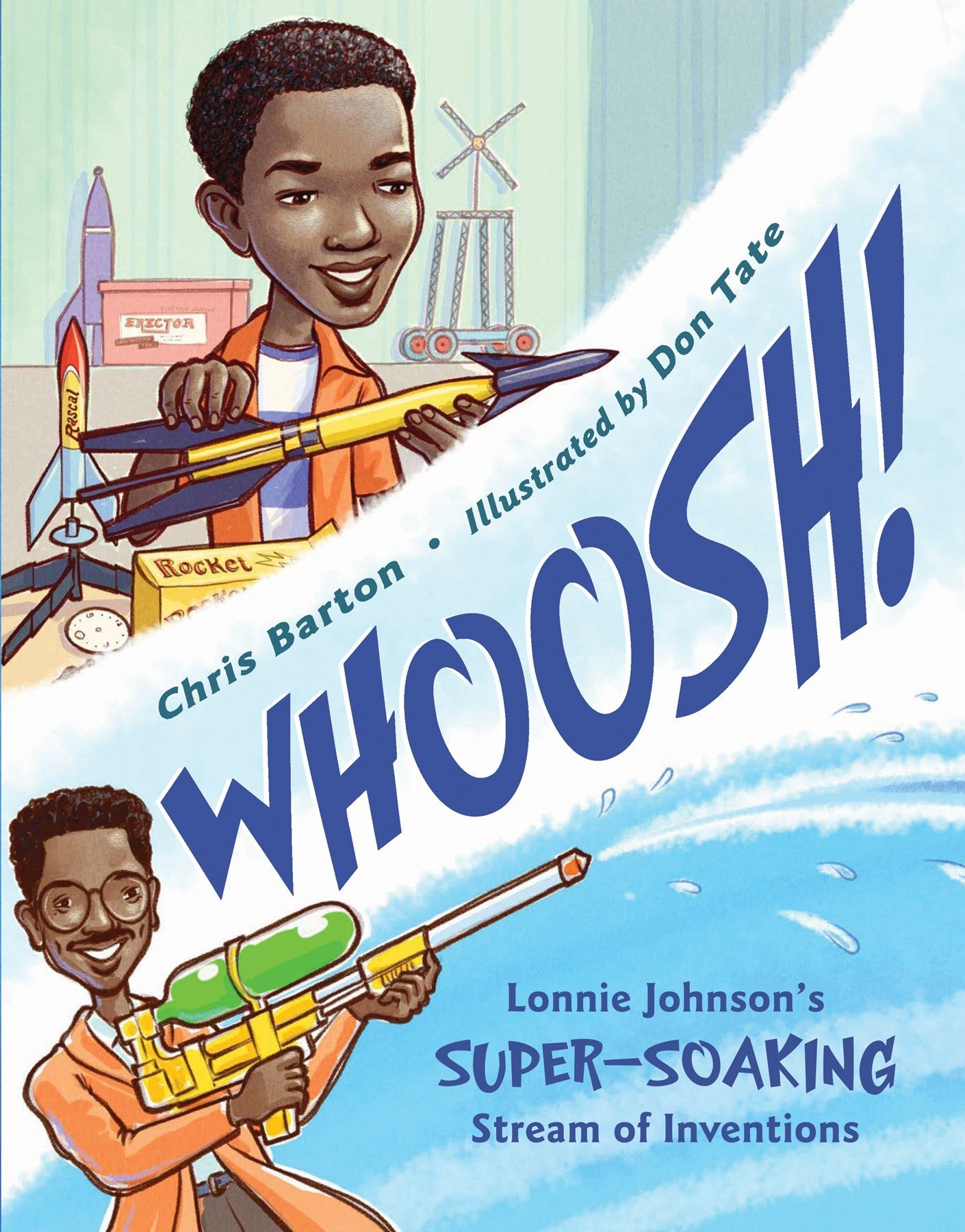
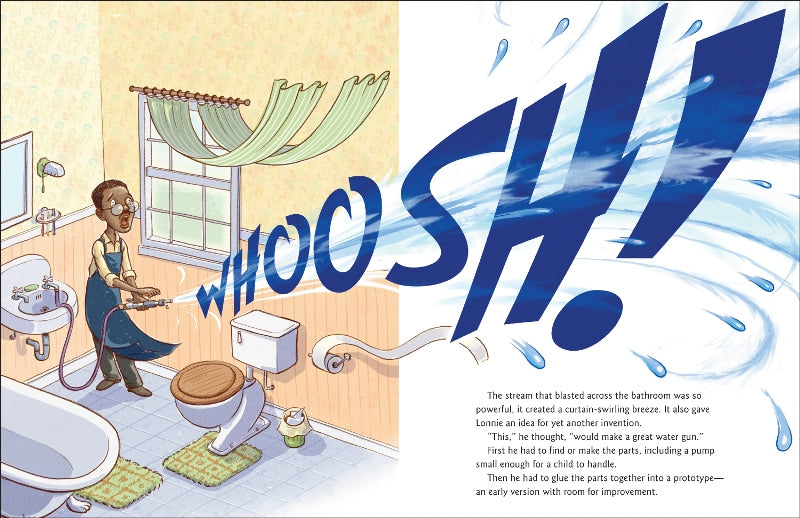
Summary: When Lonnie Johnson was growing up in Alabama, his small house and large family didn’t leave him with much space to do what he loved best…invent. Still, he had supportive parents (when his rocket fuel caught fire in the kitchen, his mom just sent him outside) and a lot of perseverance. His hard work paid off in high school, when his robot won first place at a science fair at the University of Alabama—a school that African-American students like Lonnie hadn’t been allowed to attend just a few years before. Lonnie graduated from Tuskegee, then went on to work for NASA, but he kept inventing in his spare time. While testing an environmentally-friendly cooling system, he serendipitously invented the Super Soaker water gun. This hit toy has given Lonnie enough income to allow him to continue working on his inventions full-time. The author’s note explains how he learned about kids’ stereotypical ideas about scientists, leading him to write a biography of a man who doesn’t fit those stereotypes. 32 pages; grades 1-5.
Pros: Kids will connect with this hard-working, but fun-loving scientist who invented a much-loved toy; teachers will make connections to science and African-American history curriculum; and librarians will enjoy using this book to tie in with their maker spaces.
Cons: It seemed to me that Lonnie Johnson was a bit hasty in disregarding the advice, “Don’t quit your day job”.


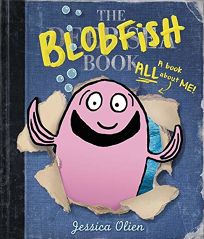
 Summary: Blobfish takes a book called The Deep Sea Book and turns it into The Blobfish Book. The original is about the deepest part of the ocean, with photographs of some of the animals that live there. Blobfish’s version has a pink cartoon of himself drawn onto the photographs, attempting to make it all about him. Finally, the book gets to the page about blobfish, but the sentence “The blobfish was once voted the world’s ugliest animal” stops the narrator in his tracks. Fortunately, the other sea creatures are paying attention, and they join forces to create a final page that celebrates Blobfish and cheers him up again. Includes more facts about the deep sea and its creatures, plus a list of additional resources. 40 pages; ages 4-8.




 A Kids Book A Day