We Had to Be Brave: Escaping the Nazis on the Kindertransport by Deborah Hopkinson

Published by Scholastic
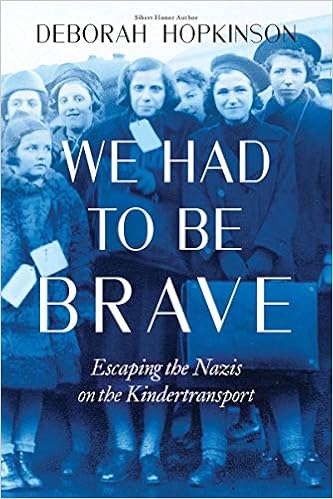
Image result for we had to be brave escaping the nazis on the kindertransport

Summary:  Following Kristallnacht on November 1, 1938, rescuers organized the Kindertransport to get as many Jewish children out of Germany and Austria as they could.  About 10,000 children’s lives were saved before World War II began in the fall of 1939.  This book focuses on three of those children: what their lives were like before Hitler came to power, how changes gradually or suddenly occurred afterward, and how their parents decided to send them away, not knowing if they would ever see them again.  In most cases, they did not. Many other children are profiled more briefly. There are quite a few photos, although, sadly, not many pictures of the children or their families have survived. The 80 pages of back matter include brief profiles of survivors, rescuers, and historians; a timeline; a glossary; resources for further exploration; a bibliography; source notes; and an index.  368 pages; grades 6-10, although I’m sure there are fourth and fifth graders who would enjoy this.

Pros:  Middle school kids interested in World War II and the Holocaust will find this compelling reading.  Deborah Hopkinson really spells out how Nazism took over Germany, and how ordinary people embraced it and turned on their neighbors–a timely lesson for kids to learn.  The back matter is pretty amazing, including a lot of oral history resources where kids can hear the voices of the survivors.

Cons:  There were so many kids’ stories told, I couldn’t keep them all straight.

If you would like to buy this book on Amazon, click here.

Leave It to Abigail! The Revolutionary Life of Abigail Adams by Barb Rosenstock, illustrated by Elizabeth Baddeley

Published by Little, Brown Books for Young Readers

Image result for leave it to abigail goodreads

Summary:  “Leave it to Abigail!” is the repeating refrain of this book, as Abigail Adams defied expectations, beginning with her survival from a sickly baby to a rambunctious, inquisitive young girl.  She married John Adams at the age of 19, and continued to live life on her own terms, running a farm and raising a family when John was away for long periods of time. Their correspondence has become famous, as she offered insights and opinions from the home front while he traveled abroad.  When their children were grown, she boarded a schooner and sailed to Europe, where she lived the life of an ambassador’s wife, throwing parties and attending balls and concerts while maintaining a thrifty New England lifestyle. The Adams returned home to the presidency, and Abigail continued to influence politics through her writing and her conversations of John.  The two finally retired to their farm, but Abigail continued writing letters to the end of her life. Includes portraits of twelve American women influenced by Abigail Adams; author’s and illustrator’s notes; and source notes. 40 pages; grades K-4.

Pros:  It’s research project season at my schools, and with assignments on early American history and famous Massachusetts people, demand is outpacing supply.  So I’m delighted to find a new biography of Abigail Adams, particularly one that is written and illustrated so engagingly, really making Abigail come to life as a smart, courageous woman of her time.

Cons:  With research in mind, I would have liked to have seen a list of additional books and/or websites to help kids fill out Adams’ story.

If you would like to buy this book on Amazon, click here.

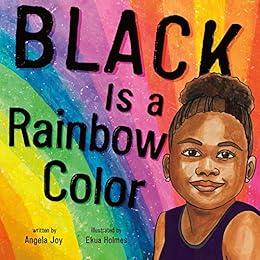
Black Is a Rainbow Color by Angela Joy, illustrated by Ekua Holmes

Published by Roaring Brook Press

Image result for black is a rainbow color amazon

Summary:  A girl looks at the colors in her crayon box and in a rainbow, and realizes there’s no black in rainbows.  But her color is black, and she looks at what else is black: a feather in the snow, her best friend’s hair, her bicycle tires.  From there, she moves to the black in Black culture: Thurgood Marshall’s robe, birds in cages that sing, raisins and dreams left out in the sun to die.  Finally, she moves on to the history, family, memory, and love that are all part of her and her community. “So you see, there is no black in rainbows.  No black in green or blue.  But in my box of crayons, Black is a rainbow, too.”  Includes an author’s note; a playlist of 11 songs; two pages with further information on some of the allusions in the main text; 3 poems; a timeline of black ethnonyms (words that have been used to refer to Black people) over the course of American history; and a bibliography.  40 pages; ages 4 and up.

Pros:  This beautiful poem with its stunning illustrations (they reminded me of stained glass) is a deceptively simple introduction to Black culture and history.

Cons:  Most sources recommend this book for ages 4-8, but the references in the main text and the extensive back matter could make this a useful resource for any age and would be even more meaningful for older kids.

If you would like to buy this book on Amazon, click here.

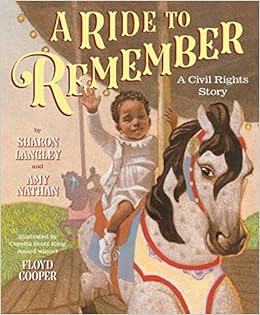
A Ride to Remember: A Civil Rights Story by Sharon Langley and Amy Nathan, illustrated by Floyd Cooper

Published by Harry N. Abrams

Image result for ride to remember sharon langley"

Image result for ride to remember floyd cooper"

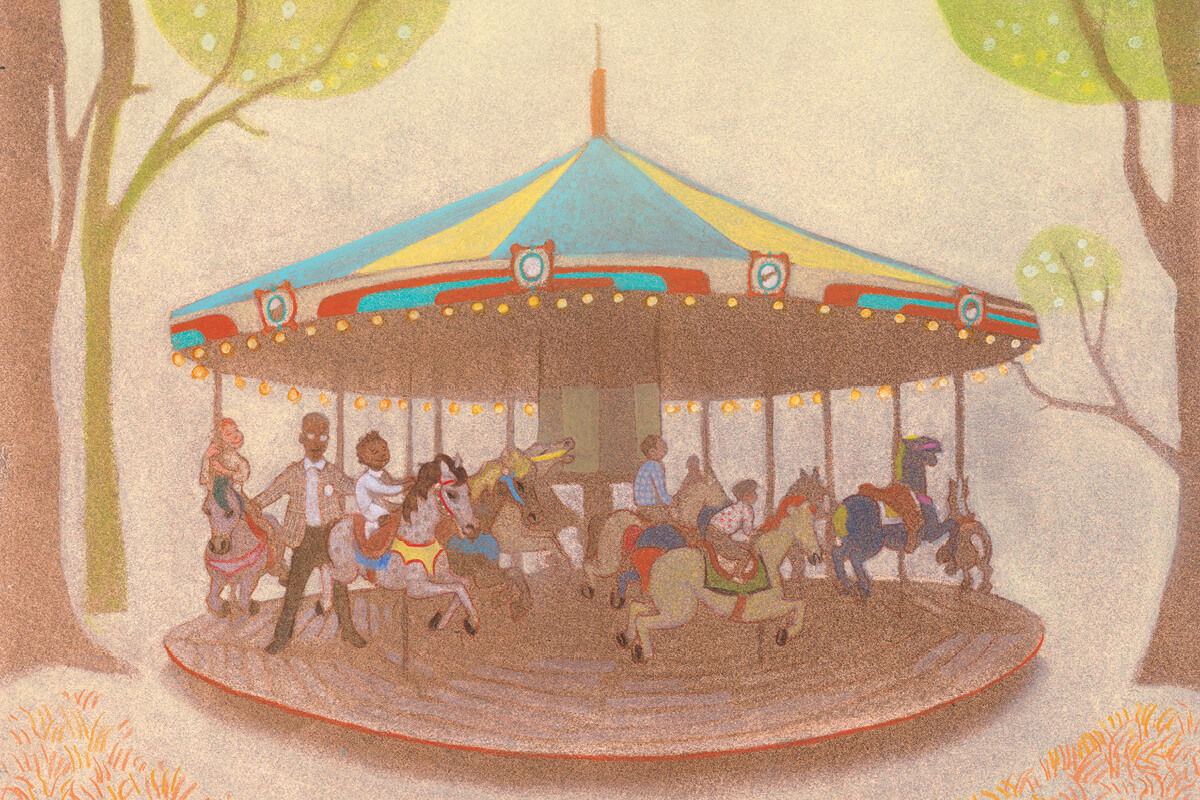
Summary:  Sharon Langley recounts the story of how her neighborhood amusement park slowly became desegregated thanks to nonviolent protests in July of 1963.  On the Fourth of July, groups of protesters stood outside the park holding signs and singing songs. When some members of the group tried to buy tickets, they were arrested.  After a second protest three days later, the media coverage became so intense that the owners of the park were forced to agree to let everyone in. Sharon and her family became the first African-Americans to enter the park on August 28, 1963, the first day it was open to all.  Just one month shy of her first birthday, Sharon was photographed with her father, riding the carousel. The day was memorable for another civil rights milestone: the March on Washington and Martin Luther King, Jr.’s “I Have a Dream” speech. The carousel now stands on the National Mall in Washington, D.C., with Sharon’s name on one of the horse’s saddles and horseshoes.  Includes two pages of additional information, photos, a timeline, and a bibliography. 40 pages; grades 1-4.

Pros:  I love how this book connects the civil rights movement to something kids will relate to: going to an amusement park.  Coretta Scott King Award winner Floyd Cooper does a masterful job of portraying all the characters in the story, including the carousel horses.

Cons:  I found the first couple pages a little confusing, until I realized who Sharon was and that she was telling her own story.

If you would like to buy this book on Amazon, click here.

Image result for ride to remember sharon langley"

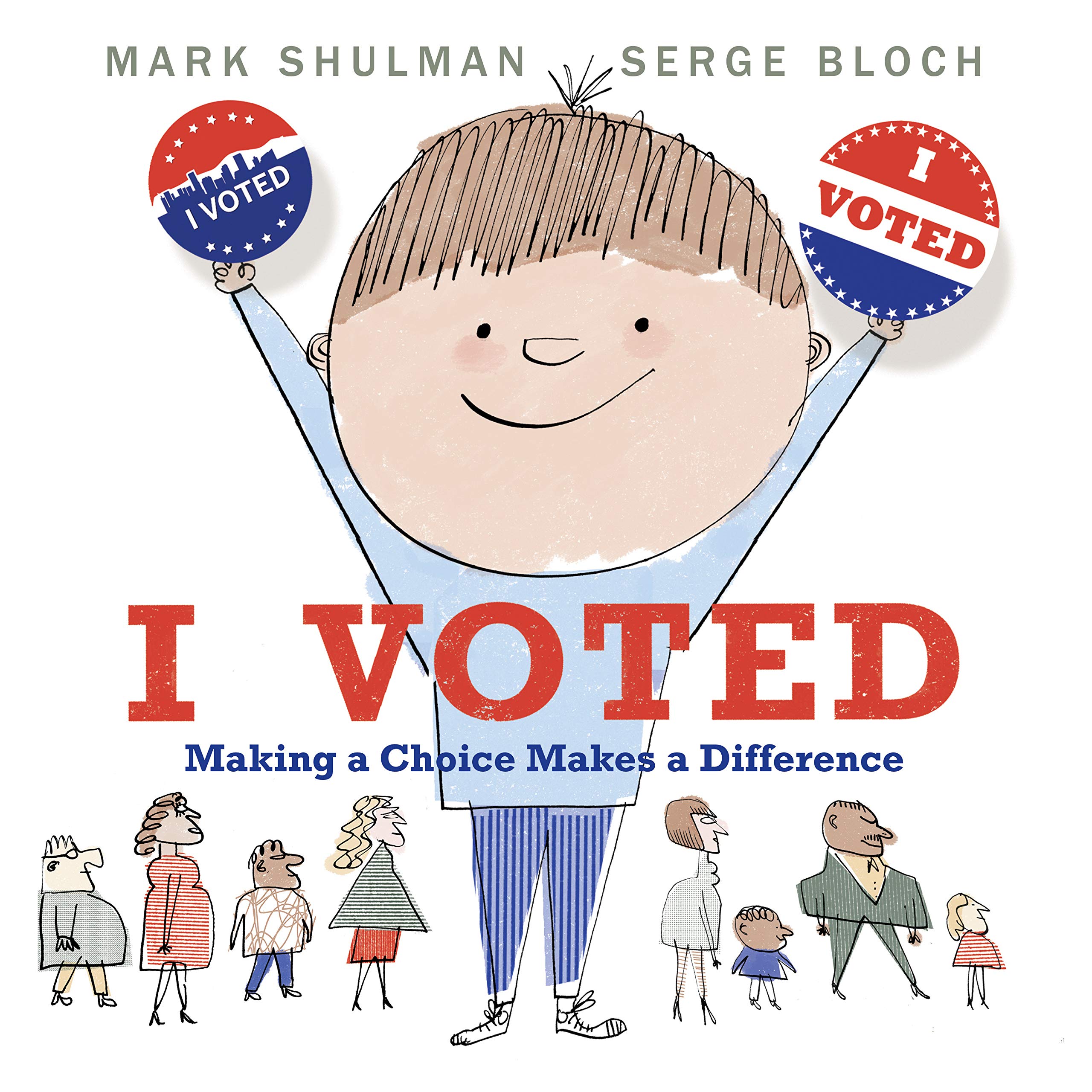
I Voted: Making a Choice Makes a Difference by Mark Shulman, illustrated by Serge Bloch

Published by Neal Porter Books

Image result for i voted shulman amazon"

Summary:  Apples or oranges? Markers or crayons? Ice cream or cupcakes? Any time you make a choice, you are casting a vote.  When people vote together, the majority wins (at least theoretically, but we won’t go there). Talking to people about what you want can help them understand, and maybe they will change their minds.  It’s also a good idea to listen to others so you can make an informed decision. If you don’t vote, you don’t get to choose, so learn all you can about voting now, and exercise that right when you turn 18!  Includes additional information on voting and how the U.S. government works, as well as a list of books and online sites with additional information. 40 pages; ages 4-8.

Pros:  Kids are sure to hear a lot about voting and elections this year, and this is a great resource that explains the process in terms that even preschoolers will understand.

Cons:  Some may say the picture showing a red brick wall with a sign reading “No kids allowed!” and a blue brick wall saying “Free for kids” reflects a bit of partisan bias.

If you would like to buy this book on Amazon, click here.

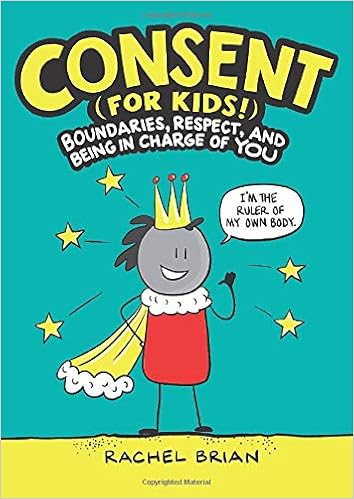
Consent (For Kids!): Boundaries, Respect, and Being In Charge of YOU by Rachel Brian

Published by Little, Brown Books for Young Readers

Image result for consent for kids amazon"

Summary:  With chapters on such topics as “You Rule”, “Trust Your Gut”, and “Giving and Getting Consent”, this short graphic book uses a light tone to help kids understand inappropriate behavior and how to maintain boundaries.  Without getting into explicit details, the author covers inappropriate touching, whether it’s tickling or something more sexual, and helps kids understand what they should do in such situations. The comic panels explore different scenarios to allow kids to see their roles in making sure they stay safe and happy.  For a sample of Rachel Brian’s adult work (contains the f-word and is about consensual sex), take a look at her Youtube video Tea Consent.  240 pages; grades 1-7.

Pros:  This is an amazing resource for anyone who works with kids.  The tone is light and fun, the messages are clear, and the graphic format will appeal to children of all ages.  

Cons:  A list of additional resources would have been a great addition.

If you would like to buy this on Amazon, click here.

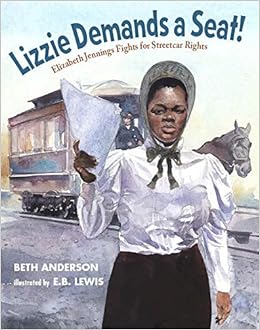
Lizzie Demands A Seat! Elizabeth Jennings Fights for Streetcar Rights by Beth Anderson, illustrated by E. B. Lewis

Published by Calkins Creek

Image result for lizzie demands a seat

Image result for lizzie demands a seat

Summary:  When Lizzie Jennings was denied admission onto a New York City “Whites Only” streetcar in 1854, she stood her ground, refusing to leave until she was forcibly thrown off by the driver and conductor.  Lizzie was a teacher whose parents were abolitionists. When she told the people of her church what had happened, they hired a lawyer and formed a committee to make sure she had plenty of support. Her case became Elizabeth Jennings v. The Third Avenue Railroad Company, and she was represented by Chester A. Arthur, who went on to become President of the United States.  Lizzie won her case, and the “Colored People Allowed on This Car” came off the Third Avenue streetcars.  Others were inspired by her courage, and continued the fight against segregated public transportation, including, a century later, Rosa Parks.  Includes a lengthy author’s note with additional information and photos; and an extensive bibliography. 32 pages; grades 1-5.

Pros:  A fascinating and little-known story about an ordinary person whose courageous deeds led to real change.  Caldecott honoree E. B. Lewis’s colorful paintings complement the story perfectly.  

Cons:  It would have been nice to tie this to the more familiar story of Rosa Parks, either through the text or the illustrations.

If you would like to buy this book on Amazon, click here.

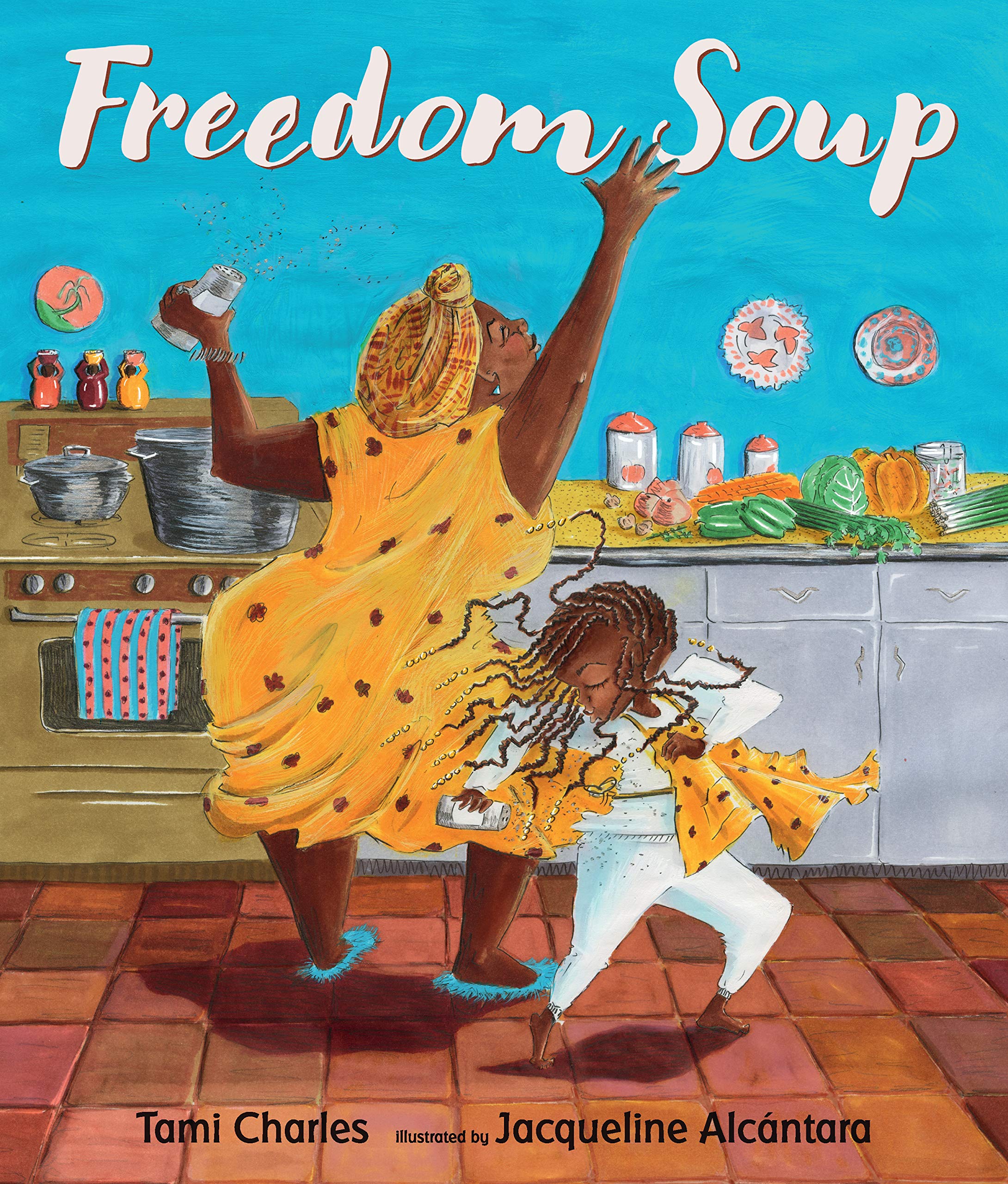
Freedom Soup by Tami Charles, illustrated by Jacqueline Alcántara

Published by Candlewick

Image result for freedom soup tami charles

Summary:  The girl telling the story is excited that her grandmother has invited her to help make the soup for New Year’s Day.  The name of the soup is Freedom Soup, and making it inspires Ti Gran to tell the story of Haiti, and how the slave revolt there led to freedom for their ancestors.  The story has been passed down from Ti Gran’s mother and grandmother, and both the girl and Ti Gran like the idea that she will someday pass it along to her own children and grandchildren.  When the soup is done, it’s time to share it with the family, and everyone enjoys it to the last drop as they celebrate a new year. Includes an author’s note with additional information about Haiti and the author’s own grandmother and a recipe for Freedom Soup.  32 pages; ages 4-9.

Pros:  A perfect way to celebrate New Year’s and effortlessly learn something about history and cooking in the process.  The vibrant illustrations make the story come alive.

Cons:  The recipe is billed as “kid-friendly”, but there’s a pretty long list of ingredients and will definitely require a good deal of adult help.

If you would like to buy this book on Amazon, click here.

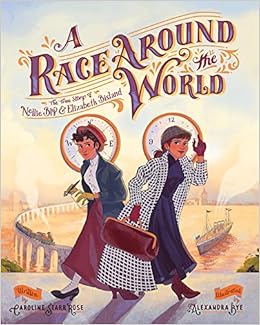
A Race Around the World: The True Story of Nellie Bly and Elizabeth Bisland by Caroline Starr Rose, illustrated by Alexandra Bye

Published by Albert Whitman and Co.

Image result for race around the world caroline starr

Image result for race around the world alexandra bye

Summary:  In 1889, reporter Nellie Bly declared she could travel around the world in 75 days.  She convinced her boss at the New York World to let her try, and on November 14, she set off from New Jersey.  When Elizabeth Bisland’s boss at Cosmopolitan magazine read about her trip, he convinced her to take a train to San Francisco that night and try to beat Bly back to New York.  The two women, traveling in opposite directions, took trains and ships from one destination to the next, as readers followed their adventures.  Nellie returned on January 25, 1890, to cheering crowds and a ten-cannon salute. Elizabeth made it back on January 30 to a much smaller crowd. But both women had made it in under 80 days, breaking the previous record.  Elizabeth, who had been something of a homebody before, traveled and wrote for the rest of her days. Includes an author’s note and three additional sources. 32 pages; grades K-4.

Pros:  My daughter loved Nellie Bly when she was younger.  Come to think of it, I wrote in my eighth grade diary that I wanted to be a reporter like Nellie after reading how she went undercover to report on insane asylums.  So I know Nellie’s story is captivating to kids.  I didn’t know about Elizabeth Bisland, but it makes a great tale to follow both women’s adventures as they hurried around the world.

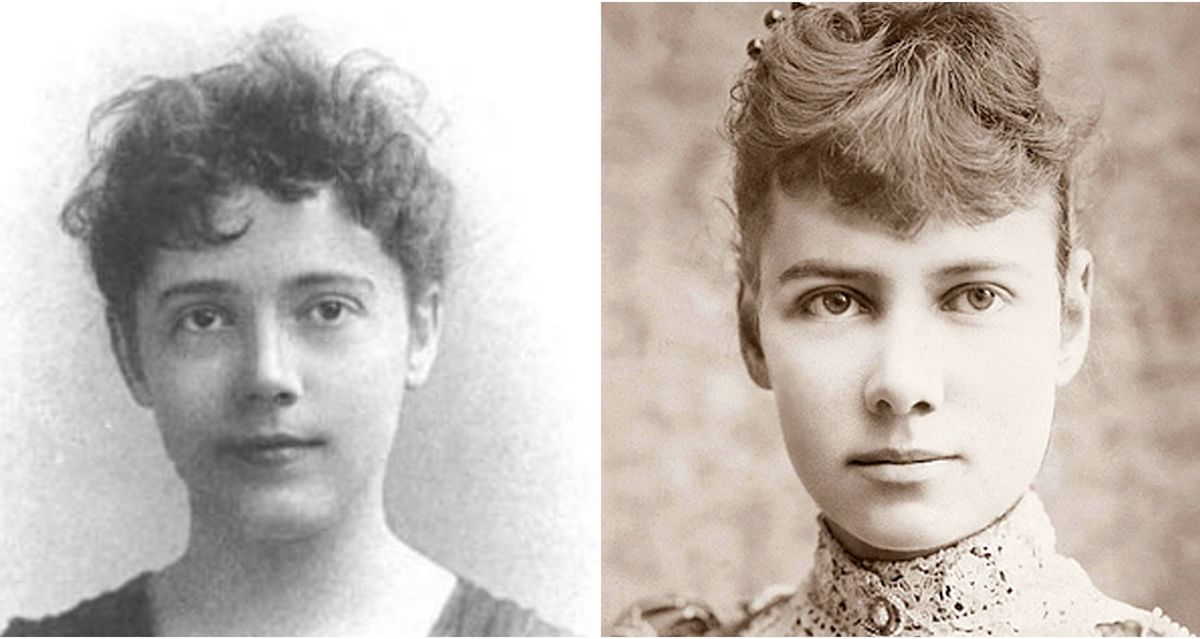
Cons:  Photos and/or more research material would have made a nice addition, so here’s one for you now.  Elizabeth is on the left, Nellie on the right.

Image result for elizabeth bisland nellie bly photo

If you would like to buy this book on Amazon, click here.


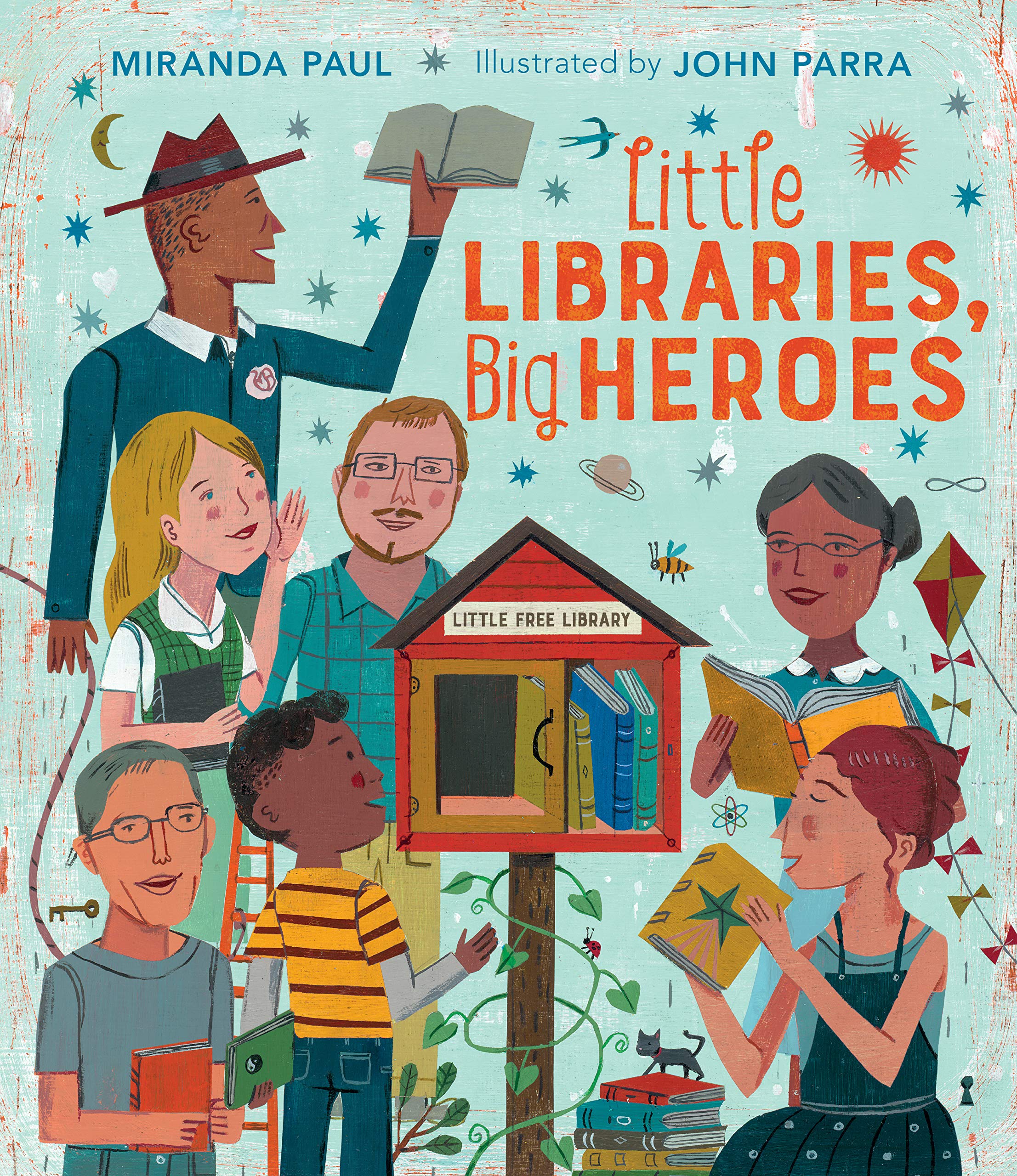
Little Libraries, Big Heroes by Miranda Paul, illustrated by John Parra

Published by Clarion Books

Image result for little libraries big heroes

Image result for little libraries big heroes

Summary:  Even when Todd struggled in school, his mom told him he could be whatever he wanted to be.  After she died, he remembered her teaching neighborhood kids to read and decided to build a box shaped like a small schoolhouse and fill it with books.  His neighbors noticed it during a yard sale, and their enthusiasm inspired Todd to build more boxes. When sales remained flat, Todd and his friend Rick traveled around the midwest, planting boxes in Wisconsin, Illinois, and Minnesota.  Their efforts made the news, and little libraries became a big thing. There are now libraries all over the U.S. and around the world. Todd was a hero, the people who were inspired by his idea are heroes, and maybe one day you will start a little library and be a hero too.  Includes an author’s note and additional sources of information. 40 pages; grades 1-4.

Pros:  I always enjoy Miranda Paul’s inspiring nonfiction picture books, and I like how this one emphasizes that even ordinary people can become heroes.  Readers will come away with an idea of something they can do today to help others.

Cons:  You’d think I would be all over the little library idea, but somehow it has never really grabbed me.  Guess I just prefer big libraries.

If you would like to buy this book on Amazon, click here.