Published by Atheneum Books for Young Readers 
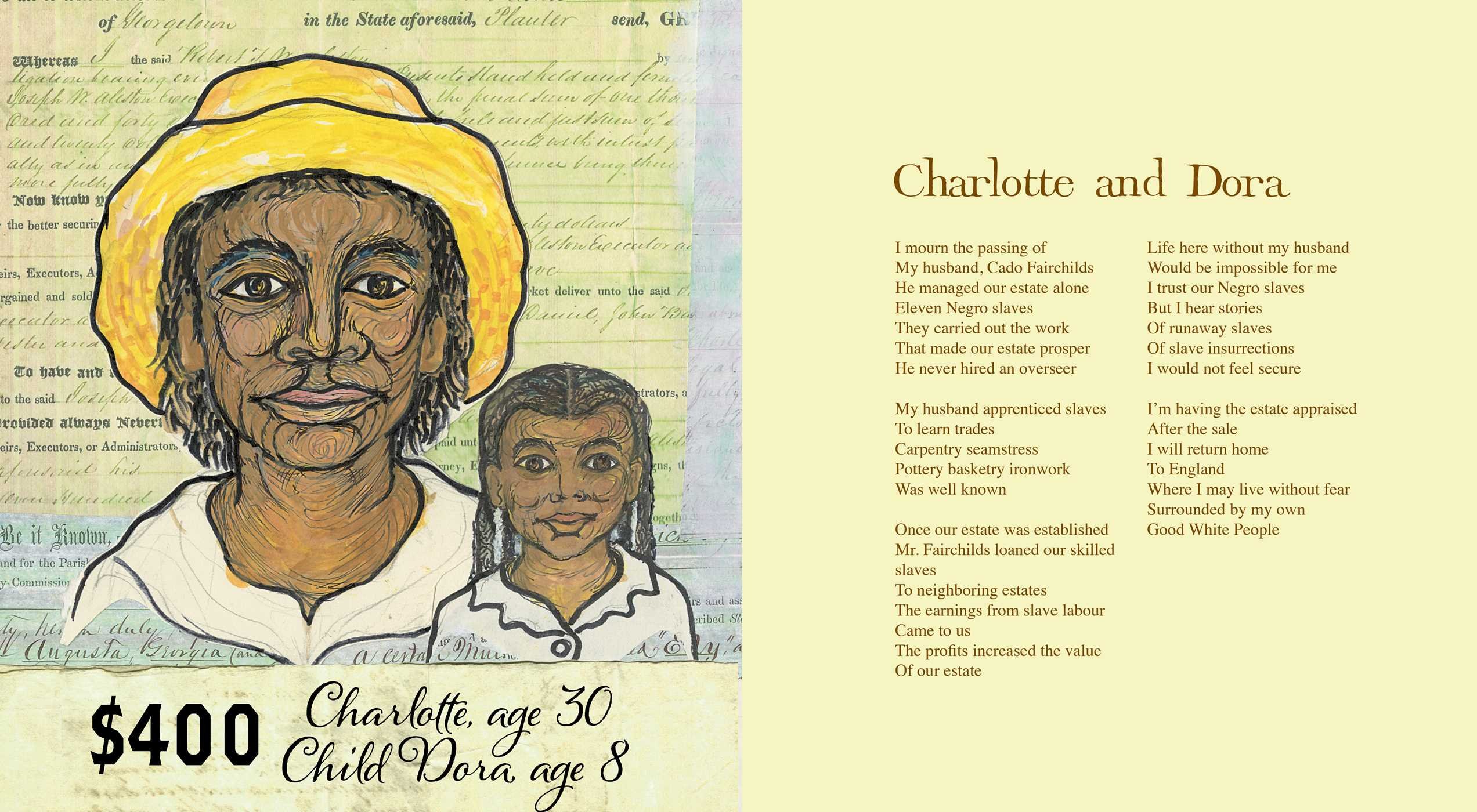
Summary: Many years ago, as he explains in his ending author’s note, Ashley Bryan received a collection of documents relating to slavery from the 1820’s through the 1860’s. He chose one of these, an 1828 appraisal of 11 slaves from the Fairchilds estate and created stories for each of them. He has given each of them a name, connections to each other, and a trade or talent that each has used to increase the wealth of the estate. Of course, this increase in wealth was not enjoyed by any of them. Each slave has a portrait and two narrative poems, one describing himself or herself, and the other telling about his or dreams. Almost everyone ends with a longing for freedom. Their master has died, the mistress is selling the slaves, and they have no idea where they will end up. The original document is shown at the end, along with the author’s note. 56 pages; grades 4-7.
Pros: The sadness of slavery is profound in these poems of dignified, talented people, many of whom remember their lives and families in Africa. Bryant has done a masterful job of bringing them to life, both in words and pictures.
Cons: I wanted to know where the estate was, but no details were given.




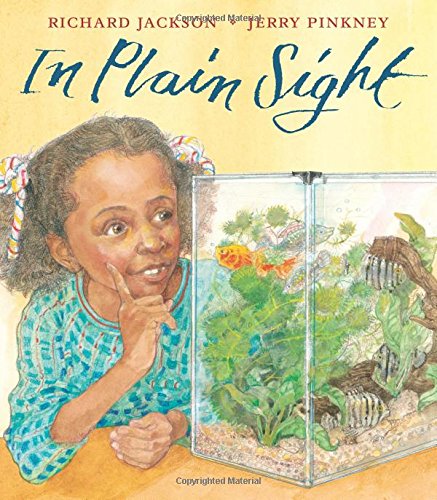
 Summary: Every day after school, Sophie hurries to Grandpa’s room to tell him about her day and to find out about his. Each day, Grandpa has “lost” some small object (a paper clip, a rubber band) that he needs Sophie to find for him. She searches until she finds it. On the weekend, she starts to go to his room, but her parents tell her that Grandpa is sleeping. That gives Sophie an idea. With her parents’ permission, she hides herself behind the curtain in Grandpa’s room, so when he wakes up, it’s his turn to find something that’s hidden. 40 pages; ages 4-8.
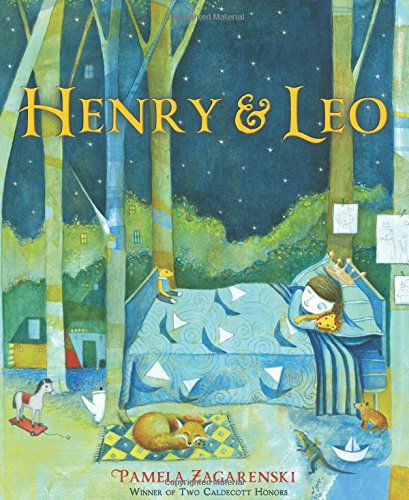
 Summary: Ever since Henry got Leo the lion for his second birthday, they have been inseparable friends. One day, the family decides to go for a walk in the woods. Henry is happy, because he knows that Leo loves the woods. His sister tells him that Leo isn’t real, but Henry knows better. By the time the family gets back from their long trek, Henry is falling asleep on his father’s shoulders. As soon as he gets into bed, though, he realizes something is wrong. Leo is missing. The family goes searching, but no Leo. Henry’s mother tries to tell him that Leo isn’t real. On the next several wordless pages, we see Leo being discovered by the forest animals. They work together (with the help of a compass) to figure out where Leo belongs, and to get him as far as the front yard. In the morning, Henry is overjoyed to see Leo. Henry’s father and sister are puzzled, certain that they both looked in that very spot the night before. 40 pages; ages 4-8.


