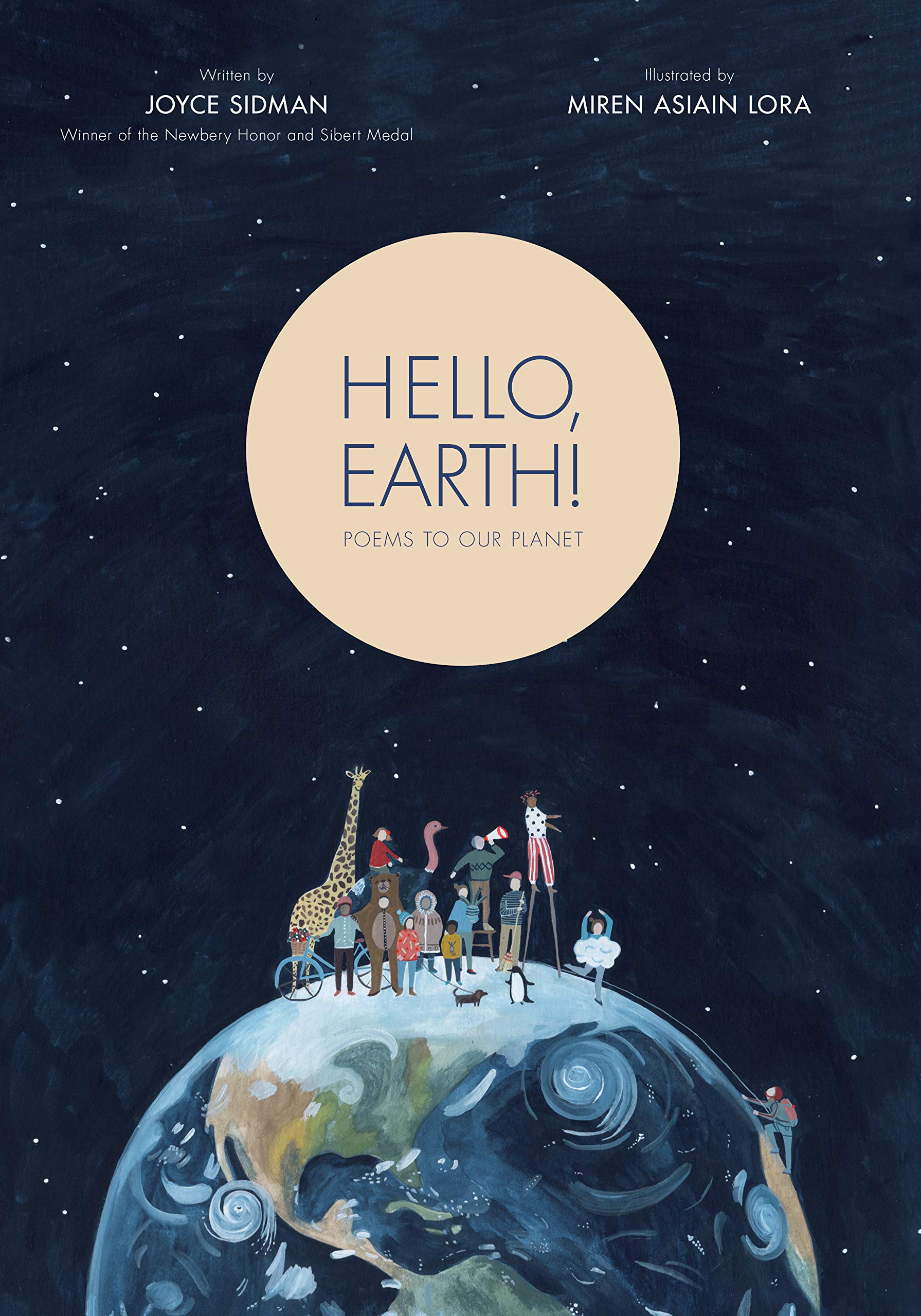
Hello, Earth! Poems to Our Planet by Joyce Sidman, illustrated by Miren Asiain Lora

Published by Eerdmans Books for Young Readers

Image result for hello earth joyce sidman

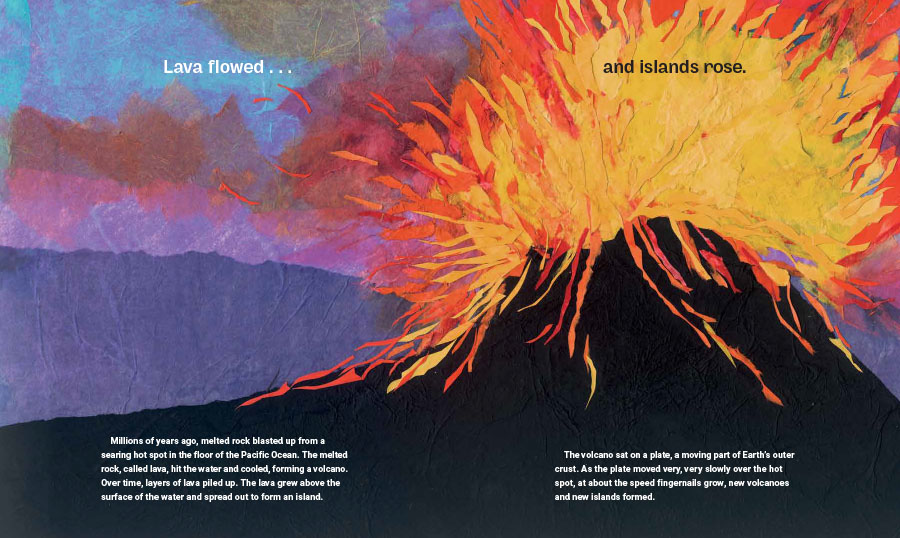
Summary:  Newbery Honor poet Joyce Sidman explores different aspects of Earth in these poems addressed to the planet itself.  There’s a sense of wonder, “How can we be here, climbing trees, walking paths, staring up at constellations…and also out in deepest space?”  There are poems about volcanoes, earthquakes, jungles, and mountains.  Taken together, the poems are a love letter to Earth, and a promise to take care of the planet.  Includes six pages of additional information about each topic addressed; resources about climate change, ways kids can help, and citizen science projects; and a list of books for further reading.  68 pages; grades 1-5.

Pros:  This beautifully illustrated book of poems celebrates Earth and many aspects of earth science.  The poems and illustrations are accessible to kids in primary grades, and the extensive back matter makes it useful for older kids to explore further.

Cons:  Earth doesn’t seem to have any answers for all the questions.

The Beak Book by Robin Page

Published by Beach Lane Books

Image result for beak book page

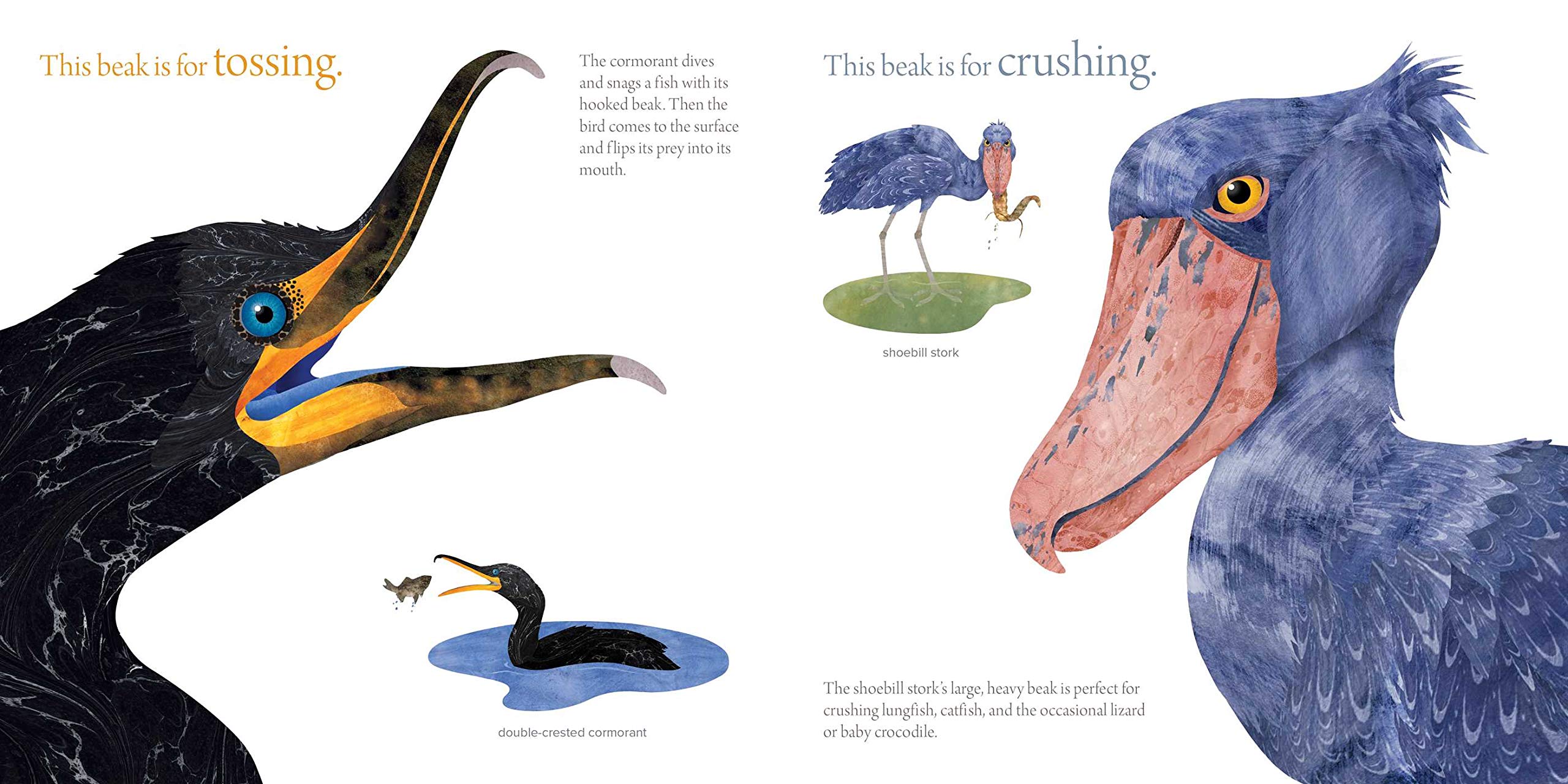
Summary:  Each page shows a large, colorful picture of a bird, a small picture of the bird using its beak, a sentence about how the bird uses its beak and a label identifying the bird.  Beaks are used for straining, tossing, crushing, and a host of other activities.  The final bird is a baby ruddy duckling who uses its beak, as do many birds, to break out of its egg.  Includes a two-page spread showing silhouettes of each bird relative to a human, where it lives in the world, and what its diet is; also a bibliography.  40 pages; ages 3-8.

Pros:  Over 20 birds are profiled, and the illustrations are striking.  Readers will be amazed at how many different uses there are for a beak.

Cons:  The information is pretty minimal; this is probably more of a read-aloud or a book to browse than something that will help much with research.

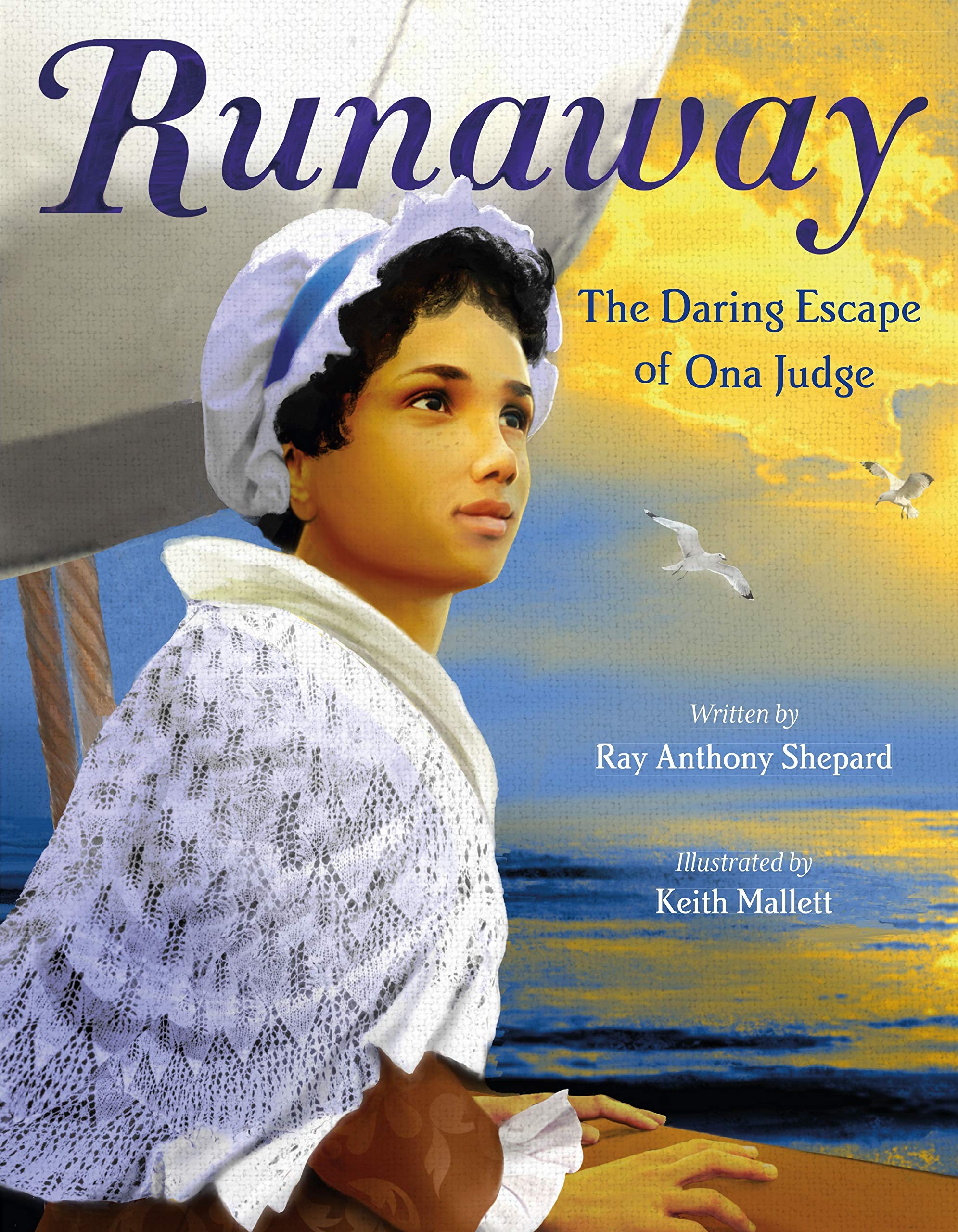
Runaway: The Daring Escape of Ona Judge by Ray Anthony Shepard, illustrated by Keith Mallet

Published by Farrar, Straus and Giroux

Image result for runaway the daring escape of ona judge

Summary:  The narrator addresses Ona Judge, asking her why she ran away from slavery in the home of George and Martha Washington.  As Martha’s personal slave, Ona had fine clothes, good food, and the chance to visit some of the best homes in New York and Philadelphia.  She also never had the chance to learn to read and write and was given as a gift to Martha’s “mean and sassy” granddaughter.  Ona left Philadelphia one night and escaped to New Hampshire, where she lived the rest of her life as a fugitive, despite George Washington’s efforts to bring her back to his family.  Includes an author’s note, timeline, bibliography, and a note on the text explaining the author’s poetic use of rhetorical questions.  40 pages; grades 1-5.

Pros:  This haunting text explores the question of why someone who had a relatively luxurious life, but was enslaved, would leave that life behind.  The excellent back matter provides additional context.  Older students may want to move from this book to Never Caught: The Story of Ona Judge by Erica Armstrong Dunbar and Kathleen Van Cleve.

Cons:  Reviews I’ve seen recommend this book for ages 3-6 or 4-8, but I think older elementary and even middle school students would find Ona’s story thought-provoking.

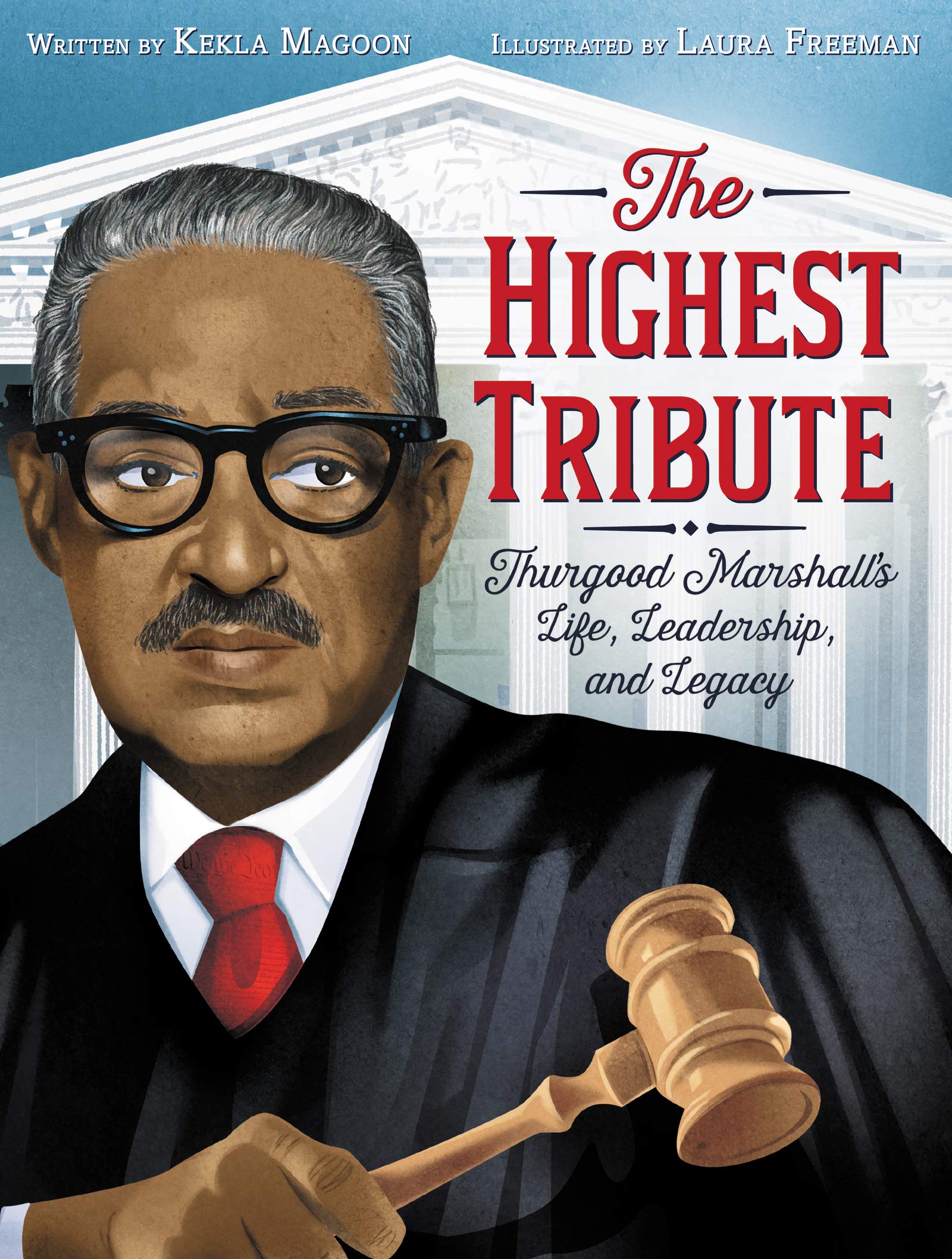
The Highest Tribute: Thurgood Marshall’s Life, Leadership, and Legacy by Kekla Magoon, illustrated by Laura Freeman

Published by Quill Tree Books

Image result for highest tribute thurgood amazon
Image result for highest tribute thurgood laura freeman

Summary:  When Thoroughgood Marshall was in second grade, he decided to change his name to Thurgood.  Growing up in Baltimore, he saw plenty of other things he wanted to change in his segregated city.  After attending college and law school, Thurgood worked for the NAACP, where he argued several cases before the Supreme Court, including Brown v. Board of Education of Topeka.  In 1967, President Lyndon Johnson nominated Marshall to the Supreme Court, where he became the first Black justice.  Includes a timeline; additional information on Thurgood Marshall’s major court cases; a list for further reading; and a bibliography.  40 pages; grades 2-5.

Pros:  It’s a tossup as to which Thurgood Marshall picture book biography I would choose…this or the Jonah Winter/Bryan Collier collaboration Thurgood (2019).  This one packs a lot of information into 40 pages and has excellent back matter, probably giving it an edge as a book for research.

Cons:  Most reviews recommend this for readers as young as 4 or 5.  If you want to try it out in a kindergarten class, more power to you, but I think it would have greater interest and impact with older kids.

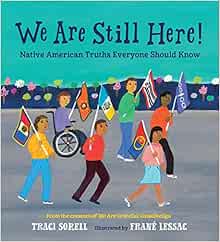
We Are Still Here! Native American Truths Everyone Should Know by Traci Sorell, illustrated by Frané Lissac (released April 20)

Published by Charlesbridge

Amazon.com: We Are Still Here!: Native American Truths Everyone Should Know  (9781623541927): Sorell, Traci, Lessac, Frane: Books
We Are Still Here! – Charlesbridge

Summary: From the team that brought you We Are Grateful: Otsaliheliga comes this introduction to important terms in Native American history.  A group of kids from the Native Nations Community School puts together a series of presentations for Indigenous People’s Day.  There are a dozen reports on such topics as assimilation, relocation, tribal activism, and language revival.  Each presentation is a paragraph with bullet points that introduce the topic, and each one ends with Native Nations saying, “We are still here!”   Includes additional information on each presentation, including the locale and event shown in each illustration; a 5-page timeline covering 1870-2007; a glossary of terms and a list of sources; and an author’s note giving more information about the book and her personal connection to Native history (she’s a dual citizen of the Cherokee Nation and the United States).  40 pages; grades 2-5.

Pros:  This is an amazing starting place for kids to learn Native American history.  Any one of the topics could be researched further and expanded upon.  The back matter, especially the timeline, really beefs up the historical information.  I love the folk art style illustrations.

Cons:  There are no dates given in any of the reports, so it’s a bit difficult to put the events into historical context without flipping back to the timeline.

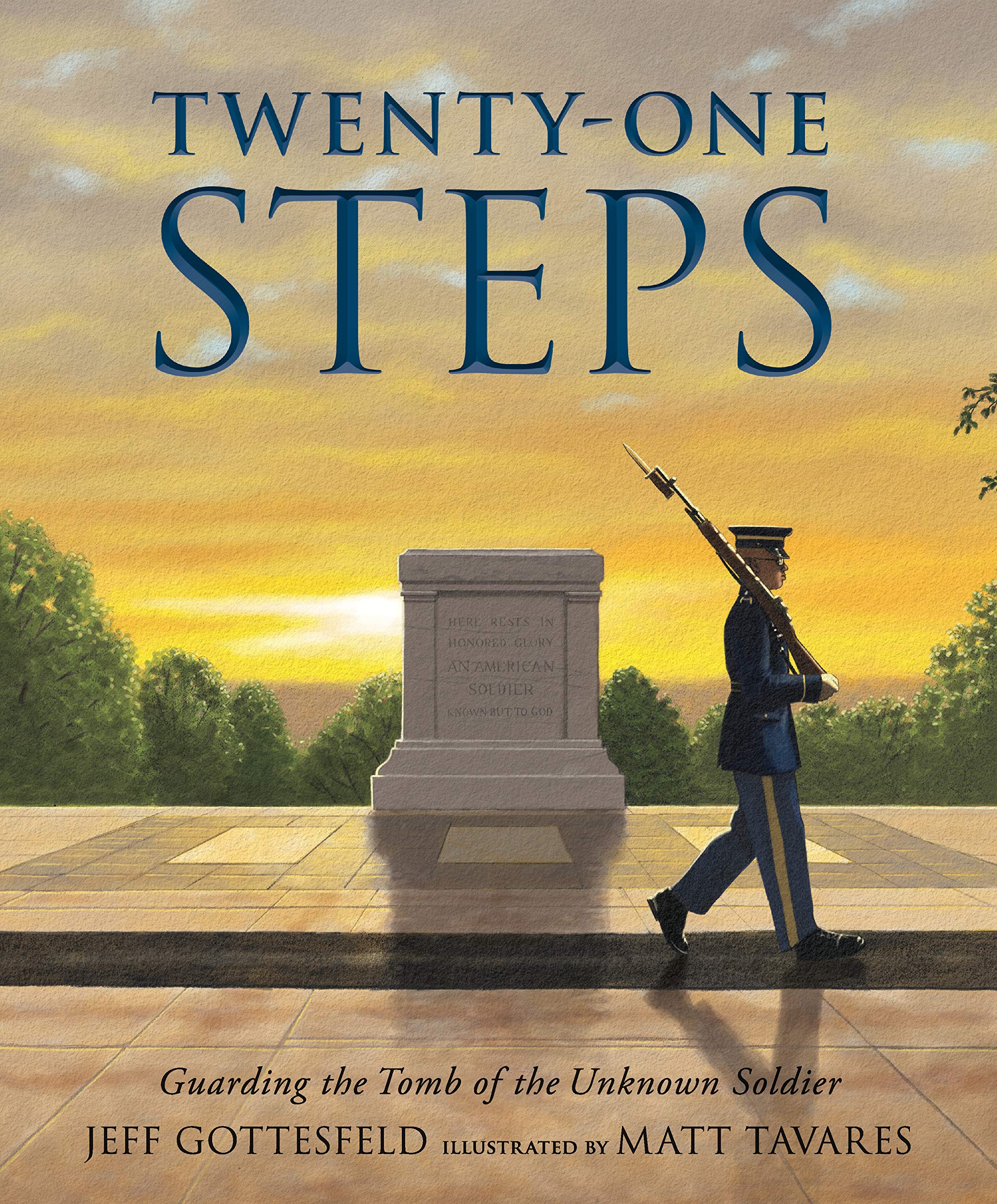
Twenty-One Steps: Guarding the Tomb of the Unknown Soldier by Jeff Gottesfeld, illustrated by Matt Tavares (released March 2)

Published by Candlewick

Twenty-One Steps: Guarding the Tomb of the Unknown Soldier: Gottesfeld,  Jeff, Tavares, Matt: 9781536201482: Amazon.com: Books

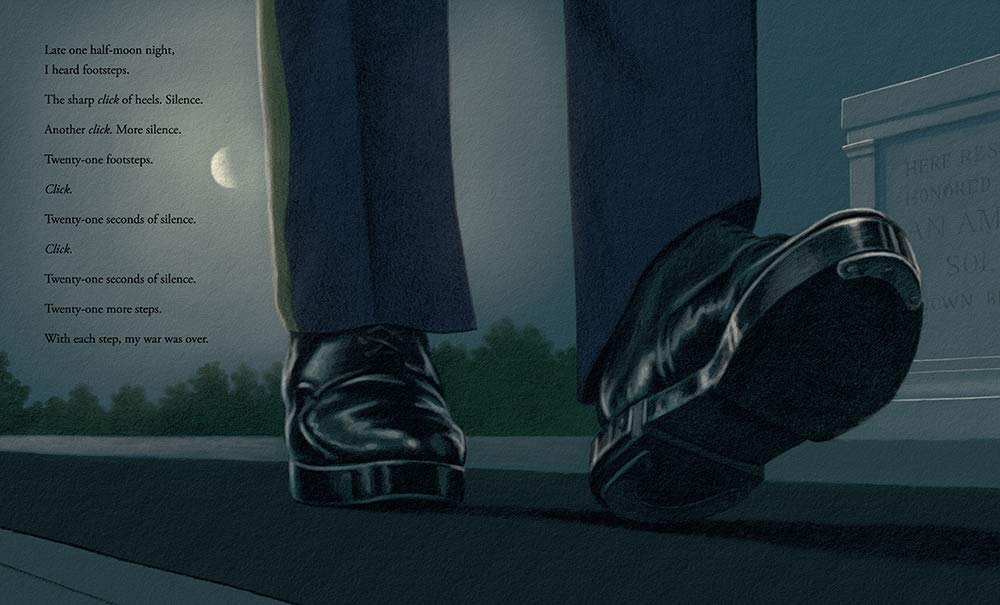
Summary:  “The Sentinel’s Creed” appears before the title page, showing the promise made by those who guard the tomb of the unknown soldier.  The narrative is in the first person voice of the unknown soldier, telling the history of the tomb beginning with the soldier’s ultimate sacrifice made in World War I.  In 1921, an unknown was chosen to represent all those who had died in the war and could not be identified.  Over the years, crowds came to see this monument, not always respectfully, so on July 2, 1937, a sentinel began guarding it.  Each guard takes 21 steps south, turns to face east for 21 seconds, turns to face north for 21 seconds, then takes another 21 steps.  The Tomb Guard is one of the most difficult positions to attain in the military, and each sentinel strives for perfection in carrying out his or her duty.  Includes an afterword with a bit more additional information about the Tomb of the Unknown Soldier.  32 pages; grades 2-5.

Pros:  File this one away for Memorial Day.  It’s a solemn acknowledgement of all the many anonymous soldiers whose lives have tragically been lost to war.  As always, Matt Tavares has created exceptional illustrations to capture the sober topic and the seriousness of purpose of the sentinels.

Cons:  While I appreciated the afterword, I could have enjoyed a lot more backmatter, including photos and information about other monuments to the unknown soldier, both in the U.S. and abroad.

Another list of six: favorite nonfiction books

Your Place in the Universe by Jason Chin

Published by Neal Porter Books

Your Place in the Universe: Chin, Jason: 9780823446230: Amazon.com: Books

I notice that Jason Chin has made it onto three of my last five favorite nonfiction book lists, so guess I’m a bit of a fan. His illustrations are awe-inspiring, and I loved the comparisons in this book that made enormous numbers and sizes a little more understandable.

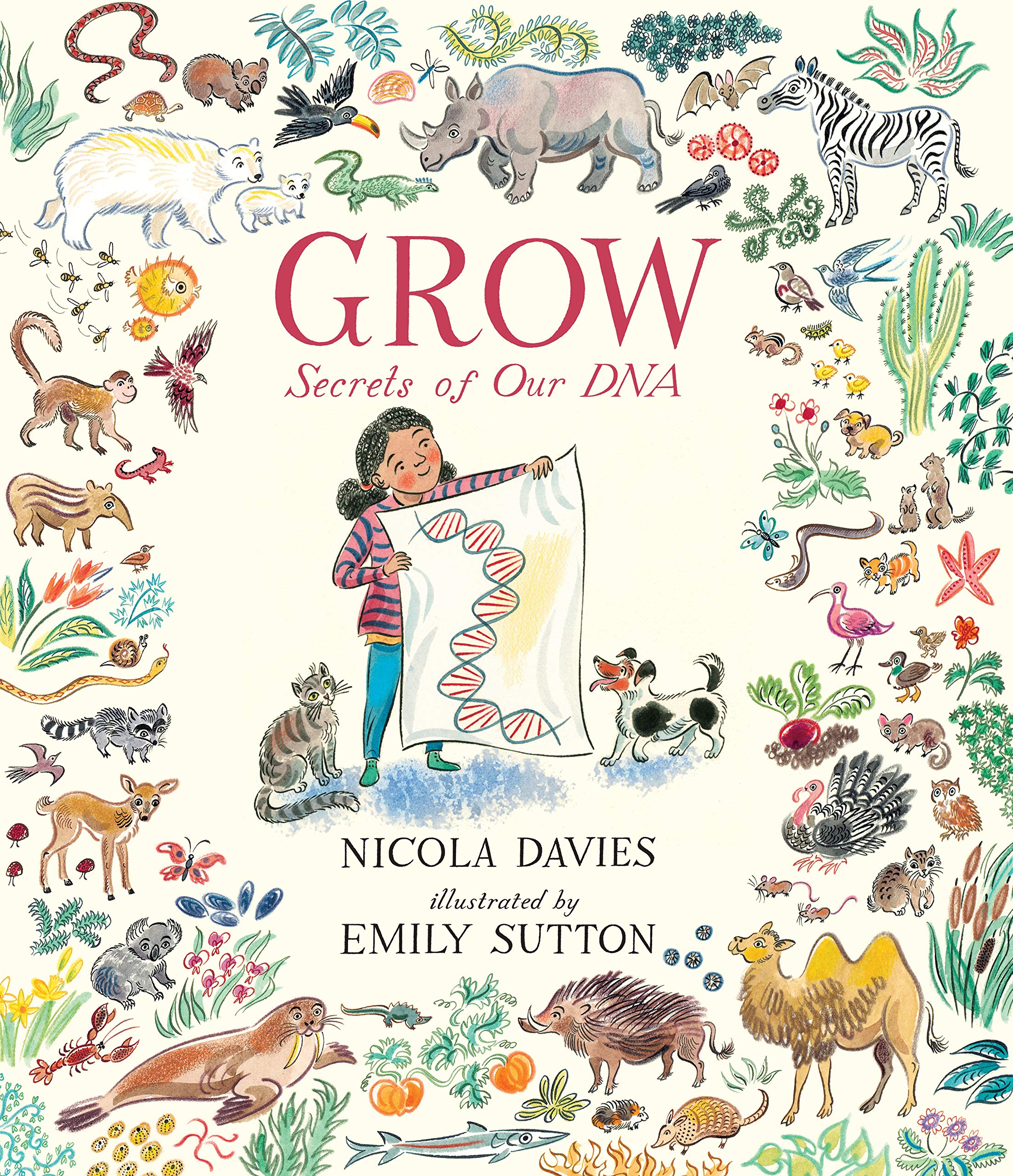
Grow: Secrets of Our DNA by Nicola Davies, illustrated by Emily Sutton

Published by Candlewick

Grow: Secrets of Our DNA: Davies, Nicola, Sutton, Emily: 9781536212723:  Amazon.com: Books

Explaining DNA and genetics in a way that’s accessible to readers as young as kindergarten is no easy feat, but Nicola Davies and Emily Sutton pulled it off. Watson and Crick would be proud.

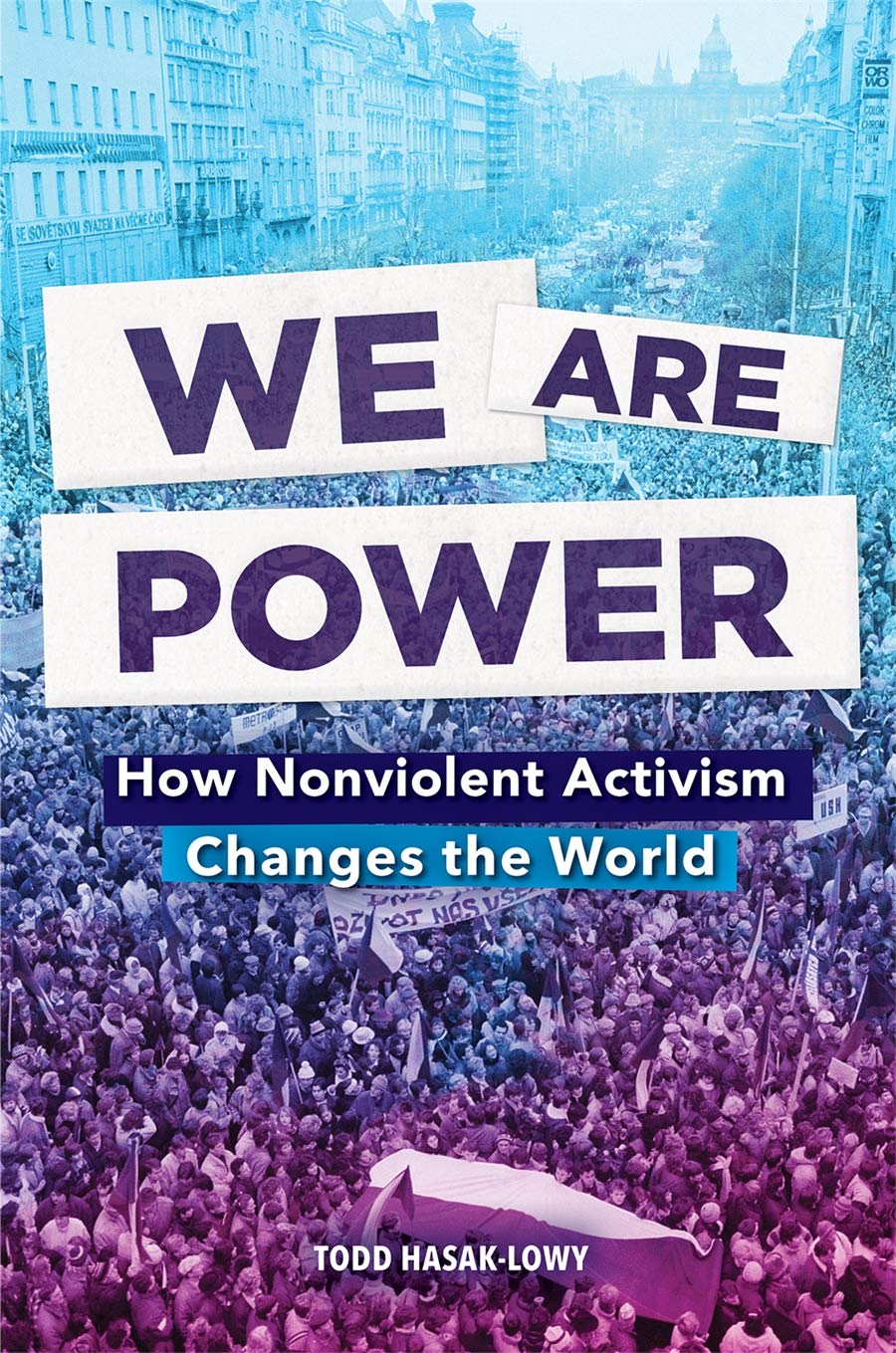
We Are Power: How Nonviolent Activism Changes the World by Todd Hasak-Lowy

Published by Abrams Books for Young Readers

We Are Power: How Nonviolent Activism Changes the World: Hasak-Lowy, Todd:  9781419741111: Amazon.com: Books

I thought I knew a fair amount about nonviolent activism–I’m a Quaker, for Pete’s sake–but I learned so much from reading this book. 2020 had its share of activism and books about activism, but this was the one I found most inspiring.

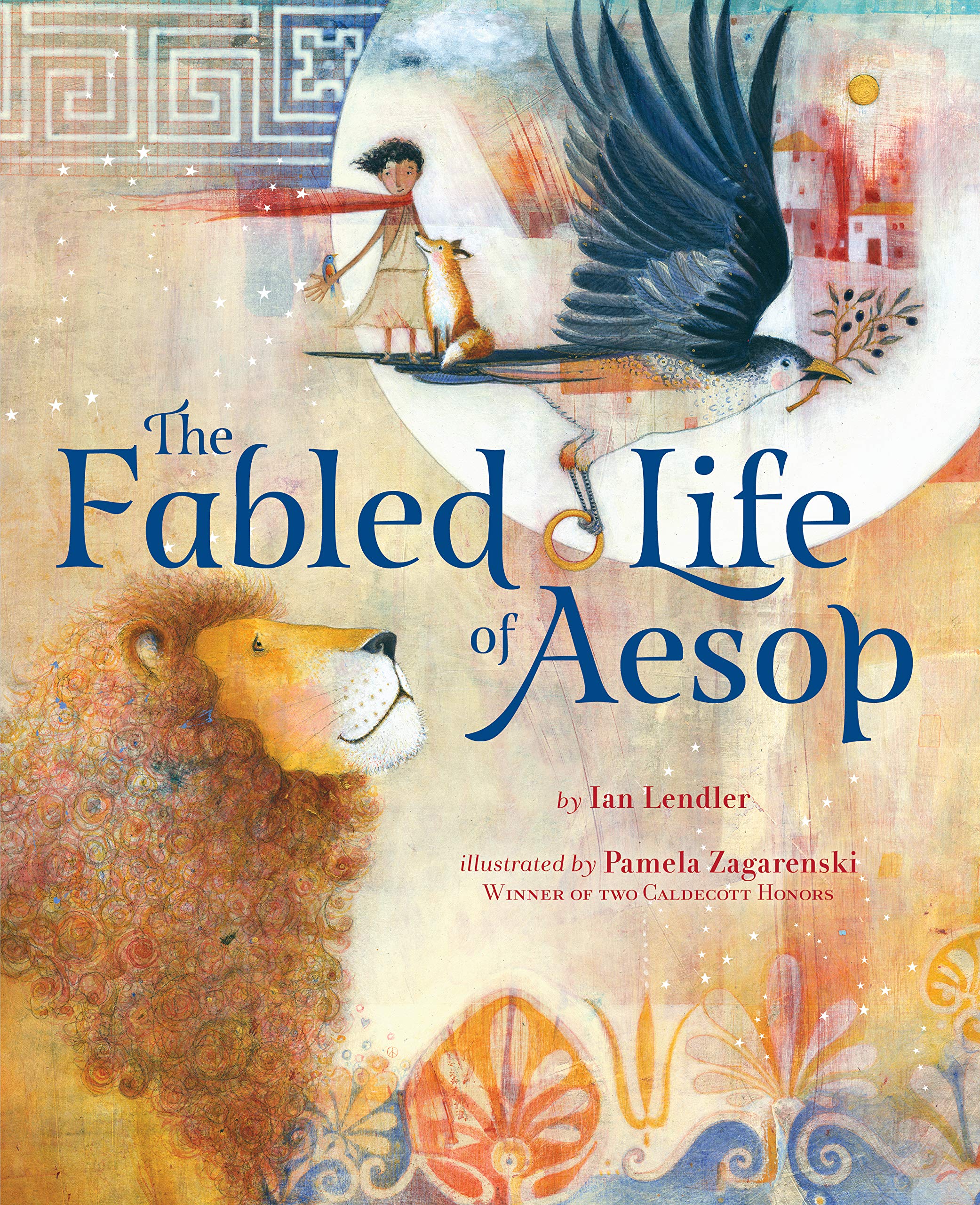
The Fabled Life of Aesop by Ian Lendler, illustrated by Pamela Zagarenski

Published by HMH Books for Young Readers

The Fabled Life of Aesop: The extraordinary journey and collected tales of  the world's greatest storyteller: Lendler, Ian, Zagarenski, Pamela:  9781328585523: Amazon.com: Books

I’m sure Aesop never imagined he’d be part of the Common Core, but there he is. As a school librarian, I am grateful for this comprehensive introduction to his life and fables, and I also appreciated the sly observations on what it means to have power. Pamela Zagarenski has a couple of Caldecott honors to her name, so don’t count her out this year.

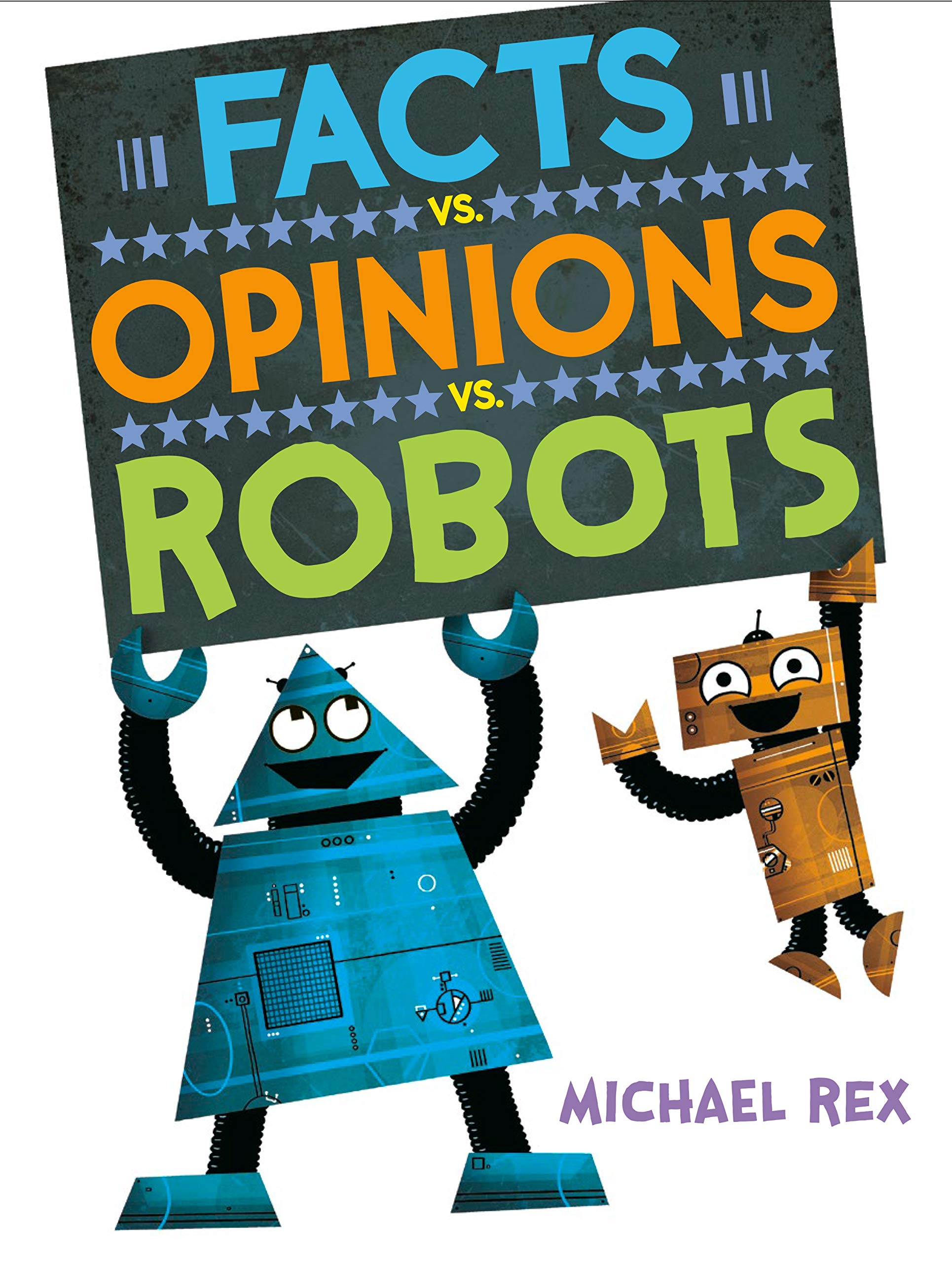
Facts vs. Opinions vs. Robots by Michael Rex

Published by Nancy Paulsen Books

Amazon.com: Facts vs. Opinions vs. Robots (9781984816269): Rex, Michael,  Rex, Michael: Books

Who knew that when I was playing Kick the Can with Michael Rex and the rest of our neighbors in 1970’s suburban New Jersey that in 2020 I’d be reviewing his book? Well done, Michael, I loved your take on facts vs. opinions. Librarians everywhere should thank you for this book.

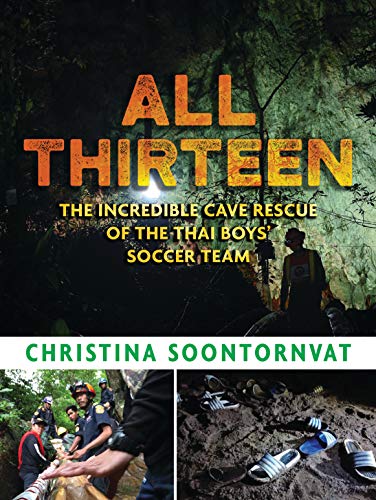
All Thirteen: The Incredible Cave Rescue of the Thai Boys’ Soccer Team by Christina Soontornvat

Published by Candlewick Press

All Thirteen: The Incredible Cave Rescue of the Thai Boys' Soccer Team -  Kindle edition by Soontornvat, Christina. Children Kindle eBooks @ Amazon .com.

I guess none of us should be surprised that this drama we watched unfold a couple of years ago would be made into a gripping nonfiction tale. Christina Soontornvat added so much context with her sidebars on Thailand, caves, and Buddhism, as well as her personal connection to the story that readers get much more than just a survival story.

12 books of Christmas

Starting the day after Christmas, I’ll be posting my year-end lists of Caldecott and Newbery predictions and my favorite books in different categories. I found myself with an higher-than-usual number of books at the end of the year that I had wanted to review, but didn’t get to before time ran out. That number turned out to be twelve, so as a little Christmas gift, here is a list of my final dozen books for 2020.

Tani’s New Home: A Refugee Finds Hope and Kindness in America by Tanitoluwa Adewumi, illustrated by Courtney Dawson

Published by Thomas Nelson

Tani's New Home: A Refugee Finds Hope and Kindness in America: Adewumi,  Tanitoluwa, Dawson, Courtney: 9781400218288: Amazon.com: Books

The true story of Tani Adewumi, who moved to New York City as a Nigerian refugee at the age of 6. He discovered chess, and practiced it for hours in a homeless shelter. In less than a year, he was the New York State Chess Champion. I haven’t had a chance to see this book. The publisher, Thomas Nelson, is a Christian publisher, so I’m not sure if there is any religious content to the story. 32 pages; grades K-3.

Dear Earth…From Your Friends in Room 5 by Erin Dealey, illustrated by Louisa Uribe

Published by HarperCollins

Dear Earth…From Your Friends in Room 5: Dealey, Erin, Uribe, Luisa:  9780062915320: Amazon.com: Books

The kids in room 5 begin a correspondence with Earth, learning different ways to help the planet like recycling and energy conservation. Rhyming text, letter writing, and environmental tips make this an appealing choice for Earth Day or any time of year. 32 pages; grades K-3.

Saving Stella: A Dog’s Dramatic Escape from War by Bassel Abou Fakher and Deborah Blumenthal, illustrated by Nadine Kaadan

Published by Bloomsbury Children’s Books

Saving Stella: A Dog's Dramatic Escape from War: Fakher, Bassel Abou,  Blumenthal, Deborah, Kaadan, Nadine: 9781547601332: Amazon.com: Books

When Bassel was forced to flee Syria, he had to leave his beloved dog Stella behind. After settling in a new home in Belgium, he worked with friends back in Syria to create a daring plan to rescue Stella. 40 pages; grades K-5.

Rabbit, Raven, Deer by Sue Farrell Holler, illustrated by Jennifer Faria

Published by Pajama Press

Raven, Rabbit, Deer: Farrell Holler, Sue, Faria, Jennifer: 9781772781366:  Amazon.com: Books

There’s a copy of this book traveling to my library right now, but I haven’t gotten a chance to see it. A boy and his grandfather enjoy a winter’s day together, finding animal tracks and identifying the animals in both English and Ojibwemowin. Sounds like a cozy winter choice. 32 pages; ages 4-8.

When You Trap a Tiger by Tae Keller

Published by Random House Books for Young Readers

When You Trap a Tiger: Keller, Tae: 9781524715717: Amazon.com: Books

When Lily and her family move in with her sick grandmother, Lily meets a tiger straight out of the Korean folklore she’s grown up on. This book won a Boston Globe/Horn Book honor and received five starred reviews. Personally, I couldn’t really get into it and only read about the first third back in the beginning of the year. Everyone else loved it, though, and it could definitely be a contender for more awards. 304 pages; grades 4-7.

Antiracist Baby by Ibram X. Kendi, illustrations by Ashley Lukashevsky

Published by Kokila

Antiracist Baby Board Book: Kendi, Ibram X., Lukashevsky, Ashley:  9780593110416: Amazon.com: Books

Ibram X. Kendi’s book How to Be an Antiracist is #15 on Amazon’s list of 2020’s bestsellers. Here he offers nine tips for being (or raising) an antiracist baby, with a note to parents and teachers at the end. Available as both a board book and a regular picture book. 32 pages; ages 0-4.

Woodpecker Girl by Chingyen Liu and I-Tsun Chiang, illustrated by Heidi Doll

Published by Reycraft Books

Woodpecker Girl: Chiang, I-Tsun, Liu, Chingyen: 9781478869559: Amazon.com:  Books

A girl with cerebral palsy tells how she learned to paint with a brush strapped to her forehead. An amazing gallery of her work is included. Told in the first person, the story doesn’t shy away from the challenges she faces and the discouragement she feels, but also expresses her joy at sharing with others through her art. 40 pages; grades K-4.

Everything Comes Next: Collected and New Poems by Naomi Shihab Nye

Published by Greenwillow Books

Everything Comes Next: Collected and New Poems: Nye, Naomi Shihab:  9780063013452: Amazon.com: Books

I just got this book on December 23, so haven’t had a chance to read it. These 100 poems by Young People’s Poet Laureate Nye start with a section of poems on childhood, both her own and others. She also explores her Palestinian heritage and the need for peace, as well as an appreciation for the diversity of people in the world. 256 pages; grades 3-7.

Unstoppable by Adam Rex, illustrated by Laura Park

Published by Chronicle Books

Unstoppable: (Family Read-Aloud book, Silly Book About Cooperation) -  Kindle edition by Rex, Adam, Park, Laura. Children Kindle eBooks @ Amazon .com.

A crow being pursued by a hungry cat and a crab who dreams of flying work together to help one another. When they add a turtle and a bear, they become UNSTOPPABLE! At least until they see a bulldozer digging up the lakefront to build a mall. Then it’s off to see the President of the United States…and Congress…and things really get zany as only Adam Rex can imagine them. 56 pages; ages 4-8.

Chance: Escape from the Holocaust by Uri Shulevitz

Published by Farrar, Straus and Giroux

Chance: Escape from the Holocaust: Memories of a Refugee Childhood  (9780374313715): Shulevitz, Uri: Books - Amazon.com

Caldecott Medalist Uri Shulevitz’s memoir covers his childhood from his days in Warsaw at the start of World War II to his family’s harrowing experiences in the Soviet Union during the war and their postwar years in Paris before emigrating to Paris when he was 14. Although it’s a thick book, the print is large and filled with Shulevitz’s illustrations, making it a quick and engaging read. 336 pages; grades 4-8.

A Gift for Amma: Market Day in India by Meera Sriram, illustrated by Mariona Cabassa

Published by Barefoot Books

A Gift for Amma: Market Day in India: Sriram, Meera, Cabassa, Mariona:  9781646860616: Amazon.com: Books

Another one I haven’t gotten to see, but I love the brilliant colors of the cover (and pictures I’ve seen of the illustrations). A girl shops in an Indian market to find the perfect gift for her mother. 32 pages; ages 4-7.

Desert Diary: Japanese American Kids Behind Barbed Wire by Michael O. Tunnell

Published by Charlesbridge

Desert Diary: Japanese American Kids Behind Barbed Wire: Tunnell, Michael  O.: 9781580897891: Amazon.com: Books

When Mae Yanagi was eight years old, she and her family were forced to move to Topaz Camp in Utah for the duration of World War II. She and her third-grade classmates created a diary of their daily lives in camp, filled with mundane details about school and family life, as well as descriptions of the difficulties of camp life. Michael Tunnell tells their story with plenty of photographs and excerpts from the diary. 144 pages; grades 4-7.

Sincerely, Emerson: A Girl, Her Letter, and the Helpers All Around Us by Emerson Weber, illustrated by Jaclyn Sinquett

Published by HarperCollins

Sincerely, Emerson: A Girl, Her Letter, and the Helpers All Around Us by Emerson  Weber, Jaclyn Sinquett, Hardcover | Barnes & Noble®

Summary: Emerson loved to write and mail letters. One day, it occurred to her that Doug, their mail carrier, was the person who made it all happen. So she wrote him a thank you letter. Doug shared that letter with some of his co-workers, they shared it in turn, and the next week Doug delivered two boxes to Emerson’s house, filled with letters from grateful postal workers all over the country, Emerson wrote back to them, and as she did, she started reflecting on all the other people–grocery store clerks, trash collectors, farmers, and many more–who keep the world going. At the end is a letter from the real-life 11-year-old Emerson to readers, encouraging them to thank the people in their lives who keep the world going. 32 pages; grades K-5.

Pros: First of all, this book reminds me of my mother who writes hundreds of cards and letters every year and who, ever since I was a child, has always known her mail carrier by name and given him or her a holiday gift. She is truly a master of both letter writing and expressing appreciation. Secondly, this book made me think of everyone who has kept the world going during this year of the pandemic: the teachers, librarians, grocery store workers, healthcare workers, election workers, municipal workers…the list goes on and on. Inspired by Emerson’s letter, allow me to say thank you for being part of my blog this year!

Cons: On Christmas Eve, after all those feel-good sentiments? No way!

Selena: Queen of Tejano Music by Silvia López, illustrated by Paola Escobar

Published by little bee books

Amazon.com: Selena, reina de la música tejana (9781499811438): López, Silvia,  Escobar, Paola: Books
Amazon.com: Queen of Tejano Music: Selena (9781499809770): López, Silvia,  Escobar, Paola: Books

Summary:  Growing up in Texas, Selena Quintanilla was surrounded by music from an early age.  Her father taught her older siblings to play guitar and drums, and Selena soon proved herself to be a natural performer, singing and dancing to their music.  By the time she was nine years old, they were performing regularly in her father’s restaurant.  A few years later, the restaurant went out of business and the family fell on hard times.  Touring and making music seemed like the only way to make a living.  There was a demand for Tejano music, so Selena learned Spanish to perform the popular songs.  By the time she was in her late teens, Selena was an award-winning star, loved in both Mexico and the U.S.  She also was a popular celebrity, treating both her fans and co-workers with kindness and respect.  The final page memorializes Selena as a trailblazer and role model.  Includes several pages of additional information about Selena and her music, ending with a few paragraphs about her murder at the age of 23. A Spanish-language version of this book, Selena: Reina de la Música Tejana is also available. 48 pages; grades 2-5.

Pros:  Here’s another book I’ve been anticipating for several months, as my music-loving daughter has gotten me interested in learning more about Selena.  As I imagine is true for many others, I only knew about her death, so I’m glad this book has been written to celebrate her life and legacy.  There’s a lot of text, but the story is so engaging it doesn’t feel like a lot to plow through, and the illustrations really capture Selena’s spirit.  I was even inspired to watch the official video of “Bidi Bidi Bom Bom”, which is an incredibly catchy tune.  Sadly, as the book concludes, quoting Selena biographer Joe Nick Patoski: “The debate will never cease as to what could have been.”

Cons:  This book seems to be getting recommended for the 6-9 age group, but I think older kids will appreciate it more, due to both the text-heavy story and the tragic ending.