Bear Goes Sugaring by Maxwell Eaton III

Published by Neal Porter Books
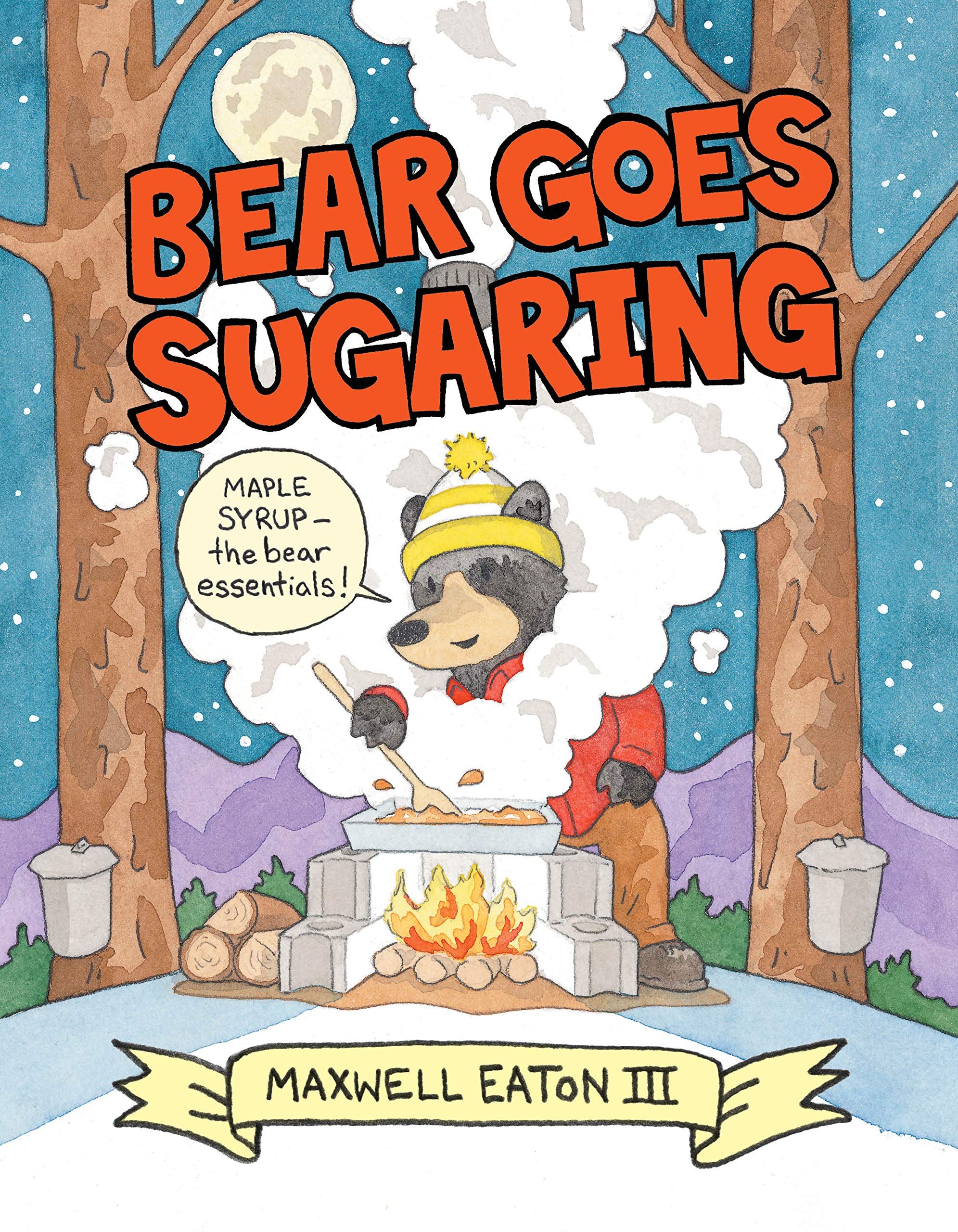
Image result for bear goes sugaring eaton

Summary:  As late-winter temperatures start to slowly rise, Bear begins her plans to make maple syrup.  Her sidekicks, Dog and Squirrel, are only interested for the pancakes they hope to eat. The process of making syrup is shown step by step, as Bear drills holes in her sugar maples, then sets the containers to collect the sap.  Readers learn pertinent information, such as how to identify a sugar maple (versus a red or silver maple) and how the sap forms inside the tree. After the sap starts to flow, Bear builds an evaporator to boil it down to syrup, all the while accompanied by the wisecracking Dog and Squirrel.  It’s a long process, but finally the syrup is bottled and ready to go. Dog and Squirrel enjoy maple syrup splendor as Bear flips pancakes on the stove. Includes a brief author’s note and three additional resources. 32 pages; ages 4-10.

Pros:  My love of maple syrup is well-known amongst my family and friends, so I’m delighted to have found two new picture books on the topic before the end of January.  This one is fun for the whole family, with surprisingly detailed information on the whole process and lots of humor from the goofy sidekicks.  

Cons:  No pancake recipe.
If you would like to buy this book on Amazon, click here.

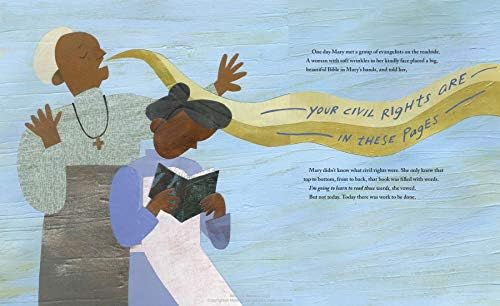
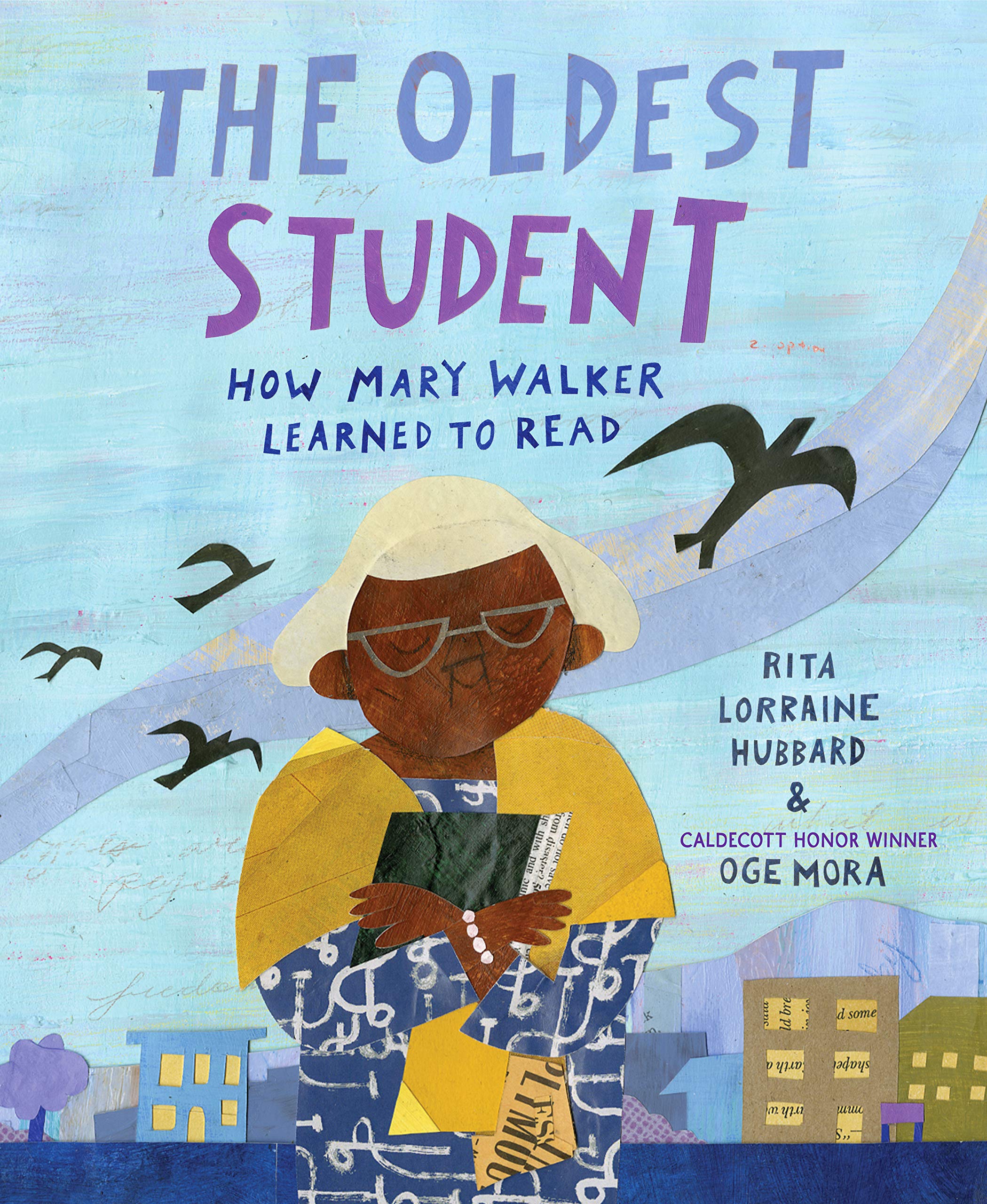
The Oldest Student: How Mary Walker Learned to Read by Rita Lorraine Hubbard, illustrated by Oge Mora

Published by Schwartz and Wade

Image result for oldest student how mary walker

Image result for oldest student how mary walker

Summary:  Mary Walker was born into slavery in 1848.  As a child, she learned to work hard, but she never learned to read and write.  She continued to work throughout her life, marrying twice and raising three sons.  She received a Bible as a young woman, but didn’t know how to read it, and needed someone else to record the births of her children inside of it.  Finally, 114 years old and the last surviving member of her family, Mary heard about a literacy class and decided to enroll. Over the next year, she learned to read, write, add, and subtract, and was eventually certified as the oldest student in the United States.  She continued to enjoy reading until her death on December 1, 1969 at age 121. Includes an author’s note and several photos on the endpapers. 40 pages; ages 4-10.

Pros:  An inspiring story that ends with a picture of Mary telling readers, “You’re never too old to learn,” a sentiment that may mean more to readers like myself than its intended audience.  Oge Mora’s illustrations make the story come alive. I particularly liked how the scribbles Mary sees everywhere have transformed into letters and words by the end.

Cons:  I was a little disappointed to read in the author’s note that little is known of Mary’s life before she learned to read well past 100, and that much of the story was Hubbard’s imagining of what her life was like.

If you would like to buy this book on Amazon, click here.

Five Favorite Nonfiction Books

I may have saved the best for last, since I love a good nonfiction book.  This is my final wrap-up of 2019 books.  Now I’ll take a “break” for a few weeks, but don’t worry: I already have ten 2020 books on hold at the library.


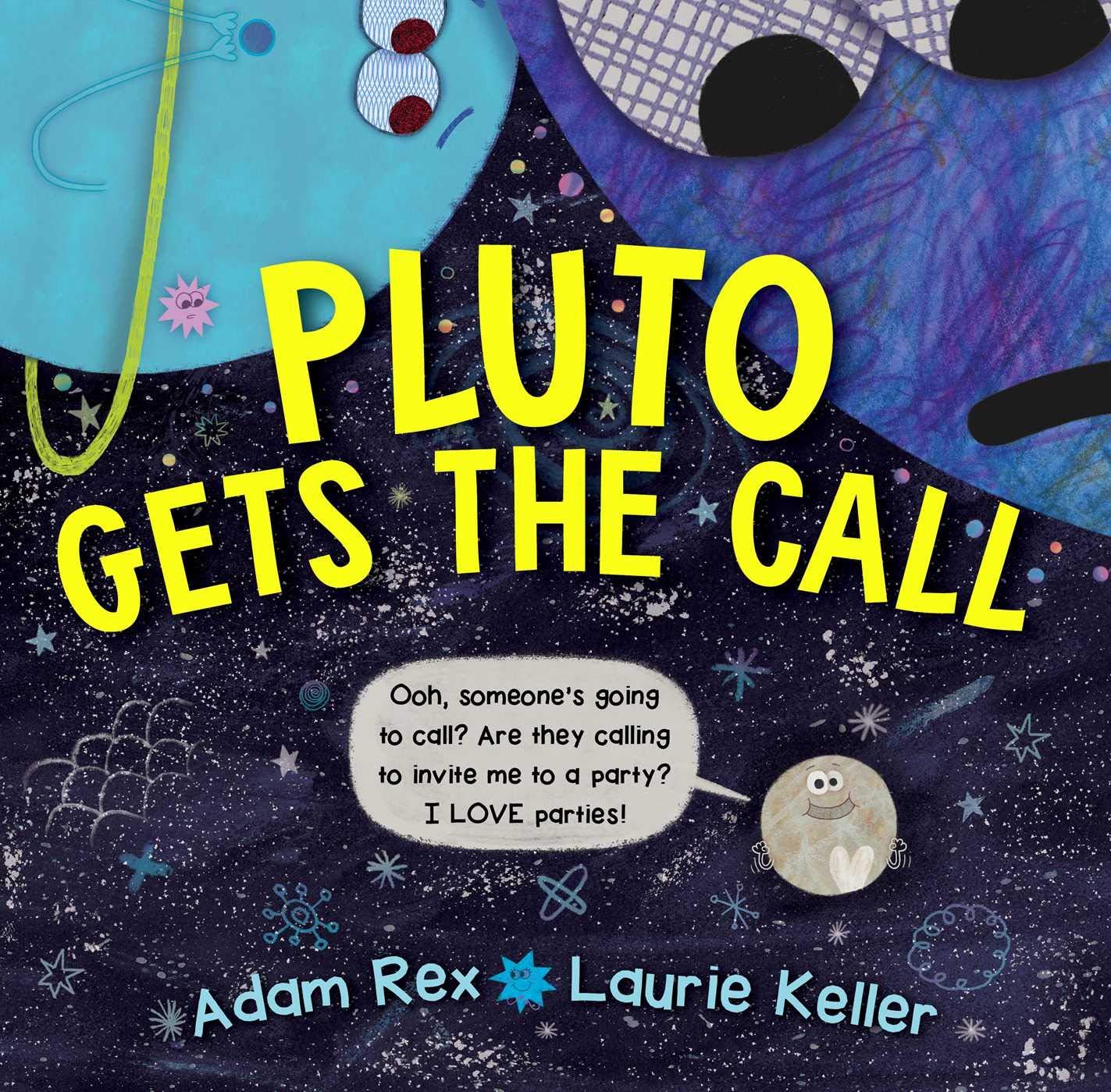
Pluto Gets the Call by Adam Rex, illustrated by Laurie Keller

Published by Beach Lane Books

Image result for pluto gets the call amazon

This is kind of nonfiction lite.  Sure, you’ll learn a bit about the planets, but the information is well-disguised in this hilarious picture book about Pluto’s search for meaning after being downgraded from a planet.


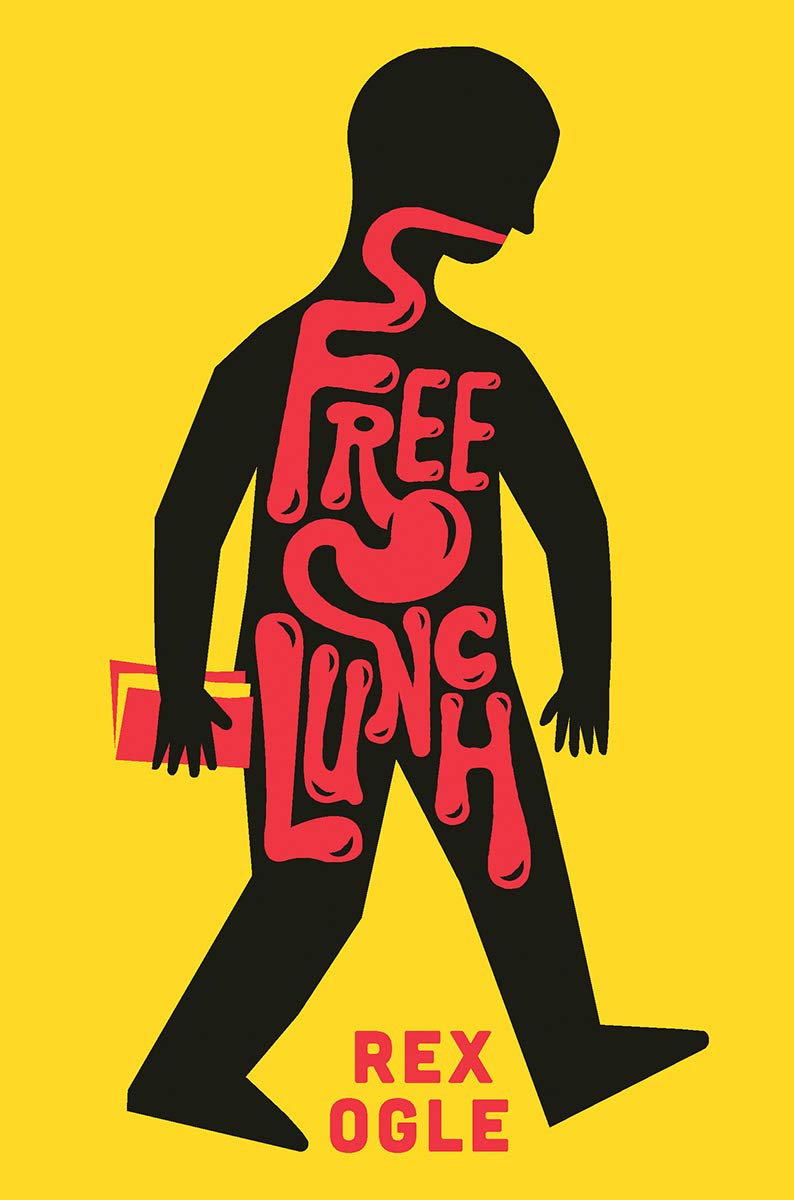
Free Lunch by Rex Ogle

Published by Norton Young Readers

Image result for free lunch rex ogle amazon

Politicians everywhere should read Rex Ogle’s disturbing memoir of his first few months of middle school for a real-life taste of how poverty affects kids and families.


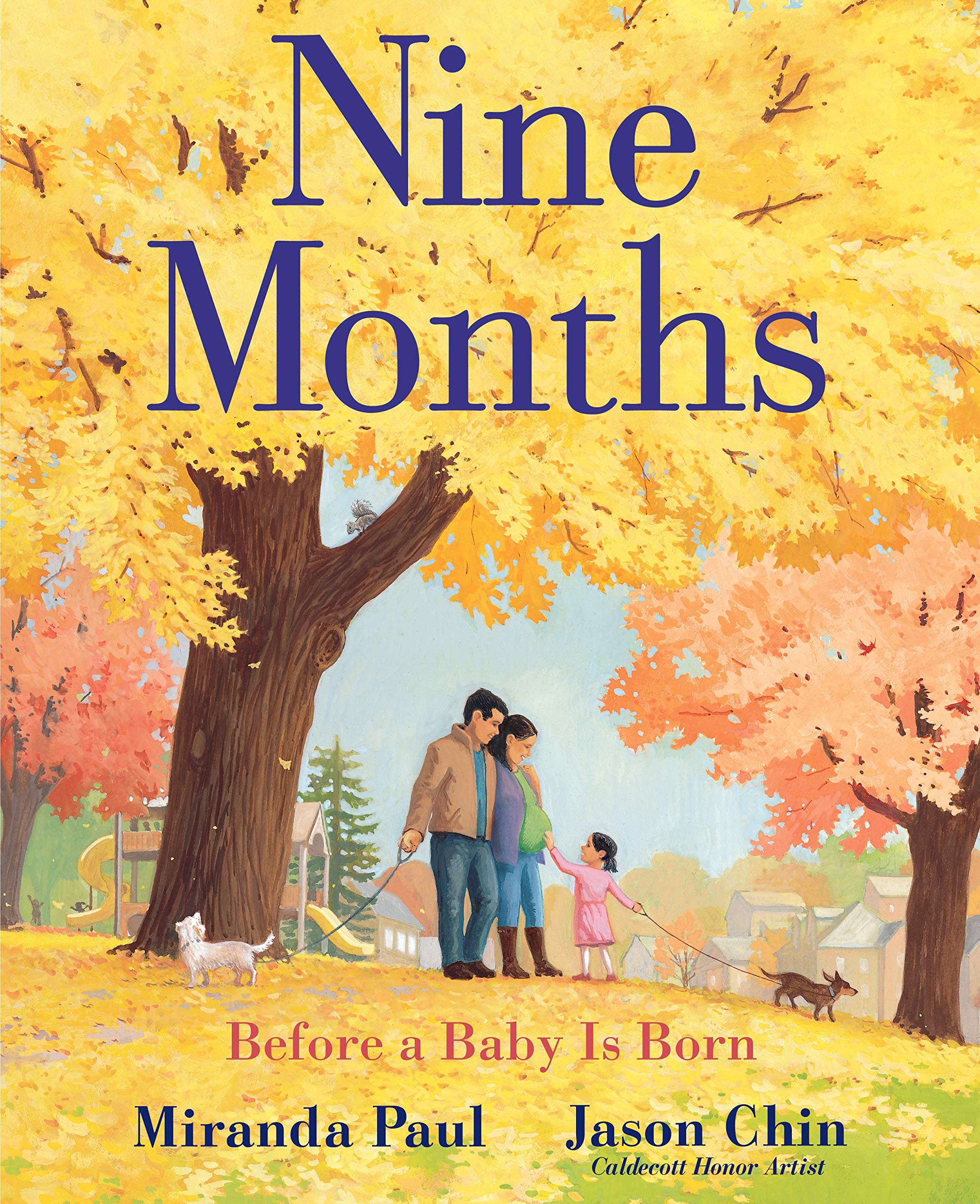
Nine Months: Before a Baby Is Born by Miranda Paul, illustrated by Jason Chin

Published by Neal Porter Books

Image result for nine months before a baby amazon

I love pretty much everything both Miranda Paul and Jason Chin do, so this was a perfect pairing to show kids of all ages what’s going on during those nine months before a baby is born.


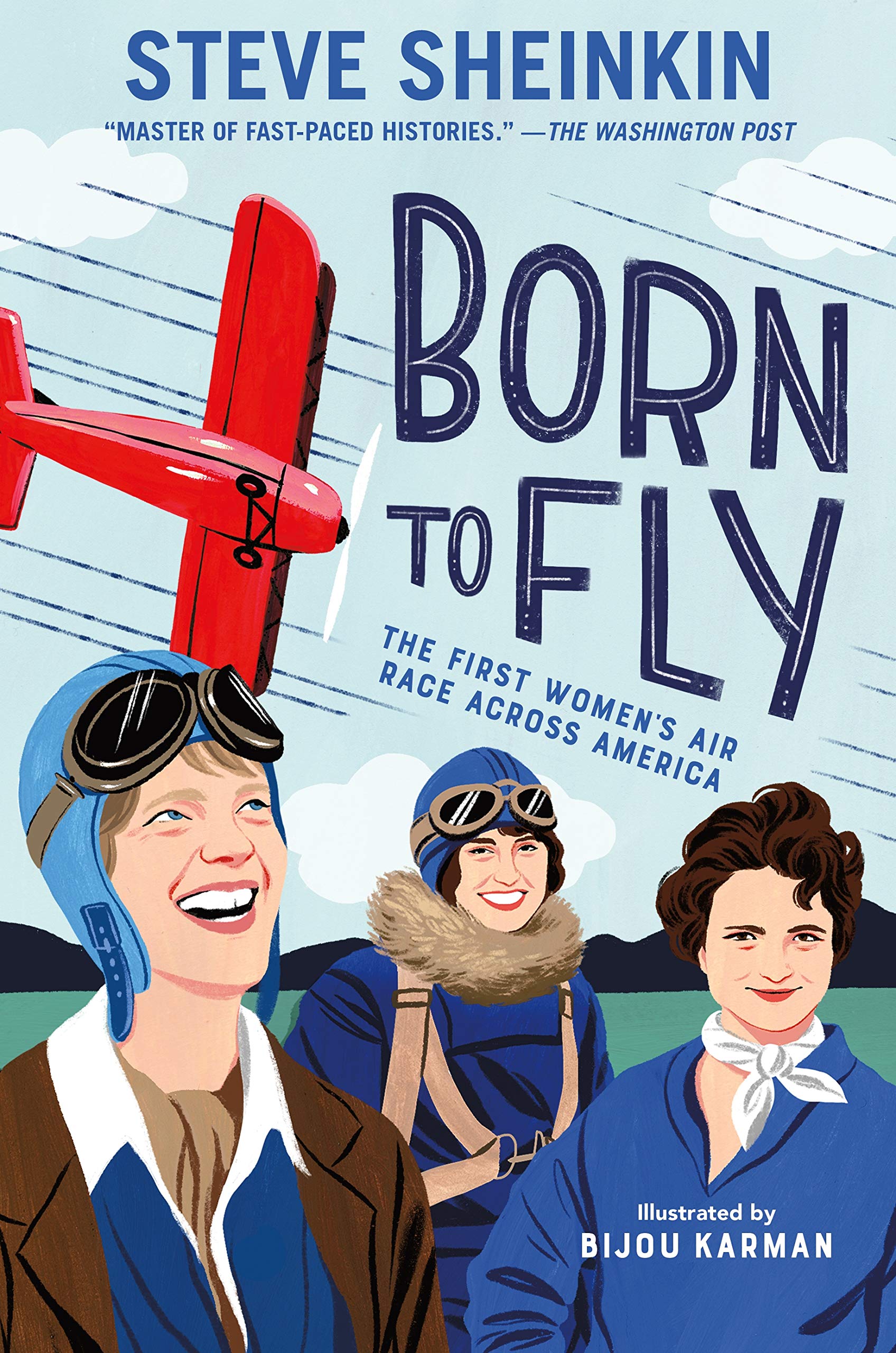
Born to Fly: The First Women’s Air Race Across America by Steve Sheinkin

Published by Roaring Brook Press

Image result for born to fly sheinkin amazon

And speaking of authors who can do no wrong, Steve Sheinkin gave us another compelling nonfiction book to read this year, as hard to put down as any novel I can think of.


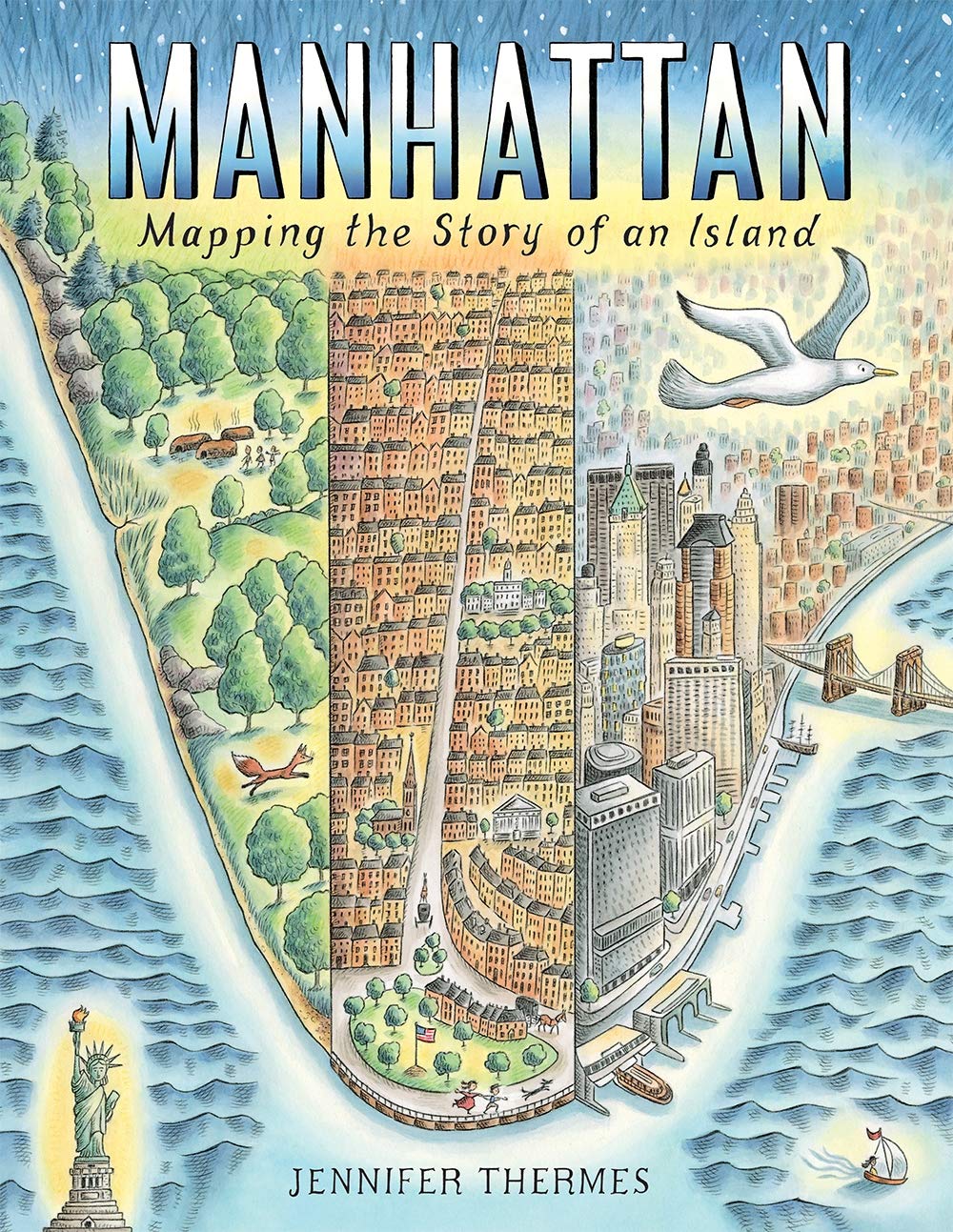
Manhattan: Mapping the Story of an Island by Jennifer Thermes

Published by Harry N. Abrams

Image result for manhattan mapping the story thermes amazon

If maps are your thing, you’ll want to reserve a good chunk of time to see how the island of Manhattan has changed over time.  A celebration of all things New York.

Likewise, it’s not just the Newbery

Just like yesterday’s post, this list gives me an excuse to highlight more of 2019’s rich offerings, this time in the writing category.


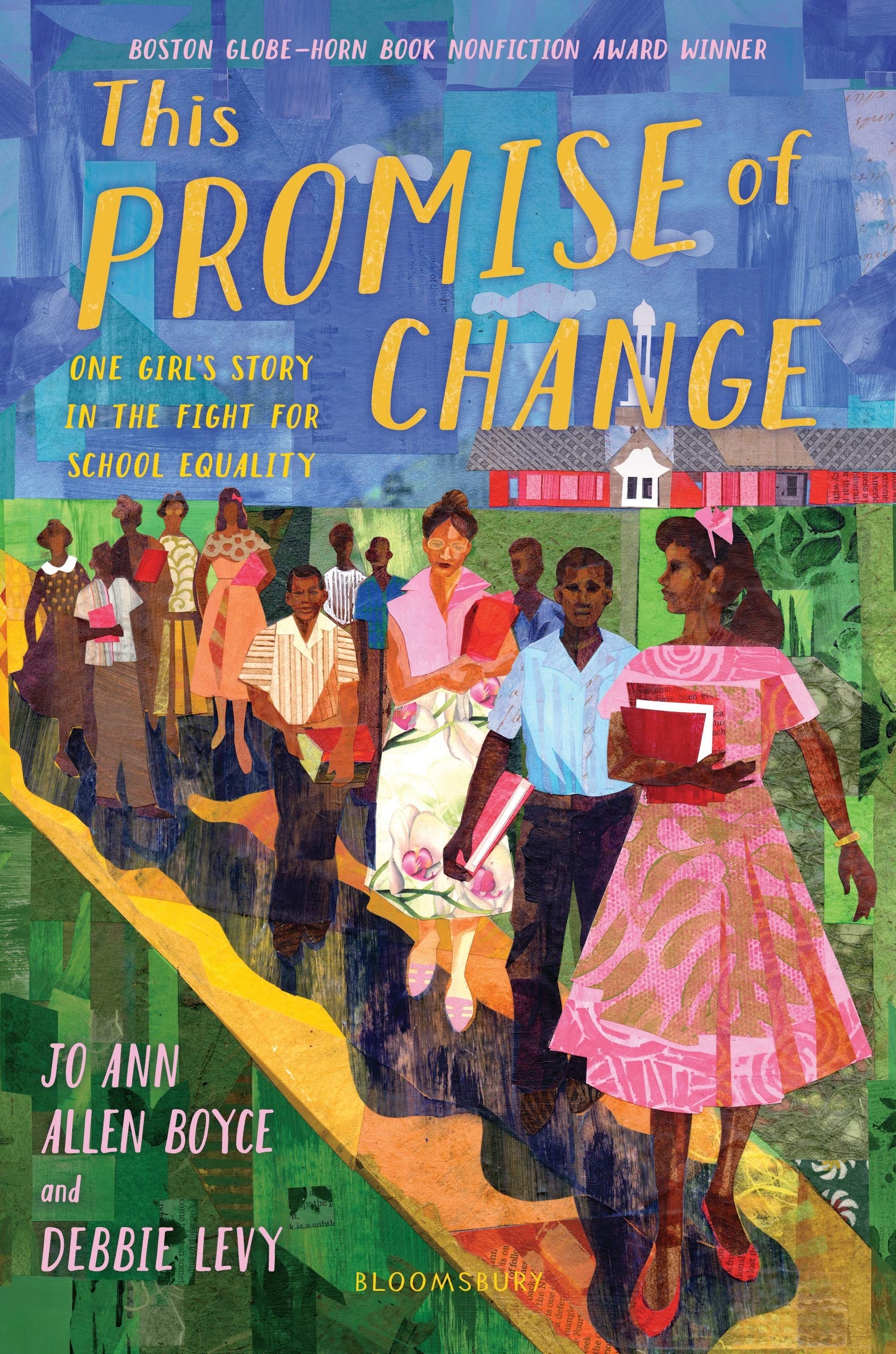
This Promise of Change: One Girl’s Story in the Fight for School Equality by Jo Ann Allen Boyce and Debbie Levy

Published by Bloomsbury Children’s Books

Image result for this promise of change amazon

I really enjoyed this book when it was released in early January, but then it kind of slipped off my radar screen.  I’ve seen it on a few Newbery prediction lists, though, and that or a Coretta Scott King award (or Sibert, for that matter) would be well-deserved.


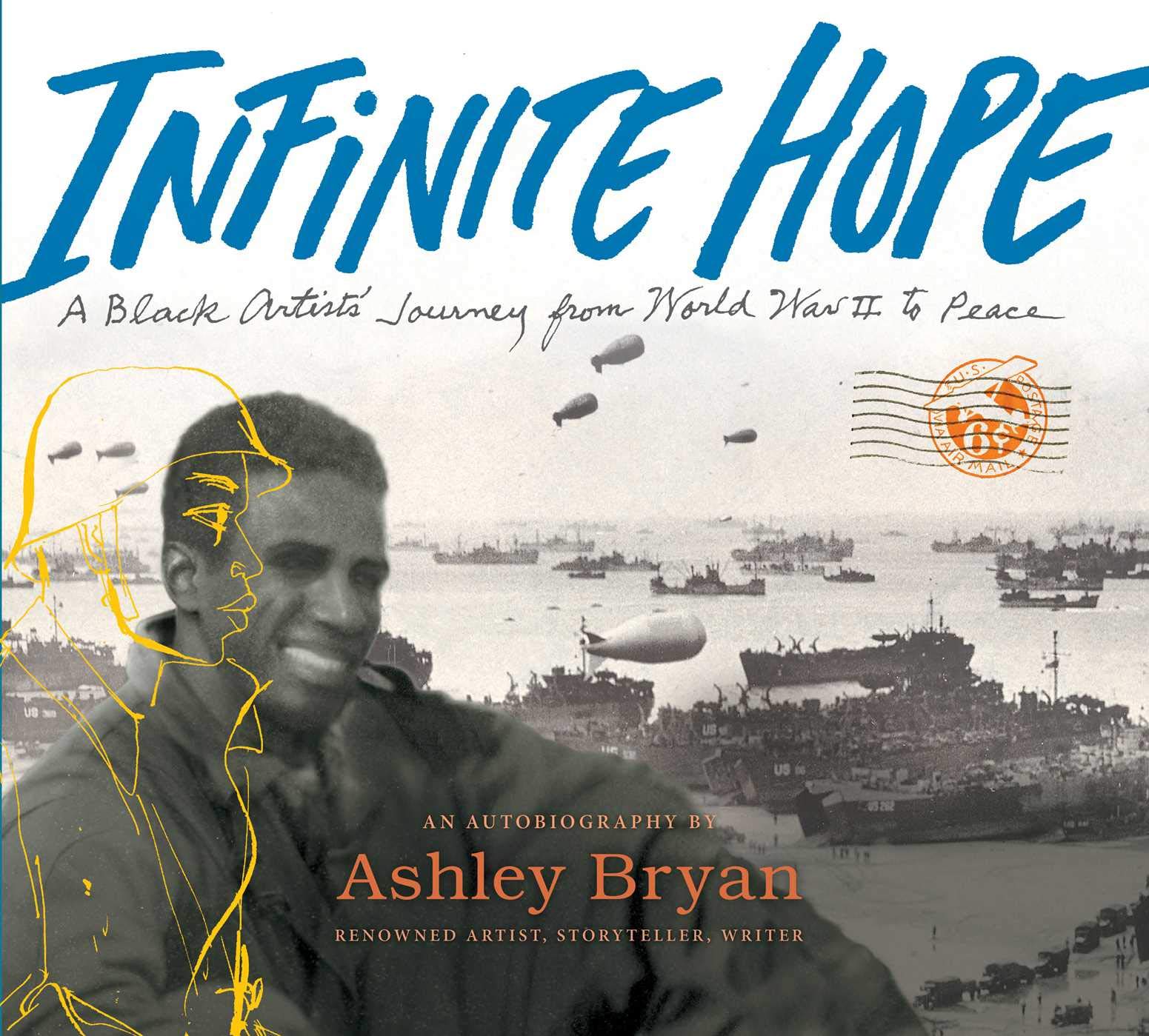
Infinite Hope: A Black Artist’s Journey from World War II to Peace by Ashley Bryan

Published by Atheneum/Caitlyn Dlouhy Books

Image result for infinite hope bryan amazon

Although I think the appeal of this book for kids may be limited, it’s a real work of art, and I’d love to see 96-year-old Bryan recognized with a Coretta Scott King award (or, again, Newbery or Sibert).


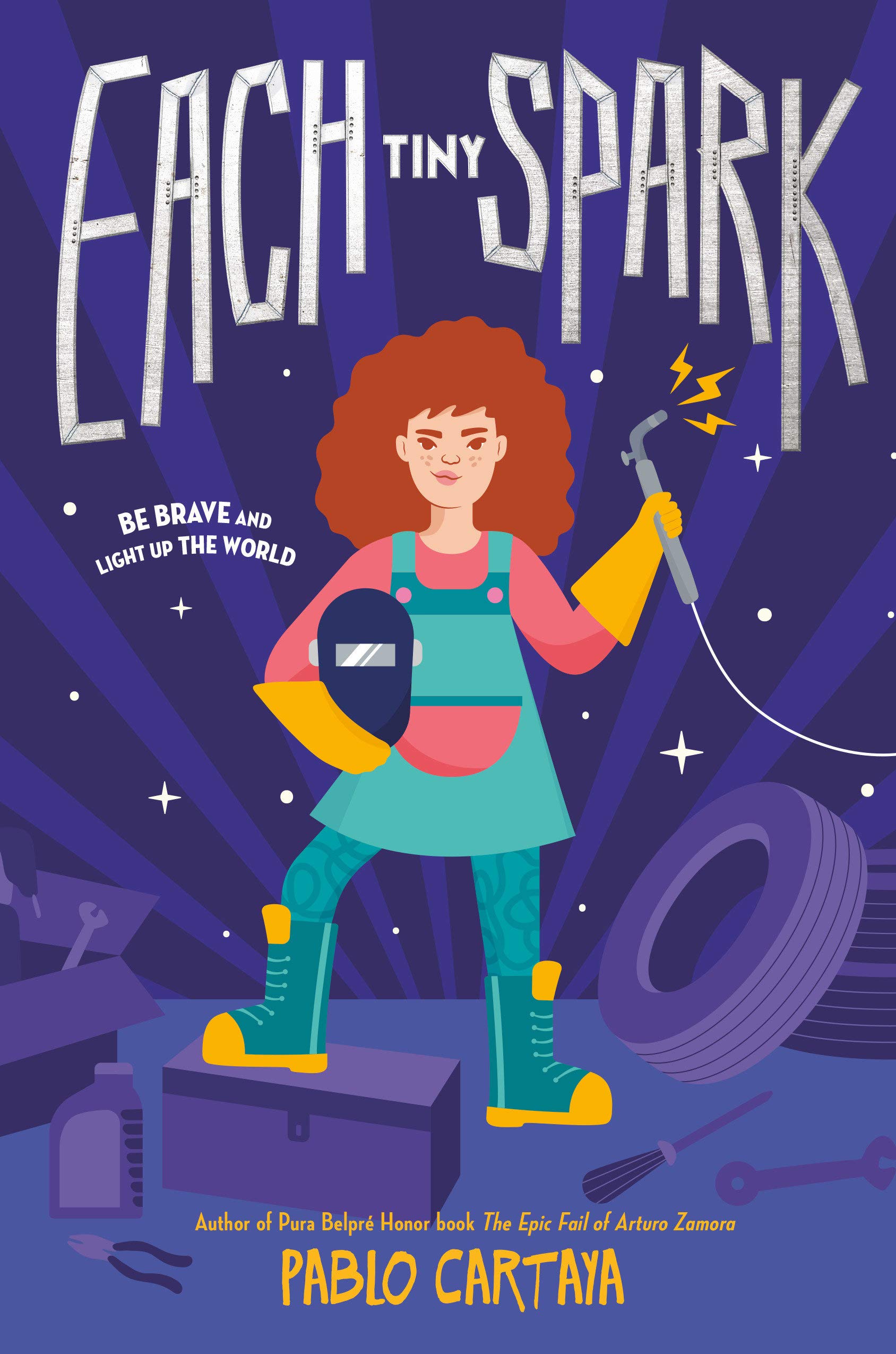
Each Tiny Spark by Pablo Cartaya

Published by Kokila

Image result for each tiny spark amazon

A book about a girl connecting with her father over welding didn’t really spark my interest (ha, ha), but I’m glad I overcame my initial resistance and read it before the end of the year.  I loved all the characters in this book, and hope it’s recognized by the Pura Belpré folks.


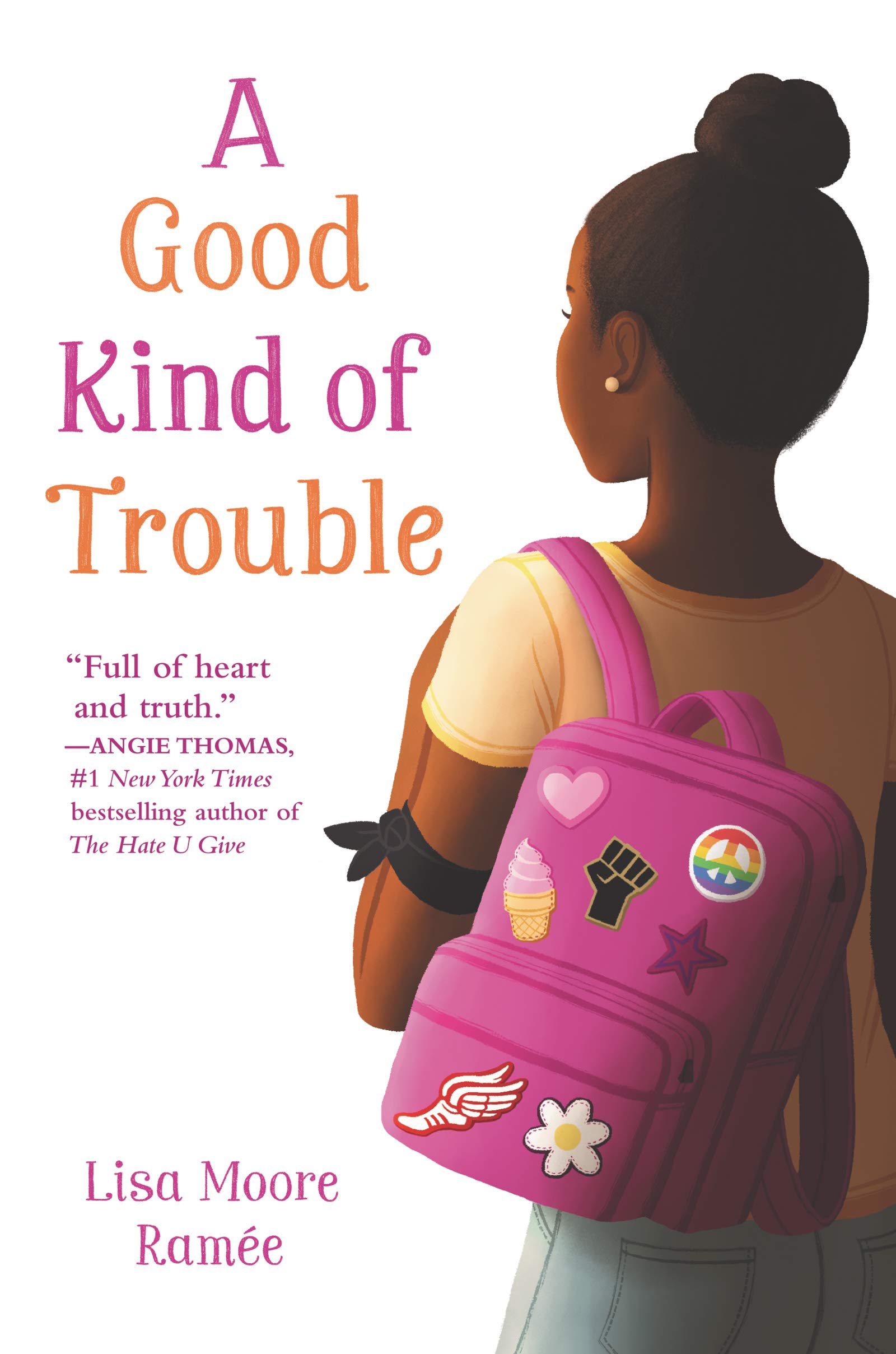
A Good Kind of Trouble by Lisa Moore Ramée

Published by Balzer + Bray

Image result for good kind of trouble amazon

Shayla generally avoids trouble at all costs, but incidents in her community turn her into an activist.  What could be more timely at the start of 2020?  Debut author Ramée should be considered for a Coretta Scott King award.


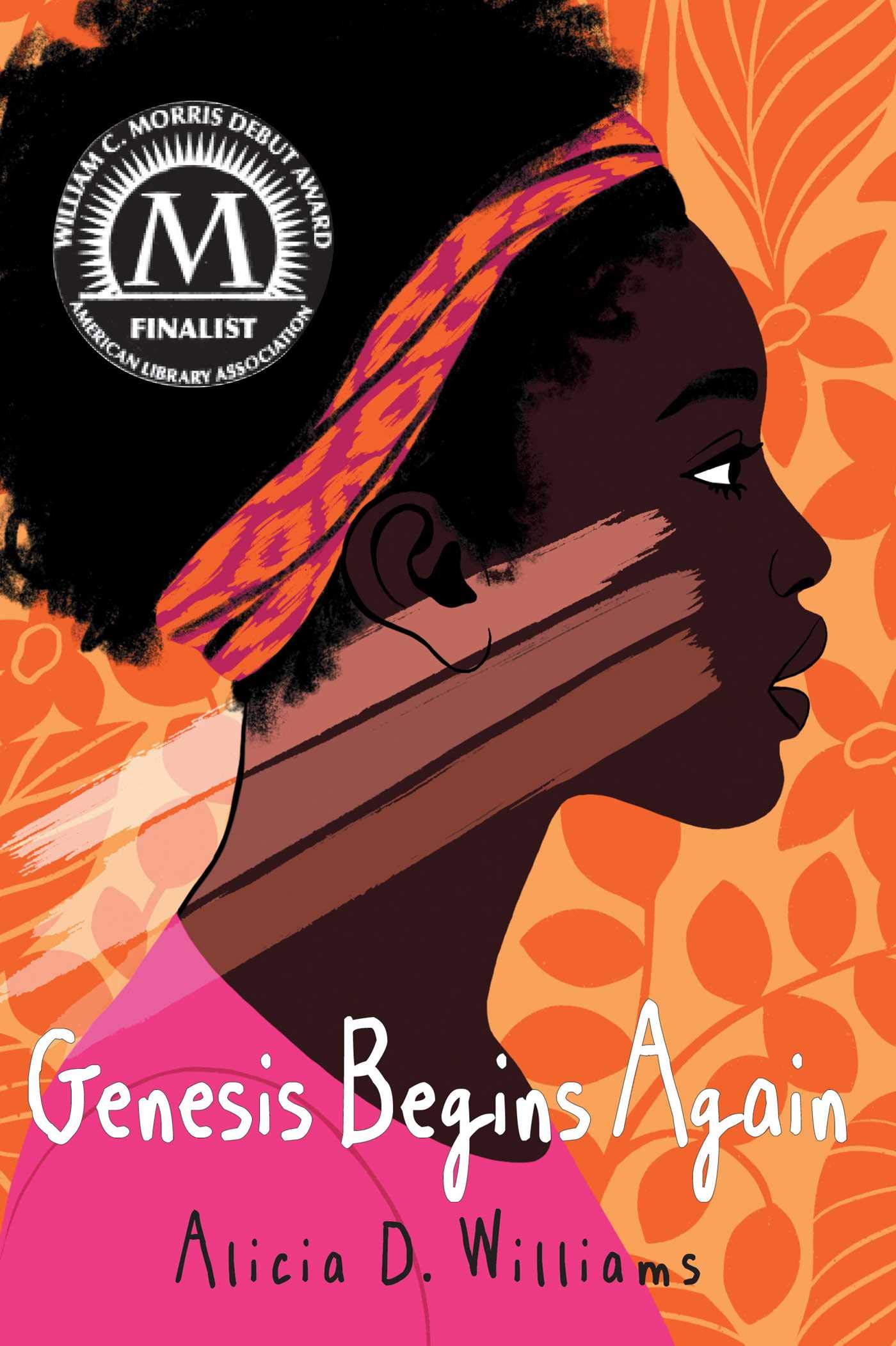
Genesis Begins Again by Alicia D. Williams

Published by Atheneum/Caitlyn Dlouhy Books

Image result for genesis begins again amazon

Another debut author and another one I had to kind of force myself to start (I’m not a huge fan of the cover, although I appreciated it more after reading the book), but this ended up being one of my favorites of 2019.  Coretta Scott King or Newbery, I hope.

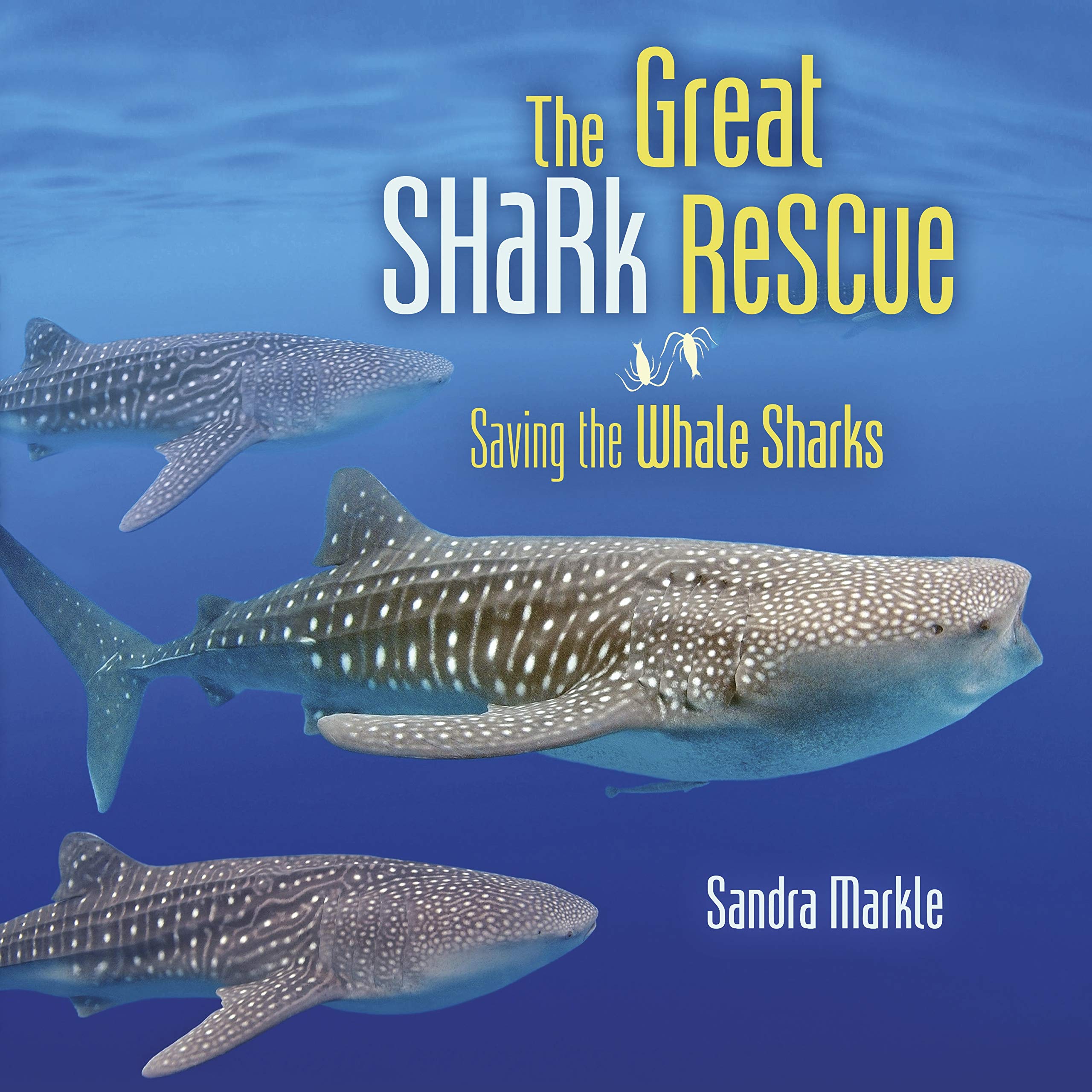
The Great Shark Rescue: Saving the Whale Sharks by Sandra Markle

Published Millbrook Press

Image result for great shark rescue markle amazon

Image result for great shark rescue markle

Summary:  Opening with a story of two young whale sharks getting caught in a fishing net, Sandra Markle introduces readers to the variety of problems these animals face, all of them created by humans.  She looks at efforts to protect them, as well as some of the technologies scientists use to study them. While knowledge of these giants of the shark world has increased over the years, there are still discoveries to be made.  She describes how scientists have learned more in recent years about the way the sharks reproduce, but how they still don’t know exactly how young sharks survive in the ocean. The last page features the whale shark’s famous cousin, the great white shark, and provides information about its endangered status.  Includes an author’s note; a timeline of the scientific study of whale sharks; a glossary; additional resources; and an index. 48 pages; grades 4-6.

Pros:  Markle has produced another excellent science book, choosing a topic with lots of kid appeal and presenting science as a fascinating career choice.  There are plenty of photos and maps, and also a fair amount of text; definitely no dumbing-down here.

Cons:  All the books in this series (Sandra Markle’s Science Discoveries) seem to only be available as e-books or with library bindings, $25.00 on Follett; $32.00 on Amazon.

If you would like to buy this book on Amazon, click here.

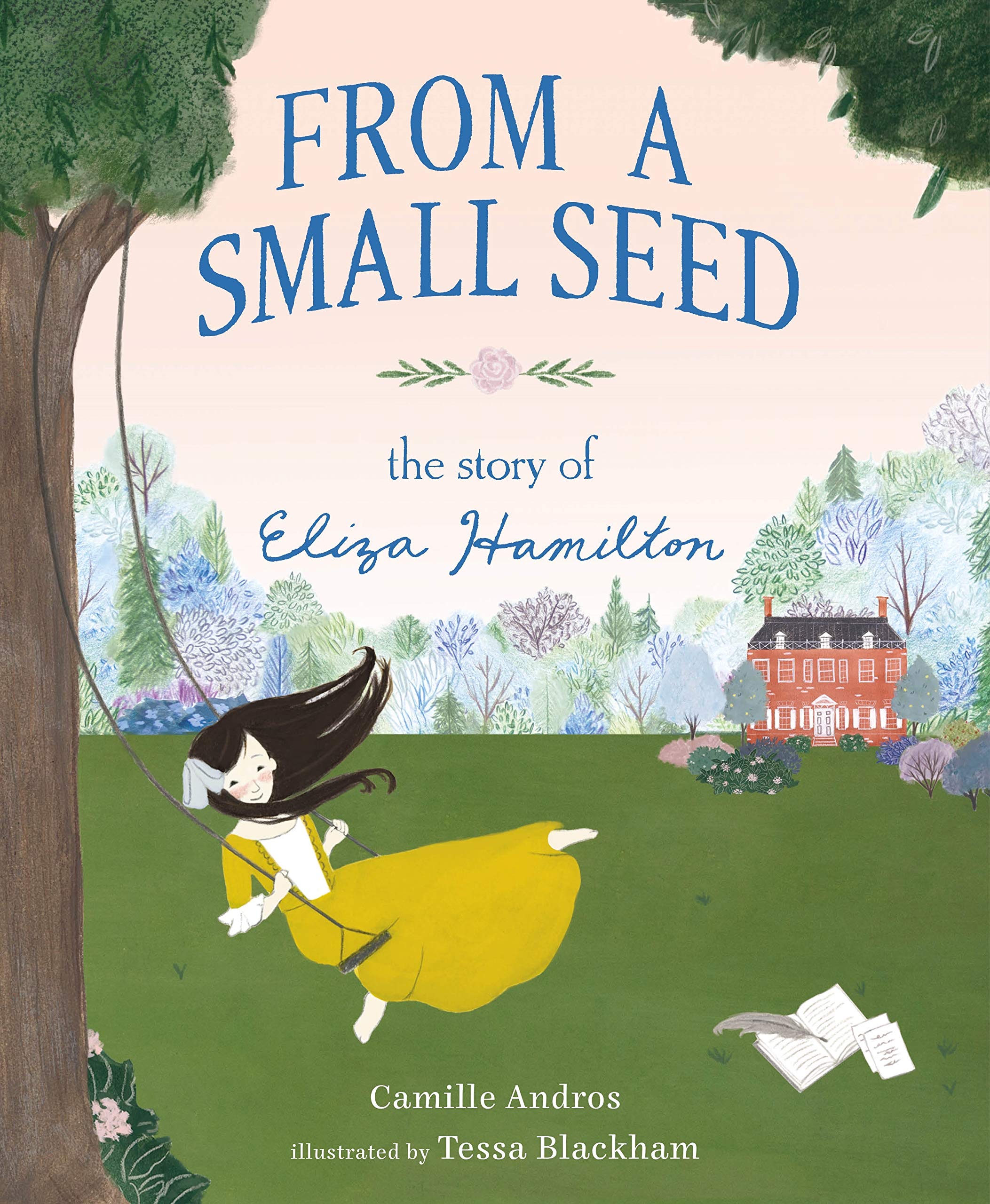
From a Small Seed: The Story of Eliza Hamilton by Camille Andros, illustrated by Tessa Blackham

Published by Henry Holt and Co.

Image result for from a small seed the story of eliza hamilton

Interior Image

Summary:  Eliza is introduced as a strong girl, growing up in a big brick house with loving parents.  She likes to run and climb, but is also compassionate. She often sees an orphan boy and feels sorry for him, sharing her food when she can.  Later, she meets another orphan (Alexander Hamilton, although he’s not identified in the text), marries him, and works to help him found a new nation.  When tragedy strikes, and she and her eight children are left on their own, she remembers the orphan boy and starts the Orphan Asylum Society and the Hamilton Free School.  Throughout the story, trees are used as symbols from the young saplings Eliza sees as a child to the grove of tall trees that overlook her grave. Includes notes from the author and illustrator and three additional sources.  40 pages; grades 1-4.

Pros:  This is a brief and lovely introduction to the inspiring life of Eliza Schuyler Hamilton, a bit more accessible to younger readers than Margaret McNamara’s 2018 book Eliza.  The tree symbolism works well, as do the muted illustrations.  

Cons:  The author’s note reveals that few details are known of Eliza’s life, and that her interactions with the orphan boy at the beginning are fictional, making this book straddle the line between biography and historical fiction.

If you would like to buy this book on Amazon, click here.


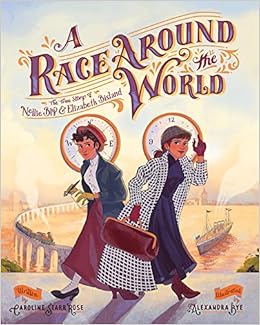
A Race Around the World: The True Story of Nellie Bly and Elizabeth Bisland by Caroline Starr Rose, illustrated by Alexandra Bye

Published by Albert Whitman and Co.

Image result for race around the world caroline starr

Image result for race around the world alexandra bye

Summary:  In 1889, reporter Nellie Bly declared she could travel around the world in 75 days.  She convinced her boss at the New York World to let her try, and on November 14, she set off from New Jersey.  When Elizabeth Bisland’s boss at Cosmopolitan magazine read about her trip, he convinced her to take a train to San Francisco that night and try to beat Bly back to New York.  The two women, traveling in opposite directions, took trains and ships from one destination to the next, as readers followed their adventures.  Nellie returned on January 25, 1890, to cheering crowds and a ten-cannon salute. Elizabeth made it back on January 30 to a much smaller crowd. But both women had made it in under 80 days, breaking the previous record.  Elizabeth, who had been something of a homebody before, traveled and wrote for the rest of her days. Includes an author’s note and three additional sources. 32 pages; grades K-4.

Pros:  My daughter loved Nellie Bly when she was younger.  Come to think of it, I wrote in my eighth grade diary that I wanted to be a reporter like Nellie after reading how she went undercover to report on insane asylums.  So I know Nellie’s story is captivating to kids.  I didn’t know about Elizabeth Bisland, but it makes a great tale to follow both women’s adventures as they hurried around the world.

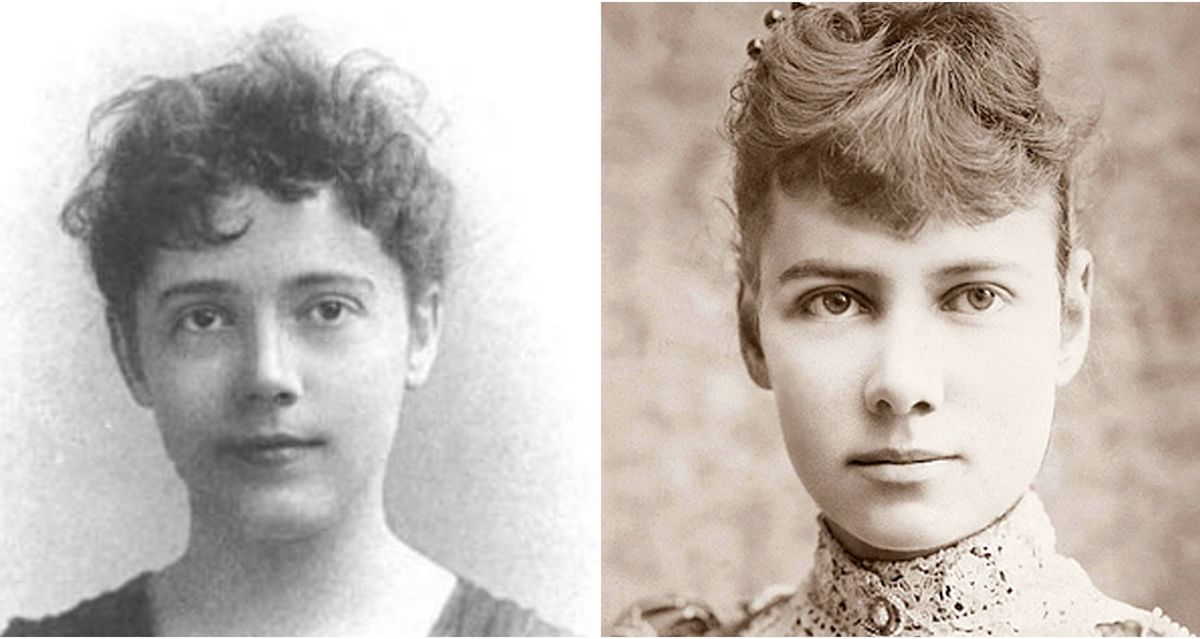
Cons:  Photos and/or more research material would have made a nice addition, so here’s one for you now.  Elizabeth is on the left, Nellie on the right.

Image result for elizabeth bisland nellie bly photo

If you would like to buy this book on Amazon, click here.


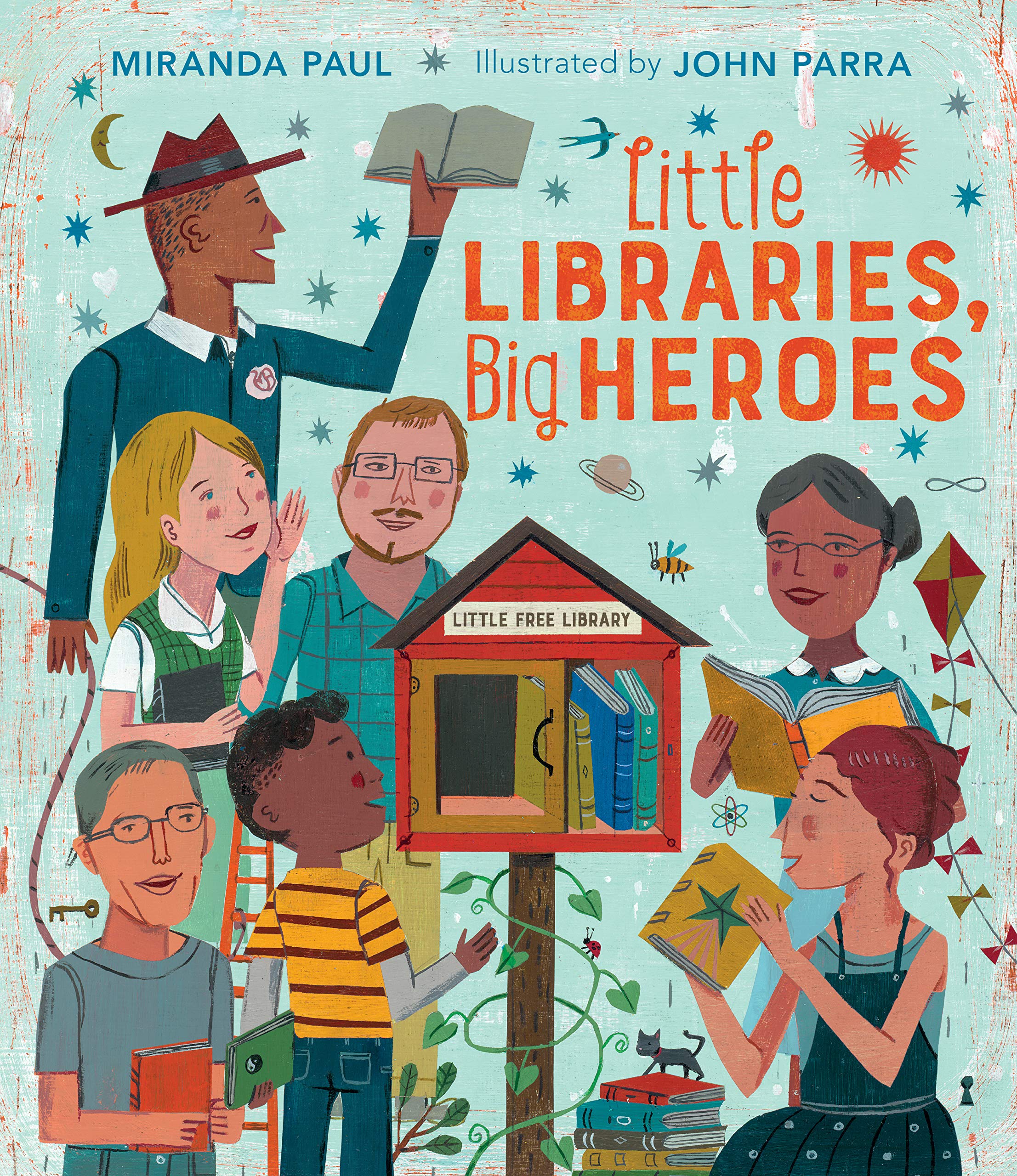
Little Libraries, Big Heroes by Miranda Paul, illustrated by John Parra

Published by Clarion Books

Image result for little libraries big heroes

Image result for little libraries big heroes

Summary:  Even when Todd struggled in school, his mom told him he could be whatever he wanted to be.  After she died, he remembered her teaching neighborhood kids to read and decided to build a box shaped like a small schoolhouse and fill it with books.  His neighbors noticed it during a yard sale, and their enthusiasm inspired Todd to build more boxes. When sales remained flat, Todd and his friend Rick traveled around the midwest, planting boxes in Wisconsin, Illinois, and Minnesota.  Their efforts made the news, and little libraries became a big thing. There are now libraries all over the U.S. and around the world. Todd was a hero, the people who were inspired by his idea are heroes, and maybe one day you will start a little library and be a hero too.  Includes an author’s note and additional sources of information. 40 pages; grades 1-4.

Pros:  I always enjoy Miranda Paul’s inspiring nonfiction picture books, and I like how this one emphasizes that even ordinary people can become heroes.  Readers will come away with an idea of something they can do today to help others.

Cons:  You’d think I would be all over the little library idea, but somehow it has never really grabbed me.  Guess I just prefer big libraries.

If you would like to buy this book on Amazon, click here.

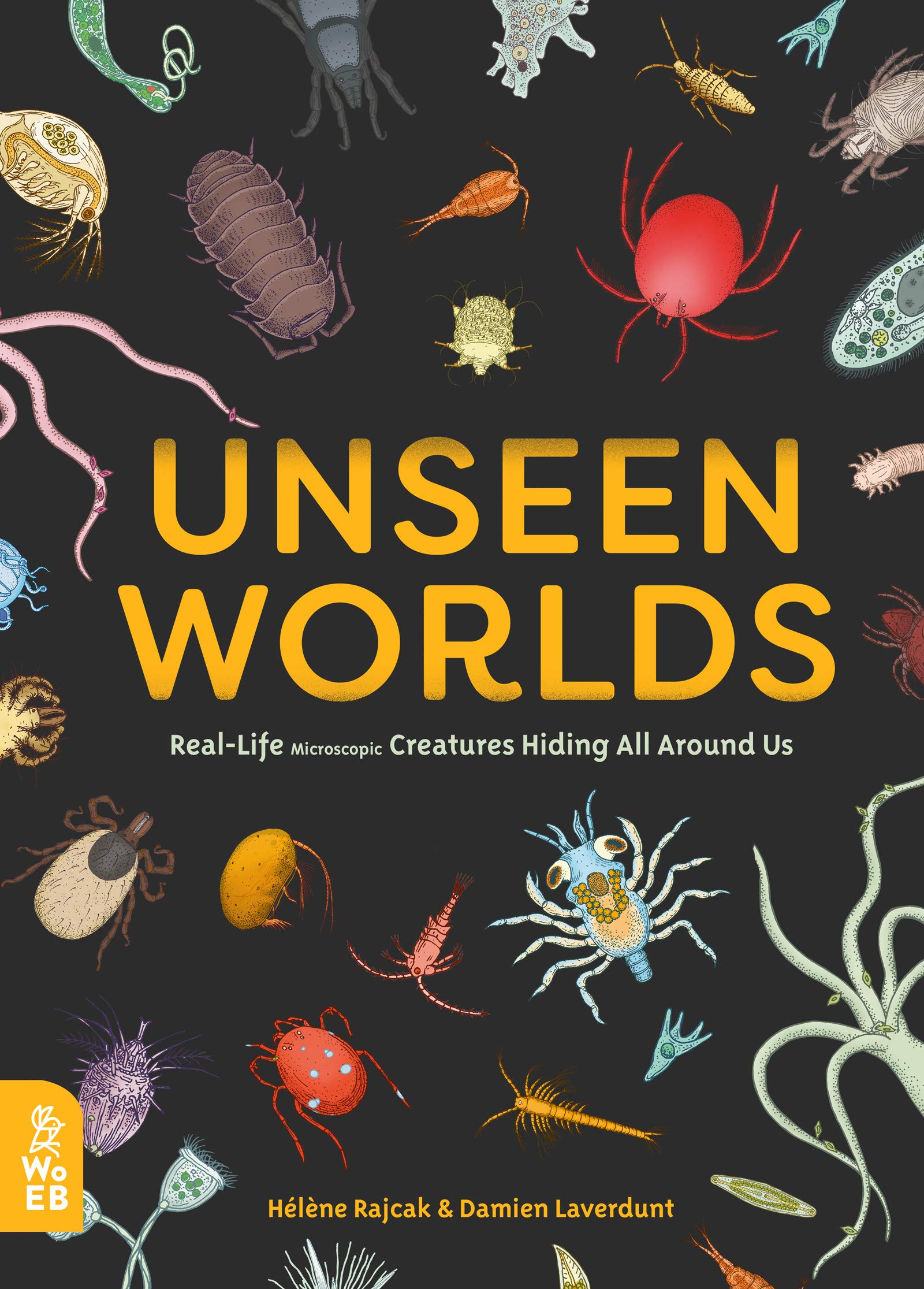
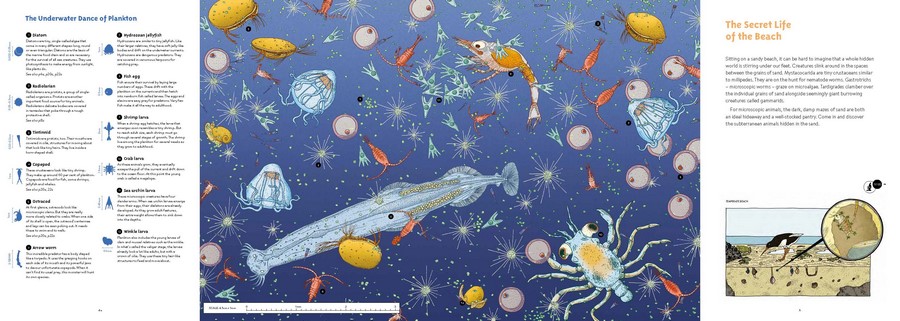
Unseen World: Real-Life Microscopic Creatures Hiding All Around Us by Hélène Rajcak, illustrated by Damien Laverdunt

Published by What On Earth Books

Image result for unseen worlds real-life microscopic creatures hiding all around us

Image result for unseen worlds laverdunt

Summary:  Each two page spread describes microscopic creatures that live in different environments:  under the ocean, on the forest floor, in your bed, on your kitchen floor. A fold-out page gives an introduction; when it’s unfolded, more of the illustration is revealed and specific organisms are identified.  Ten environments are profiled in all. Includes additional information about and history of the microscope; information on classifying microorganisms; glossary; index; and selected sources. 32 pages; grades 4-7.

Pros:  This French import is a real work of art.  Sure, we may not all be curious about the mites that feed on our skin at night, but for those who are, this is a beautiful way to go.  The illustrations are amazingly detailed, and the information is fascinating.

Cons:  The foldout pages and $18.00 price tag are a less-than-ideal combination for a school library.

If you would like to buy this book on Amazon, click here.

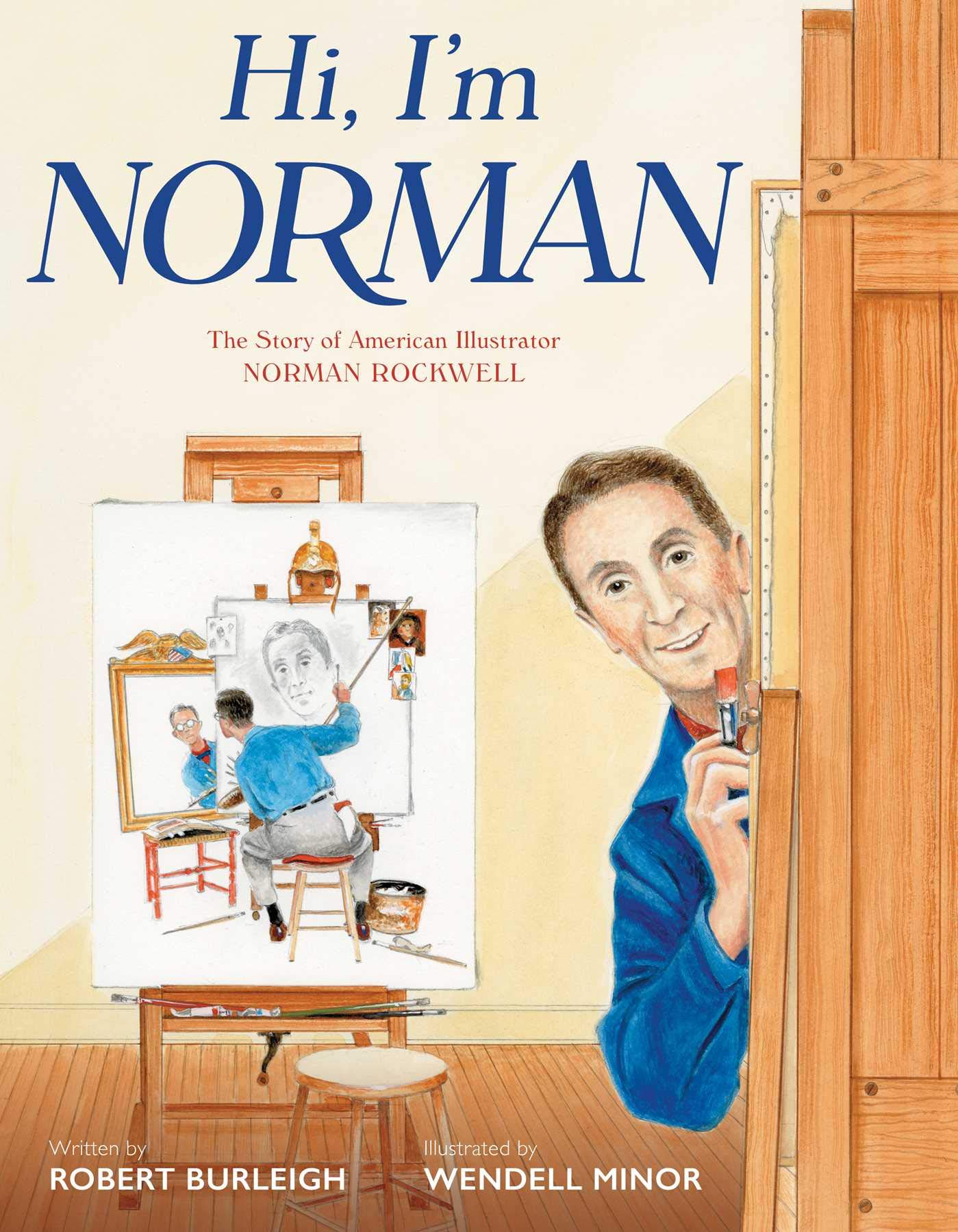
Hi, I’m Norman: The Story of American Illustrator Norman Rockwell by Robert Burleigh, illustrated by Wendell Minor

Published by Simon and Schuster

Image result for hi i'm norman amazon

Image result for hi i'm norman wendell minor

Summary:  Norman Rockwell tells his story in the first person, inviting readers into his studio, then taking them back to his early days when he used art to make up for his lack of athletic ability.  After a stint at art school, he took whatever jobs he could find, eventually landing the plum assignment of creating covers for the Saturday Evening Post.  When World War II arrived, his artwork took a more serious turn, and his The Four Freedoms set helped raise millions of dollars from war bonds.  After the war, he took on the civil rights movement, with The Problem We All Live With one of his most famous works to come out of that era.  His final published work shows him draping a “Happy Birthday” banner on the Liberty Bell to celebrate America’s bicentennial.  Includes additional information, author’s and illustrator’s notes, a timeline, reproductions of five or Rockwell’s paintings with additional information about them, a list of additional sources, and some quotes from Norman Rockwell.  48 pages; grades K-4.

Pros:  The folksy, conversational style of the writing will draw kids in, and Wendell Berry’s illustrations capture Rockwell’s works perfectly.  The extensive back matter makes this an excellent resource for research.

Cons:  There were no dates or places in the text–readers will have to go to the timeline for that information.

If you would like to buy this book on Amazon, click here.