Sweety by Andrea Zuill

Published by Schwartz & Wade
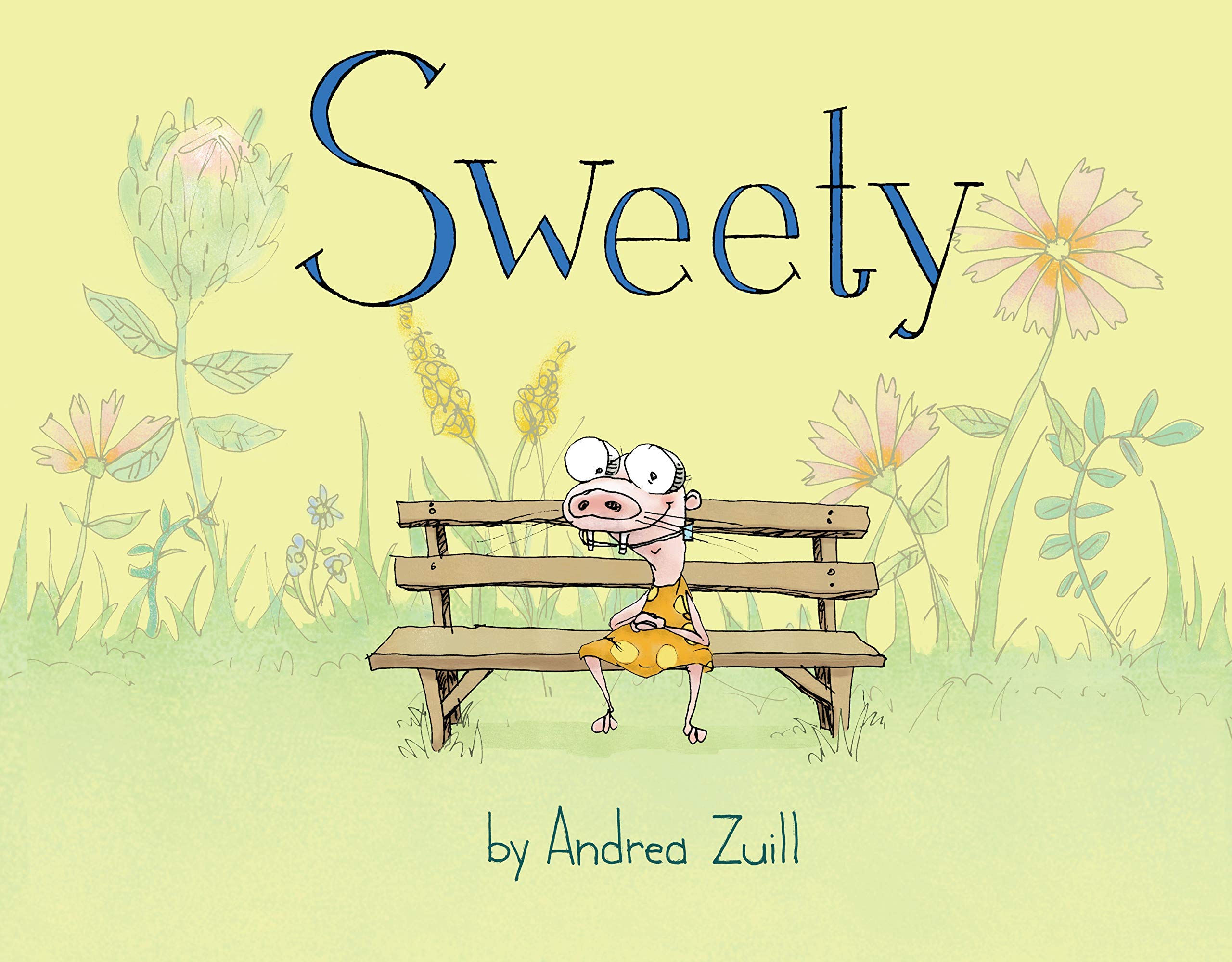
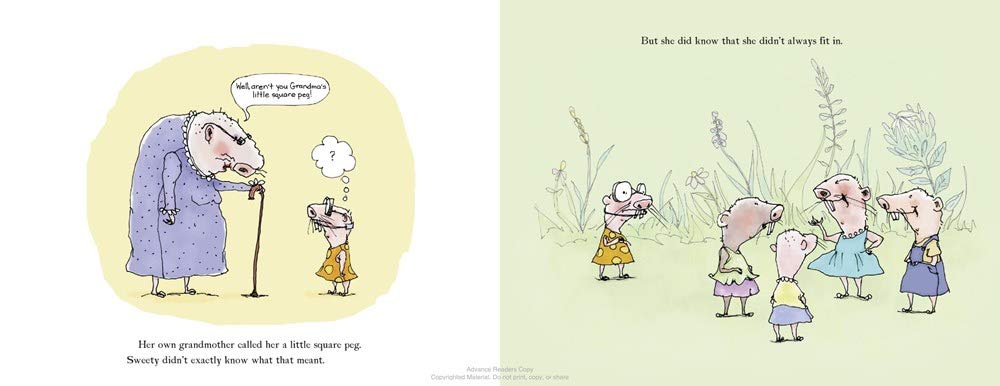
Image result for sweety andrea zuill amazon

Image result for sweety andrea zuill amazon

Summary:  Sweety is a young naked mole rat described by her grandmother as “a square peg”.  Sporting thick glasses and orthodontic headgear, she has a passion for collecting and identifying mushrooms and presenting her school reports using interpretive dance.  She can see she doesn’t fit in, but doesn’t know how to change. Fortunately, there’s Aunt Ruth, also a square peg, who assures Sweety that it’s okay to be herself.  They page through some photo albums together, where Sweety sees her mom and aunt as children and as mohawk-sporting teens, giving a few clues as to where Sweety may get her outside-the-box personality.  In the end, she decides to go her own way, and is rewarded by meeting another mole rat who seems to share some of her interests. 32 pages; ages 3-8.

Pros:  The “be yourself” message is delivered in a humorous fashion; all the naked mole rates may look a little unusual to the human readers, pointing out the ridiculousness of what makes one more “popular” than another.  The illustrations provide a light touch that saves the story from getting too bogged down in its message.

Cons:  The expression “square peg” is never explained.

If you would like to buy this book on Amazon, click here.
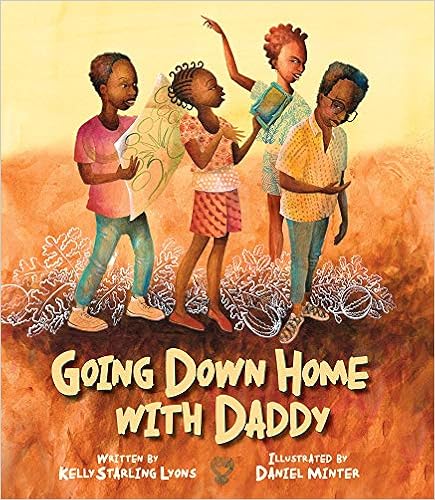
 

Going Down Home With Daddy by Kelly Starling Lyons, illustrated by Daniel Minter

Published by Peachtree Publishing Company

Summary:  Lil Alan is excited to be leaving before dawn for a family reunion down south.  The whole clan is gathering at his father’s mother’s house. Aunts, uncles, and cousins join in a weekend celebration of their family.  There’s lots of playing with cousins and eating delicious food, but there are also serious talks about their history–how their ancestors came from Africa in chains, but they fought for freedom until “a farmer and a teacher” bought the land where Granny now lives and grows cotton.  Lil Alan worries all weekend about having a contribution to the traditional Sunday evening ceremony, but when the time comes he has thought of something to say that perfectly captures his family’s history. 32 pages: ages 4-8.

Pros:  This would be an excellent mentor text for teaching narrative writing.  The muted watercolor illustrations deserve some Caldecott consideration.

Cons:  I wasn’t quite clear about who bought the land…was it Granny and her husband, or someone in the generation before her?

If you would like to buy this book on Amazon, click here.
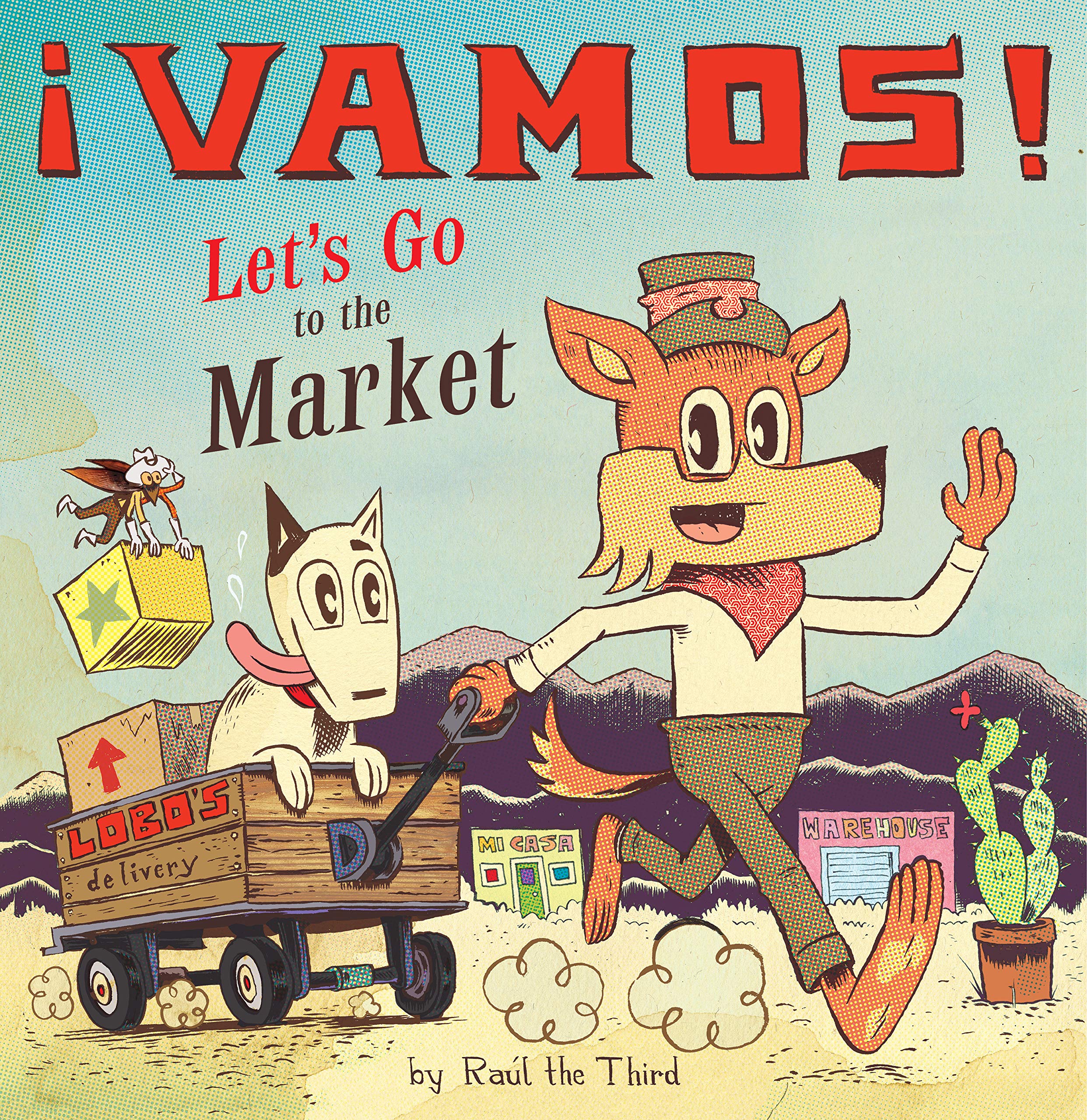
¡Vamos! Let’s Go to the Market by Raúl the Third

Published by Versify

Image result for vamos let's go to the market

Image result for vamos let's go to the market

Summary:  Little Lobo and his dog Bernabé have a big day in store as they load up the wagon to make deliveries to various people at the Mercado.  There are all kinds of interesting characters, both human and animal, to be seen as they travel. Finally, they arrive and start delivering their goods.  Little Lobo has many friends at the Mercado, and between their gifts and his own purchases, his wagon is almost as full at the end of his delivery run as it was at the beginning.  His last stop is at the local Lucha Libre place, where he not only meets his favorite wrestler, El Toro, but gets to give him a ride home in his wagon. The day ends with Lobo and Bernabé getting into bed, ready for sleep after a busy day.  Includes a glossary of all the Spanish words used in the text. 48 pages; ages 4-8.

Pros:  Richard Scarry meets Diego Rivera in this dizzying, magnificent tour of Lobo’s Mexican (I think–it’s not specified) town.  There are so many fascinating characters performing all sorts of interesting jobs in illustrations that could keep readers absorbed for hours.  Many Spanish words and phrases woven into the story combined with the glossary at the end makes this a good introduction to the language.

Cons:  The illustrations were almost too busy, and occasionally overwhelmed the more modest text.

If you would like to buy this book on Amazon, click here.

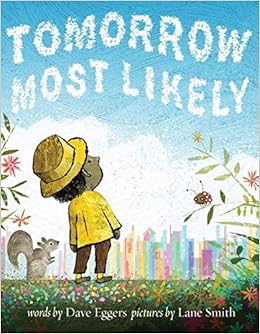
Tomorrow Most Likely by Dave Eggers, illustrated by Lane Smith

Published by Chronicle Books

Image result for tomorrow most likely amazon

Image result for tomorrow most likely amazon

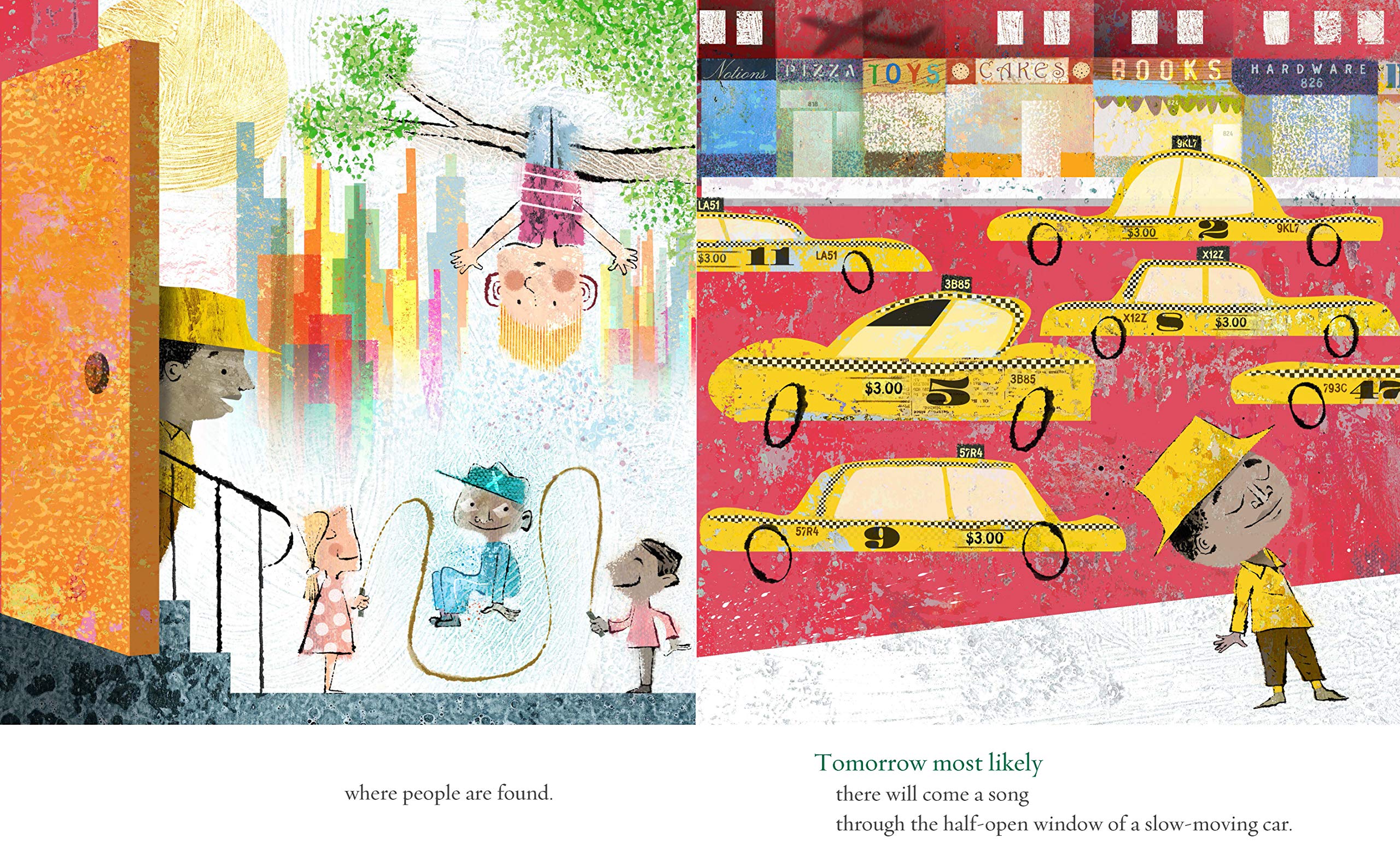
Summary:  “Tomorrow most likely/there will be a sky/And chances are it will be blue/Tomorrow most likely/there will be a squirrel/And chances are his name is Stu.” So begins this unique bedtime story that focuses, not on the night and going to sleep, but of all the wonders that are waiting in the day to come.  What will you see, hear, and touch? Some of it is real, like seeing a plane or holding a stone; some is more fanciful like riding a whale. “Tomorrow most likely/will be a great day/because you are in it/And Stu is okay.” 40 pages; ages 3-7.

Pros:  The quirky rhyming text will get kids contemplating the wonders the next day holds; the illustrations are the best part of this book, filled with color and imagination.

Cons:  Some of the characters, like Stu the squirrel and Cousin Todd, seem to be introduced solely to make a rhyme.

If you would like to buy this book on Amazon, click here.
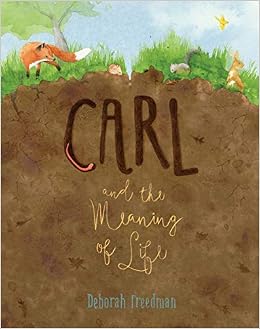
Carl and the Meaning of Life by Deborah Freedman

Published by Viking Books for Young Readers

Image result for carl and the meaning of life amazon

Image result for carl and the meaning of life freedman

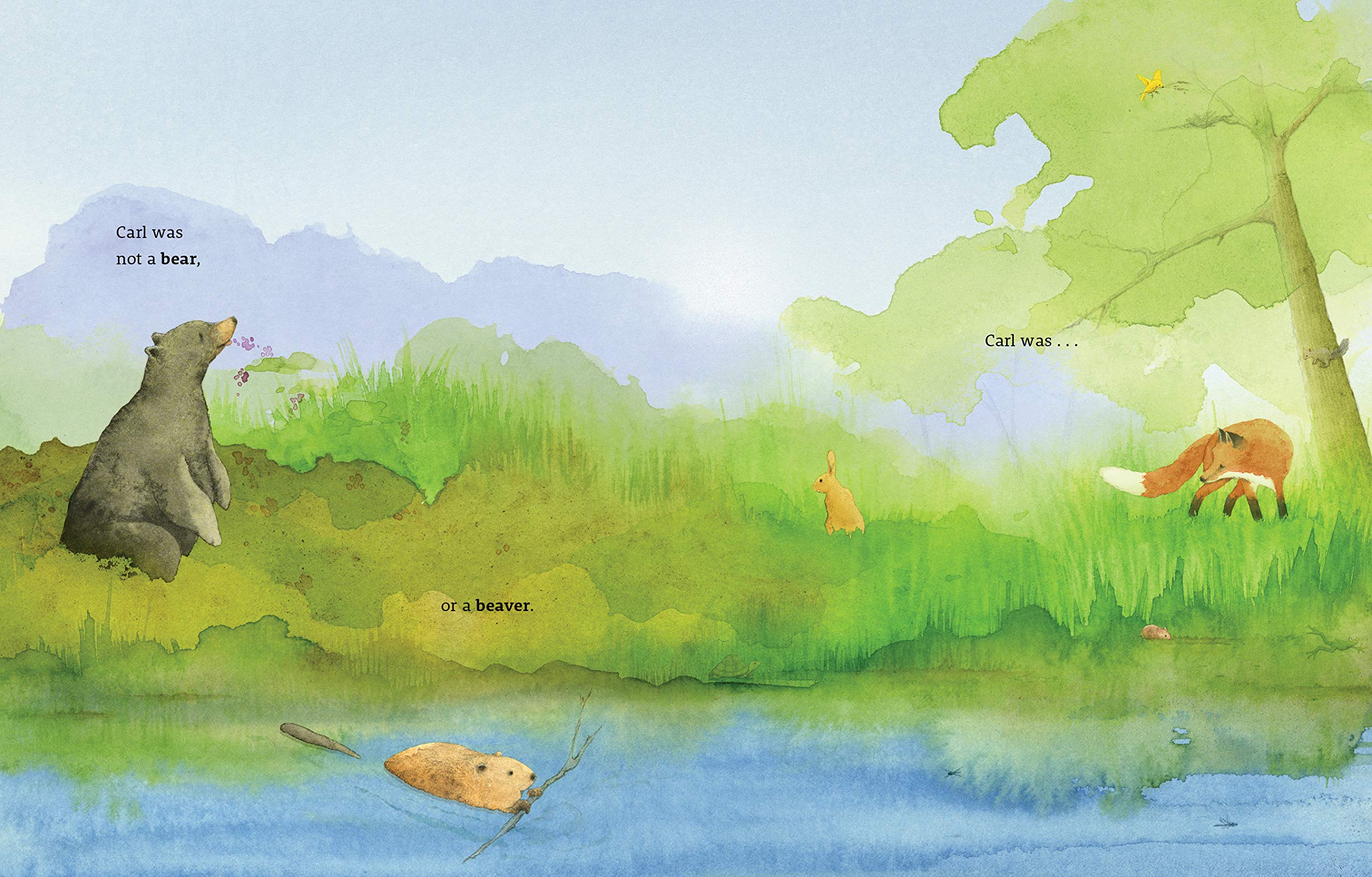
Summary:  Carl is a busy earthworm, going about his wormy activities of eating, digesting, and pooping, when a field mouse asks him, “Why do you do that?”  The question stops Carl cold, and he goes off in search of an answer. He asks different animals, but no one can help him. In the meantime, the soil is getting hard and barren.  When the other animals start to leave in search of new homes, Carl realizes he has a job to do. He gets back to work, and soon the soil is fluffy once again, and the land has become habitable for animals to return.  Includes a brief author’s note about the important job of each animal, and ends with a question for the reader, “How do you help the earth?”  48 pages; ages 3-7.

Pros:  Carl is a cute, loveable protagonist–and it’s not often I say that about an annelid–who has important messages for young readers about taking care of the earth and being the best you can at what you do.

Cons:  A list of books and websites for further reading would have been a nice addition.

If you would like to buy this book on Amazon, click here.
Motor Mouse by Cynthia Rylant, illustrated by Arthur Howard

Published by Beach Lane Books

Image result for motor mouse rylant amazon

Image result for motor mouse rylant amazon

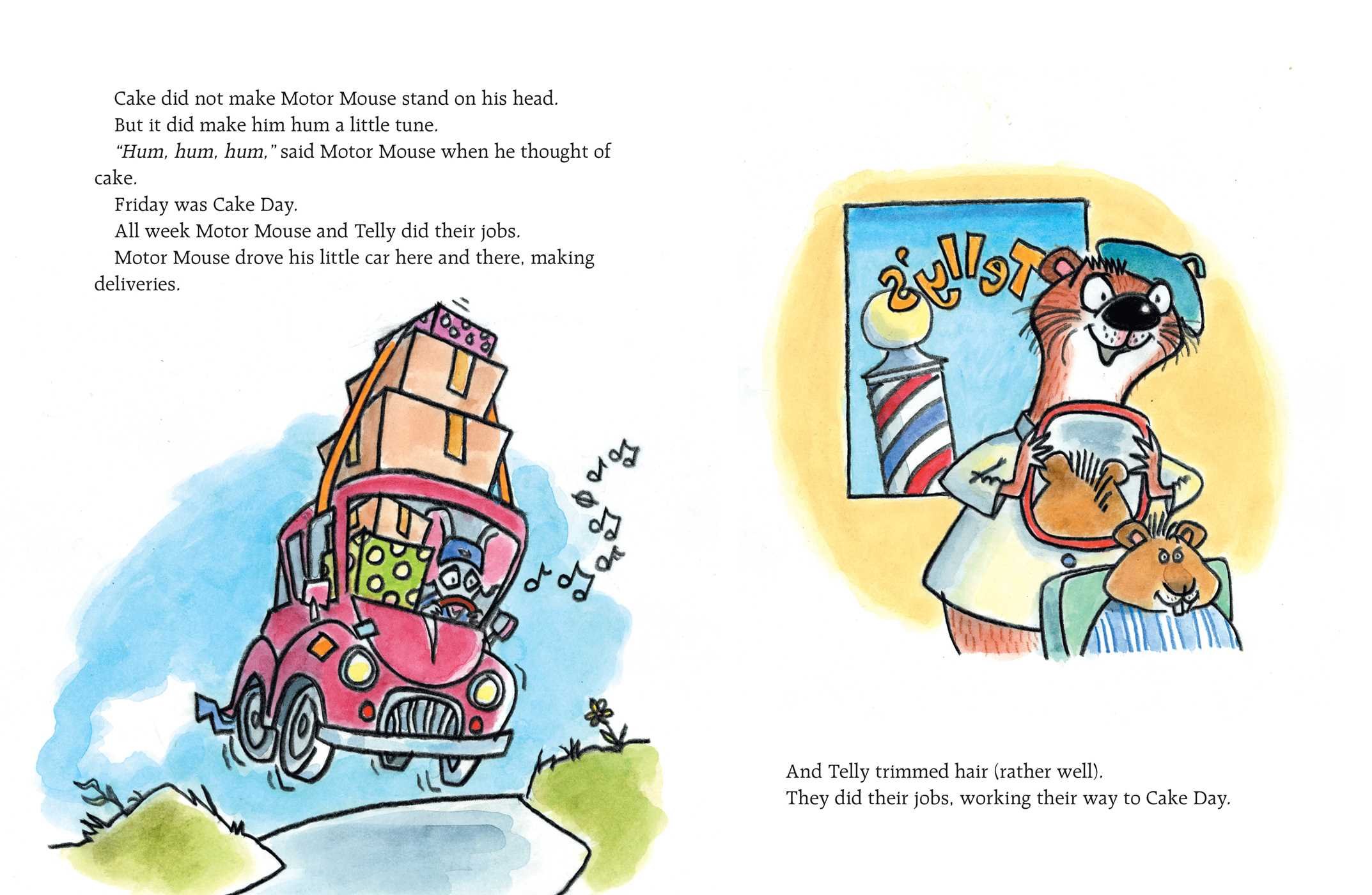
Summary:  The Mr. Putter and Tabby team has created a new early chapter book about Motor Mouse, an adventurous mouse who drives a delivery car for a living.  In the first story, he and his friend Telly are disappointed when the cake store where they usually celebrate Fridays is closed. A hedgehog guides them to a pie store, and they broaden their culinary horizons.  Next, Motor Mouse hires a taxi to take him down Memory Lane, where he reminisces about old friends and makes a new one. Finally, Motor Mouse and his brother Valentino go to the movies together and have to figure out the best way to share their popcorn.  When they do, they celebrate by going out for ice cream. 64 pages; ages 4-8.

Pros:  These cozy, mildly humorous stories are perfect for beginning readers who have already made friends with some of Rylant’s other creations like the aforementioned Mr. Putter and Tabby, Poppleton, and Henry and Mudge.  Plus, they’ll get to read about a lot of good food.

Cons:  While this seems to be targeting the easy reader audience, it’s in the larger picture book format, which will make it a bit tricky to shelve in many libraries.

If you would like to buy this book on Amazon, click here.
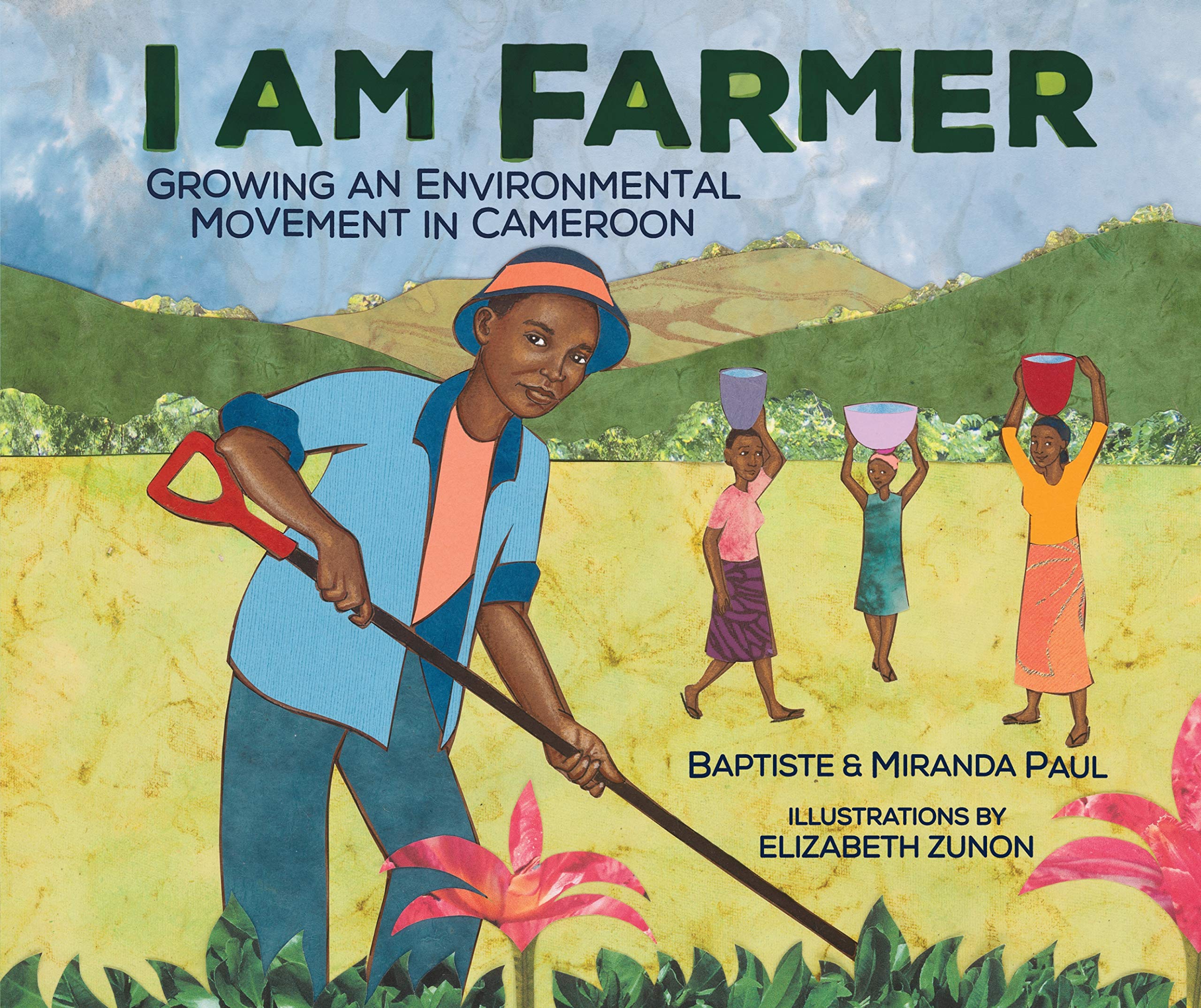
I Am Farmer: Growing an Environmental Movement in Cameroon by Baptiste and Miranda Paul, illustrated by Elizabeth Zunon

Published by Millbrook Press

Image result for i am farmer miranda paul amazon

Image result for i am farmer elizabeth zunon

Summary:  Growing up in Cameroon, Tantoh was sometimes laughed at for asking too many questions in school.  He loved nature, especially learning how to grow plants. His classmates gave him the nickname Farmer, meant to be an insult, but Tantoh embraced the title.  He purposely failed an exam that could have led to a well-paying office job so he could spend all his time outside growing crops. After studying agriculture in Cameroon and the U.S., Tantoh helped transform Cameroon by focusing on clean water and community gardens.  He founded the organization Save Your Future Association to build community, protect the environment, and promote education.  Includes an authors’ note with additional information about Farmer Tantoh, and photos and African proverbs on both the front and back endpapers.  32 pages; ages 7-11.

Pros:  As the authors write about Tantoh in their note: “His story is a reminder of many things–being true to your passion, using resources wisely, and never forgetting your roots.”  It’s an inspirational tale about one person making a big difference for many others.

Cons:  This is not likely to be a book most kids will pick up without some adult guidance.

If you would like to buy this book on Amazon, click here.
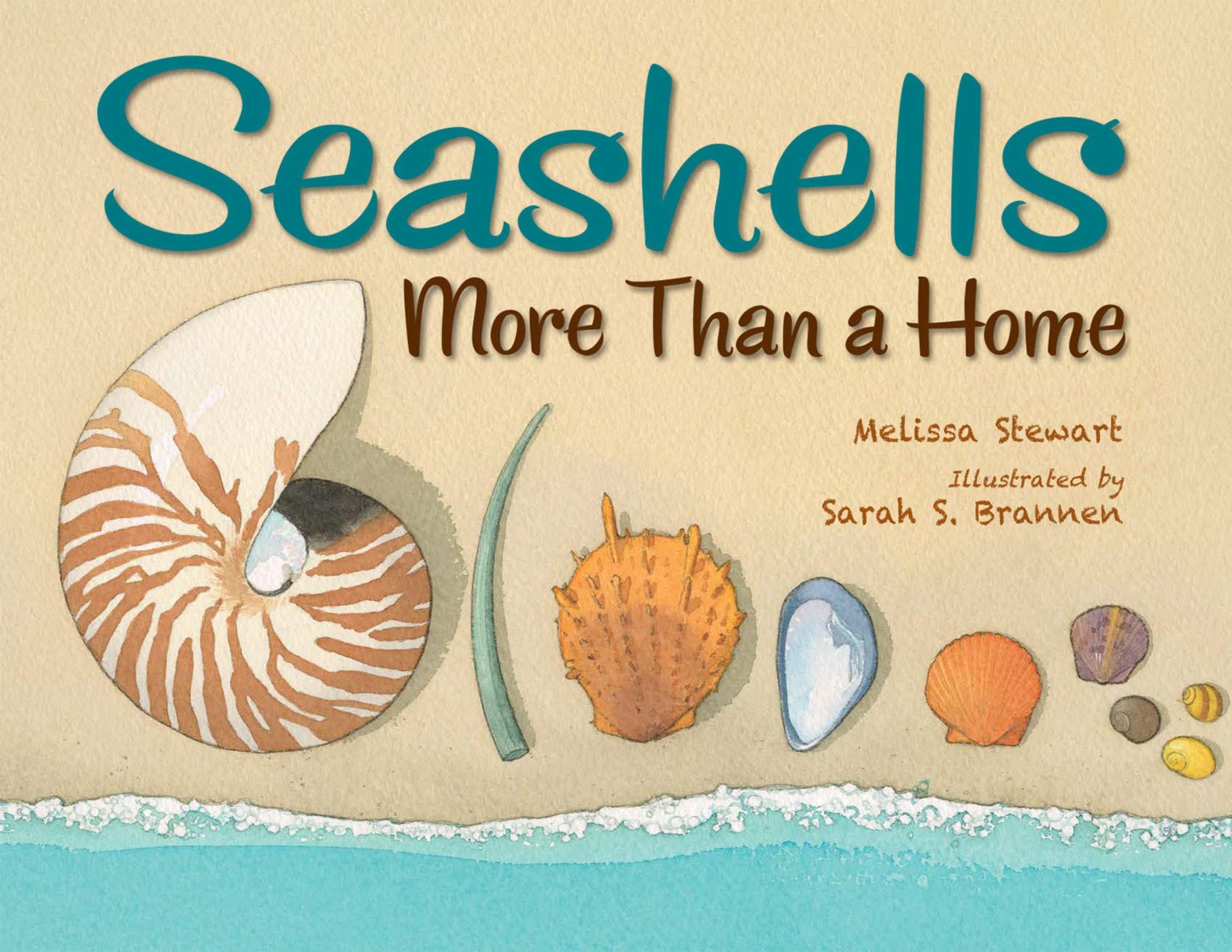
Seashells: More Than a Home by Melissa Stewart, illustrated by Sarah S. Brannen

Published by Charlesbridge

Image result for seashells more than a home amazon

Image result for seashells more than a home brannen

Summary:  How is a shell like an anchor?  A crowbar? A butterfly? The team who brought you Feathers: Not Just for Flying explains how shells serve different purposes for the animals who live inside them.  The pages are designed like pages from a scrapbook, with a paragraph of text accompanied by pictures that look like photographs or sketchbook drawings.  Two pages at the end give more information about five different kinds of shells. Also includes notes from the author and the illustrator, as well as resources for further research.  32 pages; grades K-4.

Pros:  This beautiful science book offers a good introduction to a lot of different types of shells with detailed illustrations that will help kids begin to learn how to identify them.

Cons:  Although I thought Feathers: Not Just for Flying was an equally attractive book, I’ve had a hard time generating any interest in it with kids.

If you would like to buy this book on Amazon, click here.
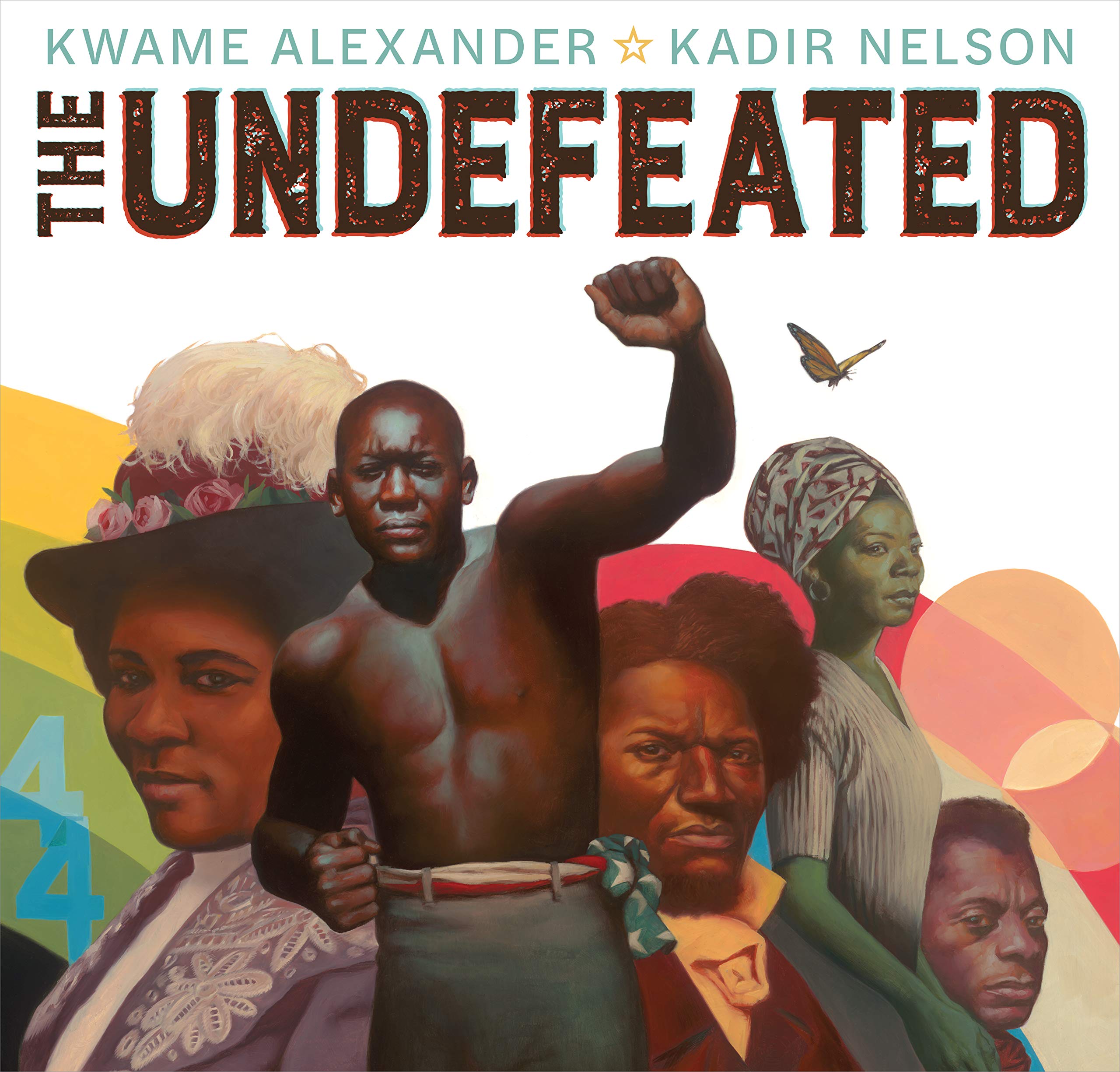
The Undefeated by Kwame Alexander, illustrated by Kadir Nelson

Published by Versify

Image result for undefeated kwame amazon

Image result for undefeated kadir nelson

Summary:  “This is for the unforgettable/The swift and sweet ones/who hurdled history/and opened a world of possibility.”  Kwame Alexander’s poem is an ode to African Americans, both the famous and the unknown ones who played important roles in America’s history.  Kadir Nelson’s oil paintings on white backgrounds portray the subjects; a list at the end identifies them and gives more information about each one. Alexander has also written an afterword to tell how he came to write this poem in 2008, the year his second daughter was born and Barack Obama became president.  He concludes in the final line of the poem, “This is for the undefeated./This is for you./And you./And you./This is for us.” 40 pages; grades 1-5.

Pros:  The poem is extremely moving, as well as being an excellent introduction to a chunk of African-American history.  I hope Kadir Nelson’s amazing paintings will be recognized with some kind of an award.

Cons:  In the group pictures, each person is identified, but it’s just a list, so it’s difficult to tell who is who in the painting.

If you would like to buy this book on Amazon, click here.
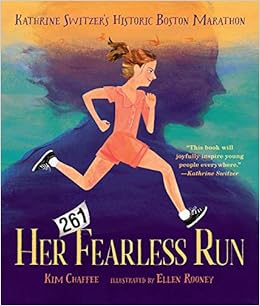
Her Fearless Run by Kim Chaffee, illustrated by Ellen Rooney

Published by Page Street Kids

Image result for her fearless run amazon

Summary:  Growing up in the 1950’s, Kathrine Switzer loved to run at a time when girls weren’t encouraged to pursue athletics.  At Lynchburg College, she was recruited for the men’s track team. When she transferred to Syracuse University, she was no longer allowed to compete, but she still worked out with the men.  Their coach had run the Boston Marathon many times, and Kathrine decided she wanted to try it. Registering as “K. V. Switzer”, she became the first officially registered woman to complete the race (Bobbi Gibb entered as a “bandit”, running the Boston Marathon in 1966).  When asked by reporters why she had done it, she replied simply, “I like to run. Women deserve to run too.” Includes an author’s note, a note about women and the Boston Marathon, and a bibliography. 40 pages; grades K-5.

Pros:  It’s a compelling sports story, and Kathrine comes across as down-to-earth and someone who young readers will relate to.  

Cons:  Bobbi Gibb is mentioned in the women and the Boston Marathon note as someone who completed the marathon “after hiding in the bushes and slipping into the race”, which discounts her achievement as somewhat sneaky.  This is misleading…read a more complete account of her story in last year’s Girl Running.

If you would like to read this book on Amazon, click here.