A Whale of the Wild by Rosanne Parry, illustrated by Lindsay Moore

Published by Greenwillow Books (Released September 1)
A Whale of the Wild: Parry, Rosanne, Moore, Lindsay: 9780062995926 ...

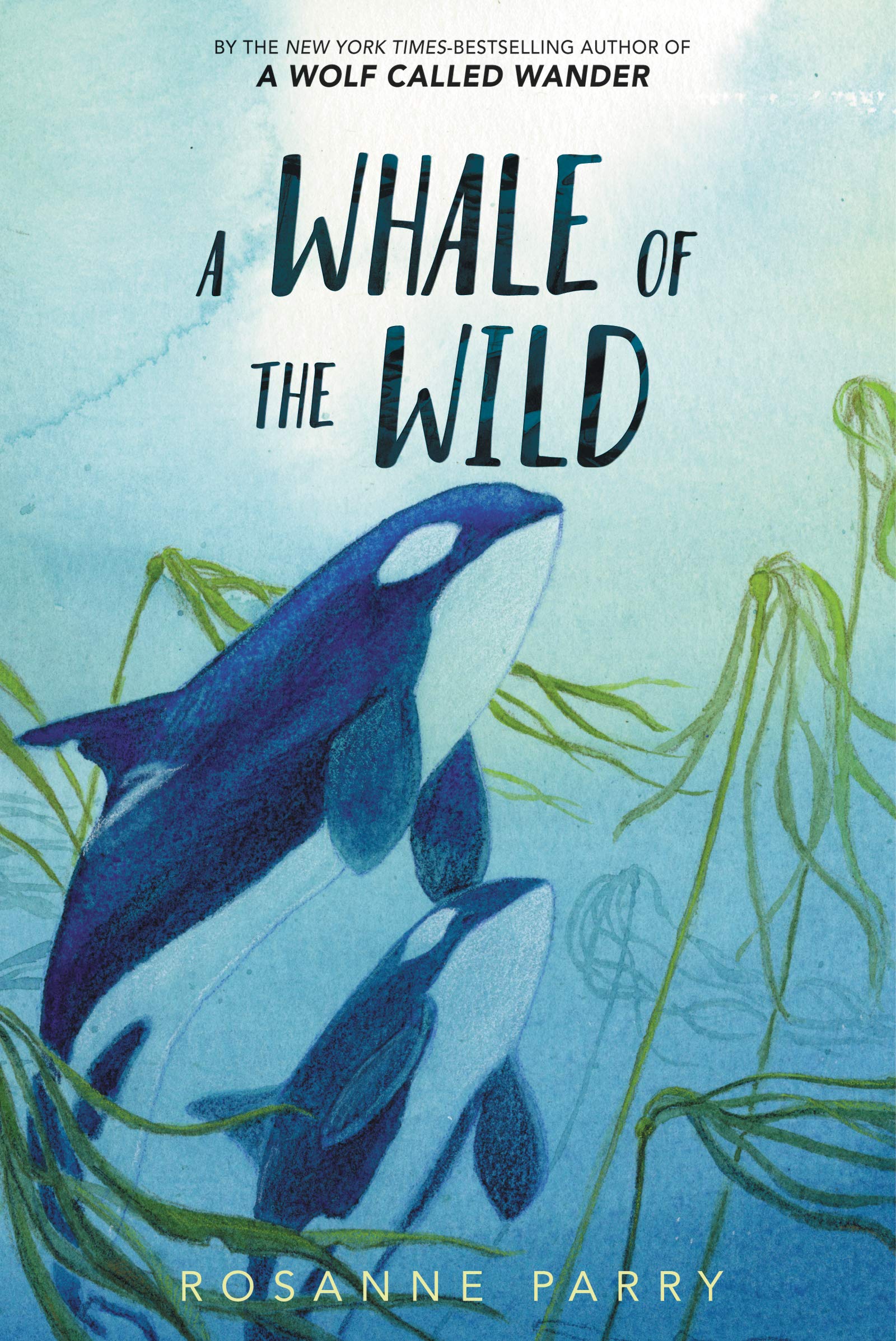
Summary:  Vega and her orca family live in the waters near land, taking care of each other and hunting for the salmon that sustains them.  Vega is learning to be a wayfinder, taught by her mother and grandmother in the matriarchal orca society.  When an earthquake and tsunami separate the family, Vega must keep herself and her younger brother Deneb safe.  They wind up in a much deeper part of the ocean, where they discover sights and creatures they have never seen before.  A harrowing journey back to their home reunites them with a couple of family members and gives them hope that they may find the rest of their kin some day.  Includes maps; facts about orcas; the real orcas who inspired the story; and additional information about salmon, the various habitats in the story, earthquakes and tsunamis, and how to help the orcas (not seen by me in the advanced review copy I got).  336 pages; grades 3-7.

Pros:  Another fascinating animal adventure by the author of A Wolf Called Wander, probably my top book club book in 2019.  Readers will learn a lot about the orcas and their ocean environment, as well as the threat humans pose to them.  I was sorry not to get to see Lindsay Moore’s illustrations (who is oddly not credited on the cover), which I’m sure are beautiful based on her work in Sea Bear.

Cons:  I found myself struggling a bit to get through this book, although it is beautifully written and has plenty of action.  I hope I’ll get to try it out on kids soon to see if they enjoy it as much as Wander

If you would like to buy this book on Amazon, click here.
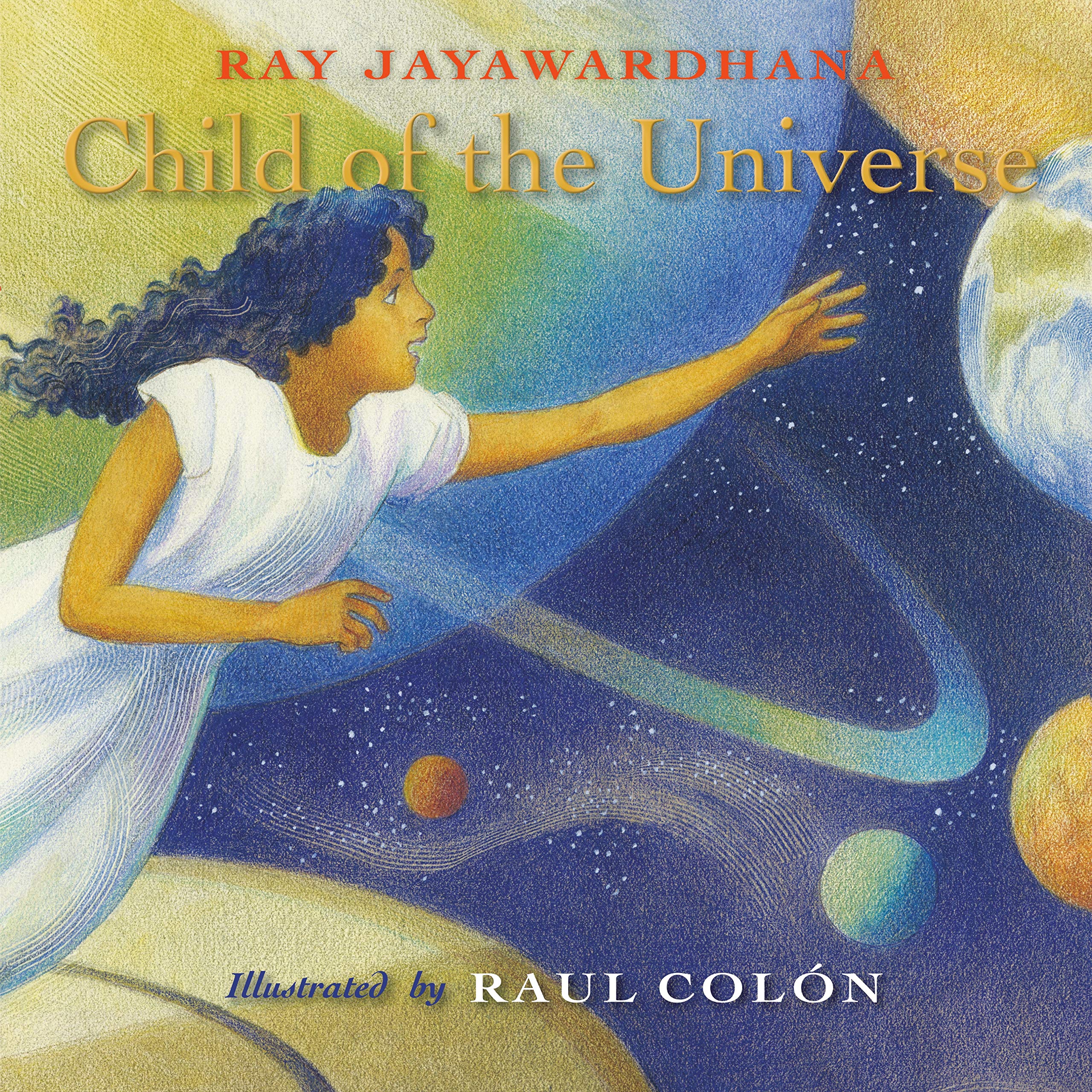
 

Child of the Universe by Ray Jayawardhana, illustrated by Raul Colón

Published by Make Me a World

Child of the Universe: Jayawardhana, Ray, Colón, Raul ...

Child of the Universe: Jayawardhana, Ray, Colón, Raul ...

Summary:  As a girl is getting ready for bed, she and her father look out at the moon.  “The universe conspired to make you,” he tells her, then goes on to compare her to the beauty and majesty of the universe: her hair swirls about her face like the Milky Way, she lights up the room like the sun lights the moon, and the cosmos are reflected in her eyes.  He gives more concrete examples as well, like the fact that the iron and calcium in her blood and bones comes from stars that lived long ago.  On the last page, she gets tucked into bed, and looks out at the moon smiling back at her.  Includes an author’s note that tells of the strong connections to the cosmos that are part of Earth and humanity.  40 pages; ages 3-7.

Pros:  The gorgeous illustrations showing the girl traveling through the cosmos are worthy of Caldecott consideration.  Their brilliant, yet slightly muted colors fill every inch of each two-page spread.  Young scientists will be amazed to learn the science that connects them to the universe.

Cons:  If you’re going to use rhyming text, it has to be really, really good, and this isn’t quite there.  Jayawardhana, a dean at Cornell University who has researched planetary systems and the prospect for life on other planets, seems more comfortable writing his author’s note. 

If you would like to buy this book on Amazon, click here.
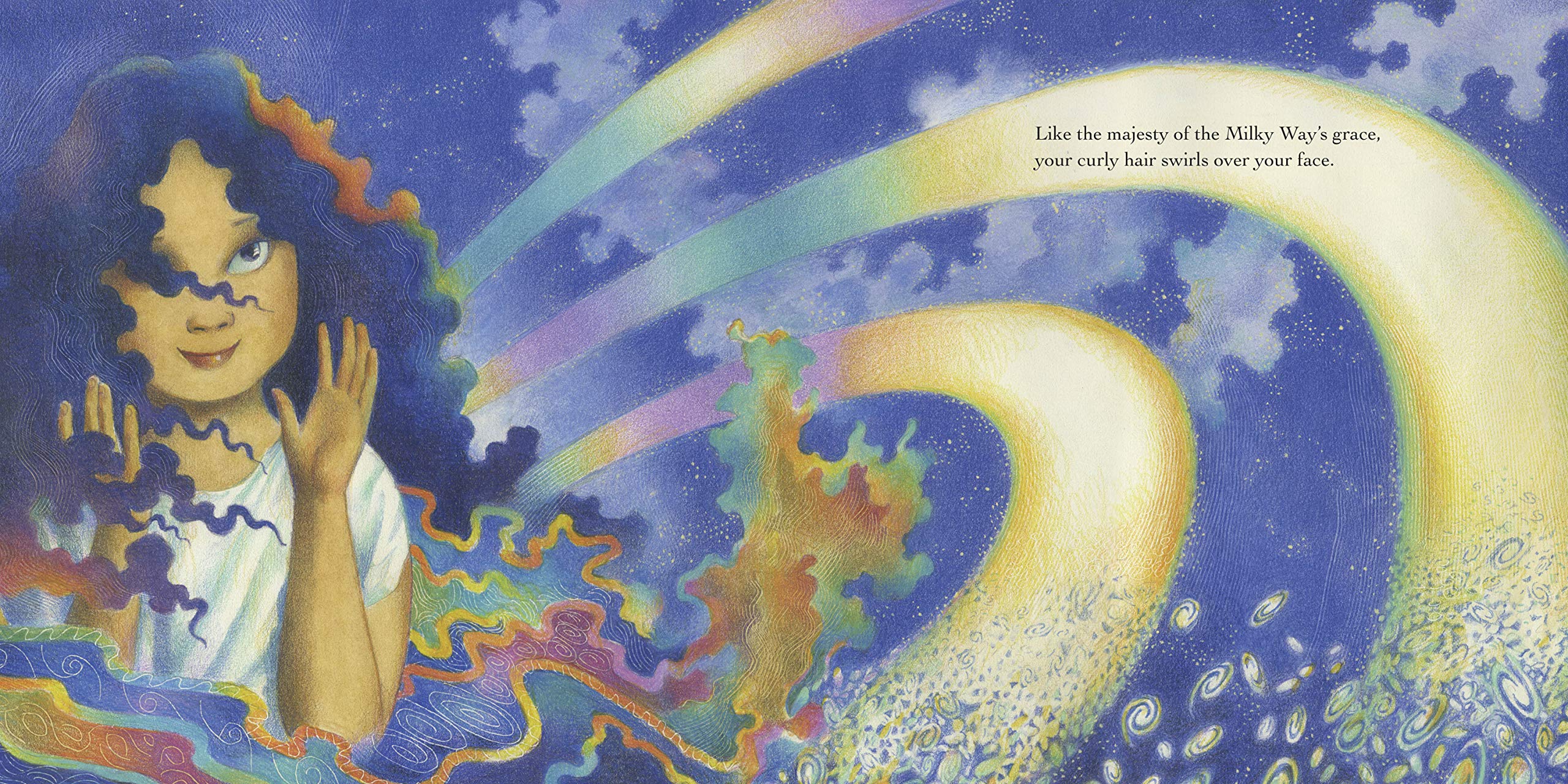
Cityscape: Where Science and Art Meet by April Pulley Sayre

Published by Greenwillow Books

Amazon.com: Cityscape: Where Science and Art Meet (9780062893314 ...

Summary:  “Rectangle. Right angle. Window. Wall. A windy canyon where shadows fall.”  The simple rhyming text is accompanied by several photos on each page showing urban landscapes.  Building, vehicles, and other structures focus on shapes, angles, functions, and art.  The last couple pages discuss how to find science, technology, engineering, math, and art in the city.  A list of 40 questions encourages readers to observe what they see in the city with an inquiring mind.  40 pages; ages 4-8.

Pros:  April Pulley Sayre works her usual magic with her combination of interesting photographs and brief rhyming text.  She moves in a different direction with this book, away from her usual nature topics, and into the city and human-built structures.  There’s a lot to absorb in both the book and the questions at the end, and kids will come away from this book observing their surroundings in a whole new way.

Cons:  Some of the topics seemed somewhat abstract.  On the other hand, this could make the book an interesting read for older kids as well.

If you would like to buy this book from Amazon, click here.

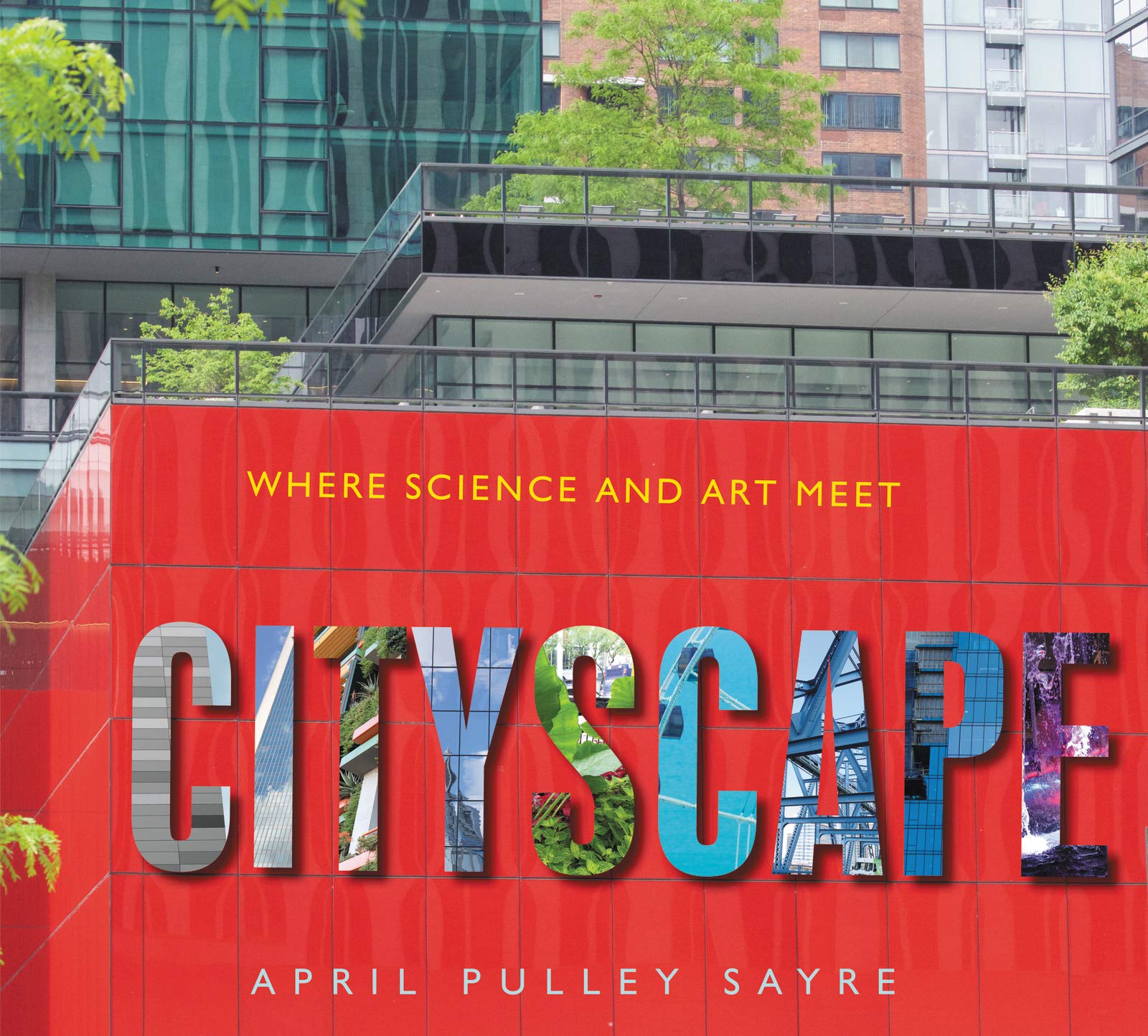
Jabari Tries by Gaia Cornwall

Published by Candlewick (released September 8)

Jabari Tries: Cornwall, Gaia, Cornwall, Gaia: 9781536207163 ...

Jabari Tries: Cornwall, Gaia, Cornwall, Gaia: 9781536207163 ...

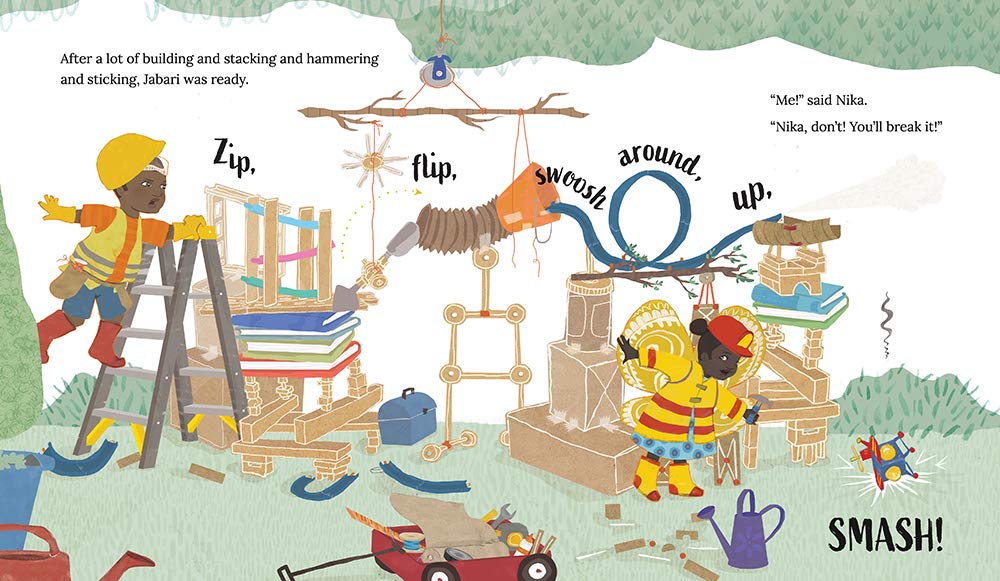
Summary:  Jabari, his little sister Nika, and his dad are back for a follow-up book to Jabari Jumps.  This time, Jabari is excited to be building a flying machine.  “It’ll be easy,” he says.  “I don’t need any help.”  His first attempt flies, but crashes, and Jabari works to redesign it.  He thinks about other Black engineers and scientists who have had to solve problems like this one.  When another attempt fails, his dad suggests that he take Nika on as a partner.  Another crash brings frustration, and Dad helps Jabari take a break, then try again.  Nika turns out to have the key to success, and when Jabari implements it into his design, success!  The two engineers are ready for their next project: a rocket to Jupiter.  32 pages; ages 4-8.

Pros:  I was happy to see the return of Jabari and his family from one of my favorite slice-of-life picture books.  This one celebrates both engineering and grit, helping readers see what it takes to persevere.  

Cons:  This story felt a bit more didactic than the first one.

If you would like to buy this book on Amazon, click here.
Solar System by the Numbers: A Book of Infographics by Steve Jenkins

Published by HMH Books for Young Readers

Solar System: By The Numbers - Kindle edition by Jenkins, Steve ...

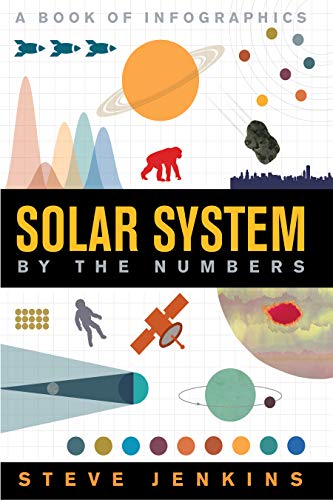
Summary:  Using illustrations, graphs, and diagrams, Steve Jenkins explores the solar system, including the sun, moon, planets, comets, and asteroids.  Comparisons are made of size, climate, gravity, and other features of the different planets, using visuals to make the facts easier to grasp.  Humans’ exploration of the solar system is also shown, with a timeline of solar system discoveries, animals sent to space, and more.  There’s also a page speculating on life in the solar system, and one showing the frequency and effects of different-sized asteroids crashing into Earth.  Includes a glossary and bibliography.  40 pages; grades 2-5.

Pros:  How did Steve Jenkins’s biggest fangirl (as I’m occasionally known) miss this new infographics series?  Dinosaurs and Earth came out last year, and Insects was published simultaneously with Solar SystemAnimals by the Numbers is one of my favorite nonfiction books to book talk.  Just showing kids a page or two sends a bunch of them clamoring for more, so I look forward to sharing these books with science fans.

Cons:  These seem to be marketed as readers for kids starting in first grade, but I think they will find more of an audience with slightly older readers.

If you would like to buy this book on Amazon, click here.
I’m Trying to Love Rocks by Bethany Barton

Published by Viking Books for Young Readers

I'm Trying to Love Rocks: Barton, Bethany: 9780451480958: Amazon ...

I'm Trying to Love Rocks by Barton, Bethany - Amazon.ae

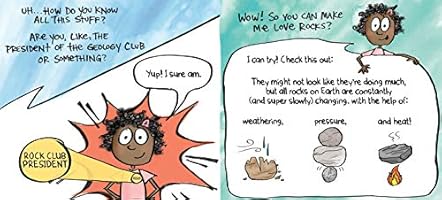
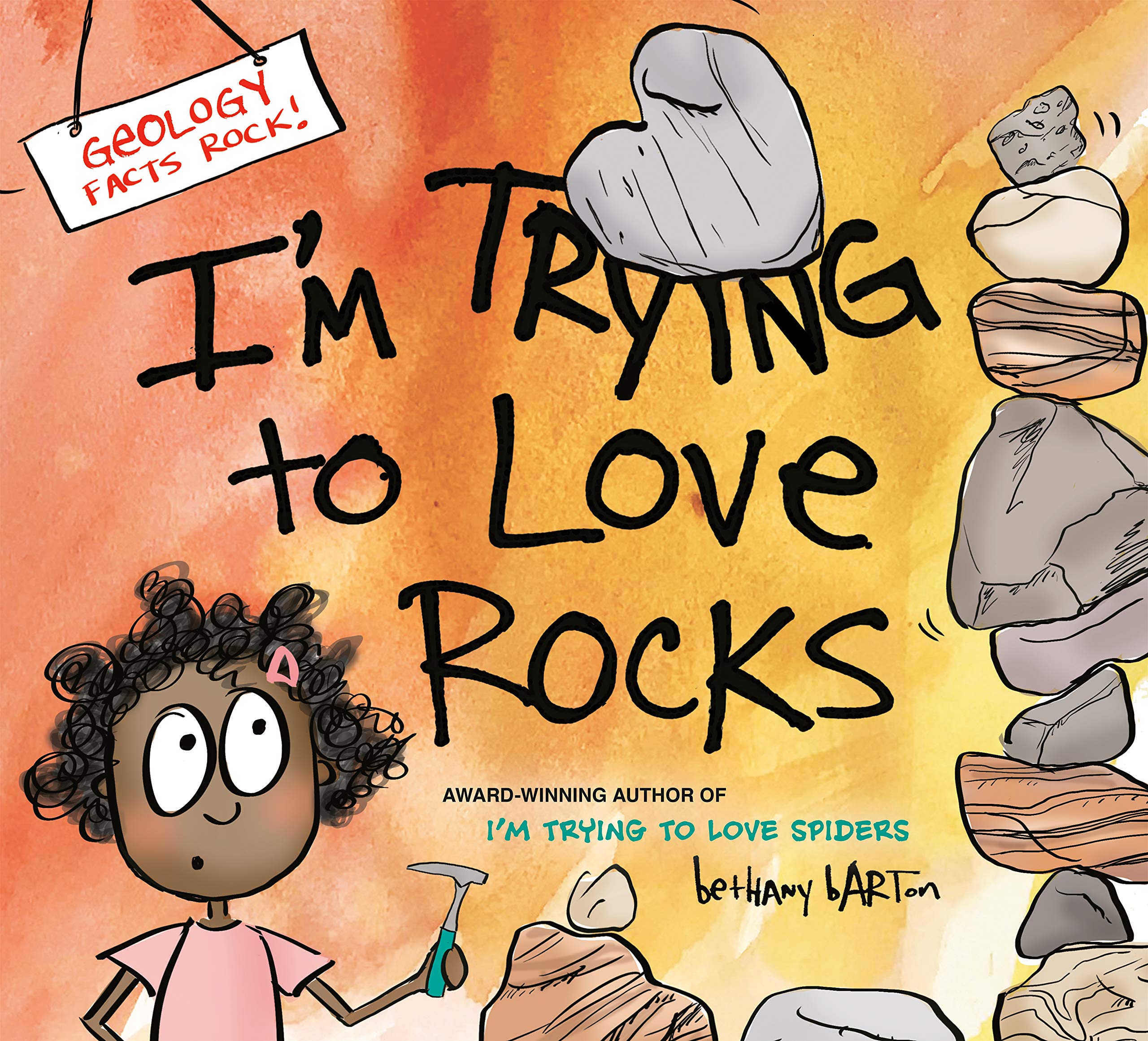
Summary:  The author of three other I’m Trying to Love… books makes seemingly dull, boring rocks come alive with a spirited girl narrator who corrects the off-the-page speaker by showing how rocks tell interesting stories.  She identifies the three types of rocks, explaining how each kind is formed, and goes on to show examples of work geologists do that kids will relate to.  She makes a brief plug for scientists in general, “Science isn’t about having the answers–it’s about asking questions.”  A careful examination of the end papers indicates that her mission has been accomplished: the front papers show a bunch of rocks, each one labeled “rock”, while the end ones have each rock correctly labeled.  40 pages; ages 4-8.

Pros:  Another lively, informative entry in this series, with plenty of humor, bright cartoon-style illustrations and comic bubble dialogue. This would make a perfect introduction to a unit on rocks for preschool and primary grades.

Cons:  No back matter. 

If you would like to buy this book on Amazon, click here.
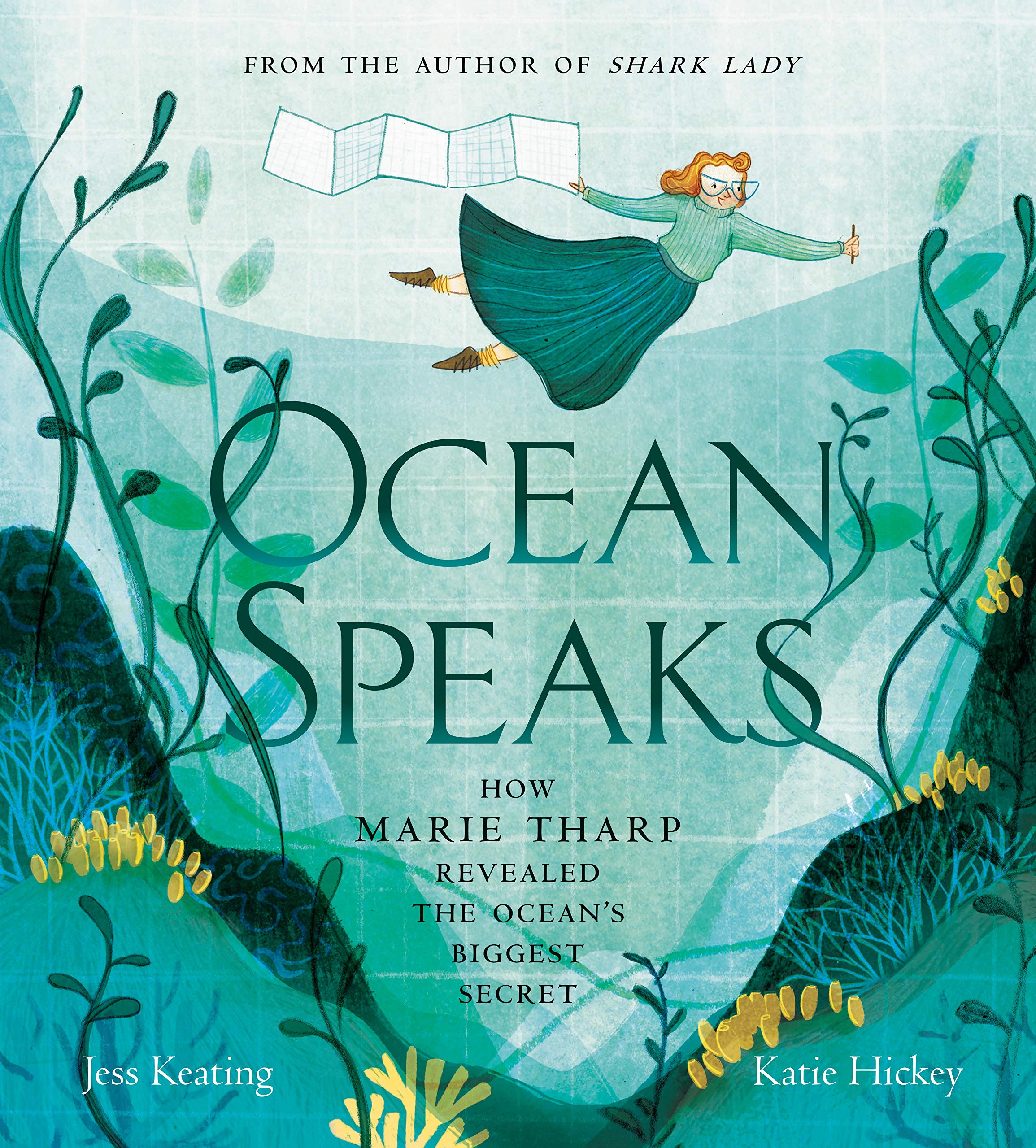
Ocean Speaks: How Marie Tharp Revealed the Ocean’s Biggest Secret by Jess Keating, illustrated by Katie Hickey

Published by Tundra Books (Released June 30)

Ocean Speaks: How Marie Tharp Revealed the Ocean's Biggest Secret ...

Ocean Speaks: Marie Tharp and the Map That Moved the Earth by Jess ...

Summary:  Growing up in the 1920’s and 1930’s, Marie Tharp wasn’t encouraged to pursue her interests in science.  During World War II, however, she was able to study geology and got a job in a lab in New York.  When the men came back from war, they were the ones who went out on research ships to study the ocean, while Marie stayed back in the lab.  She began using the data collected from this research to create a map of the ocean.  Her map revealed a rift valley and mountain ranges under the ocean.  When her work was called into question, she did it over again, coming up with the same results.  Eventually, her mapping was accepted by the scientific world, changing the way scientists think about the geology of the earth.  Includes an author’s note, photo, list of questions and answers, and resources for further reading.  34 pages; ages 4-8.

Pros:  An excellent introduction to the life of a little-known woman scientist that could be used alongside Robert Burleigh’s Solving the Puzzle Under the Sea (2016).  The illustrations complement the text nicely; I particularly like the ones that show Marie sailing on an ocean of ink in a paper boat as she pursues her explorations of the ocean back in the lab.

Cons:  This doesn’t offer as much of the science of continental drift that Tharp helped discover as Burleigh’s book does.

If you would like to buy this book on Amazon, click here.
A Rainbow of Rocks by Kate DePalma

Published by Barefoot Books

A Rainbow of Rocks: DePalma, Kate: 9781782859925: Amazon.com: Books

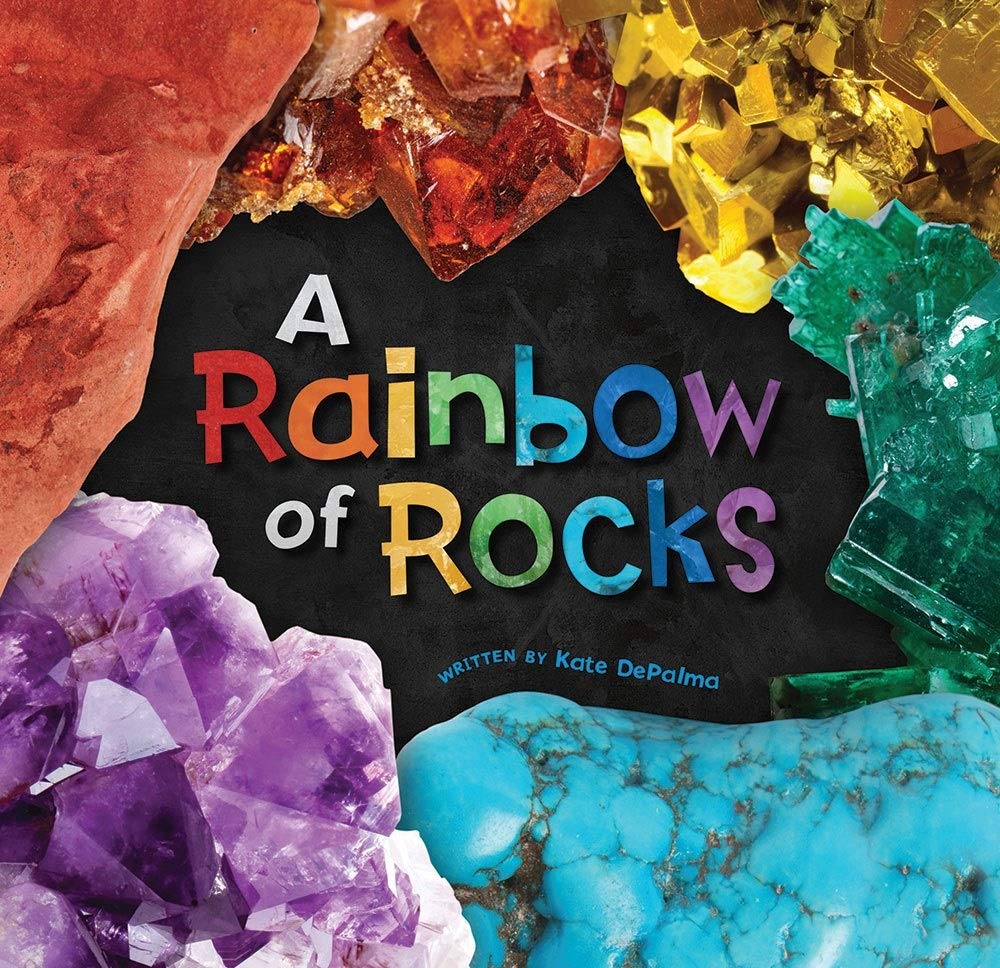
Summary:  Each page features two rocks of the same color on a black background with rhyming text to identify them (“Pyrite cubes reflect the light. Calcite is glassy–edged with white.”).  After going through red, orange, yellow, green, blue, purple, black, and rainbow-colored, the author concludes, “Rocks in every shape and hue. Each one’s different, just like you!”  The final three pages contain five questions about rocks and minerals with fairly in-depth answers.  24 pages; ages 3-7.

Pros:  The photos of are gorgeous, and the back matter provides a good introduction to rocks and minerals.

Cons:  There feels like a disconnect between the rhyming text, which seems most appropriate for preschoolers, and the back matter, which would work for kids up to age 10 or so.

If you would like to buy this book on Amazon, click here.
Stink Fights, Earwax, and Other Marvelous Mammal Adaptations by Laura Perdew, illustrated by Katie Mazeika

Published by Nomad Press (released August 13)

Stink Fights, Earwax, and Other Marvelous Mammal Adaptations by ...

Stink Fights, Earwax, and Other Marvelous Mammal Adaptations ...

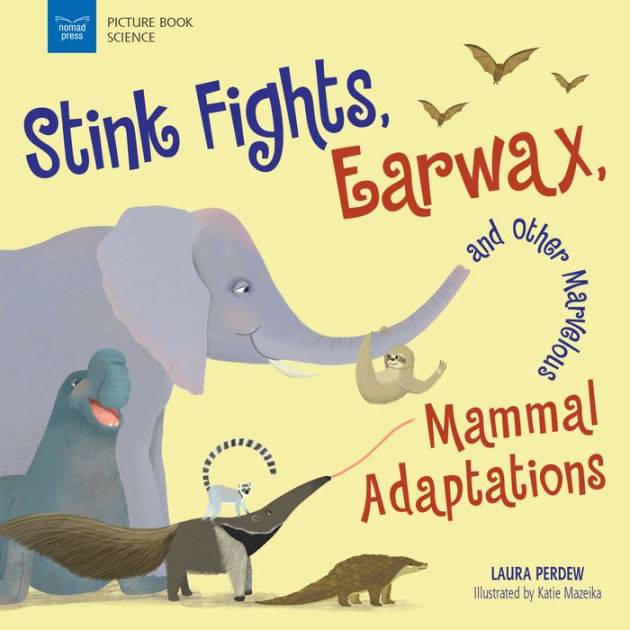
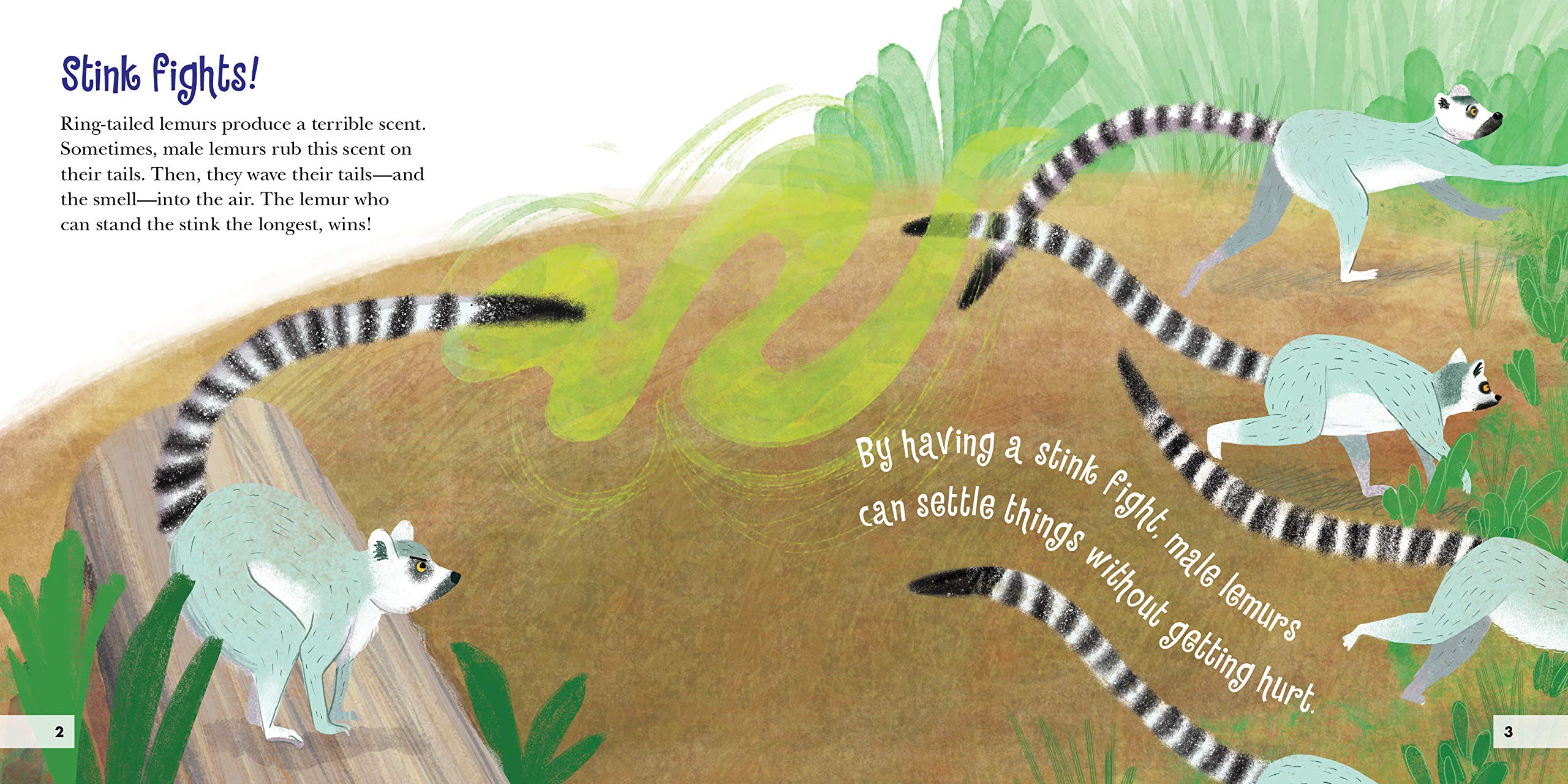
Summary:  Beginning with four haiku about adaptation, the author then moves to a one-page explanation of what animal adaptation is.  From there, it’s a look at individual animals who have interesting adaptations:  ring-tailed lemurs’ stink fights and whales’ earwax from the title, as well as elephants’ ears, star-nosed moles’ noses, giant anteaters’ tongues, and more.  Each two-page spread includes an illustration and a few sentences describing the adaptation and how it helps that animal.  Includes an activity to explore how humans adapt; a page called “Connections” which is a list of fun facts about mammals; and a glossary.  32 pages; ages 4-8.

Pros:  A fun introduction to animal adaptation (specifically mammals) with playful illustrations and facts that are sure to pique the interest of young readers.

Cons:  There’s not a lot of information or additional resources; some facts, like “Elephants have an excellent sense of smell” don’t get any additional explanation.

If you would like to buy this book on Amazon, click on.

Bright Dreams: The Brilliant Ideas of Nikola Tesla by Tracy Dockray

Published by Capstone Editions (released August 1)

Bright Dreams: The Brilliant Ideas of Nikola Tesla by Tracy ...

Bright Dreams: The Brilliant Ideas of Nikola Tesla by Tracy ...

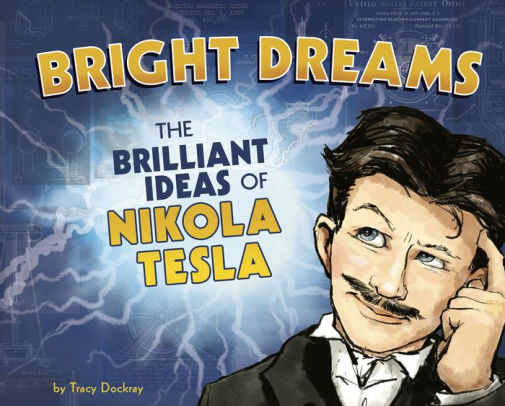
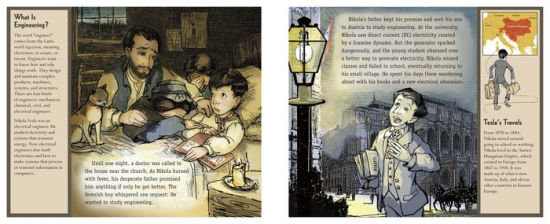
Summary:  Growing up in the 19th-century Austrian empire, Nikola Tesla was fascinated by electricity and dreamed of studying engineering.  Although his father wanted him to become a priest, Nikola eventually got his way.  He was so focused on his questions about electricity, though, that he flunked out of engineering school.  Tesla eventually emigrated to America, where he worked with both Thomas Edison and George Westinghouse to develop his ideas about AC (alternating current) electricity.  In spite of his brilliance, Nikola lacked the social and business skills to make his inventions a success, and died a poor man at the age of 86.  His life and ideas have experienced a revival in recent years, including the naming of the Tesla car.  Includes a timeline, bibliography, and additional sources of information.  32 pages; grades 2-5.

Pros:  This is a good introduction to Nikola Tesla’s life, and would serve as a good starting point for research for elementary kids.  Plenty of sidebars help explain some of the more technical aspects of Tesla’s work.  

Cons:  Thomas Edison sounds like a pretty terrible person.

If you would like to pre-order this book on Amazon, click here.