The Brilliant Deep: Rebuilding the World’s Coral Reefs by Kate Messner, illustrated by Matthew Forsythe

Published by Chronicle Books
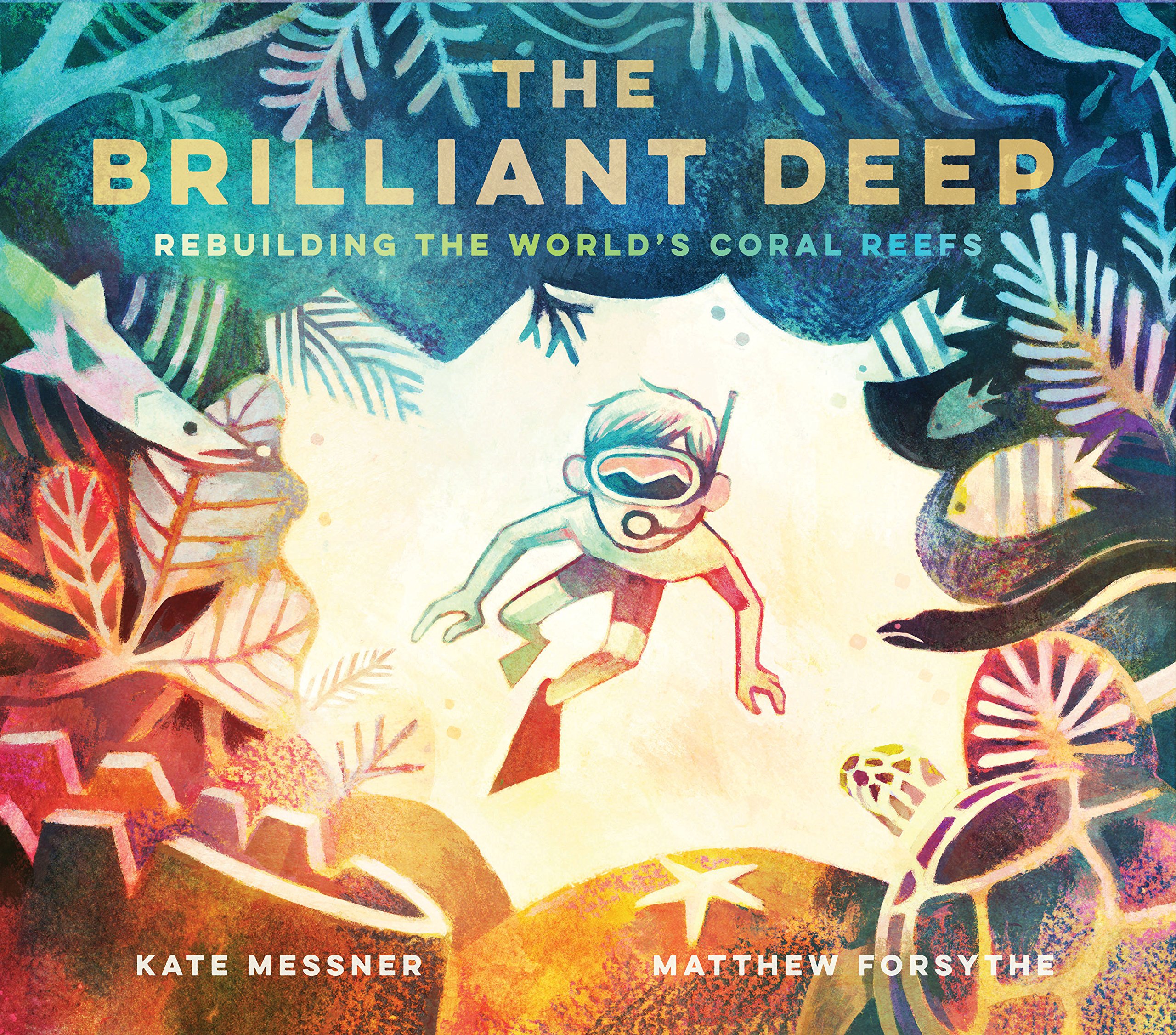
Image result for brilliant deep kate messner

Image result for brilliant deep kate messner amazon

Summary:  Growing up near Kennedy Space Center, the son of a NASA engineer, Ken Nedimyer was surrounded by science.  Ken loved science, too, but he was more interested in the ocean, enjoying TV shows featuring Jacques Cousteau and exploring the coral reefs off the Florida Keys. As he got older, though, Ken was saddened to see the coral reefs dying.  As an adult, he owned a live rock farm, a business where he sold rocks covered with invertebrates like mollusks and sponges to keep saltwater aquariums healthy. When he found coral growing on his rocks, he experimented with gluing them onto undersea rocks where the coral reefs used to be.  The success of this experiment led to a group called the Coral Restoration Foundation that has restored some of the reefs in the Keys and is now spreading its message around the world. Includes additional resources, vocabulary, and some ways kids can help. 48 pages; grades 1-4.

Pros:  An inspiring story of one person making a big difference in the world, illustrated with beautiful pastels that capture the subtle colors of the coral reefs.

Cons:  Saving the coral reef seemed to be no more difficult than a simple craft project.
If you would like to buy this book on Amazon, click here.

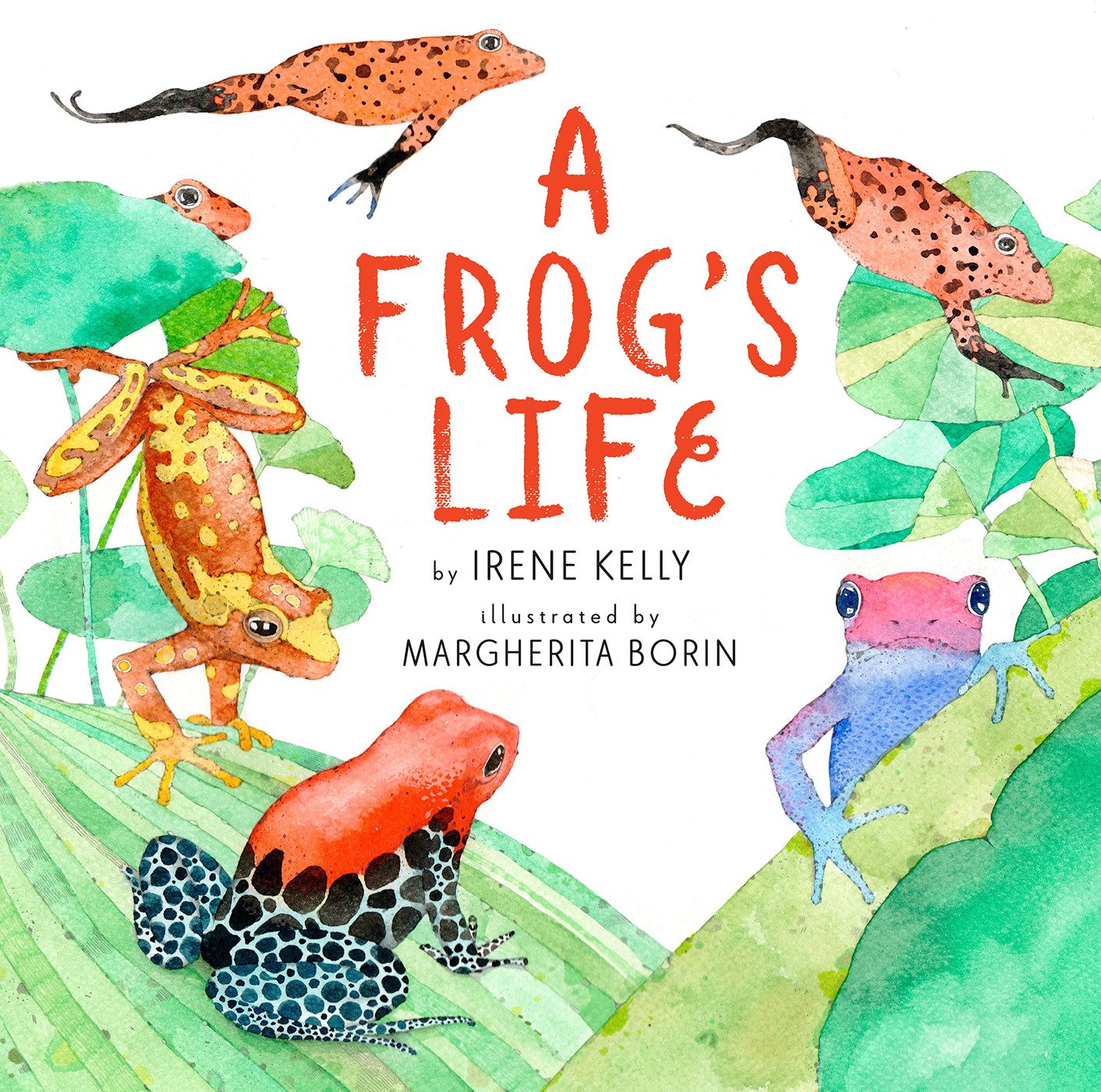
A Frog’s Life by Irene Kelly, illustrated by Margherita Borin

Published by Holiday House

Image result for frog's life irene kelly

Summary:  A thorough look at frogs and toads (according to this book, a toad is a kind of frog; personally, I can never remember the distinctions) that includes anatomy, habitat, reproduction, and prey and predators.  Each page includes labeled watercolor illustrations of a great variety of frogs. The last couple pages discuss the different reasons why frogs are endangered, and the back matter includes ways kids can help them, as well as an index.  40 pages; grades K-4.

Pros:  Whether a reader is interested in research or simply learning more about frogs, this book would make an excellent starting place.  The information is engagingly presented, and the large colorful illustrations will appeal to amphibian aficionados.

Cons:  A list of additional resources would have been a nice addition to the back matter.

If you would like to buy this book on Amazon, click here.


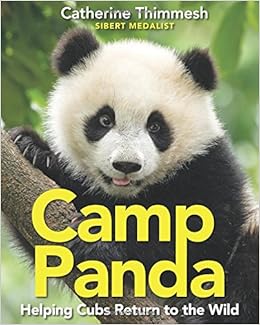
Camp Panda: Helping Cubs Return to the Wild by Catherine Thimmesh

Published by HMH Books for Young Readers

Image result for camp panda amazon

Summary:  Pandas almost disappeared from China after poaching and habitat destruction nearly wiped them out.  Yet over the last few decades, the number of pandas has slowly risen, thanks to intensive conservation efforts.  The author examines both the issues of what caused their decline and how scientists have slowly helped reintroduce pandas into the wild.  Early efforts didn’t always succeed, and these are documented as well. Interestingly, there are those who believe pandas should be allowed to die out as part of the natural order, and this point of view is also explored.  The final chapter summarizes successes, not only in the panda conservation movement, but in helping other endangered species. Includes glossary, sources, index, and a list of ways to help endangered species. 64 pages; grade 4-7.

Pros:  Sibert medalist Catherine Thimmesh (Team Moon) gives a complete, engaging picture of the state of the panda, an animal whose adorableness has led to it becoming the face of the World Wildlife Fund.  And speaking of adorable, readers of all ages will enjoy the many photos illustrating the text.

Cons:  I know they’re an important part of the conservation process, but it’s hard for me to take the guys in panda suits seriously.

Image result for human panda suit

If you would like to buy this book on Amazon, click here.

Misunderstood Shark by Ame Dyckman, illustrated by Scott Magoon

Published by Orchard Books

Image result for misunderstood shark ame amazon

Image result for misunderstood shark scott magoon

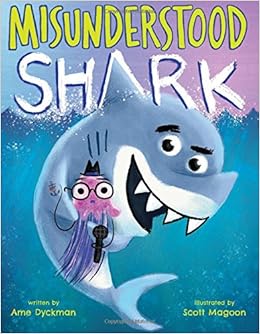
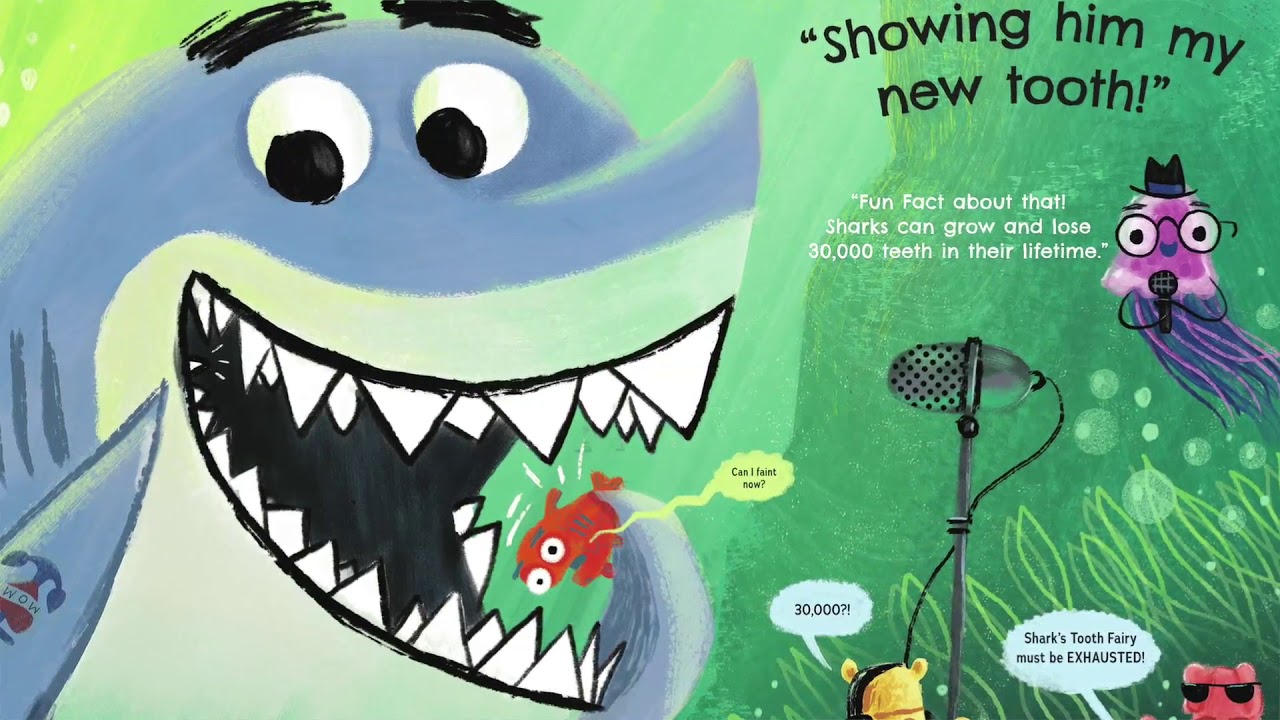
Summary:  A crew of underwater creatures is interviewing Shark to present fun facts to the folks watching back home.  Shark keeps getting doing shark-ish things, like eating a baby seal or going after a human who has a cut on his knee. When caught, he always has an excuse: “I was just helping her find her family!” “I brought boo-boo strips!”  Interspersed with the hi-jinks are some actual facts about sharks. Shark feels so misunderstood that he needs a hug; the squid broadcaster provides one, but then gets eaten…or is Shark really just playing hide and seek? The show signs off with a voice from inside Shark’s stomach.  48 pages; ages 3-7.

Pros:  Who wouldn’t love a goofy shark story?  There will be plenty of laughs in the audience, both from the text and the illustrations.

Cons:  I can’t help being a bit disturbed by the ending.

If you would like to buy this book on Amazon, click here.

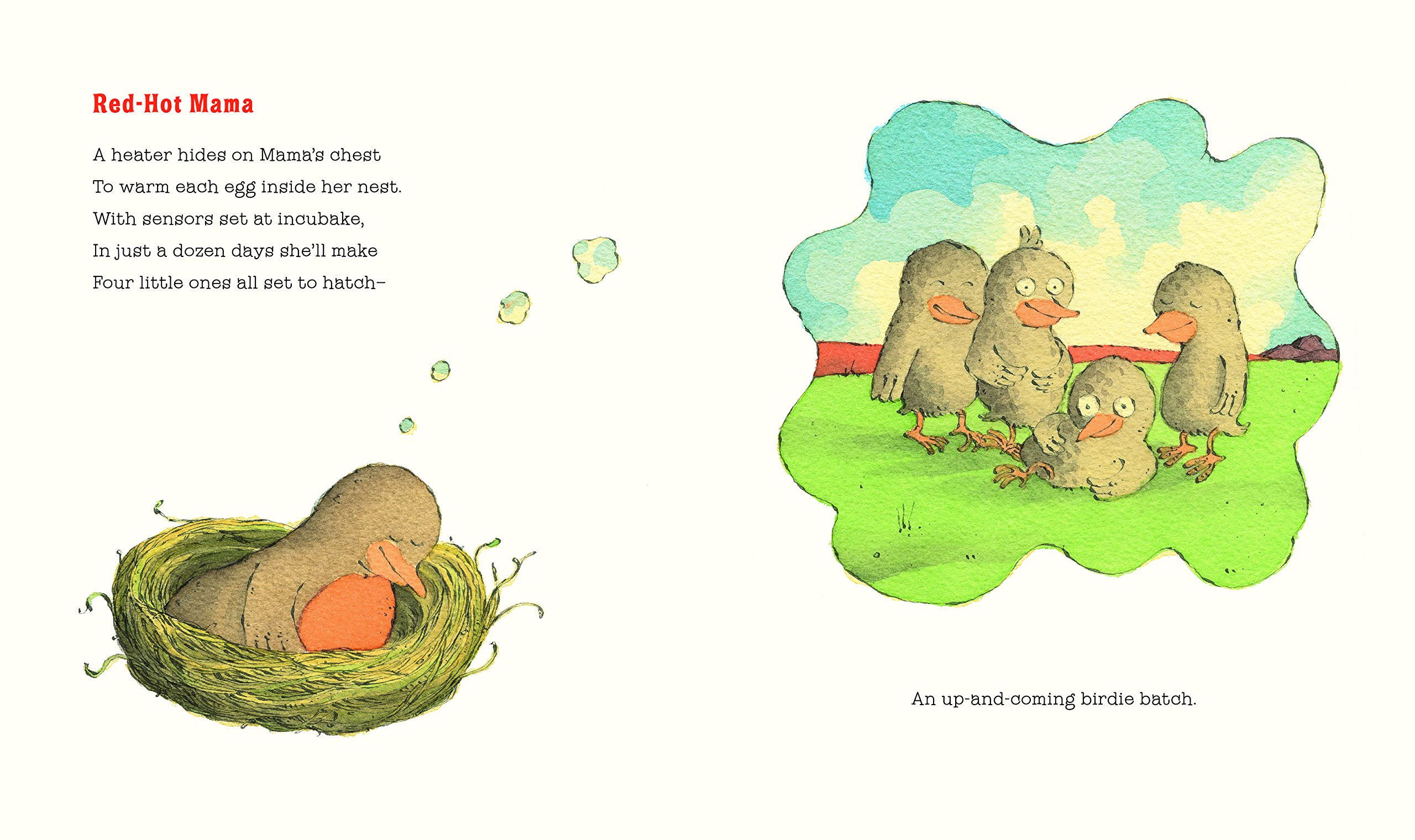
A Round of Robins by Katie Hesterman, illustrated by Sergio Ruzzier

Published by Nancy Paulsen Books

Image result for round of robins amazon

Image result for round of robins katie hesterman

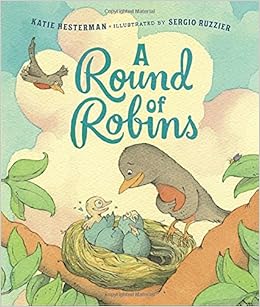
Summary: A male and female robin build a nest; before long, there are four eggs inside. Twelve days later, the babies hatch. After a period of mostly sleeping and eating, the fledglings are ready to fly. They learn to find their own food and defend themselves, and before long, Mom and Dad have an empty nest. Not for long, though; the mother lays four more eggs, and twelve days later….40 pages; ages 4-8.

Pros: The first part of a robin’s life cycle is described with playful rhymes and cute illustrations that reminded me of P. D. Eastman’s The Best Nest and Are You My Mother?

Cons: Some back matter would have helped explain some of the poems and made this more useful as an informational book.

If you would like to buy this book on Amazon, click here.

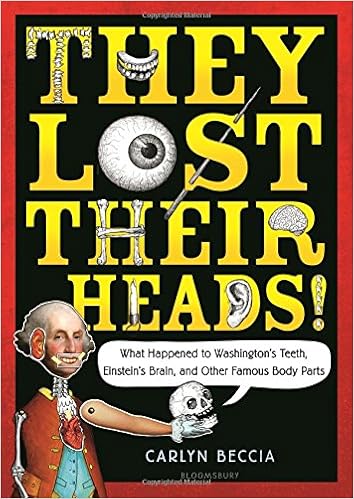
They Lost Their Heads: What Happened to Washington’s Teeth, Einstein’s Brain, and Other Famous Body Parts by Carlyn Beccia

Published by Bloomsbury

Image result for they lost their heads amazon

Image result for they lost their heads carlyn becchia

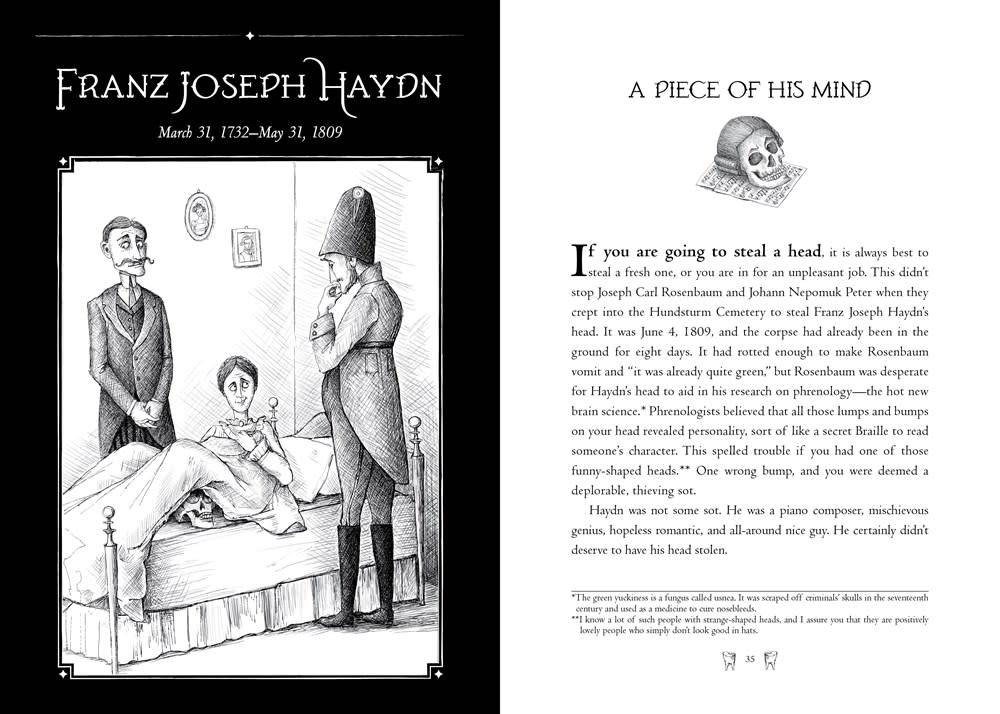
Summary:  17 chapters recount the fates of the body parts in the title, as well as Sarah Bernhardt’s leg, Vincent Van Gogh’s ear, Elvis’s wart, and more.  Each chapter is followed by several more short tales of relevant anatomy.  20+ pages between the last two chapters go into greater detail about cloning, stealing body parts, and some pretty disgusting food and beverage trivia.  The writing is breezy and irreverent, with lots of humorous footnotes, and there are plenty of illustrations throughout.  Includes an extensive bibliography and index.  192 pages; grades 5-8.

Pros:  The humor targets the age group perfectly; readers will enjoy grossing out their peers and elders while inadvertently learning some history and science.  The black and white etchings reminded me a little bit of Edward Gorey’s art.

Cons:  Some of the stories, particularly those involving ingesting body parts and fluids, were a little over the top for me.  But then, I am not a 12-year-old boy.

If you would like to buy this book on Amazon, click here.


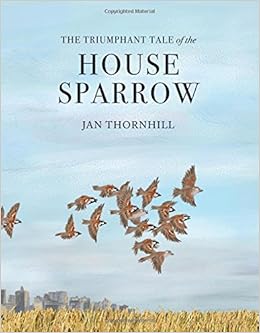
The Triumphant Tale of the House Sparrow by Jan Thornhill

Published by Groundwood Books

Image result for triumphant tale sparrow thornhill amazon

Summary:  As she did in The Tragic Tale of the Great Auk, Jan Thornhill tells the story of the interaction between birds and humans.  This one has a happier ending, though, as house sparrows have proven to be incredibly adaptable, often becoming pests that feed on agricultural grains.  The birds have spread around the globe with humans, traveling on ships with Roman soldiers to Great Britain and being introduced to the United States by homesick immigrants.  Despite their peskiness, sparrows also eat a lot of insects, as Chairman Mao discovered in 1958; his campaign against the Eurasian Tree sparrows led to a devastating famine in China. In the early 1980’s, the population of sparrows began to fall, and the author offers several theories–all of them based on human factors–for this decline.  In some places, this is starting to level off, offering hope that the house sparrow’s adaptability is helping it to survive in a changing world. Includes a map showing where the house sparrow lives; its life cycle; a glossary; and additional resources. 44 pages; grades 3-6.

Pros:  Beautifully illustrated and engagingly narrated, this informational book will help students learn more about animal adaptation and the relationship that exists between humans and animal species.

Cons:  I’ve always thought sparrows were kind of cute, and didn’t realize they are considered “the most despised bird in human history.”

If you would like to buy this book on Amazon, click here.

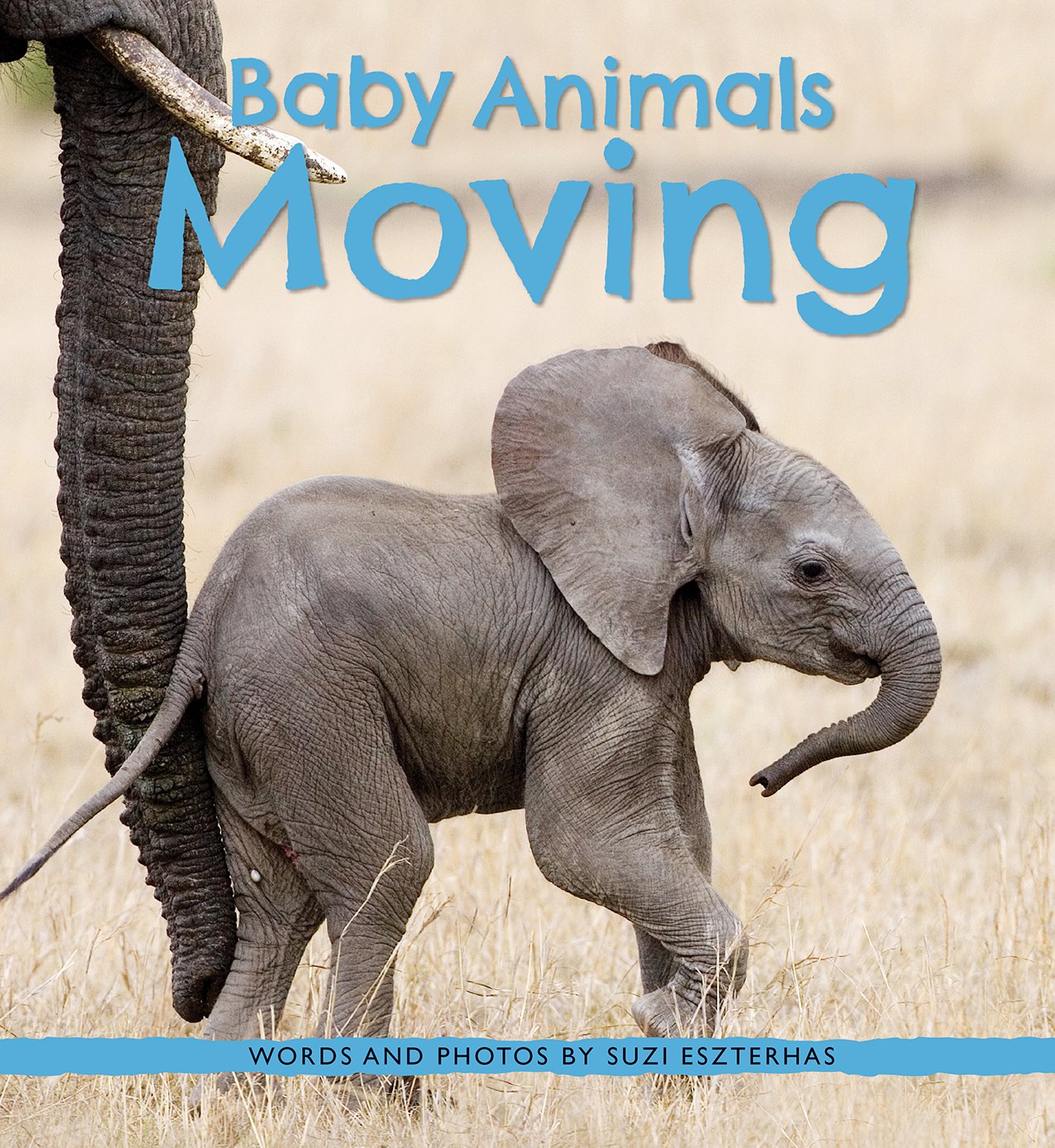
Baby Animals Moving by Suzi Eszterhas

Published by Owlkids

Image result for baby animals moving eszterhas amazon

Summary:  Young animals are shown on the move.  Some, like the zebra, can move independently practically at birth, while others, like kangaroos, get a ride with parents.  Each two page spread shows one or two animals moving with their parents, and includes a sentence or two of text describing what’s going on.  Suzi Eszterhas introduces herself on the last two pages, showing additional photographs taken for this book, and explaining a bit about her work as a wildlife photographer.  24 pages; ages 3-8.

Pros:  Another work of almost unbearable cuteness by Suzi Eszterhas.  Kids will love looking at the pictures, and the text is accessible for preschoolers.  Look for other books in this series: Baby Animals Eating and Baby Animals Playing.

Cons:  There’s not a lot of information if readers are doing any kind of research.

If you would like to buy this book on Amazon, click here.

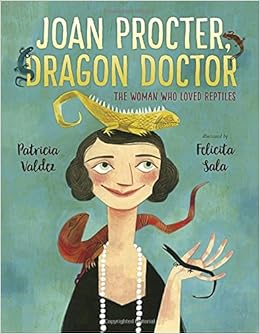
Joan Procter, Dragon Doctor: The Woman Who Loved Reptiles by Patricia Valdez, illustrated by Felicita Sala

Published by Knopf Books for Young Readers

Image result for joan procter dragon doctor amazon

Image result for joan procter dragon doctor

Summary:  From the time she was a young girl, Joan Procter loved reptiles.  Instead of a doll, she carried around her favorite lizard, and she got a pet crocodile for her 16th birthday.  She started hanging out with the curator of reptiles and fish at the Natural History Museum when she was still in high school. He was impressed enough to hire Joan as his assistant, and she eventually took over his job when he retired.  From there, she went to work at the London Zoo, designing a new reptile house. The most amazing part of her new creation was the exhibit featuring Komodo dragons, a fabled but little-known animal from Indonesia.  People assumed they were ferocious, but Joan soon learned they were quite gentle, and one of them, Sumbawa, became something of a pet to her. He often accompanied her around the zoo, at children’s tea parties she held there, and even at a scientific presentation at the Zoological Society in London.  An author’s note gives more biographical information, including the sad fact that Joan was sickly much of her life and died at the age of 34. 40 pages; grades K-4.

Pros:  Kids will warm up right away to Joan and her love of animals; they’ll also be inspired by her groundbreaking work as a woman scientist.  The illustrations are beautiful, especially the ones of the reptiles.  And who doesn’t love a Komodo dragon?

Cons:  Hopefully no reader will be inspired to bring a baby crocodile to math class, like Joan did.

If you would like to buy this book on Amazon, click here.

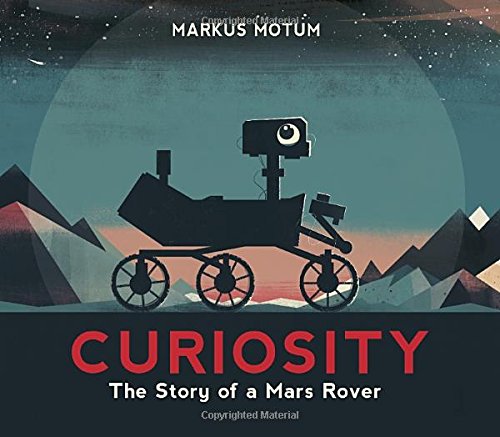
Curiosity: The Story of a Mars Rover by Markus Motum

Published by Candlewick

Image result for curiosity mars rover motum amazon

Summary:  In a first-person narration, the Mars rover Curiosity tells her story, beginning before she was built, when scientists at NASA started designing probes to learn more about Mars.  Curiosity (she was named by a sixth grader from Kansas) was to be larger and more advanced than any of the previous probes.  Labeled illustrations show the processes of designing and building her in Los Angeles, then flying her to Florida, where she was launched on November 26, 2011.  After 253 days of space travel and a somewhat precarious landing, Curiosity began the work of exploring Mars that she continues today.  Includes additional information about Mars rovers, a timeline, and a glossary.  56 pages; grades 2-6.

Pros:  The personification of the rover makes it accessible for elementary school kids; the text, illustrations, and labeled diagrams provide a lot of information.

Cons:  Two design issues: the book is so large it feels a bit unwieldy, and some of the black-on-blue or blue-on-black type/background combinations are difficult to read.

If you would like to buy this book on Amazon, click here.