Five more favorite picture books

This is my last set of favorite picture books, I promise!  I don’t know that any of these will win awards, but they have a lot of kid appeal, which sometimes counts for as much or more, in my opinion.


Carl and the Meaning of Life by Deborah Freedman

Published by Viking Books for Young Readers
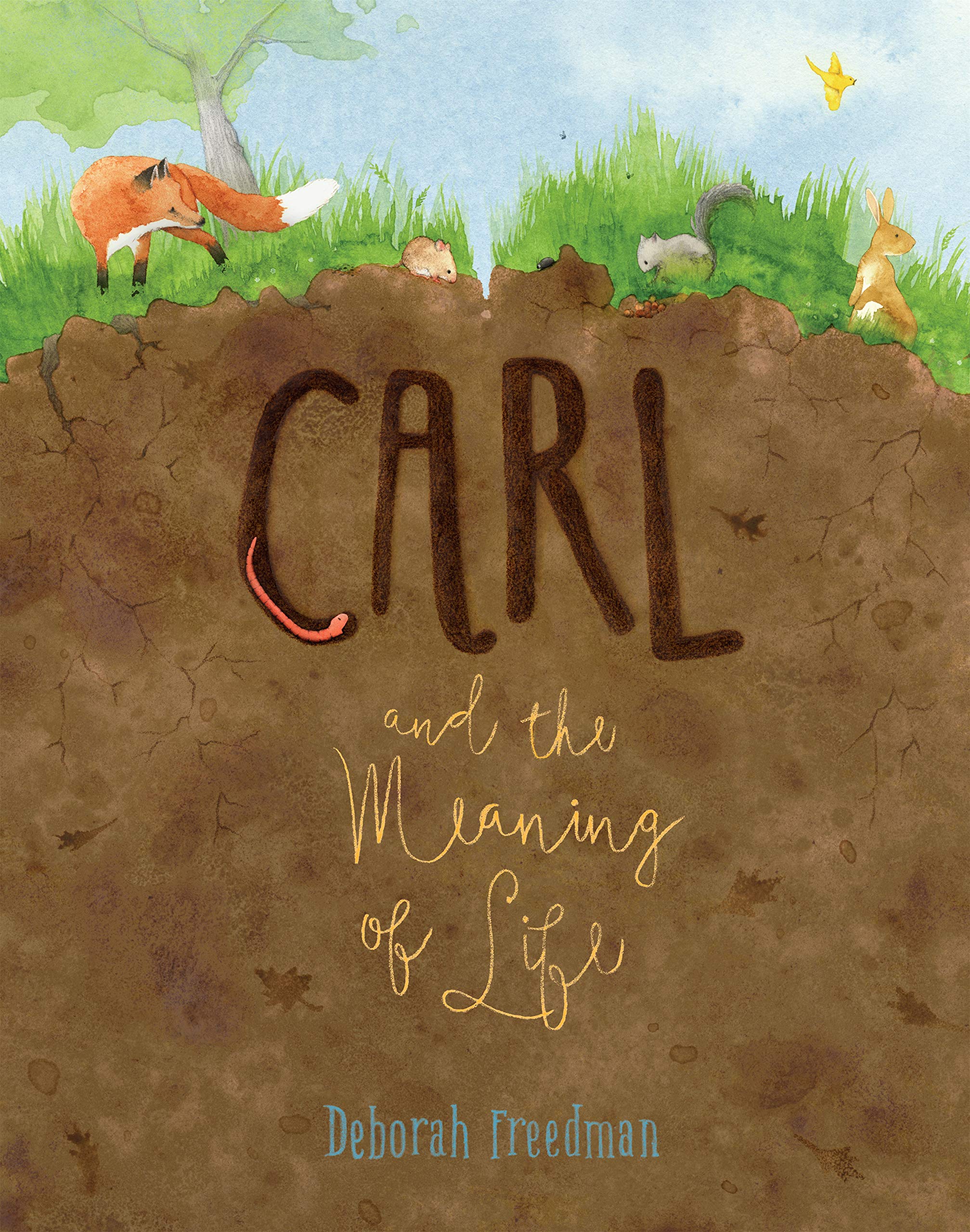
Image result for carl and the meaning of life amazon

Pretty sure this the first time an earthworm has ever made any kind of “best of” list on this blog.  I loved Carl’s twin messages of being your best self and taking care of the Earth.


Field Trip to the Moon by John Hare

Published by Margaret Ferguson Books
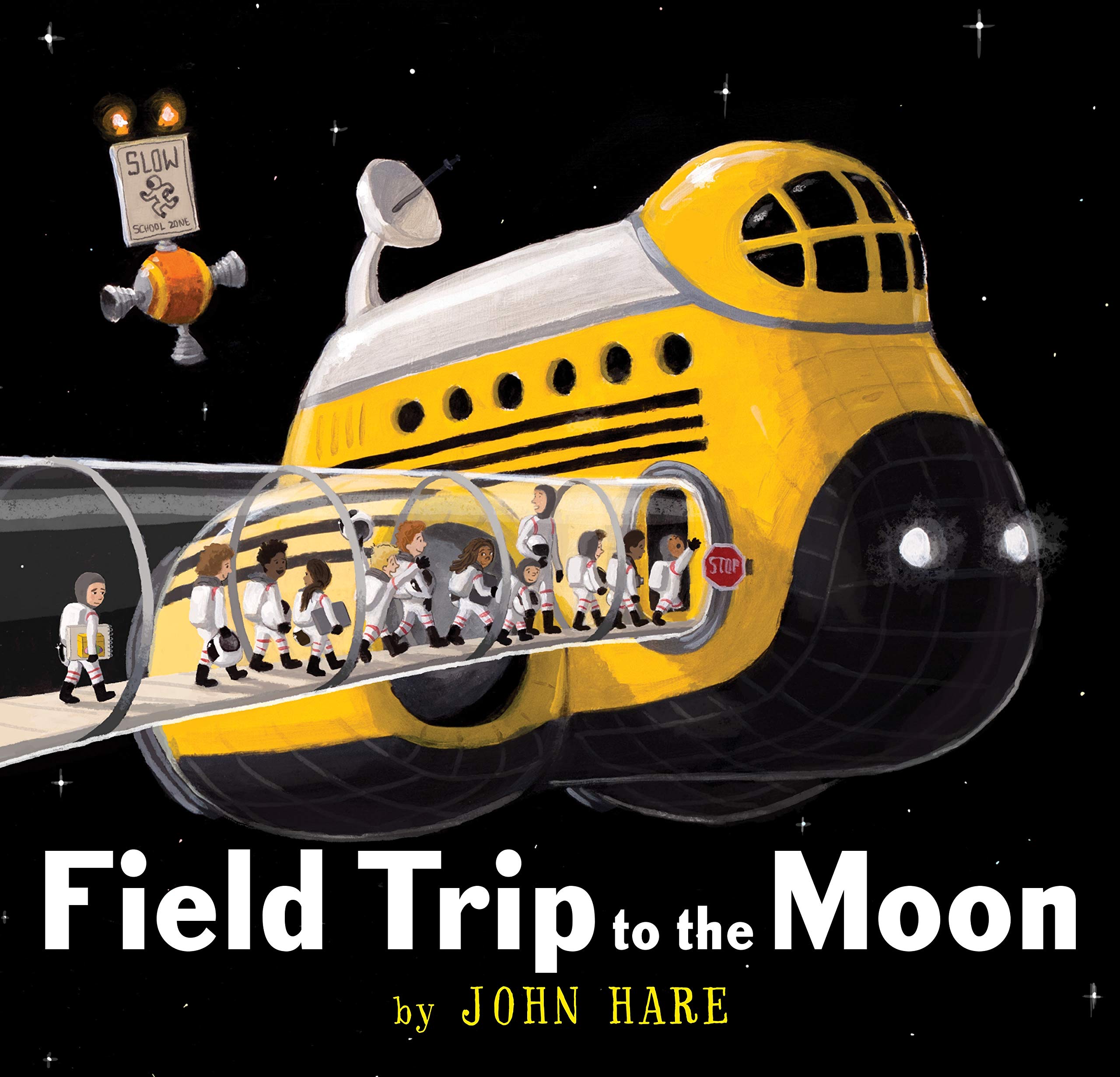
Image result for field trip to the moon amazon

I do enjoy a good wordless picture book.  This one is imaginative, yet still easy to understand.  And it has aliens.  I’ve had this one in my mock Caldecott election, so don’t count it out for an award.


Wintercake by Lynn Rae Perkins

Published by Greenwillow Books
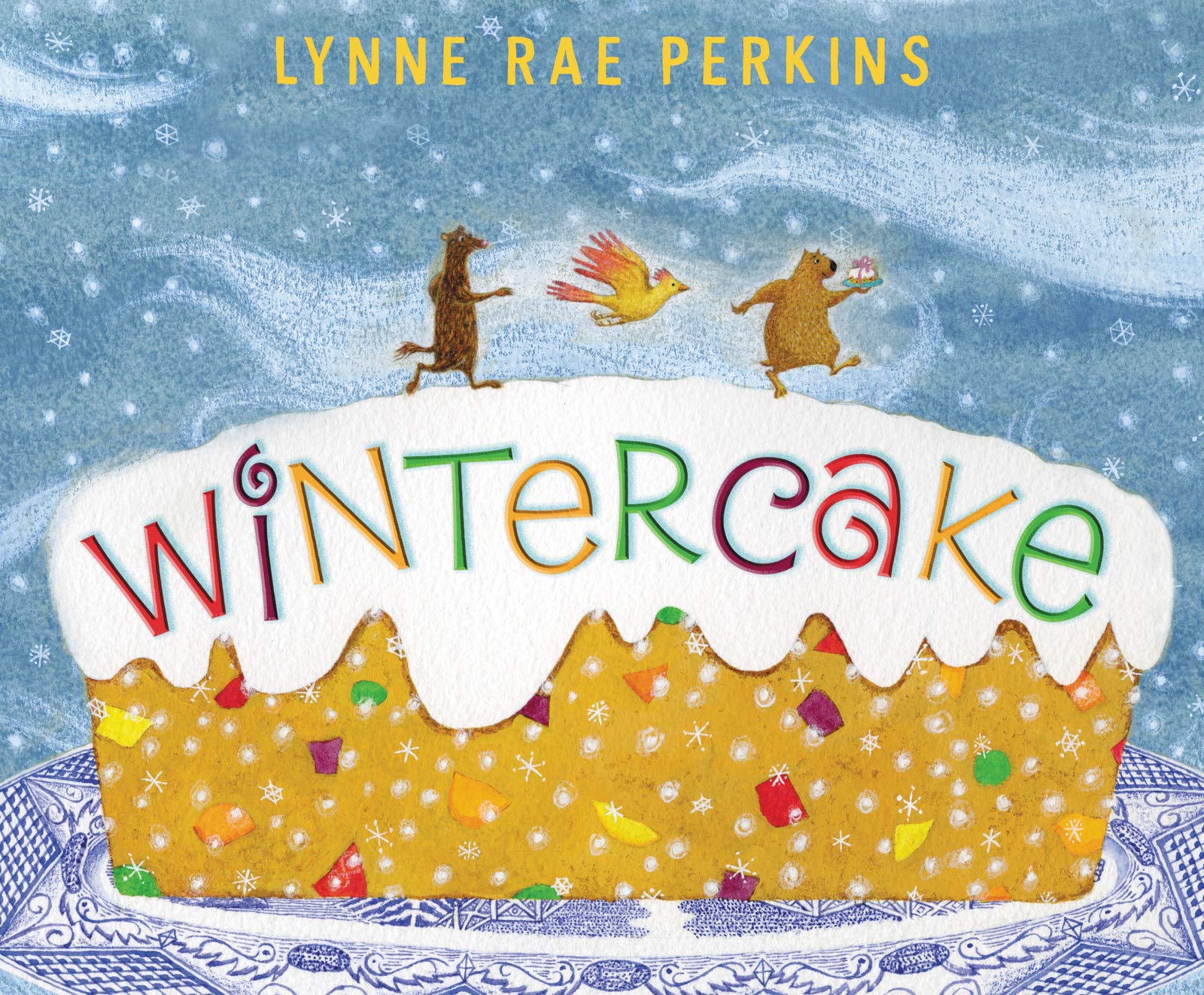
Image result for wintercake lynne rae perkins

I didn’t find many great new holiday books this year, but I love this cozy winter tale about friendship and the dangers of rushing to judgement on a person (or animal).


Truman by Jean Reidy, illustrated by Lucy Ruth Cummins

Published by Atheneum Books for Young Readers
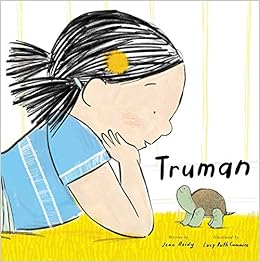
Image result for trudy reidy amazon

Truman the turtle may be my favorite character of 2019.  Keep this book in mind next August when the first day of school rolls around again.  Another one that was in my mock Caldecott activity.


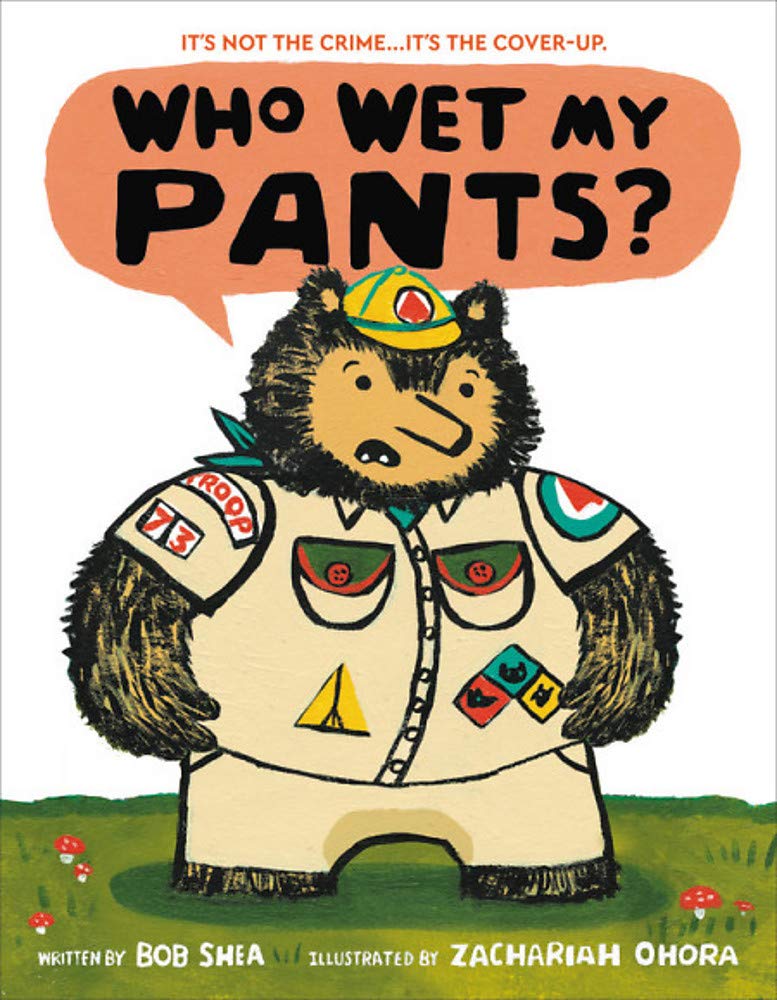
Who Wet My Pants? by Bob Shea

Published by Little, Brown Books

Image result for who wet my pants amazon

I can’t entirely disagree with Amazon reviewers who felt this missed the mark on delivering the “right”message to kids.  But come on, it’s hilarious, and we all know that person who can’t admit they’re wrong.  The cover alone probably has more kid appeal than the other four put together.

It’s not just the Caldecott

Although we in the children’s literature world tend to focus on the Newbery and Caldecott, check out the American Library Association’s Youth Media Awards to see all the other categories that are recognized at the same time.  Here are a few picture books that I believe are worthy of consideration for some of those.


Undefeated by Kwame Alexander, illustrated by Kadir Nelson

Published by Versify

Image result for undefeated kwame amazon

I love Kwame Alexander’s poem, but I think it’s illustrator Kadir Nelson who is most likely to be recognized with a Coretta Scott King award this year for his amazing portraits of the African Americans Alexander writes about.


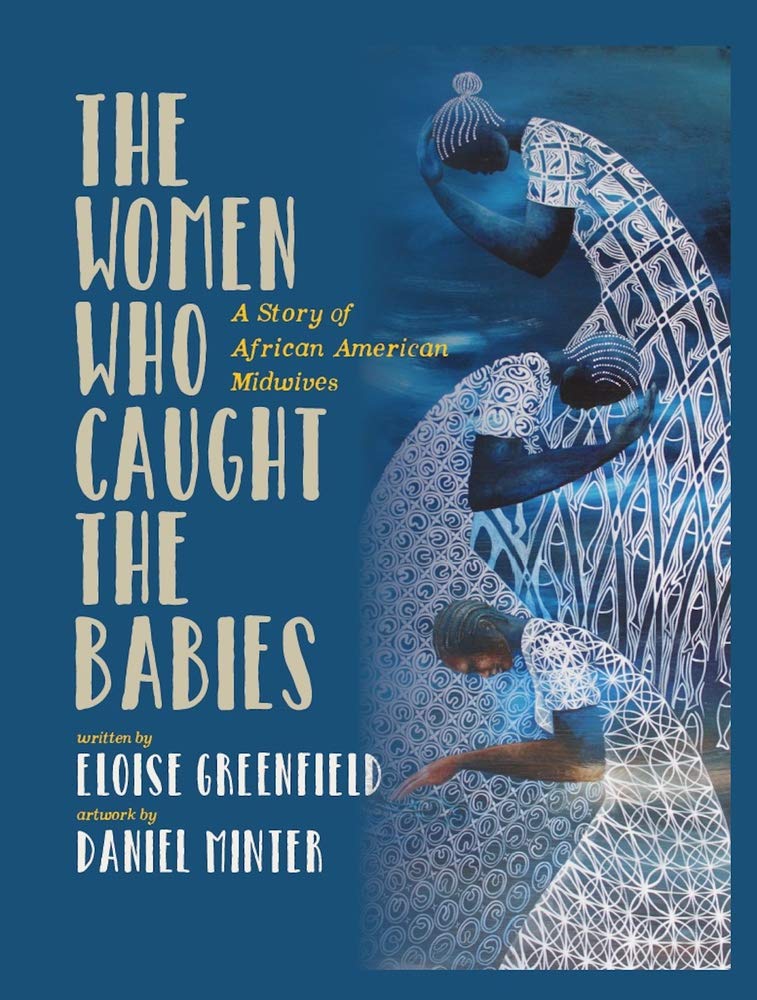
The Women Who Caught the Babies: A Story of African American Midwives by Eloise Greenfield, illustrated by Daniel Minter

Published by Alazar Press

Image result for women who caught babies amazon

This one could go either way for the Coretta Scott King award: both the poems and the illustrations are pretty amazing.


Rise! From Caged Bird to Poet of the People, Maya Angelou by Bethany Hegedus, illustrated by Tonya Engel

Published by Lee & Low Books

Image result for rise maya angelou amazon

Pity that Coretta Scott King committee who has so many worthy contenders to choose from this year.


¡Vamos! Let’s Go to the Market! by Raul the Third

Published by Versify

Image result for vamos raul third amazon

I will be pretty surprised if Raúl the Third doesn’t get some sort of Pura Belpré recognition for his Richard Scarry-like illustrations of this trip to the market.  I was happy to learn recently that Let’s Go Eat! is coming out in March.


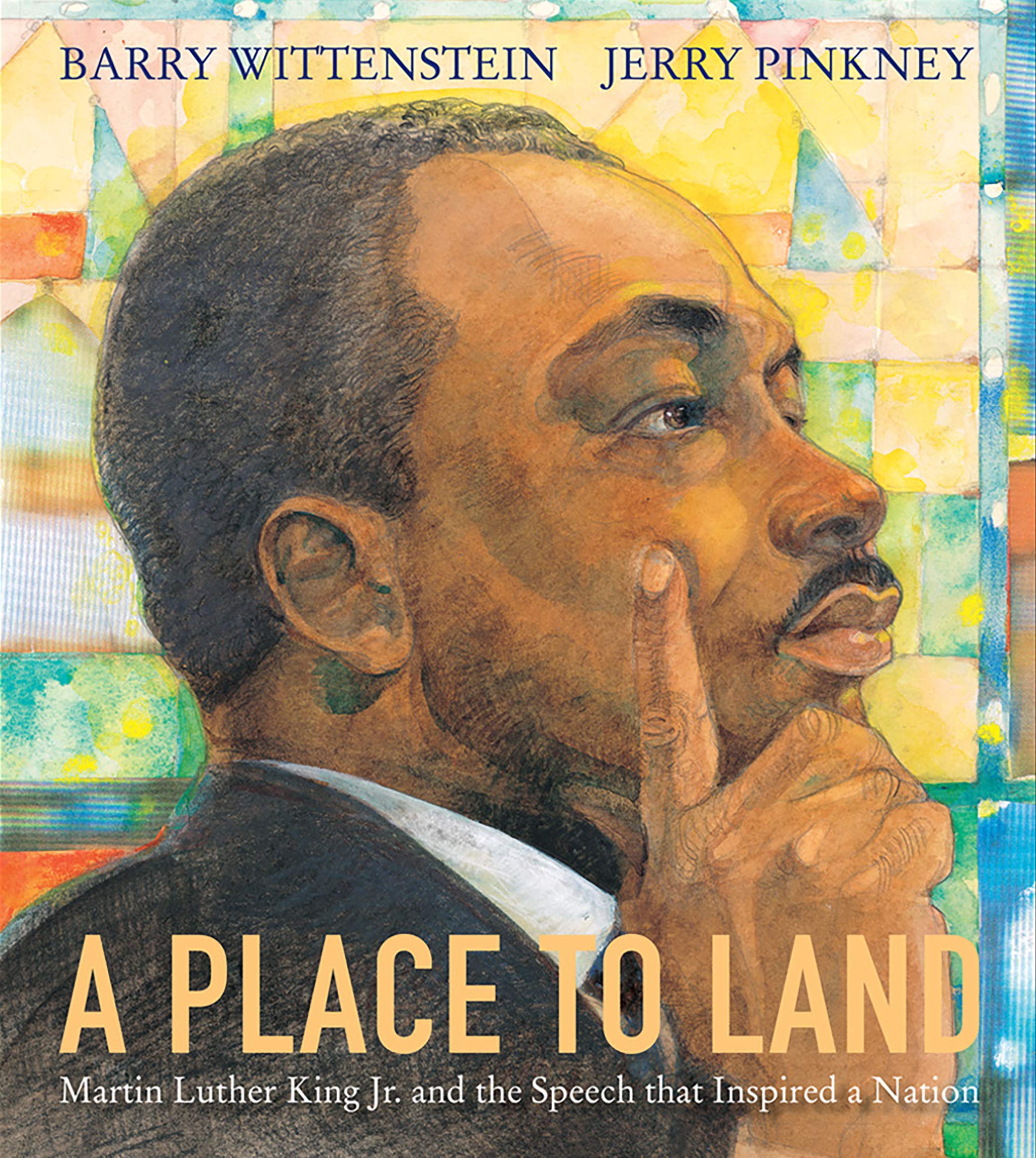
A Place to Land: Martin Luther King, Jr. and the Speech That Inspired a Nation by Barry Wittenstein, illustrated by Jerry Pinkney

Published by Neal Porter Books

Image result for place to land martin luther amazon

And one more Coretta Scott King possibility.  Of course, all of these could be contenders for the Caldecott as well.  Truth be told, I dreamed up this blog post because there were so many I wanted to put on the Caldecott prediction post, and for some reason I always limit myself to five.

Five Caldecott Predictions

I’ve been running mock Caldecott elections at my schools this month, with a list of 22 to choose from.  It’s always interesting to see what the kids like versus what the Caldecott committee likes.

I seem to be (very) marginally better at predicting the Caldecott.  I actually had the winners on my list in 2016 (Radiant Child) and last year (Hello, Lighthouse), and have guessed a few that got Caldecott honors (Du Iz Tak? and Last Stop on Market Street).  So with that amazing record–four out of the 20 books I’ve predicted have won something–I will gaze into my crystal ball for 2020.


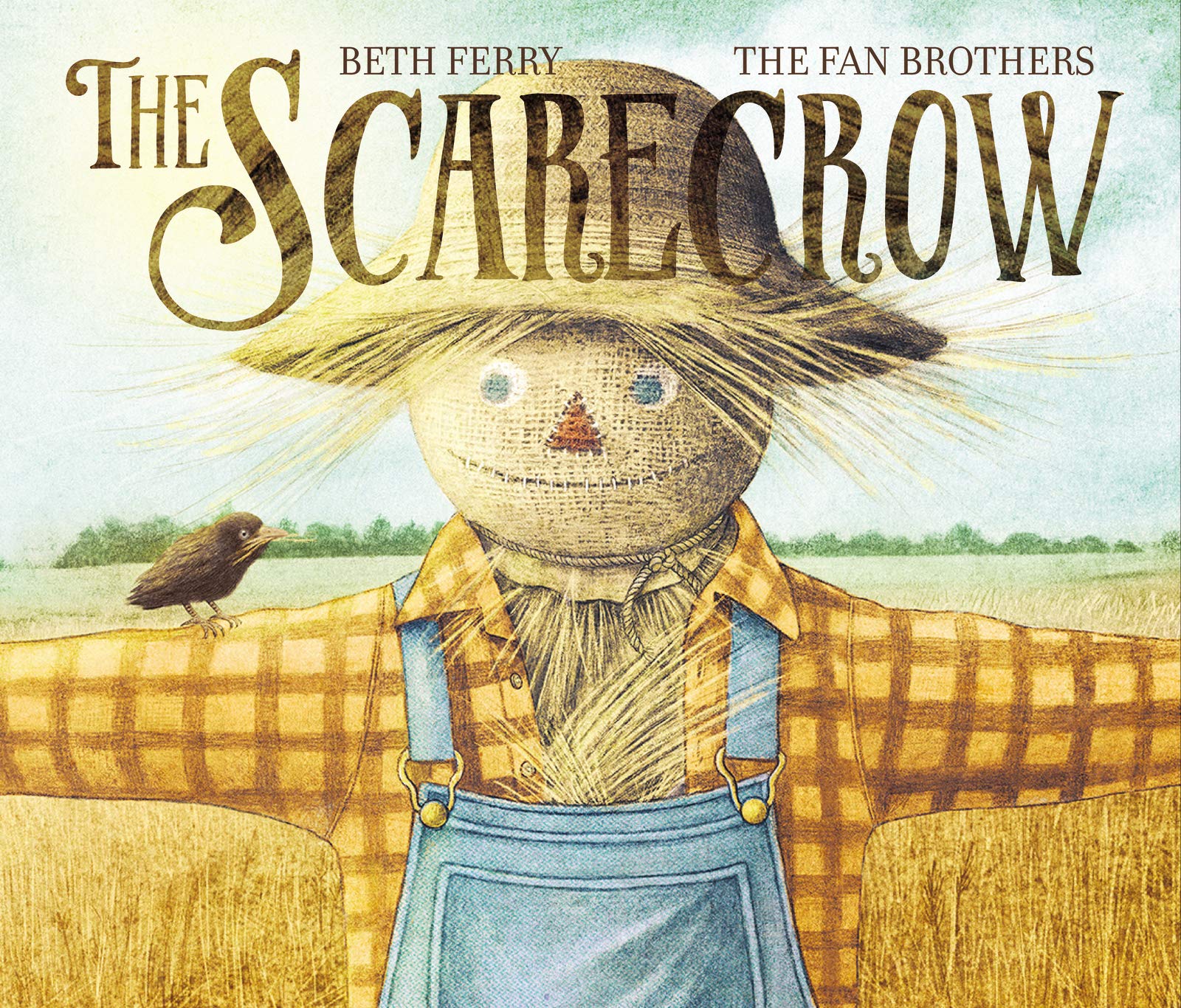
The Scarecrow by Beth Ferry, illustrated by The Fan Brothers

Published by HarperCollins

Image result for scarecrow beth ferry amazon

It wouldn’t be a Caldecott prediction list without a book illustrated by the Fan Brothers, whose U.S. citizenship always calls their eligibility into question.  As near as I can tell, they live in Canada, but have duel citizenship, which should make them eligible (and should begin the process of changing that particular Caldecott rule).  This has been a favorite in my mock Caldecott elections.


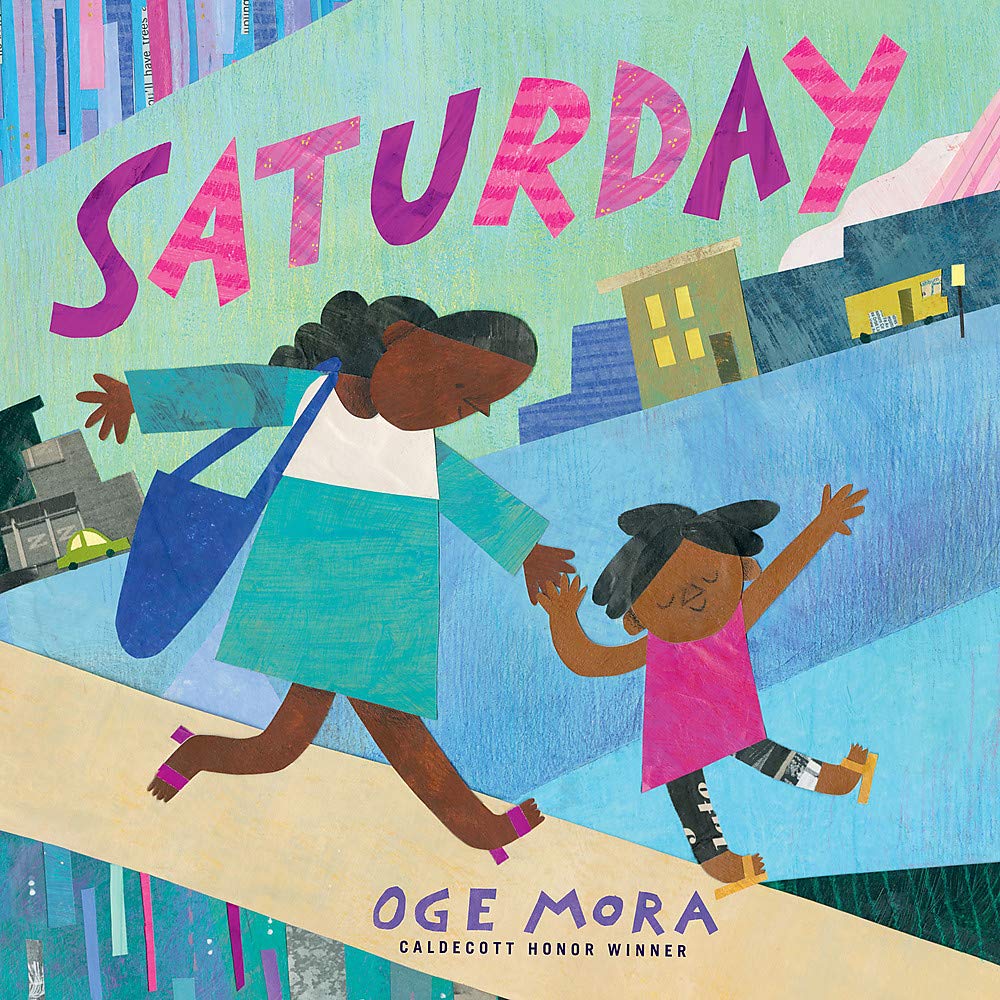
Saturday by Oge Mora

Published by Little, Brown Books for Young Readers

Image result for saturday oge mora amazon

I liked this even better than last year’s Caldecott honor Thank You, Omu!  It’s a great lesson in resilience, and has been another popular choice with kids.


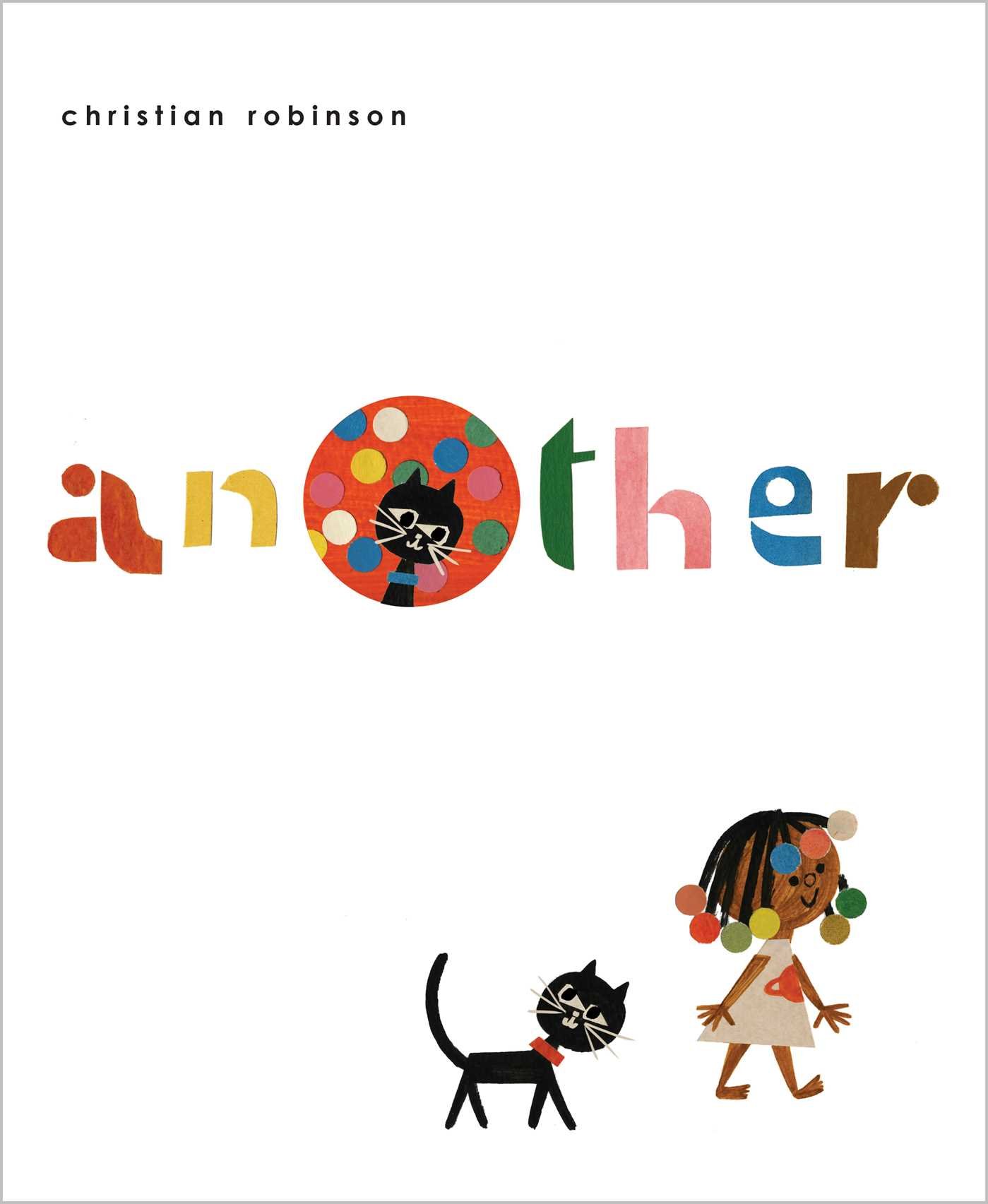
Another by Christian Robinson

Published by Atheneum Books for Young Readers

Image result for another christian robinson amazon

I have to say, I found this wordless book pretty confusing.  But I’ve seen it on so many best books of 2019 lists and I left it off my mock Caldecott list, which is pretty much a guarantee it will win something.


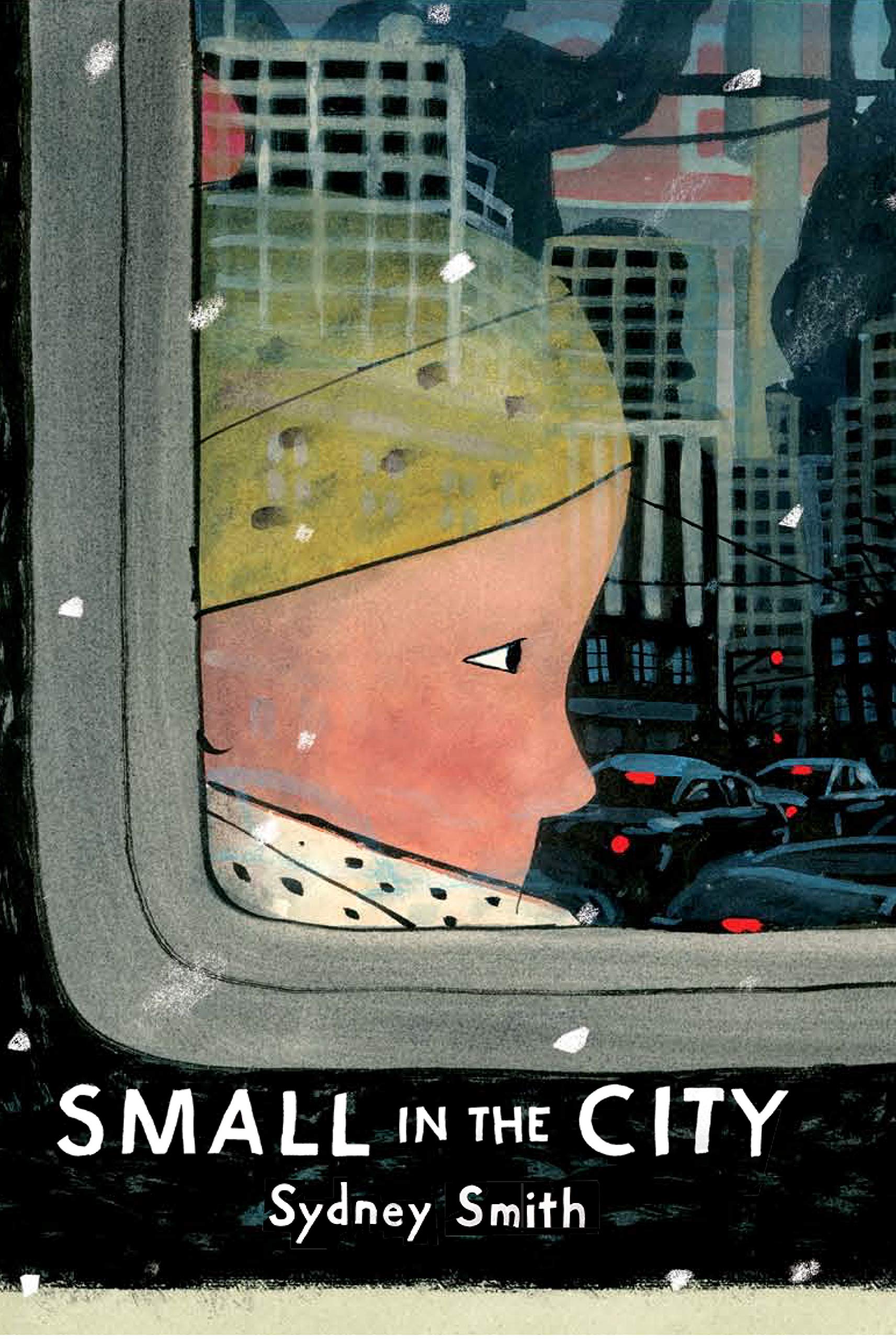
Small In the City by Sydney Smith

Published by Neal Porter Books

Image result for small in the city amazon

This is probably my favorite book on the list.  I loved how what the girl is looking for is gradually revealed through both text and illustrations.  It’s a great mentor text for inferencing, should you be looking for such a thing.


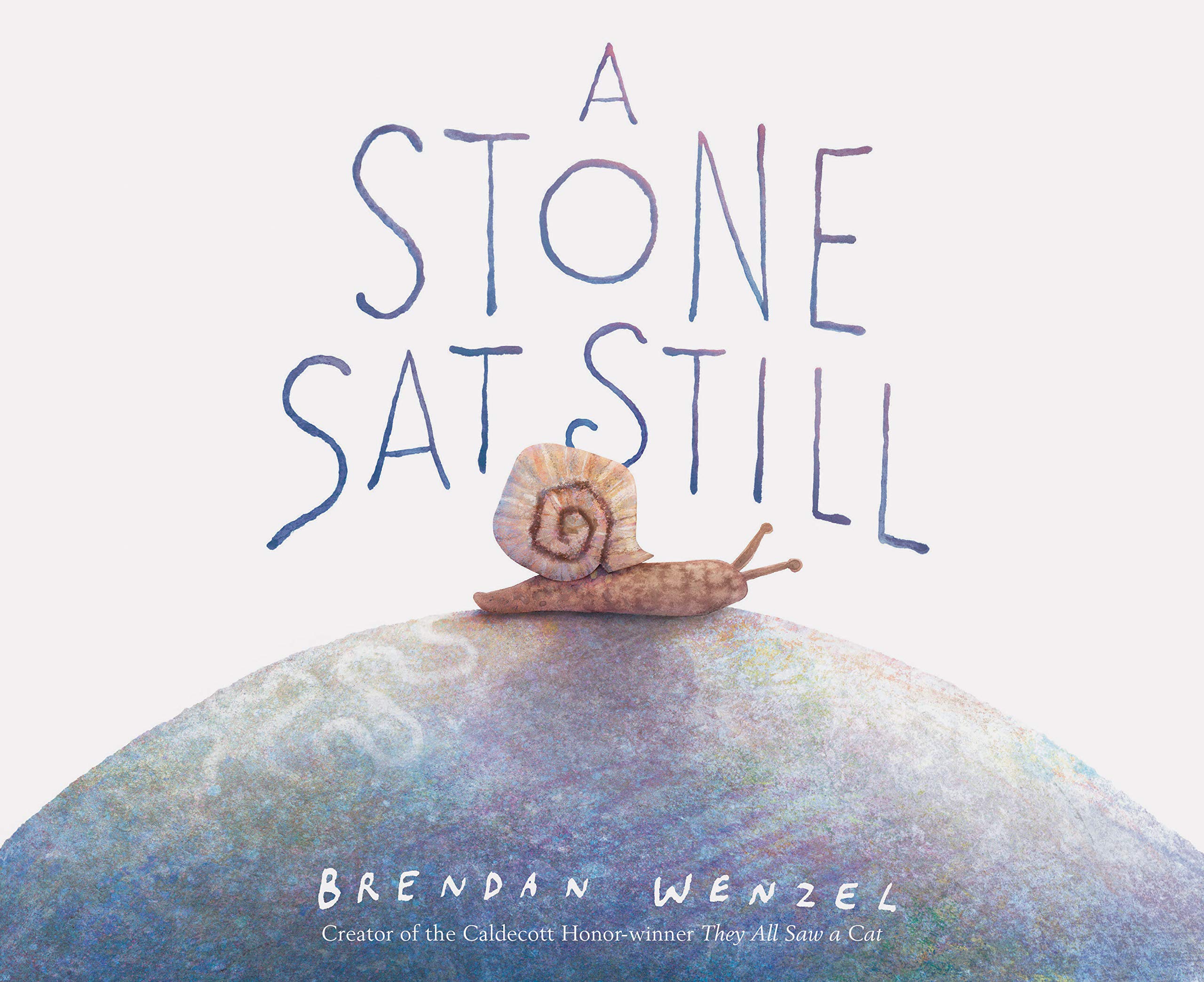
A Stone Sat Still by Brendan Wenzel

Published by Chronicle Books

Image result for stone sat still amazon

I haven’t found this one to have a lot of kid appeal, but I loved the thought-provoking nature of the text, as well as all the animal illustrations.

As with all these lists, I’d love to hear your choices in the comments!

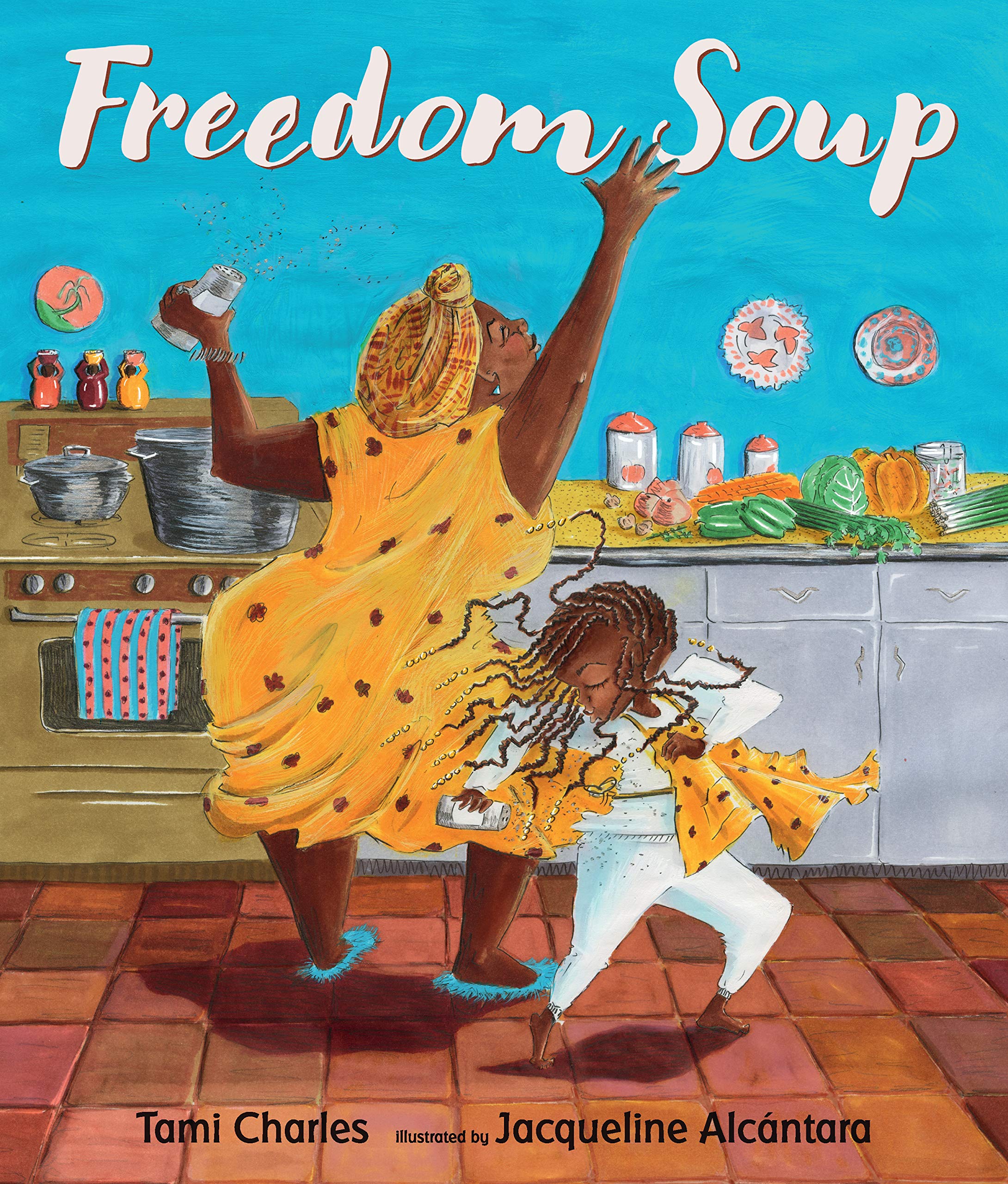
Freedom Soup by Tami Charles, illustrated by Jacqueline Alcántara

Published by Candlewick

Image result for freedom soup tami charles

Summary:  The girl telling the story is excited that her grandmother has invited her to help make the soup for New Year’s Day.  The name of the soup is Freedom Soup, and making it inspires Ti Gran to tell the story of Haiti, and how the slave revolt there led to freedom for their ancestors.  The story has been passed down from Ti Gran’s mother and grandmother, and both the girl and Ti Gran like the idea that she will someday pass it along to her own children and grandchildren.  When the soup is done, it’s time to share it with the family, and everyone enjoys it to the last drop as they celebrate a new year. Includes an author’s note with additional information about Haiti and the author’s own grandmother and a recipe for Freedom Soup.  32 pages; ages 4-9.

Pros:  A perfect way to celebrate New Year’s and effortlessly learn something about history and cooking in the process.  The vibrant illustrations make the story come alive.

Cons:  The recipe is billed as “kid-friendly”, but there’s a pretty long list of ingredients and will definitely require a good deal of adult help.

If you would like to buy this book on Amazon, click here.

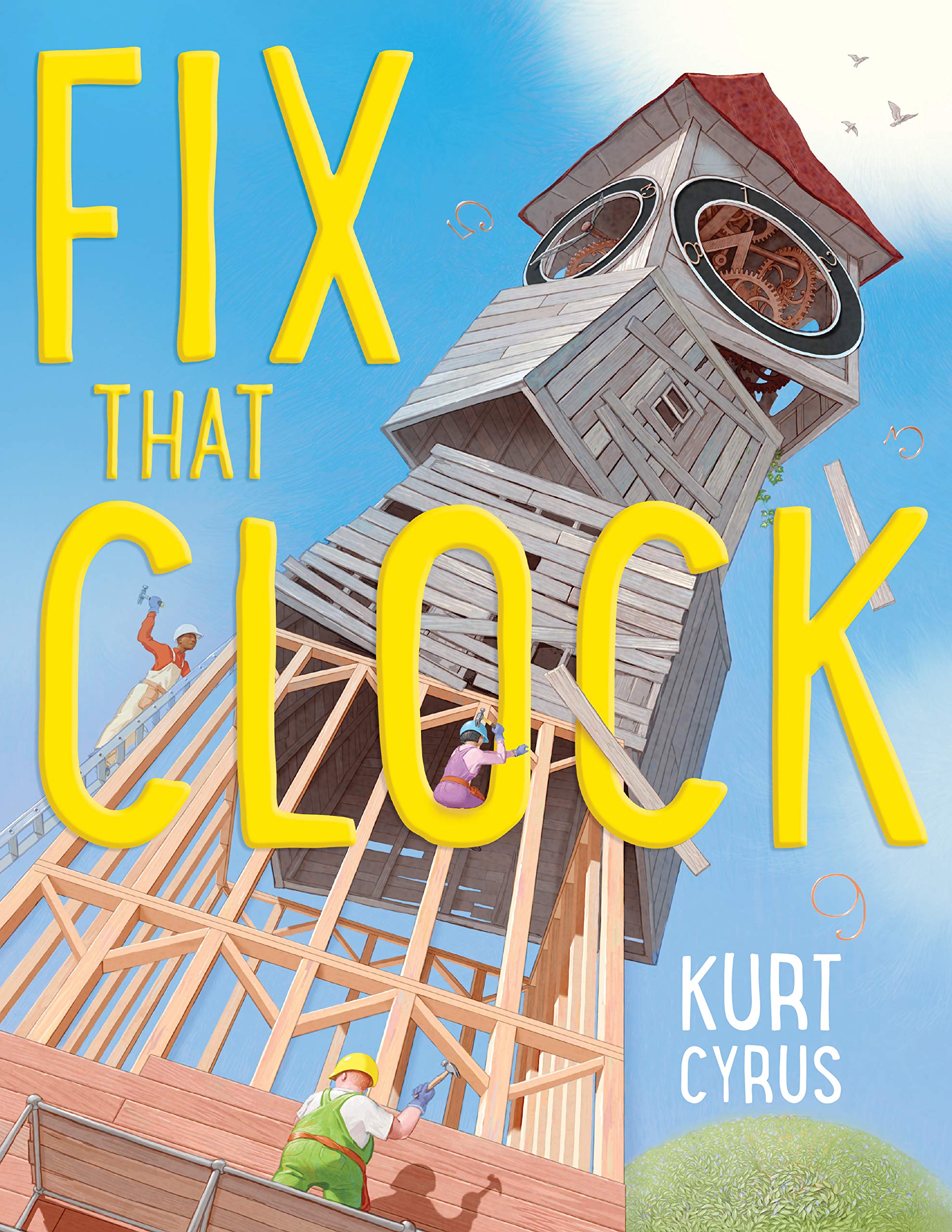
Fix That Clock by Kurt Cyrus

Published by HMH Books for Young Readers

Image result for fix that clock cyrus

Summary:  As construction workers head to an old clock tower to restore it to its former glory, they discover that rats and bats have made their homes among the rusted gears and rotting boards.  They get to work, doing their best to work around the animals.  Math makes several appearances in the story: “Seven steps upon a stair,/Six are tangled, one is bare./Five are red. Two are green./Four are thick and three are lean.”  The clock slowly comes back to life, and the animals scramble when the chimes sound. But the thoughtful workers haven’t forgotten about them: they use scraps of wood to build homes for them on the outside of the clock tower. 40 pages; ages 3-8.

Pros:  Just as he did in Billions of Bricks, Kurt Cyrus uses energetic rhymes and detailed illustrations to bring a construction project to life.  Numbers, shapes, and other mathematical concepts are woven effortlessly into the text.

Cons:  I can’t help thinking those animals might not enjoy living right up against a chiming clock.

If you would like to buy this book on Amazon, click here.

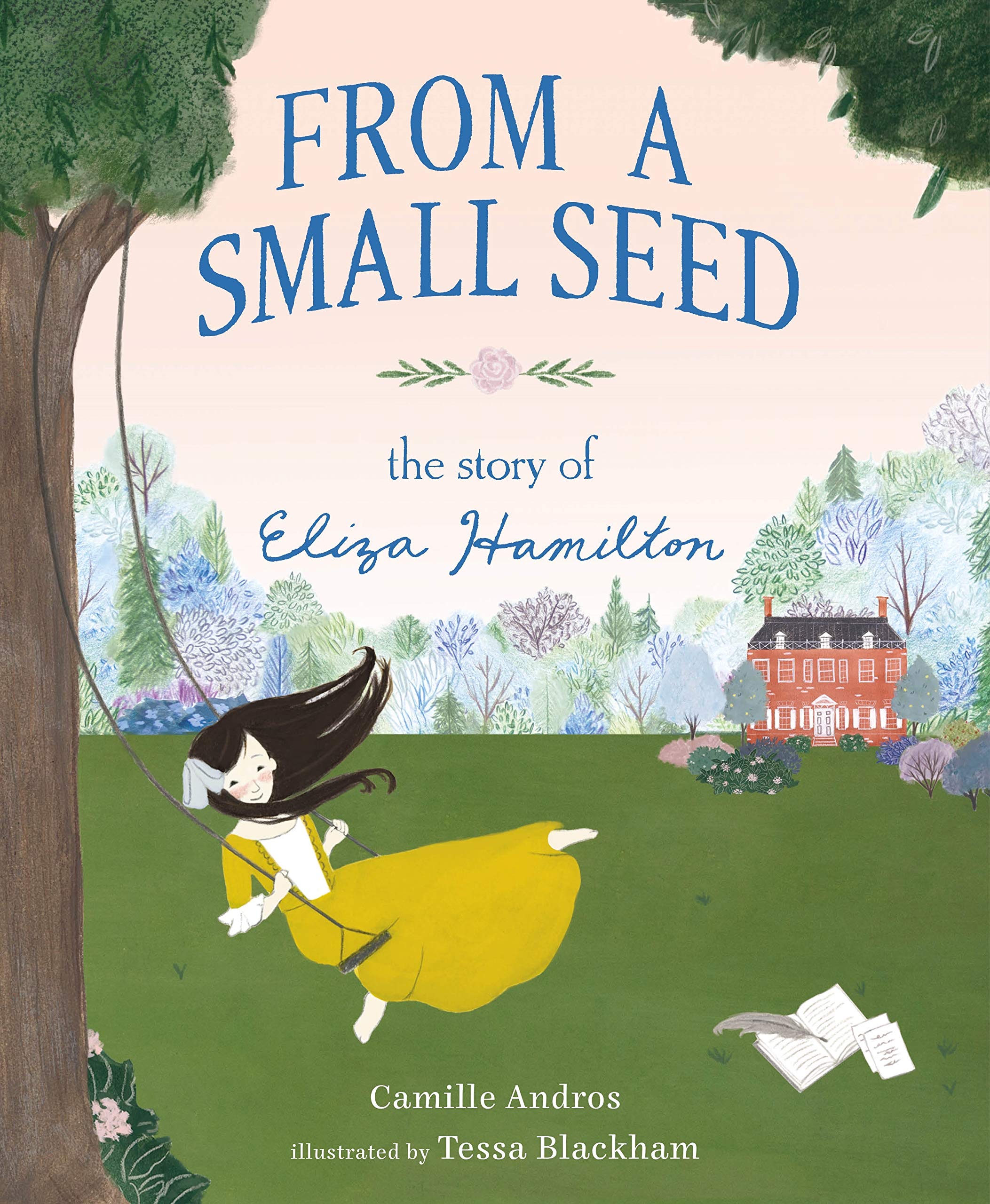
From a Small Seed: The Story of Eliza Hamilton by Camille Andros, illustrated by Tessa Blackham

Published by Henry Holt and Co.

Image result for from a small seed the story of eliza hamilton

Interior Image

Summary:  Eliza is introduced as a strong girl, growing up in a big brick house with loving parents.  She likes to run and climb, but is also compassionate. She often sees an orphan boy and feels sorry for him, sharing her food when she can.  Later, she meets another orphan (Alexander Hamilton, although he’s not identified in the text), marries him, and works to help him found a new nation.  When tragedy strikes, and she and her eight children are left on their own, she remembers the orphan boy and starts the Orphan Asylum Society and the Hamilton Free School.  Throughout the story, trees are used as symbols from the young saplings Eliza sees as a child to the grove of tall trees that overlook her grave. Includes notes from the author and illustrator and three additional sources.  40 pages; grades 1-4.

Pros:  This is a brief and lovely introduction to the inspiring life of Eliza Schuyler Hamilton, a bit more accessible to younger readers than Margaret McNamara’s 2018 book Eliza.  The tree symbolism works well, as do the muted illustrations.  

Cons:  The author’s note reveals that few details are known of Eliza’s life, and that her interactions with the orphan boy at the beginning are fictional, making this book straddle the line between biography and historical fiction.

If you would like to buy this book on Amazon, click here.


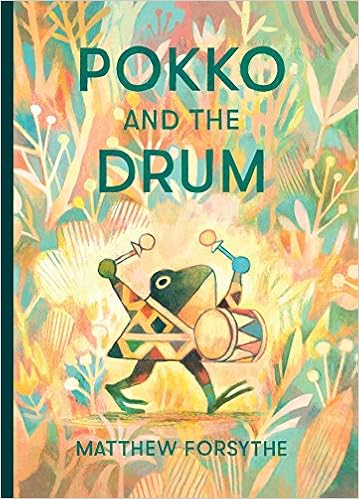
Pokko and the Drum by Matthew Forsythe

Published by Simon and Schuster

Image result for pokko and the drum

Image result for pokko and the drum

Summary:  “The biggest mistake Pokko’s parents ever made was giving her a drum.”  Pokko’s playing is so loud they can’t hear each other talking.  One day, her dad suggests she take it outside, reminding her, “We’re just a little frog family that lives in a mushroom, and we don’t like drawing attention to ourselves.”  As Pokko bangs her drum through the forest, a raccoon is seen lurking. A banjo-playing raccoon, that is, who joins in. Next comes a rabbit with a trumpet, and a wolf who just enjoys the music. When the wolf eats the rabbit, Pokko sternly informs him that is not allowed, opening the way for all members of the food chain to join the band.  At the end of the day, the group sweeps into Pokko’s house and carries her parents along. “I think that’s Pokko down in front!” exclaims her father. “And you know what? I think she’s pretty good!” 64 pages; ages 4-8.

Pros:  I found this book pretty hilarious, and the message of literally marching to the beat of your own drum is deftly delivered.  The watercolor illustrations give the story a slightly surreal, slightly retro feel.

Cons:  The wolf eating the rabbit felt like an unnecessarily disturbing detail.

If you would like to buy this book on Amazon, click here.

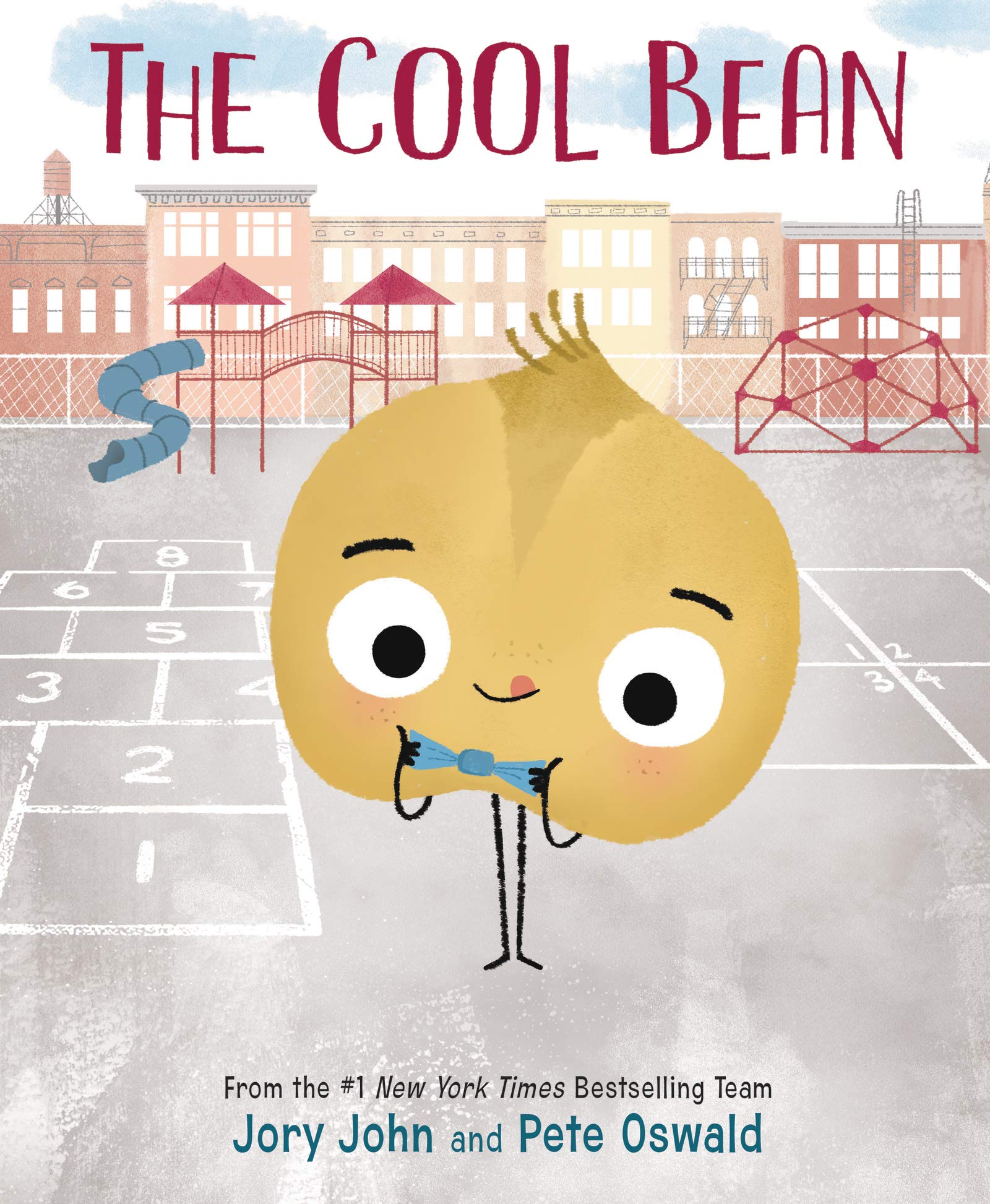
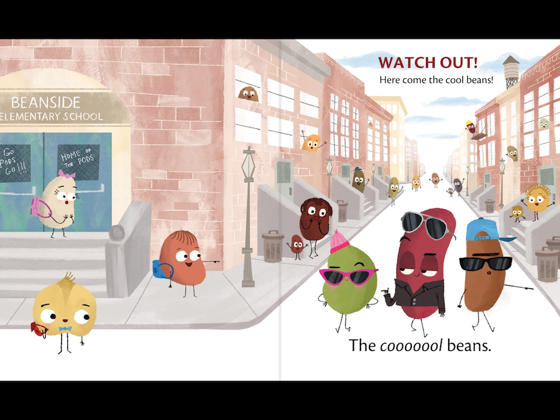
The Cool Bean by Jory John, illustrated by Pete Oswald

Published by HarperCollins

Image result for cool bean jory

Image result for cool bean pete oswald

Summary:  There are some cool beans at the school…but our narrator is not one of them.  He used to hang out with those cool guys, but things changed, and now he feels pretty uncool most of the time.  His clothes don’t seem to fit right, he walks into things, and sometimes he snorts when he laughs. One day, though, some amazing things happen.  When he drops his lunch, one of the cool beans helps him clean up. When he falls down on the playground, another cool bean helps him up. And the third cool bean helps him out of an embarrassing situation in class.  These kind gestures turn his whole day around, and pretty soon he’s feeling confident enough to hang out with the cool guys again. He’s learned that kindness is cooler than any outside appearance, and he tries to spread that kindness to the other beans around him.  40 pages; ages 4-8.

Pros:  The team that brought you The Bad Seed and The Good Egg have produced another winning book that will help kids see that kindness is more important than being cool.  

Cons:  If only it really were that easy to get in with the cool kids. 

If you would like to buy this book on Amazon, click here.

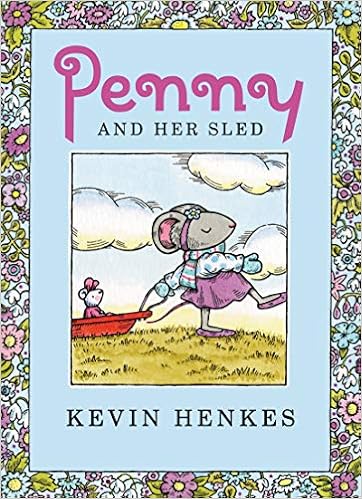
Penny and Her Sled by Kevin Henkes

Published by Greenwillow Books

Image result for penny and her sled

Summary:  A new sled has Penny eagerly anticipating the first snowfall, but day after day the ground remains bare.  Her parents both assure that it will snow eventually, and Penny tries some snow-making tricks like wearing mittens to bed and sitting on the sled in the living room.  Nothing works. Trying to make the best of her situation, she uses the sled to make a house for her younger siblings and a bed for her doll Rose. As the days grow longer, it seems as though the winter will be snow-less, and her mother encourages Penny to look for a different type of snow–the snowdrops in the garden.  One exciting day, the flowers are blooming, and Penny runs into the house to tell her mother. They go out to look together–with Penny wearing her scarf and mittens and pulling Rose behind her on the sled. 56 pages; ages 4-8.

Pros:  It’s been six years since the last Penny book, but well worth the wait.  Kevin Henkes does his usual masterful combination of storytelling and illustration, perfectly capturing a child’s point of view and painlessly inserting a few lessons about resilience.  Pretty impressive that he has managed to produce one of my favorite easy readers and one of my favorite chapter books in the same year.

Cons:  I really thought it would snow eventually.

If you would like to buy this book on Amazon, click here.

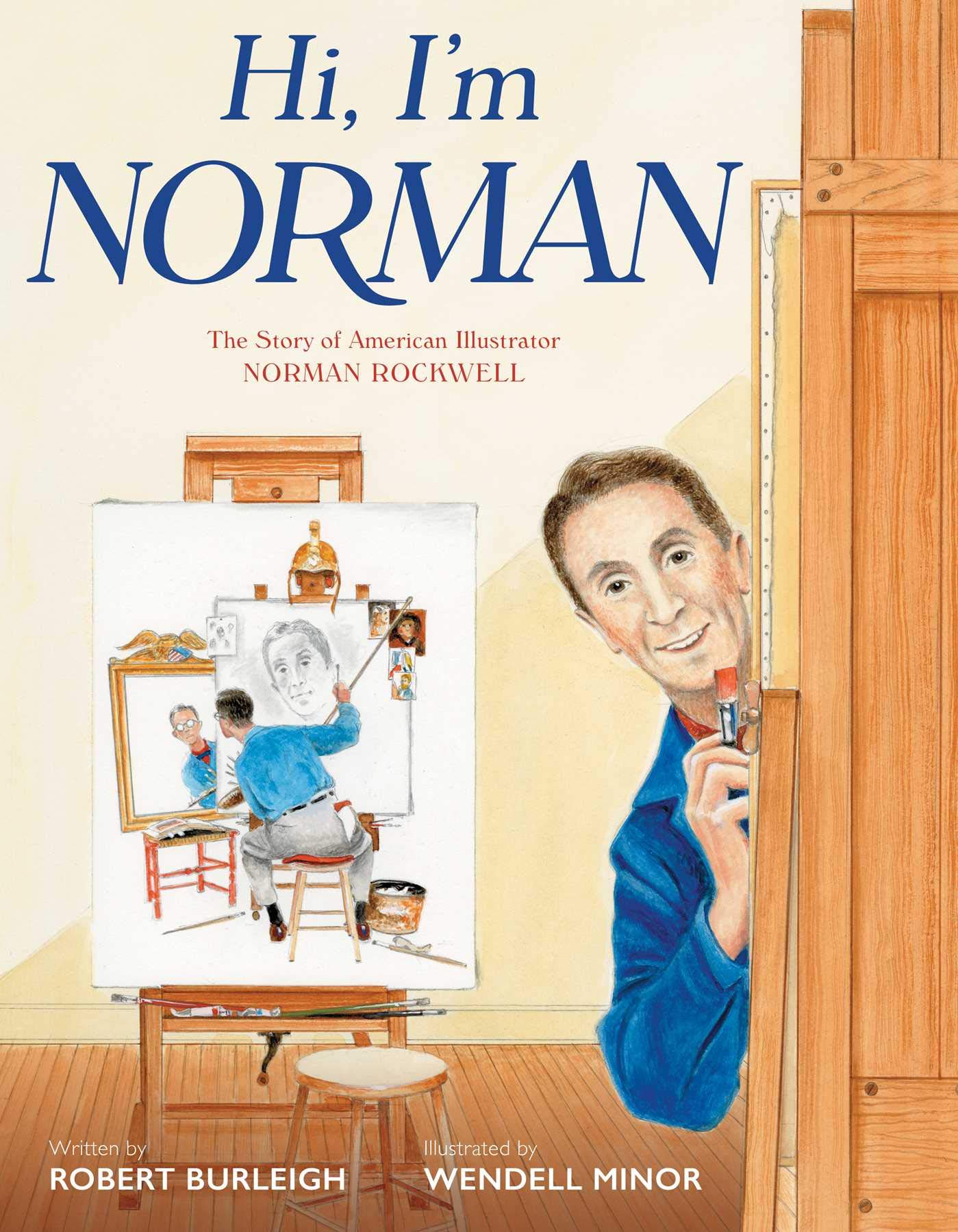
Hi, I’m Norman: The Story of American Illustrator Norman Rockwell by Robert Burleigh, illustrated by Wendell Minor

Published by Simon and Schuster

Image result for hi i'm norman amazon

Image result for hi i'm norman wendell minor

Summary:  Norman Rockwell tells his story in the first person, inviting readers into his studio, then taking them back to his early days when he used art to make up for his lack of athletic ability.  After a stint at art school, he took whatever jobs he could find, eventually landing the plum assignment of creating covers for the Saturday Evening Post.  When World War II arrived, his artwork took a more serious turn, and his The Four Freedoms set helped raise millions of dollars from war bonds.  After the war, he took on the civil rights movement, with The Problem We All Live With one of his most famous works to come out of that era.  His final published work shows him draping a “Happy Birthday” banner on the Liberty Bell to celebrate America’s bicentennial.  Includes additional information, author’s and illustrator’s notes, a timeline, reproductions of five or Rockwell’s paintings with additional information about them, a list of additional sources, and some quotes from Norman Rockwell.  48 pages; grades K-4.

Pros:  The folksy, conversational style of the writing will draw kids in, and Wendell Berry’s illustrations capture Rockwell’s works perfectly.  The extensive back matter makes this an excellent resource for research.

Cons:  There were no dates or places in the text–readers will have to go to the timeline for that information.

If you would like to buy this book on Amazon, click here.