Infinite Hope: A Black Artist’s Journey from World War II to Peace by Ashley Bryan

Published by Atheneum/Caitlyn Dlouhy Books

Image result for infinite hope ashley bryan

Image result for infinite hope ashley bryan

Summary:  Author and illustrator Ashley Bryan offers a very personal look at his years serving in World War II.  From basic training in Massachusetts to Scotland to the D-Day invasion to waiting to be sent home in France, Bryan shares letters home, particularly to a college friend named Eva; a narrative about his experiences; and many, many sketches.  He writes about the racism that was rampant in the U.S. military, and the surprising lack of it in Europe (that experience of being treated equally by white Europeans led many black military men and women to join the civil rights movement after the war). Mostly, he talks about how art saved him.  He kept paper and pencils in his gas mask, and his comrades would often take over his work to let him draw. He concludes with his return to civilian life, including many years when he didn’t talk about his military experiences. Encouraged by colleagues in the children’s literature world, he has finally opened up and shared this wealth of art and stories.  112 pages; grade 5-adult.

Pros:  This is a pretty amazing work of art written and compiled by the 96-year-old Ashley Bryan.  Plan on spending a long time reading and studying his artwork. The audience for this may be pretty specific, but if you get this in the hands of the right readers, they are sure to find it to be a meaningful and important book.  Definitely a contender for some awards in January

Cons:  I would have liked more information about Eva.  I was confused at the beginning and had to read the jacket flap to understand to whom Ashley was writing.

If you would like to buy this book on Amazon, click here.
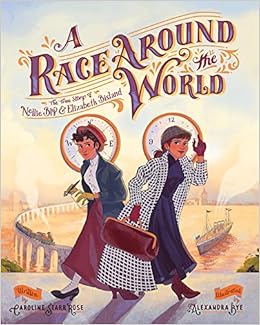
 

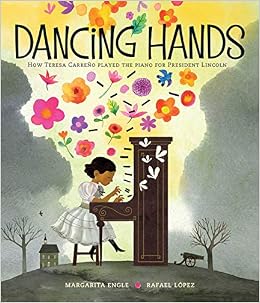
Dancing Hands: How Teresa Carreño Played the Piano for President Lincoln by Margarita Engle, illustrated by Rafael López

Published by Atheneum Books for Young Readers 

Image result for dancing hands how teresa carreño played the piano for president lincoln

Image result for dancing hands how teresa carreño played the piano for president lincoln

Summary:  Teresa Carreño had a gift for piano from the time she was a little girl in Venezuela.  War drove her family from their home and to the United States, where another war was raging–the Civil War.  Teresa found that music offered her a refuge from the sadness and suffering, and by the time she was ten years old, she was known as Piano Girl, performing all over the country.  She was amazed to get an invitation from President Abraham LIncoln to play at the White House, and nervous about accepting it. When the big day arrived, she found that the White House piano was poorly tuned, and didn’t know if she’d be able to perform.  But Lincoln asked her to play his favorite song, “Listen to the Mockingbird”, and once again music provided magical healing powers. An author’s note gives a bit more information about Carreño and her later musical career. 40 pages; grades K-4.  

Pros:  Acclaimed poet Margarita Engle and illustrator Rafael Lopez team up once again to create a beautiful story about a little-known episode in musical history.  Kids will be inspired to learn of the hard work and fame of this 10-year-old girl.

Cons:  I was expecting something bigger from the final scene in the White House.

If you would like to buy this book on Amazon, click here.

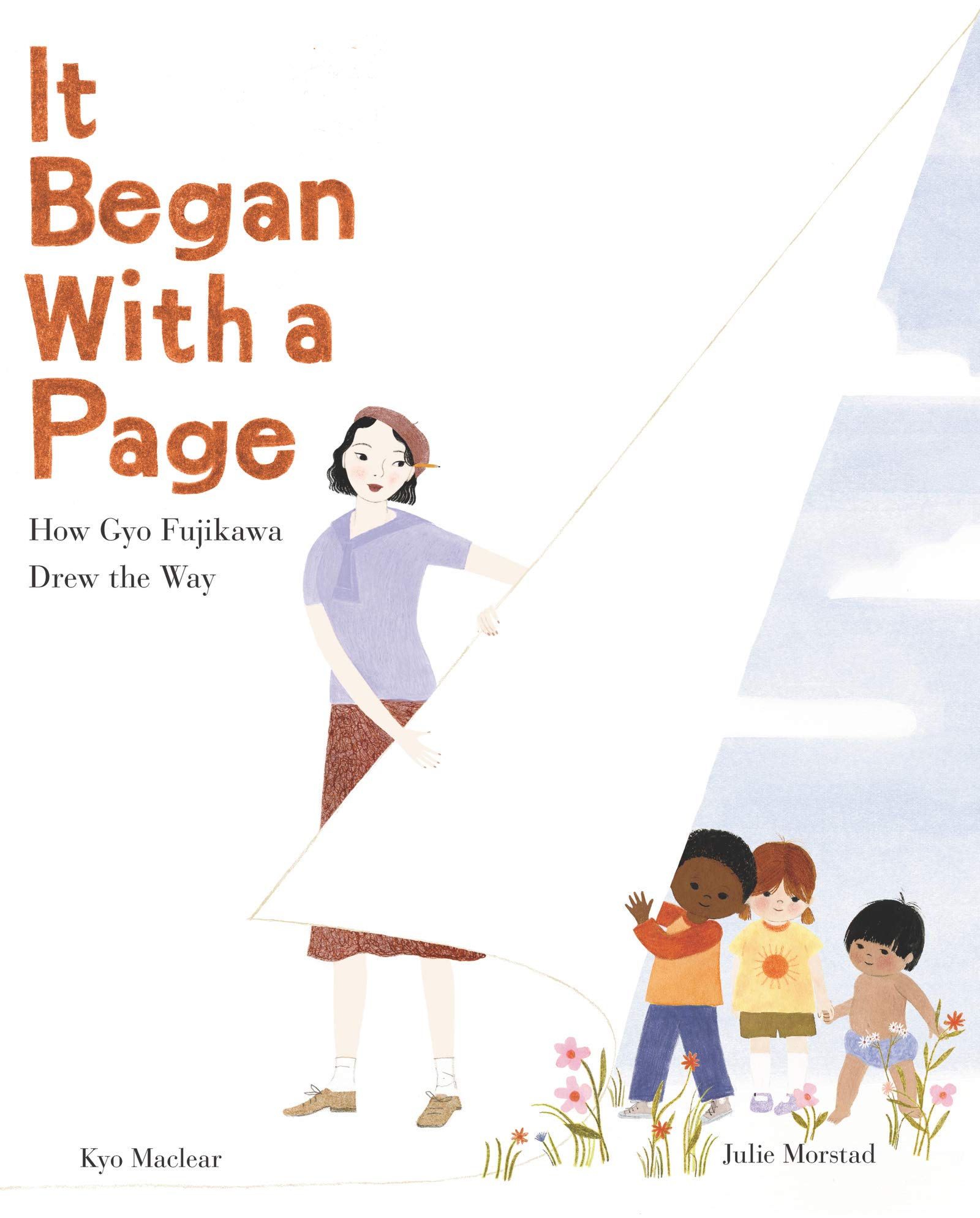
It Began With a Page: How Gyo Fujikawa Drew the Way by Kyo Maclear, illustrated by Julie Morstad

Published by HarperCollins

Image result for it began with a page amazon

Image result for it began with a page julie morstad

Summary:  From an early age, Gyo Fujikawa loved drawing and painting.  She pursued her passion in college, an unusual move for a girl in those days, particularly an Asian-American one.  Traveling to her parents’ homeland of Japan, she learned traditional art techniques that she incorporated into her own work.  Gyo had experienced prejudice as a child, and this became worse in her adult years with the advent of World War II. Living on the East Coast, she was able to stay in her home, but the rest of her family in California, was not so fortunate.  They were sent to prison camps, losing their home and most of their possessions. After the war, Fujikawa continued to paint, and also to observe the continuing struggles for civil rights. Noticing the homogenous portrayals in children’s books, she created a book about babies with all different skin colors.  After many rejections, her book was finally published in 1963, where it became a big seller, and allowing Gyo to illustrate many more books over the next two decades. Includes a timeline of Gyo’s life, a note from the author and illustrator, and a list of sources. 48 pages; grades K-5.

Pros:  There’s a lot to learn and discuss in Gyo Fujikawa’s life.  The illustrations, inspired by Gyo’s own work, are beautiful, with lots of adorable babies.  Readers may be interested ins seeking out the original picture books, many of which are still in print.

Cons:  This may not be a book kids are likely to pick up on their own, and the length and subject matter may make it a better choice for older elementary students.

If you would like to buy this book on Amazon, click here.
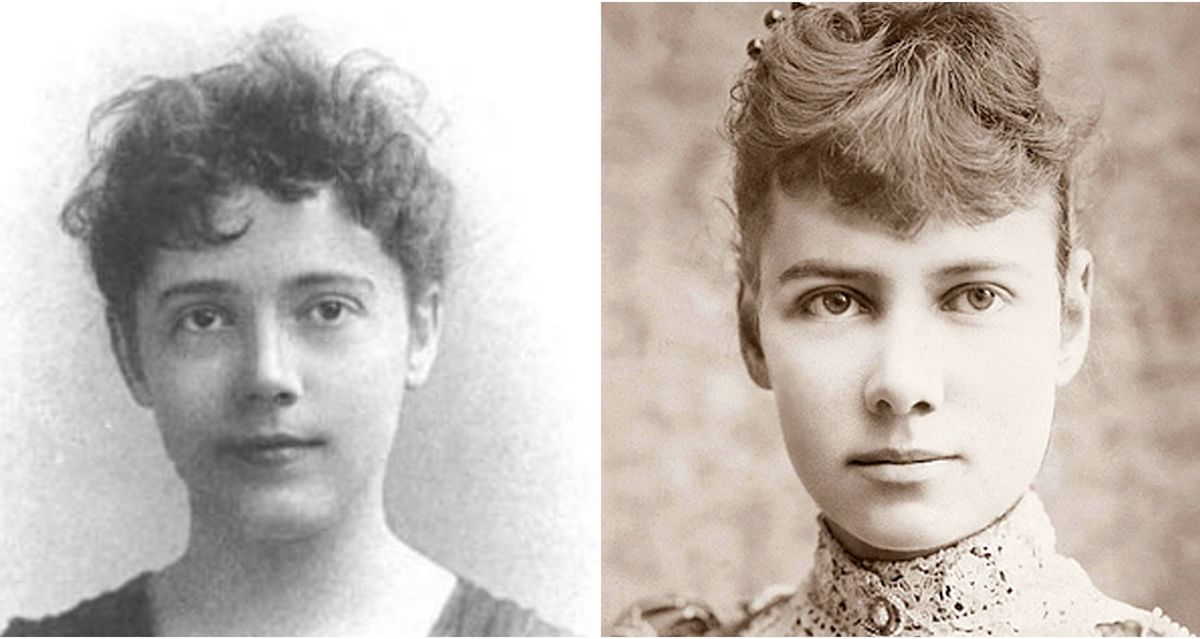


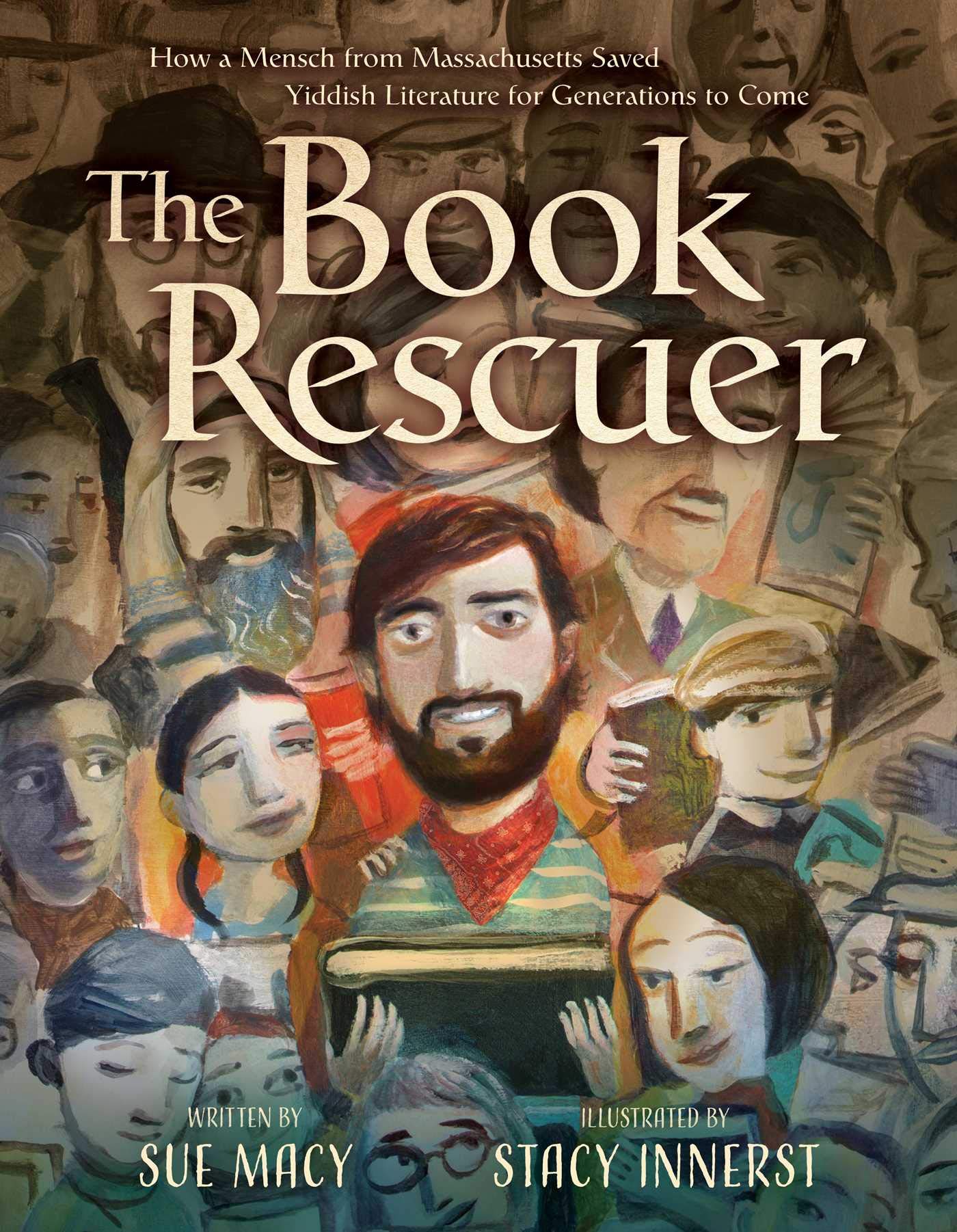
The Book Rescuer: How a Mensch from Massachusetts Saved Yiddish Literature for Generations to Come by Sue Macy, illustrated by Stacy Innerst

Published by Simon and Schuster/Paula Wiseman Books

Image result for book rescuer sue macy

Image result for book rescuer sue macy

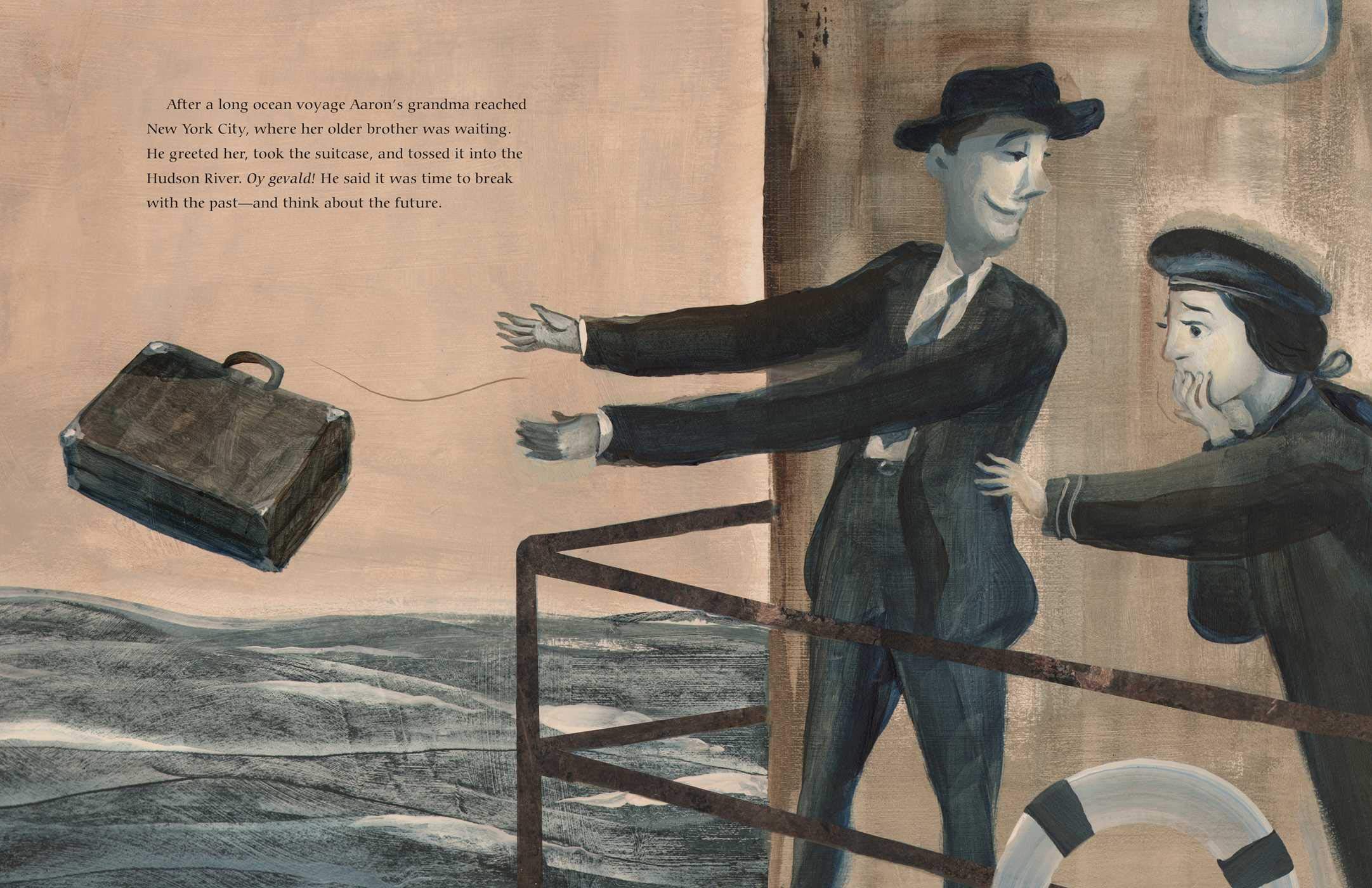
Summary:  When Aaron Lansky was growing up, he heard the story of his grandmother, who immigrated to America when she was 16.  Her older brother greeted her by throwing her suitcase into the Hudson River, telling her it was time to break with the past.  Aaron has spent his adult life working tirelessly to find and preserve that past. As a college student interested in learning Jewish history through Yiddish novels, he discovered a passion for Yiddish books, and began traveling around the country to rescue them.  In 1980, he founded the Yiddish Book Center in Amherst, Massachusetts. A MacArthur grant in 1989 recognized his work, which he continues today, having collected 1.5 million books in Yiddish that he shares with people all over the world. Includes an afterword by Aaron Lansky, an author’s note, illustrator’s note, glossary of yiddish words, and a couple sources of additional information.  48 pages; grades 1-5.

Pros:  What could have been a dry, uninteresting topic comes to life in Sue Macy’s capable hands, aided by the Marc Chagall-inspired artwork.  The back matter fleshes out the story even further, and includes information for visiting the Yiddish Book Center, which turns out to be less than 30 miles from my house.

Cons:  I started to feel some pangs of guilt about my enthusiasm for weeding my libraries.

If you would like to buy this book on Amazon, click here.
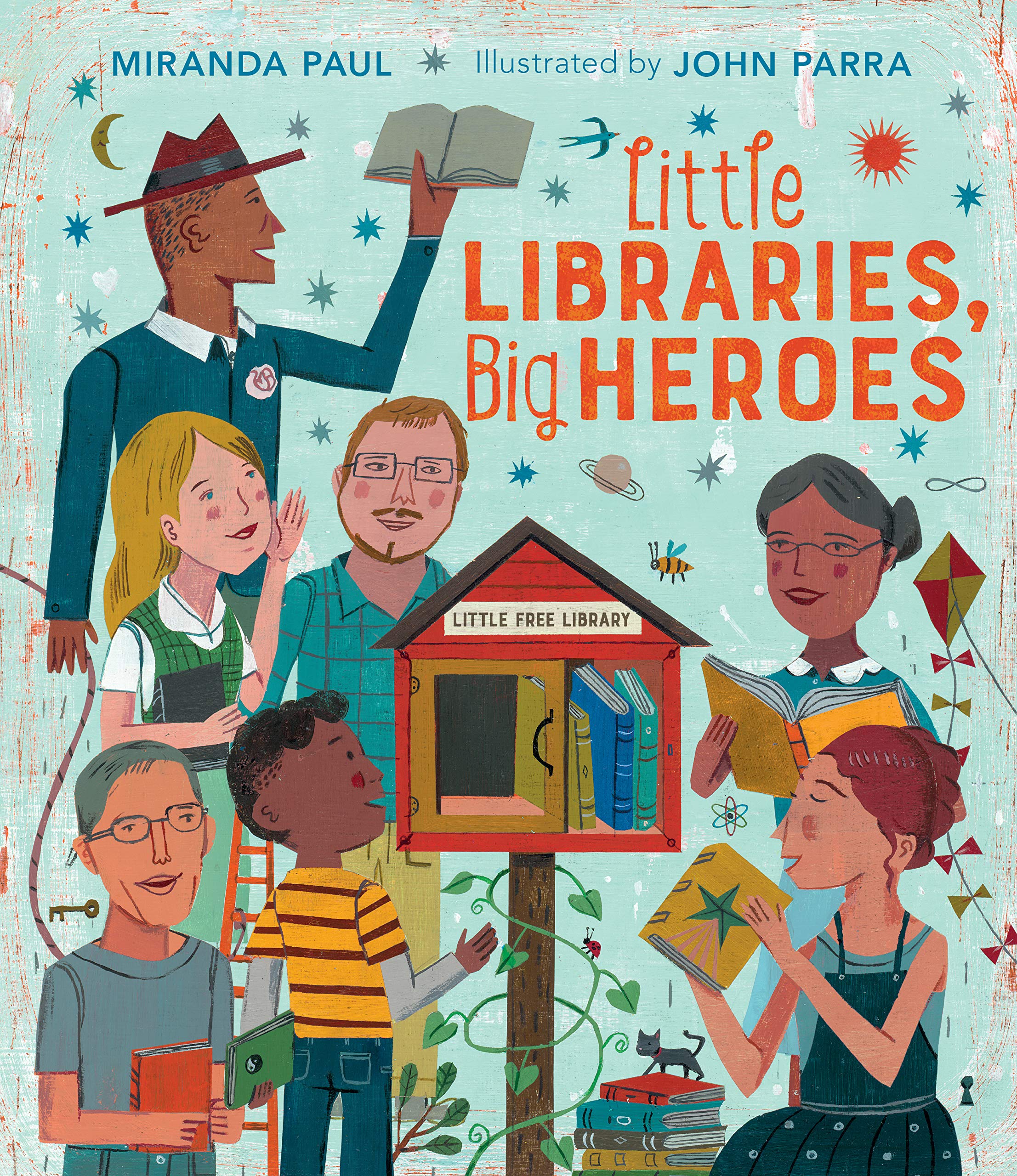
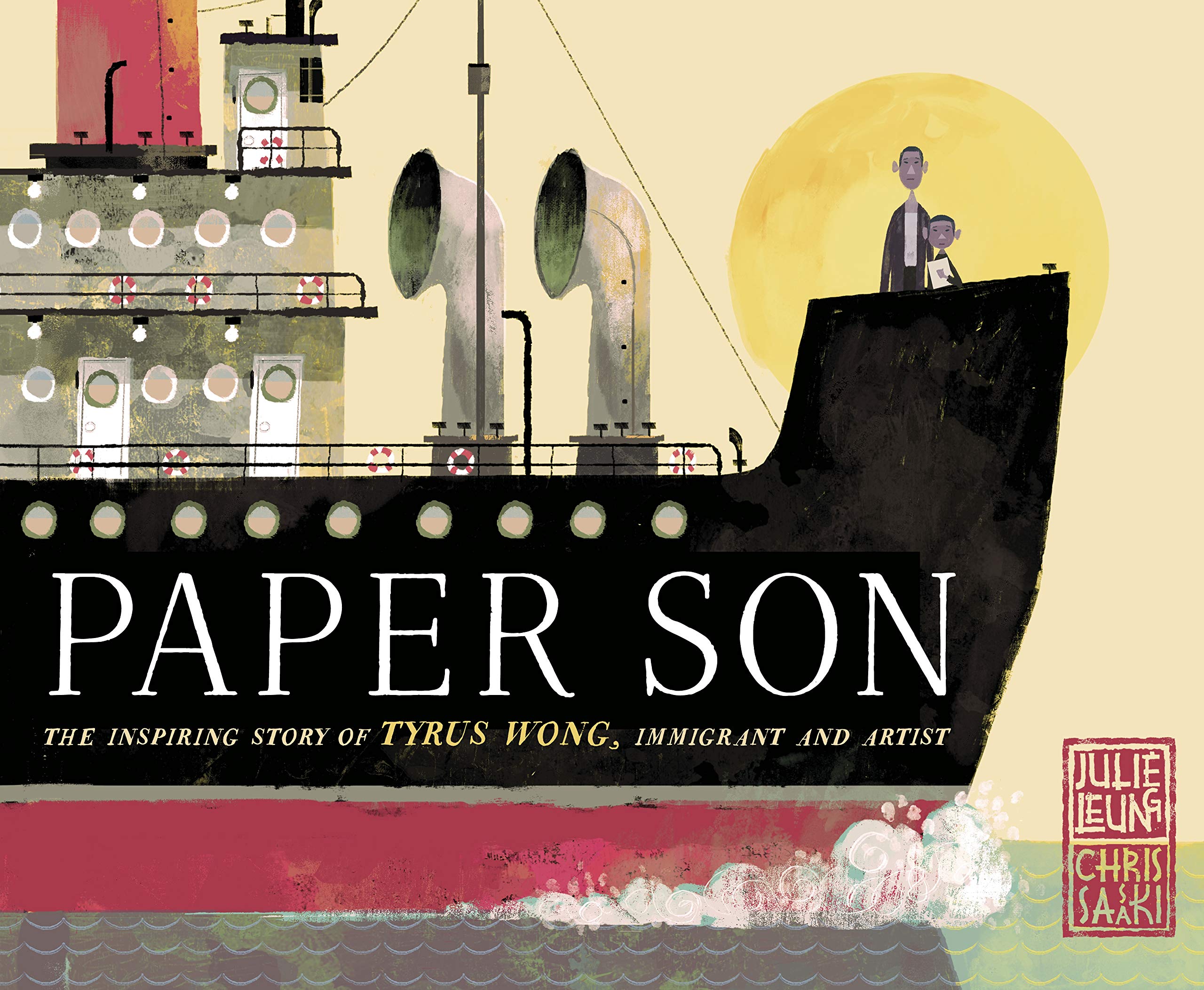
Paper Son: The Inspiring Story of Tyrus Wong, Immigrant and Artist by Julie Leung, illustrated by Chris Sasaki

Published by Schwartz and Wade

Image result for paper sun the inspiring story of tyrus wong

Image result for paper sun the inspiring story of tyrus wong

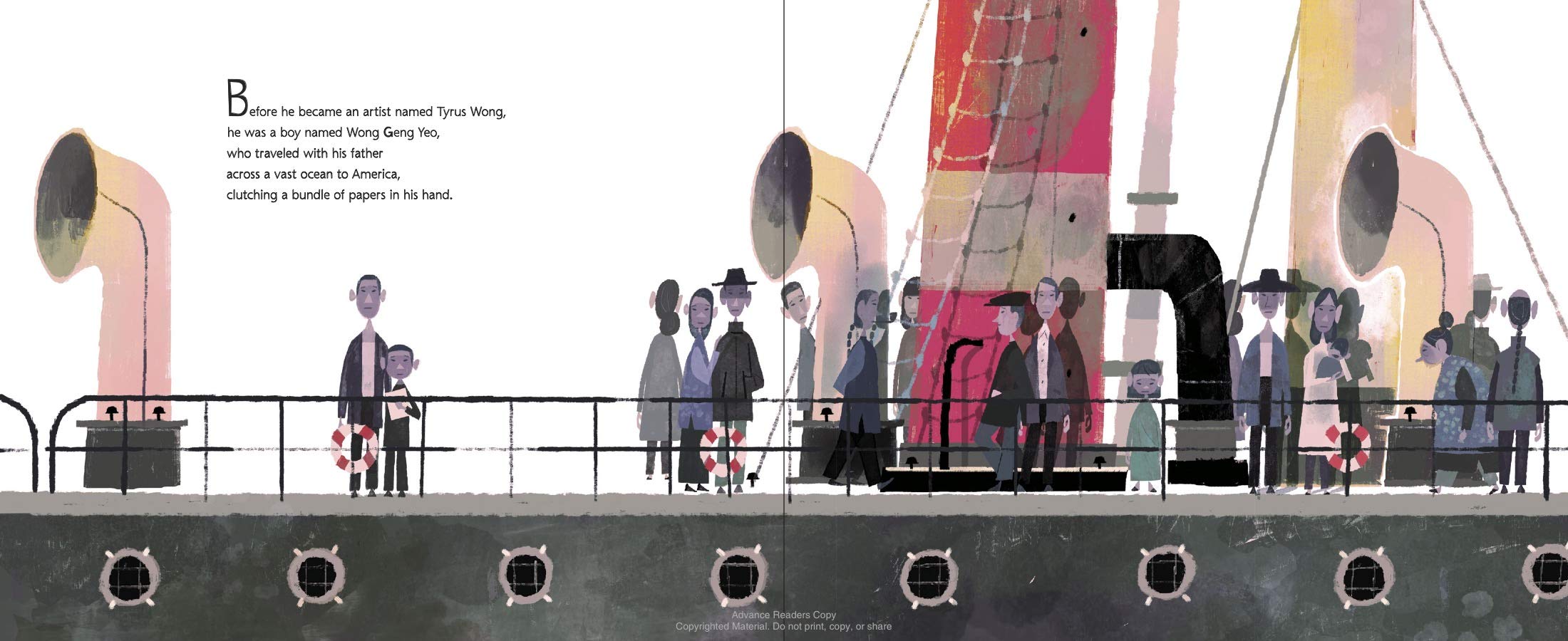
Summary:  In 1919, Wong Geng Yeo immigrated to the United States with his father.  Since only Chinese citizens of high status were allowed to come to America, the two of them traveled under assumed names and had to learn a complicated backstory so their answers would match when questioned by immigration officials.  His “paper” name was Tai Yow, which was Americanized to Tyrus. Both father and son worked hard, Tyrus learning art and working as a janitor. He eventually got a job as an in-betweener at Disney Studios, doing the tedious work drawing the frames between the key scenes in films.  When Tyrus heard the animators were struggling with the backgrounds in the new movie Bambi, he drew on the Chinese style of painting he knew to help out.  Although his work became a key to the film, he was only credited as a background artist.  Back matter tells of Tyrus’s long life–he died in 2016 ate age 107–and of the many different forms of art he created.  40 pages; grades K-5.

Pros:  The Disney aspect will make this appealing to kids, but it really is much more of an immigrant story.  The illustrations are an interesting combination retro-Disney cartoon and Chinese art.  

Cons:  The spare text seems appropriate to the story, but I wish there were more details of Tyrus Wong’s life.  For instance, when working on Bambi, the author states, “Tyrus thought about the mother he had left behind in China,” but that’s the only information about his mom.

If you would like to buy this book on Amazon, click here.

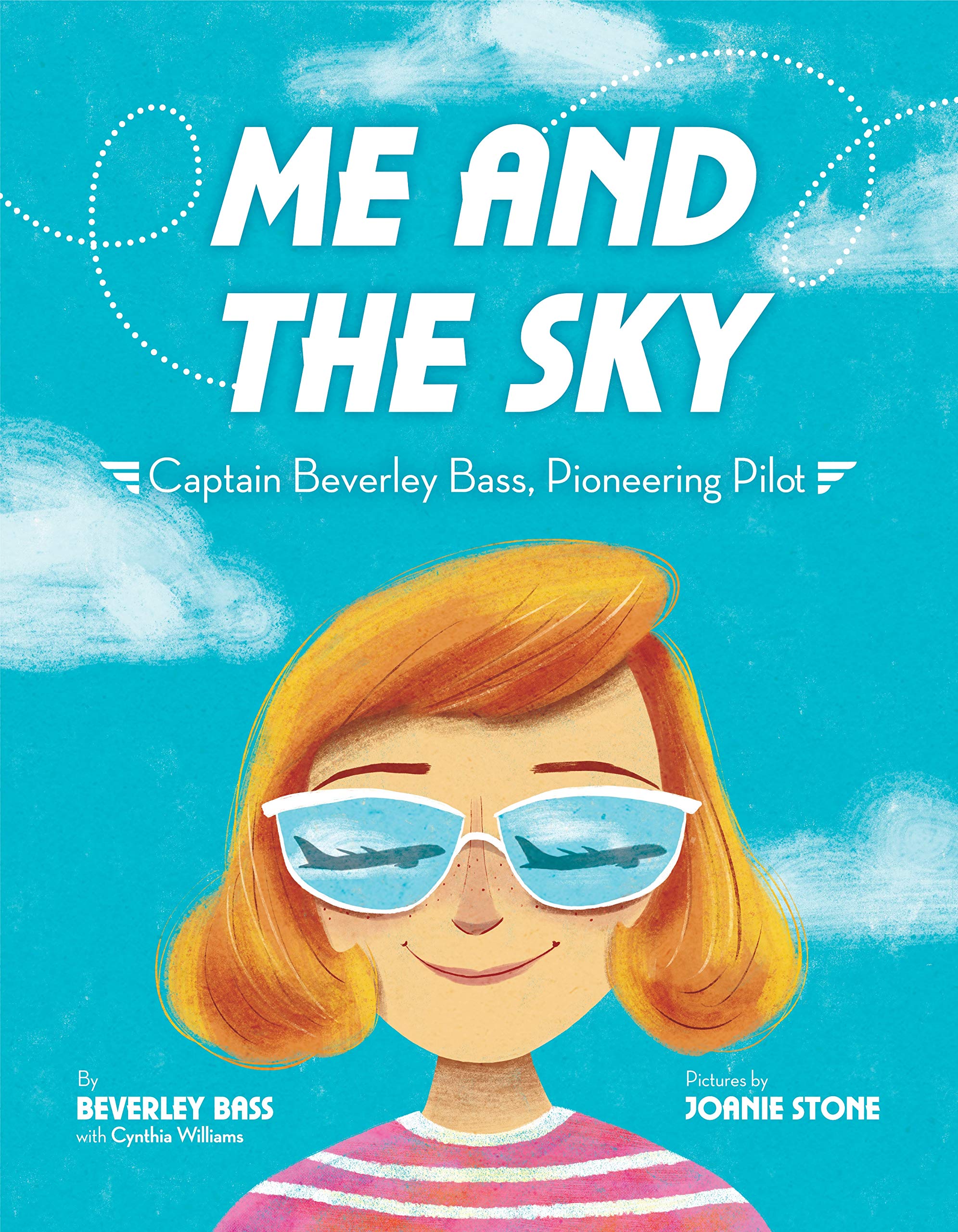
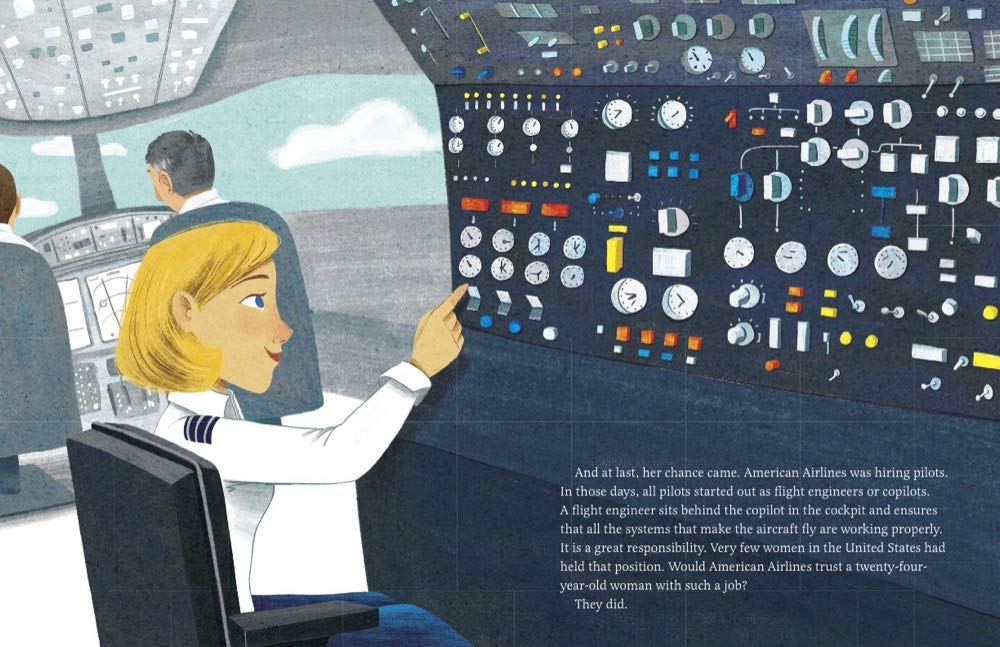
Me and the Sky: Captain Beverley Bass, Pioneering Pilot by Beverley Bass with Cynthia Williams, pictures by Joanie Stone

Published by Knopf Books for Young Readers

Image result for me and the sky beverly bass amazon

Image result for me and the sky beverly bass amazon

Summary:  From the time she was a kid, Beverley Bass was fascinated by flying.  She enjoyed throwing herself off the top of the washing machine and watching planes take off and land at the local airport.  She took her first flying lesson at 19, and decided aviation was going to be her career. She took jobs men didn’t want, like flying cargo and private business planes; by the time she was 24, she had been hired by American Airlines as a flight engineer.  From there, she worked her way up to co-pilot, and at 34 she was made the first woman captain of an American Airlines plane. She eventually became the first to captain an all-female flight crew at American Airlines and the first woman to teach other pilots. She finishes her memoir with this message: “No dream is too big.  Dream big and soar high!” Includes additional information about Beverley, her experiences on 9/11 (which became the basis for a musical called Come from Away), and her role in founding the International Society of Women Airline Pilots.  40 pages; grades 1-5.

Pros:  An inspiring picture book about a little-known woman who broke many barriers for women in aviation.  The illustrations have a retro 1950’s look that is fun and appealing.

Cons:  Not really a con, but I’d like to know more of the 9/11 tale if there are any aspiring writers out there who would like to take on that picture book project.

If you would like to buy this book on Amazon, click here.
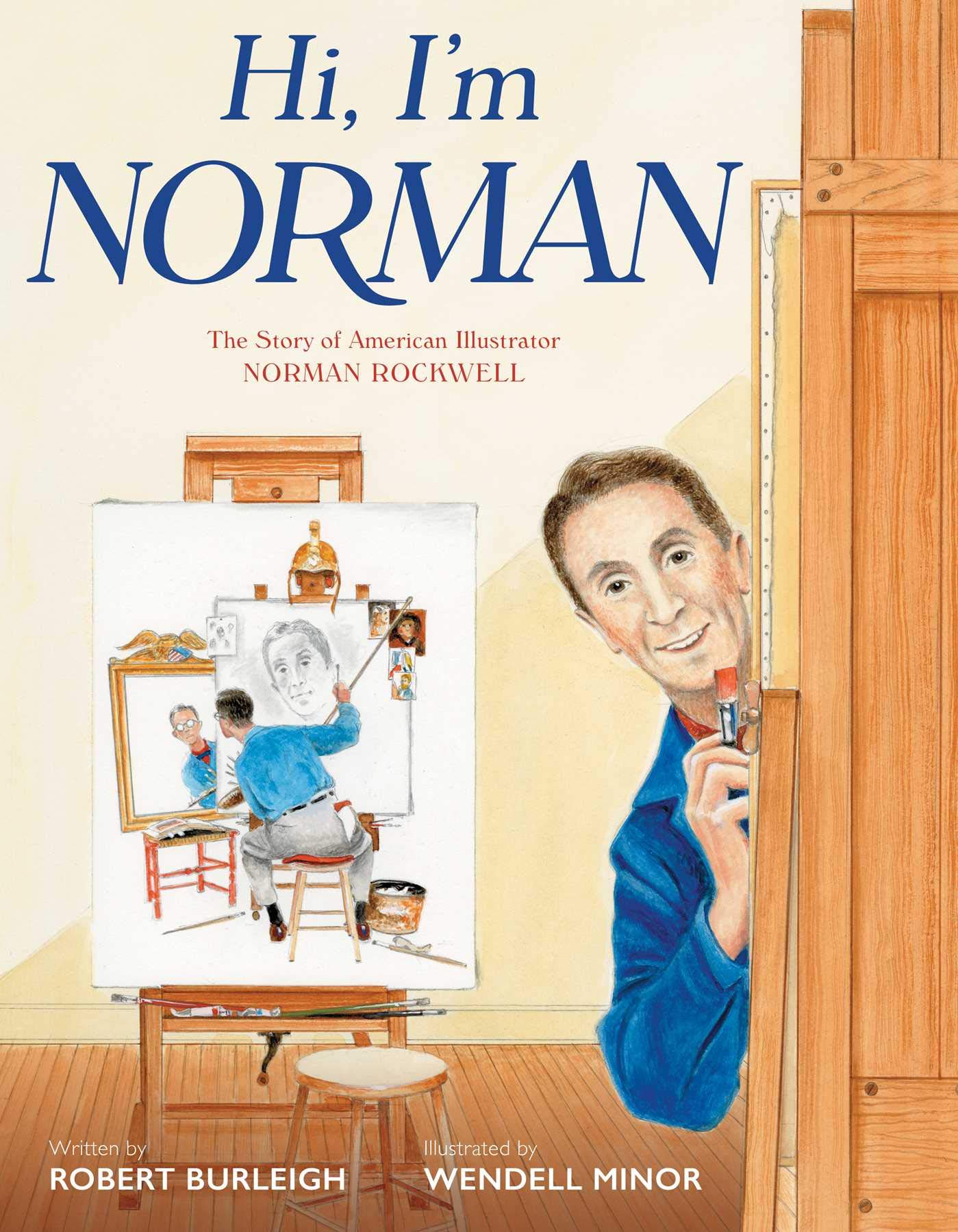
 

Caught! Nabbing History’s Most Wanted by Georgia Bragg, illustrated by Kevin O’Malley

Published by Crown Books for Young Readers

Image result for caught nabbing history's most wanted

Summary:  From the team that brought you How They Croaked: The Awful Ends of the Awfully Famous and How They Choked: Failures, Flops, and Flaws of the Awfully Famous comes this collection of 14 profiles of interesting criminals.  Some will be known by just about everyone (John Wilkes Booth, Joan of Arc), while others are less famous…or infamous (Vincenzo Peruggia, Bernard Otto Kuehn).  Each profile is several pages long, with two additional pages of “Facts and Stats”. Black and white illustrations throughout match the humorous, irreverent tone of the text.  Includes separate bibliographies of print and online sources for each person as well as an index. 224 pages; grades 4-8.

Pros:  History buffs and reluctant readers alike will enjoy these funny, breezy profiles of notorious criminals from all ages.  The author does a good job of adding some historical context which often makes the dastardly deeds a bit more understandable.  The extensive back matter could lead to a lot more research on any one of them.

Cons:  The most recent subject is Al Capone, born in 1899.  We can hope that a sequel is in the works for more recent criminals.  

If you would like to buy this book on Amazon, click here.

Free Lunch by Rex Ogle

Published by Norton Young Readers

Image result for free lunch rex ogle

Summary:  Rex Ogle’s memoir recounts the first half of his sixth grade year.  The problems of the average middle schooler–mean teachers, lockers, changing friendships–are dwarfed by his problems at home.  Both his mother and stepfather are out of work, debts are mounting, and they tend to take out their frustrations on Rex and his two-year-old brother.  The greatest burden falls on Rex, who tries to help out by cooking, babysitting, and balancing the family checkbook, but somehow it’s never enough for his parents, who regularly beat and verbally abuse him.  Rex is afraid of his own anger, but tries to see the good in those around him. A caring grandmother and a new friend help him, but ultimately he has to find his own way. He often feels alone, surrounded by kids who appear to be better off than he is, and ashamed when he has to tell the lunch lady each day that he’s on the free lunch program.  By the time the holidays roll around, both parents have found work, and Rex is feeling optimistic about the second half of sixth grade–even though the reader suspects he still has a lot of difficult years ahead. Includes an author’s note encouraging kids in similar situations to be strong and not feel ashamed of their circumstances. 208 pages; grades 6-9.

Pros:  This is a powerful and disturbing memoir that will open many eyes to what kids may be going through when they come to school each day.  Kudos to Rex Ogle for so honestly sharing what couldn’t have been an easy story to write. Many kids will benefit from reading this, including those who may be going through experiences similar to Rex’s.

Cons:  The scenes of abuse make this more of a middle school book, although I’m sure there are elementary kids who would benefit from reading it.

If you would like to buy this book on Amazon, click here.
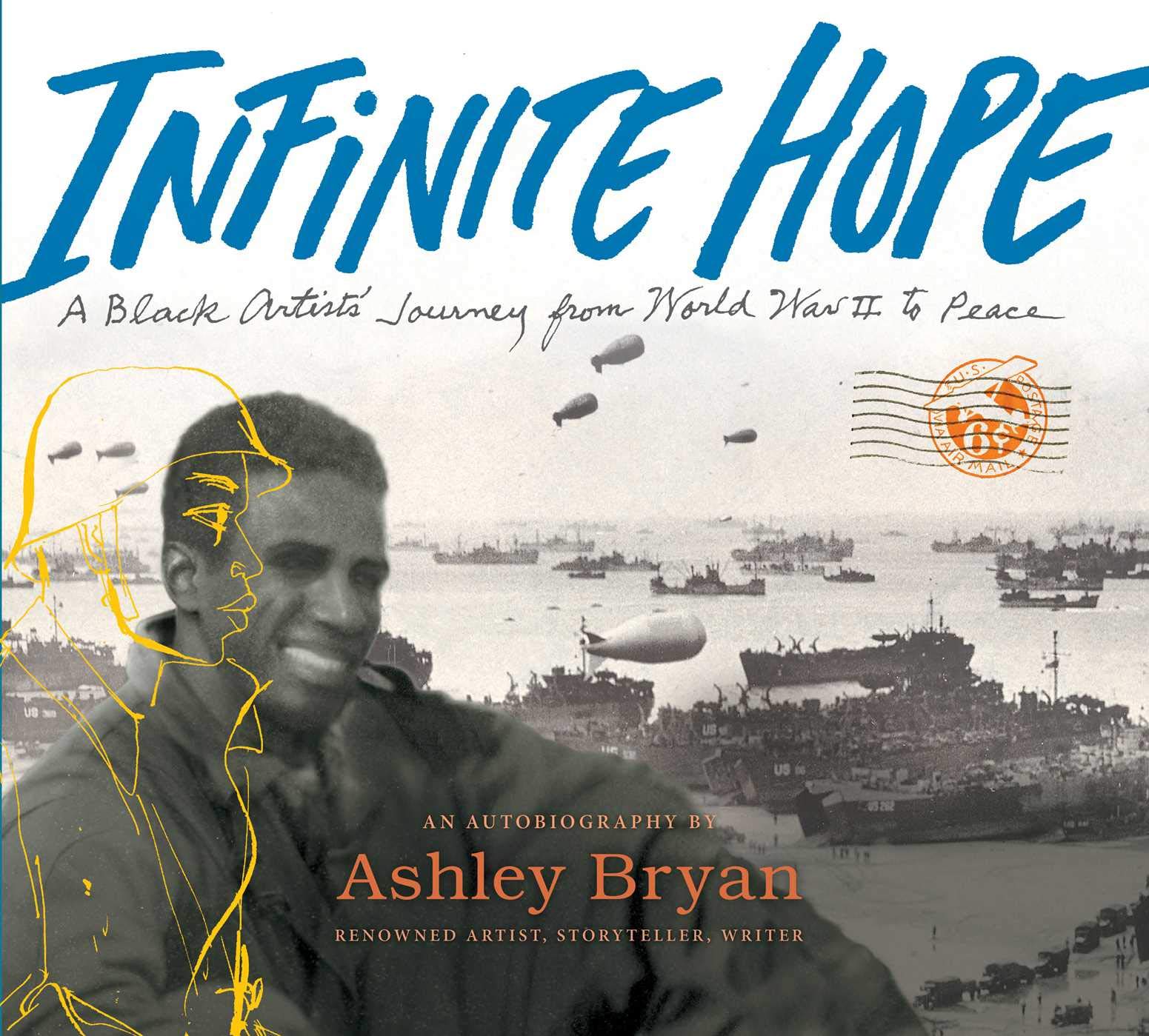


16 Words: William Carlos Williams and “The Red Wheelbarrow” by Lisa Rogers, illustrated by Chuck Groenink

Published by Schwartz and Wade

Image result for 16 words william carlos williams and the red wheelbarrow

Image result for 16 words william carlos williams and the red wheelbarrow

Summary:  “Look out the window. What do you see?” After this invitation to the reader, the author tells the story of Dr. William Carlos Williams, a physician who enjoyed scribbling poems on his prescription pad or as notes to his wife.  When he looked out the window of his New Jersey office, he saw his neighbor, Thaddeus Marshall, working in his garden or carrying his vegetables to market in a red wheelbarrow. Williams wrote about what he saw in the poem “The Red Wheelbarrow”.  “Those sixteen words do not describe Mr. Marshall’s chicken coop, or the train rattling nearby. They do not describe Mr. Marshall hefting that wheelbarrow, or the aches and pains he suffers from stooping to care for his plants. They do not describe Mr. Marshall’s life of work or caring or love.  But somehow they say just that.” Includes an author’s note, bibliography, and a list of six other poems by Williams. 40 pages; grades 2-6.

Pros:  I wasn’t super excited at the prospect of reading a picture book about William Carlos Williams, but this tells a gentle, beautiful (and beautifully illustrated) story that also shows how an ordinary man fit poetry into his everyday life.  It makes his poetry accessible to even early elementary students. This would be a perfect read-aloud in conjunction with Sharon Creech’s Love That Dog, which includes “The Red Wheelbarrow” as one of the poems the class studies.

Cons:  No photos of either Williams or Marshall. 

If you would like to buy this book on Amazon, click here.
Image result for red wheelbarrow william carlos williams

Thurgood by Jonah Winter, illustrated by Bryan Collier

Published by Schwartz and Wade

Image result for thurgood jonah winter

Image result for thurgood jonah winter

Summary:  Thurgood Marshall’s path to legal greatness began at the age of six, when he convinced his parents to legally change his name from Thoroughgood to Thurgood.  Growing up in 1920’s Baltimore, he saw injustice on a daily basis; at home, he learned from his father to back up his statements with factual evidence. After leading his high school debate team, Thurgood went on to college and then to law school at Howard University.  He became a lawyer for the NAACP, and argued 29 cases before the Supreme Court, including Brown v. Board of Education.  The book ends with that decision, simply mentioning on the last page that Marshall became the first black Supreme Court justice in U.S. history.  Includes an author’s note with more information about Thurgood Marshall’s Supreme Court appointment and career. 40 pages; grades 1-5.

Pros:  A powerful narrative about Thurgood Marshall’s life, presenting much of the information in legal terms (“Fact:”; “Verdict:”; “Injustice:”).  Bryan Collier’s illustrations boldly bring to life many dramatic scenes from Marshall’s life, in the courtroom and in unjust, sometimes dangerous settings growing up in Baltimore and traveling through the South.  

Cons:  The author’s note states, “A forty-page picture book such as this cannot possibly convey the magnitude of his legacy”, yet there are no resources for additional research.

If you would like to buy this book on Amazon, click here.